
Reviewed · HIKING & TREKKING
The Best Monsoon Trek: Kashmir Great Lakes
Seven days of passes, lakes, and weather games.
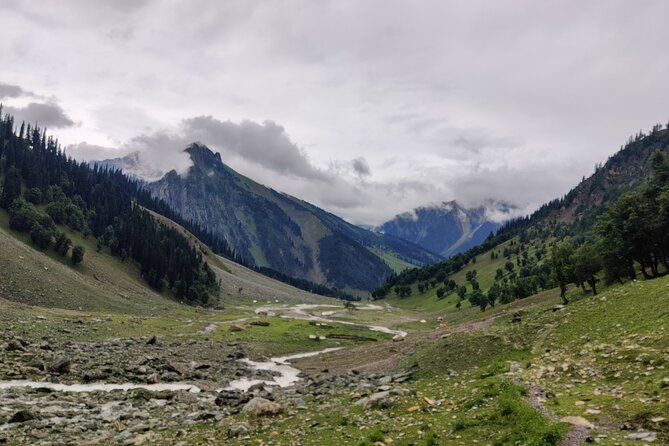
The Kashmir Great Lakes trek out of Srinagar is built around big altitude days, camp life in proper tents, and a timing window that can give you snow in the background and fresh meadow bloom in front. I especially like how the route staggers the effort, so you get a real sense of progress as you move from Sonamarg toward the high lakes and back down to Naranag.
I also love the practical mountain support. The camp setup includes A-shape tents plus a kitchen, dining, and toilet tent, and the food is consistently described as hot, filling, and surprisingly good after hard hiking, including trout dishes and comfort classics like soups, dal, rajma, and pasta. With guides like Surendra Rana and team members such as Rishabh, you can feel the “keep everyone safe” mindset, especially when weather turns.
One thing to consider: this is a weather dependent high-altitude trek. In late July through late August and into September, you should expect the chance of abrupt rainfall, colder nights, and slippery ground on steep sections, and that can make timing feel tighter on the trail.
In This Review
- Key things to know before you book Kashmir Great Lakes
- Choosing Your Month: Snow, Blooms, and Monsoon Rain Risk
- Srinagar to Sonamarg: The Warm-up Ride Along the Sind River
- Day 2: Shitkadi to Nichinai Pass Area and the Nichinai Stream
- Day 3: Nichinai Pass (~4,100m) and Reaching Vishansar Lake
- Day 4: Vishansar to Gadsar Lake Over Gadsar Pass (~4,210m)
- Day 5: Gadsar to Tarsar Lake, with a More Manageable Rhythm
- Day 6: Zaj Pass to Gangabal Lake at 13,280 Feet
- Day 7: Final Descent to Naranag, Then Back to Srinagar
- Tents, Food, and Guide Support That Actually Matter
- Price and Value: Is $481 Fair for 7 Days in the High Mountains?
- What to Expect Day to Day on the Trail
- Who This Trek Fits Best (and Who Might Want Another Option)
- Should You Book This Kashmir Great Lakes Trek?
- FAQ
- What time do I meet in Srinagar?
- How many days is the Kashmir Great Lakes trek?
- Are meals and camping gear included?
- What’s the group size?
- Do I need to hire a porter?
- What happens if weather is bad?
Key things to know before you book Kashmir Great Lakes
- Timing changes the whole experience: early July often means snow at higher reaches plus fresh meadow bloom, while late August leans colder with more rain risk.
- Small-group feel: capped at a maximum of 11 travelers, which usually keeps camp quieter and easier to manage.
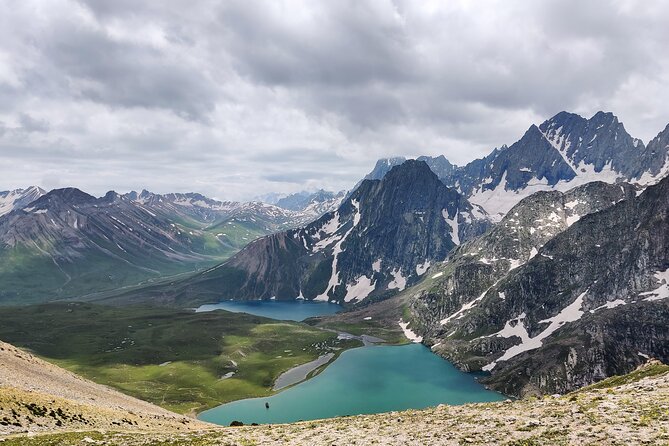
- Pass days are the real workout: Nichinai Pass (~4,100m), Gadsar Pass (~4,210m), and Zaj Pass (13,280 feet) set the rhythm.
- Camp comfort is included, not an afterthought: sleeping bags and mats are provided, plus kitchen and dining space.
- Food quality gets real praise: hot soups and hearty meals show up again and again in feedback.
- Guides matter when conditions shift: past groups highlighted alert leadership, including safe navigation when weather turned bad.
Choosing Your Month: Snow, Blooms, and Monsoon Rain Risk
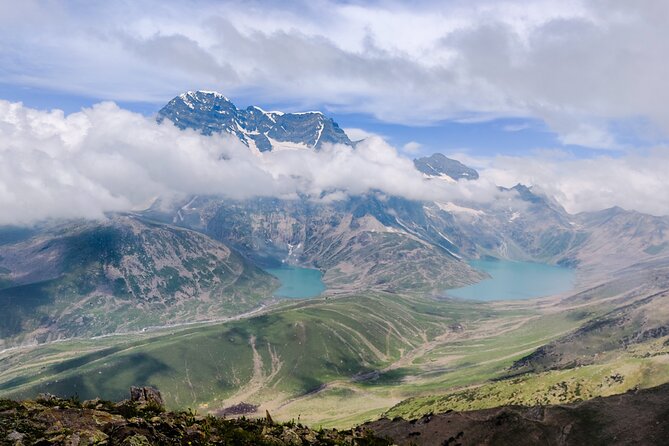
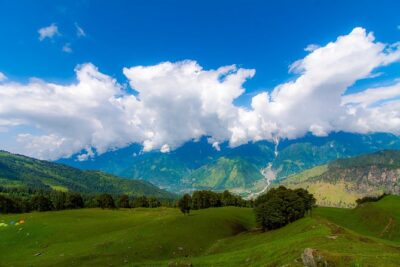
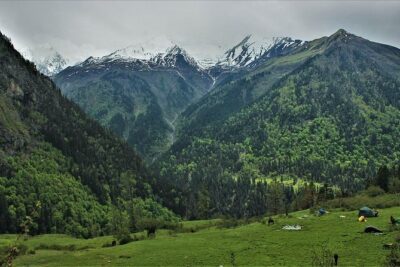
This trek starts in early July, and that matters a lot. Early July can still show snow on higher slopes while meadows look freshly alive, so you get a rare contrast, snow in the distance and bright greens right below your feet.
By the end of July, the snow tends to melt away and the alpine meadows reach their fullest bloom. The air is generally warmer than in mid-summer, and night camping often feels more comfortable.
Late August is when you should shift your expectations. Temperatures start dropping again, flowers begin to wither, and rainfall can be more abrupt than you might expect. The trek can still continue into the second week of September before snow begins to take over higher sections again.
Practical tip: if you hate surprises, target late July to early August. If you want snow drama in the background, aim earlier in July. Either way, pack for both sun and wet weather because conditions can change fast at altitude.
A few more Srinagar days to compare
- Kashmir Great Lakes Trek
★ 5.0 · 56 reviews - Kashmir Snow Trek
★ 5.0 · 10 reviews - Kolahoi Glacier Trek
★ 4.5 · 9 reviews
Srinagar to Sonamarg: The Warm-up Ride Along the Sind River
Day 1 is mostly travel, but it sets your mental map for the days ahead. You leave Srinagar around 1:00 PM and reach Sonamarg around 4:30 PM, following the Sind River.
A nice detail on the drive is the stop area around Anchar Lake in Srinagar, plus the river crossing at the Wayil bridge about 25 km ahead of the city. You’re not just getting from point A to point B, you’re building a sense of the valley you’ll hike through later.
One logistics note that you’ll feel right away: the meeting time is listed as 11:00 AM in Srinagar, but the drive to Sonamarg happens later. Plan for a bit of waiting, and keep essentials easy to access since you won’t be hiking yet.
Day 2: Shitkadi to Nichinai Pass Area and the Nichinai Stream
Day 2 starts from camp at Shitkadi and turns into a steady trek toward Nichinai camp. You follow the Nichinai stream, which runs to your right for much of the day, so you always have a “line” in the terrain.
The day isn’t about one single killer climb. It’s about time on your feet, moving upstream, and then reaching a meadow area with maple trees that break up the hike visually.
This is a good day to settle into your pace. If you go out too fast early on, you’ll feel it on the pass later in the itinerary. If you pace smart, this day feels like a warm-up that still gives you proper scenery.
Day 3: Nichinai Pass (~4,100m) and Reaching Vishansar Lake
On Day 3 you make the big jump in altitude effort. The trek climbs from Nichinai camp up to Nichinai Pass, which is around 4,100 meters, and the ascent takes a couple of hours at a moderate pace.
Once you cross the pass, the route continues toward the area of Vishansar Lake, with the day described as a roughly 4-hour block total. What matters for you is that you’ll be climbing when the air is thin, so slow breathing and consistent steps make a bigger difference than speed.
This day is where the trek becomes more “high mountain” and less “valley trek.” Start hydrating early, not once you feel thirsty, and keep your wind layer close. Even in summer, passes can deliver chilly gusts.
Another way to spend a day in India:
- Kashmir Family Tour – 07 Days Includes Accommodation and Private Transport
★ 5.0 · 164 reviews - 6 Days Private Tour in Kashmir Valley
★ 5.0 · 140 reviews - Private 5-Day Charming Kashmir Package Tour from Srinagar
★ 5.0 · 138 reviews - 5-Days Kashmir tour includes Accommodation and Private Transportation
★ 5.0 · 134 reviews
Day 4: Vishansar to Gadsar Lake Over Gadsar Pass (~4,210m)
Day 4 is one of the most demanding stretches of the whole itinerary. You go from Vishansar toward Gadsar, and the route crosses the trek’s highest point at Gadsar Pass, around 4,210 meters.
The crossing is described as the top altitude of the trek, and the hiking time is long at about 10 hours. Expect a mix of climbing and long walking, with fewer shortcuts than you’ll want when legs get tired.
If you’re the type who likes to “win” hiking days, this is not the one to push. The reward comes from finishing strong, not from reaching a viewpoint first. In weather like rain or mist, the extra time can also be a safety factor, because visibility and footing degrade.
Day 5: Gadsar to Tarsar Lake, with a More Manageable Rhythm
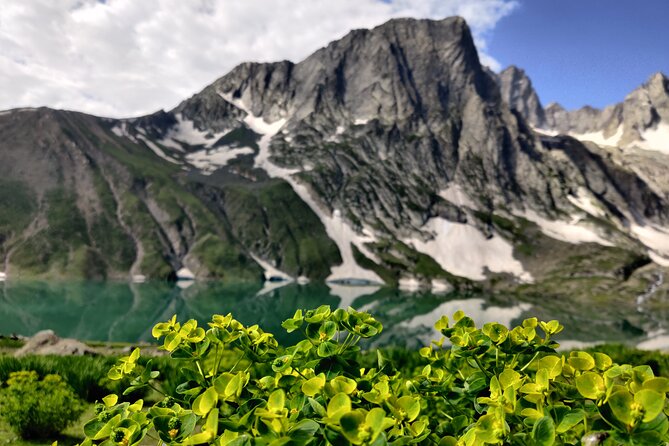
Day 5 is labeled as a relatively easier day compared to the earlier passes. The route starts with a steep hike for a little over an hour, then transitions into a trail that’s more gradual and mostly level plain.
You’ll reach Tarsar Lake, and the schedule puts this day around 6 hours. This is the day I treat as recovery without being lazy. You still hike enough to keep the rhythm, but the terrain gives your body a break from the longest climbs.
It also helps mentally. After a tough high-point day, this “less savage” segment makes it easier to enjoy the lake arrival rather than just trying to survive the walk.
Day 6: Zaj Pass to Gangabal Lake at 13,280 Feet
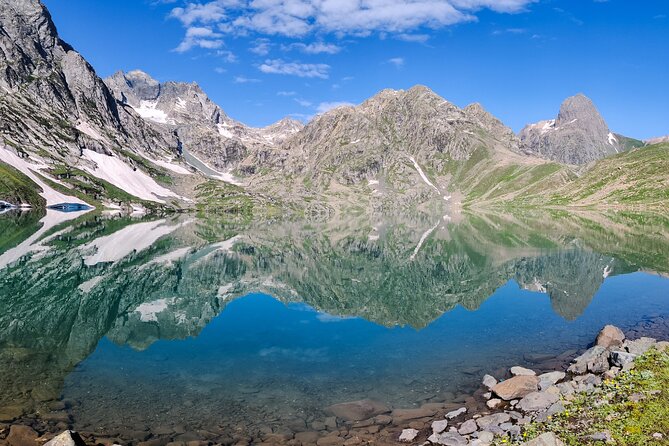
Day 6 keeps the high altitude theme but uses a different kind of challenge. The day begins with an ascent to Zaj Pass, which is lower than the earlier passes you crossed before, at 13,280 feet, and the climb takes about 2 hours.
From there, the day continues to Gangabal Lake, with an overall pace of about 6 hours. Since Zaj is still high, plan on cold air and wind on exposed sections, especially if clouds roll in.
This is a great day to focus on small wins: steady steps, frequent water sips, and keeping your pack organized. When you’re tired, fumbling for items feels worse than the climb itself.
Day 7: Final Descent to Naranag, Then Back to Srinagar
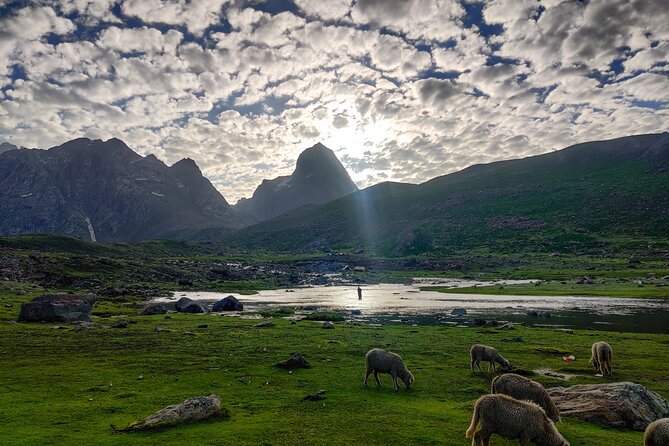
The final day shifts from altitude hiking to controlled walking and descent. The trail oscillates between minor ascents and descents for about half the day, and then you get a steep descent all the way to Naranag.
The arrival into Srinagar is typically between 5 and 7 PM, depending on when you start. That means you should expect a late day physically, not a light “photo stroll” finish.
If you’re prone to sore knees, this is where trekking poles can earn their keep, if you bring them. And if the ground is wet, go slower than your instinct says, because downhill footing is where slips happen.
Tents, Food, and Guide Support That Actually Matter
This trek is not just about reaching lakes. It’s about surviving the middle hours comfortably enough to enjoy the final views.
You sleep in standard double occupancy tents for 6 nights, with a kit that includes clean sleeping bags and mats. Camps include a kitchen, dining setup, and a toilet tent with portable seats and camping stools. That means you’re not stuck eating standing up or using uncomfortable conditions that drain energy.
Food is a standout theme in feedback. Hot soups show up repeatedly, along with filling dishes like dals, rajma, pasta, and even popcorn-style snacks. One highlight mentioned was trout dishes on the mountain, which tells me meals aren’t an afterthought here.
Guide support is also highly emphasized. People specifically praised leaders like Surendra Rana for being alert and vigilant, especially when weather turned bad and the team needed to get everyone down safely. Other team names you might see include Bachan and Choudhary, who were noted for good trekking experience and strong food.
Also, you’ll usually have a first aid kit with your BMC certified professional guide. That doesn’t eliminate risk, but it gives you comfort when conditions are unpredictable.
Price and Value: Is $481 Fair for 7 Days in the High Mountains?
At $481, you’re paying for a guided, organized camping trek with meals, tents, and local transport support within the route. Included items cover 6 nights of camping accommodations, all fees and taxes, and a qualified guide with first aid gear.
On top of that, breakfast is included 6 times, dinner is 6 times, and lunch is included 5 times. You also get transport support on the Srinagar-to-trek side, plus the group cap keeps logistics manageable.
What’s not included is equally important for value. You’ll pay for your own travel to Srinagar, you may need lodging in Srinagar on the last day, and there’s an optional porter service at INR 500 per bag per day if you want help carrying personal luggage. Tips and personal medications are also on you.
If you’re comparing to other Himalaya treks, the big value lever here is that your “hard parts” are supported. You’re not arranging permits, camp structure, or day-to-day guiding. You can focus on hiking and camp life, and that’s where you should feel the difference.
What to Expect Day to Day on the Trail
The itinerary follows a clear escalation pattern: starting with valley drive and a stream-led trek day, then pass climbs that ratchet up altitude effort, and ending with a long descent day.
Typical day shape:
- Morning trekking starts fairly early once you’re out of camp.
- Midday energy comes from the pass approach and consistent pacing.
- Camps are set up for tent sleeping, with meals that make the evenings easier.
Expect some days to feel long, especially Day 4 at around 10 hours, and expect weather to influence how “easy” or “hard” a trail feels. You can be fit and still feel wrecked if you rush uphill in cold wind or walk too fast on steep descents.
Who This Trek Fits Best (and Who Might Want Another Option)
This trek suits you if you have moderate physical fitness and you’re comfortable with long trekking days and high altitude passes. It also fits well if you want the independence of a camping trek, but without carrying camp cooking gear yourself.
You’ll probably enjoy it most if you like:
- High points and lakes as payoff moments
- A small-group hiking pace
- Camp meals that are more than survival food
If you strongly dislike rain exposure or slippery downhill trails, late August into September can be stressful. The trek can run into early September, but that period is exactly when you should respect weather risk and go slower when trails get slick.
Service animals are allowed, and the meeting point is near public transportation, which can be helpful if you’re planning your own Srinagar arrival.
Should You Book This Kashmir Great Lakes Trek?
I think you should book it if you want a classic Kashmir high-lakes route with real camp support, consistent meal quality, and a group size that keeps things calm. The combination of snow timing options in early July, full bloom in late July, and the guide team’s safety focus is a strong match for travelers who value both views and process.
But book with eyes open if you’re sensitive to weather swings. Abrupt rainfall is part of the story in late summer, and the passes plus steep descent mean you’ll feel trail conditions in your legs.
If you’re deciding between months, my rule of thumb is simple: pick early July for snow-plus-bloom, pick late July to catch warmer nights and fuller meadows, and pick late August only if you’re okay with colder air and rain risk.
FAQ
What time do I meet in Srinagar?
You meet in Srinagar at 11:00 AM. The drive toward Sonamarg typically starts later, around 1 PM, with arrival around 4:30 PM.
How many days is the Kashmir Great Lakes trek?
It runs for about 7 days, with about 6 nights of camping and the last day finishing back in Srinagar between 5 and 7 PM.
Are meals and camping gear included?
Yes. You get standard tent accommodation for 6 nights and sleeping bags and mats. Meals include 6 breakfasts, 6 dinners, and 5 lunches.
What’s the group size?
The trek has a maximum of 11 travelers.
Do I need to hire a porter?
No. Porters are not included. If you want help carrying personal luggage, the optional porter charge is INR 500 per bag (under 12) per day.
What happens if weather is bad?
This experience requires good weather. If it is canceled due to poor weather, you’ll be offered a different date or a full refund. If the minimum number of travelers is not met, you’ll also be offered a different date or a full refund.
Recently added around Srinagar
- Innova To and Fro Pvt. Airport Transfer from Srinagar / Dal Lake★ 5.0 · 26 reviews
- Srinagar To Leh, Ladakh Taxi (One way Transfer)★ 4.5 · 7 reviews
- Srinagar Splendors: A Private City Tour★ 4.5 · 12 reviews
- Private Sedan Cab to and from Srinagar Airport and Dal Lake★ 5.0 · 46 reviews
- Pahalgam Gulmarg Srinagar Tour★ 4.5 · 47 reviews
- Kashmir Ladakh Tour★ 5.0 · 12 reviews
- Kashmir Tulip Festival★ 5.0 · 43 reviews
- Kolahoi Glacier Trek★ 4.5 · 9 reviews
Hiking & Trekking, compared.
Mountain Hiking in Munnar (half day) By Munnar Info
Read our review →
Half day trekking (munnar valley Trekking & Tours )
Read our review →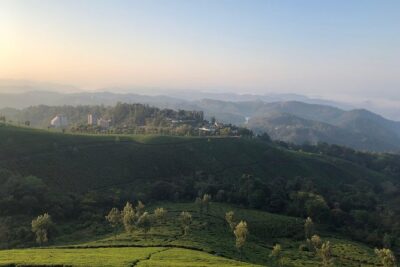
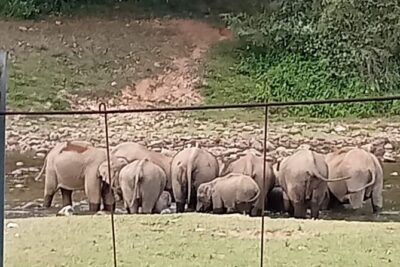
Wild Elephant Anakulam & Waterfalls Tour(munnar valley Trekking)
Read our review →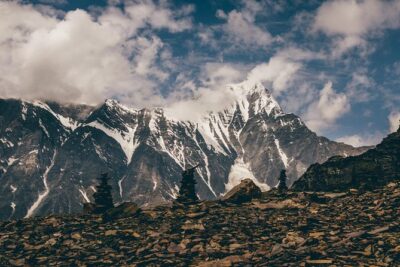
Browse the lists this tour appears in