
Reviewed · HIKING & TREKKING
Friendship Peak Trek
Friendship Peak gives you an honest Himalayan workout. This supported eight-day trek in Himachal takes you through Pir Panjal forests and alpine meadows to a 17,348 ft summit, with camp chef meals and real safety planning. I love the rescue-ready safety setup and the supportive leader focus that keeps you moving with confidence.
One catch: it is not for beginners. You need strong high-altitude trekking experience, and you also carry your own personal bags during the trek (porters handle common supplies).
In This Review
- Key Points You’ll Care About
- Friendship Peak’s Big Views, Without the Guesswork
- Your 8 Days: Manali Warm-Up to Summit Push
- Day 1 and Day 8: Manali, the Base Camp for You
- The Solang to Bakarthatch Trek Day: Start Walking While It’s Still Friendly
- Bakarthatch to Advance Base Camp: The Trek Gets Serious
- Camp 1 Interlude with a Back-and-Forth Day
- Acclimatization Day and Camp 1 Move: You’re Training for the Summit
- Summit Day to Base Camp: Short, Focused Effort
- Reserve Day: A Real Gift in Mountain Weather
- Base Camp Back to Solang and Drive to Manali
- What the Trek Is Actually Like: Forests, Meadows, Streams, and a Big Window at the Top
- Gear, Tents, and Safety: A Trek That Takes Hazards Seriously
- Food in Camp: Where Comfort Turns Into Altitude Fuel
- Fitness Rules: The Gatekeeping Is for Your Safety
- Best Season: When the Mountains Cooperate (May to June, September to October)
- Price and Value: What $898.79 Covers (and What It Does Not)
- Should You Book Friendship Peak with Bikat Adventures?
- FAQ
- Is Friendship Peak Trek suitable for beginners?
- How long is the Friendship Peak trek?
- What meals are included during the trek?
- What gear and safety equipment are included?
- Do I have porters for my personal bags?
- What if the trek is canceled due to weather?
Key Points You’ll Care About
- 17,348 ft summit payoff, with wide views of the Pir Panjal range, Dhauldhar range, and the Great Himalayan range
- Real camping nights in tents, plus meals prepared by your camp team
- Gear included such as tents, sleeping bags, sleeping mats, snow boots, helmet, gaiters, and ice-axe
- High-altitude structure, with advance camp days for acclimatization and a built-in reserve day
- Private group experience, where only your group participates
- Serious fitness requirements, including prior challenging treks and a 5 km run or continuous 10 km walk benchmark
Friendship Peak’s Big Views, Without the Guesswork
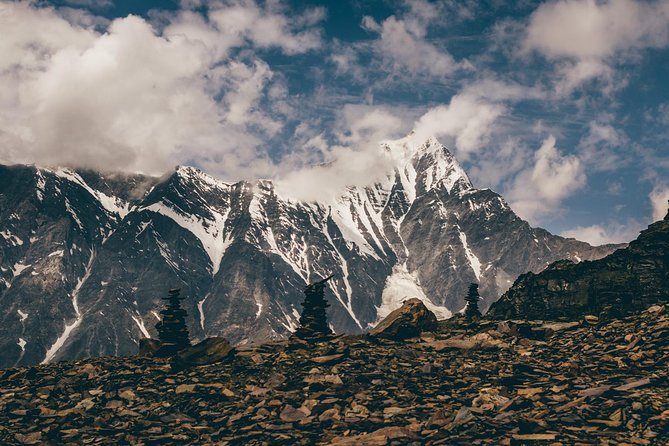
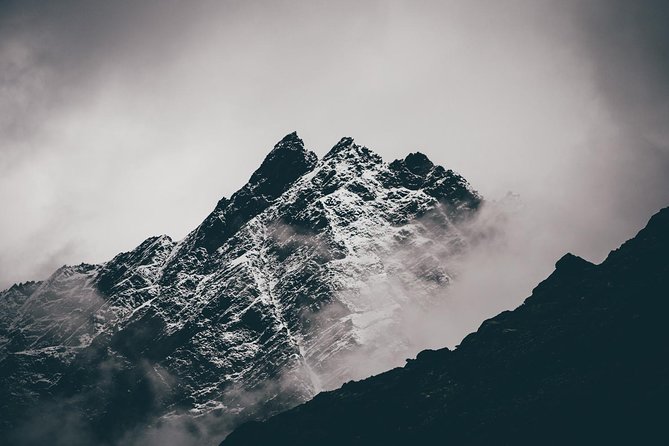
Friendship Peak sits in the Pir Panjal range in Himachal Pradesh, and it is one of India’s famous trekking summits for a reason. At 17,348 ft, the climb is high enough that the views start to feel earned, not borrowed. On a clear day at the top, you can see the Pir Panjal range and the Dhauldhar range, plus parts of the Great Himalayan range. You may also spot peaks like Hanuman Tibba, Shitidhar, Indra Asan, and Deo Tibba.
What makes this trek interesting is that it is not sold as a solo adventure where you wing it. It is supported, with a guide and a cook, and it leans on proper high-altitude practice like acclimatization and reserve planning. You get the mountain experience, but with fewer unknowns.
And based on what I’ve seen in the feedback about this Friendship Peak trek, the two things people keep praising are straightforward: the food and the leader support. That matters, because on summit days you do not need drama. You need fuel, warmth, and a team that knows what to do when conditions get serious.
A few more Shimla & Manali days to compare
- Bhrigu Lake and Alpine Meadow Trek
★ 5.0 · 121 reviews - Nagtibba Trek (Pantwari to Pantwari)
★ 5.0 · 39 reviews - Dayara Bugyal and Surya Top Trek
★ 5.0 · 10 reviews
Your 8 Days: Manali Warm-Up to Summit Push
This is an eight-day plan with two bookend nights in Manali and a trekking rhythm that builds altitude gradually.
Day 1 and Day 8: Manali, the Base Camp for You
You arrive in Manali and sleep in a hotel or guest house. The same setup happens on the final day after you return from the trek. Manali is also described as near public transportation, which is useful if you want to move around easily before or after your hike.
Why this matters: after travel, you want sleep that is more reliable than a bus station floor. Also, two hotel nights help you reset your body after a multi-day trek with tent nights, cold exposure, and reduced comfort.
The Solang to Bakarthatch Trek Day: Start Walking While It’s Still Friendly
You drive from Manali to Solang, then trek to Bakarthatch. This first day is your mental calibration day. You are going from road life to hiking life, so it helps to treat it like a warm-up rather than a test.
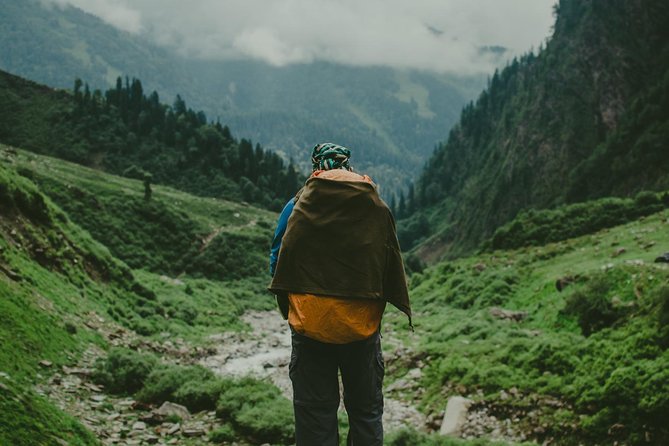
On this route, you are in the Pir Panjal terrain with alpine meadows and dense forests, plus plenty of stream crossings. Even early on, that mix can slow you down because you are always adjusting your footing. If you plan to keep a steady pace, you’ll feel better later when altitude demands more effort.
Another way to spend a day in India:
- Himalayas Motorcycle Escapades
★ 5.0 · 81 reviews - Shimla Private Guided Walk Tour exploring the colonial trails
★ 5.0 · 66 reviews - Shimla: Guided Walk Tour-Heritage, Culture & Colonial Trail
★ 4.7 · 28 reviews - Shimla: Himachali Traditional Local Home Food Experience
★ 4.4 · 10 reviews
Bakarthatch to Advance Base Camp: The Trek Gets Serious
The next day takes you from Bakarthatch to Advance Base Camp. This is where you start settling into the trekking routine in earnest: gear checks, layers managed for temperature swings, and an “eat, move, rest” mindset.
You also keep getting those varied environments, including forests and meadows, along with numerous streams. Variety is good. It keeps the mind engaged. It also means you cannot just zone out, because every trail surface needs attention.
Camp 1 Interlude with a Back-and-Forth Day
After reaching Advance Base Camp, you move toward Camp 1. The plan includes a day where you load and travel to Camp 1, then return back to the Advance Base Camp area. This kind of back-and-forth day is a classic acclimatization tool, even if you do not see the science explained.
What it does for you practically:
- It helps your body adapt without you doing a full summit-style effort on the same day.
- It gives you time to practice moving efficiently in colder, higher conditions.
- It reduces the chance that you feel wrecked right when the summit push begins.
Acclimatization Day and Camp 1 Move: You’re Training for the Summit
Then you have an acclimatization day and move to Camp 1. By this point, you should know how your body reacts to the day’s altitude and cold. Your job is simple: keep your pace steady, manage hydration, and stay warm between movement periods.
A well-run summit hike is not just about strength. It is about not wasting energy when you are already running low. If you go hard, you pay later.
Summit Day to Base Camp: Short, Focused Effort
The trek’s summit attempt happens on Day 6, then you go back to Base Camp. Summit day is where the “not for beginners” line becomes real. Friendship Peak is high, and the summit push requires prior experience with high-altitude conditions.
During the climb, the best strategy is usually the boring one:
- slow and steady
- frequent micro-pauses
- warm layers managed the moment you stop moving
When people succeed on summit day, it is often because the team kept them calm and moving. In feedback from other Himalaya trips operated by the same provider, summit success gets credited to supportive leadership on the most difficult stretch, with names like Nitin showing up in that context. You should expect the same “no panic, keep going” attitude for your group, even if the specific person can vary.
Reserve Day: A Real Gift in Mountain Weather
Day 7 is a reserve day. This is not time-wasting. It is contingency planning for mountain weather and conditions. High-altitude hikes often get delayed. A reserve day protects the overall experience and reduces the chance your itinerary collapses if conditions change.
If weather forces an adjustment, you will be grateful this day exists.
Base Camp Back to Solang and Drive to Manali
On the final trekking day, you move from Base Camp to Solang and then drive back to Manali. After tent nights and cold hiking, a vehicle ride feels like luxury. Try not to rush yourself in the last hours. Save your energy so you enjoy the end, not just survive it.
What the Trek Is Actually Like: Forests, Meadows, Streams, and a Big Window at the Top
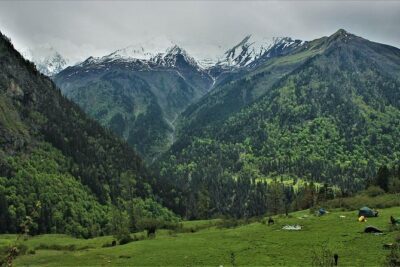
This trek passes through a lot of different trekking textures. The route includes alpine meadows, dense forests, and multiple stream crossings. That mix changes how your legs feel day to day. It also keeps the hike from feeling monotone.
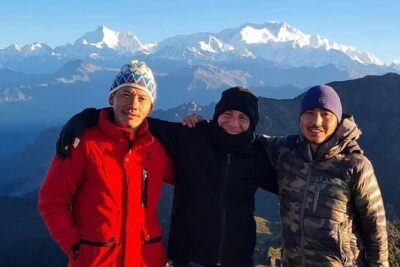
The biggest payoff is at the summit. You are not just looking at one peak. You get a panoramic view that can include Pir Panjal range, Dhauldhar range, and the Great Himalayan range. You may also see named peaks including Hanuman Tibba, Shitidhar, Indra Asan, and Deo Tibba.
One practical thought: summit views are weather-dependent. If you are the type who gets upset when clouds move in, build flexibility into your mood. This is the mountains, not a postcard factory.
Gear, Tents, and Safety: A Trek That Takes Hazards Seriously
This package is built around support. That shows up in the gear list and safety equipment.
You get tents on twin sharing basis, plus sleeping bags and sleeping mats. Tents mean you are sleeping outdoors at night as part of the experience, not just trekking and returning to lodges. If you hate cold sleep, bring the right mindset and layers.
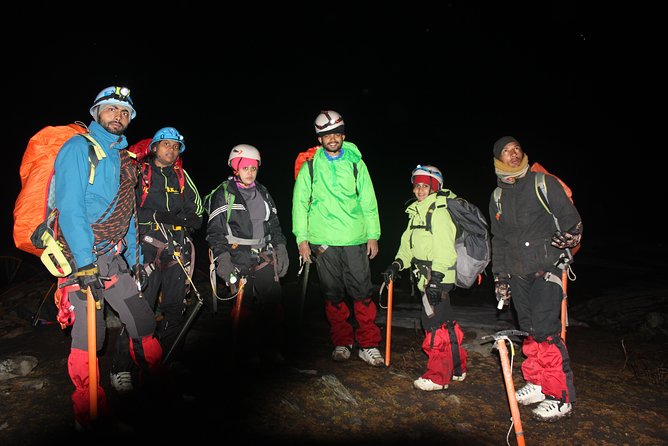
You also receive personal trekking gear like snow boots, helmet, gaiters, and ice-axe. That is a big value point, because high-quality cold-weather equipment is expensive to buy or borrow elsewhere, and people often underestimate what they need for snow and ice.
On top of that, you get safety equipment such as static rescue rope, seat harness, carabiners, pulleys, snow stake, and dead man/boy. That signals the trek leader team is prepared for real-world rescue scenarios, not just route guidance.
The trek leader is described as mountaineering course certified, with First Aid certification and a special rescue course. You also have an expedition guide, cook, helpers, and porters who carry common supplies. Since you carry your own bags, the porters are not a blanket solution for your personal load, but they do reduce group logistics stress.
If you care about feeling safe without getting slowed down, this gear setup is one of the most meaningful parts of the package.
Food in Camp: Where Comfort Turns Into Altitude Fuel
Meals are provided while you trek. The schedule is clear: lunch starts on Day 2 and continues through dinner on the last day in Manali.
In high-altitude trekking, the food system is not a nice-to-have. It is what keeps you steady enough to handle the cold, the exertion, and the long summit day. The feedback I saw for this trek is consistent about one thing: the food is a standout. People describe it as amazing, and they call out on-time preparation and a good camp setup.
If you’re deciding between a trek that is “technically included” and one where the kitchen team actually matters, go with the trek where the meals are treated as part of the climb. This one is.
Fitness Rules: The Gatekeeping Is for Your Safety
Friendship Peak is not meant for beginners. You need prior experience with high altitude treks, and the required fitness level is quite high. The trek’s stated baseline includes:
- a minimum of 2 to 3 challenging treks
- about 20 to 25 total trekking days in the Himalayas or similar ranges
They also give practical fitness benchmarks:
- jog or run 5 km in 25 to 30 minutes, or
- walk continuously for 10 km with 3 to 4 small breaks on plain terrain (slight incline is better)
This is not “paper fitness.” It is the kind of baseline that makes the difference between a summit day that feels hard but manageable versus a summit day that becomes a long struggle.
Ask yourself honestly:
- Have you handled altitude before?
- Can you keep a steady hiking pace for long hours without turning every day into a sprint?
- Are you comfortable sleeping in tents in cold weather?
If the answer is yes, you’re in the right zone.
Best Season: When the Mountains Cooperate (May to June, September to October)
The best months for this trek are May to June and September to October. That timing matters because snow and weather conditions can make or break your summit window.
Even with a reserve day, you still need weather to cooperate. This is one of those treks where you should plan your calendar like a pro: pick the season carefully, and accept that mountain conditions can still surprise you.
Price and Value: What $898.79 Covers (and What It Does Not)
The price is $898.79 per person for this supported trek in Manali and Himachal. Here’s what you’re paying for, in plain terms:
You’re getting:
- two nights in Manali in a hotel or guest house
- trekking tents on twin sharing basis, plus sleeping bags and mats
- meals on trek from lunch Day 2 through dinner on the last day in Manali
- a First Aid certified expedition guide and cook, plus helpers and porters for common supplies
- mountaineering course certified trek leader with First Aid and special rescue course
- safety equipment, including static rescue rope, harness, pulleys, and snow stakes
- personal gear like snow boots, helmet, gaiters, and ice-axe
- IMF fees for foreign nationals
- pickup offered, plus group discounts and a mobile ticket
- a private setup where only your group participates
What you are not getting:
- portage of personal bags during the trek
- travel insurance
- expenses not specified in the inclusions
Value-wise, the biggest differentiator is the combination of included gear plus serious safety equipment plus qualified leadership. You are not just buying access to a trail. You are buying a lot of logistics and risk management that would be expensive or complicated to recreate yourself.
Also, because they do not include travel insurance, factor that into your total cost. If you’re spending nearly $900 on the trek, it makes sense to protect your investment.
Should You Book Friendship Peak with Bikat Adventures?
You should book if you meet the reality check:
- you have prior high-altitude trekking experience
- you can handle tough fitness days without folding
- you want a supported, structured summit attempt with acclimatization and a reserve day
- you like the idea of tent camping with a proper camp kitchen instead of guesswork
You might skip this one if:
- you are a beginner in altitude trekking
- you hate cold tent nights
- you are not ready to carry your own bags during the trek
- you want a low-effort hike (this is not that)
If you’re ready for a real Himalayan challenge with safety tools, trained leadership, and meals taken seriously, Friendship Peak is a strong choice. You’ll work for the summit, then you’ll get wide views that feel like they belong to your effort, not to luck.
FAQ
Is Friendship Peak Trek suitable for beginners?
No. The Friendship Peak summit is not meant for beginners. You need prior experience of high altitude treks and a strong fitness level.
How long is the Friendship Peak trek?
The trek is approximately 8 days.
What meals are included during the trek?
Food is provided based on the menu. Lunch starts on Day 2 and continues through dinner on the last day in Manali.
What gear and safety equipment are included?
The package includes tents on a twin sharing basis, sleeping bags, sleeping mats, and safety equipment such as a static rescue rope, seat harness, carabiners, pulleys, and snow stakes. Personal equipment like snow boots, helmet, gaiters, and an ice-axe is also included.
Do I have porters for my personal bags?
Portage of personal bags is not included. You will carry your own bags during the trek. Porters carry common supplies.
What if the trek is canceled due to weather?
This experience requires good weather. If it is canceled due to poor weather, you will be offered a different date or a full refund. Otherwise, the experience is non-refundable and cannot be changed for any reason.
Recently added around Shimla & Manali
- Tirath Expedition: Trek to the Tirath Hans Kund & Saketi Top(4280m)★ 5.0 · 9 reviews
- Nagtibba Trek (Pantwari to Pantwari)★ 5.0 · 39 reviews
- Dayara Bugyal and Surya Top Trek★ 5.0 · 10 reviews
- Shimla: Hiking Tour to Jakhu Hill with Local Guide★ 5.0 · 9 reviews
- Shimla: Guided Walk Tour-Heritage, Culture & Colonial Trail★ 4.7 · 28 reviews
- Shimla: Wildlife Sanctuary & Water Catchment Guided Tour★ 4.8 · 7 reviews
- Shimla: Himachali Traditional Local Home Food Experience★ 4.4 · 10 reviews
- Discover the Colonial Trails of Shimla- Guided Walking Tour★ 4.9 · 10 reviews
Hiking & Trekking, compared.
Mountain Hiking in Munnar (half day) By Munnar Info
Read our review →
Half day trekking (munnar valley Trekking & Tours )
Read our review →
Browse the lists this tour appears in