
Reviewed · SRINAGAR TOURS
Kashmir Ladakh Tour
Some trips feel like postcards. This one feels like motion through mountains. You’ll start in Srinagar, then roll into Ladakh via Zoji La, Kargil, and Leh, before finishing with Nubra Valley and the big showstopper, Pangong Tso.
Two things I really like: the itinerary packs in both culture and scenery, from Mughal gardens and Tibetan monasteries to Turtuk’s border village life. And you don’t have to fight logistics, because you get private transportation plus an Innerline Border Permit built into the plan.
One possible drawback: a lot of days involve long drives and high-altitude travel, so you should plan to move slower than normal and expect fatigue, especially after you cross into Ladakh.
In This Review
- Key things that make this tour work
- Srinagar start: Mughal Gardens and shikara hours on Dal Lake
- Gulmarg day trip: a big mountain meadow day
- Zoji La and Drass: the drive that turns into history and altitude
- Kargil to Leh: rock-cut Buddha, Lamayuru’s moonlike hills, and Magnetic Hill
- Leh monuments and monasteries: Palace, Thiksey, Hemis, and a heritage-food break
- Khardung La and Nubra Valley: Diskit Gompa and Hunder dunes
- Turtuk village: the border-side story you can actually walk into
- Pangong Tso at about 4,350 meters: the long drive and the big payoff
- Sunrise at Pangong Tso, then Changla Pass back to Leh
- Ending in Leh: departure day from the airport
- Price and value: what the $1,499 really covers, and what doesn’t
- The human touch: drivers and organizers who keep things calm
- Best months to go, plus packing tips for high-altitude days
- Should you book this Kashmir Ladakh tour?
- FAQ
- How long is the Kashmir Ladakh tour?
- Where does the tour start and what time do you meet?
- Is airport pickup included?
- What’s included in the tour price?
- What is not included?
- Are monument tickets included for all stops?
- Is a shikara ride included?
- What time of year is best for this tour?
- Are there any passport restrictions?
- What is the cancellation policy?
Key things that make this tour work
- Airport meet-and-transfer in Srinagar, with your driver tracking you by name on a placard
- Private group travel, so you’re not stuck waiting on strangers or rerouted by other schedules
- Innerline Border Permit included, which matters for the border-area portions of Ladakh
- Dal Lake shikara time is included on your first evening, not an optional add-on
- Khardung La and high passes get built into the route, turning drives into sights
- A heritage Ladakhi lunch at Gyap Thago adds local food context, not just photo stops
Srinagar start: Mughal Gardens and shikara hours on Dal Lake
Day 1 is all about easing in. A driver meets you at Srinagar Airport, then you’re transferred to your hotel and sent out after lunch to get your bearings.
You visit the Mughal Gardens of Nishat and Shalimar. They’re famous for their symmetry and design, and you’ll hear the story of how the gardens were built over a 14-year period during the Mughal era. Even if you’re not a garden superfan, this is a good first-day way to understand Kashmir’s scale and taste.
Next comes Pari Mahal and the Shankaracharya Temple area. The stop is short, so you’ll want comfy shoes and a few minutes to just look, because these viewpoints set up how wide the valleys and ridgelines feel.
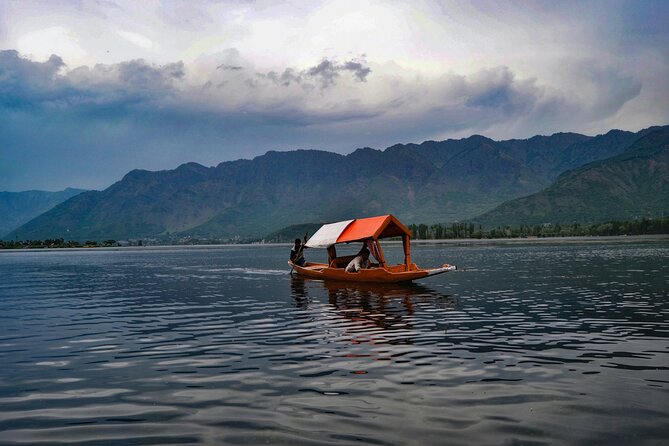
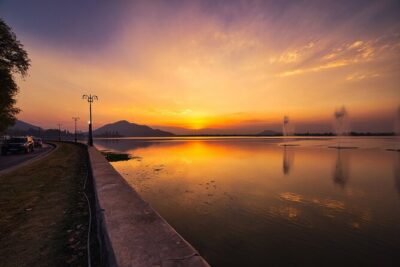
Then the best easy win of the day: evening at Dal Lake, with a traditional shikara ride included. This is one of those moments that feels like it belongs to Kashmir more than any checklist item. If you care about simple, atmospheric travel, you’ll be glad it’s on the included list.
A few more Srinagar days to compare
- Kashmir Family Tour – 07 Days Includes Accommodation and Private Transport
★ 5.0 · 164 reviews - 6 Days Private Tour in Kashmir Valley
★ 5.0 · 140 reviews - Private 5-Day Charming Kashmir Package Tour from Srinagar
★ 5.0 · 138 reviews
Gulmarg day trip: a big mountain meadow day
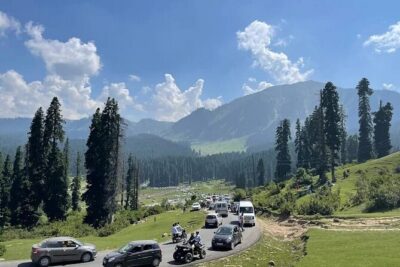
On Day 2, you leave Srinagar and head for Gulmarg. The tour frames it through the long Kashmiri poetic tradition around the place, including the idea that Gulmarg’s slopes and wildflower season inspired 16th-century romantic poetry. That matters because it explains why the town feels tied to seasons, not just sightseeing.
You’ll have about half a day here. That’s usually enough time to enjoy the views without turning it into a rushed sprint through shops.
One practical note: the itinerary lists admission as free for this day. That’s useful for budgeting, but it also hints you should still bring your own spending money for snacks, drinks, and any optional activities you might want to add on.
Zoji La and Drass: the drive that turns into history and altitude
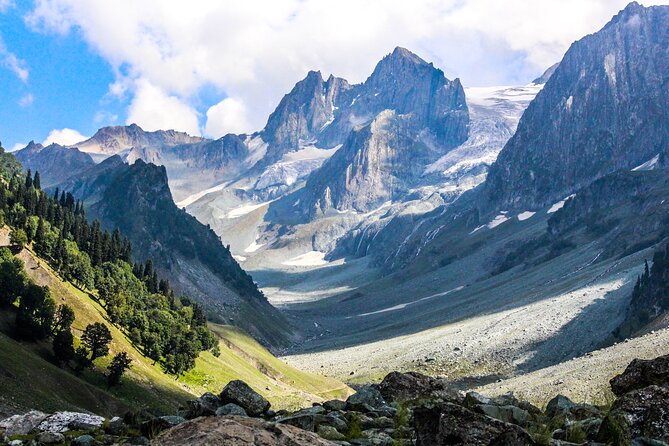
Day 3 starts early from Srinagar. You’ll head toward Kargil, with scenic stops along the way, including Zoji La Pass and the Drass Valley area, described as the Gateway to Ladakh.
Zoji La is one of the signature passes between the Kashmir Valley and Ladakh. Even when you’re just sitting in the vehicle, the scenery changes fast. You go from valley green tones to a more rugged, colder-looking terrain, and you feel it in the air.
Then you hit Drass Valley, noted at about 3,280 meters above sea level. That number is not a trivia flex. It’s your cue that you’re moving into an environment where weather and altitude can affect you, even if you feel fine at the start.
You’ll reach Kargil, and the plan gives you a long block for that day. Kargil is described as having both natural beauty and historical significance, so give yourself time to absorb the setting, not just tick off a town name.
Kargil to Leh: rock-cut Buddha, Lamayuru’s moonlike hills, and Magnetic Hill
Day 4 keeps you moving, but with strong “why we’re stopping” points. After breakfast in Kargil, you drive toward Leh, with multiple cultural and viewpoint stops.
The route includes the Mulbekh area and its famous 30-foot rock-cut statue of Maitreya Buddha, also known locally as the Mulbekh Chamba. It’s brief, but it’s powerful because it’s carved into the mountain rather than sitting in a museum-like setting.
Next is Mulbekh Monastery, known for ancient rock carvings of Buddha. The visit time is short, but these are the kinds of places where a little time goes far if you’re paying attention.
Then you go to Lamayuru Monastery (Yuru Gompa). The itinerary points out it’s one of the oldest and largest monasteries in Ladakh, and the setting is often remembered for its dramatic, almost otherworldly geology. Even if you’re not an architecture expert, you’ll notice how the monastery fits into the rock formations.
There’s also a stop at the confluence of the Indus and Zanskar rivers. The tour notes this spot is popular with rafting interests, but even if you’re not rafting, it’s a great place for river-view photos and a pause to think about how rivers shape travel here.
Finally, you hit Magnetic Hill, where vehicles appear to roll uphill. The tour explains it as an optical illusion, not magic. Still, it’s a fun reminder to keep your eyes open, because Ladakh rewards curiosity in small moments.
Another way to spend a day in India:
- 5-Days Kashmir tour includes Accommodation and Private Transportation
★ 5.0 · 134 reviews - Amazing Kashmir Tour – 03 Nights & 04 Days
★ 5.0 · 127 reviews - Private Kashmir Family 7-Day Tour
★ 5.0 · 122 reviews - Fascinating Kashmir 4 Nights / 5 Days
★ 5.0 · 112 reviews
Leh monuments and monasteries: Palace, Thiksey, Hemis, and a heritage-food break
Day 5 is your first full taste of Leh, plus three major monastery stops and a food stop that’s actually worth caring about.
You’ll visit Leh Palace (not included for monument tickets, per the plan) and then Thiksey Monastery, described as Tibetan in style and organized in 12 levels with statues and thangkas. After that comes Hemis Monastery, described as wealthy and important, founded in the 17th century.
These monasteries are the heart of the cultural side of this trip. The key is pacing. The visits are roughly about an hour each, which means you get enough time to appreciate the visual rhythm, not so much time that it turns into overload.
Then there’s the standout practical stop: Gyap-Thago Heritage Home for a traditional Ladakhi culinary experience. It’s positioned as a heritage home of more than 200 years old in a Stok hamlet, about 20 kilometers away from Leh, and your tour includes this meal. If you’ve ever eaten in scenic places that feel generic, this is the opposite direction. It’s about food as a cultural clue.
You end with Shanti Stupa. The plan says it’s built in white marble with traditional Tibetan architectural style and it’s divided into two levels. If you like viewpoints that feel calm rather than chaotic, this works well as a wind-down.
Khardung La and Nubra Valley: Diskit Gompa and Hunder dunes
Day 6 is where the trip shifts into Nubra Valley and desert-like scenery. You start with Khardung La, listed as 15 minutes with an included admission ticket. This short stop matters because it’s one of the easiest “I’m in Ladakh” confirmations you’ll get. You’re not spending a half-day climbing or hiking, but you’re still crossing a signature altitude moment.
Then you visit Diskit Gompa in the Nubra Valley. It’s described as a 14th-century Buddhist monastery and the oldest and largest in the region. Again, ticket timing is noted as not included, but the included vehicle time and route are the real value here.
Next comes Hunder Sand Dunes, about 4 to 5 square kilometers, surrounded by snow-capped mountains. The tour lists this as free for admission. You’ll have time to walk around the dunes and take photos with wide mountain backdrops.
Optional stuff like camel rides may be tempting, but the tour’s extra-activity list suggests many of those add-ons are not included. So keep that in mind if you have your heart set on riding.
Turtuk village: the border-side story you can actually walk into
Day 7 focuses on Turtuk Village, described as the last village on the India side of LAC, and noted as having been part of POK until 1970. That alone gives the stop weight. This is not just scenic. It’s also a human geography lesson.
You’ll drive out, then have time to explore the village. The plan includes a Balti culture stop at Balti Heritage House and Museum for about 30 minutes, with admission marked as not included.
The value here is that Turtuk is less about monuments and more about everyday life on the edge. If you enjoy meeting places through their routines rather than their ticket lines, this is one of the days you’ll remember most.
Pangong Tso at about 4,350 meters: the long drive and the big payoff
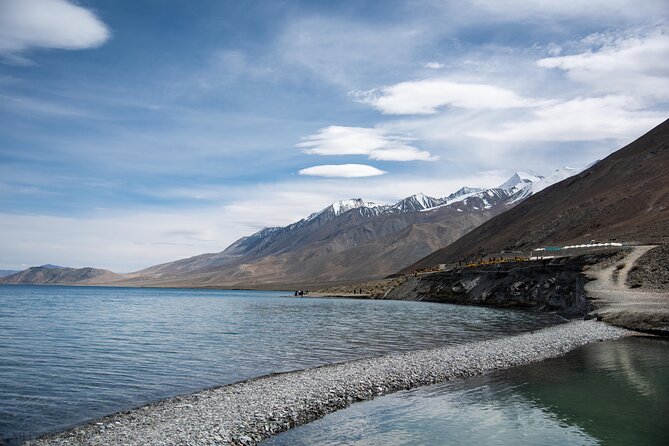
Day 8 is the big transition to Pangong Tso. You leave after an early breakfast, drive through the Shayok Valley, and reach Pangong by afternoon.
The itinerary gives a clear altitude callout: Pangong Tso sits at about 4,350 meters, and it’s described as the world’s highest saltwater lake. You don’t need a science degree to appreciate the effect. High-altitude water has a different mood, and the colors tend to shift as the light changes.
You’ll have a half-day feel, and since the plan says “by afternoon,” you should expect photo opportunities, shoreline time, and time to just sit and watch weather move over distant hills.
Sunrise at Pangong Tso, then Changla Pass back to Leh
Day 9 is built around timing. You get up early so you don’t miss the sunrise view at Pangong Tso. The plan also says you’ll enjoy breakfast on the shores. That’s the kind of included detail that turns a lake visit into an event.
After that, you start the return to Leh through Changla Pass. Again, it’s more than a road crossing. Passes are part of the itinerary’s rhythm, giving you those windshield-view moments that make the trip feel like a real journey.
Once you reach Leh, you visit Leh Market for about two hours, described as a shopping destination. There’s also a stop at the Central Asian Museum, with admission marked as not included and about an hour allotted.
If you’re the type who likes to understand a place by its local artifacts, not just souvenirs, you’ll appreciate the museum slot.
Ending in Leh: departure day from the airport
Day 10 is straightforward. After breakfast, you depart and your driver drops you at Leh Airport with your bag full of memories.
It’s a clean finish. No extra “one last stop” scramble, which is good when you’ve already packed in passes, monasteries, and long drive days.
Price and value: what the $1,499 really covers, and what doesn’t
At $1,499 per person for about 10 days, the value is mainly in the heavy lifting being done for you.
Included items you should notice: accommodation, private transportation, lunch, breakfast (9) and dinner (9), and the Innerline Border Permit. These are the kinds of costs that add up fast in the Himalayas if you’re booking everything on your own.
The tour also includes a few “budget-saving” ticket items where the plan says tickets are included, like Dal Lake shikara time on Day 1 and Khardung La admission on Day 6.
Where costs can still pop up: the itinerary repeatedly marks monument tickets as not included for places like Mughal Gardens of Nishat and Shalimar, Pari Mahal and Shankaracharya Temple, Leh Palace, Thiksey Monastery, Hemis Monastery, and others. Also, the tour’s extra list says tips, porters, insurance, and some optional activities (like gondola ride, camel safari, rafting, shikara ride) are not included.
So the honest way to look at it: you’re paying for a well-run route with key permissions and most meals, then you pay local or optional extras as you go.
The human touch: drivers and organizers who keep things calm
This is a road-heavy itinerary, so the “quiet work” matters. The feedback points to strong care from people on the ground, including names like Fida, Shakeel, Abdul, and Zigmet in Kashmir, with additional support mentioned from Padma and Ghulam. Another driver name that shows up is Dorjay.
What you can take from that, even without meeting those exact people: this tour is set up around reliable vehicle driving, timely meet-ups, and clear coordination between zones. In regions where schedules and altitude can make plans fragile, that matters as much as scenery.
Also, the tour is described as private, meaning it’s meant for your group only. That usually translates to fewer waits and less stress when the day’s timing is tight.
Best months to go, plus packing tips for high-altitude days
The plan says it’s best experienced from April to October. That’s a broad window, and it makes sense for a route that includes high passes and a signature lake at extreme altitude.
Because the itinerary includes crossings like Zoji La, Changla Pass, and major areas in Ladakh, you should pack for temperature swings. Days can be sunny and bright, then turn chilly quickly, especially near water and at higher elevations.
Bring layers you can add and remove fast. Wear shoes that work on uneven outdoor ground. And keep room in your day for “slow moments,” because altitude travel tends to make everything feel a little more effort than at home.
Should you book this Kashmir Ladakh tour?
Book it if you want a classic Kashmir-to-Ladakh route with the big stops handled for you, including meals, accommodation, private transport, and the Innerline Border Permit. This is also a good fit if you like a mix of nature, monasteries, and one meaningful cultural food moment at Gyap Thago.
Think twice if you’re sensitive to long drives or altitude fatigue. The days are full, with early starts (especially Day 9) and multiple pass crossings. If you prefer slower travel with fewer borders and roads, you might want a shorter itinerary.
If you do book, I’d go in with the right mindset: you’re not just sightseeing. You’re moving through a high-elevation region where the journey is part of the point.
FAQ
How long is the Kashmir Ladakh tour?
It runs for 10 days approximately.
Where does the tour start and what time do you meet?
It starts at Srinagar Airport, with a start time of 6:00 am.
Is airport pickup included?
Yes, pickup is offered. Your driver meets you at the Srinagar Airport exit gate with a company placard and your name.
What’s included in the tour price?
The package includes accommodation, private transportation, lunch, breakfast (9), dinner (9), the Innerline Border Permit, and a heritage Ladakhi lunch at Gyapthago Heritage House.
What is not included?
Not included are tips, porters, monument fees, insurance, cancellation charges, and extra meals or optional activities such as gondola ride, camel safari, rafting, or additional shikara rides.
Are monument tickets included for all stops?
No. Some stops list admission as free, while others are marked as admission ticket not included, such as several monasteries and Leh Palace.
Is a shikara ride included?
Yes. The itinerary includes an evening visit to Dal Lake with a traditional shikara ride, marked as admission ticket included.
What time of year is best for this tour?
The tour is best experienced between April and October.
Are there any passport restrictions?
Foreign nationals of diplomatic passport holders are not permitted.
What is the cancellation policy?
You can cancel up to 6 days in advance for a full refund, with smaller refunds for cancellations made 2 to 6 days before, and no refund for cancellations less than 2 days before.
Recently added around Srinagar
- Innova To and Fro Pvt. Airport Transfer from Srinagar / Dal Lake★ 5.0 · 26 reviews
- Srinagar To Leh, Ladakh Taxi (One way Transfer)★ 4.5 · 7 reviews
- The Best Monsoon Trek: Kashmir Great Lakes★ 5.0 · 26 reviews
- Srinagar Splendors: A Private City Tour★ 4.5 · 12 reviews
- Private Sedan Cab to and from Srinagar Airport and Dal Lake★ 5.0 · 46 reviews
- Pahalgam Gulmarg Srinagar Tour★ 4.5 · 47 reviews
- Kashmir Tulip Festival★ 5.0 · 43 reviews
- Kolahoi Glacier Trek★ 4.5 · 9 reviews
Srinagar Tours, compared.
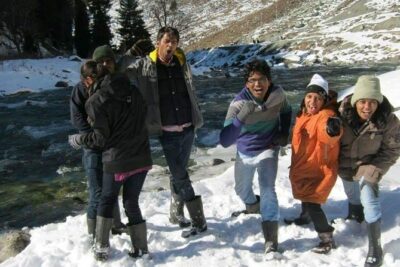
Kashmir Family Tour – 07 Days Includes Accommodation and Private Transport
Read our review →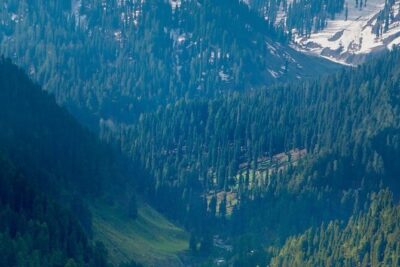
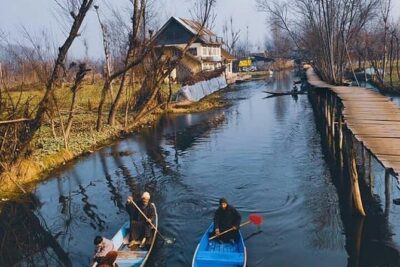
Private 5-Day Charming Kashmir Package Tour from Srinagar
Read our review →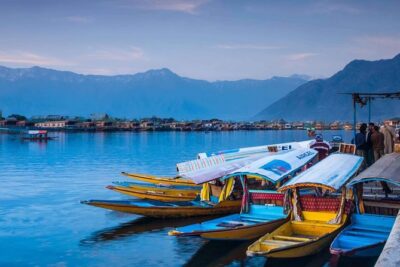
5-Days Kashmir tour includes Accommodation and Private Transportation
Read our review →
Browse the lists this tour appears in