
Reviewed · HIKING & TREKKING
Munnar mountain hiking (Full day)
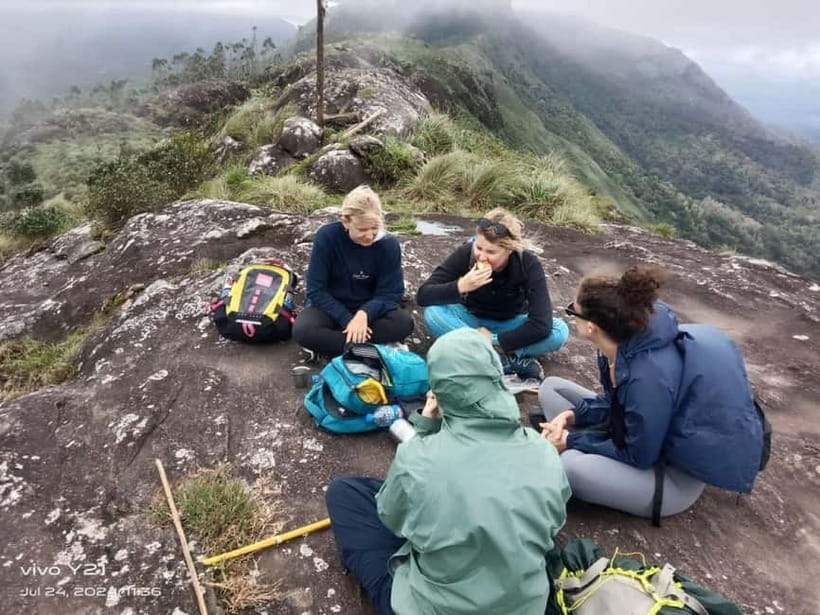
Tea paths lead to real mountain views. This full-day trek around Lekshmi Hills in Pothamedu is a solid walk through tea plantations and up to a high point near 2000 meters, and your guide keeps it interesting by pointing out tea and local plants along the way. One thing to keep in mind: it is still a long day, roughly 14 to 18 kilometers, so plan a steady pace if your fitness is on the low side.
You start around 1420m, hike for about 7 hours, and you head back to the Munnar Info meeting point by late afternoon, around 3-5 pm. You do not need to worry about carrying much extra since packed food and mineral water are included.
In This Review
- Key highlights to look forward to
- Tea, Cardamom, and Shola Woods to the Top at About 2000m
- The 7-Hour Plan: Distance, Timing, and Why Breaks Matter
- Starting at Munnar Info: The Easy Part That Sets the Tone
- Tea Plantations: What You See, What You Learn, and How It Feels
- Cardamom Forests and the Shola Woods Above: Where Nature Gets Quiet
- Wildlife Odds in Munnar: Malabar Squirrels, Black Monkeys, and Elephants
- Packed Lunch, Water, and Refreshment Stops: A Small Luxury With Big Payoff
- Price and Value: Why $24 Can Make Sense Here
- Fitness Fit: Who This Hike Suits Best (and Who Should Skip It)
- What to Bring, What Not to Bring, and Small Tips That Help
- Should You Book This Full-Day Munnar Mountain Hike?
- FAQ
- How long is the Munnar mountain hike?
- How far do I hike and how high do I go?
- Where do I meet the guide?
- What is included in the $24 price?
- Is private transportation included for pickup and drop-off?
- What should I bring with me?
- What is the cancellation policy?
Key highlights to look forward to
- Tea-to-spice route: tea plantations first, then cardamom forests and shola woods
- High point near 2000m: the altitude change makes the air feel cooler and fresher
- Wildlife chances: Malabar squirrels, black monkeys, and wild elephants are possible
- Shola forest birdwatching: endemic birds may show up in the canopy and undergrowth
- Guides who connect the dots: tea harvesting, plant uses, and local nature stories
- Food and water handled: packed lunch plus mineral water during the day
Tea, Cardamom, and Shola Woods to the Top at About 2000m

This hike is built around one great idea: in a single day, you move through Kerala’s most famous plantation belt and then into the darker, cooler world of the Western Ghats forests. You begin at about 1420 meters above sea level and work your way up to the highest point around 2000m. That altitude shift is not just a number. It changes how the air feels, and it makes those higher views feel more open and crisp.
The tea part matters because Munnar’s whole identity is tea. On this trek, you walk through green tea rows long enough to notice details like how the bushes are trimmed, how harvest timing affects what you see, and how the plantation rhythm shapes daily life nearby. After the tea fields, you go beyond into cardamom forests. The air gets noticeably different, and cardamom’s scent can hang around in the shady stretches.
Then comes the shola woods, a forest type strongly tied to the higher elevations of the Western Ghats. Expect thicker canopy, more birdsong, and a forest-floor vibe covered with ferns and mosses. Even if you are not a “serious” birdwatcher, this part of the walk makes the hike feel like more than a sightseeing stroll. It turns into a quiet nature day with a good trail pace.
A few more Munnar days to compare
- Mountain Hiking in Munnar (half day) By Munnar Info
★ 5.0 · 390 reviews - Half day trekking (munnar valley Trekking & Tours )
★ 5.0 · 310 reviews - Full day in hiking in Munnar (By Munnar Info)
★ 5.0 · 176 reviews
The 7-Hour Plan: Distance, Timing, and Why Breaks Matter
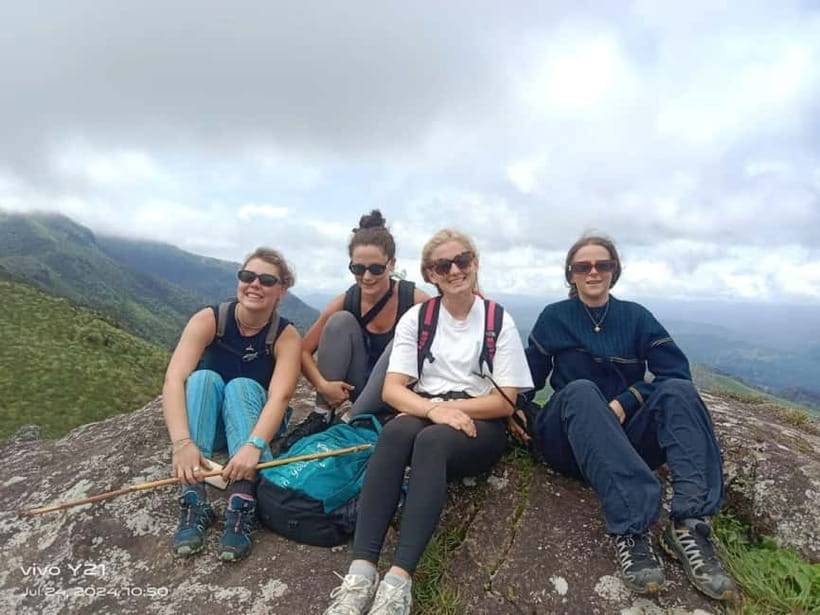
The hike runs about 7 hours. The distance range is about 14 to 18 kilometers, and that is the honest reason this tour is worth it: you get a real hike day, not a short walk with lots of waiting.
You should also note the timing. The day includes scheduled refreshment breaks and a packed lunch, and then the descent back toward Munnar happens roughly between 3-5 pm. That means you are not out until dark, but you are also not done early. Plan for a late lunch, an early finish, and an evening that feels like you earned it.
How hard is it? Based on what people report, it is often more moderate than scary, mainly because the route includes breaks and the group pace usually stays steady. Still, you are covering a long distance with an elevation gain, so the “moderate” label depends on whether you walk consistently and take the stops seriously. If you tend to stop a lot when you feel tired, you may end up slower than the group plan.
My practical advice: treat it like a long, active day. Bring patience for uphill sections, and let the breaks do their job instead of pushing to make up time.
Starting at Munnar Info: The Easy Part That Sets the Tone
Your meeting point is Munnar Info. Pickup is handled from the Munnar town area, and then you start the day hike together with your English guide. This matters more than you might think, because the first hour on a mountain hike is where you learn the walking rhythm. You want to get that rhythm early so you do not burn energy too fast.
Once you start, your guide sets the pattern: walk, pause, look closely, then move again. Many people really rate the guides for connecting practical details to what you are seeing. Guides such as Rajan, Raja J, King Raja, and Ramesh come up again and again for teaching tea production and pointing out plants in the region. One of the best parts of the day is how frequently you stop long enough to understand what you are walking past, not just snap photos and keep moving.
If you care about getting real value out of your day, this is the difference between a walk and an experience. A guide who explains tea harvesting and plant uses makes those tea-field kilometers feel purposeful.
Tea Plantations: What You See, What You Learn, and How It Feels
The tea plantations are the backbone of the trek. This is where you start to understand Munnar’s economy and how the mountains get turned into rows of tea bushes. On the trail, you will likely notice how the tea is tended and what the plantation environment feels like: cooler mornings, mistier air at higher elevations, and long stretches where the hills gently roll under the canopy.
This part of the hike also tends to be where the guide shines. People consistently talk about guides explaining tea harvesting, the different kinds of tea, and even the history tied to the industry. Some guides, including Rajan and Ramesh, also point out other plants and discuss local uses, which adds a deeper layer to what could otherwise be a simple photo walk.
One more small detail that can make the day better: you might catch the smell of coffee from nearby plantations as you move between areas. It does not replace the tea story, but it gives your senses something extra while you are walking.
Practical note: tea plantations are sunny in places and shaded in others. That mix is good for the day, but it means sunscreen still matters even if the weather feels cool.
Another way to spend a day in India:
- Munnar Tea Trail Tour with Factory Experience ( By Munnar Info)
★ 5.0 · 458 reviews - Anakulam Wild Elephant Village life tour ( By Munnar Info)
★ 5.0 · 344 reviews - Munnar Tea valley Tour ( By Munnar Info)
★ 5.0 · 83 reviews - Munnar Tea Plantation Walk with Sunset View (By Munnar Info)
★ 4.5 · 72 reviews
Cardamom Forests and the Shola Woods Above: Where Nature Gets Quiet
After the tea fields, the trek shifts character. Cardamom forests bring a stronger scent and a more enclosed feel. It is the kind of change that makes you slow down without trying. You start noticing bird calls, more varied plant shapes, and the way the ground stays damp or mossy in shady stretches.
Then you enter the shola woods. This part is often described as having a mystical, almost old-world forest atmosphere, mainly because the canopy stays thick and the forest floor looks soft with ferns and moss. Birdsong becomes a constant background sound, and you may spot endemic birds that are hard to see outside this region.
Even if wildlife spotting is not guaranteed, this section is still worth it because the forest itself is the attraction. The dense canopy and the layered greenery are where the hike stops feeling like farming country and starts feeling like Western Ghats mountain forest.
If you like nature photography, the shola woods can be tricky because light levels change fast. But it is also exactly why it is interesting: you get contrast between shaded greens and brighter openings as you ascend.
Wildlife Odds in Munnar: Malabar Squirrels, Black Monkeys, and Elephants
This trek gives you real chances at wildlife sightings, but the big word here is chance, not certainty. The trail context includes possible sightings of Malabar squirrels, black monkeys, and wild elephants grazing in the distance.
In practice, most wildlife encounters on hikes happen when you do three things: keep moving calmly, stay quiet when you spot movement, and do not rush toward animals. A couple of people report elephant sightings and describe them as close enough to stop and wait before continuing. That is the kind of moment you remember, but you cannot plan for it. The best mindset is to treat wildlife sightings as bonuses.
You can also improve your odds by paying attention to the forest edge around the trail, where birds and smaller animals often feed. For birds, slow down briefly at viewpoints and pauses, because many sightings are short and happen when you stop.
Bottom line: the day hike is not only scenic, it is a nature watch walk. If you love being out in the woods, you will appreciate that.
Packed Lunch, Water, and Refreshment Stops: A Small Luxury With Big Payoff
One reason this hike feels good value is that it does not make you do the logistics yourself. The tour includes packed food and mineral water, plus entry fees. That means you can walk lighter and focus on pacing instead of carrying heavy snacks.
Most people also mention that the guide builds in time for quick breaks, snack moments, and coffee-like refreshment stops depending on the day. You will also have a packed lunch during the trek. This reduces decision fatigue. You do not need to guess where to eat or whether you found a good café in Munnar before the hike.
If you prefer to keep your hands free for photos and balance, having water and food already handled is a comfort. It is also safer on a long walk because you stay hydrated without trying to ration.
My practical suggestion: even with water provided, keep your own small essentials in a day bag. Bring sunscreen and wear proper shoes, because the trek is long enough that small discomforts become big by hour five.
Price and Value: Why $24 Can Make Sense Here
At about $24 per person for a full day, this hike is priced like an activity that includes the parts you normally pay for separately in India: a trained guide, entry fees, and food and water. Many low-cost tours fail on the basics, but here the core items are covered.
Here is the value equation in plain terms:
- You pay for about 7 hours with a guide who helps you interpret tea, plants, and local nature.
- Entry fees are included, so you are not hit with add-ons mid-day.
- Packed food and mineral water are included, so you avoid bringing enough snacks to weigh yourself down.
- The one thing not included is private transportation, meaning pickup and drop-off are not guaranteed via a personal vehicle.
So who should consider it? If you want to see more than one plantation type and you like guided explanation, this is good value. If you already have your own hiking plan and prefer total independence, you might find cheaper options. But for many people, paying for the guide turns the hours into learning time.
Fitness Fit: Who This Hike Suits Best (and Who Should Skip It)
This is not a couch-to-trail experience. It is a long walk, roughly 14 to 18 kilometers, and it climbs from about 1420m up to around 2000m. The tour is not suitable for people with low fitness.
It also has age limits: it is not suitable for babies under 1 year, and it is not suitable for people over 95 years. If you are older or have mobility limitations, it is worth choosing a shorter, easier activity instead.
For many visitors, the best match is moderate fitness. One theme in the feedback is that the hike can feel moderate because breaks are built in and the walking rhythm stays manageable. Still, long distance is long distance. If you get winded quickly or you do not usually walk 6 to 8 kilometers in a day, this might be taxing.
If you are unsure, use a simple test before booking: can you comfortably walk for an hour without needing to stop every few minutes? If yes, you will likely handle this well with breaks.
What to Bring, What Not to Bring, and Small Tips That Help
The tour is clear about essentials. Bring comfortable shoes or hiking shoes and sunscreen. That is non-negotiable for a day hike because you will be out long enough for sun exposure to add up.
Avoid bikes. Also do not bring alcohol and drugs. Alcoholic drinks in the vehicle are not allowed, so keep the day focused on walking and nature.
Two small real-world tips:
- Wear shoes you trust for rocky or uneven ground. Even on plantation paths, footing can be inconsistent.
- Pack a small layer if you run cold in the higher, cooler sections around 2000m.
If you want the most from your day, keep your phone silent during quiet stretches. The best moments in shola woods happen when you can hear birds and keep your attention on the trail.
Should You Book This Full-Day Munnar Mountain Hike?
Book it if you want a real walking day plus real interpretation. The tea-to-cardamom-to-shola route is a satisfying way to cover multiple environments around Munnar in 7 hours. I also like that the day handles packed lunch, mineral water, and entry fees, so you get fewer headaches and more trail time.
Skip it if you cannot handle a 14 to 18 kilometer hike or if your fitness level is low. The altitude change and length are the main reasons this is not a casual stroll. Also, if you prefer fully independent sightseeing with no guide explanation, this might feel like more structure than you want.
My quick decision rule: if you like forests, tea country, and guided stops, this is a strong way to spend a full day in Munnar.
FAQ
How long is the Munnar mountain hike?
The duration is about 7 hours for the full day trek.
How far do I hike and how high do I go?
The trek ranges between 14 and 18 kilometers, and you hike up to the highest point at around 2000 meters above sea level.
Where do I meet the guide?
The meeting point is Munnar Info. Pickup is provided from the Munnar town area.
What is included in the $24 price?
Included are a trained guide, entry fees, packed food, and mineral water.
Is private transportation included for pickup and drop-off?
No. Private transportation for pick up and drop off is not included.
What should I bring with me?
Bring comfortable shoes or hiking shoes and sunscreen.
What is the cancellation policy?
You can cancel up to 24 hours in advance for a full refund.
Recently added around Munnar
- Chinnar wild valley experience day tour ( By Munnar Info)★ 4.5 · 23 reviews
- 2 Nights Munnar Treehouse Escape with Private Car- Iris Holidays★ 5.0 · 20 reviews
- Private Munnar Tea Trek★ 4.6 · 38 reviews
- Munnar: Tea trail, Tea Factory, and Tea Tasting Tour★ 4.9 · 47 reviews
- Munnar: Half day Guided Trek★ 4.8 · 24 reviews
- Munnar: Local Highlights Day Tour with Top station Visit★ 4.1 · 7 reviews
- Kerala Traditional village cooking class (Munnar)★ 4.8 · 15 reviews
- Munnar Tea valley Tour ( By Munnar Info)★ 5.0 · 83 reviews
Hiking & Trekking, compared.
Mountain Hiking in Munnar (half day) By Munnar Info
Read our review →
Half day trekking (munnar valley Trekking & Tours )
Read our review →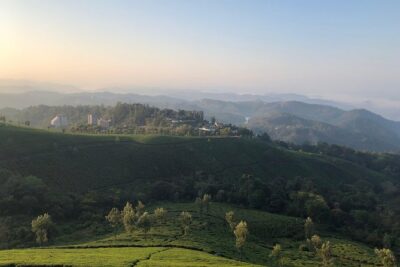


Browse the lists this tour appears in