
Reviewed · COOKING CLASSES
Kerala Traditional village cooking class (Munnar)
Food lessons that feel like family time. This Munnar Traditional village cooking class pairs a friendly home setting with practical training, market produce shopping, and classic Kerala dishes you can actually recreate.
I especially like the way hosts Mr Raveendra Kumar and Mrs Selvi (serving guests since 2001) explain ingredients and techniques, not just recipes. You’ll also get a true taste of Kerala, with dishes planned in categories like veg, non-veg, snacks, welcome drinks, and dessert.
One thing to plan for: even though it’s listed as 4 hours, the class can run up to 1 hour longer, depending on what dishes are selected and how quickly you and your group move through each step.
In This Review
- Key highlights worth your time
- Meeting Mr Raveendra Kumar and Mrs Selvi in Munnar
- Before you cook, you shop: the Munnar market visit
- Kerala ingredient logic: curry leaves, coconut milk, and spice timing
- Cooking demonstrations: what dishes look like in real action
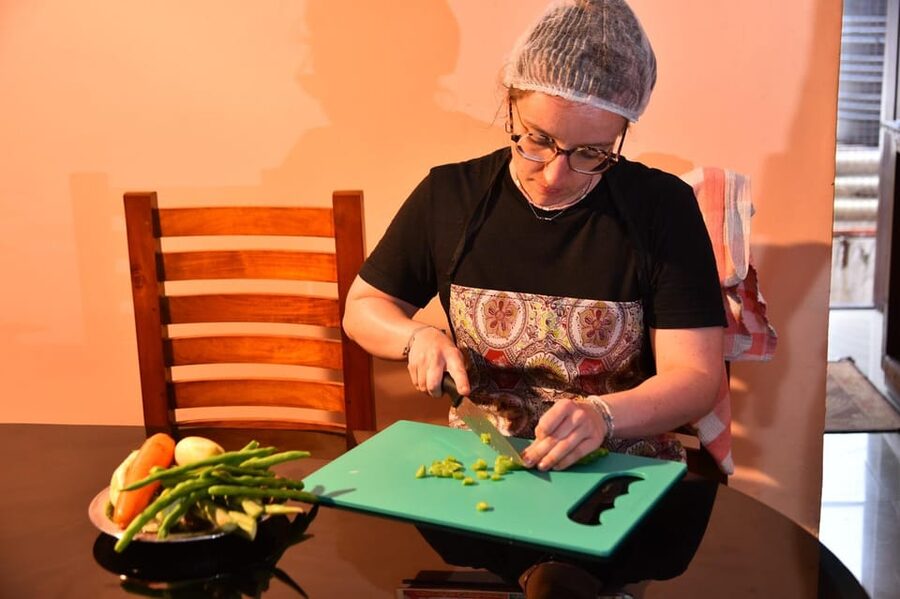
- Hands-on cooking: your turn with knives, aprons, and cutting boards
- The tasting table: how Kerala flavors should land
- Extra culture through food: village lifestyle and tea-forest context
- Timing, suitability, and the one planning tweak that matters
- Price and value: what $21 buys you in real terms
- Who should book this Munnar village cooking class
- Should you book this class?
- FAQ
- How long is the Kerala Traditional village cooking class in Munnar?
- Is pickup and drop included?
- What languages are used during the class?
- What’s included in the price?
- Are vegetarian options available?
- Does the class include cooking demonstrations and hands-on cooking?
- Are there restrictions or rules I should know?
Key highlights worth your time
- Home kitchen instruction from Mr Raveendra Kumar and Mrs Selvi, with patient guidance for questions
- Market visit for local ingredients, including fruits, vegetables, and spices
- Step-by-step Kerala cooking techniques, with a clear ingredient and timing flow
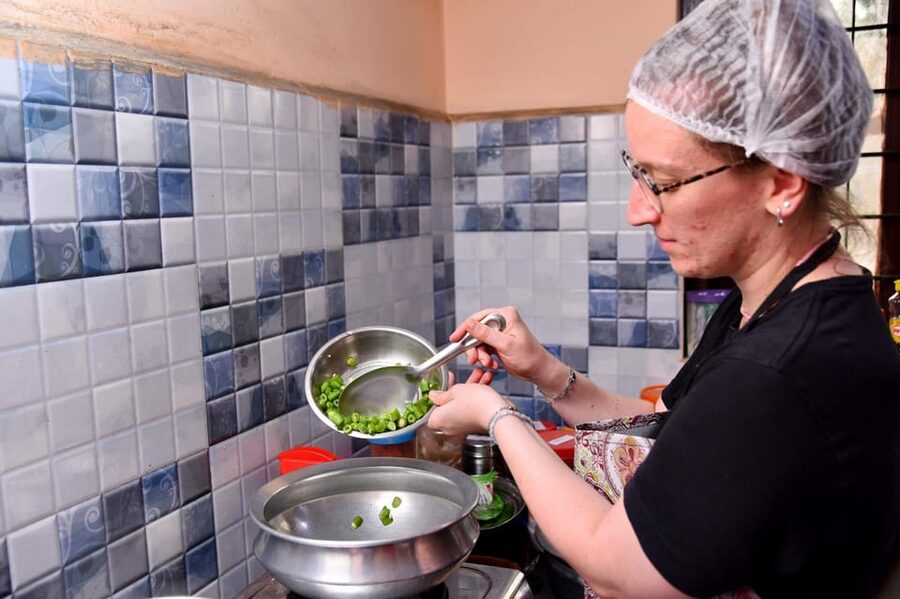
- Hands-on group cooking, supported with provided tools like a knife, apron, and cutting board
- A shared tasting session where you compare flavors, textures, and aromas
- English, Tamil, and Malayalam instruction, in a private group format
Meeting Mr Raveendra Kumar and Mrs Selvi in Munnar
This class starts the way good food experiences should, in a real home, not a showroom. You meet Mr Raveendra Kumar and Mrs Selvi, a couple who have been hosting guests since 2001. The atmosphere tends to feel calm and welcoming, with hosts who talk through what you’re doing and why.
If language matters to you, this helps. Instruction is offered in English, Tamil, and Malayalam, so you’re less likely to get stuck when something moves too quickly or sounds too technical. Reviews also mention other household helpers joining in, including names like Indira and Simla, which adds to that family feeling in the kitchen.
Transport is simple, but pay attention to the radius. Pickup and drop are included only within 2 km of Munnar town. If your hotel is farther out, you may need to pay additional charges. Also, keep your day flexible, because the schedule can drift later (more on that soon).
More Cooking classes in Munnar:
- Pink City Cooking Class
★ 5.0 · 452 reviews - Five Course Cooking Class & Meal
★ 5.0 · 250 reviews - Veg and Non veg : Private Cooking Class in Delhi home (7 meal)
★ 5.0 · 226 reviews
Before you cook, you shop: the Munnar market visit
One of the smartest parts of this experience is the market visit before the stove work. Instead of showing you ingredients from a distance, the class encourages you to select produce in person. That matters because Kerala cooking is built around fresh ingredients, spices, and the way everything gets added in order.
From what you’re told and what’s typically practiced here, you’ll be looking at things like local fruits, vegetables, and spices. The goal is not shopping as entertainment. It’s sourcing as a cooking skill, so you understand what each ingredient contributes to the final dish.
This also gives you a quick cultural filter for Munnar. You see the rhythm of local life through the food aisle, and you come away with a better sense of how village meals actually happen day-to-day. If you’re the kind of traveler who likes to learn how food connects to place, you’ll feel the value fast.
Kerala ingredient logic: curry leaves, coconut milk, and spice timing
After you’re back and settled, the class shifts from buying to understanding. You’ll get an ingredient explanation before the main cooking starts. Think of it as your mini field guide to Kerala flavors.
You may cover staples like:
- Coconut milk, which brings body and softness to many dishes
- Curry leaves, used for fragrance and that signature Kerala aroma
- Mustard seeds, turmeric, coriander, and cumin, plus other spices that show up in different combinations
What makes this useful is the emphasis on technique. It’s not only what to add, it’s when. Kerala dishes often depend on tempering spices in hot oil, using coconut at the right moment, and balancing sour, salty, and warm spices so the dish tastes layered rather than flat.
The class also mentions medicinal supplements as part of the local food tradition. Even if you don’t follow herbal logic strictly, you’ll still pick up practical ideas about what locals consider important for everyday health and balance.
Cooking demonstrations: what dishes look like in real action
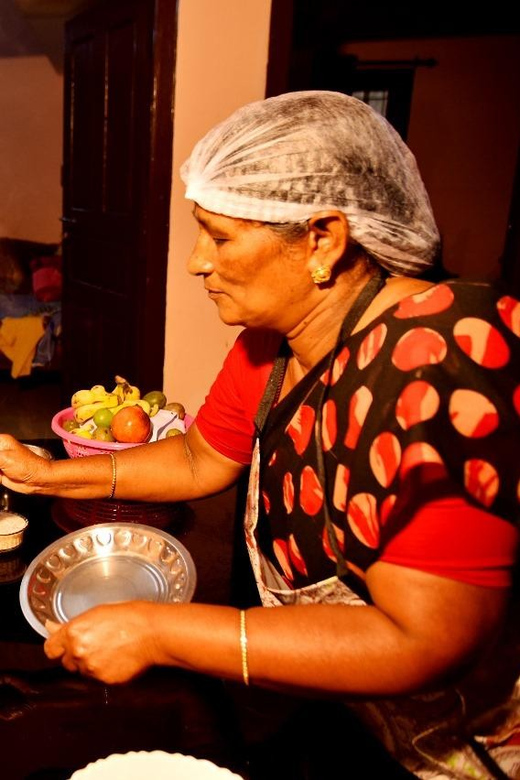
The core of the experience is live cooking, with dishes taught step-by-step. A key detail to know: the menu is finalized at least 12 hours before class, so what you cook can vary based on ingredient availability and the final plan.
The menu categories can include:
- Veg and non-veg dishes
- Snacks
- Welcome drinks
- Dessert
Common examples you might see taught include dishes like appam and stew, fish curry, avial, and puttu and kadala curry. If you’re unsure how you’ll react to spice or fish, ask early. The class includes both veg and non-veg options, and the setup is designed so you understand what’s in front of you, not just watch.
You’ll typically also start with a welcome drink. Based on class experiences shared in reviews, masala chai often shows up, alongside snacks such as fried banana preparations.
During the demonstration, hosts explain the cooking process, including:
- the order ingredients get added
- how heat affects texture and flavor
- where people commonly go wrong at home
If you like learning through questions, this part is interactive. You’re encouraged to ask and engage, and you may get cultural insights connected to the dishes as they cook.
A few more Munnar days to compare
- Munnar Tea Trail Tour with Factory Experience ( By Munnar Info)
★ 5.0 · 458 reviews - Mountain Hiking in Munnar (half day) By Munnar Info
★ 5.0 · 390 reviews - Anakulam Wild Elephant Village life tour ( By Munnar Info)
★ 5.0 · 344 reviews - Half day trekking (munnar valley Trekking & Tours )
★ 5.0 · 310 reviews
Hands-on cooking: your turn with knives, aprons, and cutting boards
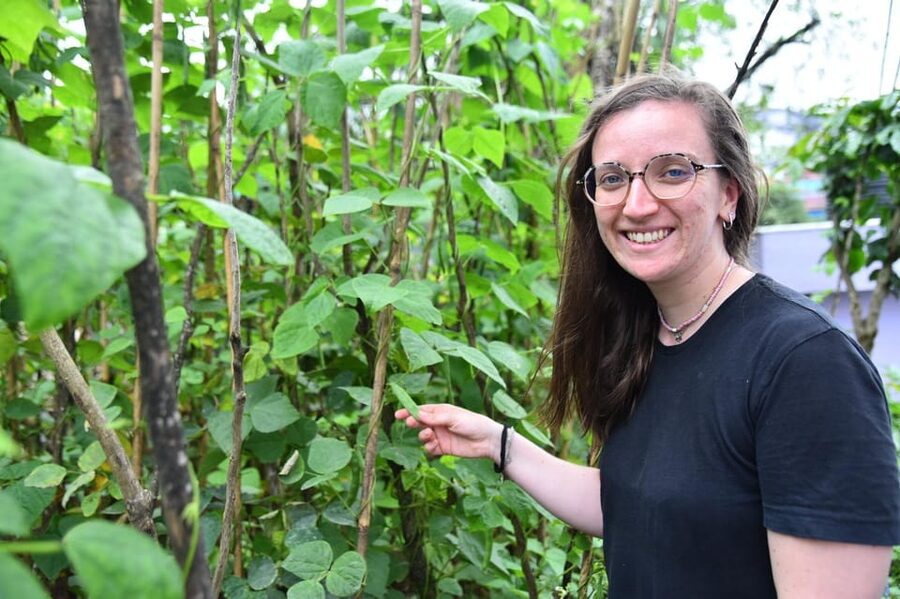
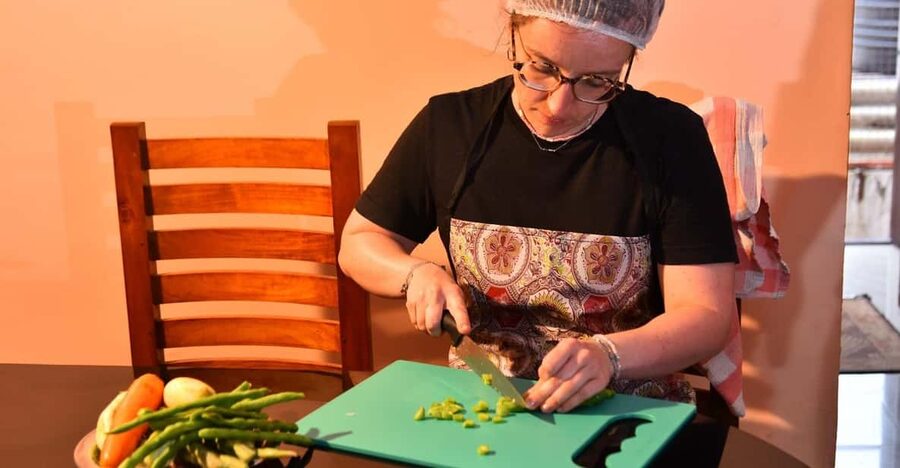
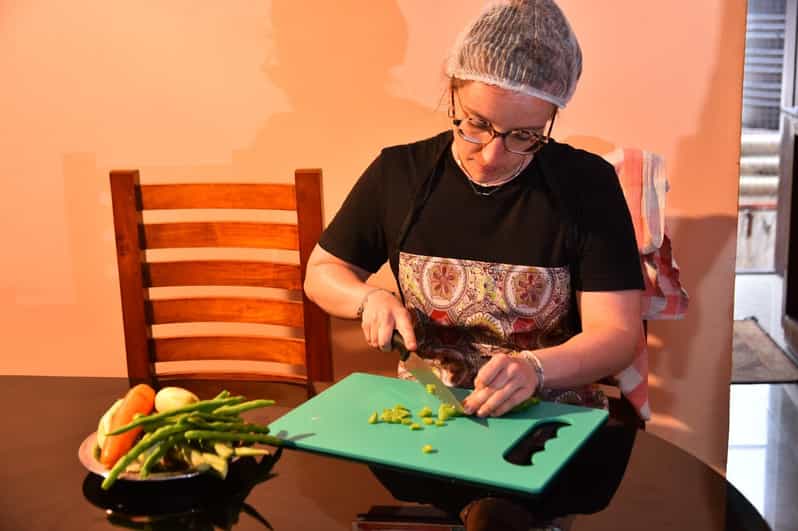
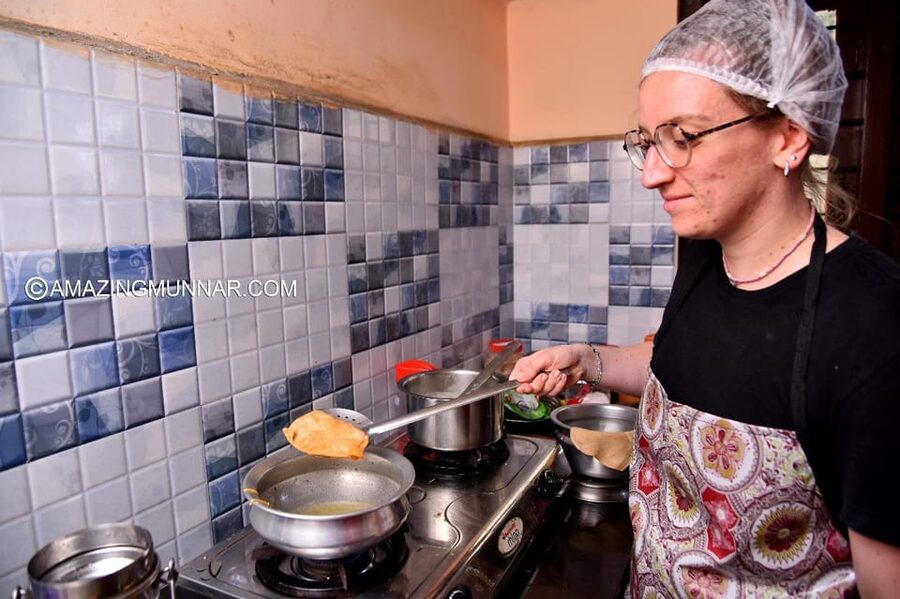
After the demo, the class becomes hands-on. You’ll be divided into groups, and each group is assigned a dish to prepare under guidance. This is where the value really shows. Watching is fine, but you get much more from cooking.
The class provides basic tools, including a knife, apron, and cutting board. You also get pen and paper, which is a small thing that can make a big difference when you want to remember ratios, steps, or spice names later.
Group cooking also helps you understand Kerala meals as a system. Different dishes use different textures. Some are sauce-forward, others rely on coconut creaminess or rice and steaming methods. When you make your portion, you start to see the logic, not just the final look.
If you’re a confident cook, you’ll likely enjoy the freedom to work through the steps. If you’re a beginner, you’ll likely appreciate the structure and the fact that someone is there to correct your timing before the dish goes off track.
The tasting table: how Kerala flavors should land
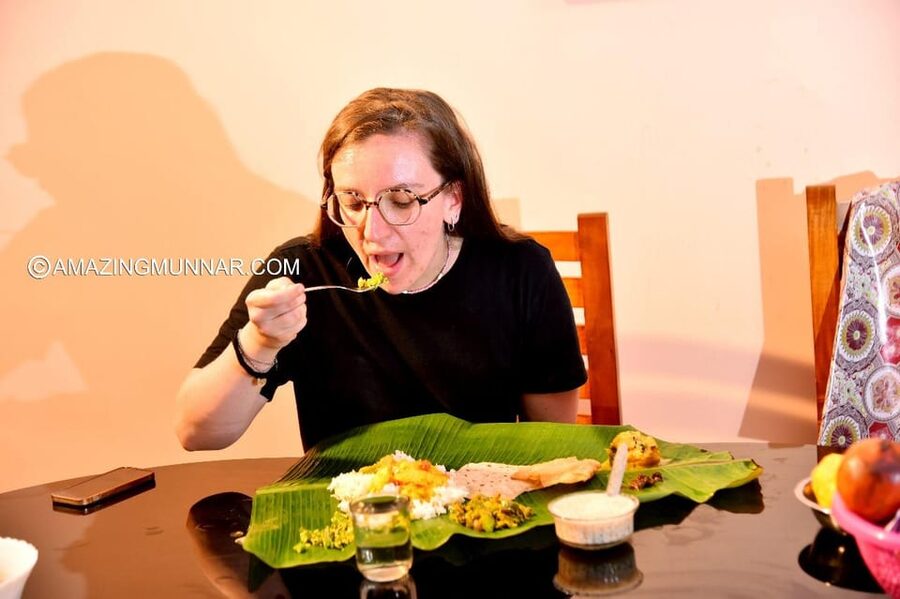
Once the dishes are prepared, you sit down for a tasting session. This is more than eating. It’s built for learning, because you compare your results across multiple dishes.
Hosts and your group talk through the flavors, textures, and aromas. That guidance helps you understand what you should taste for when you cook this again at home. You learn how a dish should smell when spices are properly tempered, how coconut softens heat, and how different sour, salty, and spice elements create balance.
Reviews also suggest the meal can be substantial. Some participants report cooking and eating around six to seven or even eight courses, depending on the final menu. Fish curry is singled out as a standout in a few accounts, while others mention that vegetarian-focused classes can work beautifully when requested.
One more practical benefit: you leave with a clearer sense of what to replicate later. If you liked the snack or the drink most, you’ll know why. If a stew or curry matched your taste perfectly, you’ll know what element likely did the heavy lifting.
Extra culture through food: village lifestyle and tea-forest context
The class isn’t only kitchen work. The focus stays on food, but you also get a wider view of how food connects to daily life in Munnar.
The description highlights exploring village lifestyle and spending time with the hosts and the community. That can mean more than chatting. It often means learning the small food habits people use, like how they think about fresh produce, spice choices, and how meals fit into the day.
There’s also mention of exploring the tea estate, along with local fruits, vegetables, and spices. You might not get a huge sightseeing tour, but you’ll get enough context to connect Munnar’s identity to what’s on your plate.
A few reviews mention that the hosts shared advice on other nearby activities, including tea trekking and places like Spyce Gardens. That’s not listed as included here, but the practical takeaway is that you’re with people who know the region and can guide your next move.
Timing, suitability, and the one planning tweak that matters
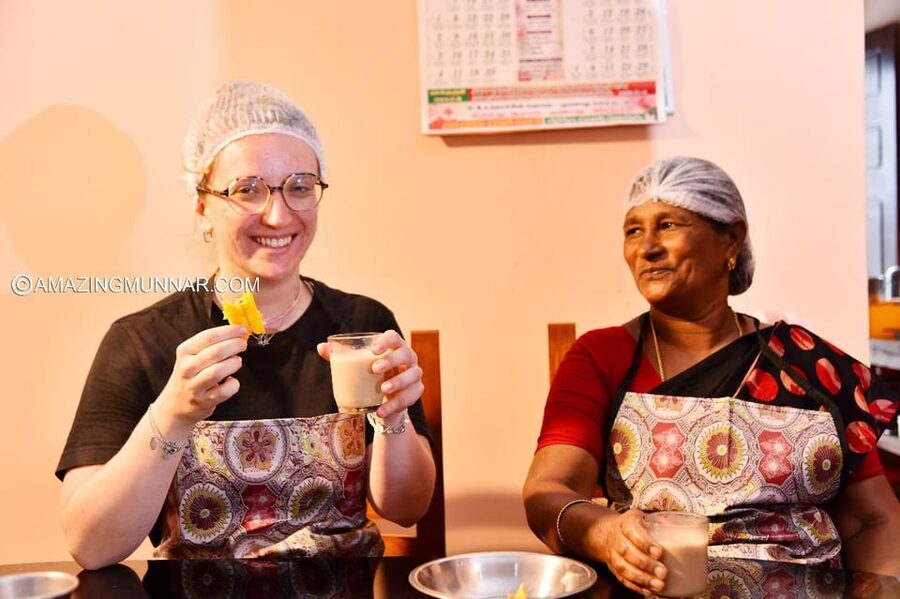
This class is listed as 4 hours, and it’s a private group. Still, the activity notes are important: it may take longer, up to 1 hour or more, depending on dishes and completion pace. That means if you have a strict dinner reservation later, I’d loosen your schedule or plan a buffer.
It’s also worth knowing who this fits well. The class is wheelchair accessible, and instruction languages include English, Tamil, and Malayalam. On the other hand, it’s noted as not suitable for visually impaired people and not suitable for hearing-impaired people. That’s likely because cooking is hands-on and relies on clear communication and observation.
Finally, this is a calm, family-style environment. Rules include no intoxication, no alcohol or drugs, and no alcoholic drinks in the vehicle. So think “focused food day,” not party atmosphere.
Price and value: what $21 buys you in real terms
At about $21 per person for a 4-hour experience, the value comes from the mix, not any single item.
You’re getting:
- lecture and live cooking demonstration
- meal and snacks
- market visit
- travel guidance
- water bottle
- hands-on tools (knife, apron, cutting board)
- pen and paper for notes
What’s not included is pickup and drop from hotels outside the stated area, unless arranged with additional charges. But within the 2 km radius from Munnar town, you’re covered, which helps keep the cost reasonable.
I like this pricing approach because you’re paying for time, instruction, and ingredients work, not just a shared meal. If you’ve done cooking classes elsewhere where you watch while someone else cooks, this one leans harder toward participation. And participation is where you actually learn.
Who should book this Munnar village cooking class
Book this if you want a Kerala food experience that feels grounded in place. It’s ideal for you if:
- you like market-to-stove learning
- you want hands-on instruction, not just tasting
- you’re interested in traditional Munnar and Kerala dishes
- you value a friendly home setting and a flexible Q&A style
It’s also a solid choice for couples or small groups since it’s private. If you cook at home and want reliable steps to repeat, the notes and technique explanations help.
Skip it if you need a class that’s strictly on time with no risk of running longer, or if your accessibility needs require accommodations beyond what’s described here.
Should you book this class?
I’d say yes, with one practical caveat. If you can give yourself a little extra time in your day, this is a high-value way to learn Kerala cooking from people who run the class as part of their home life.
You’ll likely come away with more than memories. You’ll understand ingredients like coconut milk and curry leaves, learn the spice logic behind dishes, and eat a full meal you helped make. That’s the kind of souvenir that actually lasts, even after you leave Munnar.
FAQ
How long is the Kerala Traditional village cooking class in Munnar?
The class is listed as 4 hours, but it may extend by 1 hour or more depending on the dishes and how the session runs.
Is pickup and drop included?
Pickup and drop are offered for free within a 2 km radius from Munnar town. Hotel pickup beyond that radius may require additional charges.
What languages are used during the class?
The instructor supports English, Tamil, and Malayalam.
What’s included in the price?
Included are the lecture and demonstration, meal and snacks, a water bottle, market visit, travel guidance, knife, apron, cutting board, and pen and paper.
Are vegetarian options available?
The class menu is categorized into veg and non-veg, and there is an option to request a vegetarian class.
Does the class include cooking demonstrations and hands-on cooking?
Yes. You’ll watch live demonstrations and then cook in groups with guidance, followed by a tasting session.
Are there restrictions or rules I should know?
Alcohol intoxication and drugs are not allowed, and alcoholic drinks are not permitted in the vehicle. Pets and fireworks or explosive substances are also not allowed.
Recently added around Munnar
- Chinnar wild valley experience day tour ( By Munnar Info)★ 4.5 · 23 reviews
- 2 Nights Munnar Treehouse Escape with Private Car- Iris Holidays★ 5.0 · 20 reviews
- Private Munnar Tea Trek★ 4.6 · 38 reviews
- Munnar: Tea trail, Tea Factory, and Tea Tasting Tour★ 4.9 · 47 reviews
- Munnar: Half day Guided Trek★ 4.8 · 24 reviews
- Munnar mountain hiking (Full day)★ 4.7 · 40 reviews
- Munnar: Local Highlights Day Tour with Top station Visit★ 4.1 · 7 reviews
- Munnar Tea valley Tour ( By Munnar Info)★ 5.0 · 83 reviews
Cooking Classes, compared.
Veg and Non veg : Private Cooking Class in Delhi home (7 meal)
Read our review →
Indian Cooking Class in an Authentic Local Home – Learn 6 Dishes
Read our review →
Jaipur Market Tour & Vegetarian Rajasthani Home Cooking Class
Read our review →
Cooking Class in Jaipur – Family Experience with Meal & Transport
Read our review →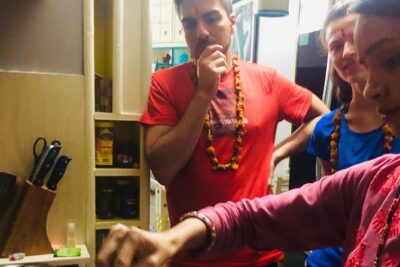
Interactive Cooking Class with a Local Family in Jaipur
Read our review →Browse the lists this tour appears in