
Reviewed · DHARAVI SLUM TOURS
Mumbai:Dhobi Ghat Laundry,Dharavi Slum & Flower market Tour
Dhobi Ghat turns laundry into a citywide show. This tour strings together a train ride, Mumbai’s working laundry at Dhobi Ghat, and a look through Dharavi’s dense lanes, then finishes with a trip to the flower market’s color and scent.
I especially like the way the day is built around real movement, first on the Churchgate to Dhobi Ghat train, then through working neighborhoods where you see industries up close. You’ll also come away with a clearer sense of how Dharavi functions, from small workshops and recycling to leather work, garment production, pottery, and even a local school.
The only real caution is that this is not a sit-and-watch tour. You’ll be on your feet, taking in tight streets and busy stations, and snacks are not included, so plan to eat before you go or bring a little extra if you need it.
In This Review
- Key things that make this tour special
- From Churchgate Station to Dhobi Ghat, you start with real Mumbai travel
- Dhobi Ghat Laundry: watching hundreds of clothes move through the day
- The Flower Market stop: color, scent, and morning trade
- Dharavi Slum Tour: narrow lanes, small industries, and how people earn
- How the guide experience changes the way you see everything
- Price and value: why $9 can make sense here
- What to bring and how to pace yourself
- Who should book this tour, and who might skip it
- Should you book the Mumbai Dhobi Ghat, Dharavi and Flower Market tour?
- FAQ
- Where does the tour start?
- Where does the tour end?
- How much does the tour cost?
- What’s included in the tour price?
- What is not included?
- What language is the tour offered in?
- What should I bring?
- Can I reserve and pay later?
- What is the cancellation policy?
Key things that make this tour special
- Train ride into the everyday city: You start by hopping on the local line, not by taking a private car door-to-door.
- Dhobi Ghat’s open-air laundry system: You’ll see hundreds of clothes in the process of getting and drying, right in public view.
- A flower market stop with sensory overload: Color and scent come at you fast, with morning energy that locals rely on.
- Dharavi as a working community, not a stereotype: You learn how people earn money through many small-scale businesses.
- A guide with deep local ties: English explanations can be very clear, and guides like Shivam know the area and its people well.
- Value pricing with transport included: For $9, you get the guide, train ticket, taxi fare, and bottled water.
From Churchgate Station to Dhobi Ghat, you start with real Mumbai travel
The day begins inside Churchgate station, at the train ticket counter area near the Wheeler Bookstall. That matters, because you’re not meeting somewhere generic like a hotel lobby. You get oriented at the rail hub where daily life actually runs.
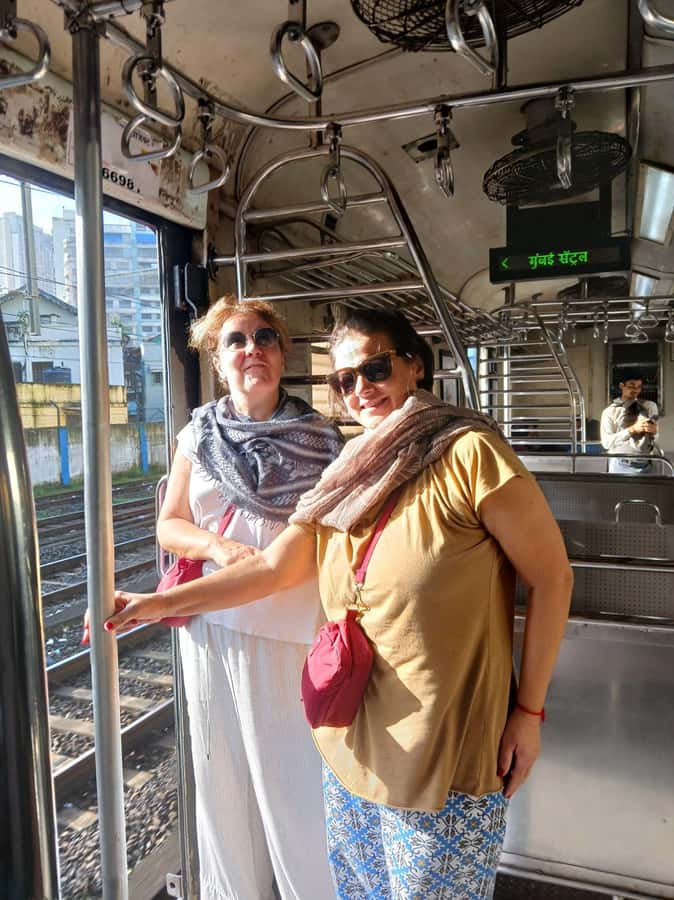
Then you take the train ride with your guide to Dhobi Ghat, the world-famous open-air laundry area. I like this start because it frames what you’re about to see. Mumbai stops being a distant landmark city and becomes a place you move through with locals, one station at a time.
If you get anxious about crowds, don’t. Just give yourself a little extra time to find the ticket area and settle in. Comfortable shoes help a lot here, since stations and platforms are not the type of smooth, wide-walkway environment you might be used to.
More Market Tours in Mumbai
- Mumbai Street Food and Evening Bazaar Tour
★ 5.0 · 172 reviews - Mumbai Street Food & Bazaar Tour with Local Transport
★ 5.0 · 51 reviews - Mumbai by Dawn: Market Tour of Flowers, Fish, and More
★ 4.9 · 48 reviews
Dhobi Ghat Laundry: watching hundreds of clothes move through the day
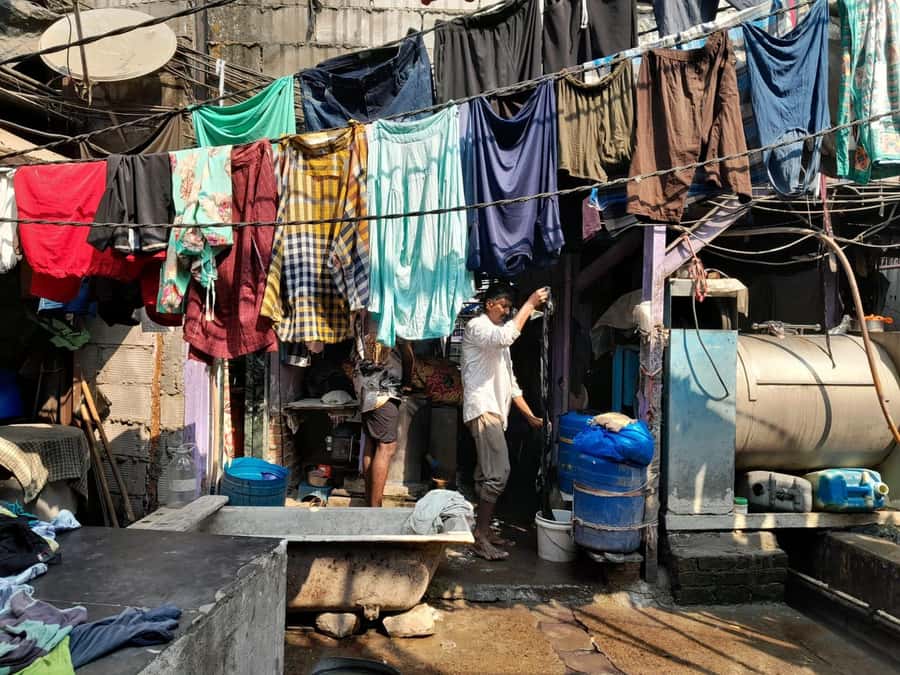
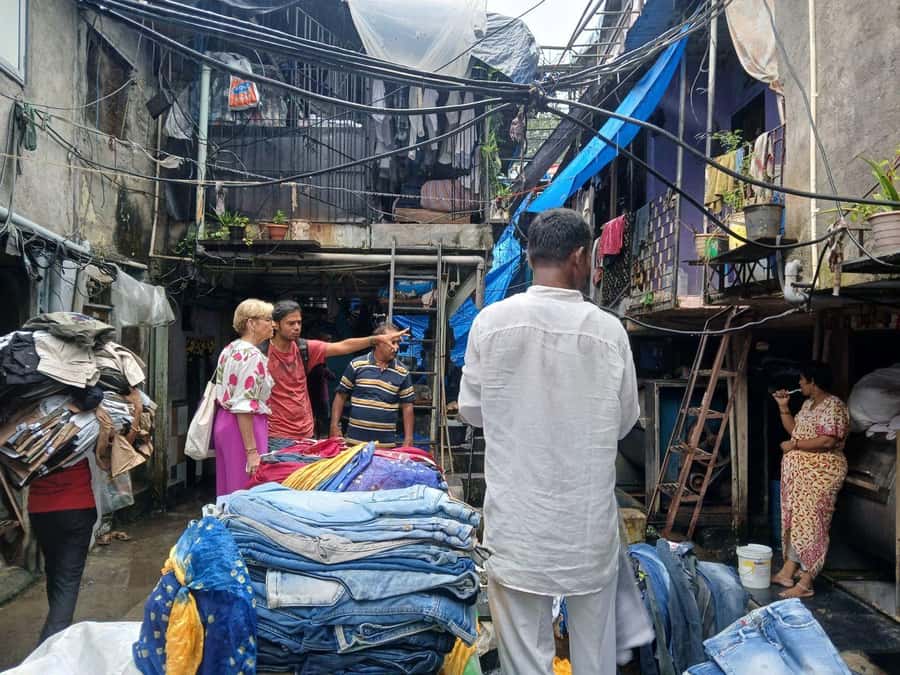
Dhobi Ghat is the big reason to book. This is described as the world’s largest open-air laundry, and the focus is practical, not performative. You’re walking through an active working space where clothes are being washed, handled, and dried in public view.
What I find striking is the visible coordination. Hundreds of clothes are in different stages, and your guide helps you understand the logic behind how the operation works. You’re not only seeing laundry, you’re seeing a system built to keep Mumbai supplied with clean clothes.
A small drawback: because it’s a working laundry area, you’ll want to be mindful with your camera. Bright flashes and getting too close where people are working can be a problem. I’d keep a steady pace, take your shots from the edges, and let the work stay the work.
Also, wear shoes you trust. Floors and walkways in active areas can be uneven, and you’ll appreciate grip more than you expect.
The Flower Market stop: color, scent, and morning trade
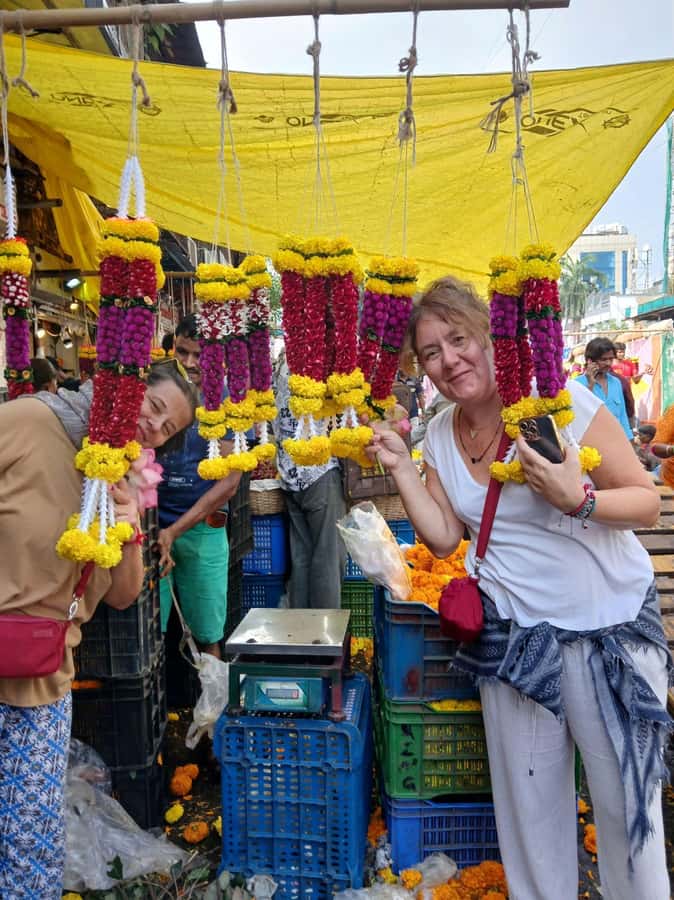
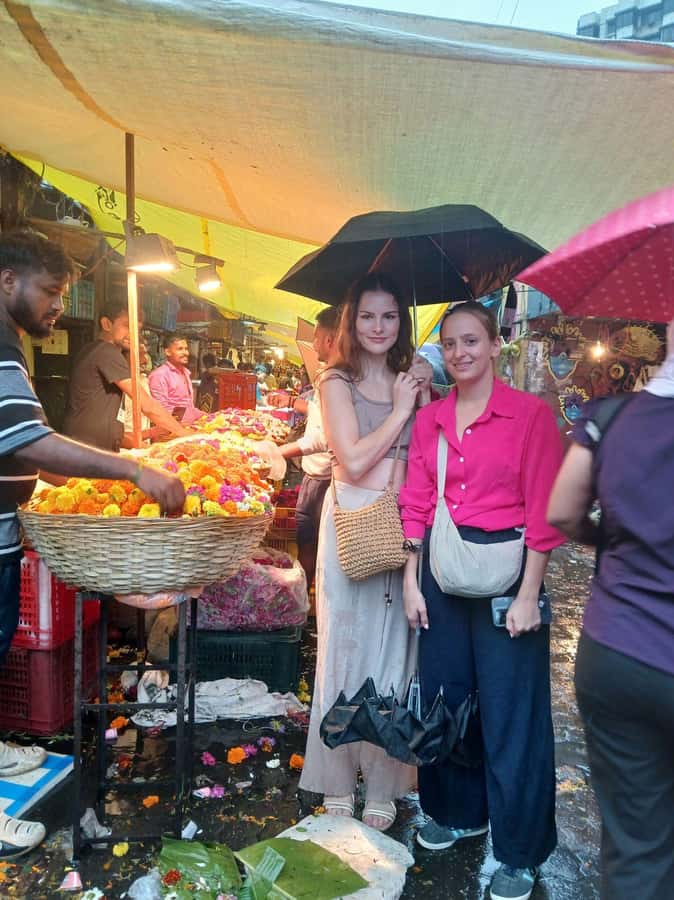
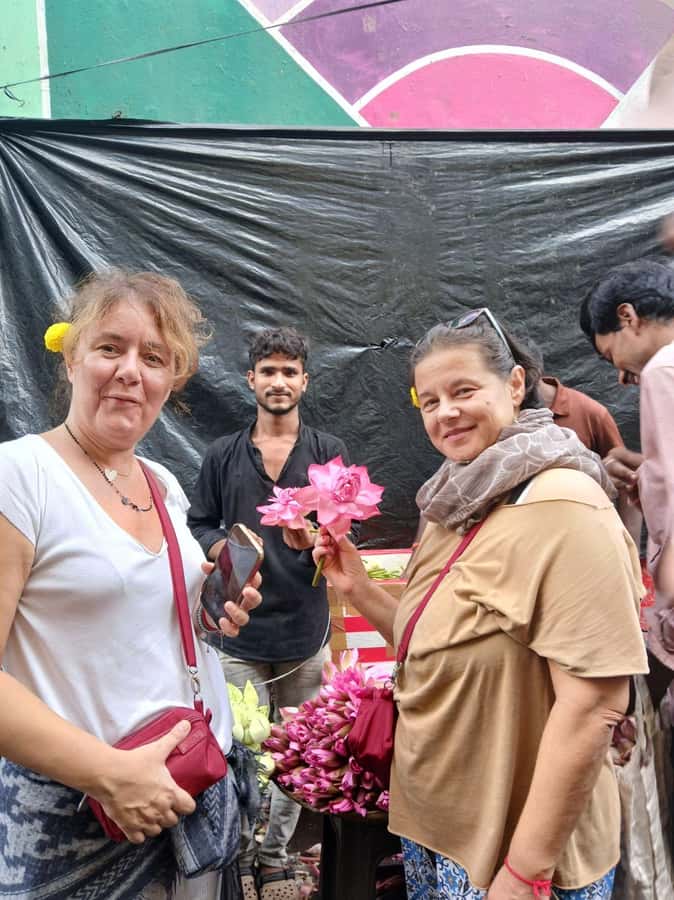
After Dhobi Ghat, you take a short ride to the flower market. This section is for your senses. The market is described as colorful and busy, with day-start energy that’s easy to feel even if you don’t speak the local language.
In practical terms, this is a great contrast stop. You just spent time with laundry as an essential city service. Now you’re seeing another kind of urban engine: the trade that feeds homes, worship, and celebrations through daily deliveries and sales.
What you’ll likely notice first is the abundance of colors and the mix of smells that come with cut flowers and the way they’re handled quickly for buyers. If you’re sensitive to strong odors, you might want to keep your breathing calm and take short pauses.
This market is also a good place for quick photos. Just remember you may be moving through tight spaces, so hold your phone securely and watch your footing.
Dharavi Slum Tour: narrow lanes, small industries, and how people earn
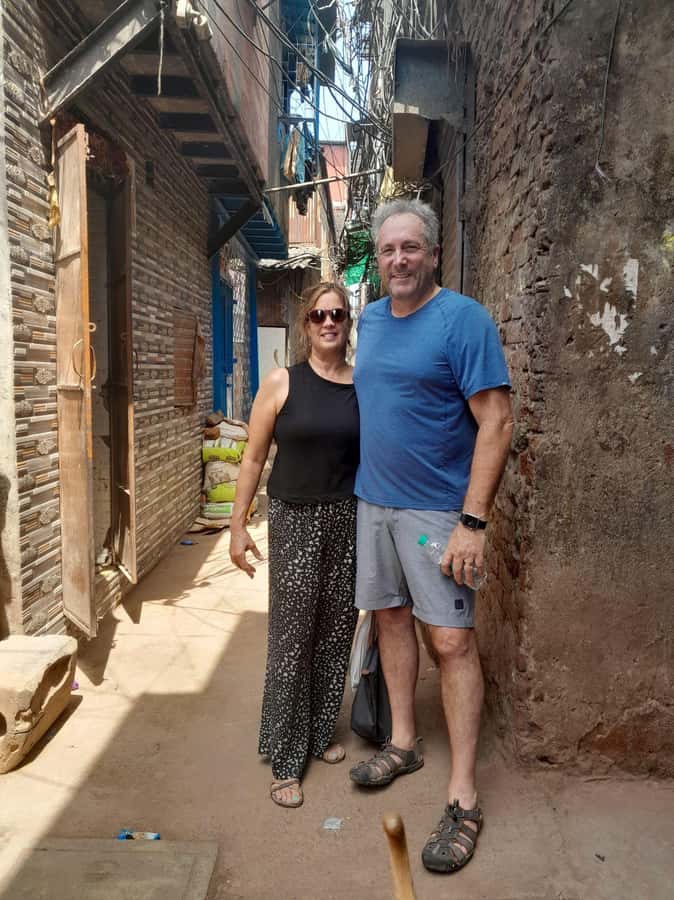
Then you go into Dharavi. This part is handled in a structured way, but it still feels real because you’re walking through an active community.
Dharavi is described as a dynamic community generating over $1 billion annually and having earned the title of a five-star slum in Mumbai. I find those phrases useful, even if you treat them carefully. They point to something important: you’re not just visiting a place that looks a certain way, you’re seeing a place where people build livelihoods.
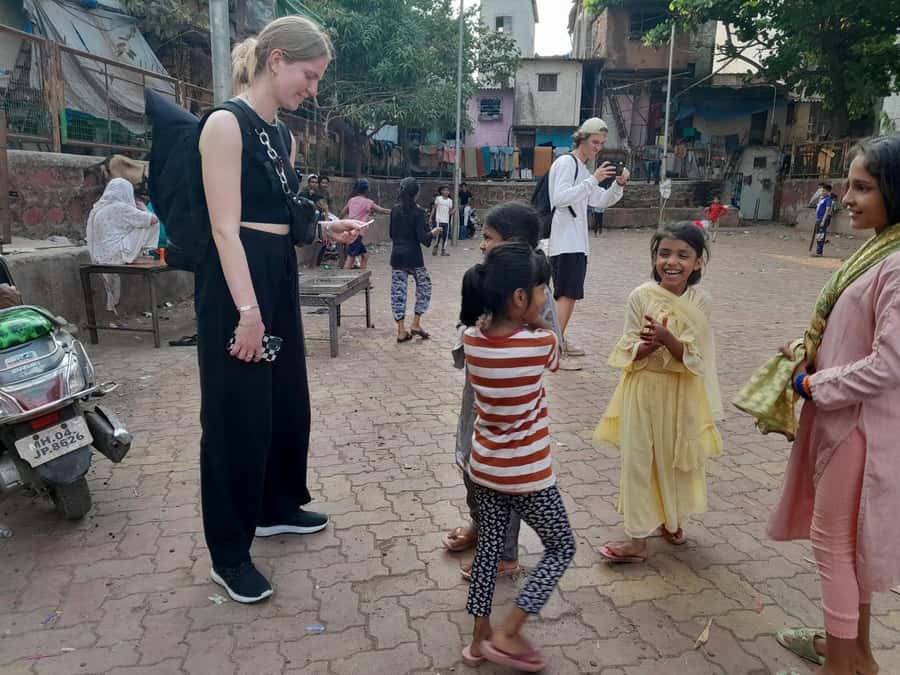
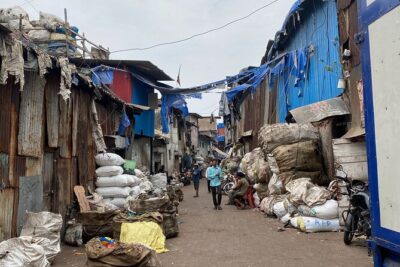
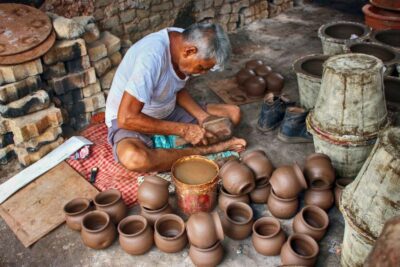
Your guide will help you read the neighborhood as a network of work and everyday needs. Expect narrow lanes with very small houses, a local market, a school, and multiple types of production and recycling. The industries mentioned include a leather factory, garments, pottery, and recycling work.
A key strength here is how the tour highlights diversity. Families from across India live here and speak different languages, so you’re not seeing one single uniform culture. You’re seeing a shared neighborhood where people manage daily life together.
This is also where a guide’s English matters. A guide named Shivam is mentioned as friendly and very clear in English, and that’s a big deal for this type of visit. When you understand what you’re looking at, the whole experience stops being a series of photos and becomes comprehension.
One consideration: Dharavi is dense. Even with a guide, you may feel close to daily life. Keep your questions respectful and avoid treating people like props for your camera roll.
More Shopping Tours in Mumbai
- Mumbai Street Food & Market Tour
★ 4.8 · 17 reviews - Mumbai Market Tour
★ 4.6 · 12 reviews - Mumbai: Evening Street Food Tasting & Cultural Market Tour
★ 4.7 · 11 reviews
How the guide experience changes the way you see everything
A big part of the value is the people running the tour. The description says the guides are local and passionate, and that they still live in slums for generations. That kind of lived connection usually shows up in two ways: better context and a less scripted feeling.
The guide is included in the price, and you’ll also have support as you move between parts of the day: train to Dhobi Ghat, short ride to the flower market, then walking into Dharavi. Without that, you’d spend more time working out logistics and less time understanding what you see.
From the feedback you provided, Shivam comes through as a standout guide, with friendly attention and clear English explanations. If you care about learning, this is the part to prioritize.
And if you’re worried about group size, the listing does not specify it here. So I’d simply expect a normal walking tour feel: you’ll need to stay with the group, listen when the guide speaks, and accept that some walking is unavoidable.
Price and value: why $9 can make sense here

At $9 per person, this tour is priced like an access deal rather than a premium sightseeing package. And that’s because several travel costs are included: tour guide, train ticket, taxi fare, and bottled water.
What that means for you is fewer add-on surprises for the main transit. You’re not just paying for talking. You’re paying for the route and the guided interpretation, plus the actual ride to Dhobi Ghat.
Not included items are also straightforward: tip for the guide and snacks. The lack of snacks matters more than many people expect, especially if you have a long morning. The best move is simple: eat beforehand, bring extra water if you need it, and keep the snack situation in mind so you don’t end up hungry during the Dharavi walking portion.
This is also one of those places where time and context beat spending. If you’re coming to Mumbai to understand daily life, this tour gives you real access at a price that leaves room in your budget for something else later.
What to bring and how to pace yourself
Plan for feet-first travel. The tour advises comfortable shoes and a camera, plus water. Bottled water is included, but carrying your own is smart if you get thirsty quickly.
Also think about how you’ll behave in active workplaces:
- Keep your camera ready but don’t block movement.
- Walk steadily in narrow lanes and busy areas.
- Wear clothing you don’t mind getting close to dust and street-level life.
If you have a sensitive stomach or strong odor sensitivity, the flower market and laundry area can be intense. You can still enjoy it, but be ready for real smells. Short pauses help more than trying to force it.
And bring your questions. Your guide can connect what you see in Dhobi Ghat and Dharavi back to daily work, which is where the experience becomes more than sightseeing.
Who should book this tour, and who might skip it
This tour is a strong fit if you want:
- Working-city experiences, not just famous buildings
- Train-based travel that feels local
- A guided look at Dharavi that focuses on daily life and small-scale industries
- Clear English explanations, especially from guides like Shivam
It’s less ideal if you:
- Want a relaxing, low-walking day
- Are uncomfortable in crowded, tight spaces
- Prefer big, landmark-style sightseeing only
Should you book the Mumbai Dhobi Ghat, Dharavi and Flower Market tour?
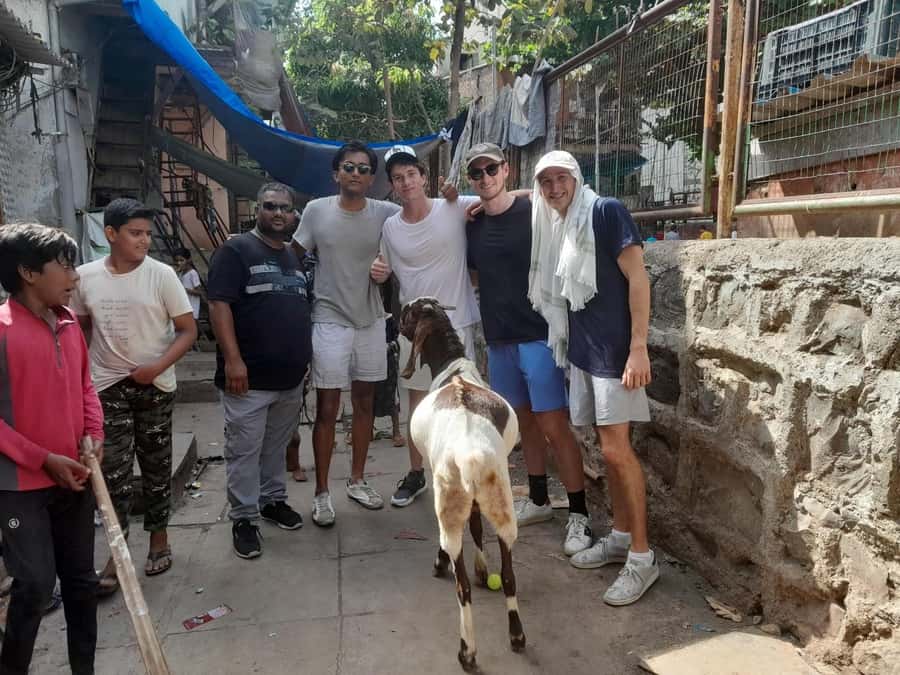
Yes, if you like understanding how a city actually runs. The best reason to book is the mix: a train ride to a working laundry site, a flower market that hits your senses, and a Dharavi walk that explains livelihoods and community life.
If you’re on a budget, this is especially compelling. You get meaningful local guidance plus key transport costs in the price. Just go prepared for walking, bring comfortable shoes, and plan food since snacks are not included.
If you want one clean way to decide, ask yourself this: are you in Mumbai to see daily work and neighborhoods with context? If yes, this tour is a practical way to get that, with clear English guidance and a very specific set of places that are hard to replicate on your own.
FAQ
Where does the tour start?
The guide meets you inside Churchgate station at the train ticket counter, near the Wheeler bookstall.
Where does the tour end?
The activity ends back at the meeting point.
How much does the tour cost?
The price is $9 per person.
What’s included in the tour price?
It includes a tour guide, train ticket, taxi fare, and bottled water.
What is not included?
Tips to the guide and snacks are not included.
What language is the tour offered in?
The tour language is English.
What should I bring?
You should bring comfortable shoes, a camera, and water.
Can I reserve and pay later?
Yes, the option is listed as Reserve & Pay Later, meaning you can book your spot and pay nothing today.
What is the cancellation policy?
You can cancel up to 24 hours in advance for a full refund.
Popular Ganga Aarti & Boat Rides in Mumbai
- Mumbai: Dhobi Ghat Laundry and Dharavi Slum Tour with Local
★ 5.0 · 469 reviews - Mumbai: Dharavi Slum and Dhobi Ghat Laundry Tour
★ 5.0 · 317 reviews - Private Combo Tours Sightseeing + Dharavi Slum + Dhobi Ghat & Dabbawalas
★ 5.0 · 245 reviews - Mumbai: Dharavi Slum Tour with Dhobi Ghat (Open-Air Laundry)
★ 4.8 · 62 reviews
More Dharavi Slum Tours Around Mumbai
- Dharavi slum tour in Mumbai by Female tour guides of the slum
★ 5.0 · 1,976 reviews - Mumbai: Dharavi Slum, DhobiGhat, and Dabbawallas Tour
★ 4.9 · 689 reviews - Dharavi Slum Tour
★ 5.0 · 625 reviews - Dharavi Slum tour in Mumbai by local resident
★ 5.0 · 572 reviews
Recently added around Mumbai
- Night Tour: Mumbai’s Nights & Buzzing Bazaars★ 5.0 · 7 reviews
- Mumbai City Tour with multiple options★ 4.5 · 27 reviews
- Mumbai: Private Sightseeing Tour with Top Highlights★ 5.0 · 44 reviews
- Mumbai: Slum Tour Dharavi & Dhobi Ghat Laundry with a Local★ 4.9 · 31 reviews
- Mumbai: Private Walking Tour with a Local★ 4.9 · 42 reviews
- Mumbai: Private tour for Kanheri Caves and Golden Pagoda★ 4.6 · 11 reviews
- Mumbai: Private Dhobi Ghat Laundry & Slum Tour with Pickup★ 5.0 · 26 reviews
- Mumbai: Private Night Sightseeing Tour with Pickup & Drop★ 4.9 · 22 reviews
Dharavi Slum Tours, compared.
Dharavi slum tour in Mumbai by Female tour guides of the slum
Read our review →
Dharavi Slum Slumdog Millionaire Tour with a Local
Read our review →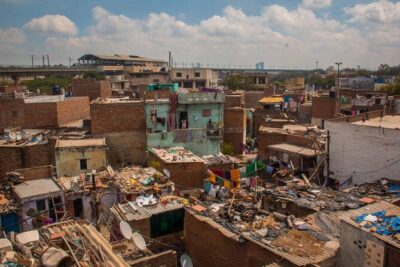
Dhobi Ghat Laundry and Dharavi Slum Tour with Local
Read our review →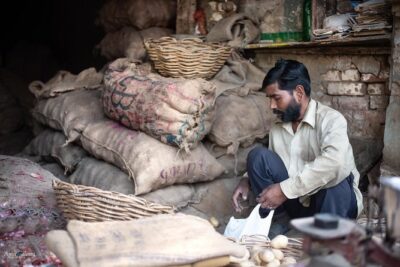
Browse the lists this tour appears in