
Reviewed · DHARAVI SLUM TOURS
Mumbai: Dhobi Ghat Laundry and Dharavi Slum Tour with Local
A 3-hour reality check in Mumbai. This tour pairs Dharavi with Dhobi Ghat so you can see daily work, not movie scenery. I like that you get an inside view from guides such as Bharti or Abi, and I also like the way the tour explains how the whole recycling and production system actually runs. The one drawback to plan for is the vibe, you have to show basic respect and keep your eyes on learning, not starring.
What makes this experience work is the balance. You will see places where families live and children play, alongside small industries like plastic recycling, garment and textile work, and leather production. In the middle of all that, you’ll also hear about the famous Slumdog Millionaire filming connection inside Dharavi.
If you want a clean, sanitized version of Mumbai, skip this. If you want the real city, this is a strong, highly rated option that focuses on safety and privacy by having you visit with locals who know the community.
In This Review
- Key takeaways before you go
- Why Dharavi and Dhobi Ghat fit into one 3-hour tour
- Choosing your guide, and why it changes everything
- What the route feels like on the ground
- Step 1 in Dharavi: seeing lived-in life, not a staged photo set
- Step 2 in Dharavi: the industries you can actually understand
- Step 3 in Dharavi: the Slumdog Millionaire filming connection
- Step 4: transitioning to Dhobi Ghat (and why the train segment helps)
- Dhobi Ghat: open-air laundry, explained from the inside
- Safety, privacy, and respectful behavior in a real community
- Price and value: why $4.45 can actually make sense
- Who this tour fits best
- Should you book this Dharavi and Dhobi Ghat tour?
- FAQ
- Where does the tour start?
- How long is the tour?
- Is the tour private or shared?
- What language is the tour guide?
- Is water included?
- Is food included?
- What does the tour include besides the guide?
- Is the tour safe to visit?
- Can I cancel for a refund?
- Is it free to book now?
Key takeaways before you go
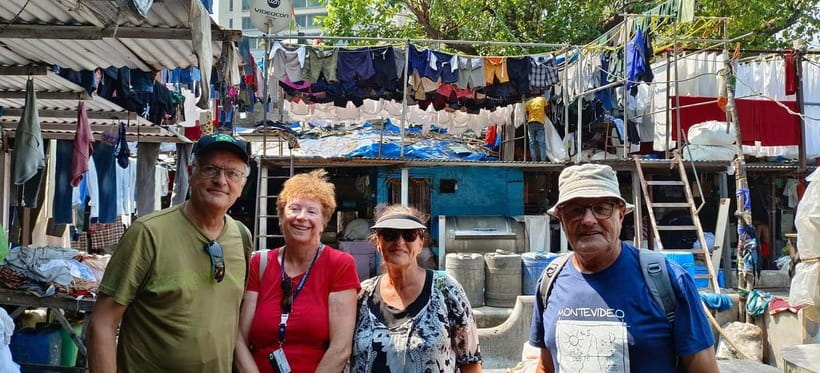
- Local resident guides guide you through daily life, including work areas and residential lanes
- You’ll see Dharavi’s industries up close, from plastic recycling to textile and leather businesses
- Dhobi Ghat is the dramatic switch to open-air laundry, explained in plain language
- You may ride a local train segment as you move between neighborhoods, adding a real Mumbai feel
- The Slumdog Millionaire connection gets pointed out, so you understand why the film chose this setting
- The tour’s tone is meant to be non-sensational, with an emphasis on respectful behavior
Why Dharavi and Dhobi Ghat fit into one 3-hour tour
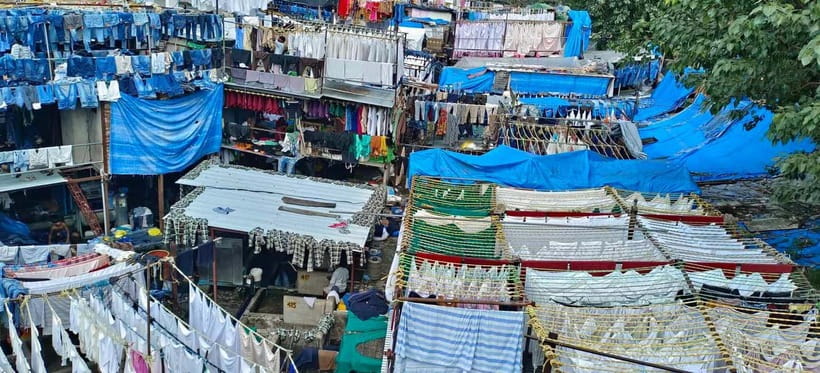
Mumbai can feel like a theme park of viewpoints. This tour resists that. You start in Dharavi, where the city’s economy is built on making, sorting, remaking, and re-selling materials. Then you shift to Dhobi Ghat, where washing is done in a visible, open-air system that feels hands-on and older than modern convenience.
I like that the contrast is the point. Dharavi helps you understand how resources move through the city. Dhobi Ghat shows you another side of that same resource culture, water use, labor, and the rhythm of production.
The timing matters too. Three hours is short enough to keep it from turning into an exhausting march, but long enough for your guide to explain how different parts of Dharavi connect. You will also get enough time to ask questions, which is where the value really shows.
A few more Dharavi Slum tours around Mumbai:
- Dharavi slum tour in Mumbai by Female tour guides of the slum
★ 5.0 · 1,976 reviews - Mumbai: Dharavi Slum, DhobiGhat, and Dabbawallas Tour
★ 4.9 · 689 reviews - Dharavi Slum Tour
★ 5.0 · 625 reviews
Choosing your guide, and why it changes everything
A big reason this tour scores so highly is the people leading it. Many guides are born and raised in Dharavi, and that shows in how they communicate. In the reviews you’ll see names like Bharti, Abi, Alkam(a), Ansh, Anshika, Aanish, Faizan, Aarti, Ridhi, Zee, and Charting. Even when the group is small, these guides keep the tone respectful and conversational.
So here is my practical advice: don’t treat your guide like a walking facts machine. Treat them like a host. Ask the questions that start with how. How do businesses work here? How do families manage space? How does the recycling system fit into Mumbai’s larger economy?
Also notice the pattern. Guides like Abi are praised for making the tour feel safe and for handling questions without rushing you. Bharti is repeatedly mentioned for clear explanations and caring attention. Alkam(a) is praised for running the laundry part with detail and energy. If your guide’s communication style matches your expectations, the whole tour clicks.
What the route feels like on the ground
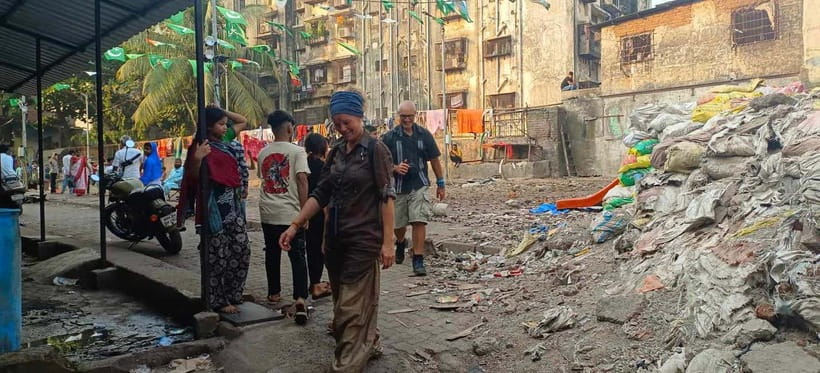
You’ll be walking. That sounds obvious, but it’s worth saying plainly because Dharavi is dense. Expect narrow lanes, close distances, and constant movement around you, whether it’s work zones or family spaces. This is not a museum. People are doing their normal day.
Pacing is part of the experience. Multiple accounts mention guides checking comfort on hot days and adjusting the flow. That matters because if you get tired, you stop listening. You want time for the explanations to land.
You might also have a chai break during transit. Some guides include it as a friendly stop, and it turns the day from a rush into a conversation. If you’re offered anything, accept with gratitude, keep it casual, and don’t turn it into a performance for your camera.
Step 1 in Dharavi: seeing lived-in life, not a staged photo set
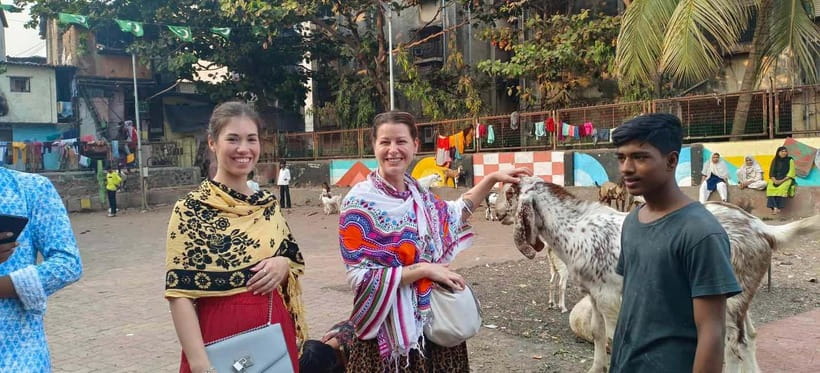
The core of this tour is walking Dharavi with access that feels more like visiting a community than touring a spectacle. The tour is designed around learning from residents, so you’re not just passing by rooftops and doorways. You get to understand how people live, where families stay, how kids play, and how work continues in the same spaces as home.
Here’s what I love about that approach: it breaks the usual outside storyline. You stop thinking of Dharavi as a single image and start seeing it as an entire working city-within-a-city. One repeated theme is how guides explain the complexity and daily routines without turning them into shock value.
The main consideration is your mindset. If you come expecting misery porn, you’ll feel uncomfortable. If you come ready to observe carefully, ask respectful questions, and avoid photographing people at random, the tour tends to feel safe and humane.
Compare these Ganga Aarti and Boat rides in Mumbai:
- Mumbai: Dharavi Slum and Dhobi Ghat Laundry Tour
★ 5.0 · 317 reviews - Private Combo Tours Sightseeing + Dharavi Slum + Dhobi Ghat & Dabbawalas
★ 5.0 · 245 reviews - Mumbai: Dharavi Slum Tour with Dhobi Ghat (Open-Air Laundry)
★ 4.8 · 62 reviews - Mumbai: Slum Tour Dharavi & Dhobi Ghat Laundry with a Local
★ 4.9 · 31 reviews
Step 2 in Dharavi: the industries you can actually understand
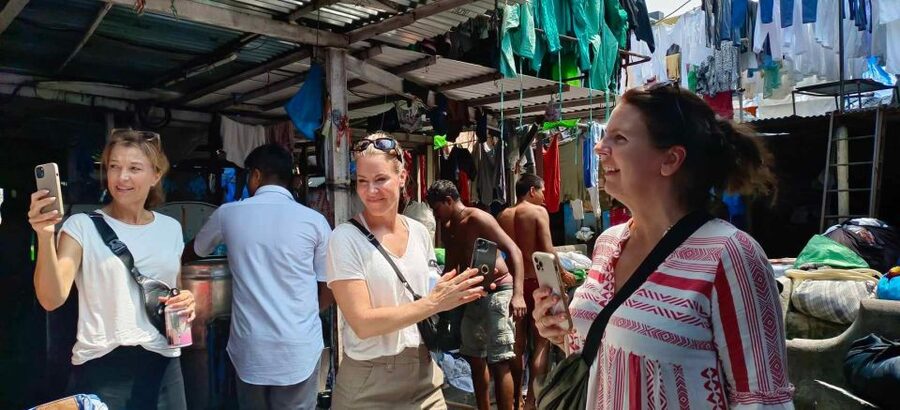
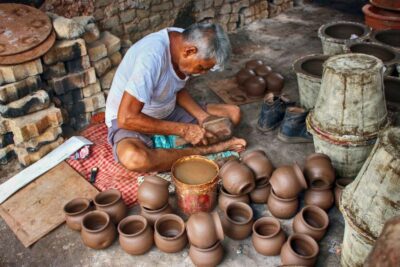
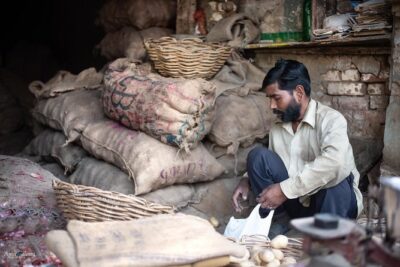
Dharavi’s reputation is often reduced to one word. This tour refuses that shortcut. You’ll see small-scale industries that are powered by sorting, processing, and reusing materials. Expect to hear about:
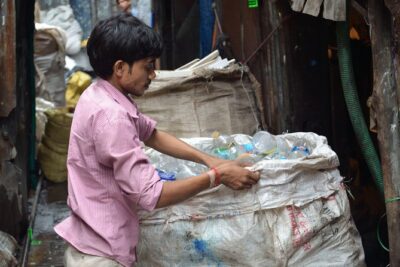
- plastic recycling work
- garment and textile related activity
- leather industry links
- and other supporting trades tied to waste and remanufacturing
The value is in the explanations, not just the sights. A good guide connects the dots: where materials come from, how they get processed, and why this ecosystem supports livelihoods year after year. Some of the tour accounts even mention how the whole system can generate huge annual economic value, which helps you understand scale beyond headlines.
Practical tip: keep your questions specific. Instead of, What do people do here?, try, How do materials get sorted and reused? That kind of question usually gets you a clearer answer and reduces awkwardness.
Step 3 in Dharavi: the Slumdog Millionaire filming connection
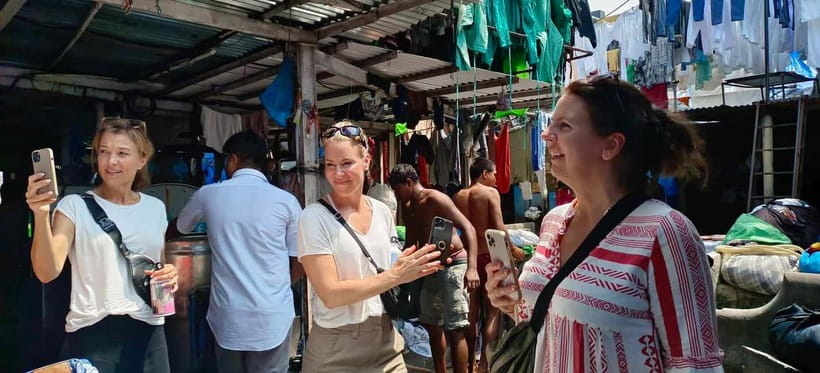
You’ll visit the place connected to the Slumdog Millionaire filming inside Dharavi. This matters because it changes what you think you’re seeing. You’ll stop treating the film as fiction and start seeing it as a street-level story rooted in real neighborhoods and real labor.
The guide context is important here. If you just spot a familiar location, it becomes a photo moment. If your guide explains why the setting works on film and how the neighborhood has its own logic, it becomes a deeper understanding of how cinema borrows from reality.
If you’re a film fan, this is the part that makes the tour feel extra memorable. If you’re not, it still works because it’s a clear anchor point for learning.
Step 4: transitioning to Dhobi Ghat (and why the train segment helps)
Several guides move you by local train as part of the experience. People mention an open, lively train ride feeling, and the train segment helps in two ways. First, it makes the day feel like Mumbai, not a sealed tour bubble. Second, it gives your guide a natural time to keep explaining while you travel.
If the weather is hot, pace matters again. You’ll likely need water, and the tour includes water to help you keep going. You’ll also want comfortable shoes. This is real walking on real ground.
Dhobi Ghat: open-air laundry, explained from the inside
Dhobi Ghat is where the tour becomes visually unforgettable. This open-air laundry area is not a quick photo stop. With your guide, you’ll learn how the laundry system functions and how large-scale work happens in an organized way.
What makes this segment valuable is the mechanics. Instead of vague impressions, guides explain the workflow and the history or context of how washing became part of Mumbai’s functioning economy. Many reviews highlight that this part is harder to grasp without a guide, because you need someone to point out what you’re looking at.
If you’re worried about the ethics of photographing at work sites, you’re right to think about it. Keep it respectful. Focus on the process, the tools, and the pace of labor. Ask your guide what is okay before you lift your phone.
Safety, privacy, and respectful behavior in a real community
The tour is designed to be safe to visit inside and around with locals. Still, you should treat this like any community visit where you are the outsider. That means clear boundaries.
In practical terms:
- Don’t block walkways or work areas.
- Don’t linger in doorways.
- Don’t demand personal access from families.
- If someone looks uncomfortable, move on.
- Listen more than you film.
Many reviews mention that guides handle privacy with care and keep the experience non-voyeur. That’s not just a nice touch. It shapes the whole feel of the tour, making it less tense and more human.
Also, a good sign is whether your guide checks your comfort and answers questions patiently. People repeatedly praise guides for compassion and respect, especially on the resident-led parts of the route.
Price and value: why $4.45 can actually make sense
At $4.45 per person, this looks almost too good. The reason it can still make sense is that the price includes more than a basic walk. You’re paying for:
- a local English-speaking guide
- entry tickets
- traveling fees
- water
- a private or shared guided format
- and a planned route connecting Dharavi to Dhobi Ghat
Even if you don’t want to think about budgets while traveling, value is about what you get for your day. Here you’re getting access, context, and explanations, plus transport between two very different parts of Mumbai. If you’re trying to cover one meaningful local experience instead of squeezing in several generic stops, this can be a smart spend.
Of course, the practical caution is that the experience requires your cooperation. You cannot treat it like a casual sightseeing loop. You’ll get more out of it if you arrive ready to listen.
Who this tour fits best
This tour is especially suited to you if:
- you want a real-world look at how Mumbai’s recycling and labor systems work
- you enjoy asking questions and learning from locals
- you want a cultural experience that’s more than landmarks
- you like clear, guide-led explanations more than self-guided wandering
It might not be the right fit if:
- you get overwhelmed by close quarters and dense neighborhoods
- you dislike walking in heat
- you need a fast, low-interaction sightseeing style
For families, it can work too. Some reviews mention taking children and enjoying how the guide explained daily life clearly. If you go with kids, it’s worth setting expectations beforehand, keep it respectful, and stick close to the guide.
Should you book this Dharavi and Dhobi Ghat tour?
Book it if you want one powerful, locally guided day that connects Mumbai’s industries to real daily life. The biggest win is the resident-led perspective, paired with Dhobi Ghat’s open-air laundry explained in plain terms. If you’re curious and respectful, this is the kind of tour that changes how you see the city in a good way.
Skip it if your goal is postcard Mumbai. This is about work, community life, and everyday systems. Come prepared to be a learner, not a collector of images.
If you can, choose a guide whose style you like, and prioritize English-speaking hosting so you can actually ask the questions that matter to you. That’s where the tour turns from interesting to unforgettable.
FAQ
Where does the tour start?
The meeting point may vary depending on the option booked.
How long is the tour?
The duration is 3 hours.
Is the tour private or shared?
You can choose private or small groups, depending on the option selected.
What language is the tour guide?
The tour is in English, with a local English-speaking tour guide.
Is water included?
Yes, water is included.
Is food included?
No, food and drinks are not included.
What does the tour include besides the guide?
It includes entry tickets and traveling fees, plus the tour guide.
Is the tour safe to visit?
The activity description says it is completely safe to visit inside and around, and the tour is led by locals visiting by a residence.
Can I cancel for a refund?
Yes, you can cancel up to 24 hours in advance for a full refund.
Is it free to book now?
Yes, you can reserve now and pay later.
Recently added around Mumbai
- South Mumbai: Cultural Heritage Walking Tour★ 4.8 · 45 reviews
- Mumbai: Local Markets & Temples Tour★ 4.6 · 45 reviews
- South Bombay Live Walking Tour★ 4.9 · 11 reviews
- Mumbai: Same Day Tour of Ajanta & Ellora Cave’s★ 5.0 · 7 reviews
- Private Mumbai Highlights Tour (5 Hours)★ 4.9 · 46 reviews
- Private Dharavi Slum Tour★ 5.0 · 13 reviews
- Night Tour: Mumbai’s Nights & Buzzing Bazaars★ 5.0 · 7 reviews
- Mumbai:Dhobi Ghat Laundry,Dharavi Slum & Flower market Tour★ 5.0 · 12 reviews
Dharavi Slum Tours, compared.
Dharavi slum tour in Mumbai by Female tour guides of the slum
Read our review →

Dharavi Slum Slumdog Millionaire Tour with a Local
Read our review →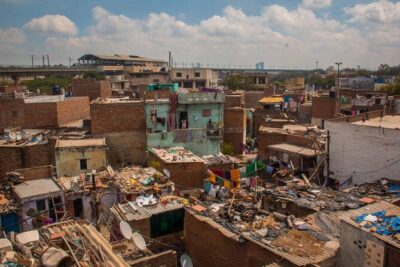
Browse the lists this tour appears in