
Reviewed · DHARAVI SLUM TOURS
Mumbai: Dharavi Slum, DhobiGhat, and Dabbawallas Tour
Mumbai reveals itself fast when you ride local.
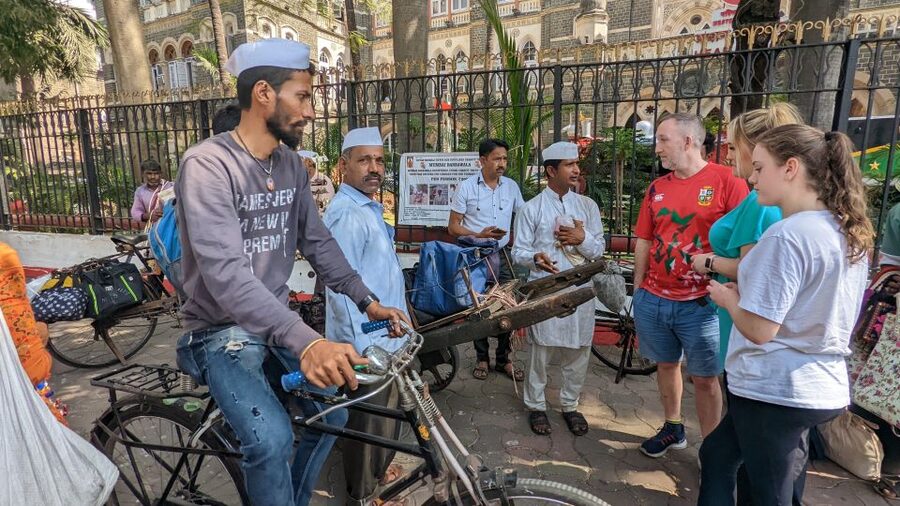
This tour strings together Dharavi, DhobiGhat open-air laundry, and the dabbawallas system with a friendly guide and real neighborhood routes. One big heads up: no photography inside Dharavi, so plan to watch, listen, and take mental notes instead of photos.
What really makes it work is the people. Guides like Loki, Ganesh, Alam, Bharathi, Bahrti, and Maze are consistently praised for clear English, respectful handling of sensitive spaces, and insider stories that make the industries and daily life feel understandable, not like a show.
The main drawback is timing and coverage. Dabbawallas may be missing on Sundays and public holidays, and there’s also a Diwali period in 2024 when they take leave, plus the itinerary depends on how your day lines up with local operations.
In This Review
- Key points you’ll care about
- Meeting at Churchgate and riding Mumbai’s trains
- Dharavi walking tour: what you’ll see, and what you must respect
- DhobiGhat open-air laundry: the working system behind the clothes
- Dabbawallas near Churchgate: how lunchbox delivery stays on track
- The train legs and timing: a 3 to 4.5 hour half-day that moves
- Price and value: what $14 gets you in Mumbai reality
- Respect, safety, and who should book this tour
- Should you book the Dharavi, DhobiGhat, and dabbawallas tour?
- FAQ
- Where do I meet the guide for the tour?
- How long is the Dharavi, DhobiGhat, and dabbawallas tour?
- Is the tour guide available in English?
- Is hotel pickup included?
- Can I take photos inside Dharavi?
- Will I always see the dabbawallas?
- What should I bring, and is the tour suitable for kids or pregnancy?
Key points you’ll care about
- Local train legs between Churchgate and Dharavi keep this tour grounded in how Mumbai actually moves
- Inside DhobiGhat you see a working, open-air laundry process up close (and it’s organized by workers, not tour script)
- Respect-first Dharavi access comes with clear rules, including no photography inside the slum
- Dabbawallas logistics near Churchgate explain how lunchbox delivery stays precise at city scale
- Guides with lived ties often share practical, day-to-day context, not generic facts
- Small-group or private options help the experience feel less rushed
Meeting at Churchgate and riding Mumbai’s trains
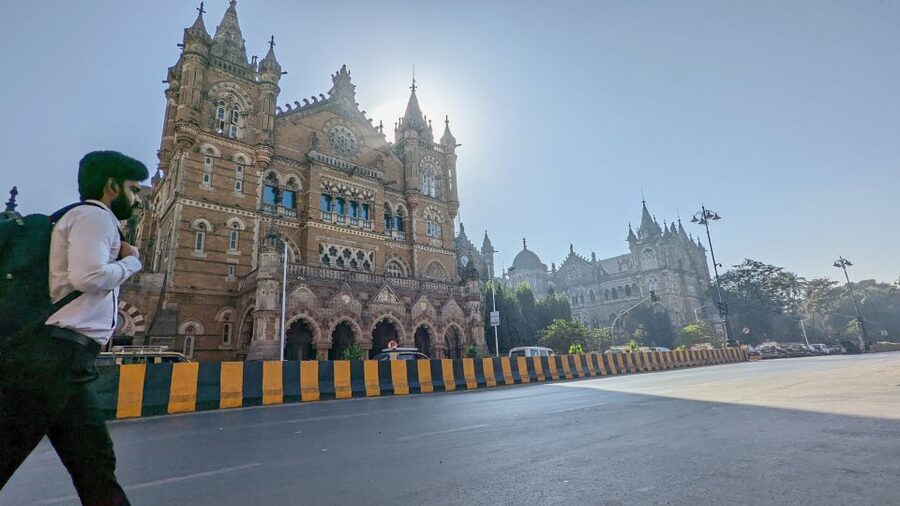
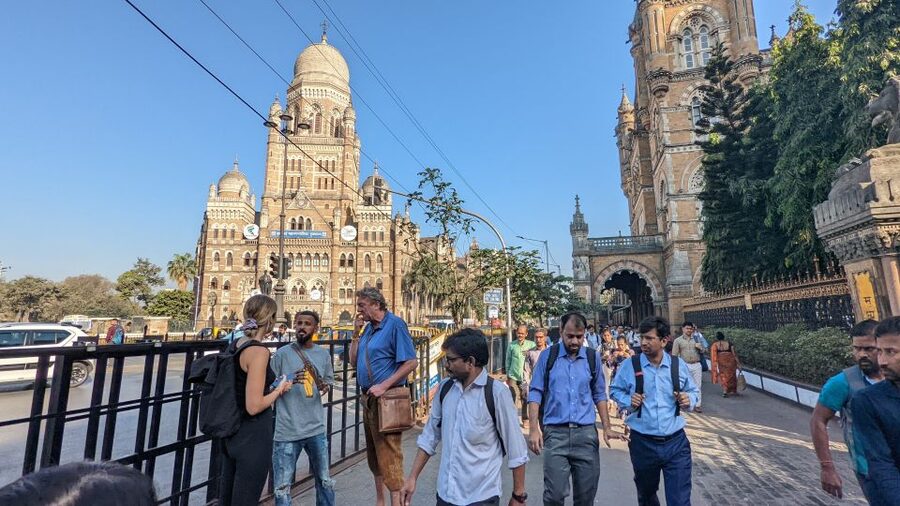
Most days start near Churchgate Railway Station, where you meet your guide and get ready for the first hop. The route uses a local train, roughly 20 minutes to reach the Dharavi area, which means you avoid the city’s traffic headaches and you get a real slice of daily commuter rhythm.
I like tours that use public transport for this reason: it keeps the city feeling local, not staged. You also get a quick lesson in how to move like a passenger, not like an observer with a map and a mission.
Bring a sun hat. You’ll be outside for walking time before and after the laundry segment, and Mumbai sun does not negotiate. If you’re joining during a hot part of the day, add water and take shade breaks when your guide offers them.
A few more Dharavi Slum tours around Mumbai:
- Dharavi slum tour in Mumbai by Female tour guides of the slum
★ 5.0 · 1,976 reviews - Dharavi Slum Tour
★ 5.0 · 625 reviews - Dharavi Slum tour in Mumbai by local resident
★ 5.0 · 572 reviews
Dharavi walking tour: what you’ll see, and what you must respect
Dharavi is not one single thing. On the walk, your guide leads you through narrow lanes and work areas, with time for guided explanation and street-level context, about 100 minutes of walking and exploring.
The best part of this stop is the tone set by the guide. People repeatedly mention guides like Loki or Maze as living in the area, which tends to change how the tour feels: more like a conversation with someone who knows where to go, and less like outsiders poking around.
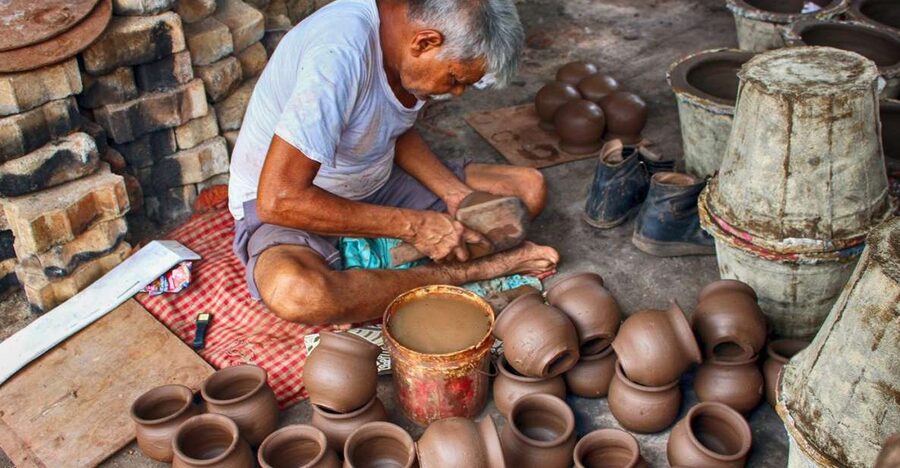
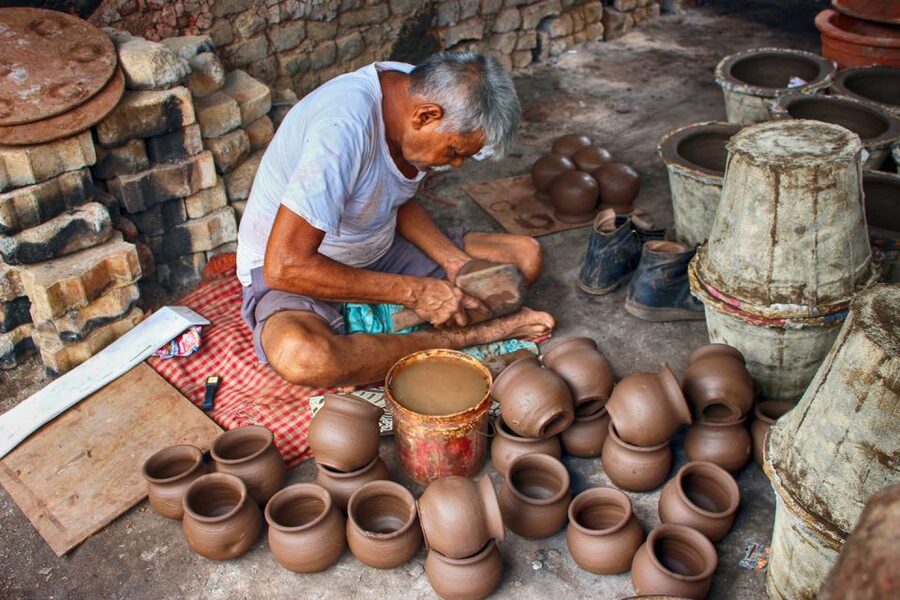
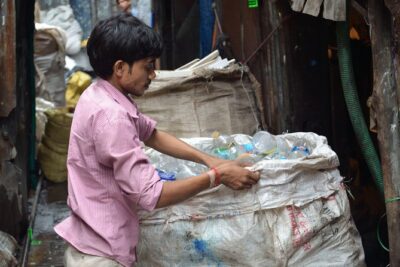
Expect two things at once: the reality of tight space and the creativity of local work. Many guides also focus on how communities function, including the mix of industries and the way residents manage daily needs, healthcare, education, and housing challenges through networks that are practical and close to home.
Photography rules matter here. Photography is not allowed inside Dharavi, but it is allowed elsewhere on the tour. That’s a useful constraint. You’ll likely learn faster by watching carefully and asking questions rather than aiming your camera at everything.
If you’re sensitive to poverty or uncomfortable with close quarters, don’t ignore that instinct. Choose respectful curiosity, not shock-tour mode. This tour is built to be handled sensitively, but it still shows real conditions and real work.
DhobiGhat open-air laundry: the working system behind the clothes
After Dharavi, you head to DhobiGhat, often called the world of open-air laundry. The walking time here is shorter, around 20 minutes, but the impact can be big because you’re not looking at a museum display. You’re seeing an active process where people sort, wash, and dry in a highly visible outdoor setup.
The great value is how your guide connects the dots. People mention guides explaining daily routines and the practical flow of laundry work, so you understand what you’re looking at instead of just seeing piles and moving water. You also get context for why this place exists where it does, and how it fits into Mumbai’s broader service economy.
A practical note: the outdoors means weather matters. If it’s extremely hot or rainy, the experience can shift. Still, many travelers love this stop because it’s visual and hands-on in its own way, even without you touching anything.
If you want a “how does it work” stop in your Mumbai day, DhobiGhat is that. It’s the kind of place where questions come easily: Who handles which step? How do they manage volume? How do they keep quality consistent?
Dabbawallas near Churchgate: how lunchbox delivery stays on track
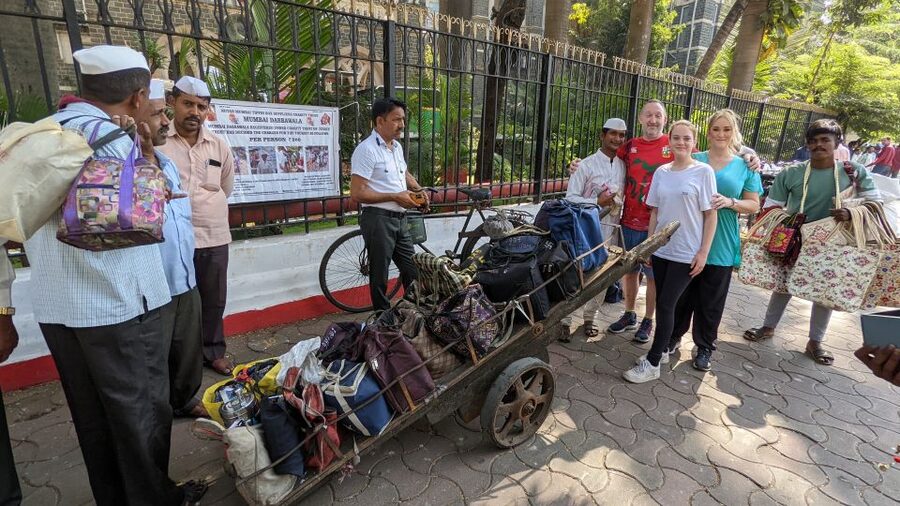
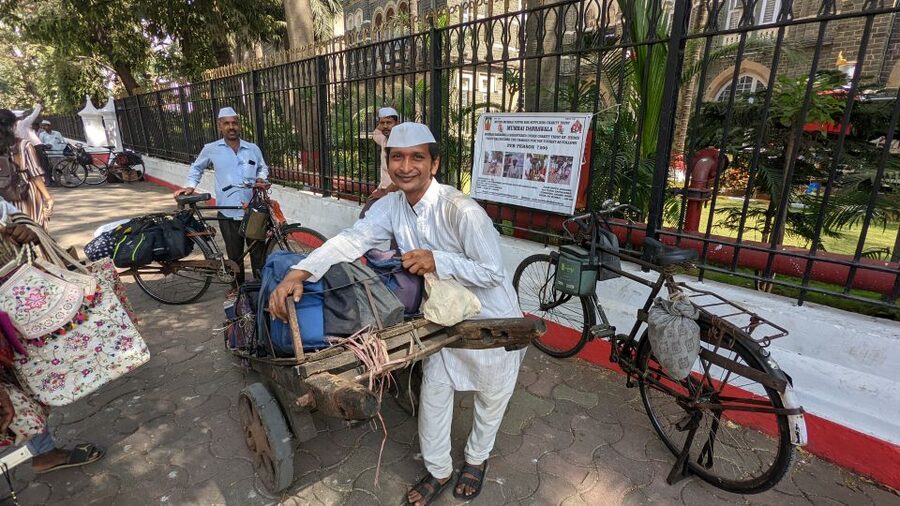
The final act is the dabbawallas, the lunchbox delivery workers, near Churchgate Railway Station. The tour shows them in action and explains the lunchbox logistics system that is famous for reliability across the city.
This segment is often the most surprising for first-timers. People mention learning how the delivery system runs smoothly, how lunchboxes are sorted, and how workers coordinate using a disciplined process. It’s not flashy, but it’s impressive, the way a well-run relay team is impressive.
Timing matters a lot here. Dabbawallas do not operate on Sundays and public holidays, and for tours from 31st October to 4th November 2024, they were expected to be on Diwali leave, meaning you may not see them during that window. Your guide will do their best to manage the itinerary, but if lunchbox delivery is the key reason you booked, pick your dates carefully.
Also note that you’re visiting around Churchgate, not a far-flung depot. This matters because it keeps the tour realistic and close to where commuters move, which helps you understand how the delivery system plugs into Mumbai’s everyday travel.
A few more Mumbai days to compare
- Mumbai: Full-Day Sightseeing Tour of Mumbai
★ 4.9 · 1,822 reviews - Private Mumbai Sightseeing Tour (Traveller’s Choice Award Winner)
★ 5.0 · 1,565 reviews - Elephanta Caves & Island Guided Private Tour
★ 5.0 · 1,327 reviews - Group Guided Walking Tour in Fort and Colaba
★ 5.0 · 1,073 reviews
The train legs and timing: a 3 to 4.5 hour half-day that moves
This tour is built for a half-day window, about 3 to 4.5 hours total. That includes two train rides, roughly 20 minutes outward and 15 minutes on the return, plus guided walking time through Dharavi and DhobiGhat.
What I like about the schedule is the pacing. You get enough time in each part to learn something, but not so much that you’re cooked by the end. Several people also mention that guides manage time well and keep the day organized, including arranging small breaks like quick stops.
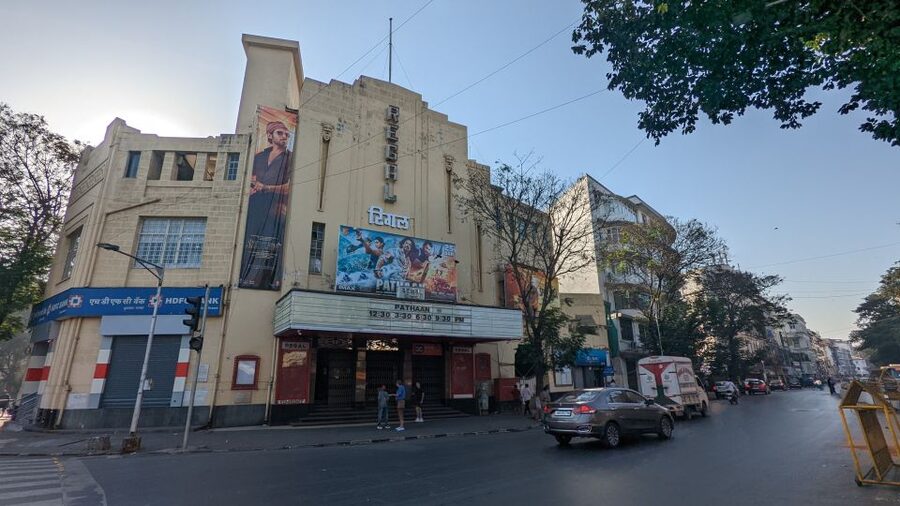
At the end, you return to Churchgate Railway Station for a short guided visit, about 10 minutes, and you may be dropped off at one of several nearby points such as Ballard Pier, Alexandra Dock, Green Gate, Churchgate Railway Station, or Mahalaxmi Station depending on the option booked.
For planning, think of this as a “Mumbai beyond postcards” session. It pairs best with another city stop where you can decompress afterward, like a café break near the seafront or a calm evening walk.
Price and value: what $14 gets you in Mumbai reality
At $14 per person, this is priced as an accessible introduction to neighborhoods and working industries that many visitors never see. The value isn’t just the sights. It’s the combination: guided Dharavi access (with privacy rules), an inside visit to DhobiGhat, and a dabbawallas component that explains the lunchbox machine.
You’re also paying for local guidance that repeatedly shows up in reviews as key to the feeling of safety and respect. When guides like Ganesh or Bharathi explain how industries run and answer questions with clarity, you get more than a route. You get meaning.
Transportation is included, including the train rides. With Mumbai’s traffic, that kind of included movement can be worth a lot in time and hassle saved, especially for a shorter tour.
The only cost consideration is that dabbawallas coverage can change based on day and date. If you book on a Sunday or public holiday, or during the Diwali leave window listed for 2024, you might not get that exact highlight.
Respect, safety, and who should book this tour
This is the kind of experience where a respectful approach is not optional. The tour structure is designed around that, including the photography restriction inside Dharavi and guided movement through sensitive areas. People repeatedly describe guides as careful and safety-minded, and they emphasize a respectful attitude toward residents and workers.
It’s also a tour that benefits from curiosity and patience. If you go in expecting a neat, staged “attraction,” you might feel jarred. If you go in ready to ask questions and to treat this as real life, the experience lands well.
Who it fits best:
- Adults and older teens who can handle close streets and working neighborhoods
- First-time Mumbai visitors who want the city beyond the usual landmarks
- People who like practical questions, like how services run and how systems stay organized
Who should skip it:
- Children under 4 years
- Pregnant women, since it is not listed as suitable
If you’re unsure, compare your comfort with crowds, walking time, and the no-photo rule inside Dharavi. Those are the practical factors you can control.
Should you book the Dharavi, DhobiGhat, and dabbawallas tour?
Book it if you want a short, organized way to see three distinctly Mumbai experiences in one go. The local guides with strong English, the use of public train, and the mix of Dharavi plus DhobiGhat plus dabbawallas logistics make this a high-value itinerary for people who want real context, not just sightseeing.
Don’t book it if your schedule falls on a day when dabbawallas don’t operate, like Sundays and public holidays, or if you’re traveling during 31 Oct to 4 Nov 2024 when Diwali leave may affect the dabbawallas stop. Also skip if the no-photography rule inside Dharavi, plus close walking areas, will be a dealbreaker for you.
If you do book, bring your sun hat, keep your camera for outside areas, and plan to ask your guide questions. This tour rewards people who treat it like a lesson in how a city works.
FAQ
Where do I meet the guide for the tour?
The meeting point may vary depending on the option you book, but the tour often starts at Churchgate Railway Station.
How long is the Dharavi, DhobiGhat, and dabbawallas tour?
It runs about 3 to 4.5 hours total.
Is the tour guide available in English?
Yes, the tour includes a live tour guide in English.
Is hotel pickup included?
No, hotel pickup and drop-off are not included.
Can I take photos inside Dharavi?
No. Photography is not allowed inside the Dharavi slum, though it is allowed elsewhere on the tour.
Will I always see the dabbawallas?
Not always. Dabbawallas do not operate on public holidays and Sundays, so they may not be part of the itinerary on those days.
What should I bring, and is the tour suitable for kids or pregnancy?
You should bring a sun hat. It is not suitable for children under 4 years and not suitable for pregnant women.
Recently added around Mumbai
- South Mumbai: Cultural Heritage Walking Tour★ 4.8 · 45 reviews
- Mumbai: Local Markets & Temples Tour★ 4.6 · 45 reviews
- South Bombay Live Walking Tour★ 4.9 · 11 reviews
- Mumbai: Same Day Tour of Ajanta & Ellora Cave’s★ 5.0 · 7 reviews
- Private Mumbai Highlights Tour (5 Hours)★ 4.9 · 46 reviews
- Private Dharavi Slum Tour★ 5.0 · 13 reviews
- Night Tour: Mumbai’s Nights & Buzzing Bazaars★ 5.0 · 7 reviews
- Mumbai:Dhobi Ghat Laundry,Dharavi Slum & Flower market Tour★ 5.0 · 12 reviews
Dharavi Slum Tours, compared.
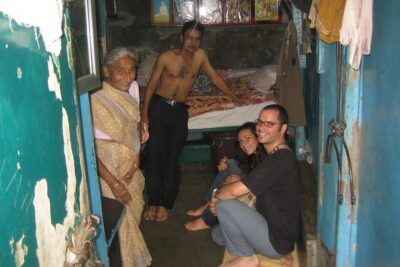
Dharavi slum tour in Mumbai by Female tour guides of the slum
Read our review →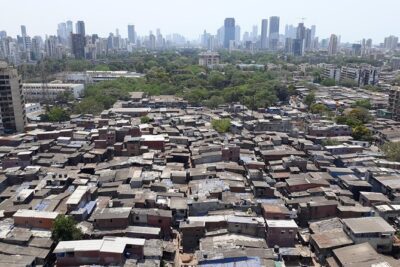


Dharavi Slum Slumdog Millionaire Tour with a Local
Read our review →
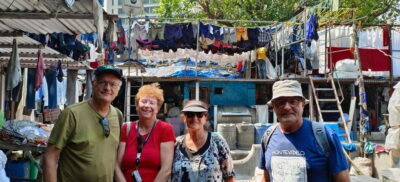
Dhobi Ghat Laundry and Dharavi Slum Tour with Local
Read our review →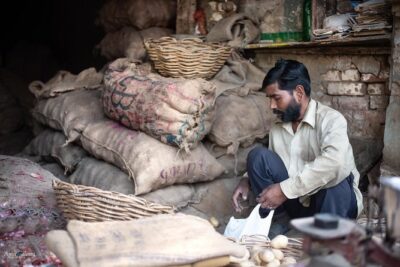
Browse the lists this tour appears in