
Reviewed · DHARAVI SLUM TOURS
Mumbai: Dharavi Slum Tour with Dhobi Ghat (Open-Air Laundry)
Mumbai turns waste into work. In one tight 3-hour outing, you’ll walk through Dharavi and then shift gears to Dhobi Ghat, the open-air laundry where clothes are washed, dried, ironed, and sorted by hand.
I love how this tour stays practical, showing how people earn money through small industries like recycling and crafts. I also like the way the guide builds context as you go, including photo rules that respect residents since this is home, not a stage. The only drawback is physical reality: narrow lanes mean comfortable shoes matter, and restroom stops can be limited.
In This Review
- Key takeaways before you go
- Why Dharavi plus Dhobi Ghat works as one experience
- The meeting point: Third Wave Coffee and a fast start
- Dharavi lanes: trades, recycling, and the reality of small industry
- The market stop feel: handicrafts and textiles you can actually picture
- Getting the guide part right: Pooja, Anushka, and Varsha style
- Dhobi Ghat viewing deck: watching laundry processed by hand
- Photography and privacy: how to handle your camera respectfully
- What to pack: comfort first, hat and water included
- Price and value: what $4.94 buys you in real terms
- Who should book this tour, and who might skip it
- Final verdict: should you book Dharavi and Dhobi Ghat?
Key takeaways before you go
- Dharavi trades and recycling with clear explanations: you see how waste becomes materials for new products.
- Local guides with strong English and sharp context: guides like Pooja, Anushka, and Varsha are frequently praised for storytelling plus practical guidance.
- Dhobi Ghat as a working system: you’ll witness clothes handled in a strict rhythm by hundreds of washermen.
- Respect and privacy are part of the experience: photography is allowed, but only with clear do and don’t instructions.
- Short duration means you move steadily: plan for 3 hours of real walking and frequent turning corners.
Why Dharavi plus Dhobi Ghat works as one experience
I like pairing these two places because they show Mumbai as a working city, not just a sightseeing city. Dharavi helps you understand how raw materials, small workshops, and everyday entrepreneurship turn into income. Then Dhobi Ghat shows another side of the same idea: labor handled at scale, with hand skills honed over time.
The best part is how the tour changes your mental picture in stages. In Dharavi, you’re watching a neighborhood system that links production and reuse. At Dhobi Ghat, you watch a city service system, where laundry gets processed with timing, sorting, and consistency.
It also keeps expectations grounded. You are not going to leave with a tidy moral message, even if you’ll feel plenty. You’ll leave with practical understanding of how work moves in Mumbai, right down to hands washing and sorting clothes.
A few more Dharavi Slum tours around Mumbai:
- Dharavi slum tour in Mumbai by Female tour guides of the slum
★ 5.0 · 1,976 reviews - Mumbai: Dharavi Slum, DhobiGhat, and Dabbawallas Tour
★ 4.9 · 689 reviews - Dharavi Slum Tour
★ 5.0 · 625 reviews
The meeting point: Third Wave Coffee and a fast start
You meet your guide outside Third Wave Coffee. That’s a helpful setup if you’re new to the area, because it gives you a clear, modern landmark to orient yourself before you start walking into dense lanes.
Plan to arrive about 15 minutes early. In places like Dharavi, being on time matters, because groups have to flow around crowds and through tight walkways. Arriving early also gives you a moment to confirm anything about your comfort level, like where you can pause for water.
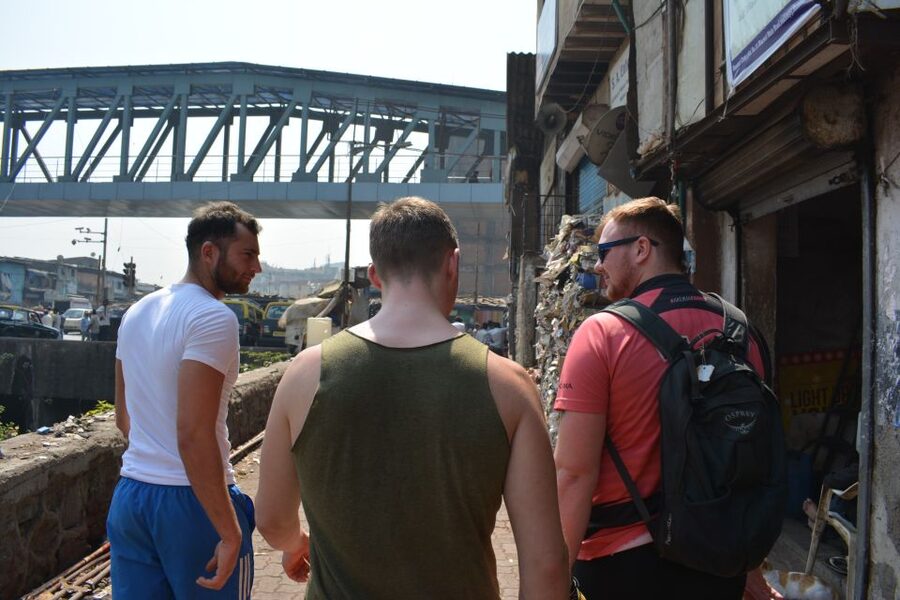
From the start, the tour’s tone tends to be practical. Your guide will steer you through narrow streets, explain what you’re seeing, and set the rules for behavior, especially around photography. That’s a big deal, because this is people’s home and workplace.
If you want a smoother experience, wear shoes you can walk in for 2.5 hours on uneven surfaces. It’s not the kind of walk where you can rely on street-level shortcuts.
Dharavi lanes: trades, recycling, and the reality of small industry
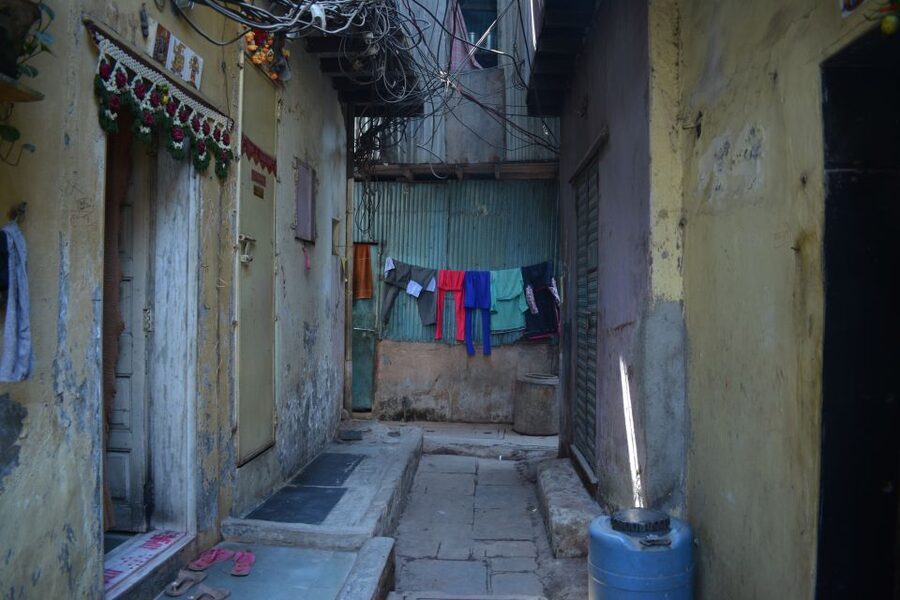
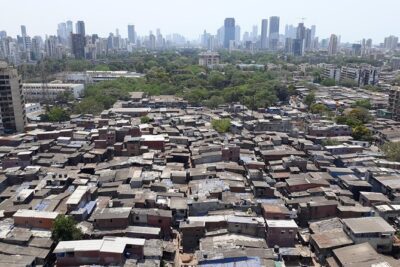
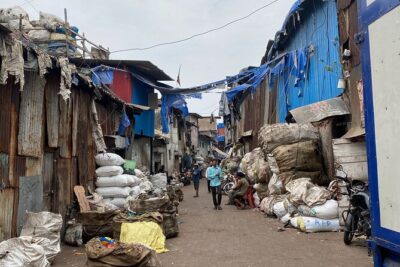
Dharavi is often described in dramatic terms, but the tour experience focuses on the everyday: skilled work, organized effort, and the way communities make a living. Expect to walk through narrow lanes where small industries operate at close range to daily life.
You’ll spend about 2.5 hours in Dharavi, guided and on foot. This is where the tour earns its value. Instead of waving at buildings, you get explanations about how the neighborhood contributes to Mumbai’s economy through production and reuse.
Here’s what you should expect to learn while walking:
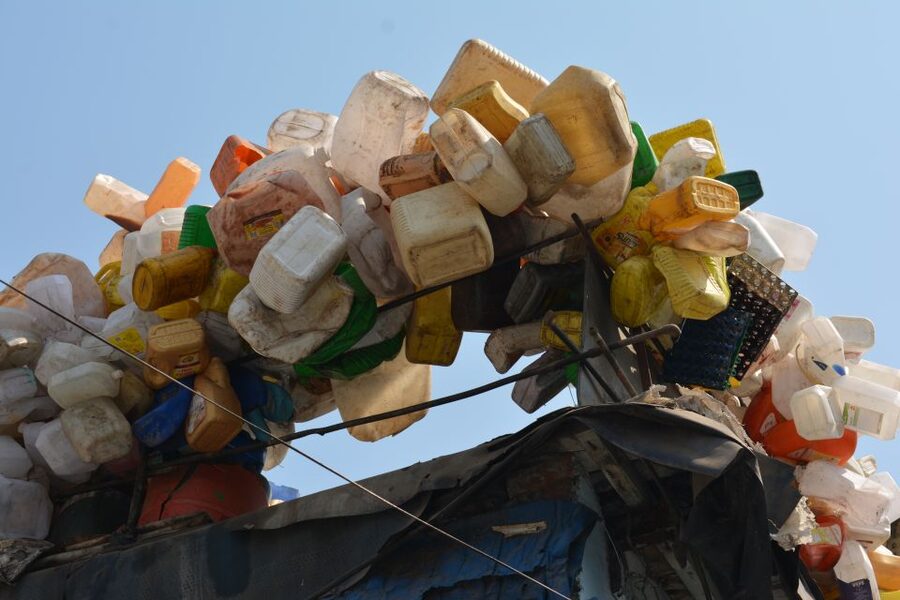
- how recycling practices transform waste materials into something usable again
- how smaller workshops and trades operate in tight spaces
- how local entrepreneurship keeps goods and work moving through the neighborhood
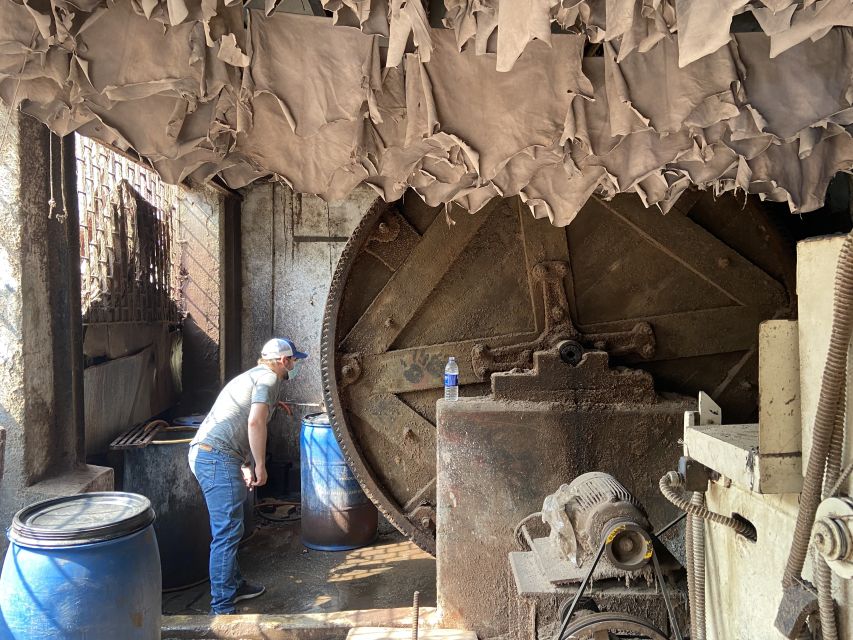
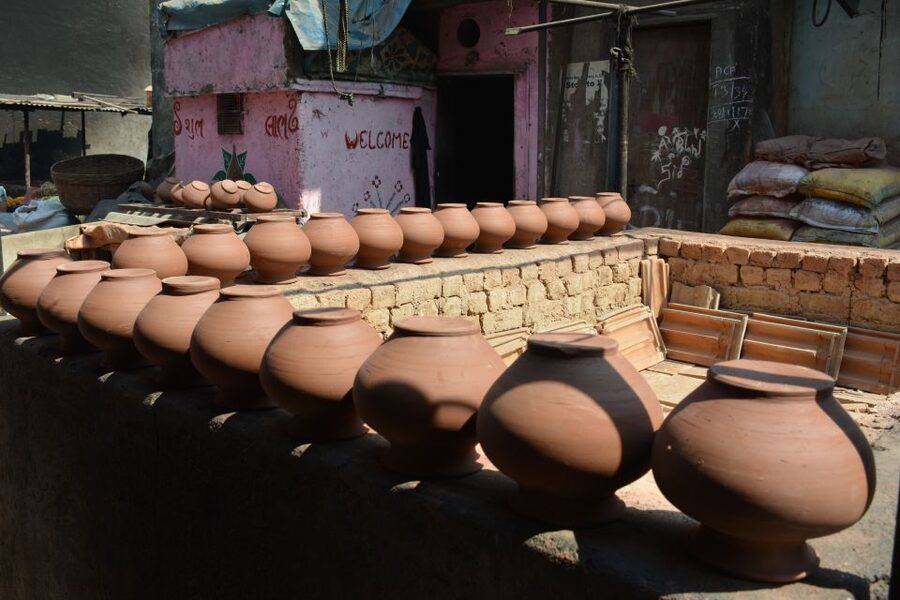
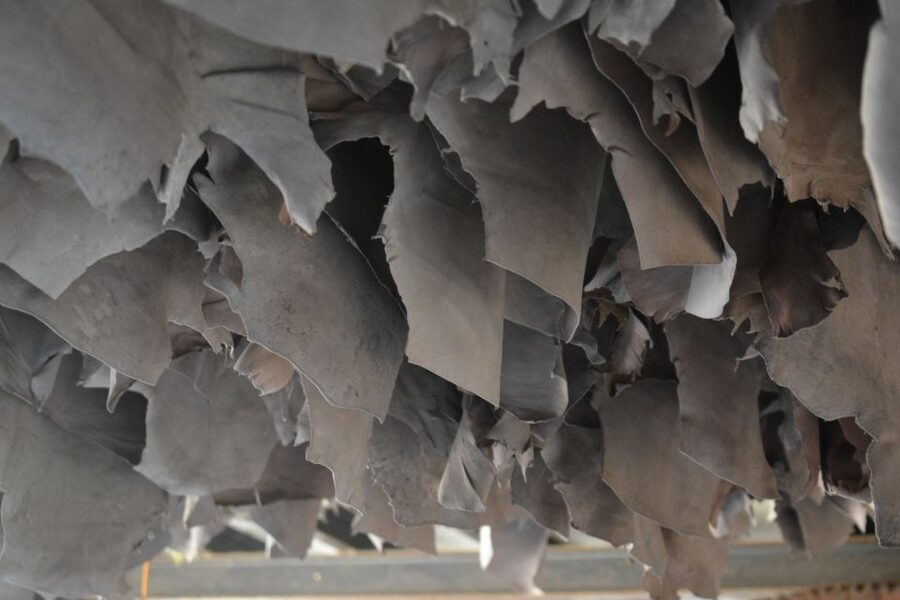
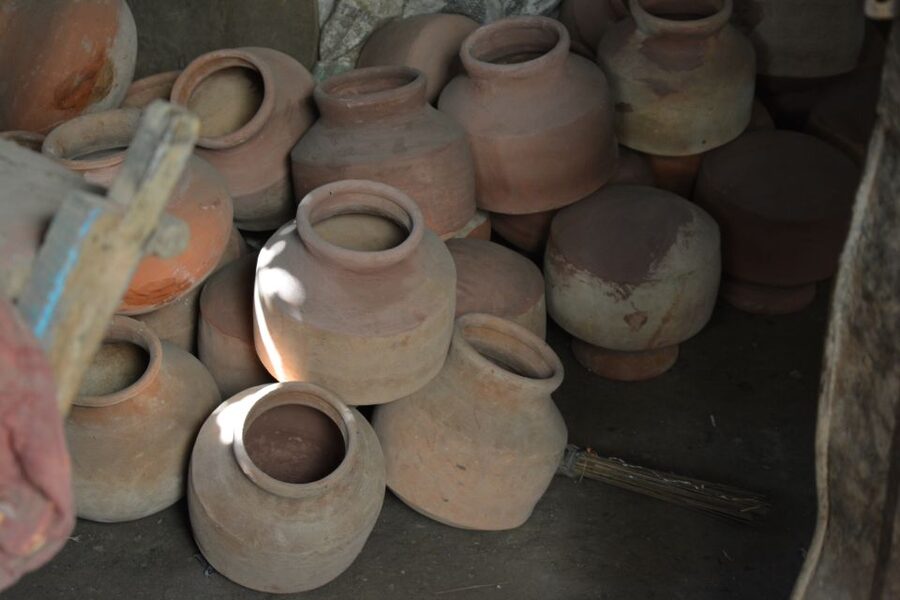
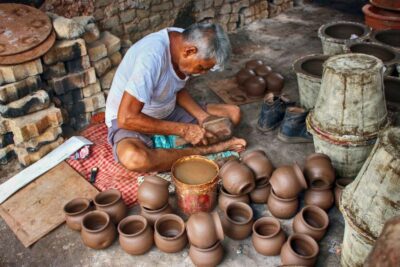
The tour description also points to specific work areas, like pottery and leatherwork, plus recycling and bakery units. Even if you don’t see every trade in one short walk, the guide’s job is to connect the dots so you understand the overall economic engine.
One reason I like this approach is that it keeps things grounded. You’re not just collecting impressions. You’re building a map in your head for how materials and jobs move from one step to the next.
The market stop feel: handicrafts and textiles you can actually picture
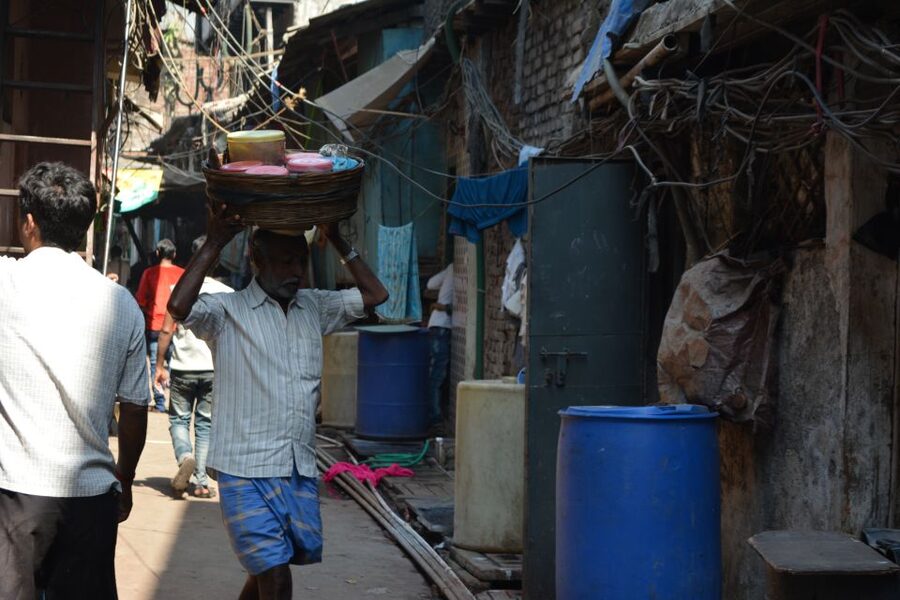
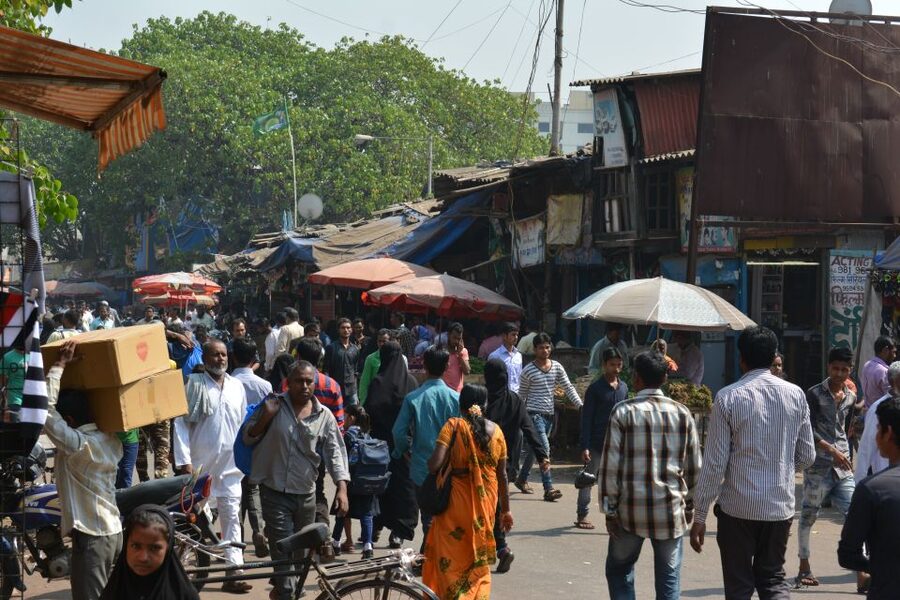
In Dharavi, the experience includes time for bustling market streets and the chance to notice handicrafts and textiles. This matters more than you might think. Markets here are not just for shopping. They’re part of the work chain, where finished products meet buyers and where demand shapes production.
What you’ll take away is a sense of value creation. You’re seeing products that likely started as raw or discarded material, then passed through skilled hands until they became saleable goods.
If you’re the type who likes to buy something small but meaningful, this is one of the best windows in the day. Just remember that shopping is optional. Your real goal is understanding how local work supports local life, and how those products circulate.
Also, slow down and look carefully. In tight markets, it’s easy to rush. If your guide is kind and talkative, ask questions as you go, like what a material is used for or how recycling changes what can be produced.
Compare these Ganga Aarti and Boat rides in Mumbai:
- Mumbai: Dhobi Ghat Laundry and Dharavi Slum Tour with Local
★ 5.0 · 469 reviews - Mumbai: Dharavi Slum and Dhobi Ghat Laundry Tour
★ 5.0 · 317 reviews - Private Combo Tours Sightseeing + Dharavi Slum + Dhobi Ghat & Dabbawalas
★ 5.0 · 245 reviews - Dabbawala, Dhobi Ghat & Dharavi slum Tour with Local Train Ride
★ 5.0 · 102 reviews
Getting the guide part right: Pooja, Anushka, and Varsha style
A standout feature of this tour is the guide. The experience is repeatedly praised for English-speaking guides who can explain what you’re seeing without turning it into a circus.
Names that come up often include Pooja, Anushka, and Varsha. Here’s the practical version of what that tends to mean for you on the street:
- You can expect strong explanation of industries and daily work
- You may hear humor and real back-and-forth questions
- You’ll get guidance on when photos are appropriate, and when you should step back for privacy
Even on tours like this, the guide can make the difference between feeling like you’re passing through and actually understanding the place. When you’re guided well, the walk feels like a conversation, not a checklist.
You should also keep one eye on what your guide tells you about photography. The rules are about dignity, and you’ll feel that in the way people respond when you aim your camera too close. Follow instructions even if it feels restrictive. It makes the experience better for everyone.
Dhobi Ghat viewing deck: watching laundry processed by hand
After Dharavi, you finish at Dhobi Ghat Viewing Deck. This is the moment where the tour becomes visual in a different way.
Dhobi Ghat is described as the world’s largest open-air laundry, and the key word for your expectations is rhythm. You’ll see clothes washed, dried, ironed, and sorted by hand by hundreds of washermen. It’s not random motion. It’s system motion.
From the viewing deck, you’re watching a production line, just with air, water, and daylight instead of machines inside a factory. The guide can help you read what you’re seeing, like what sorting looks like in practice and how the workflow keeps moving.
One caution based on what people reported is that access and how close you can get can vary. If your goal is very close-up action, ask early what you will be able to see and where you will be able to stand during the laundry viewing. That avoids disappointment and helps you plan your photos the right way.
Still, even from above, it’s a strong experience because you can take in the scale and the human skill. You’ll leave with a new respect for hand labor and the daily work that keeps city life running.
Photography and privacy: how to handle your camera respectfully
Photography is allowed, but it comes with a responsibility. The tour guidance emphasizes privacy and dignity, and your guide will tell you when it’s fine to shoot and when to put your camera away.
Here’s how to make this easy in real life:
- Ask permission when you’re unsure, especially if people are working close to you
- Keep your camera movements slow and respectful
- Don’t linger on tight close-ups of individuals if the guide says to avoid it
This is one of the best parts of the tour when it’s done well. The guide’s rules help you avoid turning someone’s workplace into a photo set. And that respect tends to come back to you, because people are more likely to stay comfortable and cooperative.
Also, bring your camera ready, but not rigid. You might not get every shot you want, but you’ll get better ones, the ones that don’t feel intrusive.
What to pack: comfort first, hat and water included
For a tour like this, your comfort determines your mood. Bring:
- comfortable shoes for walking narrow lanes
- a hat for sun exposure
- a camera if you want to photograph what you’re allowed to photograph
- a reusable water bottle, and stay hydrated
Restroom access may be limited during the tour. Use facilities before you set off from the meeting point. That one small move saves you stress later.
The tour runs rain or shine. If the weather looks questionable, bring appropriate clothing or an umbrella so you’re not miserable while you walk.
And one more practical note: baby strollers are not allowed, and luggage or large bags are not allowed. If you’re traveling light, great. If not, plan a small daypack you can manage without bumping into people.
Price and value: what $4.94 buys you in real terms
At $4.94 per person for a 3-hour guided experience, this is pricing that looks almost too good to be true. But the value comes from what’s included, not the sightseeing alone.
Your ticket includes:
- entry tickets to Asia’s largest Dharavi
- an English-speaking tour guide
That matters because entry and guidance help you navigate respectfully through a neighborhood where you can’t easily wing it on your own. The guide’s role is also about context. You’re not just walking. You’re learning what you’re seeing, from trades to recycling practices to laundry work.
Is it a luxury tour? No. It’s an active walking tour with limited comfort breaks. That trade-off is fair for the price if you’re the type who likes real-city experiences.
If you’re expecting cushy transport, forget it. You’re doing the work of walking, and you’ll be rewarded with a more grounded view of Mumbai’s daily life.
Who should book this tour, and who might skip it
This tour is a great fit if you want:
- hands-on city understanding, not postcard wandering
- a focus on work and economic resilience
- a guide who explains industries clearly and sets photo boundaries
It’s less suitable if you need wheelchair access. The tour is not suitable for wheelchair users. It’s also not suitable for people over 95 years.
If you’re older but steady on your feet, you might still want to consider whether a 3-hour walk through narrow lanes is right for you. The description makes the limitations clear, and it’s smart to respect them.
If you hate walking in crowded areas, or if tight spaces make you anxious, you’ll likely find parts of Dharavi challenging. In that case, you might be happier with a different kind of tour that offers more room and fewer turns.
Final verdict: should you book Dharavi and Dhobi Ghat?
I’d book this tour if you want one compact experience that explains how Mumbai creates value through human effort. The combination is strong: Dharavi gives you the production and recycling logic, then Dhobi Ghat shows another scale of everyday labor.
Choose it if you like thoughtful guides and you’re ready to walk, watch, and ask questions. Pay attention to the photo rules, because that’s not just etiquette. It helps you experience the neighborhood as a workplace, not a spectacle.
Skip it if you want a relaxed, comfortable outing with lots of seating breaks. This is a walking day with real-world conditions, and your best experience will come from going in prepared.
If you book, do one thing for yourself beforehand: wear your comfiest shoes, pack water, and arrive early. Then let your guide lead you through two of Mumbai’s most unusual systems of work.
Recently added around Mumbai
- Dharavi Small-Group Mumbai – Walking Tour with Guide and Optional Add-ons★ 5.0 · 103 reviews
- Mumbai to Agra Taj Mahal Day Trip with Return Flights and Lunch★ 5.0 · 16 reviews
- Sacred sites Mumbai tour: Hinduism, Christianity, Judaism & more★ 5.0 · 9 reviews
- Entry Tickets to the Studio in Mumbai★ 5.0 · 15 reviews
- Private Half-Day Mumbai Sightseeing Tour by Public Transportation★ 5.0 · 6 reviews
- Private Guided Walking Tour in Dharavi Slums★ 5.0 · 44 reviews
- Elephanta caves by Premium Speedboat★ 5.0 · 60 reviews
- Private Tour: Malabar Hill, Mani Bhavan and Dhobi Ghat in Mumbai★ 3.5 · 8 reviews
Dharavi Slum Tours, compared.
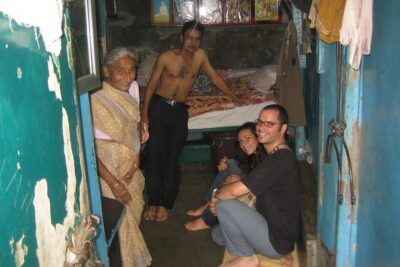
Dharavi slum tour in Mumbai by Female tour guides of the slum
Read our review →
Dharavi Slum Slumdog Millionaire Tour with a Local
Read our review →
Dhobi Ghat Laundry and Dharavi Slum Tour with Local
Read our review →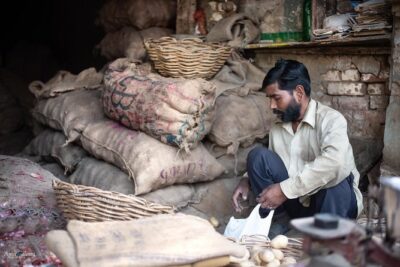
Browse the lists this tour appears in