
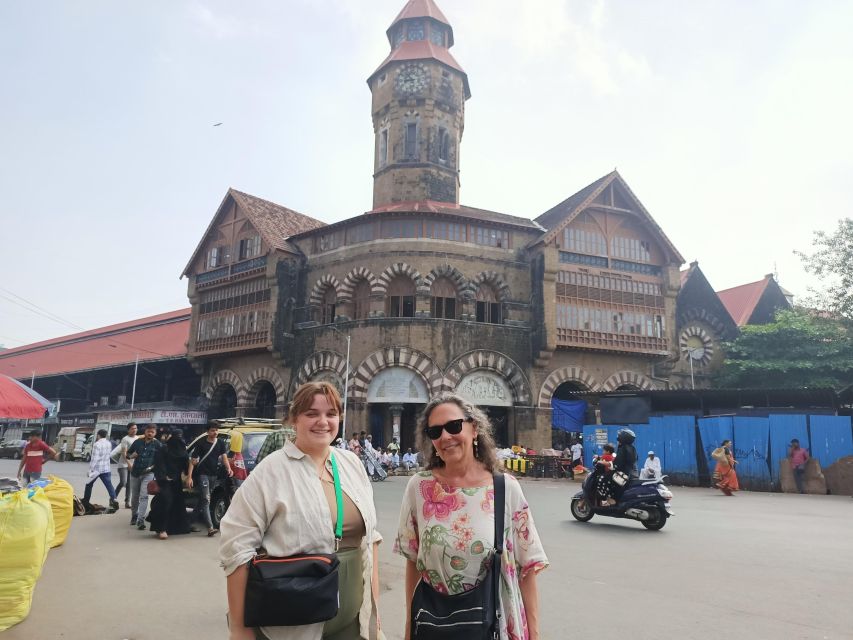
Reviewed · MARKETS
Mumbai Market Tour
Markets in Mumbai have a superpower, they turn streets into sensory shopping lists. I love how the Crawford Market stop throws you into real stalls and real smells, with options beyond the usual souvenirs. Add in the colonial streets and the fact you also pass temples and mosques, and the whole walk feels like you are getting the city’s daily rhythm, not a staged postcard.
I also like the way this market tour is built for hands-on exploring. When a guide like Kieran or Dinesh sticks with you through the textile shops, you get practical help, including tips for bargaining so you can shop without feeling lost.
One possible drawback: the experience can feel shopping-heavy. If you are hoping mainly for cultural sightseeing, you might find some stops read more like store visits than history lessons.
In This Review
- Key highlights to know before you go
- Why This Mumbai Market Tour Feels Like Real South Mumbai
- Crawford Market for Candles, Fruit, Party Wear, and Spice Energy
- Mangaldas Market and the Textile Stop Where Guides Shine
- The Spice Market Stop, Colorful Stacks of Cumin to Cardamom
- Jewelry Market: Gold, Silver, Diamonds, and Stones You Can Actually See
- Flower Market: Marigolds to Orchids, a Real Color Shock
- Spiritual Stops Near Jama Masjid, Mumba Devi Temple, and Madhav Baugh
- How the Guides Shape Your Experience, Kieran and Dinesh as Examples
- Price and Value at $23, When This Works Best
- The Smart Way to Do Markets in Mumbai Without Getting Tired
- Who This Mumbai Market Tour Suits Best
- Should You Book Mumbai Dream Tours for Markets?
- FAQ
- Where does the Mumbai Market Tour take place?
- How much does the Mumbai Market Tour cost?
- What language is the tour offered in?
- What is included in the tour?
- What can I expect to see in the markets?
- Is there a pay later option?
- Can I get a refund if I cancel?
- Are temples and mosques part of the tour?
- Is this tour only for shopping?
Key highlights to know before you go
- Crawford Market offers everything from scented candles to fruit, spices, and party wear type finds
- Mangaldas Market is the cloth-and-fabric zone, where learning how to haggle actually helps
- Spice Market is where you can see the range of everyday Indian cooking spices like cumin, coriander, turmeric, and cardamom
- Jewelry Market focuses on gold, silver, diamonds, and stone work in one of Mumbai’s oldest and busiest areas
- Flower Market is the largest flower market in Mumbai, packed with marigolds, roses, lilies, orchids, and more
- Stops near Jama Masjid, Mumba Devi Temple, and Madhav Baugh give the walk a spiritual contrast to the shopping
Why This Mumbai Market Tour Feels Like Real South Mumbai
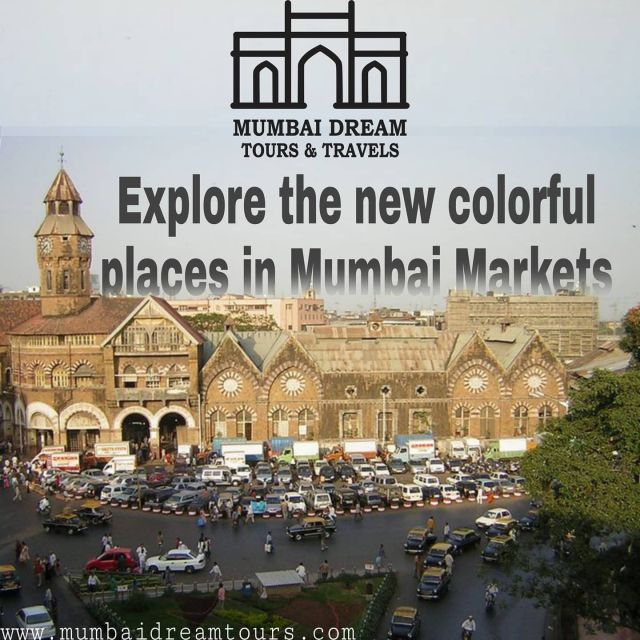
This tour is for people who like watching commerce up close. In south Mumbai, you get wide streets where you can breathe, then narrow alleyways where the city squeezes past you in every direction. Vendors call out from carts and stalls selling everything from colorful birds to spicy snacks, flowers, and Indian clothes. It is lively, but what matters is that it is also ordinary, meaning it looks like something locals would do, not a performance for tourists.
You also get a contrast that I really enjoy. The route links colonial buildings with stops by temples and mosques. That mix is one reason Mumbai feels distinct even when you are not trying to “tour” it.
Just keep your expectations grounded. The main activity is walking market areas and spending time in them. Cultural stops are part of the package, but the center of gravity is the markets themselves.
More Market Tours in Mumbai
- Mumbai Street Food and Evening Bazaar Tour
★ 5.0 · 172 reviews - Mumbai Street Food & Bazaar Tour with Local Transport
★ 5.0 · 51 reviews - Mumbai by Dawn: Market Tour of Flowers, Fish, and More
★ 4.9 · 48 reviews
Crawford Market for Candles, Fruit, Party Wear, and Spice Energy
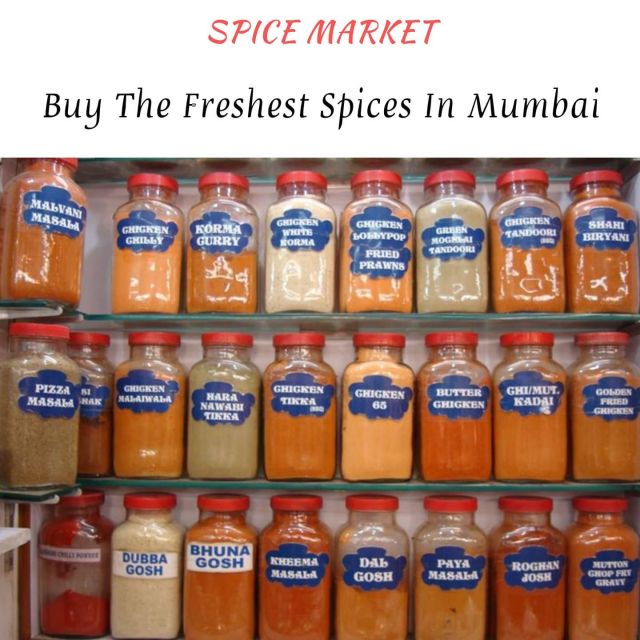
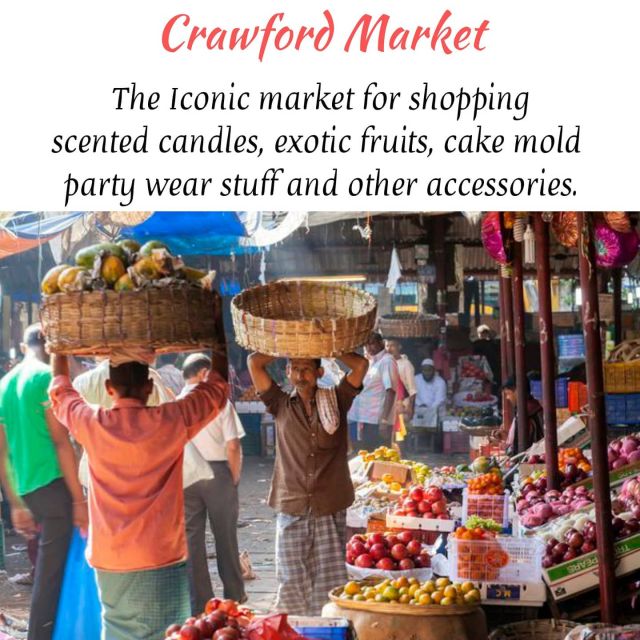
Crawford Market is the kind of place where you start noticing details fast. The included stop is the iconic market where you can shop for items like scented candles, exotic fruits, cake-mold type accessories, and party wear. It is not just one product category, it is a whole mix of everyday goods that reflect how diverse Mumbai buying habits are.
What makes this stop more than a photo stop is the way it sets the tone for the rest of the walk. Once you see the density of stalls and the variety on display, the other market areas make more sense. You will also have a chance to compare styles, pricing behaviors, and what people buy for daily life versus what people buy for gifts.
If you love food smells, pay attention here. The tour includes a spice market element, and Crawford Market is described as one of the oldest and largest markets in Mumbai. When spices show up in the next part of the route, you will already be primed for what you are looking at, cumin and coriander types of aromas, turmeric and cardamom notes, the whole color-and-scent combo.
Practical tip: decide early if you want to shop, and if yes, set a loose budget. Markets like this tempt you in five different directions at once.
Mangaldas Market and the Textile Stop Where Guides Shine
Mangaldas Market is where the tour shifts from mixed stalls to fabric-focused shopping. The included description calls it a famous cloth market for fabrics and other textile-related items. This is the segment that many people find most useful because the guide can help you navigate the shop talk and the price negotiation dance.
One reason this stop is so highly rated in the experience notes is pacing and patience. A guide like Kieran was praised specifically for being patient during the textile market time. That matters because textile shops can take longer than you think. Even if you only want one item, you may end up comparing weights, weaves, and what looks good for your climate back home.
Mangaldas is also the stop where bargaining tips really matter. One set of positive feedback highlights that the guide taught people how to bargain at the markets. If you are the type who hates awkward haggling, plan to use the guide as your translator for how much is fair and what questions to ask before you commit.
A small drawback to consider: if you do not plan to buy any fabric or clothing, this stop might feel more time-consuming than exciting. You can still browse, but the value peaks if you actually want textiles.
The Spice Market Stop, Colorful Stacks of Cumin to Cardamom
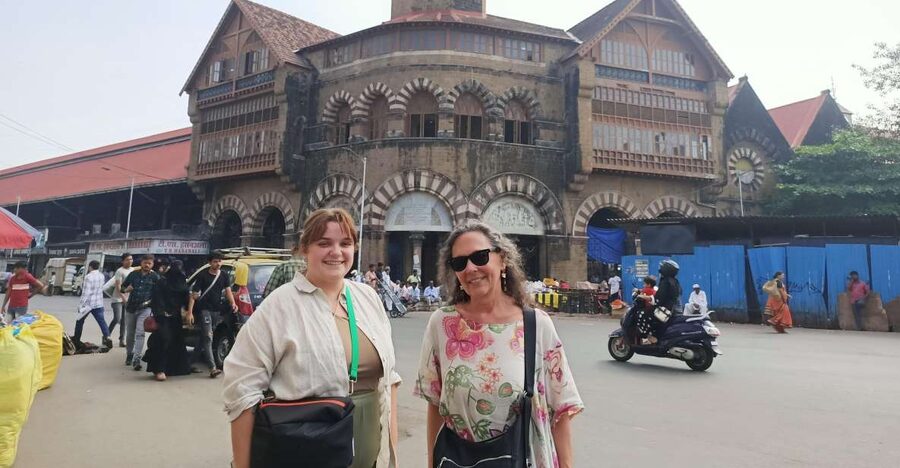
The tour includes a spice market stop, and the descriptions make it clear what you are supposed to see: the fresh produce of spices. You can find common staples like cumin and coriander, plus the warm-color favorites turmeric and cardamom.
This is one of those market sections that works even if you are not buying. You learn by seeing. You notice how spices are displayed, how strong the aromas are when you lean in, and how sellers describe what is useful for cooking. It is also a good reality check for your home kitchen expectations. You might come in thinking spices are all the same, then leave noticing how different blends and grades are marketed.
If you do plan to buy spice mixes, go slow. Buy one small thing first, then decide if you like the flavor profile. That way, you do not end up hauling a suitcase full of jars that are only okay.
More Shopping Tours in Mumbai
- Mumbai Street Food & Market Tour
★ 4.8 · 17 reviews - Mumbai:Dhobi Ghat Laundry,Dharavi Slum & Flower market Tour
★ 5.0 · 12 reviews - Mumbai: Evening Street Food Tasting & Cultural Market Tour
★ 4.7 · 11 reviews
Jewelry Market: Gold, Silver, Diamonds, and Stones You Can Actually See
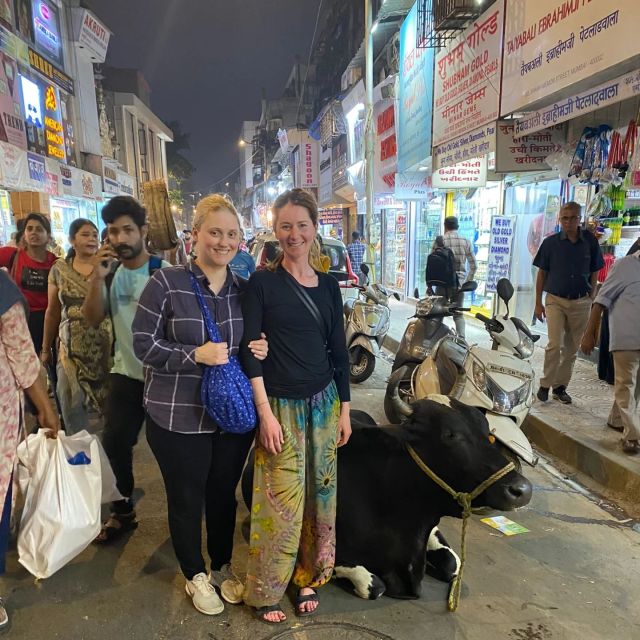
The jewelry market is included as a hub for jewelry, one of the oldest and busiest markets in Mumbai. Here, you can find gold, silver, and diamond jewelry, along with precious and semi-precious stones.
This stop is a big deal for two reasons. First, it is visual. You can compare styles side by side in a way that a website never does. Second, it is practical because a guide can help you ask the right questions, like what is genuine stone, what is being set, and what is mostly decoration versus what has real value.
A balanced note: jewelry shopping can turn into a stress test if you are not comfortable with negotiation. This is why the market-bargaining coaching is part of what makes the tour worthwhile. If you are not buying, just enjoy the variety and move through at your own pace.
Also, set your personal rule for spending before you enter. Jewelry markets are designed to get your attention, and that is the whole point. If you do not need to buy anything shiny, you will enjoy it more by browsing rather than pricing every item.
Flower Market: Marigolds to Orchids, a Real Color Shock
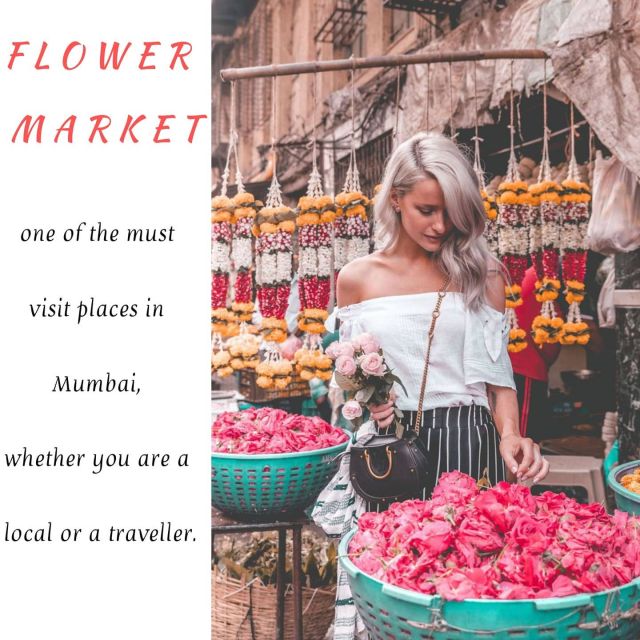
The tour includes the flower market, described as the largest flower market in Mumbai. This is where the sensory experience gets extra. The stall displays are colorful in a literal way, with examples like marigolds, roses, lilies, and orchids.
Why this stop matters: it breaks the shopping pattern. After textiles, spices, and jewelry, flowers feel simpler and more immediate. If you are traveling with gifts, flowers are an obvious choice, and even if you are not buying, the visual variety is a perfect reset.
One consideration: flowers can be hard to store and transport depending on your travel plan. So treat this stop as either a browse or a quick buy if you know you can carry them safely. If you are not sure, ask your guide what tends to make sense for timing and purchase size.
Spiritual Stops Near Jama Masjid, Mumba Devi Temple, and Madhav Baugh
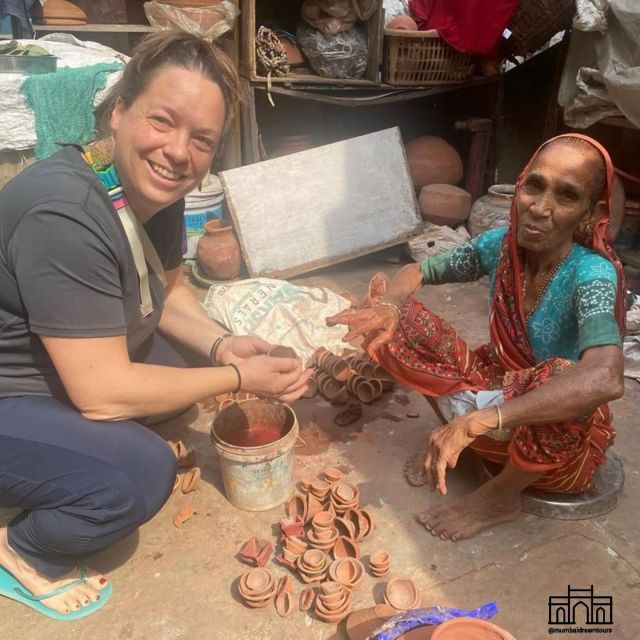
The tour does include religious sites, which helps it feel like more than just shopping. You will make time around Jama Masjid, Mumba Devi Temple, and Madhav Baugh.
This part of the walk adds contrast in both mood and architecture. Markets are about trade and speed, while temples and mosques are about reverence and routine. Even from the street, you can feel the difference. It is also a strong reminder that in Mumbai, faith and daily life are close together.
The one caution is that cultural depth can vary by how the time is handled. Some people felt there was not enough cultural visiting along the way and that a portion of the route leaned toward stores. So if what you want most is guided cultural storytelling at each landmark, keep that in mind and be ready to do a bit of your own reading or follow-up after.
How the Guides Shape Your Experience, Kieran and Dinesh as Examples
Two guide names show up with strong praise: Kieran and Dinesh. When the experience goes well, it tends to be because the guide knows how to manage the two things markets demand: attention and patience.
From the positive feedback, the good moments include:
- explaining what you are looking at in the stalls
- keeping the pace comfortable (not rushing you through everything)
- helping you bargain in a way that feels less awkward
That last point matters more than people think. Markets are fast. Prices can change based on your questions, what you ask for, and how you compare options. A guide who can steer you toward fair questions can turn the whole tour from guesswork into a confident stroll.
If your preferred travel style is structured and explanatory, this is the tour to choose. If you prefer total independence, you might still enjoy it, but the guide’s value is what you are paying for.
Price and Value at $23, When This Works Best
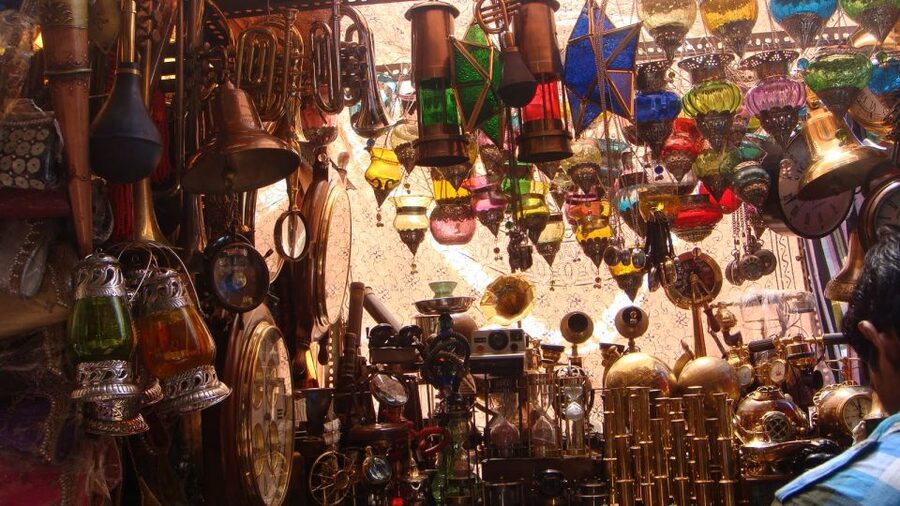
At $23 per person, this tour is positioned as a value market walk across multiple areas. And the list of included stops supports that: Crawford Market, Mangaldas Market, spice, jewelry, flower, plus Jama Masjid, Mumba Devi Temple, and Madhav Baugh. That is a lot of ground for one paid experience, especially if you want help navigating markets and not just wandering.
Where value can shrink is in your personal goal. If you go in thinking the main focus is cultural landmark viewing, and instead you get a route that spends more time inside shops, you might feel like you paid for shopping time rather than a cultural tour. One negative experience specifically called out the feeling that the stops were mainly pashmina, spice, and women’s clothing shops with limited cultural visiting.
So here is my practical take: this is a great purchase if you want to shop, browse with intention, taste the vibe of south Mumbai markets, and use the guide for bargaining and context. If you want monuments and history lectures, you should compare it to other types of Mumbai tours before committing.
The Smart Way to Do Markets in Mumbai Without Getting Tired
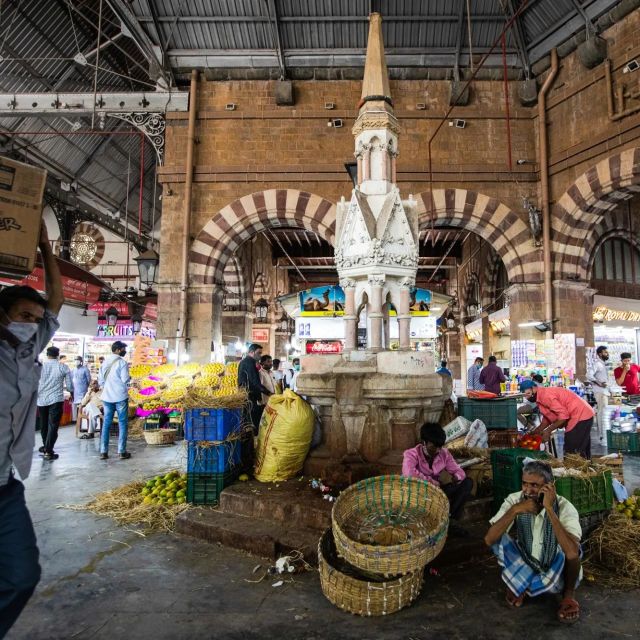
Market tours can go two ways: fun, or exhausting and expensive. You can steer it toward fun with a few habits.
First, wear comfortable shoes. You are walking between colonial streets, alleyways, and market halls, and the best shopping happens when you are not thinking about your feet.
Second, bring small bills or cash you are comfortable spending. Markets are described as places where vendors sell everything from birds and snacks to flowers and clothes, so buying opportunities can pop up at any moment.
Third, set a plan for your wallet. If you want one or two items, decide which markets you will prioritize:
- textiles and clothing: Mangaldas
- spices and cooking supplies: the spice stop
- gifts and wow-factor: flower and jewelry
- general browse and variety: Crawford Market
Finally, treat religious stops with the right tone. Even if your focus is shopping, the presence of Jama Masjid and Mumba Devi Temple means you are in places tied to local practice. Keep your movements respectful and let the spiritual sites add their own pause to the day.
Who This Mumbai Market Tour Suits Best
This experience fits best if you:
- like hands-on travel and want to see how people shop day to day
- enjoy markets where you can compare lots of options in one walk
- want a guide to help with bargaining and shop navigation
- are curious about how south Mumbai blends markets with temples and mosques
It might feel less satisfying if you:
- want mostly landmark sightseeing and structured cultural storytelling at each stop
- do not want to spend time in shops at all
Also, it helps if you are comfortable being flexible. Markets do not run like museums. The fun comes from going with the flow, using your guide to keep it organized.
Should You Book Mumbai Dream Tours for Markets?
If your dream Mumbai day includes Crawford Market, Mangaldas Market, spice, flowers, and a walk that also touches Jama Masjid and temple areas, then yes, this is an easy “worth considering” booking. With English-speaking guidance and the strong praise for patience and market help, it is a solid choice for turning market chaos into something you can enjoy.
But if your top priority is culture first, shopping second, you should be a bit cautious. This one is built around markets, and the balance can tilt toward buying time. I would book it when you want the markets, and I would pick a different style of tour when you want mostly monuments and explanations.
FAQ
Where does the Mumbai Market Tour take place?
The tour takes place in Maharashtra, India, focusing on markets in south Mumbai.
How much does the Mumbai Market Tour cost?
It costs $23 per person.
What language is the tour offered in?
The tour is offered in English.
What is included in the tour?
It includes stops at Crawford Market, Mangaldas Market, Spice Market, Jewelry Market, Flower Market, and also Jama Masjid, Mumba Devi Temple, and Madhav Baugh.
What can I expect to see in the markets?
You can expect historic markets with colonial buildings, along with vendors selling items like colorful birds, spicy snacks, flowers, and Indian clothes, plus shopping at the listed market stops.
Is there a pay later option?
Yes. You can reserve and pay later, booking your spot and paying nothing today.
Can I get a refund if I cancel?
Yes. You can cancel up to 24 hours in advance for a full refund.
Are temples and mosques part of the tour?
Yes. The tour includes stops at Jama Masjid and Mumba Devi Temple, and also Madhav Baugh.
Is this tour only for shopping?
No. It is built around market exploration in south Mumbai, and it also includes religious site stops, though the markets themselves are a major part of the experience.
More Markets in Mumbai
- Delhi Food Walk: Rickshaw Ride, Street Eats & Market Tour
★ 5.0 · 401 reviews - Private Heritage Walking Tour in Jaisalmer Fort and Old Bazaar
★ 5.0 · 306 reviews - Old Delhi Food-Spice Market-Temples Tour Soon Featured on NETFLIX
★ 5.0 · 304 reviews - Old Delhi Odyssey: A Tour of Religion, Spice Market, & Best Food
★ 5.0 · 284 reviews
Recently added around Mumbai
- Night Tour: Mumbai’s Nights & Buzzing Bazaars★ 5.0 · 7 reviews
- Mumbai:Dhobi Ghat Laundry,Dharavi Slum & Flower market Tour★ 5.0 · 12 reviews
- Mumbai City Tour with multiple options★ 4.5 · 27 reviews
- Mumbai: Private Sightseeing Tour with Top Highlights★ 5.0 · 44 reviews
- Mumbai: Slum Tour Dharavi & Dhobi Ghat Laundry with a Local★ 4.9 · 31 reviews
- Mumbai: Private Walking Tour with a Local★ 4.9 · 42 reviews
- Mumbai: Private tour for Kanheri Caves and Golden Pagoda★ 4.6 · 11 reviews
- Mumbai: Private Dhobi Ghat Laundry & Slum Tour with Pickup★ 5.0 · 26 reviews
Markets, compared.

Delhi Food Walk: Rickshaw Ride, Street Eats & Market Tour
Read our review →
Private Heritage Walking Tour in Jaisalmer Fort and Old Bazaar
Read our review →
Old Delhi Food-Spice Market-Temples Tour Soon Featured on NETFLIX
Read our review →Old Delhi Odyssey: A Tour of Religion, Spice Market, & Best Food
Read our review →
Bengaluru Pete City Market Half-Day Walking Tour
Read our review →
Experience Bangalore – City Tour, Authentic Food & market (Food/Culture/History)
Read our review →Browse the lists this tour appears in