

Reviewed · DHARAVI SLUM TOURS
Dharavi Slum Tour in Mumbai
Dharavi is real, not a postcard. I like that you go with resident college-student guides who show you how daily life works, starting with the plastic and metal recycling yards. I also like the walking route through commercial and residential lanes, where you get guided commentary on work, trade, and community, not just photos. The one thing to plan for is the steady walking and uneven paths, so you’ll want a decent fitness level and solid shoes.
This tour is set up to feel close and personal, with either a group or private option and a maximum of two travelers. It starts near public transportation at Mahim Railway Station, and it uses a mobile ticket so you can focus on the experience instead of scrambling for paperwork.
I also like the tone the guides use. In the past, names like Rajesh, Samir, and Anton (also listed as Anthony) have been praised for answering questions clearly and keeping the whole visit comfortable, even when you are stepping into someone’s everyday world.
In This Review
- Key things that make this Dharavi tour worth your time
- Dharavi, the working neighborhood behind the headlines
- Meet the resident college-student guides, and why it changes everything
- Price and value for a 2-hour walking tour in Mumbai
- From Mahim Railway Station to 13th Compound recycling yards
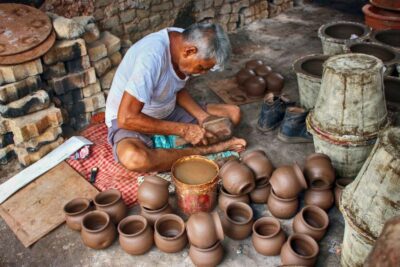
- What you’ll see: plastic recycling, soap production, and pottery
- Schools and churches: how the tour shows community, not just industry
- Group vs private tour, and why a max of two travelers feels better
- Practical tips before you go: shoes, modest clothing, and comfort
- Lunch, pickups, and what’s actually included
- Who this tour suits best, and who should think twice
- Should you book the Dharavi Slum Tour with Mystical Mumbai?
- FAQ
- Where does the Dharavi tour start?
- How long is the Dharavi slum tour?
- Is hotel pickup included?
- What is included in the tour price?
- Are food and drinks provided?
- What industries or activities will we see?
- What should we wear?
- Is it a walking tour, and is it physically demanding?
- What is the group size limit?
- What is the cancellation policy?
Key things that make this Dharavi tour worth your time
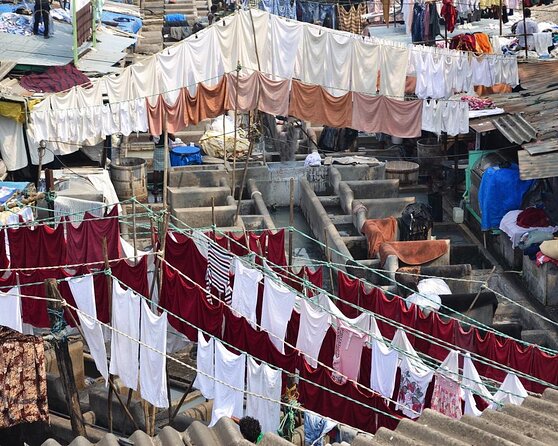
- Resident college-student guides who live in Dharavi and guide with practical, local context
- 2 hour walking format with a clear start point at Mahim Railway Station
- Working industries you can see, including plastic recycling, soap production, and pottery
- Community stops at local schools and churches with sensitive commentary
- Small group experience with a maximum of two travelers, which helps questions and photos feel respectful
- Value add beyond sightseeing, since part of the proceeds supports local school children in Dharavi
Dharavi, the working neighborhood behind the headlines

Dharavi has a reputation, and most of it is based on outsiders looking in. This tour flips the angle. Instead of treating Dharavi like a single story about poverty, it frames it as a place where thousands of people make, process, repair, and sell real goods every day.
You’ll see how work happens at close range. That means you are not just hearing about industries, you are walking through the places where materials get sorted, cleaned, molded, and turned into products. Even if you’ve read about Dharavi before, the scale of small production is what hits you first.
A few more Dharavi Slum tours around Mumbai:
- Dharavi slum tour in Mumbai by Female tour guides of the slum
★ 5.0 · 1,976 reviews - Mumbai: Dharavi Slum, DhobiGhat, and Dabbawallas Tour
★ 4.9 · 689 reviews - Dharavi Slum Tour
★ 5.0 · 625 reviews
Meet the resident college-student guides, and why it changes everything
The biggest strength here is who leads the walk. The guides are college students who are residents of Dharavi, so they aren’t performing a script. They can explain what life and work look like from the inside, and they typically answer questions without rushing you.
I like that this approach makes the tour feel more conversational. When you can ask follow-ups, you get better answers than the usual one minute facts. The guide’s job also has a purpose, since these college-student guides help with their studied as they lead tours.
In past experiences, guides have been called out by name, including Rajesh and Samir, plus Anton and Anthony. That matters, because it signals you are more likely to get a calm, thoughtful guide than a generic group handler.
Price and value for a 2-hour walking tour in Mumbai
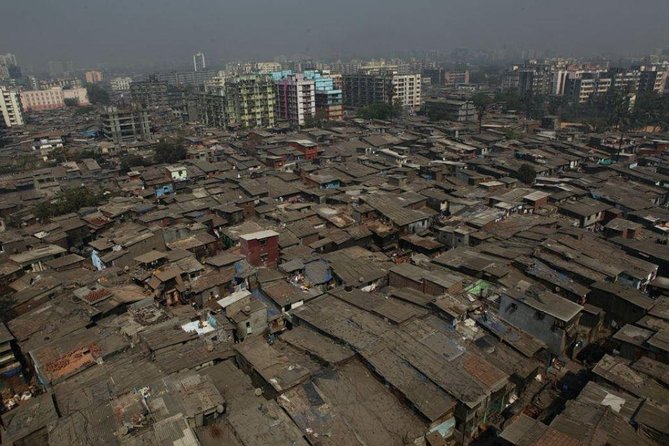
At $70 per person, this is not a budget add-on. But it can still feel like good value if you compare it to other “access” tours in big cities. You are paying for something specific: a tight 2 hour walking visit with a resident guide, guided commentary, and access to working areas that most visitors would not see on their own.
Here’s where the value really lands:
- The tour includes a local guide and a professional guide.
- Admission tickets are free for the activity you do.
- Lunch is only included if you choose the tour option that lists it.
- Pickup is offered, but hotel pickup and drop-off are not automatically included.
If you want lunch, consider selecting the option that includes it. If you do not, bring water and plan on grabbing food after. Also, since it’s near public transportation and starts at Mahim Railway Station, you can often keep your other Mumbai plans simple.
From Mahim Railway Station to 13th Compound recycling yards

The walk starts at Mahim Railway Station. That’s a practical choice because you get easy transit access, and you’re not wasting time crossing the city before you even begin.
From there, the route heads straight to the plastic and metal recycling yard of 13th Compound. This is one of the clearest “see it, understand it” stops on the itinerary. You get an up-close look at how plastic is melted and molded and how metal is handled in small-scale production.
One detail I find especially interesting is the focus on how molded items and parts get made. The commentary includes examples like plastic toys and buttons for popular brand Barbie Dolls of India. It’s a reminder that local labor and global supply chains can overlap in very direct ways.
Practical note: recycling yards can be busy, and there are active workflows. You’ll want to follow your guide’s pace and instructions. This is not a stroll where you can drift off for shopping photos.
A few more Mumbai days to compare
- Mumbai: Full-Day Sightseeing Tour of Mumbai
★ 4.9 · 1,822 reviews - Private Mumbai Sightseeing Tour (Traveller’s Choice Award Winner)
★ 5.0 · 1,565 reviews - Elephanta Caves & Island Guided Private Tour
★ 5.0 · 1,327 reviews - Group Guided Walking Tour in Fort and Colaba
★ 5.0 · 1,073 reviews
What you’ll see: plastic recycling, soap production, and pottery
After the recycling yard, the tour continues through Dharavi on foot, moving through both commercial and residential parts. You’ll get guided context on the way people make their living, with specific examples mentioned in the tour description.
Expect to hear about industries such as:
- Plastic recycling
- Soap production
- Pottery
The walking route also tends to reveal other small-scale trades in the area, including materials and production connected to paint cans, cardboard, and leather. Even if you don’t understand the entire process at first glance, your guide’s commentary helps you connect the steps. You start seeing the logic behind sorting, reprocessing, and finishing.
I like this format because it turns “Dharavi as a stereotype” into “Dharavi as a network of jobs.” You begin to notice patterns, like how materials move from one step to the next and how products get packaged for sale.
Schools and churches: how the tour shows community, not just industry
A key part of the experience is the stop at local schools and churches. These stops are designed to help you understand the community side of Dharavi, not just the work side.
This matters because it changes how you interpret what you’re seeing. If you only focus on workshops and production, it’s easy to reduce the neighborhood to economics. When you also see places tied to learning and worship, you get a fuller picture of how residents build stability and identity.
Your guide’s commentary is described as sensitive, which is important here. You are walking through a real neighborhood, not a staged set. The goal is to make sure you observe respectfully, ask questions thoughtfully, and keep the tone human.
Group vs private tour, and why a max of two travelers feels better
This is offered as either a group or a private tour, and it caps at a maximum of two travelers. That small size is a big deal for this kind of visit.
With fewer people, you can:
- hear your guide more clearly in narrow lanes
- ask more questions without holding everyone up
- move at a respectful pace near homes and workplaces
If you love photography, the small group size also helps you ask before taking pictures and to avoid turning the walk into an interruption. Some guides actively encourage photos, but it’s always best to treat photography as a permission-based activity, not a right.
If you are the type who gets overwhelmed in busy crowds, this small-cap setting can feel calmer than typical city tours. You still need to expect walking and close quarters, but the group dynamic is easier.
Practical tips before you go: shoes, modest clothing, and comfort
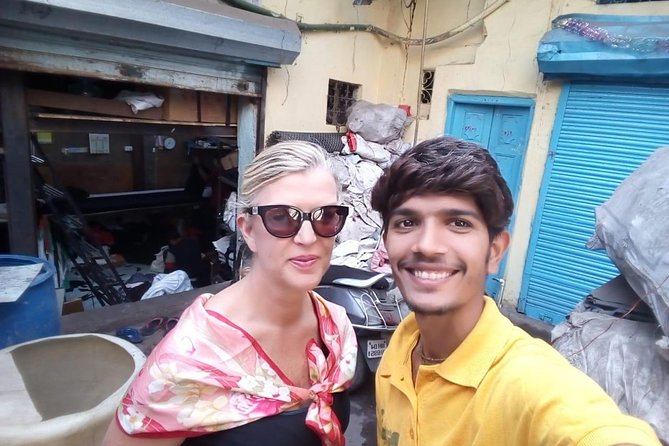
You should plan for a moderate physical fitness level. This is a walking tour, and Dharavi’s lanes can be uneven. Bring good solid walking shoes and wear clothing that won’t make you regret every step.
Dress code is conservative throughout India. You are specifically advised to choose modest and respectful clothing that covers the shoulders and knees. This is not only about rules, it also helps the tour feel more comfortable for everyone involved.
For food and drinks, the tour does not include them. So plan a simple pre-walk snack if you need energy, and keep water in your bag. If you select the option that includes lunch, then you’ll have that covered, but don’t assume it’s included in the base experience.
Lastly, the tour is positioned as near public transportation and uses a mobile ticket. That’s traveler-friendly. You should still arrive a few minutes early at Mahim Railway Station so you can meet your guide without stress.
Lunch, pickups, and what’s actually included
Here’s the deal on what is covered:
- Included: local guide and professional guide
- Lunch: only if the lunch tour option is selected
Not included:
- Hotel pickup and drop-off (though the provider says you can arrange it if you want)
- Food and drinks
If you’re staying somewhere central in Mumbai, I’d treat the start at Mahim Railway Station as your anchor point. Use pickup only if it genuinely saves you time, because you are paying extra for comfort, not for the core experience. The core experience is the walk with your resident guide.
Who this tour suits best, and who should think twice
This is a great match if you:
- want an educational, ground-level look at how people work and live
- like walking tours with real explanations and room for questions
- prefer smaller groups or private formats
It may not be the best fit if you:
- dislike close quarters or steady walking
- need a very structured, low-interaction tour style
- are uncomfortable seeing working industries up close
One plus worth noting is that many people feel the visit stays respectful and not intrusive. The resident-guide format helps set the tone. You are not sent in like a passerby. You’re walking with a local who can explain what you’re seeing and what to be mindful of.
Should you book the Dharavi Slum Tour with Mystical Mumbai?
If you want a Dharavi visit that feels human, educational, and focused on work and community, I’d say yes. The best reason to book is simple: you get resident college-student guidance plus a structured walk that takes you to key working areas like the 13th Compound recycling yards, and also into the community through schools and churches.
If you are flexible on pace, dress modestly, and come with curiosity rather than assumptions, this can be a powerful Mumbai experience. I’d book it with the private or small-group option if you want maximum comfort and time for questions.
FAQ
Where does the Dharavi tour start?
The tour begins at Mahim Railway Station.
How long is the Dharavi slum tour?
It runs for about 2 hours.
Is hotel pickup included?
Hotel pickup and drop-off are not included. Pickup is offered, and the provider says you can arrange it if you want.
What is included in the tour price?
You get a local guide and a professional guide. Lunch is included only if you select the tour option that includes lunch.
Are food and drinks provided?
No. Food and drinks are not included.
What industries or activities will we see?
You’ll learn about how residents make their living, including plastic recycling, soap production, and pottery, plus other methods and small-scale trades you may encounter during the walk.
What should we wear?
Dress conservatively. Choose modest and respectful clothing that covers shoulders and knees.
Is it a walking tour, and is it physically demanding?
Yes, it’s a walking tour and you should have a moderate physical fitness level.
What is the group size limit?
The tour has a maximum of 2 travelers. It also requires a minimum of 2 people per booking.
What is the cancellation policy?
You can cancel for a full refund if you cancel up to 24 hours in advance of the start time. If you cancel less than 24 hours before, the amount paid is not refunded.
Recently added around Mumbai
- South Mumbai: Cultural Heritage Walking Tour★ 4.8 · 45 reviews
- Mumbai: Local Markets & Temples Tour★ 4.6 · 45 reviews
- South Bombay Live Walking Tour★ 4.9 · 11 reviews
- Mumbai: Same Day Tour of Ajanta & Ellora Cave’s★ 5.0 · 7 reviews
- Private Mumbai Highlights Tour (5 Hours)★ 4.9 · 46 reviews
- Private Dharavi Slum Tour★ 5.0 · 13 reviews
- Night Tour: Mumbai’s Nights & Buzzing Bazaars★ 5.0 · 7 reviews
- Mumbai:Dhobi Ghat Laundry,Dharavi Slum & Flower market Tour★ 5.0 · 12 reviews
Dharavi Slum Tours, compared.
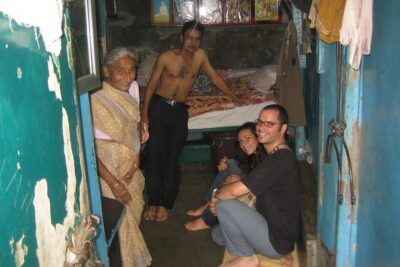
Dharavi slum tour in Mumbai by Female tour guides of the slum
Read our review →


Dharavi Slum Slumdog Millionaire Tour with a Local
Read our review →
Dhobi Ghat Laundry and Dharavi Slum Tour with Local
Read our review →
Browse the lists this tour appears in