
Reviewed · DHARAVI SLUM TOURS
Dharavi- Asia’s largest Slum tour with local guide from Dharavi
Dharavi rewires how you think about cities. This private walk with a local guide takes you past working lanes and explains how people survive and build careers, including a Dharavi tannery visit and the craft behind day-to-day jobs. I love how local guides bring real context, with stories that make the whole place feel human, not like a spectacle.
The main drawback is simple: photography is prohibited in Dharavi areas, and the streets are tight enough that you’ll want moderate physical fitness and comfortable shoes.
In This Review
- Key things to know
- Why a Dharavi tour feels different when your guide is from here
- Price and time: what you actually get for $47.15
- Getting to Dharavi: pickup, meeting points, and pacing
- Stop 1 in Dharavi: the working lanes and small industries that run the place
- Stop 2: leather work near 90 Feet Road, and what it teaches you
- Clay pots and shopping: a respectful souvenir you can actually use
- Guides and the social side: why names keep coming up
- Photo rules, street reality, and how to be a good visitor
- Who this tour is best for, and who should skip it
- Value check: what’s included, and what might cost extra
- Should you book the Dharavi local guide tour?
- FAQ
- How long is the Dharavi tour?
- How much does the tour cost?
- Do you get hotel pickup and drop-off?
- Are tickets included for the stops?
- Can I take photos inside Dharavi?
- Is there a cancellation policy or weather-based cancellation?
Key things to know
- Local guide perspective: Expect explanations tied to daily work, schooling, and community routines.
- Tannery and industry focus: You’ll see how leather work connects to the bigger economy of the area.
- Short, practical timing: Plan on about 2 to 3 hours, not a half-day project.
- Hotel pickup and drop-off: You do not have to figure out Mumbai transport on your own.
- End point near Kumbhar Wada: Your route finishes around Dharavi leather and pottery areas on 60 Feet Road.
Why a Dharavi tour feels different when your guide is from here
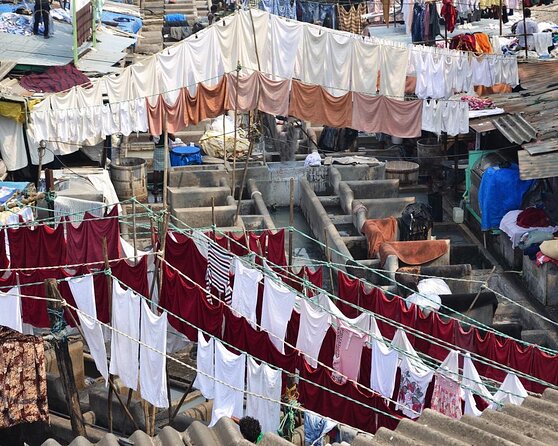
Dharavi is often described in blunt, headline terms, but on this kind of tour you get the day-to-day version. The structure is built around a local guide from Dharavi, so the story shifts away from shock value and toward work, neighborhoods, and trade.
I like that the tour is set up as a private experience for your group. That matters in Dharavi, where pace and access can change street by street. A local guide can also point out what to pay attention to, like the small industries that operate inside and around the community, and why this place functions like a compact economy.
You’ll also hear a theme repeated by guides: people arrive, live, work, and support families with the same kinds of priorities you’d recognize anywhere else. In guides’ stories, you see how entrepreneurship shows up as something practical, not a slogan.
A few more Dharavi Slum tours around Mumbai:
- Dharavi slum tour in Mumbai by Female tour guides of the slum
★ 5.0 · 1,976 reviews - Mumbai: Dharavi Slum, DhobiGhat, and Dabbawallas Tour
★ 4.9 · 689 reviews - Dharavi Slum Tour
★ 5.0 · 625 reviews
Price and time: what you actually get for $47.15
At $47.15 per person for a 2 to 3 hour private tour, the value is mostly in logistics and guidance. You’re paying for a professional guide, a driver, and hotel pickup and drop-off, plus transportation and fees. For Mumbai, that kind of door-to-door support can be a big deal, especially if you don’t want to spend your short visit figuring out routes.
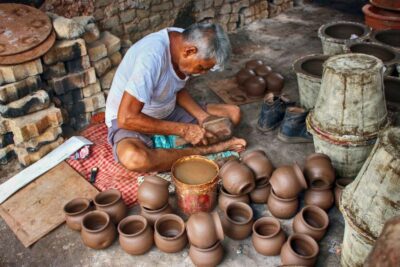
You also get more than one type of stop. The tour is described as including a tannery visit and a pottery-making area (clay pots being made), and you’ll have a chance to buy items to take home. Even if you’re only browsing, that turns the tour into something you can hold onto later, not just photos you cannot take today.
One timing note: the tour cannot operate between 12.30 p.m. and 2 p.m. on Fridays, so if you’re planning a Friday visit, pick a time outside that window.
Getting to Dharavi: pickup, meeting points, and pacing
This tour offers pickup from your hotel, which is the easiest way to do it. If you’re staying in North Mumbai, there can be an additional transport cost, so it’s worth checking when you book. The tour also uses a mobile ticket, which keeps things simple on the day.
The formal meeting start is listed at Third Wave Coffee on Tip Road, Unit 58, Ground Floor, Ram Mahal, Senapati Bapat Marg, in the Station area of Mahim. Your walk finishes around Kumbhar Wada on 60 Feet Road. In real terms, that means you’re not just touring and leaving the area the way you would with a quick drive-by. You’ll be on foot through narrow by-lanes and market pockets.
Pacing is built for walkable viewing, but it is still walking in tight streets. The tour notes moderate physical fitness, so plan for a steady pace and frequent pauses while your guide explains what you’re seeing.
Stop 1 in Dharavi: the working lanes and small industries that run the place
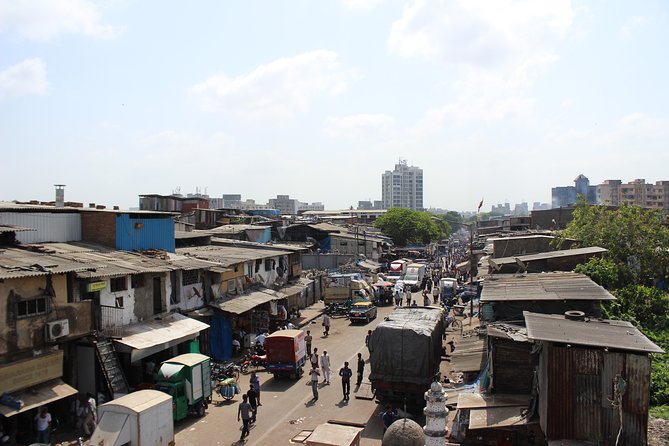
The first major stop is Dharavi itself, where the goal is understanding how thousands of people earn a living in a very compact footprint. You’ll walk through the by-lanes, with your guide explaining the small-scale industries that operate in and around the area and contribute to Mumbai’s economy.
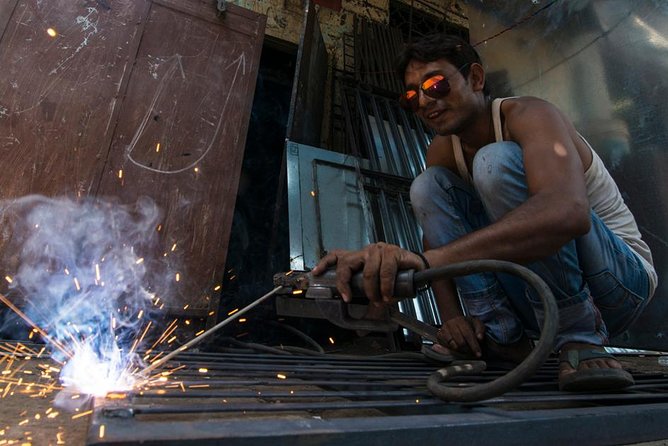
What makes this stop special is the angle. Instead of framing the neighborhood as a set of problems to stare at, you get the logic of production and services. Guides tend to focus on how work is organized, how businesses connect to markets, and how daily life continues while industries run.
You can also expect a real sense of movement: shops, workspaces, and family routines are close together. That is part of the point. Dharavi is presented as a place where people build careers and routines, including schooling and home life. The tour here is listed at about 2 hours, with an admission ticket included.
A few more Mumbai days to compare
- Mumbai: Full-Day Sightseeing Tour of Mumbai
★ 4.9 · 1,822 reviews - Private Mumbai Sightseeing Tour (Traveller’s Choice Award Winner)
★ 5.0 · 1,565 reviews - Elephanta Caves & Island Guided Private Tour
★ 5.0 · 1,327 reviews - Group Guided Walking Tour in Fort and Colaba
★ 5.0 · 1,073 reviews
Stop 2: leather work near 90 Feet Road, and what it teaches you
Next up is Dharavi Leather, starting from the 90 Feet Road side. This is shorter, about 10 minutes, and the admission ticket for this portion is marked as free.
Why include leather at all on a general Dharavi tour? Because it’s one of the industries people connect to Dharavi for a reason. Seeing leather-related work gives you an anchor for the wider story: how trade and production are organized locally, and how jobs are connected to supply chains that reach beyond the neighborhood.
The shorter leather stop also helps keep the whole experience manageable. A Dharavi tour can be mentally heavy if you push for too many stops in too short a window. This one keeps the center on walking and explanation first, then uses the leather view as a practical example.
Clay pots and shopping: a respectful souvenir you can actually use
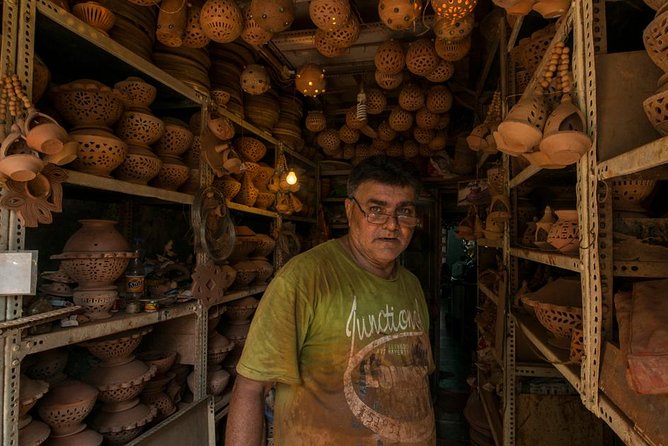
The tour overview notes that you’ll visit a pottery-making area where you can see clay pots being made, and you’ll have a chance to buy something to take home. Ending around Kumbhar Wada aligns well with that artisan shopping idea.
This is a subtle but important part of the value. You’re not only consuming a story, you’re also supporting local craft, and you leave with an item that tells a story in your home later. Just keep your expectations grounded: you’re not buying mass-produced souvenirs here. If you stop to purchase, it’s best to think of it as supporting a craft workflow you saw firsthand.
Also, because photography is prohibited in Dharavi areas, shopping and conversation become the way you preserve the memory, not your camera roll.
Guides and the social side: why names keep coming up
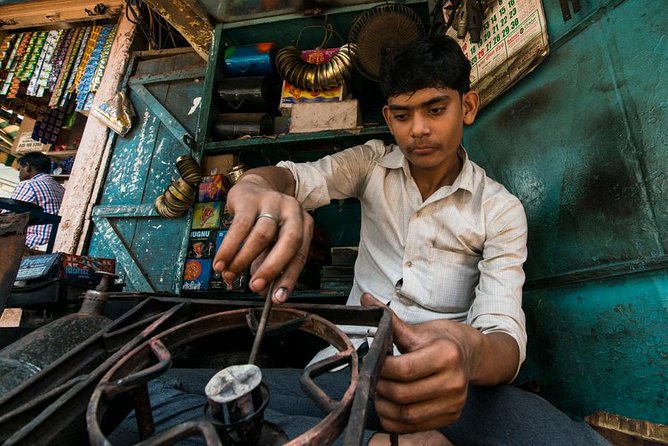
A pattern in the guide stories is clear: the best moments come when your guide is from the community and can answer real questions without turning the visit into a lecture.
You may get a guide like Farzan, Furkan, Kashif, Mujaffar, Razak, or Ahad, and the common thread across these names is pride plus clarity. Guides tend to focus on how Dharavi works as an integrated city, how people manage daily life alongside work, and why stereotypes miss the point.
If you want the tour to land for you, come with questions. Even simple ones can change the experience, like:
- How did people learn their trades?
- How do businesses serve customers outside the area?
- What does schooling look like day-to-day?
Your guide will shape the answer based on what’s appropriate to show, and since the tour sequence can be adjusted by the guide on the ground, your time stays flexible.
Photo rules, street reality, and how to be a good visitor
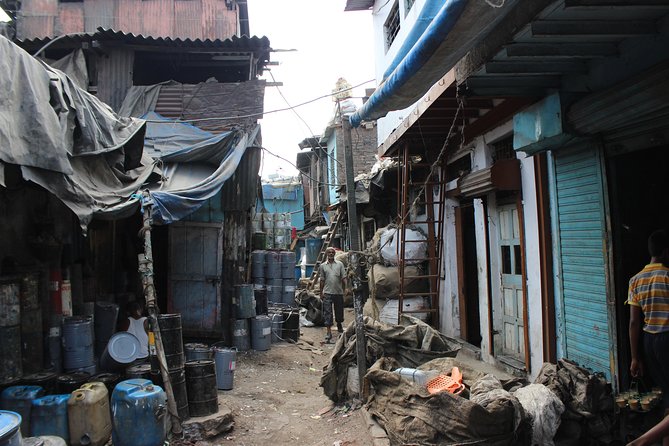
The tour clearly states photography is prohibited within Dharavi areas. That rule should guide your mindset from the start. It’s not a minor inconvenience; it changes how you observe. You’ll rely on listening and your own attention, and you’ll notice small details like work rhythm and how spaces are shared.
The walk is also described as requiring moderate physical fitness. Tight avenues and foot traffic are part of the setting. Wear shoes you can trust, and keep an eye on where you’re stepping. If you need frequent rests, mention it early so your guide can pace the group.
Finally, this is described as a private tour/activity, meaning only your group participates. That helps keep the experience respectful and prevents the “herd” feeling some group tours can have in crowded areas.
Who this tour is best for, and who should skip it
This tour makes the most sense if you want a local-guided, practical understanding of Mumbai through Dharavi’s working life. If you’re tired of disaster-only storytelling, you’ll likely appreciate the focus on enterprise, trades, and daily routines.
It also works well for families with older kids. One family experience included children aged 9 and 11, and children below age 5 join for free. Still, because the streets are tight and photography is restricted, it’s a better fit when kids can follow guidance and stay patient during walking and explanations.
Skip it if:
- you want lots of photos or are planning to document the neighborhood with your camera
- you cannot handle walking in narrow lanes for a couple hours
- you’re uncomfortable with close-up views of real working spaces
If you’re on the fence, read the time commitment too. At 2 to 3 hours, it’s a manageable add-on to a Mumbai itinerary without taking over your whole day.
Value check: what’s included, and what might cost extra
Here’s what’s covered:
- Driver and private transportation
- Hotel pickup and drop-off
- Professional guide
- All fees and taxes
There’s also a mention of a hop-on hop-off tour being included. The practical takeaway is that the itinerary is set up for day-of movement rather than a rigid single point-to-point transfer.
Things that can cost extra:
- Additional transport cost for North Mumbai pickup
- Additional cost for the services of a language guide besides English
And timing can be limited by weather. The tour requires good weather, and if it’s canceled due to poor weather, you’ll be offered a different date or a full refund.
Should you book the Dharavi local guide tour?
If your goal is to understand Dharavi as a working community and not just a buzzword, I’d book it. The strongest reasons are the local guide perspective, the industry focus (including a tannery and pottery-making view), and the ease of pickup, transport, and guided walking in a place that can be confusing to navigate on your own.
Book it sooner if you want a short, high-impact experience that fits into a tight Mumbai schedule. But don’t book it if you need photography, if you want a low-walking cultural stop, or if you prefer a more polished, controlled visitor setting.
In short, this is a “learn from someone who lives it” tour. If that appeals to you, it’s one of the smartest ways to spend a few hours in Mumbai.
FAQ
How long is the Dharavi tour?
It runs about 2 to 3 hours.
How much does the tour cost?
The price is $47.15 per person.
Do you get hotel pickup and drop-off?
Yes, hotel pickup and drop-off are included.
Are tickets included for the stops?
Admission is included for the first stop (Dharavi), and the second stop (Dharavi Leather) is listed as admission ticket free.
Can I take photos inside Dharavi?
No. Photography is prohibited within the areas of Dharavi included in the tour.
Is there a cancellation policy or weather-based cancellation?
You can cancel for a full refund up to 24 hours in advance. The tour requires good weather, and if it’s canceled due to poor weather, you’ll be offered a different date or a full refund.
Recently added around Mumbai
- Dharavi Slumdog Millionaire Tour★ 5.0 · 6 reviews
- Dharavi Slum Tour★ 5.0 · 15 reviews
- Inside Dharavi: A Unique Slum Tour with an Local Guide★ 5.0 · 25 reviews
- Private Dharavi Slum Tour with Guide and Transport★ 5.0 · 18 reviews
- Dabbawala, Dhobi Ghat & Dharavi slum Tour with Local Train Ride★ 5.0 · 102 reviews
- Small Group Tour of Dharavi Slum★ 5.0 · 77 reviews
- Mumbai Dharavi Slum, Dhobi Ghat & Dabbawala Lunchbox Tour★ 5.0 · 43 reviews
- Premium Mumbai Sightseeing Tour★ 5.0 · 16 reviews
Dharavi Slum Tours, compared.
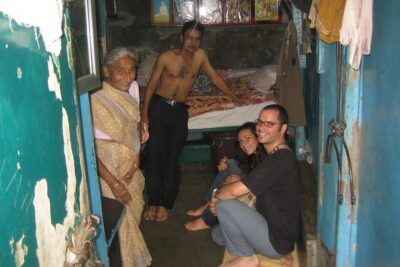
Dharavi slum tour in Mumbai by Female tour guides of the slum
Read our review →


Dharavi Slum Slumdog Millionaire Tour with a Local
Read our review →
Dhobi Ghat Laundry and Dharavi Slum Tour with Local
Read our review →
Browse the lists this tour appears in