
Reviewed · WALKING TOURS
Walking tours – for an authentic Varanasi experience
Varanasi hits different up close. This low-cost private walking tour with a local guide strings together the big gats and famous temples, then adds the smaller alleyways that help Varanasi make sense. You’ll learn what you are seeing along the Ganges, plus where to eat and drink in between the sacred stops.
The part I like most is the time spent right where daily rituals unfold, like Dashashwamedh Ghat and Manikarnika Ghat, with explanations that keep you from feeling lost. I also appreciate the practical touches included in the price, like bottled water and coffee or tea. One consideration: expect stairs, tight lanes, and close-up crowds at the riverfront, so wear solid shoes and keep your patience switched on.
In This Review
- Key points before you go
- A $13 private Varanasi walk that feels like more than sightseeing
- How the pacing works: pickup, meeting spot, and what to expect
- Godowlia Crossing to Dashashwamedh: the fast start that teaches you the map
- Dashashwamedh Ghat and Prayaga Ghat’s link to the sacred story
- Man Singh Observatory (Man Mandir): windows, carvings, and a palace-era touch
- Meer Ghat: a name tied to a commander, plus temple access
- Nepali (Kathwala) Temple: the Ganga shrine staircase moment
- Manikarnika Cremation Ghat: where respect and rules matter
- Alamgir Mosque: a layered site built over an older Vishnu temple
- Sankata Devi old-city lanes, Blue Lassi break, and Kashi Vishwanath Temple
- Ending back near Godowlia: markets, temples, and your next steps
- Who should book this walk, and who might want something else
- Should you book this Varanasi walking tour with Kashi Journeys?
- FAQ
- How long is the walking tour?
- Is this tour private?
- What is included in the price?
- Are monument or temple entrance fees included?
- Is pickup from my hotel included?
- Where does the tour take place?
- Can I take photos at Manikarnika Ghat?
- What should I know about the weather?
- What is the cancellation cutoff for a full refund?
Key points before you go
- Godowlia Crossing sets the tone with a busy, real-life introduction to how people actually move through Varanasi
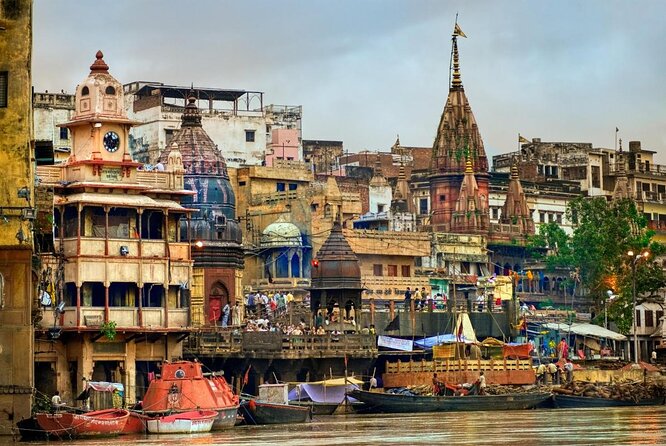
- Dashashwamedh Ghat includes Prayaga Ghat in the middle section, tying Varanasi to the wider sacred map of North India
- Man Singh Observatory (Man Mandir) shows off ornate, carved windows and a temple-palace connection tied to Amber’s Savai Man Singh
- Manikarnika Ghat comes with strict rules and a clear boundary around photography near the cremation area
- You get temple and mosque in one flow at stops like Kashi Vishwanath Temple and Alamgir Mosque, so you see layered religious history in motion
- A built-in break makes it livable with time for a Blue Lassi stop if you want one, plus tea or coffee included
A $13 private Varanasi walk that feels like more than sightseeing
At about $13 for a 4 to 5 hour guided walk, this tour is priced like a bargain, but it is not just a budget stroll. The value comes from the way it’s structured: a private route means your guide can slow down, point out details, and adjust based on what you care about, rather than moving you like luggage from one postcard to the next.
The other big value is that it is not only about the famous names. The route is designed to get you from major gats and temples into the older lanes where daily life keeps going. That is where Varanasi starts to feel understandable, not overwhelming.
And yes, it’s themed. The tour can follow ideas like town colors and scenes, or cuisine and day-to-day energy. The point is simple: a theme gives you a lens, and a lens helps you notice things you would otherwise miss.
More Walking Tours in Varanasi
- Private Heritage and Spiritual Walk Tour – Varanasi Kashi
★ 5.0 · 172 reviews - 3 Hour Walking Tour of Buddhism in Sarnath
★ 5.0 · 160 reviews - Cultural & Spiritual Trails of Old Town Varanasi Guided Walking Tour
★ 4.5 · 73 reviews
How the pacing works: pickup, meeting spot, and what to expect
Pickup is described as being offered, but the price list also says a vehicle for pickup and drop from/to your hotel is not included. So treat this as a tour where you should confirm the exact meeting location ahead of time, especially if you are trying to minimize walking to the start.
You should also plan for a walking-heavy day in the older city. Some stops are quick, others are longer, and the riverfront areas can get dense. The guide will keep you moving, but you still need to handle uneven stone steps and crowded alleys.
Good news: the tour includes bottled water and coffee and/or tea, which helps when you hit the point where you just want something warm or familiar. A mobile ticket is included too, which is handy in a place where paper gets annoying.
Godowlia Crossing to Dashashwamedh: the fast start that teaches you the map
Your walk begins at Godowlia Crossing, described as one of the most busy and crowded crossings. That opening sounds intense, but it’s actually a smart way to start. It gets you into the real rhythm of Varanasi quickly, before you zone out into temple photos.
From there, you head toward the main river area, where the Ganges becomes less of a river and more of a stage for daily sacred activity. The guide’s job is not just to name places. It’s to help you read what’s happening at the waterline, what the different spots mean, and what to look for while you pass through.
Dashashwamedh Ghat and Prayaga Ghat’s link to the sacred story
At Dashashwamedh Ghat, you’ll see the riverfront divided into sections. The tour highlights something that’s easy to miss on your own: the middle section called Prayaga Ghat, which is presented as a replication of the holy city of Prayagraj (Allahabad).
This matters because it explains why Varanasi feels connected to other sacred places. It’s not only a place by itself. It’s a node in a larger spiritual geography.
The stop is around 30 minutes, which is long enough to let you take in the layout. It’s also short enough that you are not stuck in one spot while the crowd flow keeps moving. If you want the most value, pause and watch how people approach the water, then ask your guide what the different areas are used for.
A few more Varanasi days to compare
- Fontainhas Heritage Walk by Make It Happen
★ 5.0 · 2,834 reviews - The Great Indian Food Tour: Old Delhi Food and Heritage Walk
★ 5.0 · 1,698 reviews - Group Guided Walking Tour in Fort and Colaba
★ 5.0 · 1,073 reviews - Spiritual City Walking Tour-THE Pushkar Route
★ 5.0 · 907 reviews
Man Singh Observatory (Man Mandir): windows, carvings, and a palace-era touch
Next comes Man Singh Observatory, also known as Man Mandir Ghat. The tour points out a key detail: a palace built by Savai Man Singh of Amber during the late 1500s to early 1600s timeframe. That palace connection helps you see why this ghat has such a strong “this was designed” feeling.
The highlight here is the magnificent building and its exquisitely carved windows. You’re not just staring at a temple. You’re looking at architecture that was meant to impress, built by rulers with an eye for both power and aesthetics.
Admission is listed as not included here, so if you want to go inside or access specific areas, plan to budget some extra. Even if you mostly view from outside, the carved-window detail is still the kind of thing a guide can point out in seconds, saving you time and guesswork.
Meer Ghat: a name tied to a commander, plus temple access
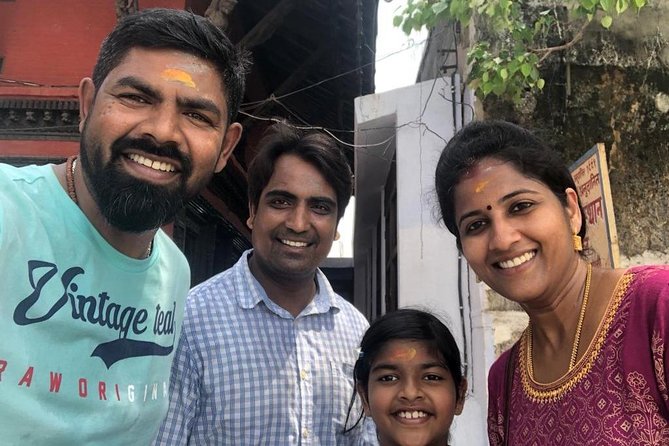
At Meer Ghat, the tour connects the site to a historical name: it’s said to have been named in 1735 after Muslim commander Mir Rustam Ali. That detail helps you understand why Varanasi doesn’t read as one single religion in one single style. Different eras have stamped their names onto the stone.
Meer Ghat also provides access to the Vishalakshi temple and Dharma Kupa. The tour notes that near the top, a conservative Brahmin named Swami Karapatri-ji built a New Vishwanath temple in 1956. Even if you don’t memorize dates, this gives you a quick way to see how old and newer layers sit side-by-side.
The stop is about 10 minutes, which works here because you’re mostly using the ghat as a doorway to the next set of sights rather than treating it like a destination you park at.
Nepali (Kathwala) Temple: the Ganga shrine staircase moment
Then you reach Nepali Temple (Kathwala Temple). The tour describes a riverside shrine of the goddess Ganga, with a staircase leading up to the Nepalese temple, which is noted as a replica of Pashupati Nath Temple. That “replica” clue is important because it explains why the style feels specific and why it might look different from the more local temple forms you’ll see later.
The temple is described as picturesque, made of wood and brick. Expect a 20-minute stop where the guide helps you spot the structure and understand why the setting matters.
Entrance is listed as not included here, so if you want to go inside or access viewing points, keep some flexibility in your budget. Also, riverside stair moments can get slippery, so take your time.
Manikarnika Cremation Ghat: where respect and rules matter
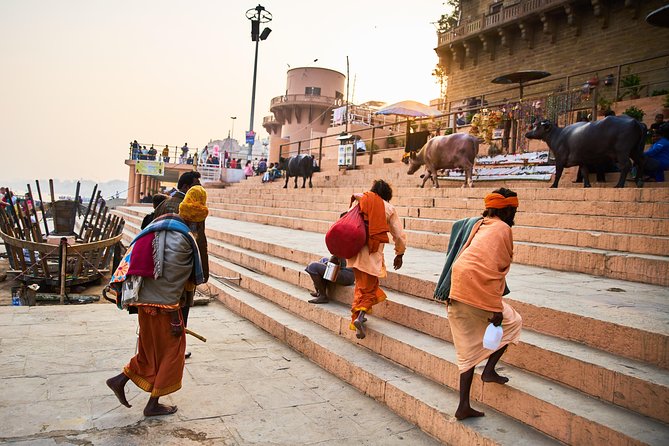
At Manikarnika Ghat, the tour’s tone shifts because this is a deeply sensitive area. The ghat is famous for cremation rituals, and the tour specifically notes that photography of the cremation area is prohibited.
This is not a stop where you want to rush in for a quick look. If you are unsure what behavior is appropriate, your guide will help set the tone. The value here is learning how to watch without turning suffering into entertainment.
The stop is about 20 minutes. Use it as a moment to step back, observe from a respectful distance, and focus on the guide’s explanation. If you feel uncomfortable, that is normal. You are not failing by looking away. This stop is intense by design.
Alamgir Mosque: a layered site built over an older Vishnu temple
After that, you move to Alamgir Mosque. The tour notes it was built on the location of an 11th-century Vishnu temple. It also includes a rough timeline: destruction and rebuilding in the 15th century, then a final transformation into a mosque in 1673.
This is one of those stops where a guide’s narration makes the stone meaningful. Without context, you might just see two layers of architecture. With context, you see how power, faith, and rebuilding shaped the city over centuries.
The stop is about 30 minutes, which gives you time to absorb the site rather than just passing through. Admission is listed as included, so you can focus on the viewing without worrying about extra ticket steps.
Sankata Devi old-city lanes, Blue Lassi break, and Kashi Vishwanath Temple
Now the tour turns from landmark buildings into old-city life. At Maa Sankata Devi Temple, you’ll enter the northern part of the old city and get a chance to peek through the galiya, the alleyways where people live close to the streets and the temples.
This is described as about 1 hour, which is key. A longer lane section prevents the walk from feeling like a string of quick snapshots. It helps you notice how Varanasi functions day-to-day, including how people move, trade, pray, and socialize.
If you want a pause, there’s a chance to stop at a Blue Lassi Shop for a lassi, at your own expense. The tour keeps the stop short, about 10 minutes, but it’s a smart break point after long stretches of stone and sun.
Finally, you reach Kashi Vishwanath Temple, dedicated to Lord Shiva and also known as the Golden temple. The stop is about 10 minutes, so it’s best used for a focused visit, not a deep museum-style wandering. Let the guide point you toward the key visual cues and what to pay attention to inside.
Ending back near Godowlia: markets, temples, and your next steps
Your walk ends back at Godowlia, with time for markets, local shops, and another famous temple nearby, for about 30 minutes. This is a good ending because it leaves you with practical momentum. After the guided portion, you are no longer guessing where you are or which direction leads to what.
If you still have energy, use this moment to buy small things you can carry, grab a simple snack, or just watch daily life. If you are tired, this ending also works because you get a calmer block of time to stop and regroup before you head onward.
Who should book this walk, and who might want something else
This tour is a great fit if you want:
- A private guide who can tailor pace and focus
- A route that blends gats, temples, and alley life
- A low-price way to get real context for sacred spaces
- Included basics like bottled water plus tea or coffee
It may not be ideal if you:
- Want lots of time inside major monuments, since some stops list entrance fees as not included
- Are very uncomfortable with the cremation area, where photography is prohibited and the mood is heavy
- Have mobility limits, since the walk involves stairs and crowded riverfront areas
Should you book this Varanasi walking tour with Kashi Journeys?
If you’re trying to understand Varanasi fast, this is a strong option. The price is low enough that you can justify doing it even if you’re unsure, and the private format keeps it from turning into a rushed commute.
I especially like the way the stops connect into a mental map. You start at a busy crossing, move into Dashashwamedh, pivot into observatory architecture, then shift into a sequence that mixes faith traditions, and finally ends back near markets where you can keep exploring.
My final advice: bring comfortable shoes, expect dense crowds near the river, and be ready to follow your guide’s lead on sensitive areas. If you can do that, this walk gives you the kind of Varanasi you cannot get from a checklist alone.
FAQ
How long is the walking tour?
It’s listed as about 4 to 5 hours.
Is this tour private?
Yes, it is a private tour with only your group participating.
What is included in the price?
The tour includes bottled water, coffee and/or tea, and an eco-friendly tour guide, plus a mobile ticket.
Are monument or temple entrance fees included?
Not always. The tour notes that any monument entrance fee is not included, and specifically mentions admission not included for Man Singh Observatory and the Nepali Temple.
Is pickup from my hotel included?
Pickup is offered, but the details say a vehicle for pickup and drop from or to your hotel is not included. It’s best to confirm the meeting point.
Where does the tour take place?
It’s in Varanasi, India, and includes multiple stops around the gats and old city lanes near the Ganges.
Can I take photos at Manikarnika Ghat?
Photography of the cremation area is prohibited at Manikarnika Ghat.
What should I know about the weather?
The experience requires good weather. If it’s canceled due to poor weather, you will be offered a different date or a full refund.
What is the cancellation cutoff for a full refund?
You can cancel up to 24 hours in advance for a full refund. If you cancel less than 24 hours before the start time, the amount paid is not refunded.
Recently added around Varanasi
- Guided Virtual Tour of Bodhgaya★ 5.0 · 17 reviews
- Bodhgaya Day Tour (Hotel Pickup)★ 4.5 · 23 reviews
- Spiritual Tour in Varanasi with a local- 2 Hours Tour★ 4.8 · 13 reviews
- Sarnath Tour- Where Buddhism Originated★ 4.9 · 15 reviews
- Private Sunset Boat Ride and Ganga Aarti with Reserved Seat★ 4.7 · 18 reviews
- Varanasi: Mysticism Tour with Boat Ride & Ganga Aarti★ 3.5 · 33 reviews
- Morning Boat Tour in Varanasi★ 4.8 · 9 reviews
- Marigold Boat trip to feel Kashi★ 5.0 · 7 reviews
Walking Tours, compared.
The Great Indian Food Tour: Old Delhi Food and Heritage Walk
Read our review →
Old Delhi Food, Heritage&Cultural Walk with Rickshaw ride to Masterji Kee Haveli
Read our review →
Fontainhas Heritage Walk At Latin Quarters of Goa
Read our review →Browse the lists this tour appears in