
Reviewed · SHIMLA & MANALI TOURS
Shimla: Wildlife Sanctuary & Water Catchment Guided Tour
One hour, and the city noise is gone. This guided tour takes you into the Shimla Water Catchment & Wildlife Sanctuary, where you can cycle or hike on quiet forest tracks and learn how the area has long fed the city with water. I love how the focus is on nature and rules of respect, so you are not there to chase wildlife. I also love the hands-on feel of the bike option, since the off-road ride makes the greenery feel close. One thing to consider: because it is a protection-first sanctuary, you might not see animals every time, and that is intentional.
The guide can make the difference, and I like that this tour has real people behind it, not just a script. In the best examples, guides like Raghav and Pawan share specific details about the sanctuary and the water system, and they keep the hike comfortable. The main drawback for some folks: the route is not suitable for everyone, especially if you have back problems or are pregnant, since there is walking and uneven ground.
In This Review
- Key highlights you should care about
- Why Shimla’s water catchment feels so calm
- Bicycle, e-rickshaw, or a guided walk: pick your comfort level
- The half-day flow: from pickup to forest trails
- Entering the sanctuary: off-road greenery and real rules
- The Seog Water Tank stop, and the water story behind it
- Second forest round: trails, streams, and quiet chances to spot animals
- Guides who actually explain what you’re walking through
- The value question: is $26 worth it for 4 to 5 hours?
- Practicalities: timing, clothing, and what to bring
- Who should book this Shimla nature tour?
- Should you book it? My decision guide
- FAQ
- Where does the tour take place?
- How long is the guided tour?
- What kinds of transport or activity options are included?
- Is pickup and drop included, and where from?
- Is there a permit to enter the sanctuary?
- What are the opening hours and which day is closed?
- What should I bring?
- What is not allowed during the tour?
- What languages are the live guides?
Key highlights you should care about
- Off-road bike time that actually feels like a jungle ride, not a flat city loop
- Guided hiking into protected forest, with a local explaining plants, streams, and the catchment idea
- Seog Water Tank break, where the water story becomes real and practical
- E-rickshaw wildlife tour, letting you cover ground quietly without speeding through the habitat
- Water catchment system context, including the older tank built over 100 years ago
- Low-crowd feel by design, since it is a sanctuary and not a typical sightseeing track
Why Shimla’s water catchment feels so calm
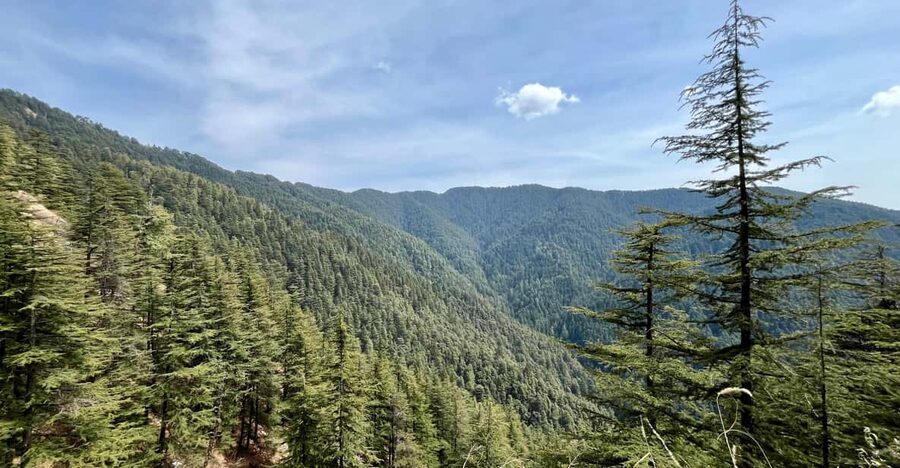
Shimla has plenty of viewpoints and busy streets, but this tour goes in the opposite direction. You head from town into a protected forest area at about 1,900 to 2,620 meters elevation, where the air and the sounds change fast. The sanctuary covers 10.25 square kilometers, and the experience is shaped by that scale, plus the fact that it is preserved without zoning.
What makes it genuinely interesting is the double purpose. It is both a wildlife sanctuary and a key water source area. The forest is not just scenery. It is a living filter and storage system that helps support Shimla’s water needs, including an older setup tied to rain and stream flow.
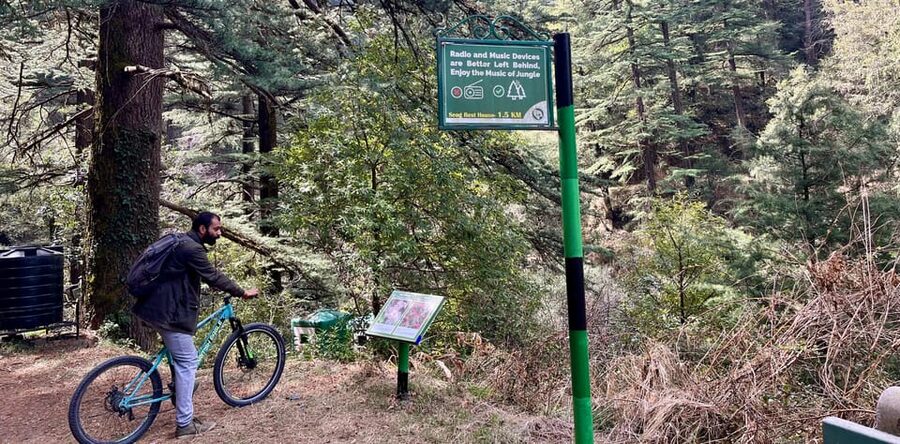
And then there is the “quiet by rules” factor. This is not a party loop, and it is not a place where you are encouraged to make noise. That matters, because wildlife responds to human pressure. It also makes the whole half-day feel more like a walk in a protected neighborhood of trees, not a theme park.
A few more Shimla & Manali days to compare
- From Agra: Visit to Wildlife SOS Elephant Conservation Trip
★ 4.8 · 47 reviews - 5 Days Golden Triangle With Ranthambore Wildlife
★ 5.0 · 46 reviews - 14 Days Golden Triangle with Wildlife Safari & Heritage Rajasthan
★ 5.0 · 37 reviews
Bicycle, e-rickshaw, or a guided walk: pick your comfort level
This is a private tour, and that gives you flexibility. You can choose to experience the sanctuary by bicycle, E-rickshaw, or guided walking, depending on what feels good for you.
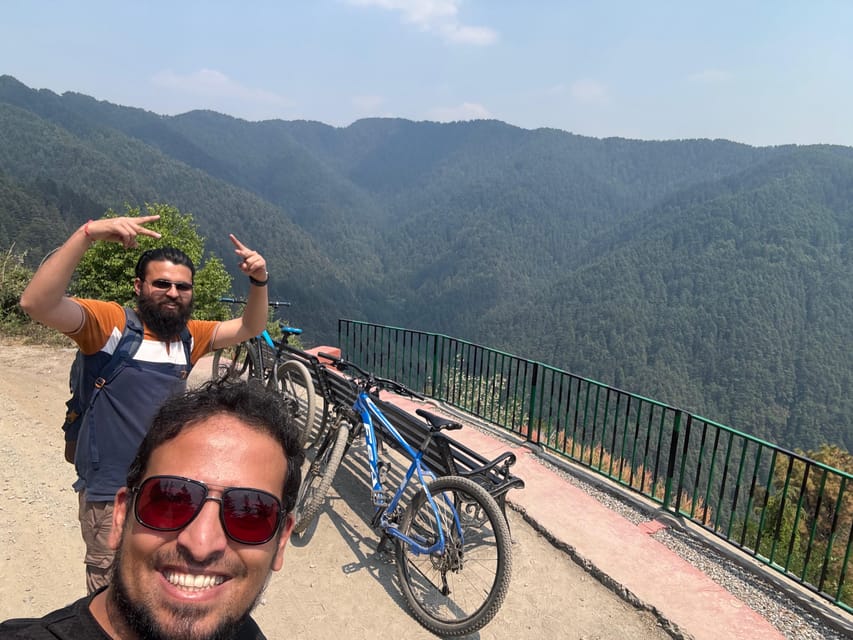
If you want the most fun-per-minute, the bike option is the one. The ride runs on off-road paths through greenery, which is why it is often described as one of the best cycling experiences in Shimla. Even if you are not a hardcore cyclist, you get movement without the stress of steep, constant climbing, since you are guided and the total outing is only around 4 to 5 hours.
The walking version is best if you like slow nature time. You still get a guide and trail access, and the route is set up so the hike fits into a half-day format rather than turning into an all-day trek.
The E-rickshaw option makes sense if you want the wildlife sanctuary experience but prefer less foot time. You can cover more ground quietly, then pause for the guided parts.
A practical tip: wear comfortable shoes no matter what you choose. Even with a bike or E-rickshaw, you will likely need to walk for trail segments and stops.
The half-day flow: from pickup to forest trails
The tour starts with pickup and drop from a centrally located hotel in Shimla. That is a real convenience in Shimla, where getting in and out of the right roads can be part of the hassle. Once you are with your guide, the tour keeps moving in a simple rhythm: enter the catchment area, ride or hike, take a planned break, then go back into the forest again.
You get two main forest segments, each paired with guided time. That matters. Instead of one long stretch where you rush to “see stuff,” you get breaks built into the schedule, and your eyes adjust as the forest light changes.
Also, because this is a private group, the pace feels tailored. You are not stuck waiting for strangers who are slow to strap on a helmet or who keep stopping for photos every two minutes. It stays relaxed, especially if you tell your guide your comfort level early.
Entering the sanctuary: off-road greenery and real rules
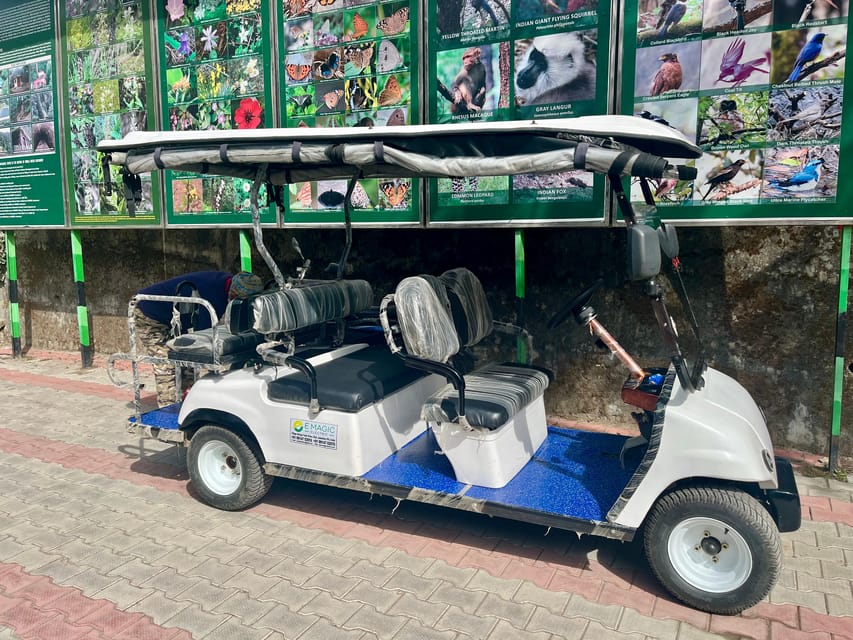
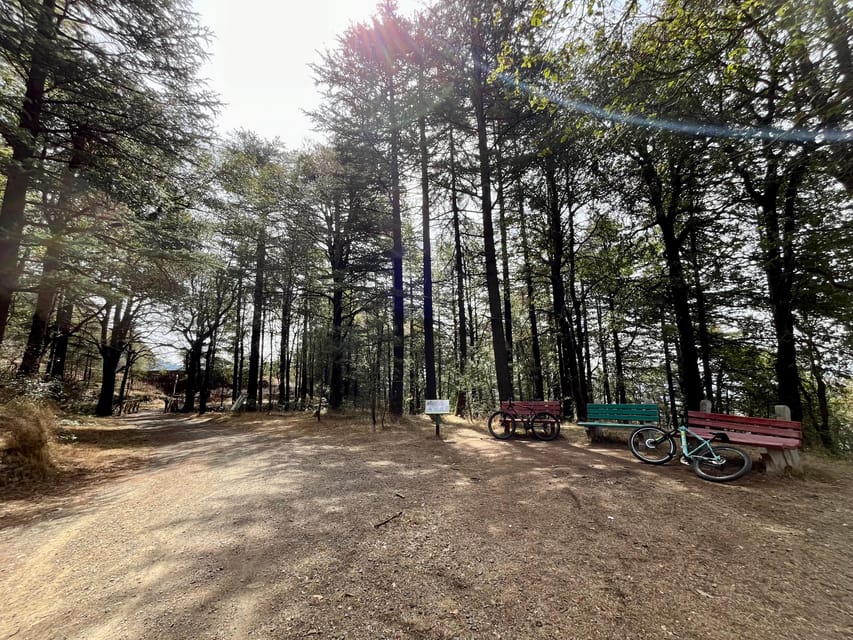
Once you are inside the sanctuary area, you are not just walking past trees. You are moving through a preserved habitat that is home to a range of flora and fauna, including trees, plants, and herbs. The sanctuary sits at a high elevation and receives substantial rainfall, which helps keep the forest green and alive.
There is also a practical reason this place feels like a break: it is away from the city crowds. When you are cycling or hiking there, the focus stays on the habitat rather than urban sightseeing.
Wildlife sightings are a bonus, not a goal. One strong theme in the experience is that the sanctuary protects animals and lets them live naturally. So if you do not see much wildlife, you are still getting the point: learning how this environment functions and how humans can coexist with it.
Another way to spend a day in India:
- Bhrigu Lake and Alpine Meadow Trek
★ 5.0 · 121 reviews - Friendship Peak Trek
★ 5.0 · 94 reviews - Himalayas Motorcycle Escapades
★ 5.0 · 81 reviews - Shimla Private Guided Walk Tour exploring the colonial trails
★ 5.0 · 66 reviews
The Seog Water Tank stop, and the water story behind it
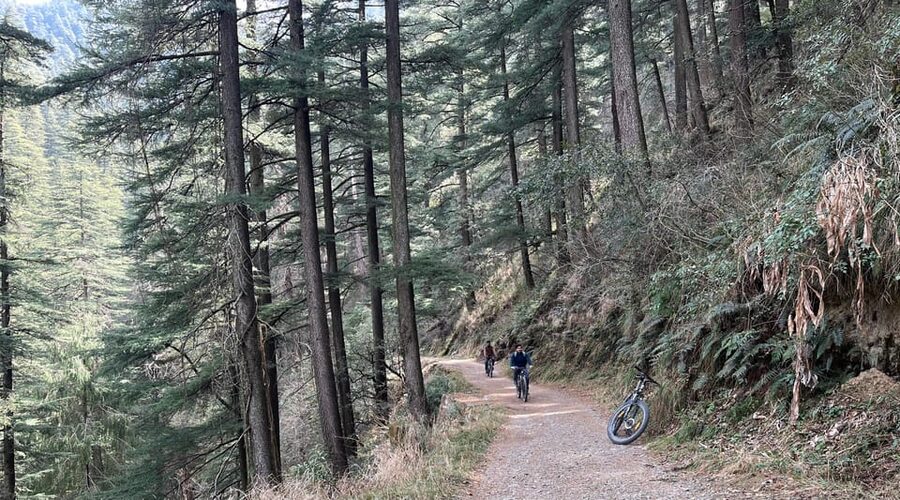
A big reason this tour stands out is the Seog Water Tank break. This is not just a stop to stretch. It is where the tour’s water theme becomes understandable in a tangible way.
The sanctuary has 25 perennial streams, and the tour focuses attention on major ones like God Ki Nala and Churat Nala. Those streams feed the catchment system, and that is what helps supply water to the city over time.
There is also a deeper historical angle tied to storage. A large tank built more than 100 years ago stored stream water during rainy periods, so it could be used later for Shimla. The story gets even more unique because water was once supplied using steam pumps, which is a very specific method for that era. Even if you are not a history person, that detail makes the whole landscape of water feel less abstract.
This is also where you get a break time of about one hour. Bring snacks and water so you do not waste energy trying to find something later. In cool highland weather, you can feel hungry without noticing, especially after cycling.
Second forest round: trails, streams, and quiet chances to spot animals
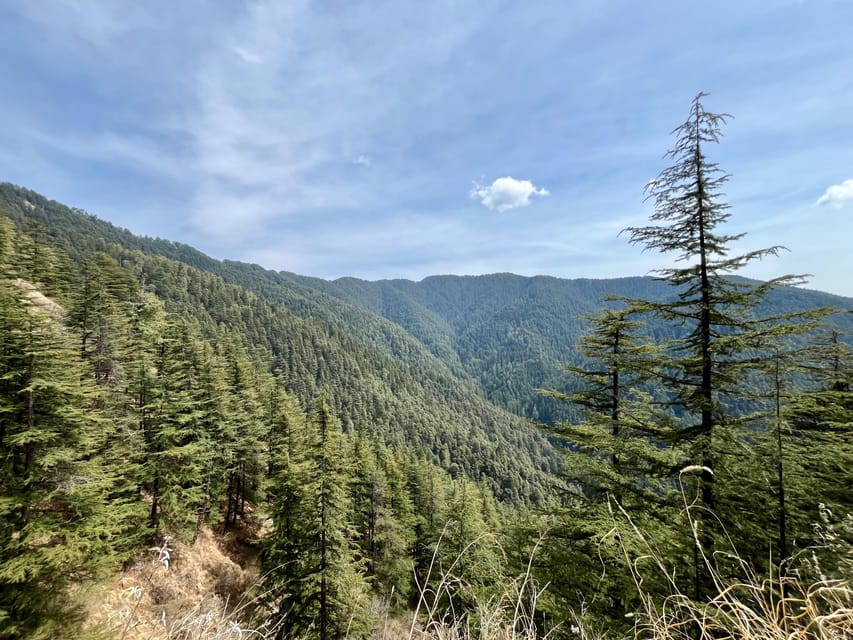
After the tank break, you head back into the sanctuary for another guided round of hiking and biking. By this point, you have warmed up, your pace is set, and you know what kind of ground you are on.
The sanctuary is connected to Chail Sanctuary through a forest corridor. That connection helps animals move across habitats rather than being cut off. It is one more reason this place feels more intentional than a random walk.
When it comes to wildlife, the best mindset is simple: watch with patience, and let the sanctuary do its job. You might see birds or spot signs like movement in the canopy, but you might also see very little. Either way, your guide can interpret what you are seeing, including how dense forest and stream patterns affect animal movement.
And the tour’s design supports that slow attention. The total duration is only 4 to 5 hours, so you get enough time to feel the forest without turning it into a tiring marathon.
Guides who actually explain what you’re walking through
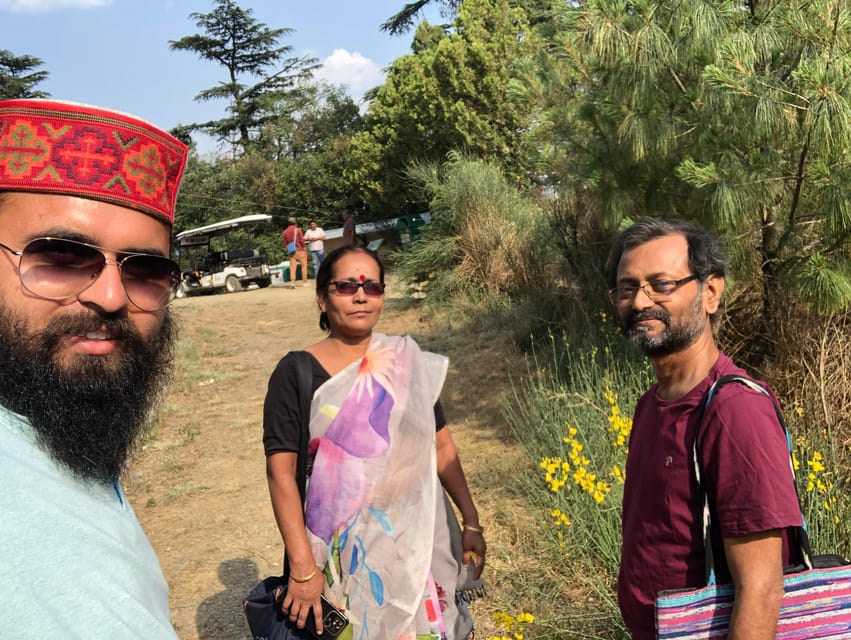
Two guide names show up again and again in strong feedback: Raghav and Pawan. The common thread is that both guides focus on practical, on-the-ground facts.
With Raghav, the standout element is the way he ties together the sanctuary’s natural parts and the human water system story. He also keeps the hike in the comfortable category, which matters if you do not want a steep workout.
Pawan is praised for careful organization before the tour. He connects ahead of time to confirm pickup and to account for mobility needs when necessary. That kind of prep helps you relax, because you are not wondering if the meeting point details will be messy.
If you can, ask your guide a question early, like what stream names matter most today, or how the catchment supports the city. You will get better answers than if you stay silent and just follow.
The value question: is $26 worth it for 4 to 5 hours?
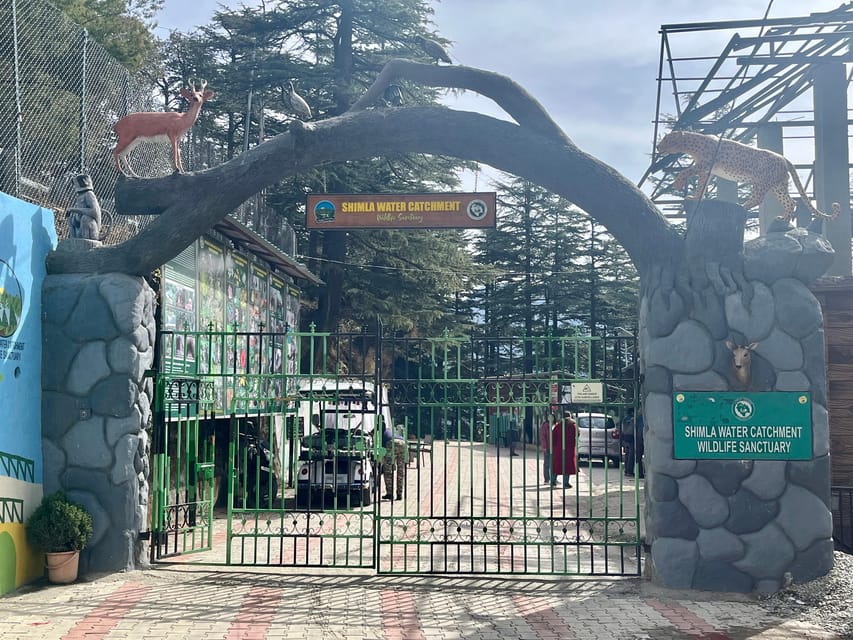
At about $26 per person, this tour is priced for value. You are not paying just for a walk in the woods. You are paying for a bundle of practical items: a private local guide, permit access to the sanctuary, and pickup and drop from a centrally located hotel.
You also get your movement choice included, either bicycle hire, an E-rickshaw, or a guided walk, plus access to hiking trails. For a half-day in an area that requires entry permission, that package can be a good deal.
The biggest “value risk” is not the price. It is your expectations for wildlife. If your goal is guaranteed animal sightings, you may feel disappointed. But if your goal is the protected catchment experience, off-road cycling, and learning how water storage and streams support Shimla, the value is solid.
Practicalities: timing, clothing, and what to bring
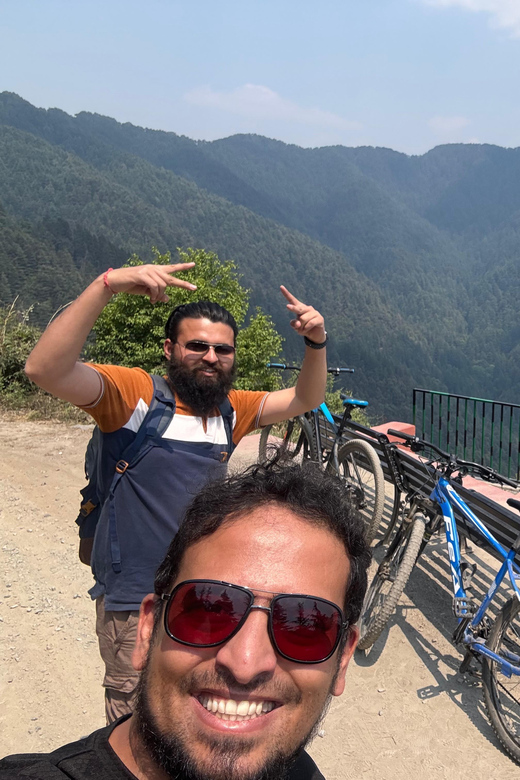
The tour runs Tuesday to Sunday from 10:00 to 16:00, and the sanctuary is closed on Mondays. So plan your Shimla days with that in mind. If your trip lands on Monday, you will need an alternate nature activity.
As for seasons, the best time to visit is listed as winter months (October to November) or April to mid-June. If you are traveling in those windows, the conditions are likely to be more comfortable for cycling and hiking.
Bring:
- Comfortable shoes for trails and stops
- Warm clothing, even if the day feels mild at pickup
- Camera for forest and stream views
- Food, snacks, and water for the tank break and between stops
Not allowed rules are strict: no pets, no smoking, no alcohol or drugs, no littering, no fireworks, no loud noise, and no party groups. These rules protect wildlife and keep the day peaceful.
Also, think about the physical side. The tour is not suitable for pregnant women and not suitable for people with back problems. If you have concerns, ask your guide what the day will feel like on the ground, based on the option you choose.
Who should book this Shimla nature tour?
This tour is ideal if you:
- Want to get out of Shimla crowds and into a protected forest environment
- Prefer guided learning over a self-guided wander
- Like cycling, or you want an easier nature experience via E-rickshaw
- Are interested in how water systems work in mountain cities, especially the catchment setup
It is also a good fit for couples and solo travelers who like quiet, structured time. If you are traveling with a friend, the private format makes it easy to match pace preferences.
If you are the type who needs constant thrills or guaranteed wildlife, consider that the sanctuary is meant to protect animals first. You might see wildlife, but the real payoff is the forest, the water system, and the quiet ride or walk.
Should you book it? My decision guide
Book this tour if you want a calm, half-day nature escape with real context. The combination of forest hiking, an actual water story at Seog Water Tank, and the option to ride makes it more than a generic nature walk. The fact that entry permits and a local guide are included adds real practical value.
Skip it if you are in Shimla on a Monday, or if you know you cannot handle uneven forest ground. And if your main goal is to tick off rare wildlife sightings, adjust your expectations. This sanctuary works because animals are allowed space, so the best experience comes from watching patiently, not hunting for moments.
If you want, tell me your travel dates and whether you prefer cycling, walking, or E-rickshaw, and I will help you choose the best option for your day in Shimla.
FAQ
Where does the tour take place?
The tour is in Shimla, Himachal Pradesh, and focuses on the Shimla Water Catchment and Wildlife Sanctuary.
How long is the guided tour?
It runs about 4 to 5 hours.
What kinds of transport or activity options are included?
You can do the experience with bicycle hire, an E-rickshaw ticket, or as a guided walk tour.
Is pickup and drop included, and where from?
Pickup and drop are included from a centrally located hotel in Shimla.
Is there a permit to enter the sanctuary?
Yes, the tour includes a permit to enter the sanctuary.
What are the opening hours and which day is closed?
Tuesday to Sunday it runs from 10:00 to 16:00, and the sanctuary is closed for visitors on Mondays.
What should I bring?
Bring comfortable shoes, warm clothing, a camera, and also food, snacks, and water.
What is not allowed during the tour?
Pets, smoking, alcohol and drugs, littering, fireworks, making noise, and party groups are not allowed.
What languages are the live guides?
The live tour guide is available in English and Hindi.
Recently added around Shimla & Manali
- Prashar Lake Trek★ 5.0 · 7 reviews
- Paragliding in Kullu Manali★ 4.0 · 7 reviews
- Private One Day Hiking Trip in Manali, Scenic Mountain Trail in Manali★ 5.0 · 13 reviews
- Tirath Expedition: Trek to the Tirath Hans Kund & Saketi Top(4280m)★ 5.0 · 9 reviews
- Nagtibba Trek (Pantwari to Pantwari)★ 5.0 · 39 reviews
- Dayara Bugyal and Surya Top Trek★ 5.0 · 10 reviews
- Shimla: Hiking Tour to Jakhu Hill with Local Guide★ 5.0 · 9 reviews
- Shimla: Guided Walk Tour-Heritage, Culture & Colonial Trail★ 4.7 · 28 reviews
Shimla & Manali Tours, compared.



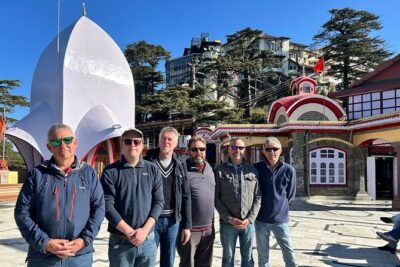
Shimla Private Guided Walk Tour exploring the colonial trails
Read our review →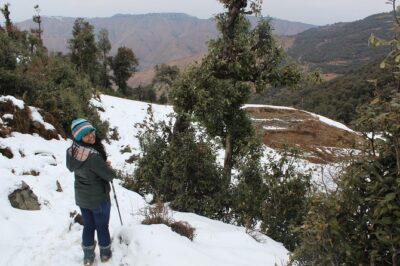

Shimla: Guided Walk Tour-Heritage, Culture & Colonial Trail
Read our review →
Private One Day Hiking Trip in Manali, Scenic Mountain Trail in Manali
Read our review →
Discover the Colonial Trails of Shimla- Guided Walking Tour
Read our review →Browse the lists this tour appears in