
Reviewed · HERITAGE WALKS
Raj Heritage Walk
Kolkata feels different when it is quiet. This Raj heritage walk is a 3 to 4 hour morning stroll that ties the city’s 19th century British landmarks to the stories behind them, from civic power to the darker parts of rule. I especially like the way you get guided storytelling you will not pick up on a solo walk, and the fact that coffee, tea, and bottled water are built into the tour.
One thing to consider: it is still a walking tour through central Kolkata, so you’ll want comfortable shoes and a willingness to start early if your slot lines up with the morning window.
In This Review
- Key things that make this walk worth your time
- Why a Raj Heritage Walk Works Better Than Just Sightseeing
- Getting to the Meeting Point Around Maidan (and Why It Matters)
- Walking Past the Town Hall Facade Like a Local Would
- The Black Hole Monument: History That Hits, Even When You Want It to Be Neat
- Writer’s Building: Where Colonial Power Looked Businesslike
- High Court: Understanding Authority as a Daily Presence
- Coffee, Tea, and Water, Plus the Comfort of a Small Group
- Finishing at the General Post Office in B.B.D. Bagh
- Price and Value: What $30 Really Buys You
- Who Should Book This Raj Heritage Walk
- Should You Book Raj Heritage Walk?
- FAQ
- Where does the Raj Heritage Walk start and end?
- How long is the tour?
- What is included in the price?
- Is hotel pickup and drop-off included?
- How big is the group?
- Is WiFi included?
- Is a mobile ticket provided?
- Do I have to pay tips during the tour?
- Can I cancel for a refund?
Key things that make this walk worth your time
- Town Hall, Writer’s Building, High Court, and the Black Hole monument in one connected route
- Small group size (max 7 travelers), which makes questions and side comments actually useful
- Coffee or tea plus bottled water so you can focus on the walk instead of hunting for snacks
- Hotel pickup and drop-off are optional (extra fee), and otherwise you meet near public transit
- A guided take on British India that connects buildings to traditions still visible today
Why a Raj Heritage Walk Works Better Than Just Sightseeing
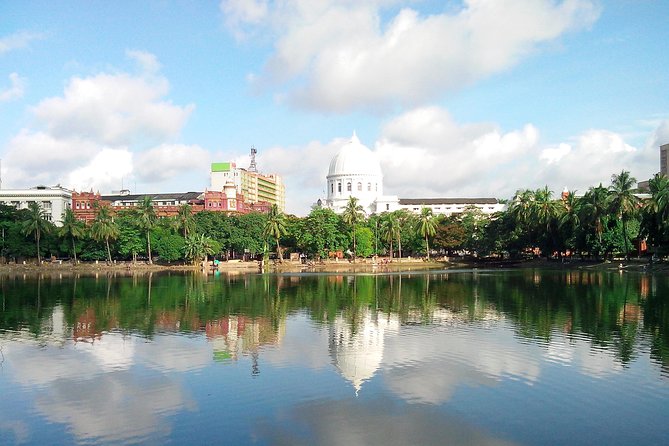
There is a reason this sort of tour hits harder than point-and-click tourism. Colonial era Kolkata can look like a lineup of impressive facades, but without context it is easy to miss what those buildings were for, and why certain stories linger.
On this walk, I like that the guide’s goal is not just to label what you are seeing. You’re hearing the “how and why” behind British rule in the city, with commentary on the civic and cultural routines that stuck around. That means when you stand in front of a landmark, you already have a mental frame for what to watch for, what to question, and what feels familiar for reasons you can explain.
The other practical win is the timing. The walk is designed as a morning experience, and multiple comments point to the charm of rising early when streets are calmer. You get better walking conditions, and you spend more of your time looking at the buildings and listening, instead of constantly navigating crowds.
More Walking Tours in Kolkata
- Confluence of Cultures – Bow Barracks to Burra Bazar Walk
★ 5.0 · 57 reviews - British Raj Heritage walk in Kolkata with guide
★ 5.0 · 54 reviews - Hello Calcutta Walk Tour
★ 5.0 · 34 reviews
Getting to the Meeting Point Around Maidan (and Why It Matters)
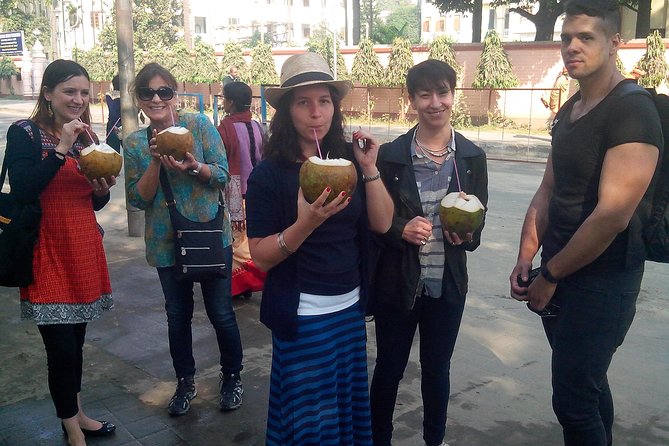
The start location is 11a, Esplanade East, near Tipu Sultan Masjid, in the Maidan area (also listed near Esplanade and Chowringhee North). The tour ends at the General Post Office on Netaji Subhas Road, in B.B.D. Bagh.
This area choice is smart. Maidan and B.B.D. Bagh are walkable and central, which helps you avoid a lot of “transportation time tax.” It also sets you up to focus on the architecture you came for, rather than spending the day commuting.
Two timing notes to plan around:
- The provided start time is 11a.
- The operating window listed runs from 6:30 AM to 9:30 AM, so your exact departure might vary by day.
So, check your confirmation for the specific time you are assigned. I’d also bring a light layer, because morning in Kolkata can feel cool enough to catch you off guard, then warm up quickly once you’re moving.
If you are relying on transit, the tour says it is near public transportation, and that matters. When a meeting point is easy to reach, you lose less time to last minute stress.
Walking Past the Town Hall Facade Like a Local Would
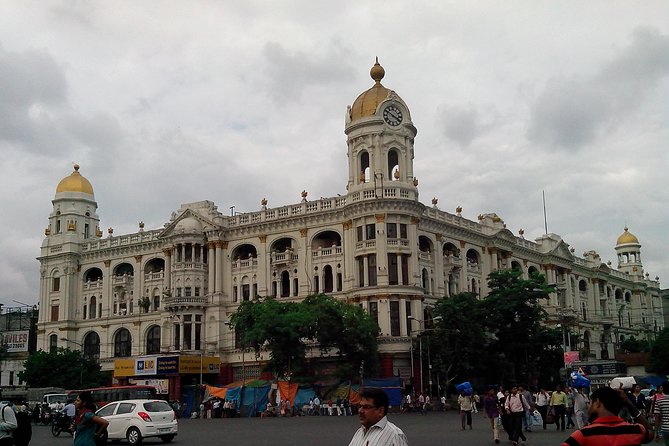
One of the landmark stops you can expect on this tour is the Town Hall. Even if you have seen government and colonial buildings before, Town Hall is a good anchor point because it represents the British civic mindset. It is a place where authority presented itself as orderly, official, and permanent.
What I like about this stop on a guided heritage walk is the attention to the small cues. You are not just looking for “old architecture.” The storytelling helps you connect the building to the kind of governance the British used in Kolkata, and how those structures shaped daily life around them. You also get a chance to slow down long enough to read the facade and notice features you would normally pass by while trying to beat traffic.
A practical tip: take a moment at the building edge, not in the middle of foot traffic. You’ll hear the story better, and you’ll be less likely to get jostled while trying to take photos.
The Black Hole Monument: History That Hits, Even When You Want It to Be Neat
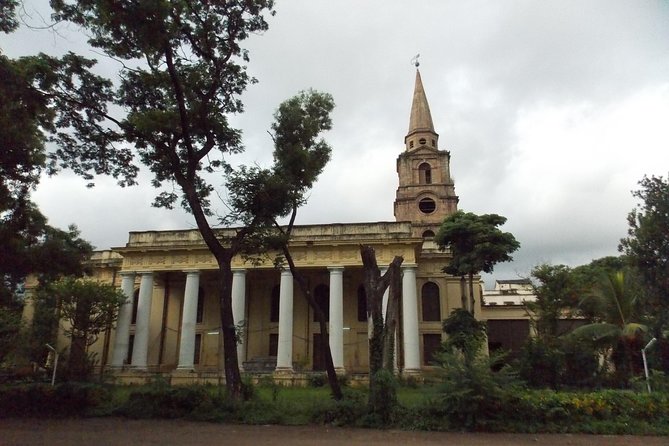
Another key highlight is the Black Hole monument. It is one of the city’s most famous symbols tied to British-era narratives, and it is exactly the kind of stop that benefits from a guide.
The reason is simple. This isn’t a “pretty photo” location. It is tied to a story about punishment, confinement, and how power uses fear and spectacle. On this walk, the explanation aims to help you understand what the British ruled through, and how those stories became part of Kolkata’s long memory.
Even if you have heard the basic name before, a guided approach helps you contextualize it inside the broader colonial presence, rather than treating it like a stand-alone shock moment. That makes the stop more useful, and less like a quick headline you forget as soon as you move on.
More Heritage walks in Kolkata:
- Kolkata: Guided Heritage Walking Tour
★ 4.6 · 23 reviews - Fontainhas Heritage Walk by Make It Happen
★ 5.0 · 2,834 reviews - The Great Indian Food Tour: Old Delhi Food and Heritage Walk
★ 5.0 · 1,698 reviews - Old Goa Heritage Walk by Make It Happen
★ 5.0 · 797 reviews
Writer’s Building: Where Colonial Power Looked Businesslike
You also visit Writer’s Building. This one matters because it feels like the administrative heart of colonial Kolkata. If you want to understand British rule beyond ceremonies and monuments, this is the kind of landmark that explains the day-to-day machinery.
On a walking tour format, Writer’s Building is valuable because you can see it as part of a larger “power corridor.” The guide’s narrative connects what you are seeing now with how the city’s institutions operated under British administration. You start to notice how the built environment supports authority: formal entrances, strong lines, and a sense that decisions happen behind official walls.
If you like history that connects to systems, not just famous events, you’ll probably enjoy this stop a lot. You get the story of empire as something practical, organized, and routine.
High Court: Understanding Authority as a Daily Presence
The walk includes the High Court. A court building is not just architecture, it is an idea made visible. It signals law, legitimacy, and the promise of procedure.
The guide’s focus here is what you would miss alone: how British governance shaped institutions, how those institutions influenced local life, and why certain traditions still show up in the city’s identity. This is where the tour moves from “what happened” to “what lasted,” and that shift is the real value.
A useful mindset for this stop: look at the building the way people in its era would have. What would have felt official? What would have felt untouchable? Once you frame it that way, you understand why the British left more than monuments behind.
Coffee, Tea, and Water, Plus the Comfort of a Small Group
In the middle of the walking rhythm, you get coffee and/or tea, plus bottled water. That is not a luxury add-on, it’s smart planning for a 3 to 4 hour morning walk. When you are not thinking about where your next drink will come from, you can stay focused on the guide’s thread.
The group size is maximum 7 travelers. That small number changes the experience. You’re more likely to hear answers clearly, and you can ask about what you are actually seeing, not just generic questions. Several glowing comments highlight how engaging the guide’s narration is, and there is even a specific name showing up in the best feedback: Kaushik. If you’re lucky enough to be assigned to him, the vibe is that history is told as something you can understand, not a dusty textbook recap.
Finishing at the General Post Office in B.B.D. Bagh
The tour ends at General Post Office, Netaji Subhas Rd, Fairley Place, B.B.D. Bagh. Ending here is a good choice because post, communication, and administration were central to how the colonial system functioned. A place like this tells you that rule was not only about power, it was about connecting people and managing information.
By the time you reach the end point, you likely have a clearer mental map. You start to see the city as a network of institutions: civic, legal, administrative, and communicative. That is exactly the kind of takeaway that makes a heritage walk worth repeating in your own notes later.
Also, having the walk end at a major landmark makes it easier to continue your day. You are in a central area, so you can shift from “history mode” to “what should I eat and see next” without backtracking.
Price and Value: What $30 Really Buys You
The price is listed as $30 per person for the walking experience. For a city where guided heritage tours can vary wildly, the key value drivers here are the small group and the built-in refreshment.
You are also not paying for separate add-ons like bottled water, coffee, or tea. The tour says all fees and taxes are included, and you get mobile ticket access.
One more value point: the tour includes hotel pickup and drop-off only as an extra fee. That means you can keep it budget friendly by meeting at the main start point. If you do want the pickup, at least it is optional, not forced.
So when I think about value, I compare what you would otherwise spend on:
- a guide with small-group access
- refreshments for a morning outing
- time saved by having a coherent route
For $30, this is the kind of deal that tends to work best if you enjoy guided interpretation and you want more than a photo route.
Who Should Book This Raj Heritage Walk
This tour is best for you if:
- You like colonial era architecture, but you also want the “why,” not just the “what.”
- You want a morning plan in central Kolkata with a manageable route and a small group.
- You enjoy asking questions and getting answers in the moment, because the group stays small.
- You want a fresh lens on Kolkata that makes places feel connected instead of random.
You might skip it if:
- You dislike walking for 3 to 4 hours.
- You are expecting a museum-style experience with lots of indoor time, because this is a street level heritage walk.
Should You Book Raj Heritage Walk?
If you want an honest, practical way to see British-era Kolkata beyond sightseeing snapshots, I would book this. The mix of major landmarks like Town Hall, Writer’s Building, High Court, and the Black Hole monument, paired with coffee, tea, and bottled water, makes it feel thoughtful rather than rushed. And with a small cap on the group size, you are more likely to get real storytelling, not just a lecture while people struggle to hear.
My one caution is timing and energy. Confirm your exact start time, wear comfortable shoes, and plan for a morning outing. If you do that, you’ll finish the walk with a better understanding of what shaped the city, and how that influence still shows up in the streets you see afterward.
FAQ
Where does the Raj Heritage Walk start and end?
It starts at 11a, Esplanade East, near Tipu Sultan Masjid in the Maidan area. It ends at the General Post Office on Netaji Subhas Rd, Fairley Place, in B.B.D. Bagh.
How long is the tour?
The duration is approximately 3 to 4 hours.
What is included in the price?
Included items are coffee and/or tea, bottled water, and all fees and taxes.
Is hotel pickup and drop-off included?
Pickup is offered, but hotel pickup and drop-off are extra.
How big is the group?
The tour has a maximum of 7 travelers.
Is WiFi included?
No, WiFi on board is not included.
Is a mobile ticket provided?
Yes, the tour uses a mobile ticket.
Do I have to pay tips during the tour?
Gratuities are not included, so any tipping is up to you.
Can I cancel for a refund?
Yes, you can cancel for a full refund if you cancel at least 24 hours before the experience’s start time.
More Historical Tours in Kolkata
- Kolkata Heritage Tram Tour
★ 4.0 · 395 reviews - Old Delhi Food, Heritage&Cultural Walk with Rickshaw ride to Masterji Kee Haveli
★ 5.0 · 742 reviews - Fontainhas Heritage Walk At Latin Quarters of Goa
★ 5.0 · 531 reviews - Blue City Heritage Private Walking Tour With Pickup and Drop-Off
★ 5.0 · 441 reviews
Recently added around Kolkata
- Kolkata: Spiritual World of Kolkata Sightseeing Tour★ 4.8 · 7 reviews
- Kolkata Midtown Madness- A Street Food & Nightlife Tour★ 4.9 · 49 reviews
- Bengali Nights Kolkata Food Tour with 13+ Tastings★ 4.8 · 70 reviews
- Kolkata: Full-Day Spirituality & Temples Tour★ 4.4 · 18 reviews
- Kolkata: Guided Heritage Walking Tour★ 4.6 · 23 reviews
- Kolkata: Private Tour of City of Joy with Licensed Guide★ 4.8 · 7 reviews
- Build Your Own: Customizable Private Tour of Kolkata★ 4.6 · 28 reviews
- Kolkata Morning Culture Tour- Chasing The Sun★ 4.8 · 27 reviews
Heritage Walks, compared.
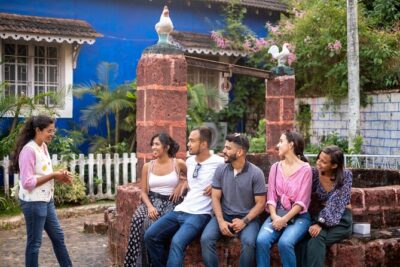
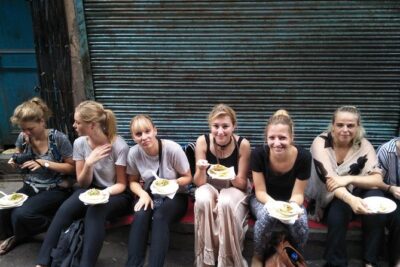
The Great Indian Food Tour: Old Delhi Food and Heritage Walk
Read our review →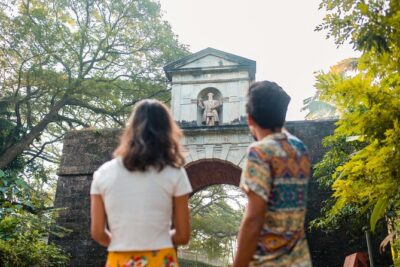
Fontainhas Heritage Walk At Latin Quarters of Goa
Read our review →
Private Heritage Walking Tour in Jaisalmer Fort and Old Bazaar
Read our review →
Panaji: Heritage Walk through Goa’s Latin Quarter
Read our review →
Browse the lists this tour appears in