

Reviewed · DHARAVI SLUM TOURS
Private Tour in Mumbai Slum with Sightseeing
Two Mumbai realities in one day.
This private tour links Dharavi Slum learning with Dhobi Ghat outdoor laundries, then rolls into the big sights like Gateway of India and Chhatrapati Shivaji Terminus. I like that it runs in a private air-conditioned vehicle with pickup, so you are not fried by Mumbai traffic time. I also like the purpose element, since a large portion of profits is reinvested in Dharavi through Dharavi Travel.
The main thing to consider is emotional and physical weight. Dharavi is educational and real-life, and the day is about several neighborhoods and landmarks, so you should be ready for some walking and a moderate fitness level. Also, your schedule includes multiple stops, so if you want zero detours, tell your guide what you prefer early.
In This Review
- Key points to know before you go
- How This Private Mumbai Day Works (and Why It Feels Different)
- Entering Dharavi Slum: Daily Life, Small Work, and Real Social Questions
- Dhobi Ghat Outdoor Laundromat: How the System Works
- Antilia and the Framing of Mumbai’s Inequality
- Banganga and Jain Temple: Spiritual Sites With Story-First Explanations
- Banganga Tank
- Jain Temple – Mumbai
- Mani Bhavan Gandhi Museum and Crawford Market: Ideas and Everyday Commerce
- Chhatrapati Shivaji Terminus and Gateway of India: Two Icons, Two Kinds of Grandeur
- Chhatrapati Shivaji Terminus (CST)
- Gateway of India
- Kamala Nehru Park: The Shoe-Shaped Viewpoint and a Breather
- Price and Value: Why $61.37 Can Actually Add Up
- The Guide Makes the Difference, So Ask for Your Style
- Who This Tour Is Best For (and Who Might Want a Different Plan)
- Before You Go: Small Details That Keep the Day Smooth
- Should You Book This Private Mumbai Slum Plus Landmarks Tour?
- FAQ
- What is included in the tour price?
- Are admission tickets included for all stops?
- Is pickup included?
- Is this tour private or shared?
- How long is the tour?
- Does the tour require good weather?
- Is tipping included?
Key points to know before you go
- 3 hours in Dharavi, with an on-the-ground look at neighborhoods and small-scale industries
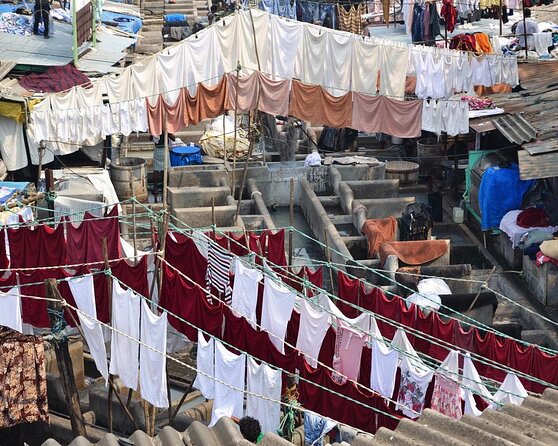
- Dhobi Ghat for 1 hour, where color-coded wash pens make the open-air system easy to follow
- Outside-view architecture stops, including Antilia (no admission) plus multiple religious and cultural sites
- A strong guide factor, with English explanations and local context highlighted in past experiences
- Admissions included for Dharavi and Dhobi Ghat, helping the day feel better value than a pure sightseeing day
How This Private Mumbai Day Works (and Why It Feels Different)
This is a full-day, about 8 hours, with private transportation and pickup. That matters in Mumbai because travel time can eat your day fast, especially around busy corridors and landmark clusters. Having one air-conditioned vehicle and one group means you can actually keep moving without feeling like you are doing a frantic hopscotch of taxis.
The plan also gives you a rare combo: you see Mumbai’s tourist face, then you shift gears into how people live and work in Dharavi and at Dhobi Ghat. It is not just photo stops. You get time to ask questions, and the pacing is built around stopping long enough to make each place make sense.
A final note I appreciate: this tour is designed to be customizable. Past groups mention that guides adapted the route based on what people wanted, so you are not locked into a rigid script if you have a clear preference, like more history or more local life.
A few more Dharavi Slum tours around Mumbai:
- Dharavi slum tour in Mumbai by Female tour guides of the slum
★ 5.0 · 1,976 reviews - Mumbai: Dharavi Slum, DhobiGhat, and Dabbawallas Tour
★ 4.9 · 689 reviews - Dharavi Slum Tour
★ 5.0 · 625 reviews
Entering Dharavi Slum: Daily Life, Small Work, and Real Social Questions
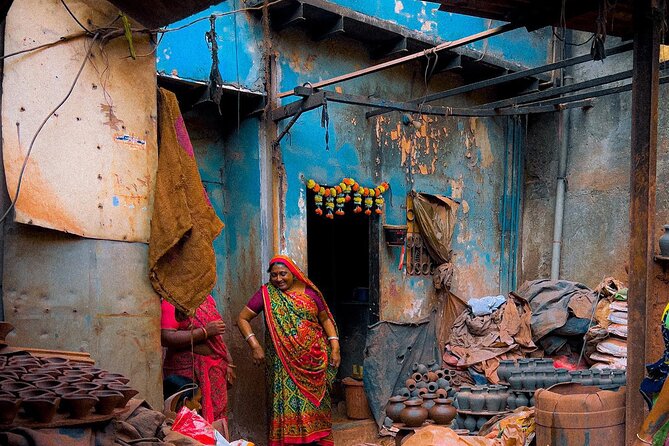
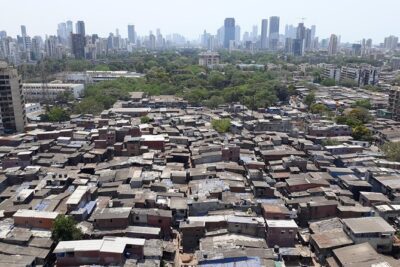
Your first major block is Dharavi, about 3 hours, with an admission ticket included. Dharavi is often described as the largest slum in India, but what this visit is really about is how communities function inside it. You go through different neighborhoods and talk about everyday life and social issues people deal with, not just the headline label.
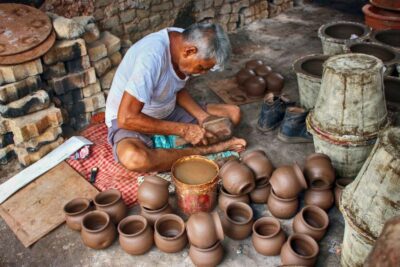
The value here is perspective. Dharavi is not a single scene. It is many micro-communities, and the tour format helps you see why people’s days look the way they do, including the small-scale industries that keep local livelihoods going. One review experience specifically highlighted leather-making as a topic, along with a mix of residential and school areas, and that kind of variety is exactly what makes this time worthwhile.
Who guides this matters a lot. In past trips, locals such as Sajid and Abhi (and other guides named like Bala and Suraj) have been praised for clear English and for explaining life and industries in a way that felt respectful rather than sensational. If you care about tone, you will want a guide who can talk about both the hard parts and the everyday momentum people keep.
Practical consideration: Dharavi visits can be intense. I recommend you mentally plan for the emotional side, not just the sights. If you get uncomfortable with tough topics, this tour may still be meaningful, but it will feel heavy.
Dhobi Ghat Outdoor Laundromat: How the System Works
Next you head to Dhobi Ghat for about 1 hour, and the admission ticket is included. This is one of the world’s largest outdoor laundry facilities, and the best part is how the place operates as a working system you can observe. Color-coded wash pens and the way work passes through families, generation to generation, are key details your guide will help you connect.
This stop is a great counterpoint to Dharavi. It still shows local work, but the focus shifts to visible routines and the choreography of the laundry process. If you like small details that make a place feel understood, Dhobi Ghat usually delivers. You can watch how the space is organized and why the operation looks the way it does.
One practical thing: even though it is a shorter stop, it is still outdoors and very much a working environment. Plan for the reality of the space, and keep your expectations grounded in observation rather than museum-style explanations.
Antilia and the Framing of Mumbai’s Inequality
After Dhobi Ghat, the tour swings toward major landmarks and architecture, starting with Antilia for about 30 minutes. Antilia is described as one of the world’s most expensive private residences and a modern architectural marvel, but this stop is typically more about the sight and context than admission access, since admission is not included.
Why it is on the list makes sense when you think about the day’s theme. You are not just hopping between points of interest. You are being shown how wealth and extreme cost can sit near places shaped by survival and local enterprise. Even if you spend only a half-hour here, it changes how you interpret what you saw earlier.
Consideration: it can feel like a sharp contrast. Some people love that jolt because it makes the inequality theme impossible to ignore. Others prefer a smoother tone. If you fall in the second group, tell your guide how you want the pacing to feel.
A few more Mumbai days to compare
- Mumbai: Full-Day Sightseeing Tour of Mumbai
★ 4.9 · 1,822 reviews - Private Mumbai Sightseeing Tour (Traveller’s Choice Award Winner)
★ 5.0 · 1,565 reviews - Elephanta Caves & Island Guided Private Tour
★ 5.0 · 1,327 reviews - Group Guided Walking Tour in Fort and Colaba
★ 5.0 · 1,073 reviews
Banganga and Jain Temple: Spiritual Sites With Story-First Explanations
You get two religious and cultural stops close together.
Banganga Tank
Banganga is about 30 minutes and is free to visit. The story centers on Lord Rama, who is said to have shot an arrow into the ground, creating the tank. The name is explained as coming from Ban (arrow) and Ganga (river). That kind of origin story is not just trivia. It gives you a reason to look at the site as something layered with meaning, not just a stop along a route.
Jain Temple – Mumbai
Then you visit a Jain Temple for about 30 minutes, also free. Jainism is a minority religion in India, but it has a strong cultural influence, especially around non-violence and spiritual enlightenment. In a past experience, the guide even covered the third sect of Jainism, which shows the temple stop can turn into a real education segment, not just a quick look at architecture.
If you are the kind of person who likes learning what people believe and why it shapes everyday choices, this stop is a good fit. If religion is not your focus, you can still treat it as cultural context for understanding Mumbai’s social fabric.
Mani Bhavan Gandhi Museum and Crawford Market: Ideas and Everyday Commerce
Next comes Mani Bhavan Gandhi Museum, about 30 minutes and free. Mani Bhavan connects directly to Mahatma Gandhi’s legacy and the non-violent movement, including civil disobedience. This stop works well after the earlier contrast points because it shifts the day into ideas and historical decisions that shaped India’s future.
Then you visit Crawford Market for about 30 minutes, also free. This is described as a historical landmark tied to Mumbai’s commercial and cultural diversity. It is not presented as a fancy museum stop. It is more like a place where you can understand the city through commerce and street-level movement.
A key value here is variety. You go from spiritual and political context to the pulse of buying and selling. If you like travel that feels like moving through real neighborhoods, Crawford Market helps keep the day grounded.
Chhatrapati Shivaji Terminus and Gateway of India: Two Icons, Two Kinds of Grandeur
Two of Mumbai’s biggest landmarks are on the list.
Chhatrapati Shivaji Terminus (CST)
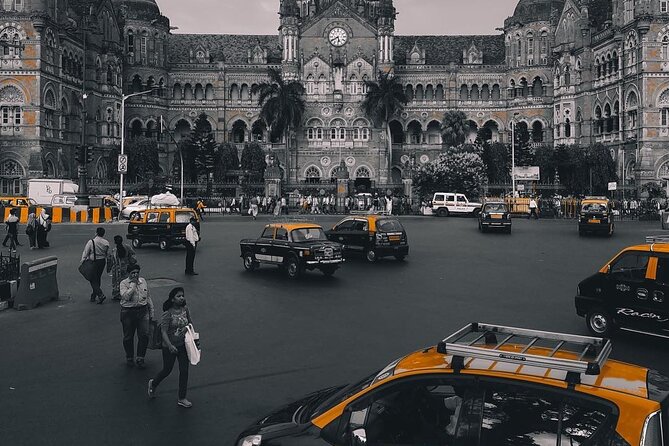
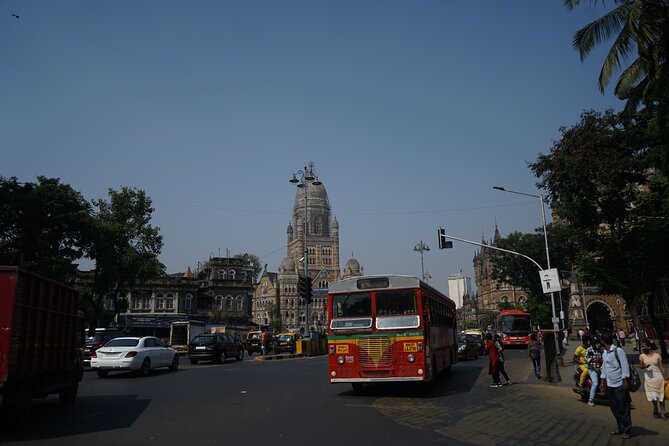
Chhatrapati Shivaji Terminus is about 30 minutes and free. It is framed as an architectural gem and a living testament to colonial legacy. More importantly, it is a working transportation hub, so it stays alive rather than feeling frozen in time.
If you enjoy architecture and how cities function through infrastructure, CST is a strong final anchor before the waterfront-era sights.
Gateway of India
Then you visit the Gateway of India for about 30 minutes, free. It is presented as a symbol of Mumbai’s history, independence, and city grandeur. You get a sense of why this site became a landmark, especially when you pair it with the day’s earlier stops.
Kamala Nehru Park: The Shoe-Shaped Viewpoint and a Breather
You end with Kamala Nehru Park for about 30 minutes. Admission is not included. This park is known for its distinctive layout that resembles a giant shoe, representing the footwear of Mother Earth. From the top of the shoe, you can enjoy panoramic views, including sights such as Marine Drive.
This stop is a nice change of pace. After the closeness of neighborhoods and the dense energy around landmarks, the park gives you a view that helps you reorient Mumbai as a whole.
Practical tip: since admission is not included, check whether you will need to pay on-site for access. Your guide should be able to point you to the right area when you arrive.
Price and Value: Why $61.37 Can Actually Add Up
At about $61.37 per person for an 8-hour private tour, the headline price is only part of the story. What makes it feel fair is the package you get:
- Private air-conditioned vehicle with pickup, which saves you time and stress
- Water bottle included
- Admissions included for Dharavi and Dhobi Ghat, which are two of the most expensive segments to do as standalone entries
- A full day of multiple major sights, not just one neighborhood
Also, this tour is a private experience, meaning only your group participates. That matters if you want questions answered in real time, or if you prefer a steady pace you can adjust.
What could change the value for you is your style. If you love only famous monuments and skip the local-life parts, you might feel the focus is too broad. But if you want Mumbai in contrast mode, the day’s structure is the point.
One extra upside: the tour notes group discounts. If you are traveling with family or friends, the price per person can be easier to justify.
The Guide Makes the Difference, So Ask for Your Style
Most of the strongest praise centers on guides doing two things well: clear explanations and respectful storytelling. Guides named in past experiences include Sajid, Abhi, Bala, Suraj, Jeeta, Jwetu, Hitesh Vaidya, and Sufiyan. People highlighted strong English and a focus on real-life detail, including school life, industrial work, and community organization.
If you have preferences, you can act on them. One piece of advice that came up clearly: if you want a history-heavy route, tell your guide in advance. There can be stops that feel more like shop time, and that can distract from pure sightseeing if you do not plan for it. The best way to protect your day is to set expectations early, and ask for the schedule to prioritize the sights you care about.
The driver also gets credit in multiple accounts for handling Mumbai traffic smoothly. That matters because if the driving is stressful, the day feels longer, even when the itinerary length is the same.
Who This Tour Is Best For (and Who Might Want a Different Plan)
This tour is a smart pick if you want three things at once:
- Local life with context, especially through Dharavi and Dhobi Ghat
- Major landmarks in one day, including Gateway of India and CST
- A private format that lets you adjust the pace to your interests
It also fits solo travelers well, since private tours are not diluted by random group energy. If you are traveling with family, it can work too, but the moderate physical fitness requirement is your cue. Plan for some walking and standing around active public places.
I would consider a different tour if you dislike contrast. This itinerary intentionally juxtaposes extremes, from everyday local enterprise to high-cost private architecture. If you want a gentler, only-tourist route, you might find the day emotionally sharp.
Before You Go: Small Details That Keep the Day Smooth
A few practical points based on the tour setup:
- The tour runs outdoors for at least parts of Dharavi and Dhobi Ghat, so good weather matters. The experience requires good weather.
- You need moderate physical fitness, so plan for a day with movement, not just sitting in a vehicle.
- Pickup is offered, and a driver is part of the package, which helps you stay on schedule through multiple stops.
- Admission tickets are included for Dharavi and Dhobi Ghat, while some later stops like Kamala Nehru Park and Antilia do not include admission.
Finally, plan for tipping. Tips are listed as not included, so budget a little for the guide and driver if you feel the service was strong.
Should You Book This Private Mumbai Slum Plus Landmarks Tour?
If you want Mumbai that includes both the famous skyline moments and the daily-work reality that built the city’s economy, book this. The combination is efficient, you get private comfort with AC, and the two key learning stops have admissions included. The guide quality is clearly a highlight, with past experiences praising clear English and a respectful tone.
If your idea of a perfect day is only photo-worthy monuments with minimal human context, you might feel the Dharavi and Dhobi Ghat time is too much for your style. In that case, message your preferences up front so the guide can steer the route toward what you want most.
FAQ
What is included in the tour price?
The tour includes a water bottle and an air-conditioned vehicle. Admission tickets are included for Dharavi and Dhobi Ghat.
Are admission tickets included for all stops?
No. Admission is not included for Antilia and Kamala Nehru Park, while Banganga, the Jain Temple, Mani Bhavan Gandhi Museum, Crawford Market, Chhatrapati Shivaji Terminus, and Gateway of India are listed as free.
Is pickup included?
Yes. Pickup is offered, and the day is done in a private air-conditioned vehicle.
Is this tour private or shared?
This is a private tour/activity. Only your group will participate.
How long is the tour?
The duration is about 8 hours.
Does the tour require good weather?
Yes. The experience requires good weather, and if it is canceled due to poor weather, you will be offered a different date or a full refund.
Is tipping included?
No. Tips are not included.
Recently added around Mumbai
- South Mumbai: Cultural Heritage Walking Tour★ 4.8 · 45 reviews
- Mumbai: Local Markets & Temples Tour★ 4.6 · 45 reviews
- South Bombay Live Walking Tour★ 4.9 · 11 reviews
- Mumbai: Same Day Tour of Ajanta & Ellora Cave’s★ 5.0 · 7 reviews
- Private Mumbai Highlights Tour (5 Hours)★ 4.9 · 46 reviews
- Private Dharavi Slum Tour★ 5.0 · 13 reviews
- Night Tour: Mumbai’s Nights & Buzzing Bazaars★ 5.0 · 7 reviews
- Mumbai:Dhobi Ghat Laundry,Dharavi Slum & Flower market Tour★ 5.0 · 12 reviews
Dharavi Slum Tours, compared.
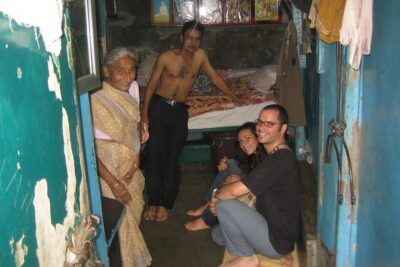
Dharavi slum tour in Mumbai by Female tour guides of the slum
Read our review →

Dharavi Slum Slumdog Millionaire Tour with a Local
Read our review →
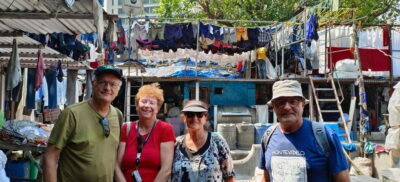
Dhobi Ghat Laundry and Dharavi Slum Tour with Local
Read our review →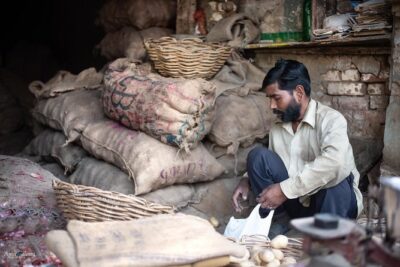
Browse the lists this tour appears in