
Reviewed · DHARAVI SLUM TOURS
Private Slumdog Millionaire Tour in Dharavi with Slum Visit
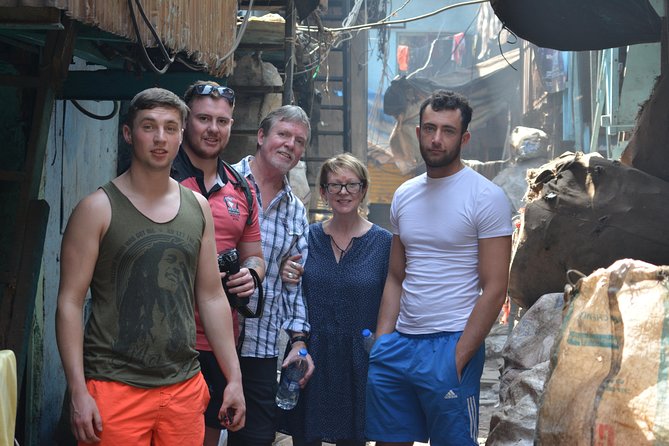
Walking Dharavi is not like seeing Mumbai from a bus window. This private tour pairs real-world street-level industry with a guided look at how people live, including parts tied to Slumdog Millionaire. I love the private, English-speaking guidance and the focus on everyday recycling and small workshops. One thing to consider: it is a walking visit through tight lanes and active workspaces, so you should expect a more intense sensory experience than a typical sightseeing stop.
You start in the Mahim area and head into Dharavi on foot, which keeps the route flexible and personal. The biggest value here is that you get a human explanation for what you’re seeing, including how commercial work and residential neighborhoods connect.
In This Review
- Key things you’ll notice on this private Dharavi tour
- Why a private Dharavi walk feels more real than a quick stop
- Meet near Mahim, then get moving on foot
- Commercial Dharavi: recycling work you can actually picture
- Residential Dharavi: narrow lanes, culture, and schools
- Guides you’ll remember: Pooja, Ravi, Bulgi, Hasan, and Chirag
- Safety, comfort, and the sensory side of Dharavi
- Slumdog Millionaire connection, without turning it into a gimmick
- Price and value: what $37.20 gets you
- Who should book this tour?
- Tips to get more out of it
- Potential hiccups, and how to protect your day
- Should you book this Dharavi private tour with Magical Mumbai Tours?
- FAQ
- How long is the Dharavi private slum tour?
- Is this tour private or shared?
- Where do we meet for the tour?
- Is pickup available?
- What is included in the tour price?
- Is this a walking tour?
- Do I need to speak English?
- Are service animals allowed?
- What is the cancellation policy?
Key things you’ll notice on this private Dharavi tour
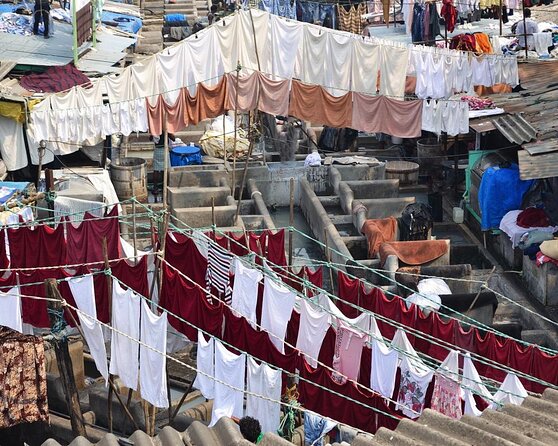
- A true private group, so your pace and questions drive the experience.
- Commercial Dharavi first, with clear examples of recycling and small manufacturing.
- Residential Dharavi next, including narrow alleys, local culture, and schools.
- Guides with local connections, including people like Pooja and Ravi who explain the area with context.
- Wear comfy shoes, because you’ll be walking through cramped paths and busy lanes.
Why a private Dharavi walk feels more real than a quick stop
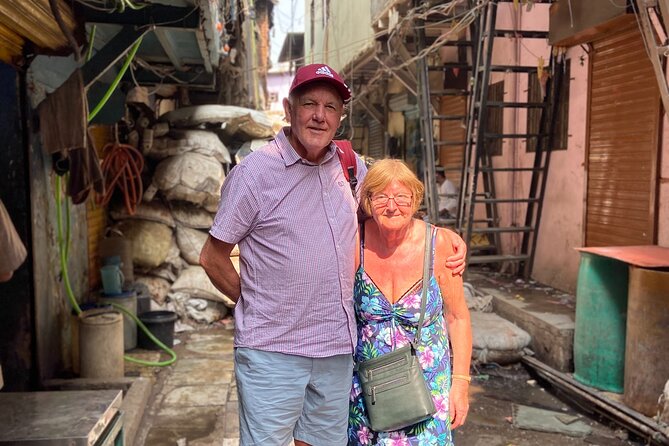
Dharavi often gets described in big numbers and dramatic headlines. This tour works because it flips that around, trading broad stereotypes for specific, workable details you can actually understand while you’re standing there. In about 3 hours, you go from industrial activity to daily life, instead of staying stuck in one view of the place.
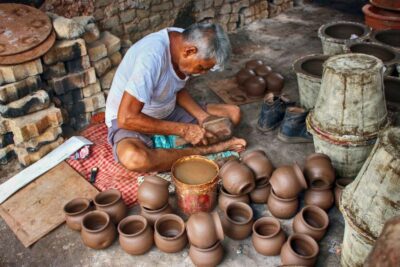
A big part of the appeal is the balance between production and people. You’ll see how materials are handled and turned back into usable products, then you’ll move into the residential side to understand how families live with that same level of activity all around them. It’s not staged in the way a typical attraction can feel, and that makes it easier to treat the visit with respect, curiosity, and care.
You’ll also get the “why now” of Dharavi. It’s described as a place of innovation and creativity, even though circumstances are tough. The tour’s structure helps you understand that this is not only about survival. It is also about work systems, skills, and local routines that keep going day after day.
A few more Dharavi Slum tours around Mumbai:
- Dharavi slum tour in Mumbai by Female tour guides of the slum
★ 5.0 · 1,976 reviews - Mumbai: Dharavi Slum, DhobiGhat, and Dabbawallas Tour
★ 4.9 · 689 reviews - Dharavi Slum Tour
★ 5.0 · 625 reviews
Meet near Mahim, then get moving on foot
The meeting point is in the Mahim area, at Third Wave Coffee on Senapati Bapat Marg, near Mahim Railway Station in Dharavi. The tour ends back at the meeting point, so you are not left trying to navigate the area after the walking.
You should plan for this as a walking tour. The guidance clearly points you toward comfortable shoes, and that’s smart. The route includes very narrow allies, which means you’ll likely be moving slowly at times, stepping around foot traffic, and staying aware of where you put your hands and where you look.
If you have mobility limits, this is one of those tours where you’ll want to think carefully. The experience is built around getting close to both work areas and neighborhood lanes, so you won’t get the same comfort you might on a seated ride.
Commercial Dharavi: recycling work you can actually picture
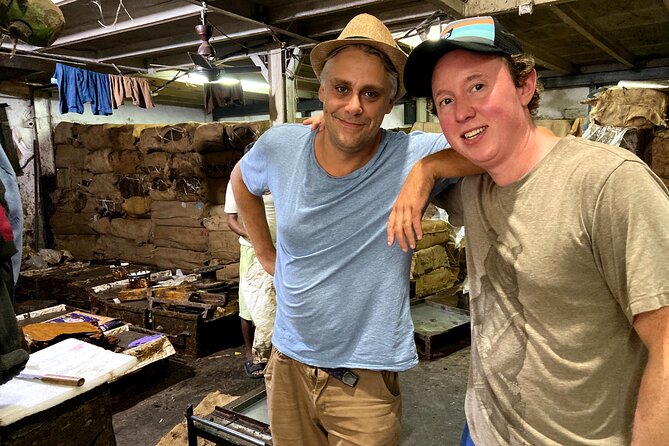
The tour’s first section goes into commercial Dharavi, and it starts with a guided look at recycling. You’re not just told that materials are reused. You’re led through specific examples of what’s handled and turned into something new.
Expect to see details tied to:
- Plastic recycling
- Aluminum recycling
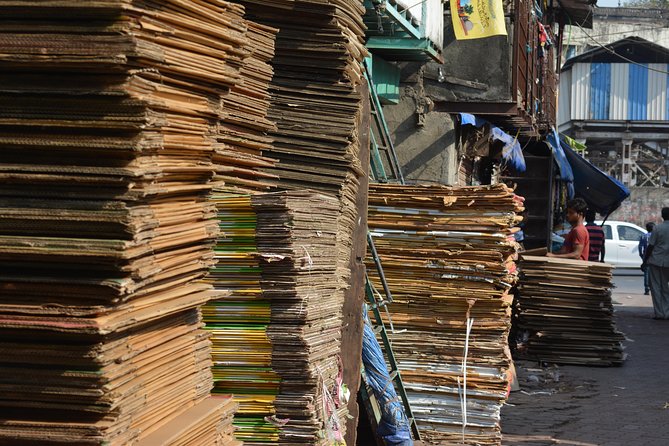
- Paper and cardboard recycling
- Oil paint can recycling
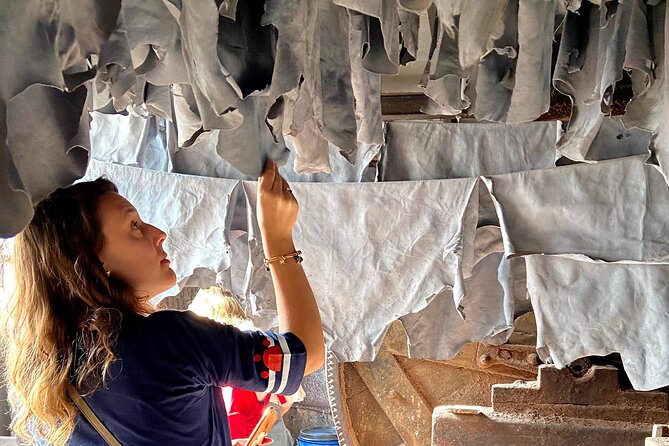
- Leather factories
- Luggage bag manufacturing factories
- Bakeries
- Clothing industries
That list matters because it signals the tour’s goal: you’re building a mental map of how materials travel through the neighborhood. You’ll likely hear how plastic gets processed into forms that can be used again, how different material streams get separated, and why certain crafts and shops cluster where they do.
One theme that comes through in the way guides explain the area is patience with questions. Guides like Pooja are singled out for making the tour engaging and for taking time while the group watches and asks. That kind of guidance helps you connect the dots instead of just reacting to what looks unfamiliar.
There’s also a realism factor. These are working spaces. Even when you are moving through them as a visitor, the environment reflects ongoing business, not a museum display. That’s one reason some people find the experience surprising in the best way, after arriving with worries about how it might feel.
Residential Dharavi: narrow lanes, culture, and schools
After the commercial side, you shift into residential Dharavi, where the experience changes pace. You’ll be taken through very narrow alleys, and the emphasis becomes how people live, move, and build community in close quarters.
In this section, you should expect:
- A walk through tight neighborhood paths
- Local culture you can see in everyday routines
- Stops or explanations connected with schools
This is where the tour becomes more than observation. Guides help you understand that the residential area is not isolated from work. Housing, education, and community life are happening alongside the industries you saw earlier. The connection is what turns “sights” into meaning.
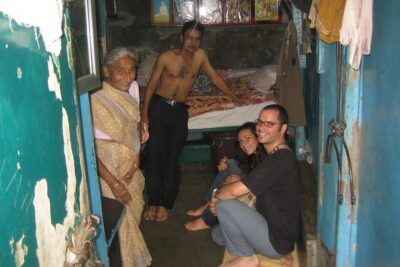
A memorable part from the guide experiences shared with the tour provider is that at least one guide showed their own home, which instantly changes how you experience the visit. When the guide has a personal stake, it makes the explanations feel less like a script and more like lived knowledge.
A few more Mumbai days to compare
- Mumbai: Full-Day Sightseeing Tour of Mumbai
★ 4.9 · 1,822 reviews - Private Mumbai Sightseeing Tour (Traveller’s Choice Award Winner)
★ 5.0 · 1,565 reviews - Elephanta Caves & Island Guided Private Tour
★ 5.0 · 1,327 reviews - Group Guided Walking Tour in Fort and Colaba
★ 5.0 · 1,073 reviews
Guides you’ll remember: Pooja, Ravi, Bulgi, Hasan, and Chirag
This tour leans heavily on your guide, and the names that show up most often are Pooja and Ravi, with additional standout mentions of Bulgi. There’s also Hasan, noted for being a safe driver and for arriving on time.
A key difference you should look for in your guide is how they handle your questions. Several comments emphasize that guides didn’t rush. They answered carefully, explained recycling steps, and kept the walking route feeling organized and safe.
One particularly interesting detail is the involvement of younger local voices. Chirag, described as an 18-year-old student from the slum area, is mentioned as an engaging guide who can handle big questions from curious groups. If you like a mix of local honesty and clear explanations, you might find that energy appealing.
Bottom line: this is a tour where the guide is not a background accessory. They are the reason the experience makes sense.
Safety, comfort, and the sensory side of Dharavi
You should go in with realistic expectations. The tour includes active recycling and manufacturing areas, then it moves through tight living lanes. That combination can mean smells, noise, and a lot of foot traffic, even if your guide keeps the group moving smoothly.
At the same time, the experience is described as informative and safe, with guides guiding you carefully through the route and explaining what you are seeing. Having an English-speaking guide also helps, because you can ask direct questions and get answers tied to what’s in front of you.
A practical approach for you:
- Wear shoes you can walk in for 3 hours comfortably.
- Dress for walking in crowded areas.
- Keep your camera use respectful and quick when people are working.
- Ask your guide what is okay to photograph and what is best left private.
If you are the type who needs everything to feel “comfortable” like an indoor attraction, this tour may feel intense. If you want a more human-scale Mumbai, that intensity is often what makes it memorable.
Slumdog Millionaire connection, without turning it into a gimmick
The tour is linked to the famous film Slumdog Millionaire, which is based on Dharavi. But the way this experience is structured keeps it from becoming a theme-park version of that connection. You’re shown real recycling work, manufacturing, and neighborhood routines that stand on their own.
That matters because the film association can draw the wrong kind of attention. Here, the focus is on how Dharavi functions now, not on reenacting a storyline. You come away with a clearer sense of the present, even if the film connection is part of why you booked in the first place.
Price and value: what $37.20 gets you
At $37.20 per person for about 3 hours, this tour can feel like a bargain or a deal-breaker depending on what you expect to buy. Here’s what you are actually paying for: a private guided walking experience with an English-speaking guide, bottled water, and access to areas that would be hard to navigate independently without local context.
If you tried to DIY Dharavi, you could reach the geography. What would be harder to replicate is the explained connection between commercial recycling work and residential life, especially in very narrow alleys where orientation matters.
The private element also affects value. With a private group, your guide can slow down for questions and adjust pacing. Comments repeatedly point to engaging guiding and thoughtful explanations, including patient handling of what the group sees.
So the value equation looks like this: you’re not just buying time, you’re buying interpretation. For many visitors, that’s the difference between a photo-heavy stop and a meaningful understanding of how Dharavi operates.
Who should book this tour?
This is a strong fit if you:
- Want a first-time Mumbai experience that goes beyond postcard views.
- Like walking tours where the guide explains what you’re seeing, not just where to stand.
- Are interested in recycling, small manufacturing, and how local economies work.
- Prefer a private group rather than joining a large crowd.
It may not be the best fit if you:
- Have trouble walking for a few hours or navigating narrow paths.
- Want a low-stimulation experience without sensory surprises.
- Get overwhelmed by active workspaces and crowded lanes.
Tips to get more out of it
Here are the practical moves that help you enjoy this kind of tour without rushing past what matters.
First, bring questions that aren’t just shock-based. You can ask how material recycling flows, how different crafts connect, or how schools fit into the neighborhood rhythm. Guides like Ravi and Pooja are praised for answering questions and making the information feel grounded.
Second, plan for respect in close quarters. You’ll be close to people working and living. Keep your voice steady, avoid blocking walkways, and listen when your guide directs the group.
Third, go in with flexibility. This is described as a guided walking route through real working areas. Conditions can change, and your guide’s job is to manage the route.
Potential hiccups, and how to protect your day
One downside worth noting is that at least one past booking experienced a guide no-show and delayed communication. That’s unusual in an overall five-star pattern, but it does happen in the real world.
If your schedule is tight, do two things:
- Confirm the meeting details the day before, and make sure you have a working contact method.
- Build in some buffer time around your tour start, since Mumbai timing can be unpredictable.
This isn’t about fear. It’s about planning like a grown-up traveler in a busy city.
Should you book this Dharavi private tour with Magical Mumbai Tours?
If you want a Mumbai experience that is personal, practical, and grounded in everyday work, I’d say yes. The tour’s biggest strength is how it connects recycling and small industry to residential life, with guides such as Pooja and Ravi described as engaging and informative. With a private group and an English-speaking guide, you get context instead of just impressions.
Book it if you’re curious and respectful, and you’re comfortable walking through tight lanes for about three hours. Think twice if you need a very smooth, low-sensory experience, or if narrow alleys and active workspaces would stress you out.
FAQ
How long is the Dharavi private slum tour?
The tour lasts about 3 hours.
Is this tour private or shared?
It is private. Only your group will participate.
Where do we meet for the tour?
The meeting point is Third Wave Coffee, Tip Road, Unit no. 58, Ground, Ram Mahal, Senapati Bapat Marg, Marinagar Colony, near Mahim Railway Station area in Mumbai.
Is pickup available?
Pickup is listed as offered. Your confirmation details will tell you what that means for your group.
What is included in the tour price?
Included are a private guided tour, an English speaking tour guide, and bottled water. An admission ticket is also indicated as included with the tour.
Is this a walking tour?
Yes. It is described as a walking tour, so you should wear comfortable shoes.
Do I need to speak English?
The tour provides an English speaking guide, so English is supported.
Are service animals allowed?
Yes, service animals are allowed.
What is the cancellation policy?
You can cancel for a full refund if you cancel at least 24 hours before the experience starts.
Recently added around Mumbai
- South Mumbai: Cultural Heritage Walking Tour★ 4.8 · 45 reviews
- Mumbai: Local Markets & Temples Tour★ 4.6 · 45 reviews
- South Bombay Live Walking Tour★ 4.9 · 11 reviews
- Mumbai: Same Day Tour of Ajanta & Ellora Cave’s★ 5.0 · 7 reviews
- Private Mumbai Highlights Tour (5 Hours)★ 4.9 · 46 reviews
- Private Dharavi Slum Tour★ 5.0 · 13 reviews
- Night Tour: Mumbai’s Nights & Buzzing Bazaars★ 5.0 · 7 reviews
- Mumbai:Dhobi Ghat Laundry,Dharavi Slum & Flower market Tour★ 5.0 · 12 reviews
Dharavi Slum Tours, compared.
Dharavi slum tour in Mumbai by Female tour guides of the slum
Read our review →


Dharavi Slum Slumdog Millionaire Tour with a Local
Read our review →
Dhobi Ghat Laundry and Dharavi Slum Tour with Local
Read our review →
Browse the lists this tour appears in