
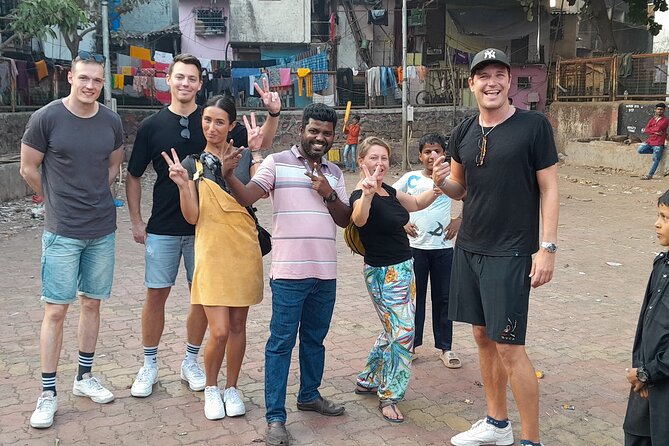
Reviewed · DHARAVI SLUM TOURS
Mumbai Slum Tour –An insight of Dharavi Slum with Local Guide
Dharavi feels personal in just 2 hours. This walking tour is led by a local resident guide, and it focuses on everyday work in small-scale industries you can actually see, from plastic recycling to textile workshops and local baking.
You’ll move through narrow lanes where homes and places of worship sit close to production, so you get more than a headline version of Dharavi. The tone stays respectful and safety-minded, with a guide who can translate what you’re seeing into real-life context.
One consideration: it’s a walking tour for about 2 hours, so wear comfortable shoes and plan for no sit-down breaks. Also, food and drinks are not included, even though you’ll see plenty of it being made.
In This Review
- Key things to know before you go
- A 2-hour Dharavi walk with real work, not just photos
- What you’ll actually see during the walk
- Plastic recycling units: from waste to usable form
- Textile workshops: stitching, dyeing, and printing
- Bakery units: khari biscuits and local snacks
- Narrow lanes with homes, temples, and mosques
- Leather tanneries and export-quality production
- Local markets: daily essentials and fresh produce
- Community schools and education for welfare
- How guides like Ruqaiyya shape the whole experience
- Pickup, meet-up, and where the tour ends
- Price and value: what $10.04 gets you
- Respect and comfort tips that actually help
- Who this tour is best for
- Should you book the Mumbai Slum Tour with a local guide?
- FAQ
- How long is the Mumbai Slum Tour?
- How much does the tour cost?
- What’s included in the tour?
- Is pickup available?
- What is the meeting point and where does it end?
- Is food included?
- What ticket format do I receive?
- How big are the groups?
- What is the cancellation policy?
Key things to know before you go
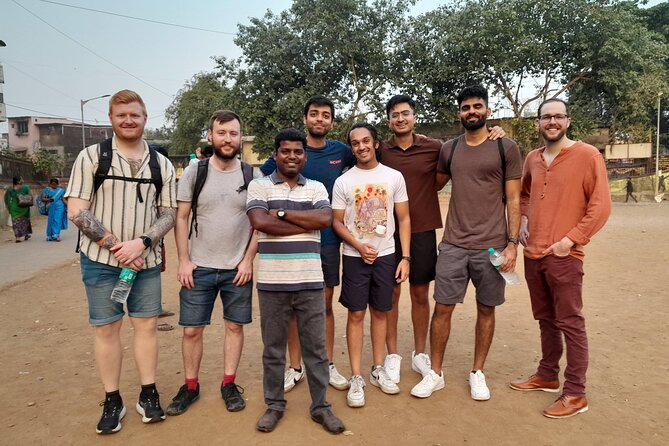
- Local resident guide: You get on-the-ground explanations in English, not generic facts.
- Hands-on sights of work: Plastic recycling, textile stitching and printing, and bakery units are all part of the route.
- Life in the lanes: Narrow streets connect small homes with temples and mosques.
- Recycling and craftsmanship together: The tour ties waste work to real outputs like clothing, snacks, and goods.
- Education shows up, too: Community schools and welfare efforts are included in the walk.
- A group limit keeps it manageable: The experience caps at 50 travelers.
A 2-hour Dharavi walk with real work, not just photos
This is the kind of tour you’ll appreciate if you’re tired of seeing only distant views. The point here is close, practical observation: you walk through Dharavi with a guide, then watch how things get made and reused.
What I like most about this format is that it’s short enough to stay human-scale. Two hours is not a whole day, so you keep your attention on the work and the people you’re meeting along the way. The second big plus is the focus on how industries operate locally, not just what the place looks like.
The tour is described as responsible and safe, with the local guide leading you through tight lanes. That matters in a neighborhood where the real layout is built for daily life, not for tourists. You’re not meant to treat this like a theme park. You’re meant to understand the rhythm of the place.
A few more Dharavi Slum tours around Mumbai:
- Dharavi slum tour in Mumbai by Female tour guides of the slum
★ 5.0 · 1,976 reviews - Mumbai: Dharavi Slum, DhobiGhat, and Dabbawallas Tour
★ 4.9 · 689 reviews - Dharavi Slum Tour
★ 5.0 · 625 reviews
What you’ll actually see during the walk
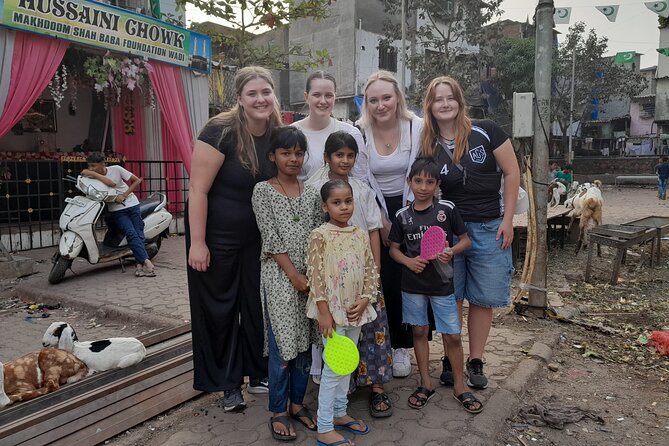
Dharavi is often talked about in extremes. This tour steers you toward the middle, where day-to-day effort, skill, and problem-solving happen. Within the roughly two hours, the route centers on a sequence of workshops and community areas.
Plastic recycling units: from waste to usable form
One of the first industrial stops focuses on plastic recycling units. You’ll see how waste is melted, molded, and reused. Even if you know little about recycling, this part is powerful because it turns an abstract topic into something physical.
For you, this is a chance to connect the dots between environmental necessity and local job skills. It also gives you a useful lens for the rest of the walk: Dharavi’s economy is shown as practical and production-based, not just theoretical.
Textile workshops: stitching, dyeing, and printing
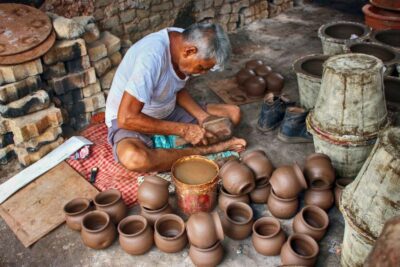
Next come textile workshops where clothes are stitched, dyed, and printed. This is another good “skill lens” stop. You’re not only watching the end product, you’re seeing multiple steps of making garments.
This is where the tour starts to feel more layered. You’ll notice that work is often broken into stages, and each stage relies on time, tools, and trained hands. That’s the kind of detail that helps break stereotypes.
A few more Mumbai days to compare
- Mumbai: Full-Day Sightseeing Tour of Mumbai
★ 4.9 · 1,822 reviews - Private Mumbai Sightseeing Tour (Traveller’s Choice Award Winner)
★ 5.0 · 1,565 reviews - Elephanta Caves & Island Guided Private Tour
★ 5.0 · 1,327 reviews - Group Guided Walking Tour in Fort and Colaba
★ 5.0 · 1,073 reviews
Bakery units: khari biscuits and local snacks
Then you’ll head to bakery units producing khari biscuits, bread, and local snacks. This stop is simple but memorable because food is universal. It also anchors the walk in everyday needs, since bakery goods show up in regular routines.
Just remember: food and drinks are not included on the tour. Seeing the ovens and the production process can make you hungry, so consider grabbing a snack before you start or plan to eat right after.
Narrow lanes with homes, temples, and mosques
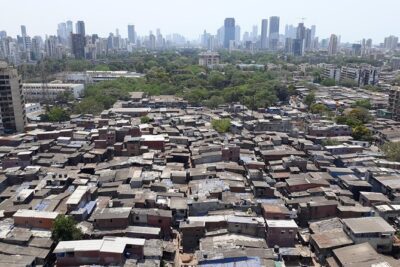
Between workshops, the route moves through colorful narrow lanes lined with small homes, temples, and mosques. This is one of the most important parts of the experience because it shows Dharavi as both workplace and community.
For you, it’s also the reality check: you’re not walking through an “industrial zone only.” This is residential, spiritual, and economic all at once. The guide’s stories help make sense of how these spaces coexist.
Leather tanneries and export-quality production
The itinerary includes leather tanneries and small factories producing export-quality goods. This is a major industry in the route, and it’s also the kind of stop where you’ll want to pay close attention to how your guide frames the work.
Since the tour is guided and respectful by design, your best move is to follow the group’s pace and listen when the guide explains what you’re seeing. If any part feels intense, you can always ask questions. You’re there to learn, not to push through discomfort.
Local markets: daily essentials and fresh produce
After the production stops, you’ll pass through local markets selling daily essentials and fresh produce. Markets are a great contrast point because they show the next step after manufacturing: the goods need buyers, distribution, and daily commerce.
This section helps you understand demand and everyday shopping patterns. It also gives you an easy “wraparound” view of the neighborhood economy, from making to buying.
Community schools and education for welfare
The walk also includes community schools and working for education and welfare. This matters because it broadens your understanding beyond industry. Dharavi is not portrayed only as work, it’s also described as a place where community support and learning are priorities.
For you, this is one of the most grounding parts. It turns the tour from a list of workshops into a fuller picture of how people plan for the future.
How guides like Ruqaiyya shape the whole experience
One name you may see in shared experiences is Ruqaiyya, who guided a solo traveler through the area with a focus on safety and comfort. The key takeaway for you is the value of a guide who can set expectations and keep the experience respectful.
With a local resident guide, you’re more likely to hear context that doesn’t come from signage or headlines. You’ll get explanations tied to daily life, including how work fits into family routines and community needs.
If you care about traveling solo, this kind of guide-led structure can make a big difference. You still have to do your part, but having someone local at the front reduces the “guesswork” feeling that can come with unfamiliar streets.
Pickup, meet-up, and where the tour ends
The meeting point is Third Wave Coffee on Tip Road, Unit no. 58, Ground, Ram Mahal, Senapati Bapat Marg, Marinagar Colony, Station, Mahim, Mumbai, Maharashtra 400016, India.
The tour ends at Kumbhar Wada in Dharavi, and your guide will help you get transport back to where you need to go, like your car, Uber, taxi, or train.
Two practical notes:
- You’ll want to arrive on time, since the tour is short at about 2 hours and starts at a defined meet-up point.
- The end location being in Dharavi means you’ll feel the neighborhood atmosphere right up to the last minute.
Pickup is offered, so if that option is available for your booking, it can save time and reduce friction on arrival.
Price and value: what $10.04 gets you
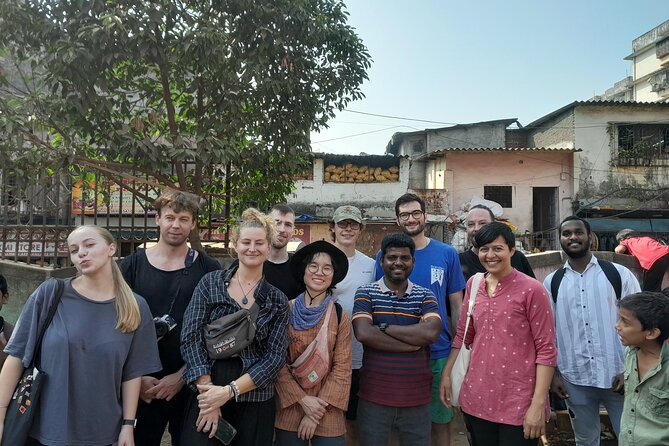
At $10.04 per person for about two hours, this tour sits in the low-cost range for guided city experiences. The value isn’t just the price tag. It’s what’s included and what’s emphasized.
Included benefits:
- English-speaking local guide
- Bottled water
Not included:
- Food and drinks
The big value is that you get a guide-led walking route that focuses on production and community context. If you’ve ever paid more for a tour that mostly points at scenery, this is a different deal. Here, the guide’s role is doing real interpretive work while you walk through areas tied to daily jobs.
The group size cap is also part of the value equation. With a maximum of 50 travelers, the experience should feel structured rather than chaotic. And the fact it’s booked around 15 days in advance suggests it’s a popular, dependable slot for people who want a short but meaningful activity.
Respect and comfort tips that actually help
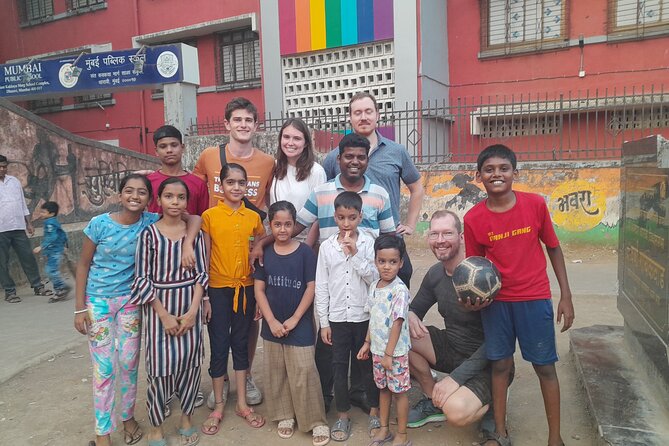
A responsible walking tour only works if you show up ready to cooperate. Here’s how to get the most out of it without turning it into a performance.
- Wear comfortable shoes. You’ll be on foot through narrow lanes.
- Bring patience. Your pace depends on the guide and the walk flow, not a timed checklist.
- Stay close to the group. Tight lanes are easiest when you move as one unit.
- Plan for hunger. Since food and drinks are not included, eat before or after.
- Use the guide for questions. Ask what you don’t understand, especially when you see processes like recycling or tanning.
If you’re taking photos, consider asking first when something feels sensitive. The tour’s tone is responsible and respectful, so it’s best to match that energy.
Who this tour is best for
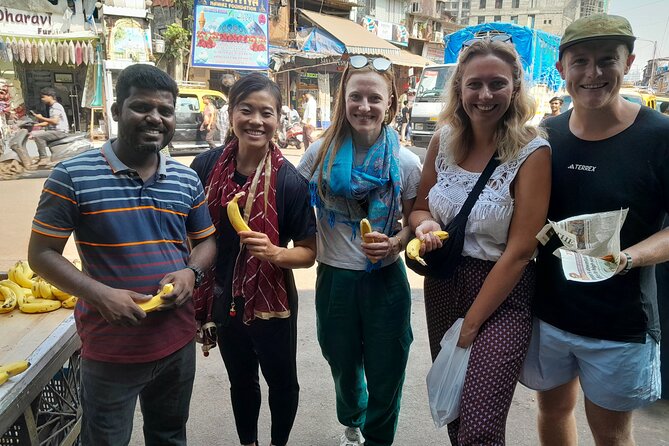
This tour is a good match if:
- you want a short, guided way to understand Dharavi beyond stereotypes
- you like hands-on industry and community context
- you prefer an English-speaking local guide and a group format with structure
It may be less ideal if:
- you dislike walking through tight, active streets
- you need food included during the activity
- you want a more museum-style experience with lots of seating and slow pacing
Because it’s described as “most travelers can participate,” it sounds broadly workable for many visitors. Still, the comfort factor comes down to footwear and your willingness to walk continuously for about two hours.
Should you book the Mumbai Slum Tour with a local guide?
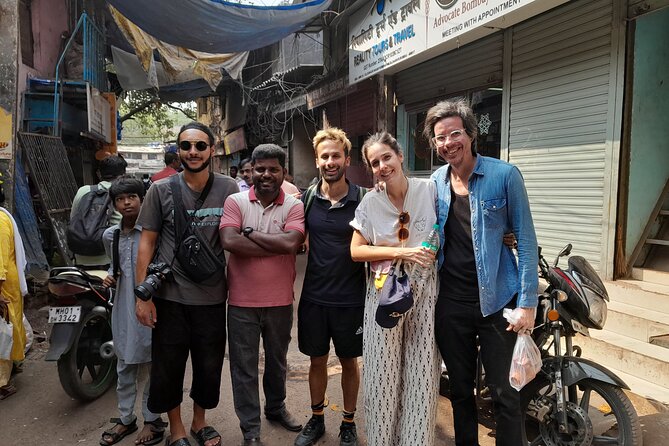
I’d book this if you want a practical, guided look at Dharavi’s working reality, and you value a local resident perspective that explains daily life in plain language. The price is friendly, the duration is short, and the inclusion of bottled water and an English-speaking guide keeps it simple.
Skip it if you’re expecting a relaxed, sit-and-see attraction, or if you can’t handle the physical reality of walking through narrow lanes for two hours. Also, plan your food timing, since food and drinks are not part of the deal.
Bottom line: this is a learning-focused walk. If you show up respectfully and come with comfortable shoes and a clear schedule, it can give you a much more grounded understanding of Dharavi than you’ll get from quick surface views.
FAQ
How long is the Mumbai Slum Tour?
The tour lasts about 2 hours.
How much does the tour cost?
The price is $10.04 per person.
What’s included in the tour?
It includes an English-speaking local guide and bottled water. Admission is also included.
Is pickup available?
Yes, pickup is offered.
What is the meeting point and where does it end?
You meet at Third Wave Coffee on Tip Road (Mahim area). The tour ends at Kumbhar Wada in Dharavi.
Is food included?
No, food and drinks are not included.
What ticket format do I receive?
You get a mobile ticket.
How big are the groups?
This activity has a maximum of 50 travelers.
What is the cancellation policy?
Free cancellation is available up to 24 hours in advance for a full refund. If you cancel less than 24 hours before the start time, you do not get a refund.
Recently added around Mumbai
- South Mumbai: Cultural Heritage Walking Tour★ 4.8 · 45 reviews
- Mumbai: Local Markets & Temples Tour★ 4.6 · 45 reviews
- South Bombay Live Walking Tour★ 4.9 · 11 reviews
- Mumbai: Same Day Tour of Ajanta & Ellora Cave’s★ 5.0 · 7 reviews
- Private Mumbai Highlights Tour (5 Hours)★ 4.9 · 46 reviews
- Private Dharavi Slum Tour★ 5.0 · 13 reviews
- Night Tour: Mumbai’s Nights & Buzzing Bazaars★ 5.0 · 7 reviews
- Mumbai:Dhobi Ghat Laundry,Dharavi Slum & Flower market Tour★ 5.0 · 12 reviews
Dharavi Slum Tours, compared.
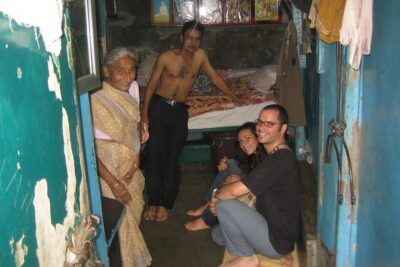
Dharavi slum tour in Mumbai by Female tour guides of the slum
Read our review →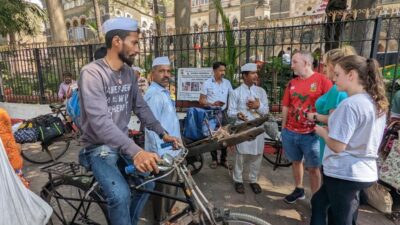

Dharavi Slum Slumdog Millionaire Tour with a Local
Read our review →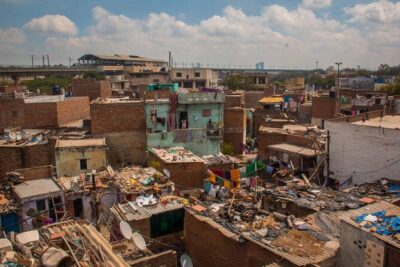
Dhobi Ghat Laundry and Dharavi Slum Tour with Local
Read our review →
Browse the lists this tour appears in