

Reviewed · DHARAVI SLUM TOURS
Mumbai Sightseeing with Dharavi Slum
Mumbai changes your perspective fast. This private 6-hour route mixes classic landmarks with a guided Dharavi walk and photo-worthy waterfront stops like Gateway of India. I like that it pairs headline sights with real city life, and I especially like the way local guide Nikesh turns what you see into plain spoken context.
The only real drawback is the Dharavi part. If you want a soft, all-postcard day, the contrast can feel heavy, and you will be moving through a lot of different neighborhoods in one afternoon.
You get a private group (up to 3), pickup offered, and an air-conditioned vehicle to keep the logistics sane. Expect a mobile ticket, a structured plan, and a schedule that makes sense for first-timers who want more than the usual Mumbai highlights.
In This Review
- Key highlights you should know before you go
- A half-day that actually mixes Mumbai, from Dharavi to CST
- Price and value: what $250 for up to 3 really buys
- Getting started at Mahim, then riding smart through central Mumbai
- Dharavi for 2 hours: work, homes, and the questions you actually should ask
- Gateway of India and Taj Mahal Palace Hotel, the waterfront first impression
- Chhatrapati Shivaji Terminus (CST): the UNESCO rail station moment
- Mani Bhavan Gandhi Museum: Gandhi’s Mumbai years in one focused stop
- Colonial Mumbai architecture you can spot from the car
- Dhobi Ghat: the open-air laundry scene at work level
- Kamala Nehru Park and Hanging Gardens: quick views that help you orient
- Who this tour suits best, and who should be cautious
- Should you book it?
- FAQ
- How long is the Mumbai sightseeing with Dharavi slum tour?
- What is the group size and price?
- Is pickup included?
- Are tickets and entry fees included?
- Is lunch provided?
- What is the cancellation policy?
Key highlights you should know before you go
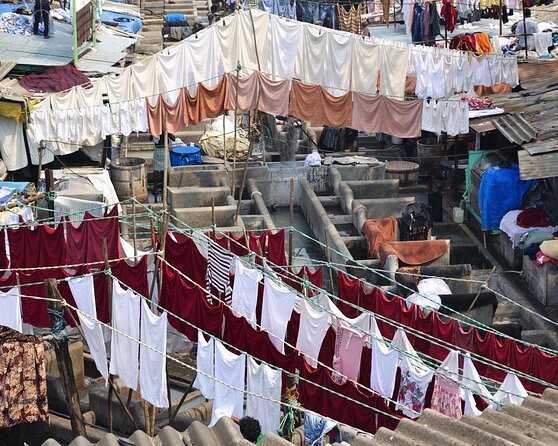
- Dharavi for 2 hours with a live-work look, not just a photo stop
- CST (Chhatrapati Shivaji Terminus) as your UNESCO stop, built for rail era grandeur
- Mani Bhavan Gandhi Museum, Gandhi’s Mumbai home base from 1917 to 1934
- Dhobi Ghat, the open-air laundry scene, with clothes washed in full view
- Colonial-era Mumbai drive-by stops, including Rajabai Clock Towers and Bombay High Court
- City view breaks, like Kamala Nehru Park and the old woman’s shoe
A half-day that actually mixes Mumbai, from Dharavi to CST
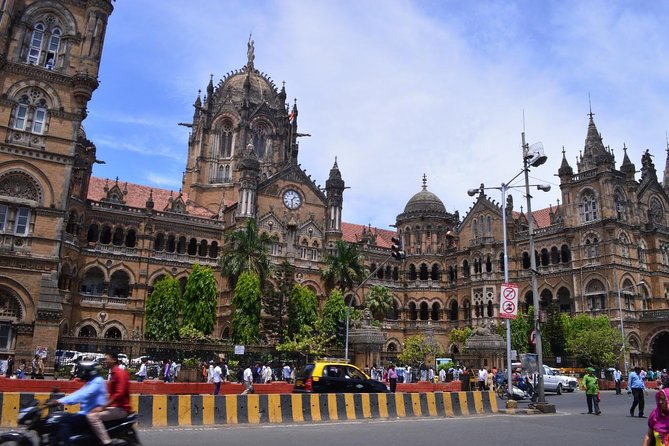
This tour feels built for people who want a full picture of Mumbai, not just the shiny layer. In about 6 hours, you bounce between major landmarks and the daily rhythms that keep the city running. The smartest part is the pacing, you start with a long block of Dharavi and then shift into big, iconic architecture.
I like that the day doesn’t treat Mumbai as one mood. It treats it as a layered place, where the colonial story, the rail story, and the working-city story all sit next to each other. If you are short on time, this is a good way to build context quickly.
And if you have been staring at Mumbai photos, don’t worry. The real education here is how the pieces connect. You will see how neighborhoods and institutions share the same streets, even when the experiences feel worlds apart.
A few more Dharavi Slum tours around Mumbai:
- Dharavi slum tour in Mumbai by Female tour guides of the slum
★ 5.0 · 1,976 reviews - Mumbai: Dharavi Slum, DhobiGhat, and Dabbawallas Tour
★ 4.9 · 689 reviews - Dharavi Slum Tour
★ 5.0 · 625 reviews
Price and value: what $250 for up to 3 really buys
This experience costs $250 per group for up to 3 people. That pricing matters because you are not paying per person with a big bus, you are paying for a private setup and a guided route that hits multiple major stops.
For three people, it can feel like you are buying a private driver plus a guide who manages timing and admissions. The tour also includes an air-conditioned vehicle and all fees and taxes, which means fewer surprises on the day. Lunch is not included, so you will still want to plan for your own snack or meal before or after.
The best value comes from the combination: Dharavi plus central Mumbai landmarks. If you only did the architecture and waterfront, you could build a simpler self-guided plan. The real differentiator is the Dharavi portion, especially when the guide, like Nikesh, brings lived-in perspective rather than generic commentary.
Getting started at Mahim, then riding smart through central Mumbai
Your meeting point is Café Coffee Day at Unit 58, Ground Floor, Ram Mahal Building, Senapati Bapat Marg, in the Mahim area. Pickup is offered, and the tour runs from 7:00 AM to 6:00 PM, with confirmation after booking.
Why this matters: Mumbai traffic and distance can eat time fast. The air-conditioned vehicle helps you keep the schedule intact, especially because the itinerary includes a mix of walking time and quick sightseeing.
You also get a mobile ticket, which is practical if you hate hunting through printed confirmations. And since this is private, only your group is involved, so you are not stuck waiting for strangers to decode the meeting point.
Dharavi for 2 hours: work, homes, and the questions you actually should ask
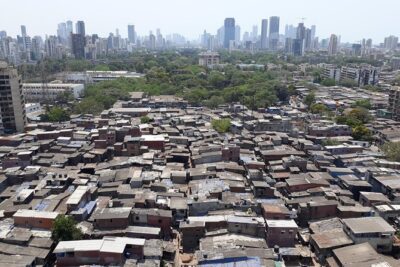
The heart of the day is a guided walk through Dharavi. The visit lasts about 2 hours, and the admission ticket is free for this stop. This is set up as a real look at how people work and live in one of Asia’s largest slums.
I think this stop works best when you go in with two mindsets. First, treat it like a neighborhood, not a spectacle. Second, ask better questions. The guide matters here, and Nikesh is repeatedly described as living there, which is exactly the kind of perspective that turns a walk into understanding instead of shock.
You will see activity and daily routines up close. Some parts of the area are busy, so keep expectations realistic: it is not a museum experience with a slow, quiet pace. If you are the type who likes to learn by observing what is happening right in front of you, you will get a lot out of this.
Possible consideration: emotions. Even with a respectful guide, the contrast is real. If you are sensitive to poverty imagery, plan to take breaks when you need them and remember this visit is about people, not tragedy.
A few more Mumbai days to compare
- Mumbai: Full-Day Sightseeing Tour of Mumbai
★ 4.9 · 1,822 reviews - Private Mumbai Sightseeing Tour (Traveller’s Choice Award Winner)
★ 5.0 · 1,565 reviews - Elephanta Caves & Island Guided Private Tour
★ 5.0 · 1,327 reviews - Group Guided Walking Tour in Fort and Colaba
★ 5.0 · 1,073 reviews
Gateway of India and Taj Mahal Palace Hotel, the waterfront first impression
After Dharavi, the tour shifts into landmarks that most first-timers want. You start with a short stop at Gateway of India, around 10 minutes, with admission marked as free.
The Gateway of India and Taj Mahal Palace Hotel sit side by side, and that proximity makes the whole waterfront feel like one big frame. You get the classic angle, but you also get a useful reminder of how Mumbai’s story includes both empire-era glamour and modern urban life.
This stop is brief by design. The day is built around packing in major sights without turning the tour into an all-day endurance event. If you want longer photo time, you may need a quick extra stroll on your own after the tour.
Chhatrapati Shivaji Terminus (CST): the UNESCO rail station moment

CST is one of those places that makes you pause, even if you are not a rail enthusiast. Here, you get about 15 minutes, and admission is included. CST is a UNESCO World Heritage Site, so the stop is not random.
What makes this worth your time is the mix of scale and detail. A train station can feel like pure function, but in CST you get an architectural statement. The station is also an easy win for first-timers, because it connects to how Mumbai moves people and goods through the city.
Practical note: this is a short visit. Don’t expect to absorb everything at once. Use your time for a few key views, especially the main facade, and then let the rest of your energy go into the stops after.
Mani Bhavan Gandhi Museum: Gandhi’s Mumbai years in one focused stop
Next up is Mani Bhavan, with about 30 minutes on the schedule. Admission is included here too. This is where Mahatma Gandhi lived for 17 years, from 1917 to 1934.
This stop feels different from the big monuments because it centers on a person and a place. If you have ever wondered what Gandhi’s work looked like on the ground, Mani Bhavan gives you a focused chapter. Even if you do not read every signboard, the setting itself helps you place the time period.
Also, it is a good mental reset after Dharavi. The day has heavy contrast already, and Mani Bhavan gives you a bridge back to history that is tied to action and daily life.
Colonial Mumbai architecture you can spot from the car
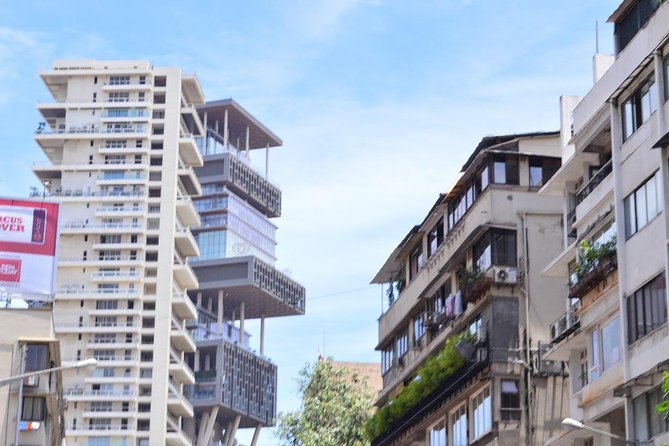
Between major stops, the route focuses on recognizable colonial-era landmarks. From the overview, you are set for sightings like Mumbai University (built in 1857), Rajabai Clock Towers (often compared to Big Ben of India), Watson’s Hotel ruins, Bombay High Court, and the Municipal Building. You also pass or see spots like Oval Cricket Ground and drive past Marine Drive and Chowpatty Beach.
A key value here is speed with context. These are big, meaningful names, but you usually need a guide to connect the dots: who built what, why it matters, and what role these institutions played in shaping Mumbai’s city plan.
One detail I like: Watson’s Hotel ruins. The story attached to it is specific, Tata being refused entry and then building what became the Taj Mahal Hotel. That is the kind of tidbit that turns architecture into a human narrative.
You also get a bit of skyline and sea air through drive-by segments. It is not about rushing for selfies. It is about breaking the day up so you can keep absorbing without burning out.
Dhobi Ghat: the open-air laundry scene at work level
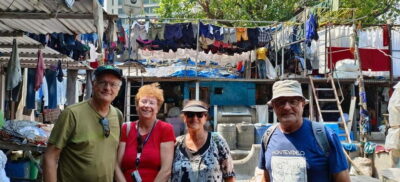
Dhobi Ghat is about 20 minutes, and admission is free for this stop. It is known as the world’s largest open-air laundry, with clothes washed in full view of the public.
This is one of those places where the experience is as much about sound and motion as it is about visuals. Laundry is a simple word, but Dhobi Ghat shows you the labor behind what most of us never see. If Dharavi was your work-and-life block, Dhobi Ghat gives you a different kind of work.
I recommend you approach Dhobi Ghat with respect and distance. Watch what is happening. Try not to treat it like a set. The guide’s framing helps you understand why the layout and routines exist, even if you only get a short window.
Also, this stop pairs well with the sea-city drives you saw earlier. You end up with a day that connects water, infrastructure, and human effort.
Kamala Nehru Park and Hanging Gardens: quick views that help you orient
The itinerary also includes view points and scenic breaks, which matter more than people think. You get a skyline view at Kamala Nehru Park, including the old woman’s shoe. You also visit Hanging Gardens, which are gardens built on top of water tanks near the Tower of Silence, associated with Parsi burial practices.
Why I like these stops: they help you orient mentally. After a day full of architecture and human-scale work, a view point lets your brain connect geography to memory. The skyline and the landmark silhouettes become reference points, so your photos and mental map actually mean something.
These are also good places to slow down for a minute. Even if the time on each isn’t long, the payoff is big. You will feel less like you “checked boxes” and more like you built a picture of the city.
Who this tour suits best, and who should be cautious
This experience is a strong fit if you want:
- A first-timer friendly introduction to Mumbai’s major landmarks
- A day that includes both high-profile architecture and real daily life
- A private guide setup, up to 3 people, with a guided plan that keeps time tight
It may not be ideal if:
- You prefer an easy, relaxed day with minimal emotional weight
- You hate walking in crowded urban areas
- You want only the most famous sightseeing without contrast
A nice bonus from the way Nikesh is described is the sense that you get treated like a person who came to learn. That helps a lot, especially for the Dharavi portion where tone matters.
Should you book it?
I would book it if you care about context and you want a Mumbai day that feels real. The combination is the point: Dharavi for grounded understanding, then CST and Mani Bhavan to anchor the city in built heritage and political history, finishing with Dhobi Ghat and skyline views that tie everything together.
If you are unsure, ask yourself this. Do you want Mumbai as a collection of monuments, or Mumbai as a living place where multiple realities share the same streets? If your answer leans toward the living place, this tour is an excellent use of limited time.
Book it with two expectations: you will see intense contrast, and the guide will be central to making it meaningful. With that mindset, the half-day format starts to feel efficient, not rushed.
FAQ
How long is the Mumbai sightseeing with Dharavi slum tour?
It runs about 6 hours (approx.).
What is the group size and price?
The price is $250.00 per group, for up to 3 people. This is a private tour, so only your group participates.
Is pickup included?
Pickup is offered, and the activity is listed with a start meeting point at Café Coffee Day in the Mahim area. The tour ends back at the meeting point.
Are tickets and entry fees included?
All fees and taxes are included. Admission is marked as included for Chhatrapati Shivaji Terminus (CST) and Mani Bhavan Gandhi Museum, while Dharavi, Gateway of India, and Dhobi Ghat are listed as free.
Is lunch provided?
Lunch is not included.
What is the cancellation policy?
You can cancel for a full refund up to 24 hours in advance of the experience start time. If you cancel within 24 hours of the start time, the amount paid is not refunded.
Recently added around Mumbai
- Mumbai Spice Markets and Bazaars Tour with Guide and Transport★ 5.0 · 42 reviews
- Customize private tour with pickup★ 5.0 · 95 reviews
- Private Guided Bandra Half Day City Tour in AC Vehicle★ 5.0 · 72 reviews
- Mumbai 800 Year Worli Village: Talking Goddess, Old Fort & more★ 5.0 · 94 reviews
- Mumbai by Night Guided Tour★ 5.0 · 6 reviews
- Gufran’s Slum Home Tour in the Mumbai Slums★ 5.0 · 19 reviews
- Private Walking Tour in Dharavi Slums★ 5.0 · 7 reviews
- The Panoramic Ridge Hike near Mumbai★ 5.0 · 7 reviews
Dharavi Slum Tours, compared.
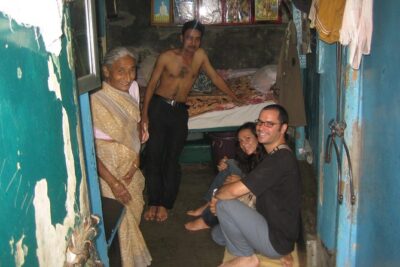
Dharavi slum tour in Mumbai by Female tour guides of the slum
Read our review →


Dharavi Slum Slumdog Millionaire Tour with a Local
Read our review →
Dhobi Ghat Laundry and Dharavi Slum Tour with Local
Read our review →
Browse the lists this tour appears in