
Reviewed · DHARAVI SLUM TOURS
Mumbai: Private Dhobi Ghat Laundry & Slum Tour with Pickup
A city that washes the world, up close. This private tour pairs Dhobi Ghat, the world-famous open-air laundry, with Dharavi slum life in Asia’s largest slum, guided by local English speakers. I love how the day focuses on real routines, not movie scenes, and how guides explain both the hard parts and the pride people bring to their work.
My favorite part is the human lens you get from guides such as Alkama and Mohammad, who are praised for clear communication and for keeping the tone thoughtful rather than sensational. One drawback to plan for, though, is emotional heaviness: you will see difficult working conditions and hear about unfair realities, so come ready to be moved.
In This Review
- Key highlights you can plan around
- Dhobi Ghat, Mumbai’s open-air laundry operation
- Dharavi with a local English guide, not a script
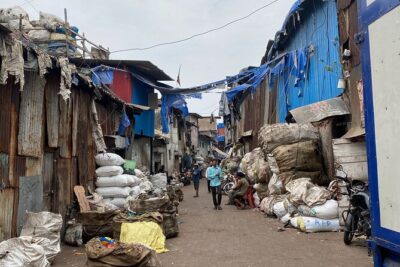
- What you’ll see in Dharavi, homes, workshops, and daily play
- The Slumdog Millionaire filming spot, and why it matters
- Transport choices, including a local train option
- Price and value: what $19 buys you
- Who this tour suits best
- Should you book this Dhobi Ghat and Dharavi tour?
- FAQ
- What places are included on the tour?
- Is the tour private?
- What language will the guide speak?
- Does the tour include hotel pickup and drop-off?
- Will I see Dhobi Ghat during the tour?
- What will I see in Dharavi?
- Is it safe to visit Dharavi on this tour, and is booking flexible?
Key highlights you can plan around
- Dhobi Ghat’s open-air laundry rhythm, where clothes travel to and from homes, hotels, hospitals, and hostels
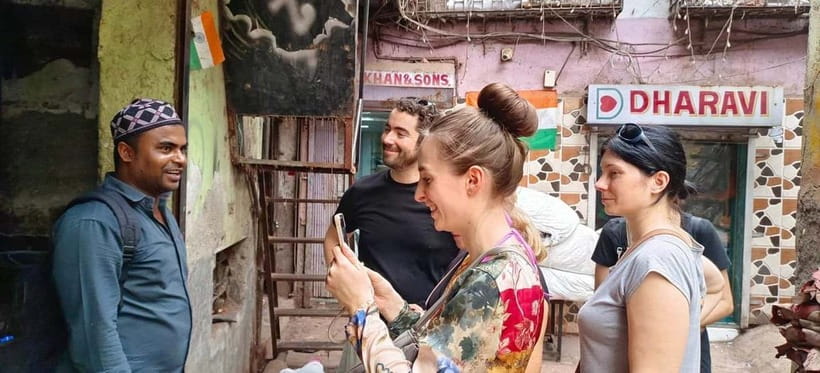
- Dharavi with a local English guide who helps you understand everyday life, not stereotypes
- Inside access to community spaces, including where people live, work, and children play
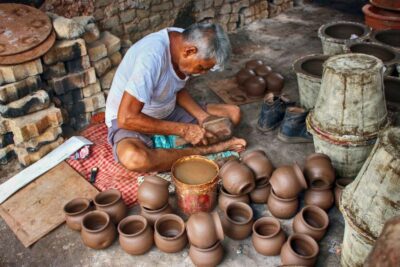
- Hands-on glimpses of industries such as plastic recycling, leather work, garment/textile work, and metal industries
- A filming connection to Slumdog Millionaire, showing what the movie captured and what it did not
Dhobi Ghat, Mumbai’s open-air laundry operation
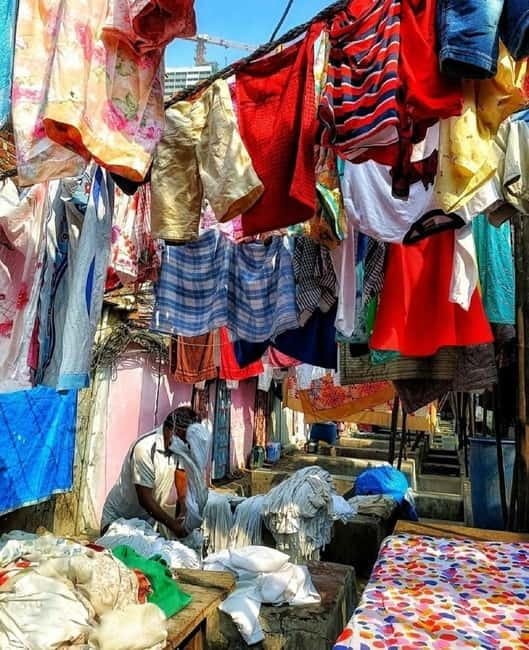
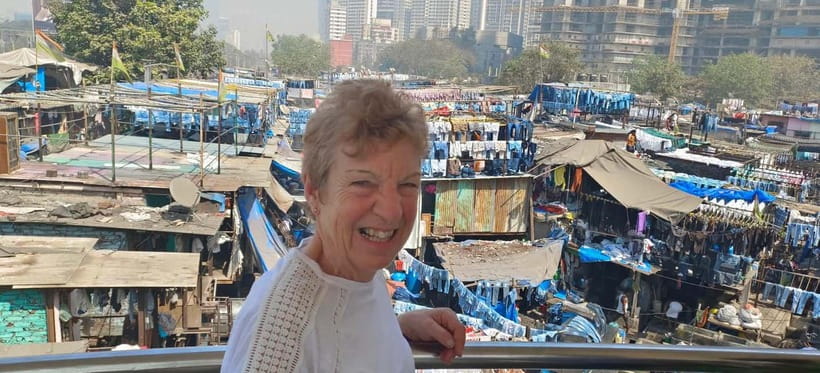
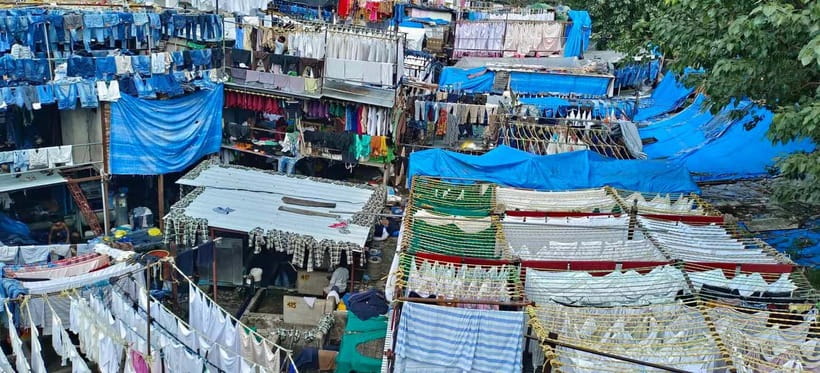
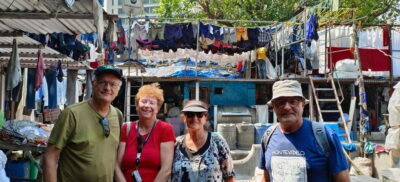
Dhobi Ghat is the kind of place you understand fast, even before you learn the details. It’s an outdoor laundry system that has been operating for more than a century, and it’s described as the world’s largest open-air laundry. The basic idea is simple but impressive: people bring dirty clothes from across Mumbai, including laundry from places like hotels, hospitals, and hostels, and dhobis (washermen and women) work through shifts to return clothes clean and crisp.
What makes this stop valuable is that it shows how Mumbai runs on systems that are both practical and intensely human. You get to see the work as work, not as a tourist prop. And because the guide is local and English-speaking, you can ask real questions about daily routines and how the laundry keeps moving.
One practical note: with a private format and hotel pickup, you are not trying to stitch together transport and timing on your own. That matters here, because getting to Dhobi Ghat and then continuing into Dharavi is the whole point of the day.
A few more Dharavi Slum tours around Mumbai:
- Dharavi slum tour in Mumbai by Female tour guides of the slum
★ 5.0 · 1,976 reviews - Mumbai: Dharavi Slum, DhobiGhat, and Dabbawallas Tour
★ 4.9 · 689 reviews - Dharavi Slum Tour
★ 5.0 · 625 reviews
Dharavi with a local English guide, not a script
Dharavi is often reduced to images and captions. This tour flips that approach by focusing on how people actually live, work, and relate to their neighborhood. You visit with a local guide who knows the community, and the experience is designed to dispel the common perceptions people arrive with.
The biggest thing you’ll notice is that the visit is not framed as shock tourism. Guides are praised for speaking with mature reflection, and for handling both the bad and the good sides with the same respectful tone. Guides like Alkama and Mohammad are specifically described as friendly, attentive, and engaging, and even as young, they still manage to explain complex realities in a way that feels grounded.
That’s also where safety comes into play. The tour is presented as completely safe to visit inside and around, and it’s done with local access through residents. So instead of wandering in on your own, you get a guided walkthrough where local context leads.
What you’ll see in Dharavi, homes, workshops, and daily play
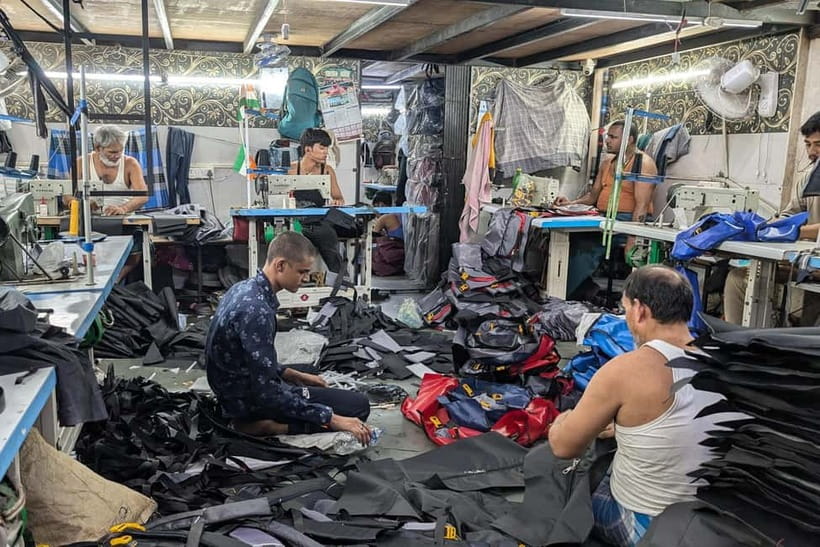
Inside Dharavi, the goal is to show you the everyday map of the place. You’ll see where people stay, where families live, and where kids play and relax. You also see where earning money happens, which is where the tour becomes more than just a neighborhood walk.
The industries highlighted in the experience include:
- plastic recycling
- leather work
- garment or textile production
- metal industries
- and other small-scale trades connected to those lines of work
This is where the tour’s message lands. Dharavi isn’t only about poverty, and it isn’t only about industry either. It’s a working community where people build incomes through specialized tasks, and where the neighborhood’s economy is described as about 1 billion US dollars yearly. Whether you take that as a general figure or a way to express scale, it points to something important: this area runs real production.
And that helps you understand the film connection too. Slumdog Millionaire gave global audiences a dramatic snapshot. This tour is about the rest of the story, the steady routines that don’t make it into a screenplay: workdays, family rhythms, and the small social moments that make a community feel like a community.
The Slumdog Millionaire filming spot, and why it matters
You’ll visit a place described as where Slumdog Millionaire was filmed inside Dharavi, plus other surprises along the way. That kind of stop can be a trap if the day becomes a scavenger hunt for movie trivia. This tour tries to use the filming connection as a starting point for perspective instead.
Here’s the useful takeaway: you can compare what the movie shows with what you actually see on the ground. The experience is explicitly framed as going beyond depictions from the film, so you can learn how life is really like here, including the parts that are everyday rather than cinematic.
It’s also a chance to reset expectations. If you arrive thinking Dharavi is only one thing, the day pushes you to see the mix: business, family spaces, production, and the social energy of people working hard, often under unfair conditions, but still showing pride and friendliness when they explain what they do.
Compare these Ganga Aarti and Boat rides in Mumbai:
- Mumbai: Dhobi Ghat Laundry and Dharavi Slum Tour with Local
★ 5.0 · 469 reviews - Mumbai: Dharavi Slum and Dhobi Ghat Laundry Tour
★ 5.0 · 317 reviews - Private Combo Tours Sightseeing + Dharavi Slum + Dhobi Ghat & Dabbawalas
★ 5.0 · 245 reviews - Mumbai: Dharavi Slum Tour with Dhobi Ghat (Open-Air Laundry)
★ 4.8 · 62 reviews
Transport choices, including a local train option
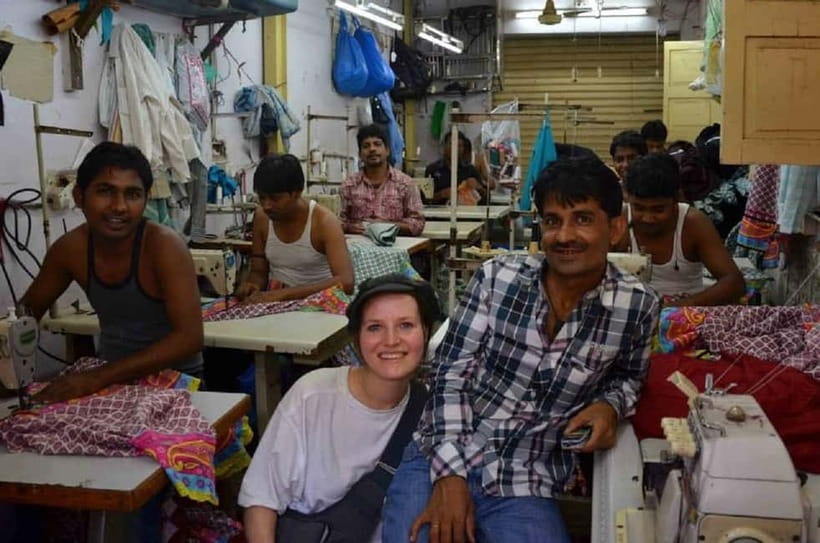
One review notes that after the initial discussion, the group opted for a local train instead of the car, and the ride became part of the adventure. That tells you something practical about how this tour is handled: you’re not boxed into a single, rigid travel style. The guide can help you choose a route that fits what you want to experience that day.
Because the tour includes hotel pickup and drop-off, you’re spared the stress of figuring out transit from scratch. Still, you should expect that moving between Dhobi Ghat and Dharavi means you’ll be navigating the real pace of the city. If you prefer a more local-feeling transit moment, ask about whether a train option makes sense for your day.
Price and value: what $19 buys you
At $19 per person, the headline price is hard to beat, especially for a private experience. The value comes from what’s included, not from what’s left out. This tour includes:
- private tour
- a local English-speaking guide
- hotel pickup and drop-off
- all entrance fees
- a water bottle
When you compare that to typical Mumbai costs, hotel pickup and guided access often add up quickly. So even if you feel the day is emotionally intense, you’re not paying extra for the basics. You’re also not left to figure out entry permissions or logistics on your own.
The other value piece is the guide quality. Multiple guides are singled out for communication skills, friendliness, and pride in what they show. John, for example, is described as being looked after throughout the tour without rushing, and the train ride is treated as a worthwhile part of the experience, not a transfer detail.
Who this tour suits best
This is a strong fit if you want an urban reality check with context, and if you prefer human explanations over vague impressions. It’s also a good match if you like asking questions and listening to how locals talk about their own neighborhoods.
You’ll probably enjoy it most if:
- you want to see Dhobi Ghat and Dharavi in one connected day
- you appreciate guides who address both the harsh facts and the community strengths
- you’re comfortable with emotionally heavy themes, because the experience is designed to challenge stereotypes, not confirm them
If you are the type who gets distressed easily by poverty and difficult working conditions, you might want to mentally prepare and decide whether you’re looking for inspiration, education, or something lighter that day.
Should you book this Dhobi Ghat and Dharavi tour?
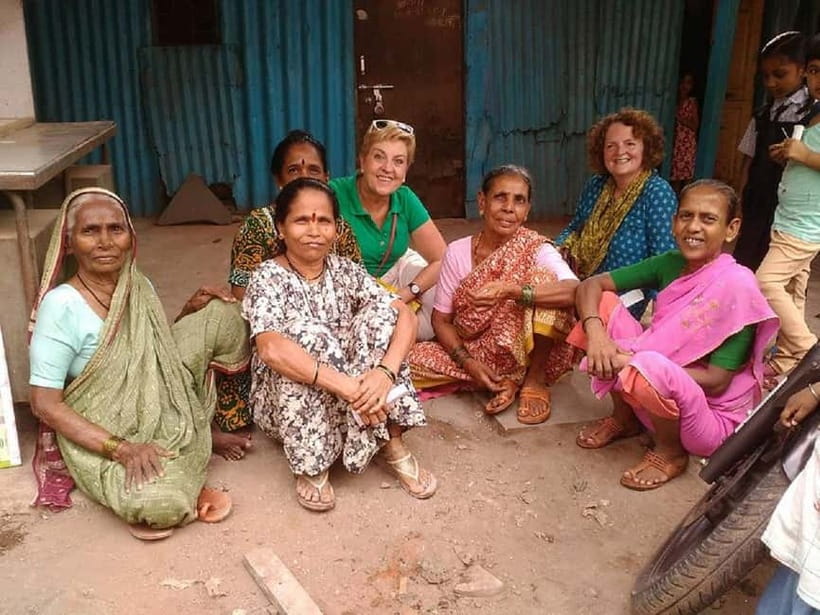
I’d book it if your goal is to understand Mumbai through work and community, with a local English guide guiding you through both Dhobi Ghat’s laundry world and Dharavi’s neighborhoods and trades. The combination of private access, pickup and drop-off, and included entry costs makes it solid value, and the filming connection to Slumdog Millionaire adds a memorable anchor point for perspective.
I’d hesitate if you know you want something purely upbeat or if emotional discomfort would ruin your day. Otherwise, this is one of those tours that helps you see a city less like a set of photos and more like a living system of people, jobs, and daily choices.
FAQ
What places are included on the tour?
The tour includes Dhobi Ghat, the open-air laundry area, and a visit to Dharavi with a local guide, including places where people live and work.
Is the tour private?
Yes, it is a private tour.
What language will the guide speak?
The tour offers a local English-speaking guide.
Does the tour include hotel pickup and drop-off?
Yes, hotel pickup and drop-off are included.
Will I see Dhobi Ghat during the tour?
Yes. Dhobi Ghat is part of the experience, and it’s described as an outdoor laundry facility in operation for over a century.
What will I see in Dharavi?
You’ll see where people live, work, and play, and you may witness industries such as plastic recycling, leather work, garment or textile work, metal industries, and more.
Is it safe to visit Dharavi on this tour, and is booking flexible?
The tour is described as completely safe to visit inside and around Dharavi with local access. It also offers reserve and pay later, and you can cancel up to 24 hours in advance for a full refund.
Recently added around Mumbai
- Night Tour: Mumbai’s Nights & Buzzing Bazaars★ 5.0 · 7 reviews
- Mumbai:Dhobi Ghat Laundry,Dharavi Slum & Flower market Tour★ 5.0 · 12 reviews
- Mumbai City Tour with multiple options★ 4.5 · 27 reviews
- Mumbai: Private Sightseeing Tour with Top Highlights★ 5.0 · 44 reviews
- Mumbai: Slum Tour Dharavi & Dhobi Ghat Laundry with a Local★ 4.9 · 31 reviews
- Mumbai: Private Walking Tour with a Local★ 4.9 · 42 reviews
- Mumbai: Private tour for Kanheri Caves and Golden Pagoda★ 4.6 · 11 reviews
- Mumbai: Private Night Sightseeing Tour with Pickup & Drop★ 4.9 · 22 reviews
Dharavi Slum Tours, compared.
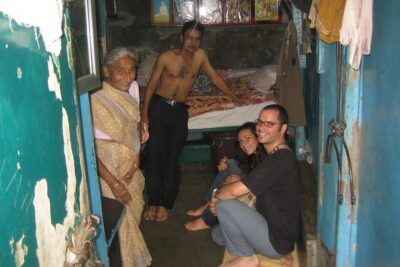
Dharavi slum tour in Mumbai by Female tour guides of the slum
Read our review →
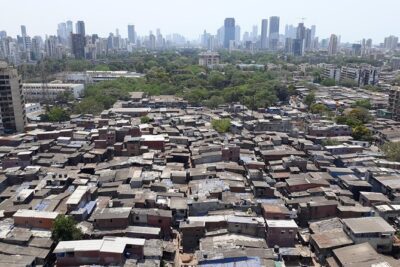
Dharavi Slum Slumdog Millionaire Tour with a Local
Read our review →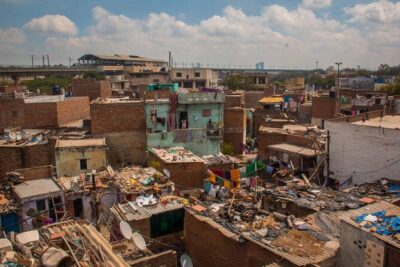
Dhobi Ghat Laundry and Dharavi Slum Tour with Local
Read our review →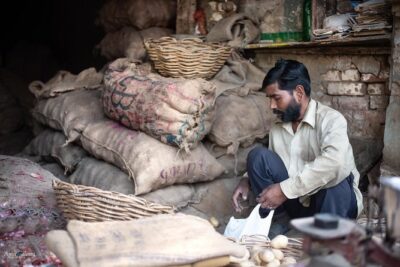
Browse the lists this tour appears in