
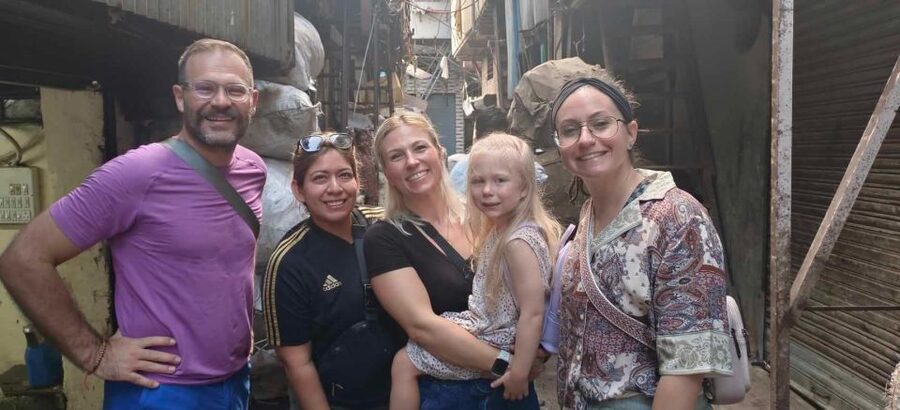
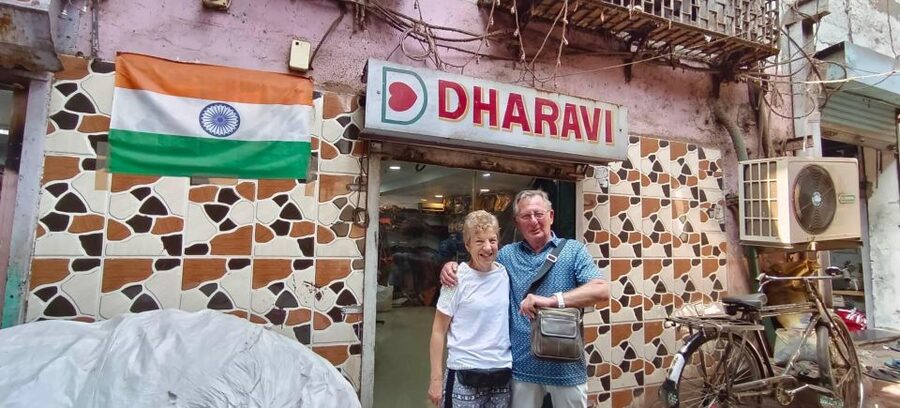
Reviewed · DHARAVI SLUM TOURS
Mumbai: Private Dharavi Slum Tour by a Local with Pickup
A visit here beats the movie version. In just 2 hours you get a private, local-led walk through Dharavi that focuses on daily life, work, and community, not shock value. I especially like that the tour is built to break stereotypes, showing how people live, earn, and raise families in a place outsiders often misunderstand.
The other big win for me is the mix of real industries you can see up close, from recycling to textiles and leather. The only drawback to keep in mind is that Dharavi is an active working area, so it is not a quiet, polished sightseeing stop, and you should expect close quarters and a lot going on.
In This Review
- Key takeaways
- A private Dharavi walk with pickup, not a drive-by
- How the 2-hour plan flows from pickup to your return to Mumbai
- Seeing where work happens: recycling, textiles, leather, and more
- Community life you can actually picture, homes, school, and daily routines
- Slumdog Millionaire filming spots, and why film images miss the point
- Safety, respect, and why a resident guide matters
- Price and logistics: $14 for a private local tour that actually costs less than your taxi
- Who this Dharavi private tour suits best
- Should you book this Dharavi private tour?
- FAQ
- How long is the Dharavi slum tour?
- Is hotel pickup and drop-off included?
- Is the guide English speaking, and is it private?
- What does the tour focus on inside Dharavi?
- What is included in the price, and is food covered?
- Can I cancel for a full refund?
Key takeaways
- Private with pickup means you do not spend your morning figuring out transport or wasting time on the wrong streets
- Local English guides like Alkama, Faizan, Frazen, Abi, and Mohammad are repeatedly praised for clear explanations and patience
- Workshops are the point, from plastic recycling to garment and textile production, plus leather and other small industries
- Community life shows up everywhere, including residential areas and even a school stop when the route allows
- Slumdog Millionaire filming locations are part of the walk, but the guide keeps it grounded in real life
- Transport quality is consistently rated high, with some routes using the local train to make the trip feel like Mumbai
A private Dharavi walk with pickup, not a drive-by
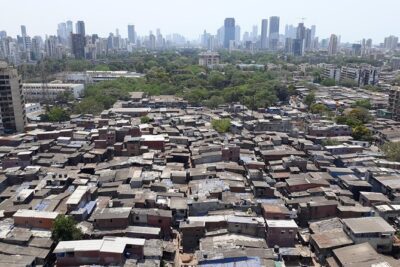
Dharavi gets talked about like it is one big place. It is not. It is a patchwork of homes, businesses, schools, and everyday routines that run on local knowledge and local effort. This tour is designed to help you see that difference fast, because you are not dropped off and left to wander.
You get hotel pickup and drop-off, which matters more than it sounds in Mumbai. The city can be stressful when you are navigating by yourself, especially if you want your time to go toward understanding what you are seeing. Once you reach Dharavi, the tour becomes a guided walk with a resident English-speaking guide from Dharavi, so you are reading the neighborhood with context, not just taking pictures.
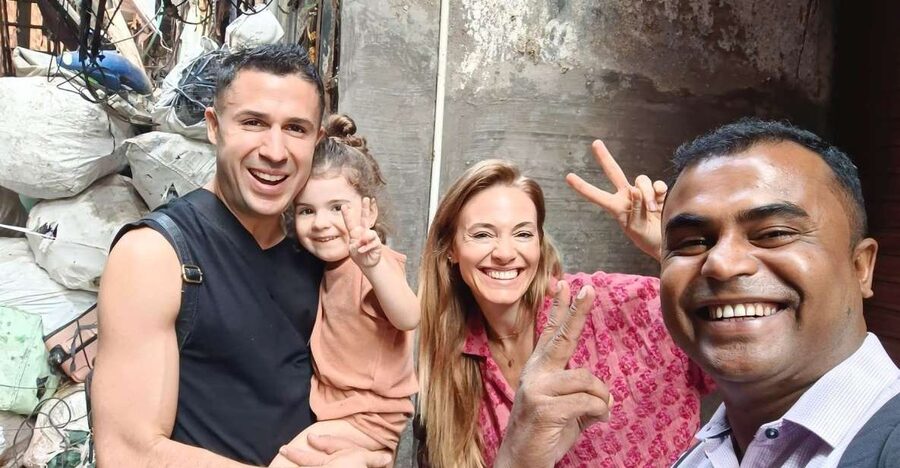
The guides named in bookings, like Alkama, Frazen, Faizan, Abi, and Mohammad, show up for a reason. Their explanations are repeatedly described as clear, detailed, and patient, and that is exactly what you want when a place comes with so much misinformation attached to it.
A few more Dharavi Slum tours around Mumbai:
- Dharavi slum tour in Mumbai by Female tour guides of the slum
★ 5.0 · 1,976 reviews - Mumbai: Dharavi Slum, DhobiGhat, and Dabbawallas Tour
★ 4.9 · 689 reviews - Dharavi Slum Tour
★ 5.0 · 625 reviews
How the 2-hour plan flows from pickup to your return to Mumbai
The tour is timed for focus, not for lingering. Plan on a 2-hour experience in Dharavi, framed by pickup and drop-off.
Your day starts when the driver meets you at your pickup point. If you are staying in a hotel, it is generally a short wait in the lobby. If you are arriving from the airport, you meet the guide outside after immigration and customs, with a name board. If you are coming from a cruise ship, you meet at the exit gate at Mumbai International Cruise Terminal. In other words, you should not be searching around Mumbai like a detective.
Once you arrive, the walking portion is guided, and the tour is structured to show a full picture, including where people live and where they work. Some tours in this style also use public transport for part of the journey, and at least one route described a mix that included a local train, which can be about 20 minutes when it fits the day. That kind of transfer is not essential to the Dharavi experience, but it does add a real Mumbai angle instead of treating the trip like a private car bubble.
There is also a practical rhythm during the walk. One guide approach included a restroom stop before continuing, and that is the kind of common-sense detail that makes a short tour feel smoother.
Seeing where work happens: recycling, textiles, leather, and more
Dharavi is often reduced to a single image in the mind. This tour pushes you past that. It takes you to the places where money and skills get turned into everyday survival.
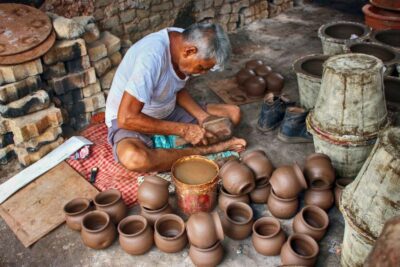
A major focus is the industrial side of Dharavi, including plastic recycling. You will also see businesses linked to garment and textile production, along with leather and other small industries. The tour framing here is that Dharavi functions like an economic engine, with an annual income figure mentioned around $1 billion. Even if you treat that as a big-picture estimate, the takeaway is clear: this is not just residents living in one area, it is a working system.
What I like about this emphasis is that it changes how you interpret everything else. When you understand what people do to earn, the homes and streets stop feeling like a backdrop and start feeling like infrastructure. You start noticing roles, routines, and the way products move through the area.
You may also spot animals moving through lanes as part of daily life, like goats or sheep described by guide routes. That sounds odd on paper, but in practice it reinforces the same point: Dharavi is not staged. It is lived in.
One more practical note: these are active work areas. You will see noise, movement, and close working conditions, so keep your phone ready, but also keep your eyes open for respectful behavior in tight spaces. The tour is built around a local resident escort, which helps you navigate correctly.
Community life you can actually picture, homes, school, and daily routines
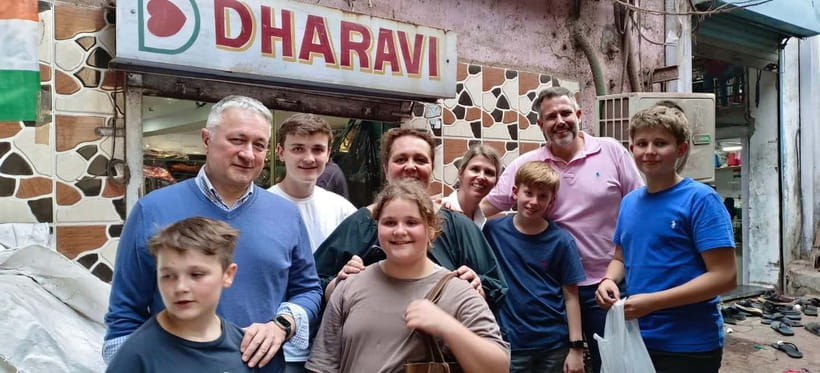
The best Dharavi tours do two things at once: they show labor and they show family life. This one aims to do exactly that.
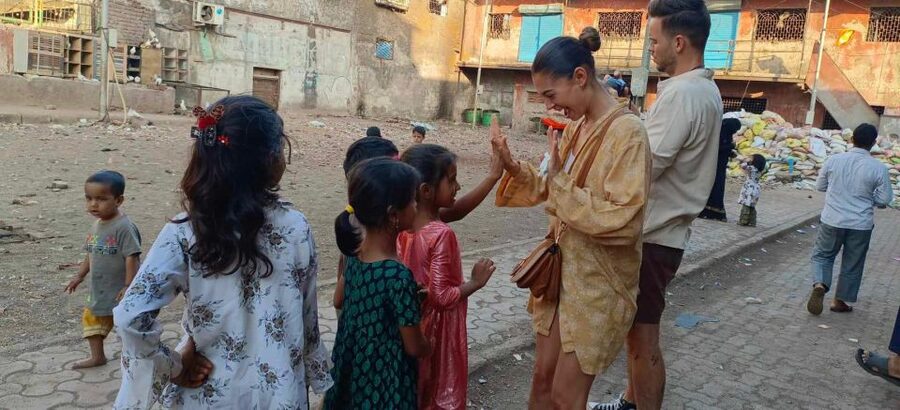
You will see where people live, where families spend time, and where children play and relax. The point is not to make you uncomfortable or to force pity, it is to replace vague stereotypes with real human detail. The guide uses local context to explain how life is organized, which can be surprisingly different from what outsiders expect.
A school stop can be included, and that is important because it gives you a time horizon. Work and home life tell you what is happening today, but education tells you what people are planning for tomorrow.
One theme that comes through strongly is the sense of community. You are not shown as a temporary visitor floating above everything. Instead, you are guided through spaces that feel shared, even when they are crowded. People build social structure while also building businesses. That combo is the reason this tour gets such strong praise.
A few more Mumbai days to compare
- Mumbai: Full-Day Sightseeing Tour of Mumbai
★ 4.9 · 1,822 reviews - Private Mumbai Sightseeing Tour (Traveller’s Choice Award Winner)
★ 5.0 · 1,565 reviews - Elephanta Caves & Island Guided Private Tour
★ 5.0 · 1,327 reviews - Group Guided Walking Tour in Fort and Colaba
★ 5.0 · 1,073 reviews
Slumdog Millionaire filming spots, and why film images miss the point
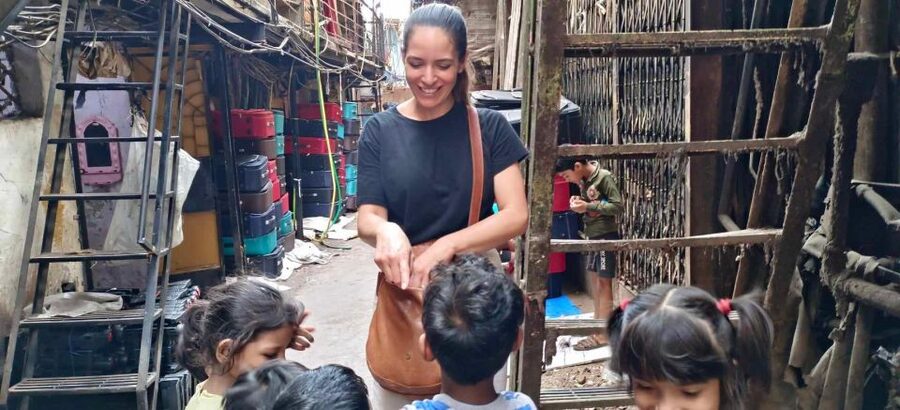
The tour includes a stop tied to the movie Slumdog Millionaire, with mention of a filming place inside Dharavi. That is the hook for many people. But the real value comes from what the guide does next.
A movie frame can make a place look like it exists only for drama. A resident guide brings you back to daily reality. You see what life looks like when the camera is gone: where the industries are, how the neighborhood supports families, and how the community keeps moving.
If you are coming to Mumbai with movie memories, this can be a reality check in the best way. It does not ask you to forget the film. It asks you to compare what the film suggests with what a working neighborhood actually looks like when you walk through it.
Safety, respect, and why a resident guide matters
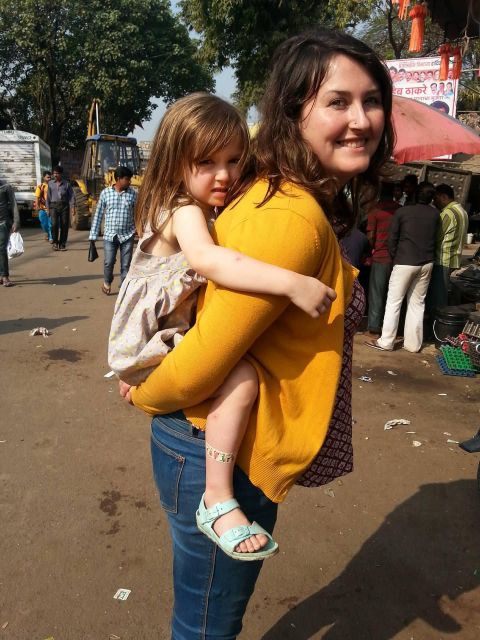
This is where the tour’s design really matters. The experience is offered as a visit inside and around Dharavi that is described as completely safe when done with locals, and that you visit only by a residence in the area.
Safety on tours like this should not be treated like a marketing slogan. You should treat it like a practical system: who is walking you, where you are allowed to go, and how you behave once you are there. The resident guide role is not just about translation. It is about knowing what is appropriate, what is sensitive, and what context to give you so you do not misread what you see.
In bookings, the guides are repeatedly described as friendly, patient, and able to answer questions. That matters because your curiosity is going to run into real human stories. If the guide is calm and clear, you get understanding instead of awkwardness.
Also, because this is a private group, you can usually move at a comfortable pace and ask questions without feeling like you are holding up a big bus crowd.
Price and logistics: $14 for a private local tour that actually costs less than your taxi
At $14 per person for 2 hours, this tour can be a rare bargain in Mumbai terms, especially if you factor in pickup and drop-off. You are not just paying for walking, you are paying for a local guide from Dharavi, entrance fees, and transport coordination.
It also helps that the tour includes a water bottle, and it lists all entrance or entry fees as included. That is one less thing to manage in the middle of a neighborhood visit. Food and drinks are not included, so if you are doing this earlier in the day, plan to eat before or after.
Transport quality gets a strong mention here, with a perfect score from reviewers regarding transport. That typically translates into a smoother pickup and less time wasted trying to sort out meeting points.
What should you bring?
- Comfortable shoes, because it is a walk through real lanes and work zones
- A light layer, Mumbai weather can swing and there is sun and humidity
- Basic manners, because this is a working neighborhood, not a museum
Who this Dharavi private tour suits best
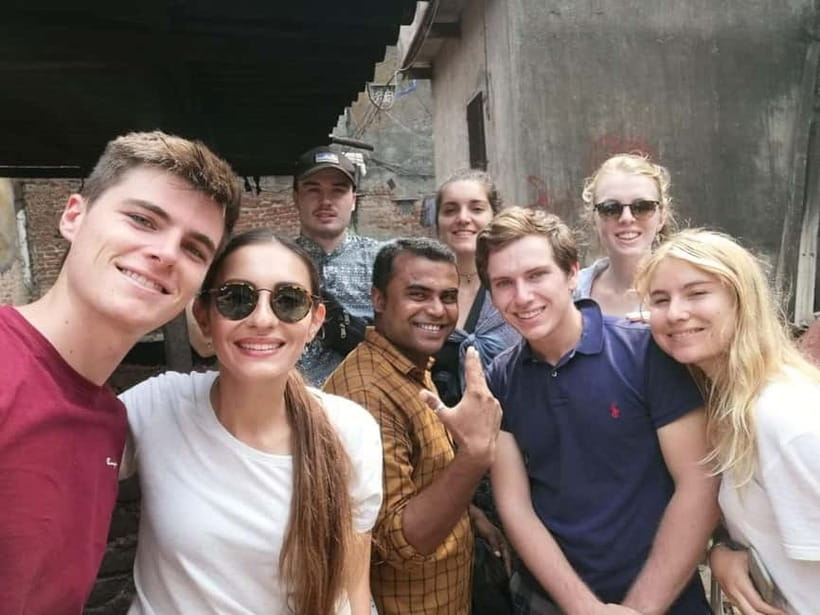
This is a strong match if you want more than a photo stop and you like guided explanations. It works well for first-timers who feel unsure about what to ask, because the tour is set up to explain where people live, work, and play.
It also fits you if you care about how cities actually function at street level. The tour shows industries that are often invisible to outsiders, including recycling and textile-linked work. That can change how you think about urban life.
If you hate crowds, loud workshops, and close-up everyday activity, you might find the environment a bit intense. And if you are uncomfortable talking about poverty, inequality, and resilience, you may struggle with the tour’s goal of dispelling stereotypes rather than softening reality.
Should you book this Dharavi private tour?
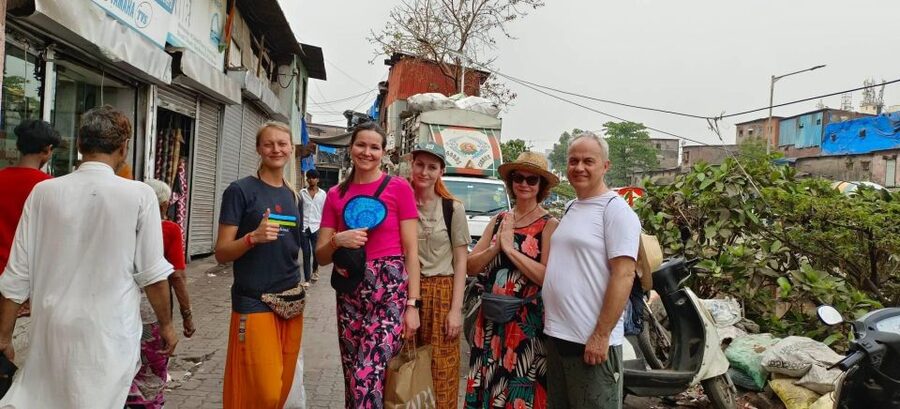
Yes, if you want a private, local-English guided visit that focuses on real work and real community life, and if you are open to seeing Dharavi as more than a film set or a headline. The value is strong for a short, structured visit at $14, especially with pickup, drop-off, and entrance fees handled.
Book it with a mindset shift: come to learn how life works here, not to collect a shock story. If you do that, this tour gives you something rare in Mumbai, a neighborhood visit with context, safety through local guidance, and a human scale that a drive-by can never deliver.
FAQ
How long is the Dharavi slum tour?
The tour lasts 2 hours.
Is hotel pickup and drop-off included?
Yes. Hotel pickup and drop-off are included.
Is the guide English speaking, and is it private?
Yes. You get a local English-speaking guide, and it is a private group.
What does the tour focus on inside Dharavi?
You will see where people live, work, and play, plus local businesses such as plastic recycling, garment and textile work, and leather. The tour also includes a place where Slumdog Millionaire was filmed.
What is included in the price, and is food covered?
Included are the private tour, local English-speaking guide, pickup and drop-off, entrance fees, and a water bottle. Food and drinks are not included.
Can I cancel for a full refund?
Yes, you can cancel up to 24 hours in advance for a full refund.
Recently added around Mumbai
- South Mumbai: Cultural Heritage Walking Tour★ 4.8 · 45 reviews
- Mumbai: Local Markets & Temples Tour★ 4.6 · 45 reviews
- South Bombay Live Walking Tour★ 4.9 · 11 reviews
- Mumbai: Same Day Tour of Ajanta & Ellora Cave’s★ 5.0 · 7 reviews
- Private Mumbai Highlights Tour (5 Hours)★ 4.9 · 46 reviews
- Private Dharavi Slum Tour★ 5.0 · 13 reviews
- Night Tour: Mumbai’s Nights & Buzzing Bazaars★ 5.0 · 7 reviews
- Mumbai:Dhobi Ghat Laundry,Dharavi Slum & Flower market Tour★ 5.0 · 12 reviews
Dharavi Slum Tours, compared.
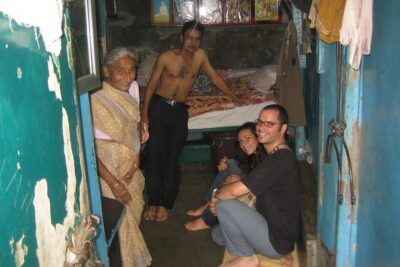
Dharavi slum tour in Mumbai by Female tour guides of the slum
Read our review →

Dharavi Slum Slumdog Millionaire Tour with a Local
Read our review →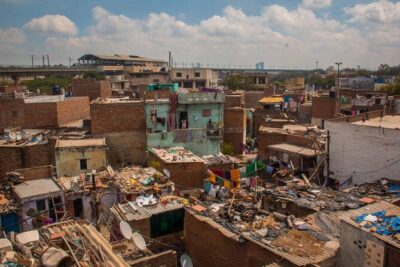
Dhobi Ghat Laundry and Dharavi Slum Tour with Local
Read our review →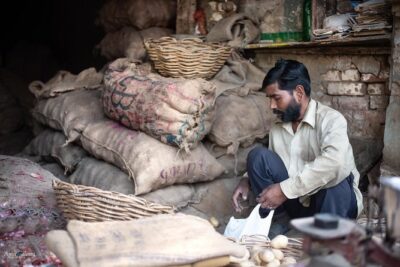
Browse the lists this tour appears in