
Reviewed · DHARAVI SLUM TOURS
Mumbai: Dharavi Slumdog Tour -See the real Slum with a Local
Dharavi is real, not a stereotype. This guided walk with a local resident guide is built to show where people live, work, and raise families, with storytelling from guides like Abishek and Zeeshan that keeps things human and clear. I especially like the chance to see everyday Dharavi industries up close, from recycling to textiles and leather, and you also visit the Slumdog Millionaire filming area. One consideration: parts of the experience can drift toward shop-style stops, and you may want to stay grounded if you hear claims that feel oversold or inaccurate.
You should also know this tour is designed to be respectful and practical, not voyeuristic. Several guides emphasize privacy and explain how the community manages work and daily life, including how kids fit into the rhythm of the area.
In This Review
- Key Points Before You Go
- Why This Dharavi Slumdog Tour Works Better Than a Drive-By
- Meeting Point in Mahim: Where You Start and What to Expect
- How the Tour Moves Through Homes, Work, and Kids at Play
- The Big Industry Stops: Recycling, Textiles, Leather, and More
- Seeing the Slumdog Millionaire Filming Location in Context
- Safety and Respect: How the Tour Frames the Experience
- Price and Value: Why $4.99 Changes How You Should Think
- What I’d Watch Out For Before Booking
- Who This Tour Suits Best
- Should You Book This Dharavi Slumdog Tour?
- FAQ
- What is the price of the Mumbai Dharavi Slumdog Tour?
- Where is the meeting point?
- Where does the tour end?
- Are the guides available in English?
- What is included in the tour?
- What will I see during the tour?
- Does the tour include the Slumdog Millionaire filming location?
- Is the tour safe to visit?
- Are pets allowed on this tour?
- Is pay later and cancellation available?
Key Points Before You Go
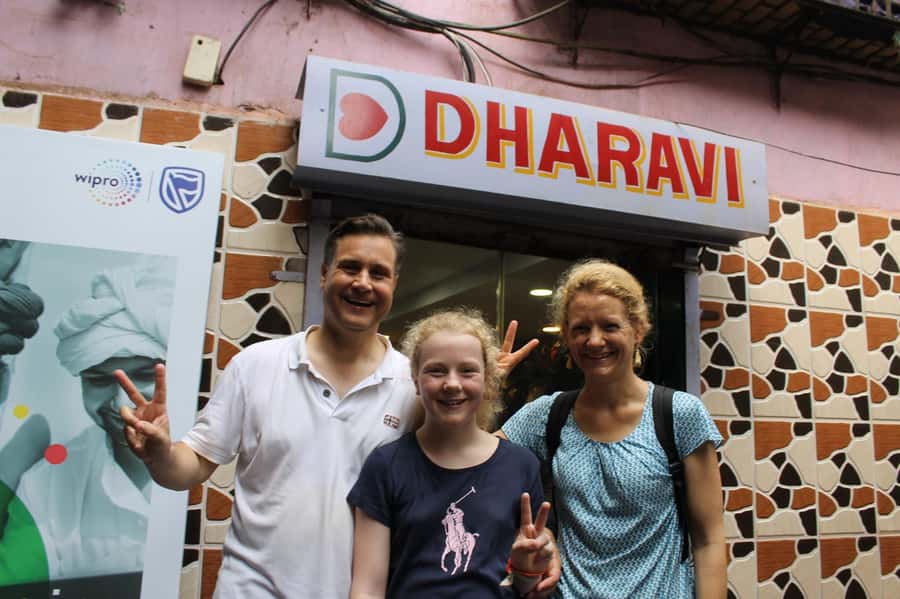
- Local resident guides keep the tone personal, not touristy
- Work and daily life in view: where people live, work, and play
- Industry stops you can actually see: plastic recycling, garment and textile work, leather, metal, and more
- The Slumdog Millionaire filming spot adds context to what you see on the ground
- Built to challenge stereotypes, so you get the real picture rather than headlines
Why This Dharavi Slumdog Tour Works Better Than a Drive-By
Dharavi gets talked about in big, dramatic terms. But on this tour, the focus stays small and direct: who lives here, what they do each day, and how the place functions as a working community. That matters, because when you only see Dharavi from a distance, you end up with myths. When you walk it with a resident, you start noticing details, routine, and practical problem-solving.
I like that guides are from the neighborhood and bring lived context. People name-check guides such as Zeeshan and Bharti for clear explanations and a sensitive approach, with Bharti described as someone who balances honesty with privacy. Abishek also comes up for being helpful and well-paced, giving visitors room for questions instead of rushing through.
The other thing that makes this tour worth your time is the mix of sights. You are not only looking at buildings. You’re seeing work in motion and learning how different trades connect, including recycling and production. The tour also points you to the film tie-in, where the Slumdog Millionaire storyline connects to a real spot inside Dharavi.
A few more Dharavi Slum tours around Mumbai:
- Dharavi slum tour in Mumbai by Female tour guides of the slum
★ 5.0 · 1,976 reviews - Mumbai: Dharavi Slum, DhobiGhat, and Dabbawallas Tour
★ 4.9 · 689 reviews - Dharavi Slum Tour
★ 5.0 · 625 reviews
Meeting Point in Mahim: Where You Start and What to Expect
You meet at Third Wave Coffee, Mahim, opposite Mahim railway junction West. After you arrive, you can stand outside the cafe or sit inside, and your guide should be easy to spot once you’re there. You’ll get a quick introduction and be pointed toward the start of the walk.
This meeting setup is simple, which is helpful in a big city. Mumbai can be chaotic, so having a clear landmark near a railway junction makes your first step easier. The tour ends back at the same meeting point, so you’re not left figuring out how to get out of a maze of lanes and streets.
How the Tour Moves Through Homes, Work, and Kids at Play
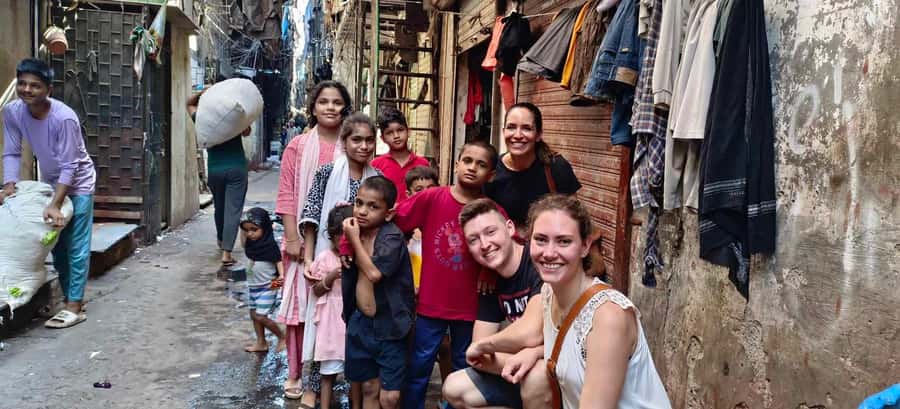
The heart of the experience is walking through the community and seeing everyday life: where people stay, where families spend time, and how children move through the area as part of the normal rhythm. That focus on real routines is what separates this from a checklist.
You will learn what people do for living, not just see it. The tour aims to show the full picture, including business activity and how families organize space for living plus work. Some guides explain issues using simple comparisons, which is useful when topics get complicated fast. It also helps if you’re visiting for the first time and don’t know how Dharavi fits into Mumbai’s wider economy.
A respectful tone matters here. Several guides are praised for being sympathetic and careful about people’s privacy. That’s not just good manners. It changes how the experience feels, because you’re not turning residents into props. You’re being taught, with boundaries.
The Big Industry Stops: Recycling, Textiles, Leather, and More
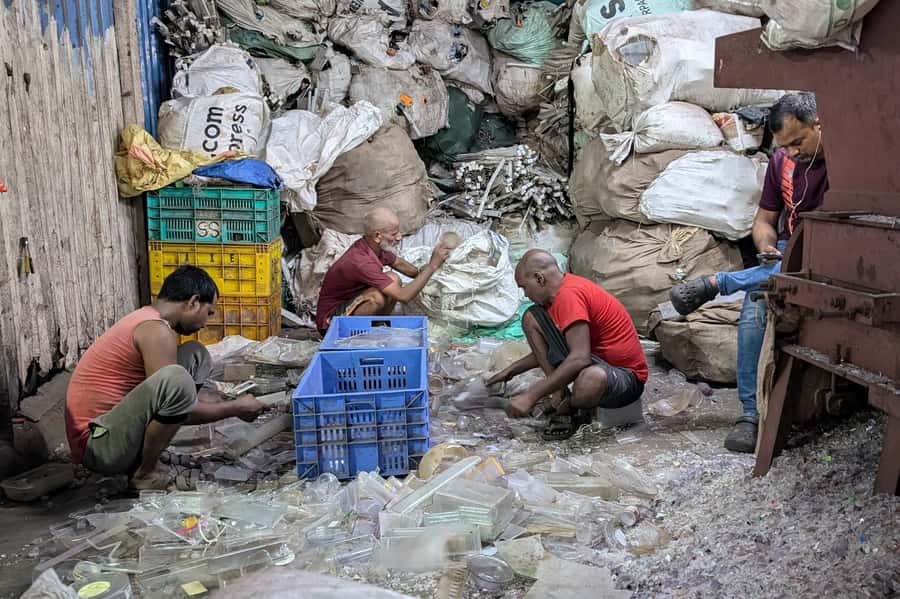
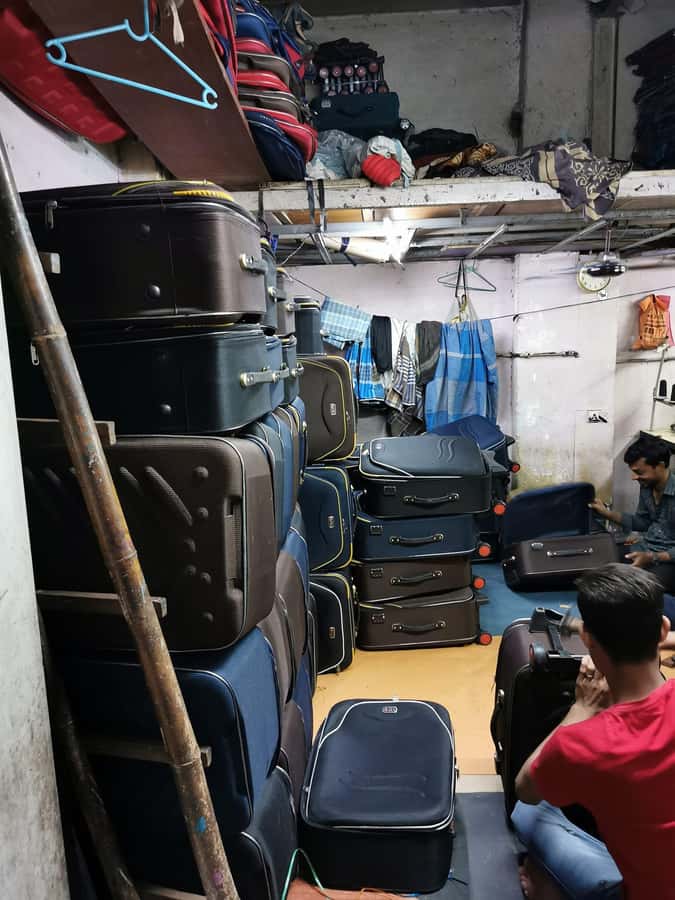
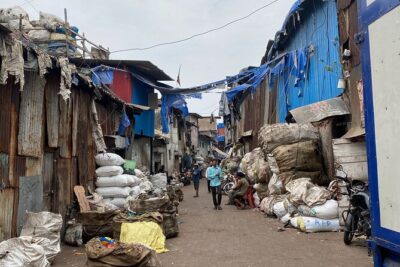
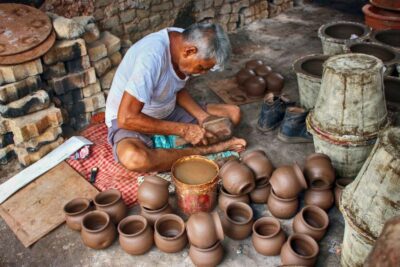
What you learn on this tour often lands in a practical way. Instead of abstract poverty discussions, you see a network of small businesses and trade processes. The tour highlights industries like plastic recycling, garment and textile work, leather, and other production areas.
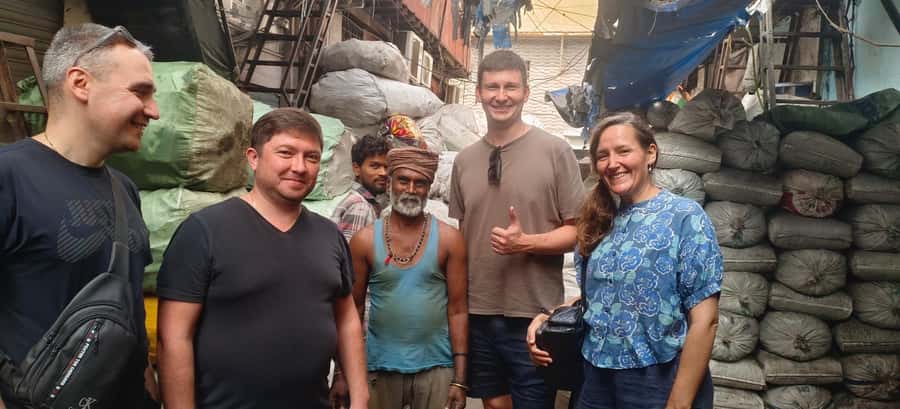
Recycling is a standout topic. One of the most discussed sections is how materials get collected, processed, and handled through the workflow. You’ll also see how many different types of production exist within the same tight geography. The idea is not only that people work hard, but that the area has built systems to keep raw materials moving and finished items flowing.
Textiles and laundry-style processes are mentioned as especially interesting. People note seeing how individual work steps are managed from collection through processing and then back out. If you like understanding how things are made, this is where you’ll start connecting the dots between the industries.
Leather also shows up as a major subject. One caution based on the experience feedback: the ending can include a leather store stop, and some visitors felt that the store experience did not match the earlier educational tone. That doesn’t mean the production section isn’t real. It does mean you should be ready for a sales-facing moment at the end, and decide in advance how much shopping you want to do.
A few more Mumbai days to compare
- Mumbai: Full-Day Sightseeing Tour of Mumbai
★ 4.9 · 1,822 reviews - Private Mumbai Sightseeing Tour (Traveller’s Choice Award Winner)
★ 5.0 · 1,565 reviews - Elephanta Caves & Island Guided Private Tour
★ 5.0 · 1,327 reviews - Group Guided Walking Tour in Fort and Colaba
★ 5.0 · 1,073 reviews
Seeing the Slumdog Millionaire Filming Location in Context
The tour includes a visit to the place where Slumdog Millionaire filmed inside Dharavi. That’s a fun hook if you know the movie, but the real value is context.
Movies often compress places into a story. In Dharavi, the tour helps you map what you saw on screen to what exists in real life. You get the chance to connect the idea of a filmed location to the daily reality of families and businesses that use the same streets.
Guides tend to use this film stop to shift the conversation away from spectacle and toward how the community operates. That’s important because it interrupts the urge to treat Dharavi as a single narrative. Here, the story is bigger than one film, and the tour tries to show that through multiple industries and neighborhood scenes.
Safety and Respect: How the Tour Frames the Experience
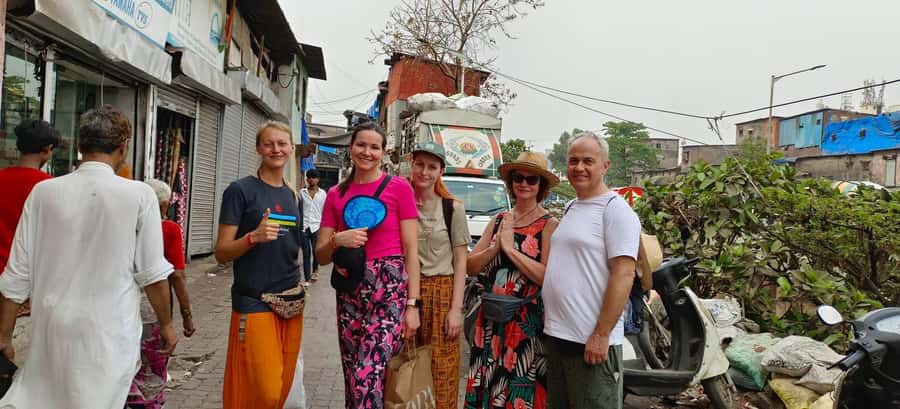
The tour description makes a strong point that it is completely safe to visit inside and around, and that you visit only by residents. That matters because safety anxiety can keep people from booking. A resident-led walk also helps set expectations for behavior, because the guide is dealing with access and permissions in real time.
Respect is the unspoken rule on tours like this, and the tone you get from guides matters. Bharti is specifically praised for being sympathetic and for protecting privacy while still sharing insight. Abishek and Zeeshan also come up for balancing information with question time, which helps you ask what you actually want to know without turning people into a lecture audience.
If you’re the type who likes to take photos constantly, slow down. The tour is about learning how people live and work. If you treat it like a photo safari, you’ll lose the point.
Price and Value: Why $4.99 Changes How You Should Think
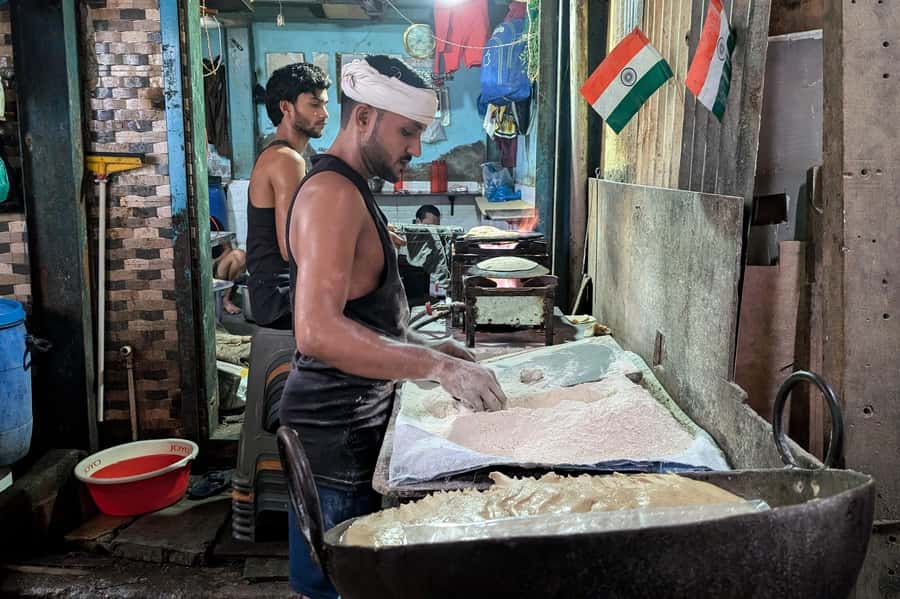
The stated price is $4.99 per person, which is strikingly low compared to many guided tours in major cities. That doesn’t automatically mean it’s low quality. It does mean you should calibrate expectations.
At a low price, you’re paying for a resident guide, included entry tickets to visit inside Dharavi slum, and water. You’re not paying for luxury logistics, large vehicles, or extras that some higher-priced tours include. The value is in access, clarity, and a respectful local lens.
In other words: this isn’t a themed show with polished production. It’s a real neighborhood walk with real working systems. When you approach it that way, the price becomes a bargain rather than a red flag.
What I’d Watch Out For Before Booking
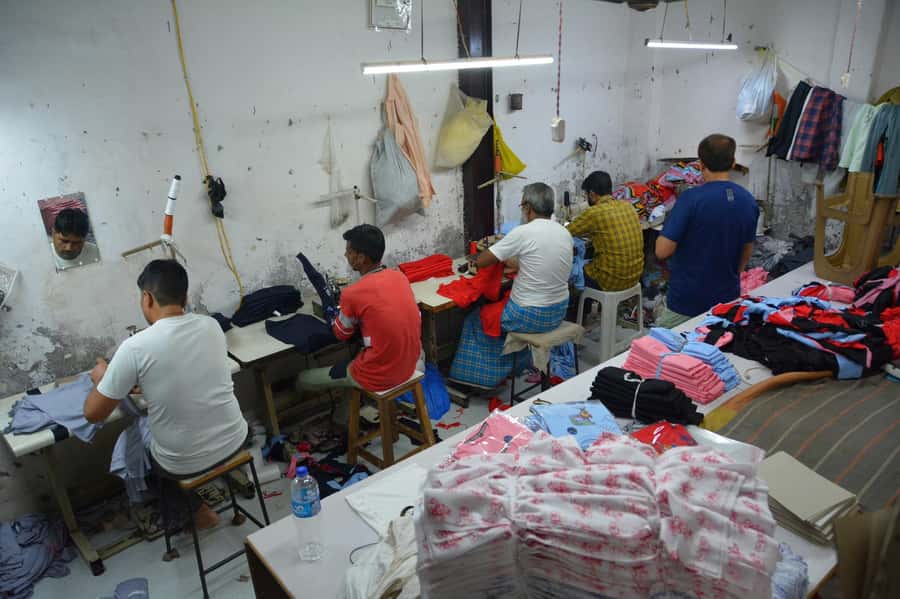
This tour is designed to dispel stereotypes, but stereotypes still lurk in how visitors expect the experience to go. If you’re coming in with either of these mindsets, you’ll enjoy it less:
- You want instant answers that explain everything in a neat package.
- You want to focus only on hardship, without noticing systems and trade skill.
There’s also one specific consideration worth mentioning from the experiences shared. One guide was said to provide information that some felt was incorrect, and another visitor did not like being taken to a leather store with what they felt were high prices compared to street options. That means you should be prepared for the tour to include commercial stops, even if the educational purpose comes first.
If you’re cautious about sales pressure, decide ahead of time what you will and won’t do at the end.
Who This Tour Suits Best
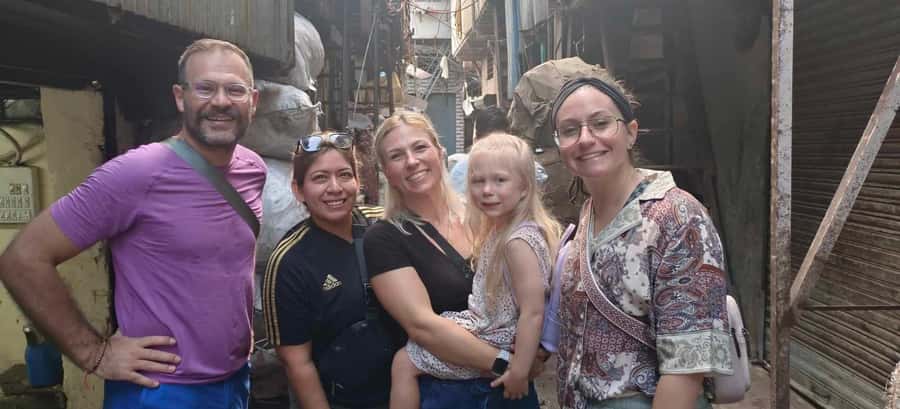
This is a strong fit for you if you want more than sightseeing. You’ll probably enjoy it if you like:
- People-first travel, where the story comes from residents
- Understanding how industries work in real locations
- A guided structure that challenges assumptions instead of confirming them
- A sensitive, explanation-heavy approach, especially with guides like Zeeshan or Bharti who are praised for clarity and care
It might be less ideal if you strongly dislike industrial settings, sales-like stops, or if you want a purely cultural walk with no workshops or production areas. The tour is about work and daily function, not only art and architecture.
Should You Book This Dharavi Slumdog Tour?
Book it if you want a guided, resident-led look at how Dharavi functions as a real community, with hands-on industry context and a stop connected to Slumdog Millionaire. The low price helps, especially because it includes an English guide, entry tickets to visit inside, and water.
Skip or reconsider if you’re uncomfortable with the reality of production areas, you strongly dislike any store stops, or you need very strict fact-checking for film and trade claims. If you do book, go in ready to ask questions and ready to stay respectful. That’s what turns a sensitive place into a meaningful experience.
FAQ
What is the price of the Mumbai Dharavi Slumdog Tour?
The price is listed as $4.99 per person.
Where is the meeting point?
You meet at Third Wave Coffee, Mahim, opposite Mahim railway junction West. Stand outside the cafe or sit inside.
Where does the tour end?
The tour ends back at the same meeting point.
Are the guides available in English?
Yes, the tour language is English, and the guide is a local English guide.
What is included in the tour?
Included are a local slum resident English guide, entry tickets to visit inside Dharavi Slum, and water.
What will I see during the tour?
You’ll see where people live, work, and play, plus business activity such as plastic recycling, garment and textile work, leather industry, metal industry, and more.
Does the tour include the Slumdog Millionaire filming location?
Yes, the tour includes a visit to where the Slumdog Millionaire movie was filmed inside Dharavi.
Is the tour safe to visit?
The tour description says it is completely safe to visit inside and around, and that you will visit with local residents.
Are pets allowed on this tour?
No, pets are not allowed.
Is pay later and cancellation available?
Yes, it offers reserve and pay later, and you can cancel up to 24 hours in advance for a full refund.
Recently added around Mumbai
- Mumbai Kanheri Caves & Vipassana Pagoda Tour★ 4.9 · 11 reviews
- Mumbai Half-Day Guided Tour★ 4.7 · 32 reviews
- Mumbai: Kanheri Caves and The Golden Pagoda Temple★ 4.7 · 108 reviews
- Mumbai Half-Day Guided Tour with Dhobi Ghat★ 5.0 · 11 reviews
- Mumbai: Karla and Bhaja Caves Full–Day Tour★ 4.8 · 7 reviews
- Bombay Express Mumbai Food Tour with 15+ Tastings★ 4.8 · 37 reviews
- Mumbai: Full-Day Private Sightseeing Tour★ 4.7 · 25 reviews
- Mumbai: Half Day Elephanta Caves Guided Tour with Ferry Ride★ 4.0 · 9 reviews
Dharavi Slum Tours, compared.
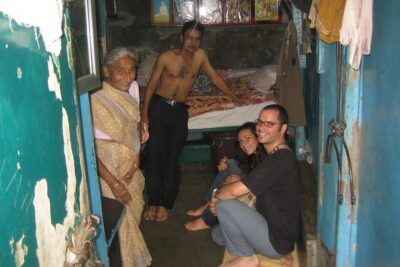
Dharavi slum tour in Mumbai by Female tour guides of the slum
Read our review →
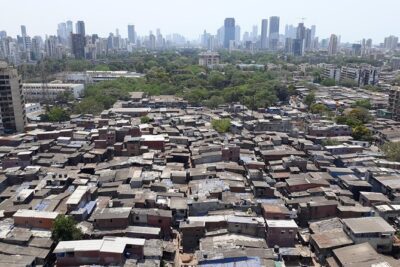
Dharavi Slum Slumdog Millionaire Tour with a Local
Read our review →
Dhobi Ghat Laundry and Dharavi Slum Tour with Local
Read our review →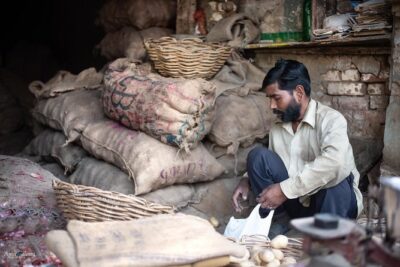
Browse the lists this tour appears in