
Reviewed · DHARAVI SLUM TOURS
Mumbai: Dharavi Slum Walking Tour with Options
Dharavi rewards curiosity. This is a small-group walking tour that stays community-first, moving through workspaces, alleys, and everyday neighborhoods instead of treating the area like a spectacle. I like how the focus stays on entrepreneurship, from recycling and pottery to leather work and poppadom-making. You’ll also get context for the real challenges of migration and how the community pushes back against stereotypes.
There are a couple of practical realities to weigh. This tour has a strict no-photography rule, and the route is all walking, including tight, sometimes dark-feeling alleyways, plus areas that can get dirty during monsoon months. If you’re claustrophobic or very tall, plan for a more physically intense experience than you might expect from the time on the clock.
In This Review
- Key highlights that make this Dharavi walk worth your time
- What makes this Dharavi tour feel different from a quick stop
- The best way to start, Churchgate or Mahim railway stations
- Safety briefing plus a viewpoint that changes your mental map
- Navrang Compound: seeing work at close range, not from a distance
- Gokulam Store and the trades you can actually see
- Reality Gives and the education thread behind your payment
- Kumbhar Wada: craft, hands-on context, and a self-guided moment
- Lunch in Dharavi: what you gain when a family opens the home
- The rules that protect privacy, plus what you should wear
- How much time you really spend, 2.5 to 3.5 hours
- What guides do best here, and the names you might encounter
- Value and pricing: why $20 can feel both fair and meaningful
- Who should book this Dharavi walking tour, and who might think twice
- Should you book this Dharavi tour?
- FAQ
- How long is the Dharavi walking tour?
- How much does the tour cost?
- Where do I meet the tour?
- Is lunch included?
- Can I take photos or videos during the tour?
- What should I wear and bring?
- Is cancellation allowed, and do I get a refund?
Key highlights that make this Dharavi walk worth your time
- Respectful, educated guiding that explains the area without sensationalism
- A chance to see 20,000 local businesses at work, from recycling to embroidery
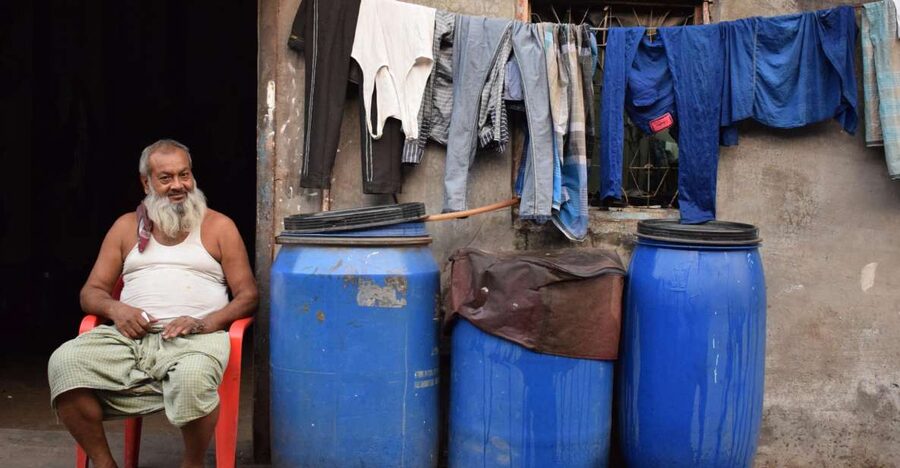
- Community-centric access, including residential areas and side-by-side places of worship
- Rooftop-style viewpoints for a bigger picture of the settlement’s scale
- Reality Gives and hands-on learning moments tied to the education supported by the tour
- Local, small-group pacing (up to 6) that helps you navigate the maze of lanes safely
What makes this Dharavi tour feel different from a quick stop
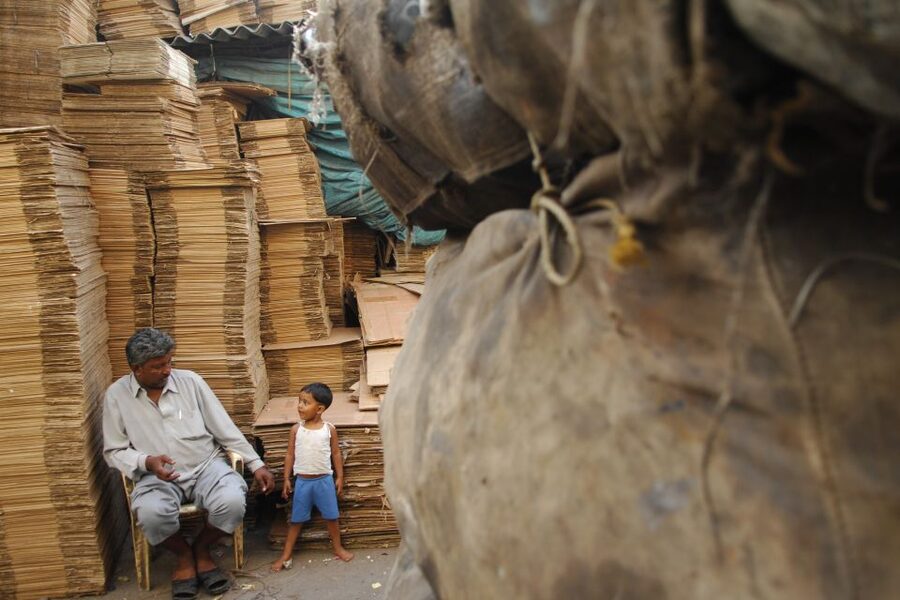
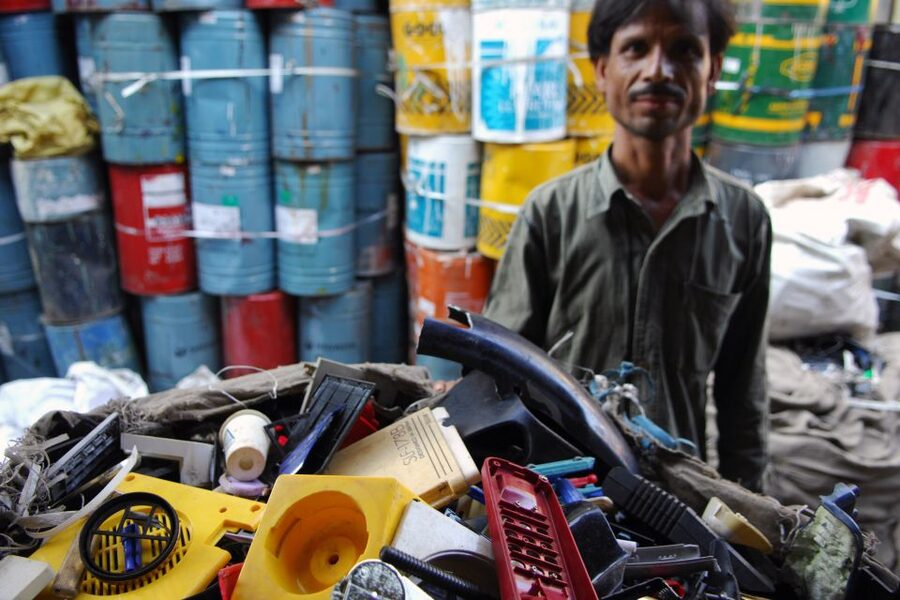
Dharavi is often described as one of Asia’s largest slums, but the lived reality is more complicated than a headline. Roughly one million people live here, and local industries run at an estimated annual turnover around $1 billion. What I appreciate is that the tour frames Dharavi as a place of work and skill, not just need.
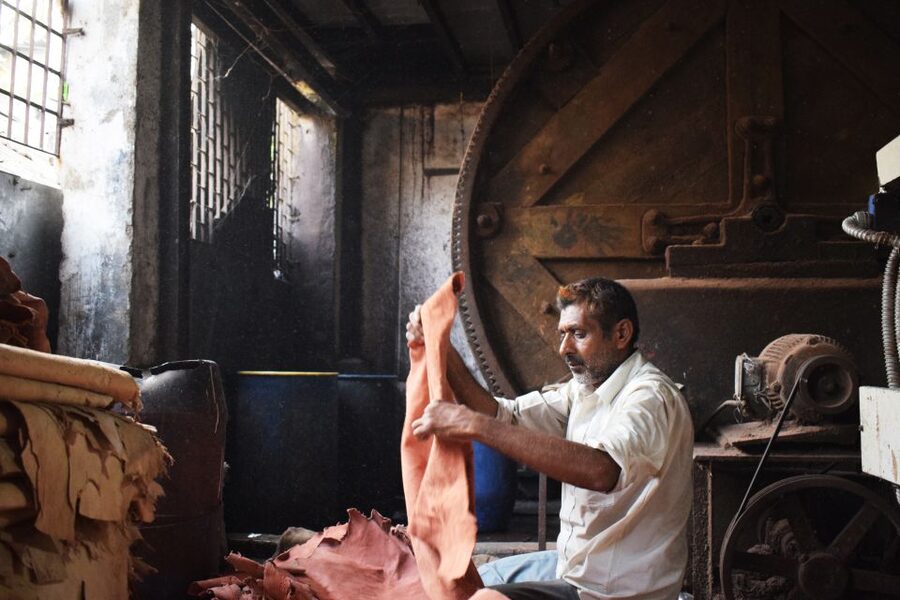
This is not the kind of experience where you’re marched past people as if you’re collecting photos. You’ll walk with a local English-speaking guide who helps you understand how migrants settled, how families built livelihoods, and why the word slum alone misses the point. Along the way, you’ll see a wide range of trades, including recycling, pottery-making, embroidery, bakery work, soap-making, leather tanning, and poppadom-making.
One more thing I like: the tour openly addresses the stereotypes that cling to Dharavi and replaces them with specifics. That shift matters, because it changes how you see what you’re walking through. You’re not just looking, you’re learning how the place functions.
More Walking Tours in Mumbai
- Group Guided Walking Tour in Fort and Colaba
★ 5.0 · 1,073 reviews - Private Guided Walking Tour in Fort & Colaba
★ 5.0 · 895 reviews - Private Guided Walking Tour in Bandra Queen of Suburbs
★ 5.0 · 383 reviews
The best way to start, Churchgate or Mahim railway stations
The tour gives you multiple starting options, which is handy when Mumbai plans get messy. You can meet at Churchgate, Mahim Junction Railway Station, or Mahim Railway Station. Your exact meeting point can vary based on the option you book, so check your confirmation before you head out.
Once you’re there, the pacing is designed for a smooth, guided flow through dense streets. The group is capped at up to 6 people, though you might be joined by other tourists on the same walking tour. In practice, that means you still get questions answered, but you’re also not alone in the lanes.
It’s also a tour where small practical prep helps. The route is walking-heavy, and you’ll want closed-toe shoes because parts of Dharavi can be dirty. If you’re visiting during monsoon season (June to mid-September), wear shoes you’re comfortable getting damp and grimy.
Safety briefing plus a viewpoint that changes your mental map
Before you get into the tighter lanes, you start with a view point segment that includes a guided orientation and safety briefing. This is where the tour helps you shift from thinking of Dharavi as a single block to understanding it as a vertical, layered place where streets, rooftops, homes, and businesses overlap.
That orientation is not fluff. When you then head into the maze of alleys, you’re less likely to feel lost, and you’re more likely to understand what you’re seeing. One review described the sense of scale and how close the buildings are, even making the area feel hot and dark at times during daytime. The viewpoint helps you prepare for that reality.
Expect a guided walk here, with the guide setting expectations for respectful behavior and movement through the neighborhood. This is also where the tour’s “non-intrusive and community centric” approach becomes clear. You’re not trying to force your way into every doorway. You follow the guide’s timing and boundaries.
Navrang Compound: seeing work at close range, not from a distance
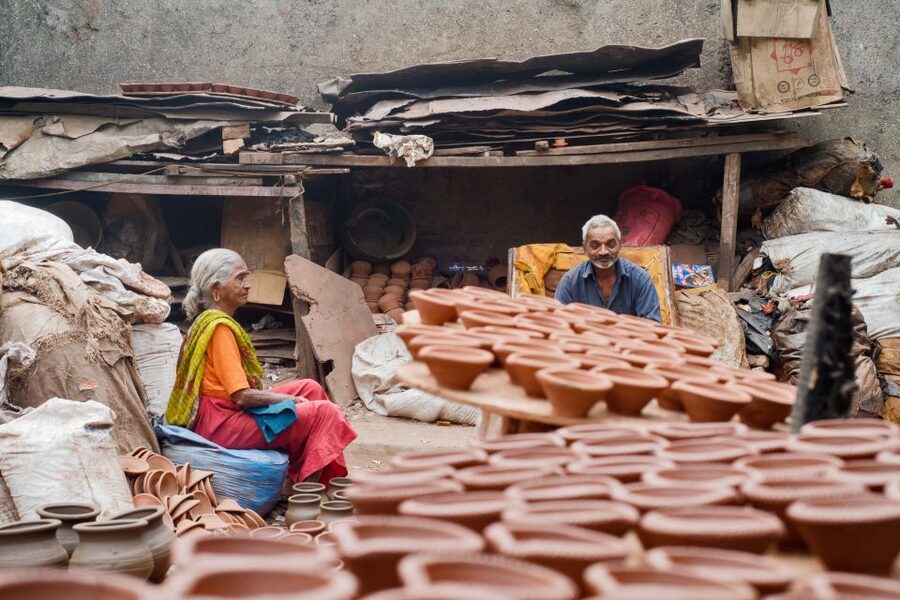
Next comes Navrang Compound, where you’ll spend about 30 minutes. This is a stop built around guided sightseeing and walking, with time to pass by relevant areas as you move through.
What makes a stop like this valuable is the way it connects the physical space to the economy. Dharavi’s reputation tends to be one-note from afar, but on the ground you see that it’s organized around production. You’re looking at the systems that turn small inputs into repeatable output, and that’s what keeps livelihoods running.
Your guide is likely to explain the “how” of everyday work and the “why” behind the community’s resilience. In reviews, guides like Rishi and Leena were praised for being informative and cheerful, which matters here. In a place like this, the best guiding is the kind that helps you ask better questions and notice details without treating people like props.
If you’re hoping for a quiet, photo-friendly stroll, adjust your expectations now. This part is about observation and conversation, not a sightseeing circuit built for Instagram.
A few more Dharavi Slum tours around Mumbai:
- Dharavi slum tour in Mumbai by Female tour guides of the slum
★ 5.0 · 1,976 reviews - Mumbai: Dharavi Slum, DhobiGhat, and Dabbawallas Tour
★ 4.9 · 689 reviews - Dharavi Slum Tour
★ 5.0 · 625 reviews - Dharavi Slum tour in Mumbai by local resident
★ 5.0 · 572 reviews
Gokulam Store and the trades you can actually see
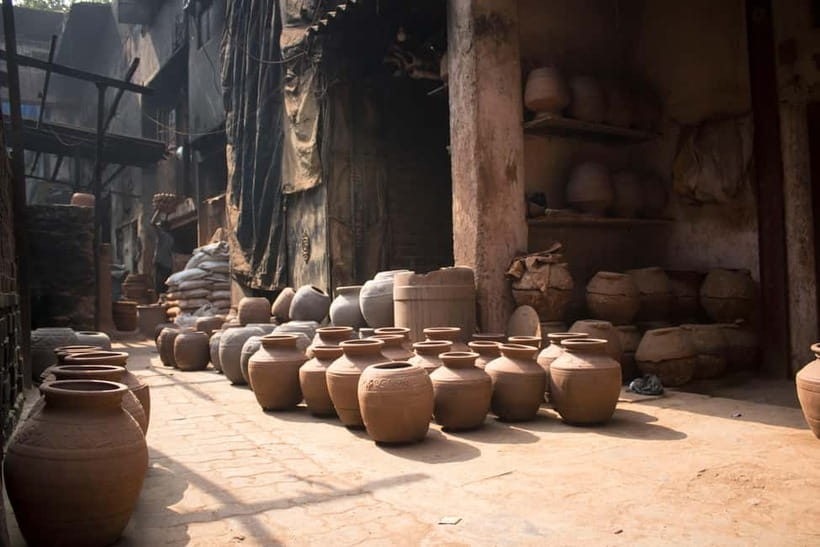
After Navrang Compound, you’ll move to Gokulam Store for about 20 minutes. This segment is guided, plus sightseeing and walking, so you get both context and the physical reality of what gets made and sold.
This stop is part of the tour’s broader goal: to show Dharavi as a place of small industries. That’s why you’ll hear about and see the range of businesses, from recycling to food products and crafts. The tour’s value is in how it ties those trades to the neighborhood’s social fabric.
If you’re the type who likes to understand how cities work, this is where your interest clicks. You stop thinking only in stereotypes and start thinking in labor, supply chains, and entrepreneurship.
Reality Gives and the education thread behind your payment
A short stop follows at Reality Gives – Mumbai, with about 5 minutes of a guided class moment. The emphasis here is the education connection, and it matters because it explains where your tour money goes beyond guide labor and route planning.
The tour states that 80% of profits are re-invested in educational community initiatives. You’ll hear how that funding supports learning and skills, and why education is one of the clearest ways to expand options for young people in the area.
In reviews, people explicitly chose this tour because of that reinvestment angle. One guide named Divia was mentioned for creating a personal, touching experience, with the overall concept and sensitivity of access making the learning feel human rather than transactional.
After Reality Gives, there’s also additional class time later (around 20 minutes), which reinforces that the tour is not just about seeing. It’s about understanding the role that education plays in changing futures.
Kumbhar Wada: craft, hands-on context, and a self-guided moment
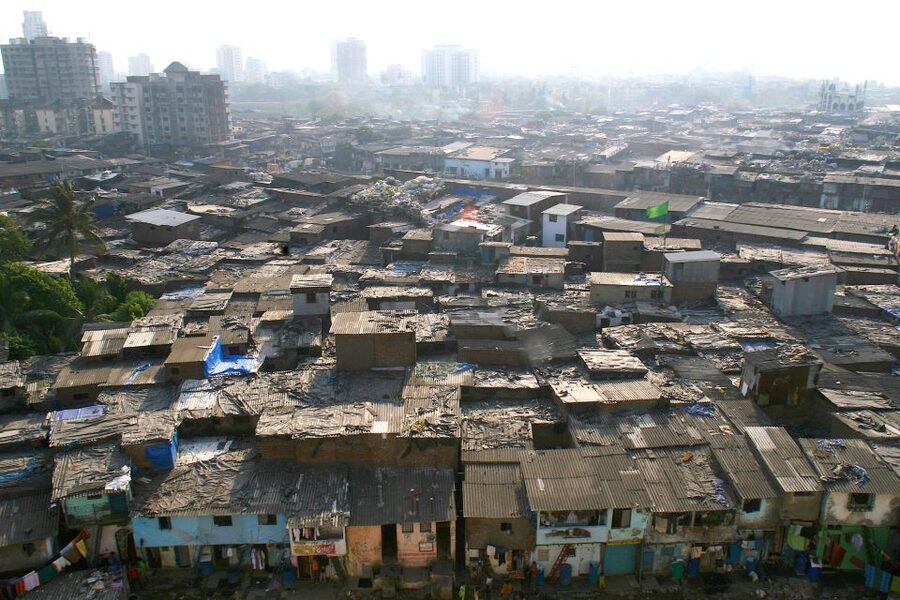
Next you visit Kumbhar Wada, with about 15 minutes of guided viewing and a self-guided section. This is a nice change of pace inside a walking tour because it gives you a small window to absorb without constantly talking through every detail.
Kumbhar Wada is the kind of stop that helps you notice the craft side of Dharavi. Pottery-making comes up in the tour’s overview, and stops like this are where the work behind the finished product becomes more visible. Even if you don’t catch every step, you’ll get enough context to connect the dots.
The self-guided time is also a practical benefit. It lets you ask yourself what you think you’re seeing, then compare it to what your guide told you earlier. That little pause can make the rest of the walk feel less like a blur of streets.
Lunch in Dharavi: what you gain when a family opens the home
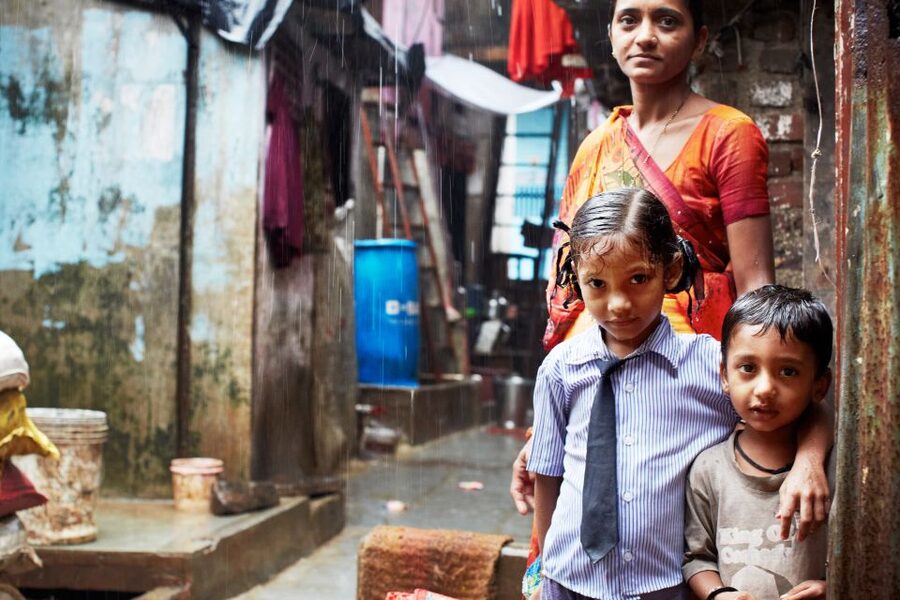
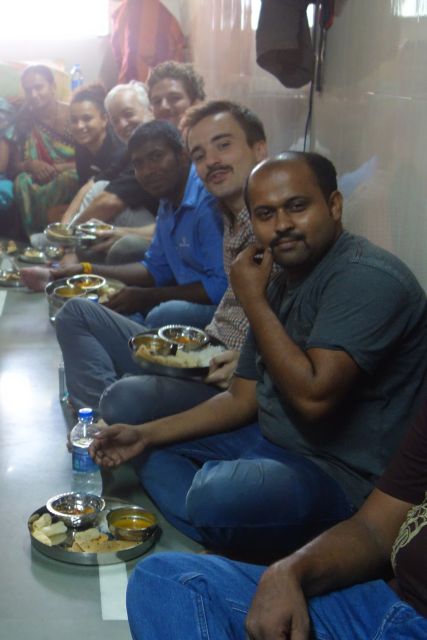
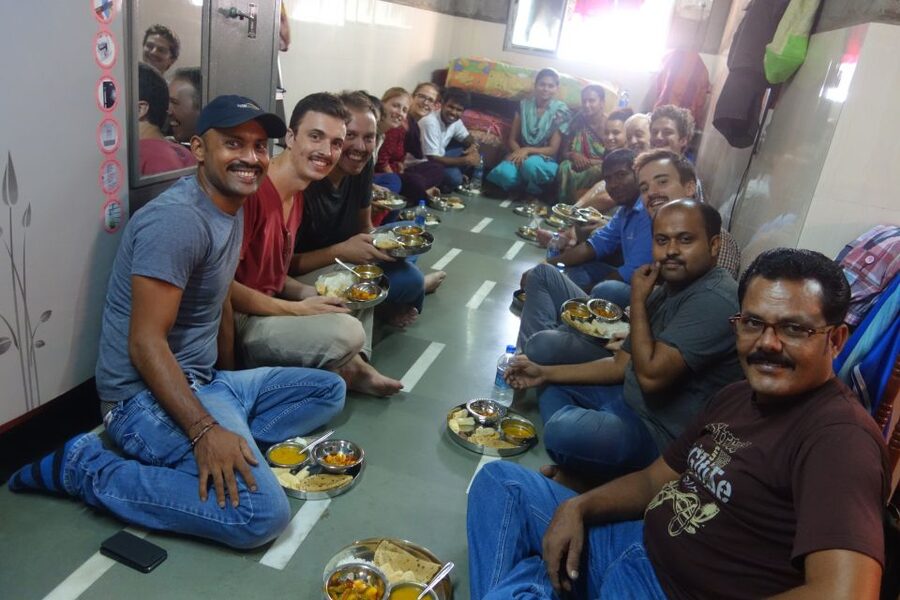
If you choose the lunch option, plan for about 35 minutes. The tour’s concept includes a family opening their home, so you’re not just buying a meal. You’re sharing a moment that places food back into its social setting.
This is where the “debunk stereotypes” piece can shift from lecture to lived experience. When you sit down to a regional meal inside a home environment, you see hospitality as part of daily life, not something reserved for tourist spaces.
If you skip lunch, you still do the rest of the walk, but you’ll miss this family-based interaction. I usually think twice about which option to choose, because for this kind of tour, food is often the most human part of the itinerary.
The rules that protect privacy, plus what you should wear
This tour comes with clear ground rules, and they’re there for good reasons.
- No photography policy: you won’t be allowed to take pictures or video while in Dharavi. It’s all about respecting privacy of local residents.
- Modest clothing required: no low-cut or sleeveless tops, and short shorts are not allowed.
- Closed-toe walking shoes recommended: the route can be dirty, and conditions may be especially tough during monsoon months.
- No baby strollers: not permitted.
- Wheelchair users: the tour is not suitable.
If you forget any of the clothing basics, you might find it uncomfortable to adjust on the spot. Bring something breathable and practical for Mumbai humidity.
Also, remember the small-group size. A strict no-photo policy combined with a tight group means you’ll rely more on memory and what your guide explains than on your camera roll.
How much time you really spend, 2.5 to 3.5 hours
The tour runs about 2.5 to 3.5 hours depending on the timing and option you choose. That’s a good length for Dharavi because it gives you enough time for viewpoints, multiple stops, and a meal option without turning the day into a marathon.
It’s also long enough to notice patterns, like how trades cluster and how daily life and industry overlap. Shorter tours often miss the connective tissue and leave you with disconnected impressions.
The bigger time value is in the flow. You start with orientation, move into business areas, then finish with learning and optional lunch. It feels like a guided story, not a sequence of random locations.
What guides do best here, and the names you might encounter
The tour leans heavily on the guide. In the feedback provided, the most praised element is the combination of sensitive guiding and real-life understanding of Mumbai’s social and economic reality.
Some guide names that have shown up in past experiences include Leena, Rishi, Divia, and Dhaivat. The common theme is clear communication and respect, which is exactly what you want in a place with real privacy and real complexity.
So if you’re booking, treat the guide as the main attraction. Bring curiosity, bring a few questions, and keep your interactions calm. The tour structure works best when you’re ready to listen.
Value and pricing: why $20 can feel both fair and meaningful
At $20 per person, the price is not only about walking with a guide. You’re paying for a managed, respectful route through sensitive areas, for time spent explaining complex issues, and for the education reinvestment tied to the tour’s model.
The big value hook is the stated funding approach: 80% of profits go back into educational community initiatives. That gives the tour a clear purpose beyond sightseeing, which is part of why many people rate it so highly.
Is it “cheap”? In Mumbai terms, it’s not the cheapest thing you can do. But in terms of impact and how the experience is structured, it’s easier to justify. You’re buying context, access, and a chance to support learning pathways.
Who should book this Dharavi walking tour, and who might think twice
I think this tour fits best if you want to understand cities the way locals do: through work, community, and daily routines.
You’ll likely enjoy it if you:
- like thoughtful guided walking tours
- want to see real businesses such as recycling, pottery, embroidery, soap-making, and leather tanning
- care about how your money supports education
- prefer small groups and clear boundaries
You might think twice if:
- you need a wheelchair-friendly route
- you’re uncomfortable with tight alleyways and heat
- you really want to take photos and need that visual record
And one practical note: the no-stroller rule and uneven, sometimes dirty terrain mean you’ll want to be physically ready for a continuous walk.
Should you book this Dharavi tour?
If your goal is to understand Dharavi as an ecosystem of work, migration, and community problem-solving, I’d say yes. The tour’s strongest asset is the respectful guiding plus the education funding link, not just the chance to “see a slum.”
Book it if you can follow the rules, wear modest clothing, and walk comfortably for a few hours. Skip it if you’re looking for photo-heavy sightseeing or an accessible route.
Done right, this is one of those experiences where the point isn’t to shock you. It’s to give you a sharper, more human view of how a city makes and sustains livelihoods.
FAQ
How long is the Dharavi walking tour?
The duration is listed as 2.5 to 3.5 hours. The exact timing can vary based on the option booked and the flow of the walk.
How much does the tour cost?
The price is $20 per person.
Where do I meet the tour?
You can start from one of three locations: Churchgate, Mahim Junction Railway Station, or Mahim Railway Station. The meeting point may vary depending on the option booked.
Is lunch included?
Lunch is included only if you choose the lunch option. If you opt in, lunch is listed as regional food and lasts about 35 minutes.
Can I take photos or videos during the tour?
No. The tour has a strict no-photography policy to respect the privacy of local residents.
What should I wear and bring?
Wear modest clothing, with no low-cut or sleeveless tops, and no short shorts. Use comfortable closed-toe walking shoes, since some areas can be dirty, especially during monsoon months.
Is cancellation allowed, and do I get a refund?
Yes. Free cancellation is available up to 24 hours in advance for a full refund.
Recently added around Mumbai
- Dhobi Ghat Tour★ 4.3 · 8 reviews
- Dharavi Slum Tour★ 5.0 · 10 reviews
- Discover Mumbai’s street & beach with Vegetarian food tour★ 4.8 · 46 reviews
- Mumbai: Dharavi Slum 2-Hour Walking Tour★ 4.9 · 13 reviews
- Mumbai: Dharavi Slum Walking Tour with Local Slum Dweller★ 4.9 · 44 reviews
- Dharavi Slum Tour & Mumbai Sightseeing★ 5.0 · 10 reviews
- Mumbai: Dharavi Tour Including Car Transfer★ 5.0 · 9 reviews
- Dharavi: Daily Life inside Asia’s Largest Slum walking tour★ 5.0 · 9 reviews
Dharavi Slum Tours, compared.
Dharavi slum tour in Mumbai by Female tour guides of the slum
Read our review →


Dharavi Slum Slumdog Millionaire Tour with a Local
Read our review →
Dhobi Ghat Laundry and Dharavi Slum Tour with Local
Read our review →
Browse the lists this tour appears in