
Reviewed · DHARAVI SLUM TOURS
Mumbai: Dharavi Slum Walking Tour by First Female Tour Guide
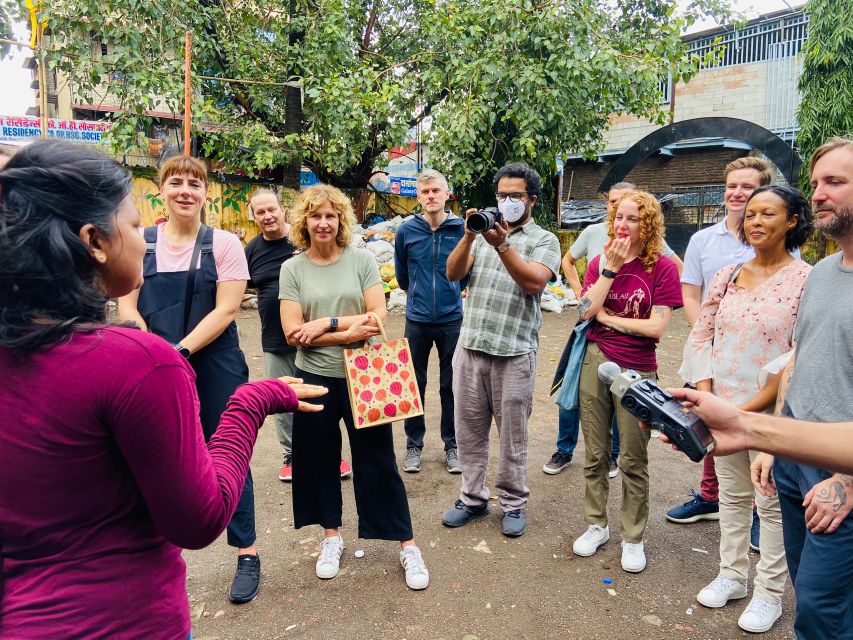
Dharavi is Mumbai’s hardest lesson in what real life looks like. A walking tour here is not about movie-set poverty. You follow a local woman guide into the backstreets of Asia’s largest slum, where daily work runs on recycling, small manufacturing, and community routines. What makes it especially compelling is the mix of industrial craft and human stories told by someone who knows the neighborhood up close.
I love the way this tour centers on real systems instead of shock value. You see how waste becomes raw material through plastic, paper, aluminium, and other recycling activities, then you move into soap making, cloth and leather work, pottery, schools, colleges, markets, and the places where people live side by side with work. I also like the guide-first approach, since many participants highlight guides like Pooja, Sneha, Anu, and Varsha as patient, clear in English, and good at keeping the group together while you ask questions.
One drawback to consider is that this is a working residential area, not a controlled museum. You’ll be walking through cramped streets and busy lanes, so expect to adjust your pace and your photo habits. If you want a mostly comfortable, polished sightseeing day, you may find Dharavi more intense than other Mumbai highlights.
In This Review
- Quick Hits Before You Go
- Dharavi’s Daily Work Beats the Usual Mumbai Script
- Starting at Third Wave Coffee, Then Switching Gears
- The Walk Through Recycling, Where Waste Becomes Input
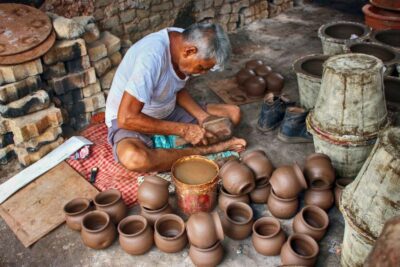
- Soap, Cloth, Leather, Pottery, and the Real Craft Circuit
- Schools, Colleges, Markets, and Residential Life Side by Side
- Why a First-Female Guide Changes the Experience
- Price and Value: Why $5 Can Feel Like a Lot More
- Practical Tips for Your 2.5-Hour Dharavi Walk
- Who Should Book, and Who Might Want a Different Plan
- Final Take: Book It If You Want the Real Mumbai
- FAQ
- Where is the tour meeting point?
- How long is the Dharavi slum walking tour?
- What is included in the tour price?
- What language is the tour guide?
- Is there a private group option?
- What is the cancellation window?
Quick Hits Before You Go
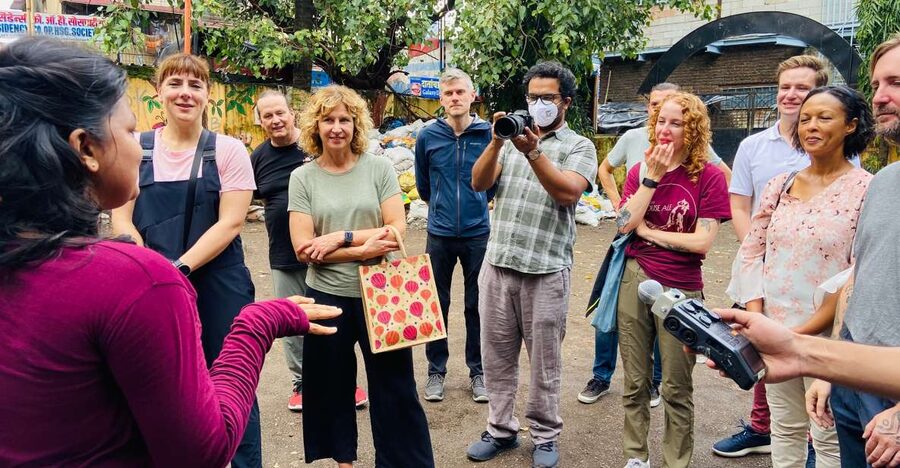
- A small-group, local route that focuses on everyday work and community life.
- 2 to 2.5 hours of walking with a live English guide and bottled water included.
- Recycling you can see firsthand, from plastic and paper to aluminium.
- Workshops and industries on the ground, including soap factories, cloth manufacturing, leather, and pottery.
- Schools, colleges, markets, and homes show how education and commerce connect inside Dharavi.
- Strong ratings with an average of 4.9 from 192 reviews, often praising guide clarity and care.
Dharavi’s Daily Work Beats the Usual Mumbai Script
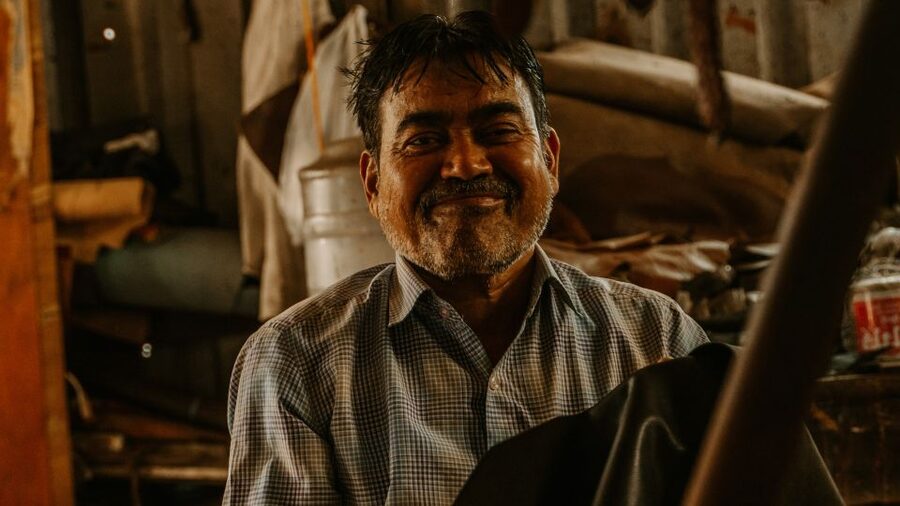
Most first-time Mumbai plans jump from landmark to landmark. This tour flips the script by focusing on the neighborhood’s operating system: people turning scraps into livelihoods, families building routines around work, and local networks that keep the place functioning.
Dharavi is in the middle of the city, so it’s not out-of-the-way. That matters, because it means you’re seeing how “informal” economies actually connect to wider urban life. In 2.5 hours, you get a compressed but serious picture of how value gets created in places most guidebooks ignore. The result is an experience that feels more like a street-level lesson than a sightseeing checklist.
And because the tour is guided by the first female guide of Dharavi (and run with a strong ethical, impact-minded approach), the tone tends to be grounded and respectful. Guides highlighted in participant feedback, including Pooja and Sneha, are described as patient, humorous at times, and very focused on explaining not only what you’re seeing but why it works.
More Walking Tours in Mumbai
- Group Guided Walking Tour in Fort and Colaba
★ 5.0 · 1,073 reviews - Private Guided Walking Tour in Fort & Colaba
★ 5.0 · 895 reviews - Private Guided Walking Tour in Bandra Queen of Suburbs
★ 5.0 · 383 reviews
Starting at Third Wave Coffee, Then Switching Gears
Your meeting point is outside Third Wave Coffee. In practice, that gives you something most tours don’t: a recognizable, easy-to-find anchor to begin. Several participants also point out that it can be a nice spot to settle in before you start walking, including the comfort of air conditioning.
From there, your group transitions from the comfort of a café to the movement of Dharavi streets. That shift is part of the value. You don’t just arrive and immediately stare. You start with context, then the guide leads you into areas you wouldn’t find on your own and routes you likely would not locate through quick searches.
Tip I’d give you: show up a few minutes early so you can regroup if traffic has you running late. Mumbai traffic can be wild, and starting smoothly helps you actually enjoy the walk instead of spending it on stress.
The Walk Through Recycling, Where Waste Becomes Input
This is where the tour earns its keep. Dharavi’s recycling ecosystem isn’t a single factory stop. It’s a chain of work you can understand by walking through areas dedicated to different materials, including plastic recycling, paper recycling, and aluminium recycling.
As you move through these spaces, you start to see the logic of the neighborhood’s economy:
- Materials are sorted and processed through repeated steps.
- Small-scale operators and specialists work side by side.
- The output becomes input for other businesses you’ll see later.
What’s powerful is how quickly your brain changes. If you start thinking of Dharavi as a pile of problems, recycling stops you cold. Here, the neighborhood functions like an industrial conveyor belt built out of human effort. It’s not pretending life is easy. It’s showing you a system that exists because people have built it.
Also, guides are consistently praised for explaining in clear English and handling questions without rushing. That matters, because recycling sounds simple until you ask how it’s organized, what gets processed, and how different products link together.
Soap, Cloth, Leather, Pottery, and the Real Craft Circuit
After the recycling focus, the tour expands into the manufacturing and craft side. Based on what you’ll see during the walk, expect stops that may include:
- Soap factories
- Cloth manufacturing
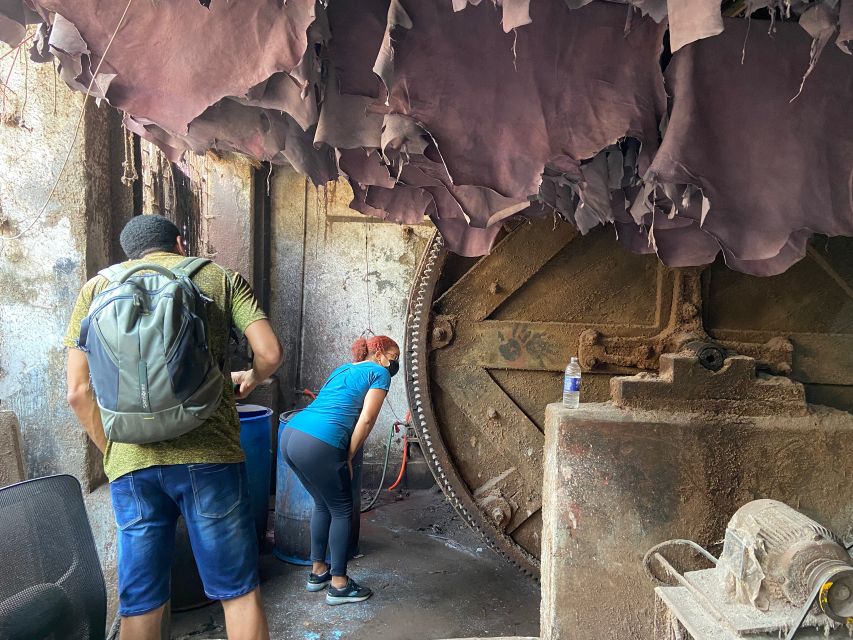
- Leather industries
- Pottery
This part helps you connect the dots. Recycling isn’t just an end in itself. It’s fuel for other work. When you see these industries, you understand that the neighborhood isn’t one big workshop. It’s a cluster of connected workshops, each with its own inputs, skills, and customers.
You also get a clearer sense of what people mean by competence. Many participants specifically praise guides like Varsha and Sneha for the way they explain how industries operate and how people move through their roles daily. If you’re the kind of traveler who likes to understand mechanisms, this section will feel satisfying, because you’re not just looking at finished products.
One more practical note: these are active work areas. Even if you want photos, keep your camera use polite and quick. Let the guide finish explaining first, then ask if it’s okay to take pictures in a particular spot.
A few more Dharavi Slum tours around Mumbai:
- Dharavi slum tour in Mumbai by Female tour guides of the slum
★ 5.0 · 1,976 reviews - Mumbai: Dharavi Slum, DhobiGhat, and Dabbawallas Tour
★ 4.9 · 689 reviews - Dharavi Slum Tour
★ 5.0 · 625 reviews - Dharavi Slum tour in Mumbai by local resident
★ 5.0 · 572 reviews
Schools, Colleges, Markets, and Residential Life Side by Side
A common mistake in “slum tours” is making the neighborhood feel like it’s all work, all need, all hardship. This tour is designed to show the broader structure: education, commerce, and homes.
You’ll pass schools and colleges, plus markets and commercial places, along with residential areas. The point is not to turn education into a slogan. It’s to show how people plan futures inside the same streets where they earn today.
Markets and commercial areas are the glue. They connect industries to everyday buying and selling. Schools and colleges add another layer: they show that the community is not only responding to the present, it is building pathways for the next generation.
Residential areas are where the tour gets most human. You’re seeing how families live in close quarters, and how daily life continues around the work zones. Guides described as residents or people with deep local ties, like the feedback mentioning Pooja as born and raised there and Sneha living in the area, often add details that help you read ordinary moments correctly. You stop treating everything as spectacle and start seeing it as routine.
Why a First-Female Guide Changes the Experience
This tour’s most distinctive feature is also the easiest to underestimate before you go. The guide is a woman and, specifically, connected to being the first female guide of Dharavi. That shapes the tone and the relationship you have with the community.
From the feedback, you’ll notice recurring themes:
- Guides keep explanations clear and steady in English.
- They answer questions without making you feel foolish.
- They guide the group carefully through busy areas and keep you together.
- A sense of comfort shows up in reviews, with many participants saying they felt safe and looked after.
I take those points seriously. A neighborhood like this is easy to misunderstand if your guide rushes or if you’re in a group that gets separated. In this tour, the “stay together” element seems intentional, and it makes a big difference when you’re walking for about 2.5 hours.
Also, because the guide is local, you’re more likely to hear transformation stories that feel grounded rather than rehearsed. Several guide names come up in participant comments, including Anu, Pooja, Sneha, and Varsha. While any single guide experience can vary, the consistency across feedback suggests this is not a random tour operation.
Price and Value: Why $5 Can Feel Like a Lot More
At around $5 per person, this tour is one of the biggest value-per-minute experiences you can add to Mumbai. It’s not only cheap. It’s cheap for what you actually get: a guided walk that includes working-industrial areas, education spaces, markets, and housing districts, plus bottled mineral water.
Here’s how I judge value for a tour like this:
- Time on the ground matters. Two to 2.5 hours is long enough to connect the story from recycling to manufacturing to daily life.
- Guidance quality matters. When guides handle questions well and keep the group together, you gain understanding instead of just movement.
- Access is the product. You’re going to places most visitors would not find or navigate safely alone.
If you can afford the trip, I think the price is less relevant than the question: do you want your Mumbai day to include real work and real people, not just viewpoints? If yes, this is a strong match.
Practical Tips for Your 2.5-Hour Dharavi Walk
This isn’t a sit-and-stare attraction. You’re walking, and you’re doing it through streets that are part of someone’s normal day.
A few practical moves help:
- Wear comfortable shoes. You’ll be walking a lot in a dense area.
- Keep water in mind. Bottled mineral water is included.
- Be ready to move at the guide’s pace, not yours.
- Ask questions, but keep them respectful. The guide is the best filter for what’s appropriate.
- Think about photos first. If people are working or focused, don’t interrupt.
Timing also matters. If you’re visiting early, the guide experience can help you start your Mumbai trip with context. Many participants describe the tour as a smart first-day choice because it changes how you interpret the city afterward.
If you’re short on time, this still works because it’s designed for a single block of walking. If you have more time, it can pair well with other central Mumbai neighborhoods, since Dharavi is not far from the city’s main flow.
Who Should Book, and Who Might Want a Different Plan
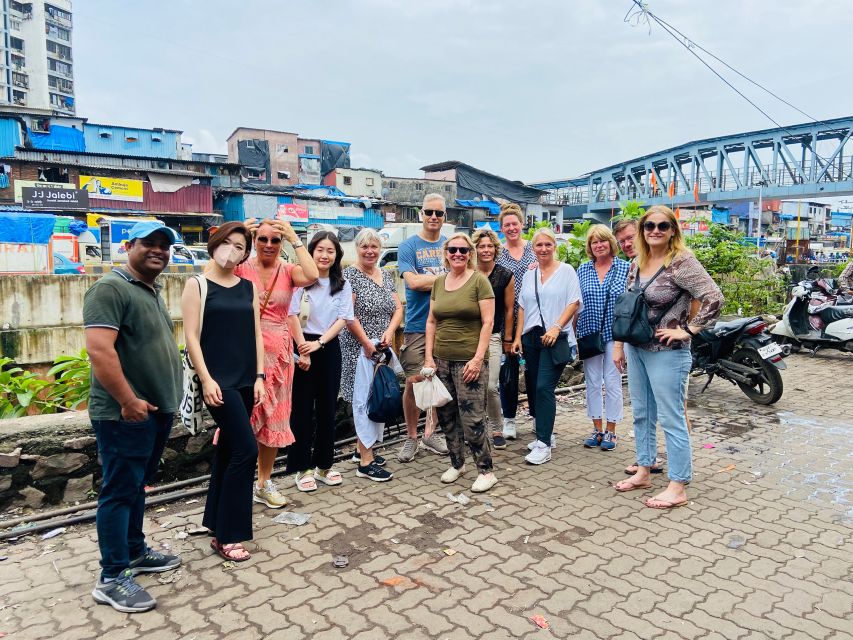
You should seriously consider booking this tour if:
- You want an eye-opening, human-first experience in Mumbai.
- You’re interested in industry, recycling, and how local economies function.
- You prefer small-group, guided learning with time for questions.
- You want a guide you can trust to handle navigation and explanations.
This may not be ideal if:
- You need a super polished sightseeing day with minimal intensity.
- You get uncomfortable in working residential spaces where people are busy and life feels loud.
- You’re only interested in famous landmarks rather than how cities actually run.
For families and mixed groups, it can still work if everyone is open minded. One reason: the guide support and English explanations often get highlighted as a way to keep the experience understandable and safe-feeling.
Final Take: Book It If You Want the Real Mumbai
My honest advice: if you want Mumbai without the filter, book the Dharavi walking tour with a first-female guide. You’re paying a modest amount, but you’re buying something more valuable than “sights.” You’re buying guided access to recycling work, manufacturing spaces, education, markets, and homes explained by local women guides like Pooja, Sneha, Anu, and Varsha.
If you’re on the fence, use this test. Are you here to understand how the city lives, not only how it looks? If yes, this is one of the most meaningful uses of a first day in Mumbai.
FAQ
Where is the tour meeting point?
The guide meets you outside Third Wave Coffee. If you don’t find the guide, contact the operator.
How long is the Dharavi slum walking tour?
The tour lasts about 2 to 2.5 hours, described as a 2.5 hour walk.
What is included in the tour price?
The tour includes a walking tour, a guide, and bottled mineral water.
What language is the tour guide?
The live tour guide speaks English.
Is there a private group option?
Yes, private group availability is listed.
What is the cancellation window?
Free cancellation is available up to 24 hours in advance for a full refund.
Recently added around Mumbai
- South Mumbai: Cultural Heritage Walking Tour★ 4.8 · 45 reviews
- Mumbai: Local Markets & Temples Tour★ 4.6 · 45 reviews
- South Bombay Live Walking Tour★ 4.9 · 11 reviews
- Mumbai: Same Day Tour of Ajanta & Ellora Cave’s★ 5.0 · 7 reviews
- Private Mumbai Highlights Tour (5 Hours)★ 4.9 · 46 reviews
- Private Dharavi Slum Tour★ 5.0 · 13 reviews
- Night Tour: Mumbai’s Nights & Buzzing Bazaars★ 5.0 · 7 reviews
- Mumbai:Dhobi Ghat Laundry,Dharavi Slum & Flower market Tour★ 5.0 · 12 reviews
Dharavi Slum Tours, compared.
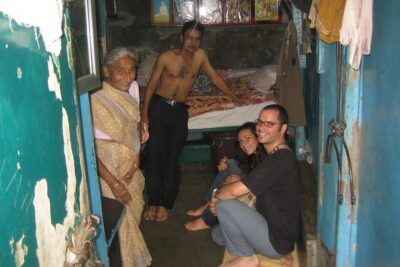
Dharavi slum tour in Mumbai by Female tour guides of the slum
Read our review →

Dharavi Slum Slumdog Millionaire Tour with a Local
Read our review →
Dhobi Ghat Laundry and Dharavi Slum Tour with Local
Read our review →
Browse the lists this tour appears in