
Reviewed · DHARAVI SLUM TOURS
Mumbai Dharavi Slum, Dhobi Ghat & Dabbawala Lunchbox Tour
Mumbai runs on systems you can feel. In this 3.5-hour walk, you connect three everyday machines that keep the city moving: Dharavi’s work economy, Dhobi Ghat laundry, and the dabbawala meal network, explained by a local English-speaking guide. I especially like how the tour turns big headlines into real scenes, like seeing how clothes are handled at Dhobi Ghat and how lunchboxes are organized in day-to-day motion.
One thing to keep in mind: it is a lot of walking, and you are outdoors in the sun, so plan for comfortable shoes, water, and sun protection.
In This Review
- Key highlights you will actually notice
- Why Dharavi, Dhobi Ghat, and the dabbawala system belong together
- Starting points in Mumbai and what 3.5 hours really feels like
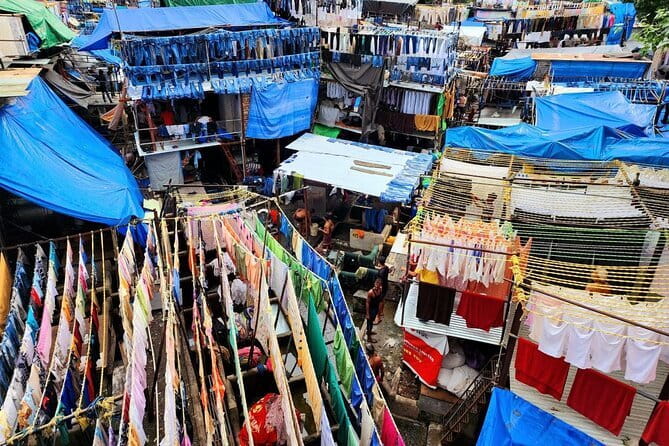
- Dhobi Ghat laundry: watching a century-old routine in motion
- Dharavi on foot: work, workshops, and the daily rules of space
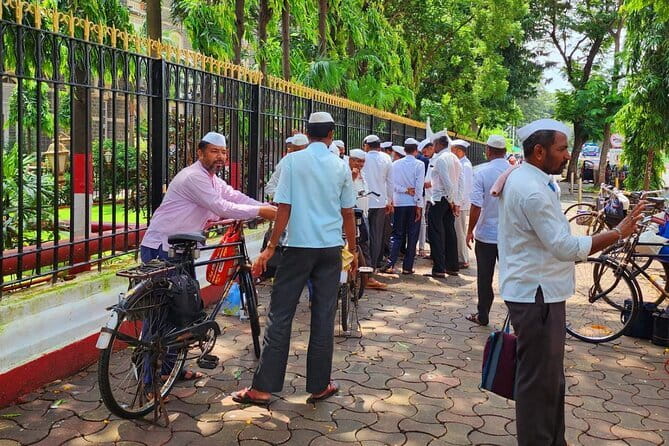
- Dabbawalas and the lunchbox system: how accuracy survives minimal tech
- Price and value: why $17 can be a smart deal in Mumbai
- Guides matter: the difference between facts and understanding
- What to bring, and how to act respectfully on the ground
- Who should book this tour, and who should skip it
- Should you book this Mumbai Dharavi, Dhobi Ghat & dabbawala tour?
- FAQ
- How long is the Mumbai Dharavi, Dhobi Ghat and dabbawala lunchbox tour?
- How much does the tour cost?
- What is included in the price?
- Are meals and drinks included?
- Where does the tour start and end?
- What should I bring with me?
- Is the tour offered in English?
- What is not allowed during the tour?
- Who is the tour not suitable for?
- Is free cancellation available?
Key highlights you will actually notice
- Dhobi Ghat at work, not just as a photo stop, with traditional communal laundry you can watch
- Dharavi industries you can point to, including recycling, pottery, textiles, and leather work
- The dabbawala system explained clearly, with how accuracy survives using minimal tech
- Local guides with real community ties, with names like Ravi, Subhan, Javed, Jay, and Yash coming up in past tours
- Small group feel, so you can ask questions without shouting over crowds
Why Dharavi, Dhobi Ghat, and the dabbawala system belong together
These three stops share a theme: systems built by people. Dharavi shows how work happens in tight spaces, Dhobi Ghat shows how labor turns into routine at scale, and the dabbawala network shows how a city’s meals can be delivered reliably.
What I like most is that the tour keeps you focused on function. Instead of treating these places as distant curiosities, you see practical industries, logistics, and daily problem solving. Even if you think Mumbai is all about icons, this tour brings you back to the city’s working engine.
And yes, the experience can be emotional. Dharavi is a place marked by hardship, but it is also a place of skill, hustle, and community support. Your guide’s job is to help you see both sides at once.
A few more Dharavi Slum tours around Mumbai:
- Dharavi slum tour in Mumbai by Female tour guides of the slum
★ 5.0 · 1,976 reviews - Mumbai: Dharavi Slum, DhobiGhat, and Dabbawallas Tour
★ 4.9 · 689 reviews - Dharavi Slum Tour
★ 5.0 · 625 reviews
Starting points in Mumbai and what 3.5 hours really feels like
You start from a nearby Burger King meeting option, and you end at Third Wave Coffee. Because exact meeting details can vary by the option you choose, the simplest move is to double check your confirmation message before you leave your hotel.
Expect a guided route with short guided segments and walking between them. The schedule is about 40 minutes for the dabbawala-focused part, about 35 minutes at Dhobi Ghat, and about 1.5 hours in Dharavi, with time to move and absorb what you are seeing.
This timing matters. You get enough time in Dharavi to understand what people do and how daily life keeps running, but you also do not spend the whole day standing still. It is a half-day structure that works well if you want a strong Mumbai slice without losing your entire afternoon.
Dhobi Ghat laundry: watching a century-old routine in motion
Dhobi Ghat is famous for a reason, and the value here is watching it happen in real time. You go in with questions like: who does the work, how does it stay organized, and how does a communal process keep functioning day after day.
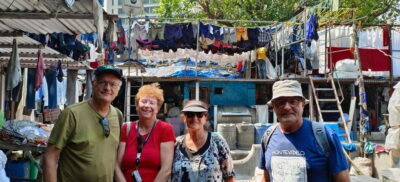
During your visit, you will see traditional washing work performed in an open-air setup by dhobis, and you can follow the logic as clothes are scrubbed and arranged for drying. The scenes can feel almost methodical, even when the scale looks chaotic at first glance.
What helps most is a guide who can translate the workflow into something your brain can sort out. In past tours, guides like Ravi and Subhan were praised for explaining order and answering questions patiently, so you are not left guessing what you are looking at.
Practical note: this is an outdoor environment with sun and movement. Come ready to stand, look up, and take photos, but also ready to step carefully and keep your route tight.
Dharavi on foot: work, workshops, and the daily rules of space

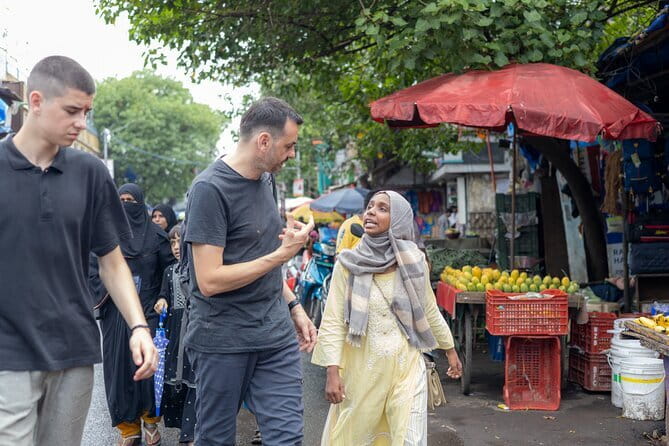
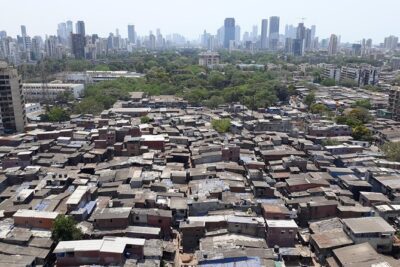
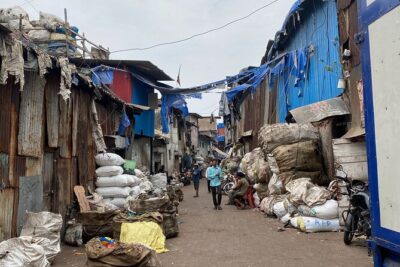
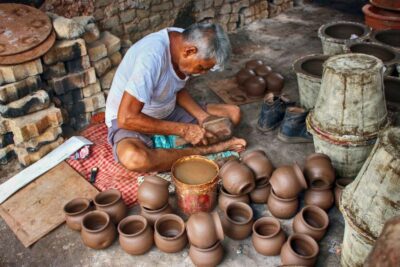
Dharavi is often described with big labels, but the on-the-ground reality is more detailed than slogans. You walk through lanes where small-scale industries operate, including recycling, pottery, textiles, and leather goods, all woven into daily life.
The key learning here is how entrepreneurship works under pressure. You do not just see people living close together, you see how many kinds of jobs fit into a small footprint, and how workshops, informal networks, and routine support one another.
Your guide is what turns this from a visual experience into understanding. In the experiences shared by guests, guides with community ties, such as Subhan, were highlighted for making the area feel respectful and safe, while also steering the focus toward people’s work rather than pity.
One more emotional layer: you may notice generosity in small moments, like people caring for animals, even in cramped conditions. It can shift your perspective fast, and that is the point, if you are open to it.
Compare these Ganga Aarti and Boat rides in Mumbai:
- Mumbai: Dhobi Ghat Laundry and Dharavi Slum Tour with Local
★ 5.0 · 469 reviews - Mumbai: Dharavi Slum and Dhobi Ghat Laundry Tour
★ 5.0 · 317 reviews - Private Combo Tours Sightseeing + Dharavi Slum + Dhobi Ghat & Dabbawalas
★ 5.0 · 245 reviews - Mumbai: Dharavi Slum Tour with Dhobi Ghat (Open-Air Laundry)
★ 4.8 · 62 reviews
Dabbawalas and the lunchbox system: how accuracy survives minimal tech
The dabbawala system is where Mumbai’s logistics get interesting. You learn how thousands of home-cooked meals move across the city daily, and you hear how the system maintains accuracy and efficiency with minimal technology.
In practice, your guided time here is about understanding sorting and the chain of delivery. You may not see every step end to end, but you can still grasp the structure, why labeling and routing matter, and how the system keeps working at speed.
What you learn is not just that meals arrive. You learn how reliability is created through coordination. That idea connects directly back to the other two stops, because Dharavi and Dhobi Ghat also depend on repeated routines and clear roles.
If you care about operations, systems, and human problem solving, this is the part you will replay in your head later. In past tours, guides like Javed and Jay were praised for answering lots of questions and explaining the process without rushing.
Price and value: why $17 can be a smart deal in Mumbai
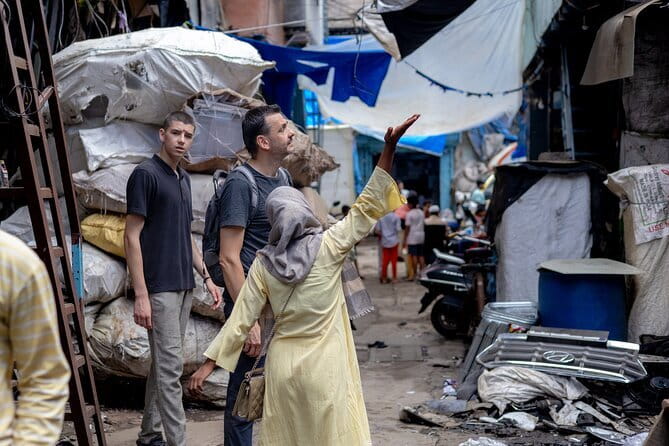
At about $17 per person for a 3.5-hour guided experience, the value comes from three things. First, you get a local guide included. Second, local transport is also included, which matters in a city where getting around can eat time and energy. Third, small group size helps you actually interact instead of just following a crowd.
You do need to know what is not included. Meals and drinks are not part of the tour cost, so if you will be hungry, plan to pick something up at the end near Third Wave Coffee or elsewhere before you continue your day.
Also, keep your expectations realistic. This is not a cushy, air-conditioned tour. It is a walking-focused experience that trades comfort for access to how the city works.
Guides matter: the difference between facts and understanding
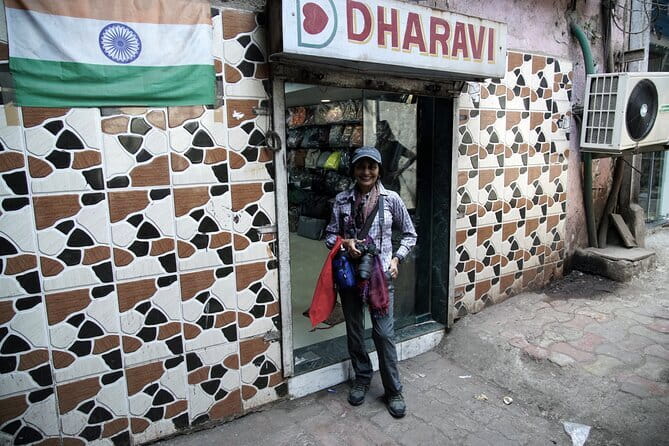
This tour is very guide-dependent, and the good news is that multiple guides are repeatedly praised for how they handle questions and tone. Names like Ravi, Subhan, Javed, Jay (Jawwad), Sharron, and Yash come up in guest feedback, and several comments point to guides who are polite, friendly, and patient.
What that means for you: you should be able to ask the obvious questions and the uncomfortable ones, and still get answers that help you make sense of what you are seeing. It also means you are more likely to leave with a balanced view, focused on work, organization, and daily life.
Another practical advantage: guides from the area can help you feel less like an outsider. When your guide understands the local rhythm, the experience often feels safer and less awkward, because you stay oriented and you follow the right paths.
What to bring, and how to act respectfully on the ground
You will be outside and moving, so pack for comfort. The basics listed for the tour are worth taking seriously: comfortable shoes, a hat, sunscreen, a camera, and water.
Also follow the clear rules on-site: no smoking, no alcohol and drugs, and no littering. Those are not just instructions for behavior, they help keep the environment clear and respectful while you are viewing real workplaces.
If you plan to take photos, bring your camera and be ready to pause. Some moments are about observing, not grabbing a shot. Let your guide set the pace, especially in tighter lanes.
One more small tip: hydrate early. In Mumbai heat, you will feel it faster than you expect, and you do not want to lose your attention during Dharavi or while watching the laundry work.
Who should book this tour, and who should skip it
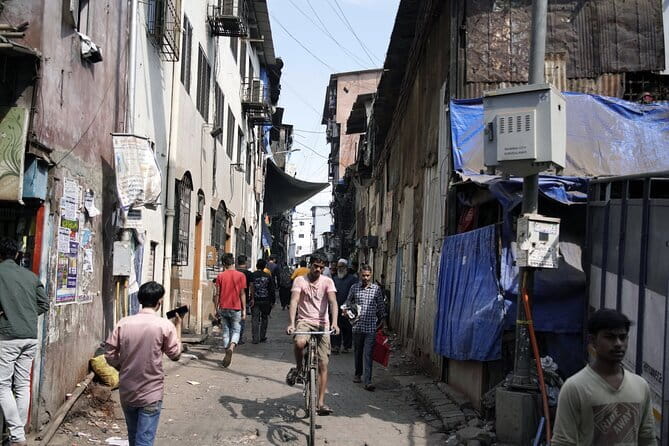
This tour suits you if you want a practical Mumbai experience, not a passive sightseeing day. It is a strong fit for people who like guided context, enjoy real work scenes, and want to understand how three very different systems function in the same city.
It is also a good choice if you value smaller groups and a live guide in English who can answer questions. Past guests highlighted the feeling of being guided step-by-step and given time to absorb what they were seeing.
Skip this tour if you fall into the categories listed as not suitable. It is not for children under 5, it is not suitable for people with mobility impairments, and it is not for wheelchair users. If your mobility is limited, the walking time and outdoor stops will likely be a problem.
Should you book this Mumbai Dharavi, Dhobi Ghat & dabbawala tour?
If you want the best version of Mumbai that works on the street level, book it. You get a rare combination of Dharavi work life, Dhobi Ghat laundry in action, and the dabbawala meal delivery system, all explained by a local guide with strong communication in English.
Do it if you are open to learning, asking questions, and seeing systems built by ordinary people. Bring your essentials, wear shoes you can trust, and give yourself permission to look longer than you planned.
If you are chasing a quick list of landmarks only, this may feel too “work focused.” But if you want to understand how Mumbai runs, this tour gives you a clear, human answer in just 3.5 hours.
FAQ
How long is the Mumbai Dharavi, Dhobi Ghat and dabbawala lunchbox tour?
The tour lasts 3.5 hours.
How much does the tour cost?
It is priced at about $17 per person.
What is included in the price?
You get a local guide, walking tour of neighborhoods and key areas, engagement with locals to learn stories, small group size, and local transport. Guide fees are included too.
Are meals and drinks included?
No. Meals and drinks are not included.
Where does the tour start and end?
The meeting point can vary depending on the option booked, with Burger King listed as a starting option. Drop-off is listed as Third Wave Coffee.
What should I bring with me?
Bring comfortable shoes, a hat, a camera, sunscreen, and water.
Is the tour offered in English?
Yes, the live tour guide speaks English.
What is not allowed during the tour?
Smoking, alcohol and drugs, and littering are not allowed.
Who is the tour not suitable for?
It is not suitable for children under 5 years old, people with mobility impairments, and wheelchair users.
Is free cancellation available?
Yes. You can cancel up to 24 hours in advance for a full refund.
Recently added around Mumbai
- Mumbai Kanheri Caves & Vipassana Pagoda Tour★ 4.9 · 11 reviews
- Mumbai Half-Day Guided Tour★ 4.7 · 32 reviews
- Mumbai: Kanheri Caves and The Golden Pagoda Temple★ 4.7 · 108 reviews
- Mumbai Half-Day Guided Tour with Dhobi Ghat★ 5.0 · 11 reviews
- Mumbai: Karla and Bhaja Caves Full–Day Tour★ 4.8 · 7 reviews
- Bombay Express Mumbai Food Tour with 15+ Tastings★ 4.8 · 37 reviews
- Mumbai: Full-Day Private Sightseeing Tour★ 4.7 · 25 reviews
- Mumbai: Half Day Elephanta Caves Guided Tour with Ferry Ride★ 4.0 · 9 reviews
Dharavi Slum Tours, compared.
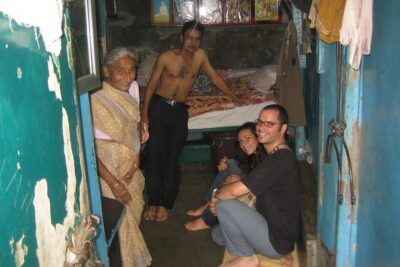
Dharavi slum tour in Mumbai by Female tour guides of the slum
Read our review →
Dharavi Slum Slumdog Millionaire Tour with a Local
Read our review →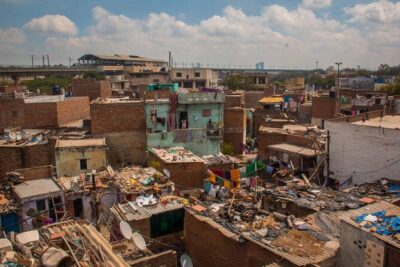
Dhobi Ghat Laundry and Dharavi Slum Tour with Local
Read our review →
Browse the lists this tour appears in