

Reviewed · DHARAVI SLUM TOURS
Mumbai: Dharavi Slum 2-Hour Walking Tour
Forget postcard Mumbai. Walk inside Dharavi. This 2-hour Dharavi walking tour is interesting because it trades stereotypes for street-level reality, and you get to understand how people organize work, faith, schools, and daily life in one of the world’s most crowded areas. I especially like the focus on local trades like recycling and soap making, and I like how the route spreads across residential streets, industrial workshops, and even a Slumdog Millionaire filming stop. One possible drawback to plan for: you cannot bring a camera, so your best souvenirs will be what you remember, not what you shoot.
The group stays small, up to 10 people, and the walk is led in English by a live guide who wears a purple shirt with a footprint logo. You’ll also get a clear sense of how many people call Dharavi home, often estimated at 700,000 to a million, which changes how you see the neighborhood. I think the biggest win here is perspective, not pity, but it also means you need to come with respect and a willingness to ask questions.
In This Review
- Key things to know before you go
- Why Dharavi feels like a working city, not a TV set
- Price and the 2-hour route logic (what $65 buys you)
- Meeting at Café Coffee Day by Mahim Station, ending near Mahim Junction
- The narrow alleys: seeing community rhythm up close
- Schools, churches, and everyday learning spaces
- Industrial corners: recycling, dye work, and practical industry
- Soap making, leather work, pottery, and papadums on the move
- The filming stop: finding Slumdog Millionaire in everyday streets
- End stop by Mahim Junction and the local team behind the walk
- Who this tour is best for (and who should skip it)
- My take: book if you want perspective, not spectacle
- FAQ
- Where do I meet for the Dharavi 2-hour walking tour?
- How long is the tour?
- Is the tour wheelchair accessible?
- Are cameras allowed during the walk?
- What should I bring and how should I dress?
- Is the tour guide in English?
Key things to know before you go

- Small group, street pace: Up to 10 people for a guided 2-hour walk.
- Respectful limits: No cameras, and you need modest clothing (including avoiding short skirts).
- You’ll see real work: Recycling, dye production, leather and pottery work, soap making, and papadums being baked.
- A famous film tie-in: You’ll visit a place where Slumdog Millionaire was filmed.
- Worthwhile context: The tour is meant to challenge the idea that you’ll only find extreme poverty.
Why Dharavi feels like a working city, not a TV set
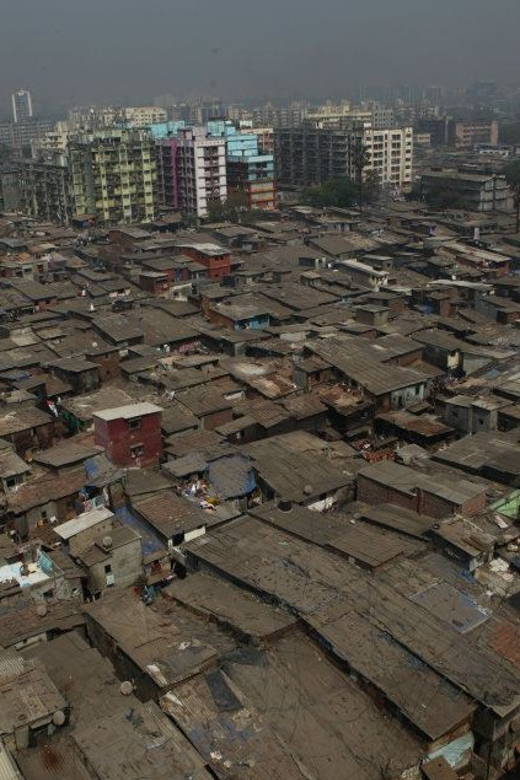
Dharavi has a reputation, and most of it comes from outsiders. This tour’s whole point is to move you from headline thinking to street-level understanding. You start with the scale: Dharavi is said to be home to about 700,000 to a million people, so the neighborhood runs on systems and routines, not chaos.
What surprised me most in the way this experience is framed is the emphasis on community spirit. You’re not just passing buildings. You’re walking through a place where schools and churches are part of everyday life, where people’s work is visible in the alleys, and where different communities live close together. That’s the big shift you should expect, from slum-as-spotlight to neighborhood-as-home.
Also, a key note for your expectations: the tour does not position Dharavi as a nonstop misery showcase. It explicitly steers you away from stereotypes and asks you to notice ingenuity, planning, and practical problem-solving.
More Walking Tours in Mumbai
- Group Guided Walking Tour in Fort and Colaba
★ 5.0 · 1,073 reviews - Private Guided Walking Tour in Fort & Colaba
★ 5.0 · 895 reviews - Private Guided Walking Tour in Bandra Queen of Suburbs
★ 5.0 · 383 reviews
Price and the 2-hour route logic (what $65 buys you)
At $65 per person for a 2-hour small-group walk, you’re paying for three things: a guide, time on the ground, and access to local context. It’s not a museum ticket. It’s a human-guided route through active neighborhoods and workshops, plus some on-the-spot explanation that helps you connect the dots quickly.
You’ll also have some support on the logistics front. Transportation on request is included, and you can often rely on the guide to help you think through next steps after the walk, especially since the tour ends at Mahim Junction. Personal expenses are not included, so budget for water, snacks, and anything you need afterward.
For value, the best part is that the walking time is focused. Instead of generic views, you’re shown a chain of trades and daily-life stops that connect into a bigger picture of how this mini-city functions.
Meeting at Café Coffee Day by Mahim Station, ending near Mahim Junction

You meet at Café Coffee Day opposite Mahim Railway Station on Tulsi Pipe Road. That’s helpful because it’s a recognizable landmark, and it puts you close to how locals actually move through the area.
The tour runs for 2 hours, finishing at Mahim Junction. That matters because you can plan your day around it. You’re not stuck in limbo for half a day. You can pair this with other Mumbai sights afterward without losing your whole afternoon.
One practical note: the tour is not suitable for wheelchair users. Also, cameras are strictly prohibited, and short skirts are not allowed. Dress modestly, wear comfortable shoes, and plan to bring a water bottle and a hat or cap, since you’ll be outside walking between stops.
The narrow alleys: seeing community rhythm up close
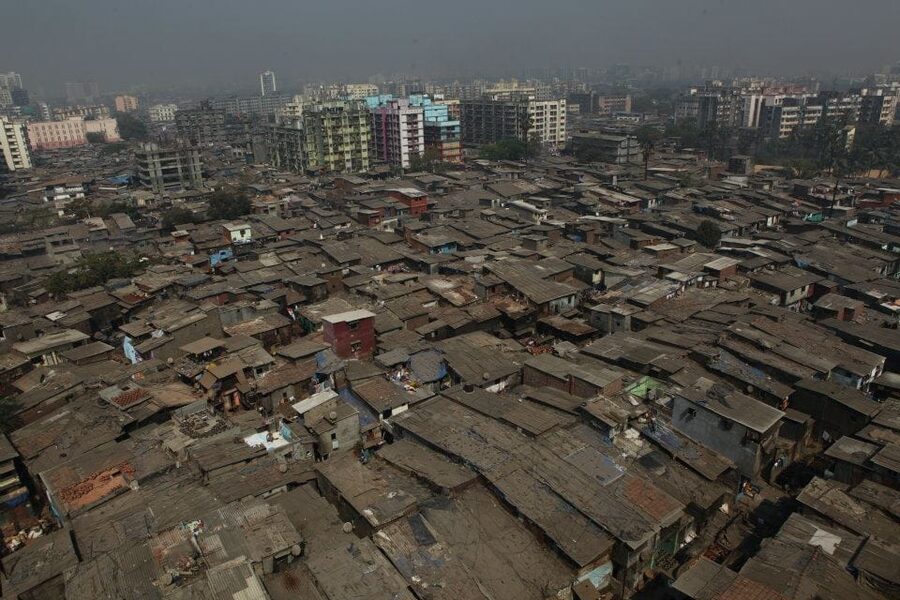
Dharavi’s narrow lanes are the setting for everything you’ll learn. The tour is designed as a true urban walk, not a drive-by. Expect tight corridors and close-up views of where people live, work, learn, and worship.
This is where you start noticing the real lesson: this place is dense, but life isn’t paused. The guide’s job is to help you read the details. When you see small corridors and busy corners, you’ll understand how residents make space for daily routines and how different activities fit together.
You’ll also hear about the neighborhood’s diversity. The area includes different communities, and the walk is meant to show that Dharavi is not one single uniform picture. If you’ve only seen Dharavi through oversimplified media images, this section can feel like a correction.
And safety is part of the experience. With a local guide leading the way and instructing you on when to take photos and when not to, you can keep your focus on what’s in front of you rather than second-guessing where to stand.
A few more Dharavi Slum tours around Mumbai:
- Dharavi slum tour in Mumbai by Female tour guides of the slum
★ 5.0 · 1,976 reviews - Mumbai: Dharavi Slum, DhobiGhat, and Dabbawallas Tour
★ 4.9 · 689 reviews - Dharavi Slum Tour
★ 5.0 · 625 reviews - Dharavi Slum tour in Mumbai by local resident
★ 5.0 · 572 reviews
Schools, churches, and everyday learning spaces
One of the most grounding stops is built around the idea that education and faith are present, not absent. You’ll see schools and churches used by residents, which shifts the story away from a purely economic view.
It’s easy for outsiders to reduce places like this to work and hardship. Seeing schools and churches makes it harder to flatten the neighborhood into one dimension. You start recognizing it as a place designed for families and future generations, even under pressure and crowding.
If you’re the kind of traveler who likes to understand how places run day-to-day, this part is important. It adds humanity to the economic facts you’ll hear later, so the trades you see don’t feel random. They feel like choices made inside a full community life.
Industrial corners: recycling, dye work, and practical industry

Now you get into what many people come here to understand: the trades. Dharavi is known for small-scale industry happening in close proximity to homes, and the tour route reflects that.
You’ll visit areas associated with recycling and production, including processes like recycling of vegetable oil cans, dye production, and other workshop-style work. The tour also highlights a plastic recycling center, where you can see the industrial backbone behind a lot of materials flow.
Why this matters for you: it changes what you think you’re seeing. Instead of treating recycling as an abstract charity topic, you can view it as organized labor. People have roles, habits, and ways to keep work moving. That’s the practical, day-in-day-out value of the tour.
There’s also a distinct benefit to walking this portion versus reading about it. On a walk, you notice how work spaces connect with walkways, where activity spills into street-level life, and how neighbors share the same corridors without everything collapsing.
Soap making, leather work, pottery, and papadums on the move
After you grasp the recycling side, you’ll see other trades that make Dharavi feel like a functioning production network. The tour includes stops connected to leather works and pottery workshops, plus places where papadums are baked and where soap is made.
These stops are not just “look, a workshop.” They help you understand product life cycles. Soap has a chain from materials to processing to use. Papadums show food production that can be made in small spaces. Pottery and leather work show skills that can’t be fully replaced by machinery, because they depend on hands, timing, and know-how.
I like that this tour doesn’t shove you into a single storyline. You get a range of activities, and that range helps you see Dharavi as a place where multiple kinds of work and multiple skills coexist.
One thing to keep in mind: because photos are prohibited, you’re going to rely more on your attention and questions. If you enjoy talking to guides and asking how something works, this section is where you’ll feel rewarded fast.
The filming stop: finding Slumdog Millionaire in everyday streets
Dharavi became world-famous through the 2008 hit movie Slumdog Millionaire. This tour gives you the chance to visit a slum dwelling linked to filming, and it also includes a stop at a place where a scene was filmed.
This part can be tricky for travelers. Film locations can turn places into a souvenir factory in your head. The best way to handle it is to treat the filming stop as a doorway into local context, not a free-for-all for star-hunt memories.
You’ll also hear about the neighborhood through personal stories connected to the area. One highlight included on the walk is the heart with tiny corridors, where Shantaram was said to have lived, plus a visit to the home of the guide. That kind of detail makes the filming connection feel less like trivia and more like a bridge between fiction and real life.
And remember the rules: no cameras. That forces you to look with your eyes first and your phone last, which is exactly what the tour seems to want.
End stop by Mahim Junction and the local team behind the walk

The tour ends at Mahim Junction, which is a convenient finish point for continuing your Mumbai day. On the route, you’ll also come across the wider organization behind the experience.
One account notes a stop at the Mystical Mumbai office in a school building, where you can give feedback. Even if your interests are purely sightseeing, I think this end moment helps you understand that this is not just a one-time guiding service. It’s connected to a local team with a physical presence in the community.
If you need help getting onward transportation, the guide and management can be helpful in sorting it out, like arranging a ride after the walk.
Who this tour is best for (and who should skip it)
This is best for you if you like urban walks, hate shallow “drive-by” tours, and want an explanation of how everyday systems work in a dense neighborhood. It also suits you if you’re curious about trades and production, not just monuments.
It’s also a good fit if you’re respectful with boundaries. The tour requires modest dress and bans cameras, so it’s not for people who treat rules as optional. The learning here comes from attention and conversation.
You might want to skip if you need wheelchair access, because the tour is not suitable for wheelchair users. You should also consider whether the no-camera policy will frustrate you. If you want photos as proof, this may feel limiting.
Finally, this walk is for people who can handle a shift in mindset. If you’re only here to confirm what you already believe about slums, you’ll miss the core value of the tour.
My take: book if you want perspective, not spectacle
Should you book this Dharavi 2-hour walking tour? Yes, if you’re the type who gets more out of people and places than out of Instagram shots. I think the value is in the route choices, the small group size, and the mix of community life and real trades, plus the connection to Slumdog Millionaire.
Skip it if you want classic sightseeing, or if you expect to photograph everything. The experience is built on rules and respect, and that shapes how you see Dharavi. If you come ready to walk, ask questions, and leave space for the neighborhood to stay real, you’re likely to enjoy it a lot.
FAQ
Where do I meet for the Dharavi 2-hour walking tour?
Meet at Café Coffee Day opposite Mahim Railway Station, Tulsi Pipe Road, Mumbai.
How long is the tour?
The tour duration is 2 hours.
Is the tour wheelchair accessible?
No, the tour is not suitable for wheelchair users.
Are cameras allowed during the walk?
No, the taking of photos is strictly prohibited, and cameras are not allowed.
What should I bring and how should I dress?
Wear comfortable shoes. Bring a water bottle and a hat or cap. Dress modestly, and short skirts are not allowed.
Is the tour guide in English?
Yes, the live tour guide speaks English.
Recently added around Mumbai
- Dhobi Ghat Tour★ 4.3 · 8 reviews
- Dharavi Slum Tour★ 5.0 · 10 reviews
- Discover Mumbai’s street & beach with Vegetarian food tour★ 4.8 · 46 reviews
- Mumbai: Dharavi Slum Walking Tour with Local Slum Dweller★ 4.9 · 44 reviews
- Dharavi Slum Tour & Mumbai Sightseeing★ 5.0 · 10 reviews
- Mumbai: Dharavi Slum Walking Tour with Options★ 4.9 · 61 reviews
- Mumbai: Dharavi Tour Including Car Transfer★ 5.0 · 9 reviews
- Dharavi: Daily Life inside Asia’s Largest Slum walking tour★ 5.0 · 9 reviews
Dharavi Slum Tours, compared.
Dharavi slum tour in Mumbai by Female tour guides of the slum
Read our review →


Dharavi Slum Slumdog Millionaire Tour with a Local
Read our review →
Dhobi Ghat Laundry and Dharavi Slum Tour with Local
Read our review →
Browse the lists this tour appears in