
Reviewed · DHARAVI SLUM TOURS
Mumbai: City Tour, Elephanta Caves, Dharavi Slum W/Options
Ferry over, caves below, and real Mumbai beside you. This is a fast, well-planned way to see UNESCO Elephanta Caves plus everyday Mumbai stories, including the hard-to-miss window into Dharavi. It is a long day, but the flow makes sense: big landmarks first, then the island, then life in motion on land.
I like two things most about this tour. First, the city part mixes famous photo stops with guided context, so places like Chhatrapati Shivaji Maharaj Terminus (CST) and Marine Drive feel earned, not just checked off. Second, you get local guide attention in the places that actually need it, especially Elephanta and Dharavi, where stories change how you see what is in front of you.
One drawback to plan around: Elephanta is not built for easy walking. You will climb more than 100 steps with no elevator, and the ferry ride can feel rough if you are motion sensitive, so it may not be your best match if mobility is limited.
In This Review
- Key highlights worth your time
- Mumbai’s Big-City Openers: Gateway, CST, Marine Drive, and Malabar Hill
- Elephanta by Ferry: Timing, crowds, and that step climb waiting on you
- Inside Elephanta Caves: Shiva art, big meaning, and a guide that changes everything
- Dharavi Slum Tour: Industries, community, and guides who know the routes
- The Mumbai “Real Life” Stops: Mani Bhavan, Banganga Tank, Dhobi Ghat, and Oval Maidan
- Price and tour options: what you truly get for about $32
- Should you book this Mumbai city, Elephanta, and Dharavi day tour?
- FAQ
- How long are the ferry rides to and from Elephanta Caves?
- Are there stairs or an elevator at Elephanta Caves?
- What is the tour substitute if ferries are cancelled during monsoon?
- What should I bring for this tour?
- Is pickup available, and where?
- Is this tour private and does it use air-conditioned transport?
Key highlights worth your time
- UNESCO Elephanta Caves with a real guided walk through Shiva iconography
- One-hour ferry rides each way, so time on the island stays focused
- Dharavi Slum tour that centers industries like pottery, leather, recycling, and textiles
- A private AC car with driver on most options, making the city hops easier
- Dhobi Ghat and Banganga Tank as quick, meaningful snapshots of daily Mumbai and faith
Mumbai’s Big-City Openers: Gateway, CST, Marine Drive, and Malabar Hill
The day starts with the kind of intro Mumbai travelers actually need: fast orientation, then standout sights. Your pickup depends on the option you choose, and you can also get picked up from several areas including Mumbai Airport, Andheri, Juhu, Santacruz, Powai, and Goregaon. If you are coming from a cruise terminal, the drop-off list includes Mumbai International Cruise Terminal, which helps a lot if you are trying to keep logistics simple.
From there, the route hits four classic anchors.
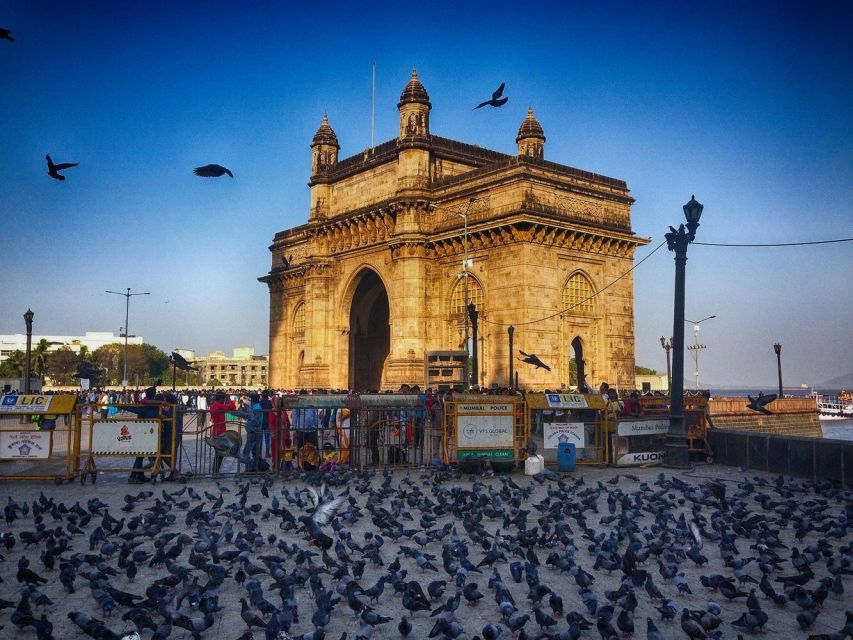
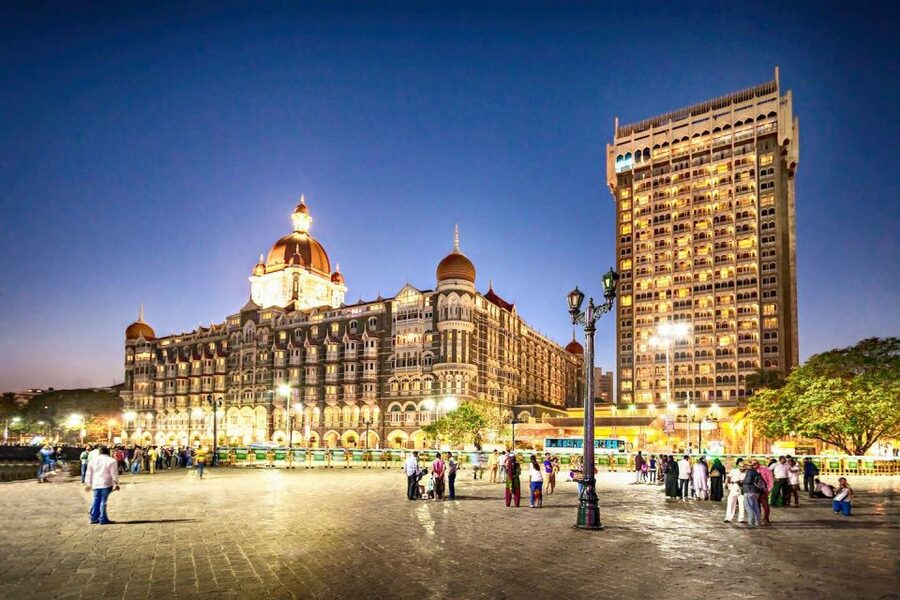
At the Gateway of India, you get that postcard moment looking out toward the Arabian Sea. It is more than a landmark, though. It sets the mood for a city that always feels tied to the water, even when you are deep in traffic later. Nearby, the historic Taj Mahal Palace Hotel is a useful visual bookmark for how British-era grandeur and Indian street life sit side by side.
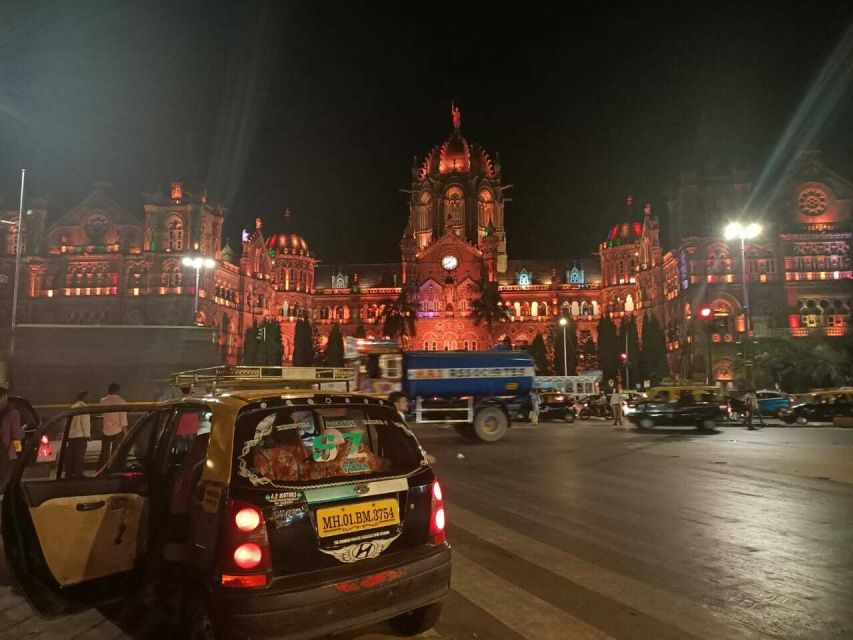
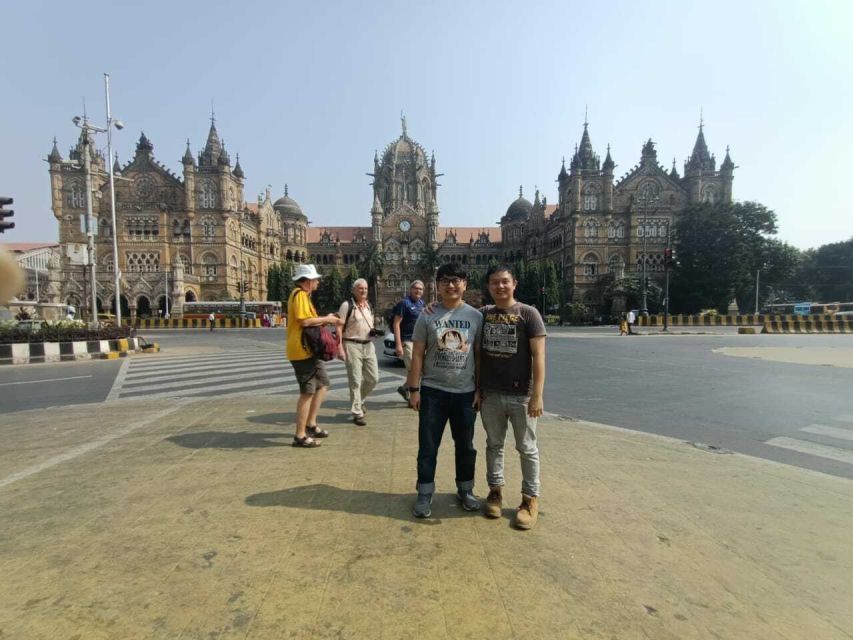
Next comes CST, a UNESCO World Heritage Site. The attraction is not just that it is famous. The guide helps you notice the blend of Victorian Gothic and traditional Indian architectural elements. Even if you are not an architecture person, it is one of those stops where guided pacing pays off, because you start seeing details you would otherwise miss.
Then you drive along Marine Drive, the “Queen’s Necklace” stretch that glows when the light hits it. The stop is short, but it is timed to give you views and photos without turning the whole day into a traffic crawl.
Finally, you climb up to Malabar Hill for the Hanging Gardens and panoramic city views. This is a good reset after busy roads. The terraces also give you a calmer pocket of greenery, which matters because the rest of the day keeps moving.
If you want an efficient first look at Mumbai and you like understanding what you are seeing, this part of the day is a win.
A few more Dharavi Slum tours around Mumbai:
- Dharavi slum tour in Mumbai by Female tour guides of the slum
★ 5.0 · 1,976 reviews - Mumbai: Dharavi Slum, DhobiGhat, and Dabbawallas Tour
★ 4.9 · 689 reviews - Dharavi Slum Tour
★ 5.0 · 625 reviews
Elephanta by Ferry: Timing, crowds, and that step climb waiting on you
The island portion is built around two facts: you must cross by ferry, and you must handle stairs at the caves. The ferry ride is about one hour each way, and you are then on Elephanta for a guided visit and sightseeing.
Here is what I would plan for mentally. Ferries can be crowded, especially on weekends. One real-world note from a Sunday experience: the crossing can feel busy, and the boat can be bouncy. If you are motion sensitive, bring your own strategy. Sea-sickness medication and a little patience go a long way.
Then comes the part many people forget to think about when they book. There is no elevator, and you will climb more than 100 steps to reach the caves. In practice, that means comfortable shoes are not optional. If you have back problems or mobility impairments, the tour is explicitly not suitable.
Why include all this? Because Elephanta is not just a quick stop. It is a structured visit that you do in the right order: ferry, guided cave walk, then ferry back. Doing it this way saves time, and it also keeps you from feeling lost once you are on the island.
Also note the seasonal curveball. During monsoon months (July to mid September), ferries can be delayed or cancelled by the government if winds are strong. In that case, the activity offers a substitute visit to the Kanheri caves in Mumbai or a 30% refund. That flexibility is a real value point, because it protects your day even when the sea does not cooperate.
Inside Elephanta Caves: Shiva art, big meaning, and a guide that changes everything
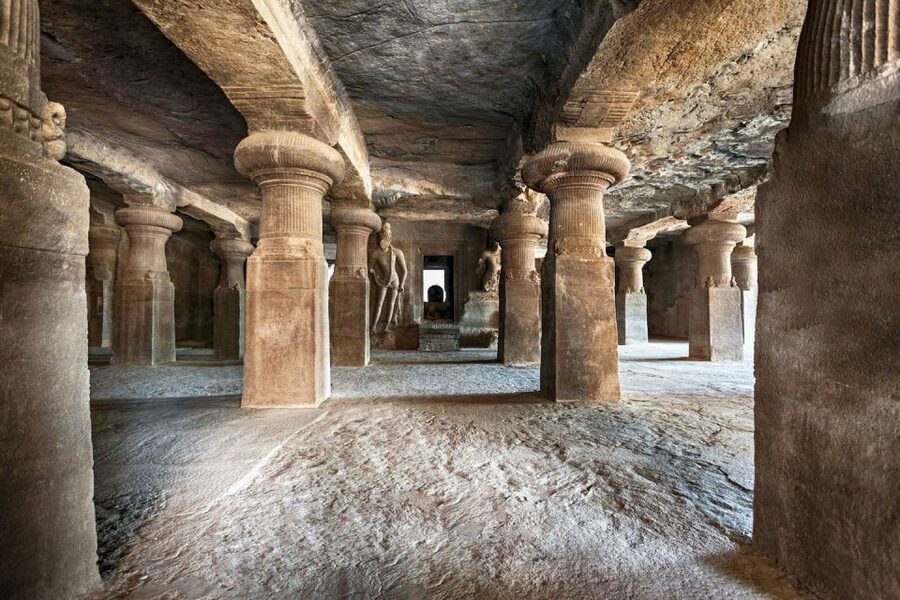
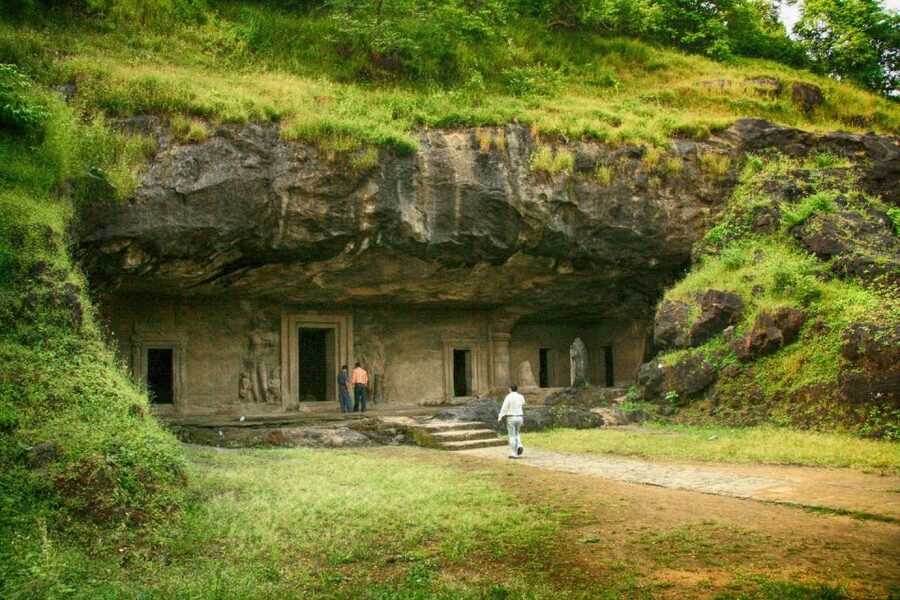
Once you reach the cave area, the experience becomes about interpretation. The caves are UNESCO protected and dedicated to Lord Shiva. The tour includes a guided tour and sightseeing, with about two hours allocated on-site, plus time for walking.
The headline attraction is the famous three-faced Shiva sculpture. But the best part, if you have a good guide, is how the visit becomes less about guessing and more about reading the carvings. You start noticing iconography and religious meaning in a way that feels obvious once it is explained.
The guides used for Elephanta are often locals from the island, and many visitors highlight exactly that kind of connection. Names that come up in the guide lineup include Daivat, Dave, Harish, Daivid, Krupesh, and Harish again across experiences. You also get descriptions that can go beyond one statue, with carving explanations tied to the overall temple message.
Photography is another practical benefit. Several experiences mention guides taking photos for the group. That can save you from the awkward task of constantly asking strangers to take pictures while everyone tries to stay upright on uneven steps.
Just keep your expectations realistic. Two hours on the island is enough for a guided circuit, but it is not a slow, museum-style linger. You will be walking, and the structure of the day means you should pace yourself, especially if the ferry and heat hit you earlier.
If you want to come away understanding Shiva iconography at least at a beginner level, this part of the tour delivers better than a self-guided walk.
Dharavi Slum Tour: Industries, community, and guides who know the routes
The Dharavi portion is included when you select the All Inclusive Full day tour option that combines city, Elephanta, and Dharavi. This is not framed as shock tourism. The focus is what people build and how the neighborhood works.
You will explore small-scale industries such as pottery, leather, recycling, and textiles. The emphasis is on community and an entrepreneurial spirit that keeps things running day after day.
What really stands out is how the guide approach can shape your comfort level. In the experiences shared, guides like Dawood and Dinesh are highlighted for making the visit feel personal and safe. Some guides take you to places and shortcuts you would probably not find on your own, like arranging extra access through the local rhythm of the area.
A specific type of stop that shows up for Dharavi experiences is the open-air city laundry. That stop matters because it adds variety to the “industries” theme. It is not just workshops and materials. You see a daily service system powered by local knowledge and routines.
There is also a social layer here that the city stops do not provide. You learn why people stay connected, how skills pass through generations, and how neighborhood networks support work. That kind of perspective sticks, even after you leave.
One practical note: this part of the day can involve walking and time in active areas. Comfortable shoes help again. Also, bring a mindset of curiosity and respect, because you are seeing workspaces, not a staged set.
A few more Elephanta Caves tours around Mumbai:
- Elephanta Caves & Island Guided Private Tour
★ 5.0 · 1,327 reviews - Mumbai: Elephanta Caves Half-Day Guided Tour with Expert
★ 4.8 · 1,032 reviews - Private Elephanta Caves & Mumbai Sightseeing Tour with AC Car
★ 5.0 · 389 reviews - All inclusive Elephanta Caves Guided Tour
★ 5.0 · 386 reviews
The Mumbai “Real Life” Stops: Mani Bhavan, Banganga Tank, Dhobi Ghat, and Oval Maidan
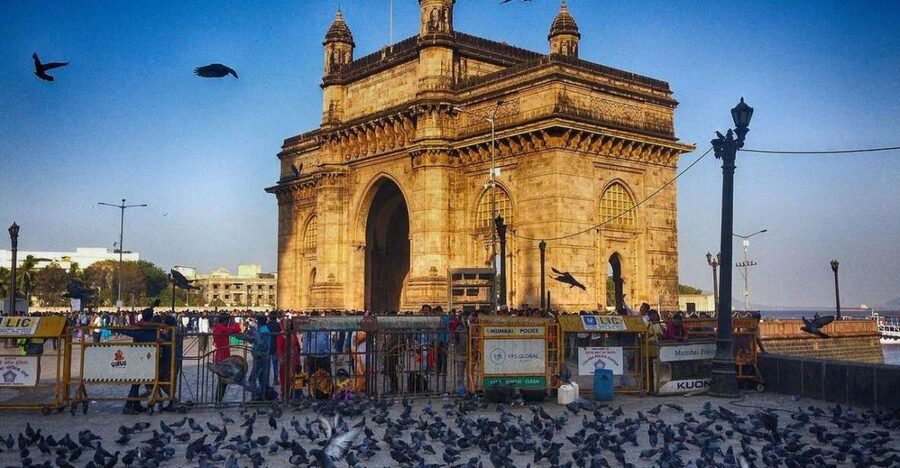
After the major landmark hits, the itinerary rounds out with stops that explain how Mumbai breathes.
At Mani Bhavan, you get a guided visit of about 30 minutes. It is a meaningful pause that helps you understand the human story behind the city rather than only the architecture and traffic views.
Then come the quieter, reflective breaks.
On Malabar Hill, you already get panoramic views at Hanging Gardens, but you also carry that perspective into nearby religious and city pockets. Later, the Banganga Tank visit includes guided time of about 20 minutes. This is one of those spots where a quick guided explanation changes everything. You notice the rituals and the place in the daily flow.
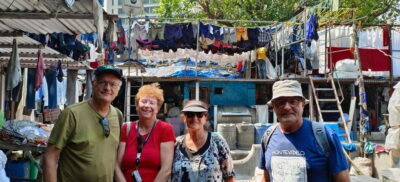
Then there is Dhobi Ghat, also spelled Dhobi Ghat in the itinerary, where you can get a guided walk for about 20 minutes. This is the open-air laundry area, and it is one of Mumbai’s most visually striking “everyday systems.” Even with short time, a local guide helps you understand how the work is organized and why the place matters.
You also get Oval Maidan for about 10 minutes. It is a small time block, but it gives you a breather and a sense of the city’s public space scale. Combined with the Marine Drive views earlier, it helps you see Mumbai as both waterfront city and street-level city.
Also on the city side, you may pass by Crawford Market for a short guided stop of about 15 minutes. It is one of those places where a guide can help you interpret what you are seeing quickly without turning it into a long detour.
If you are trying to cover a lot of Mumbai in one day and you want the day to feel like it has chapters instead of random stops, these “real life” stops are why the itinerary works.
Price and tour options: what you truly get for about $32
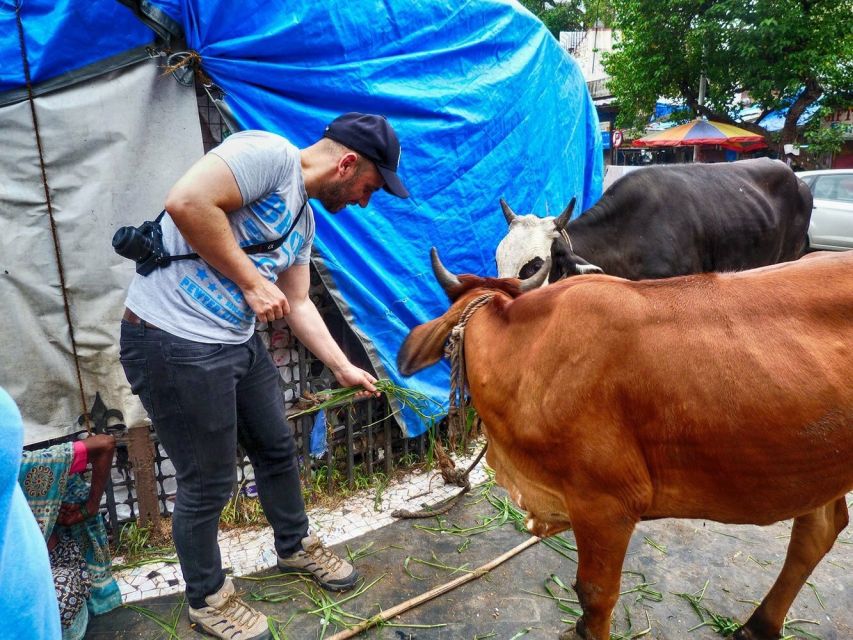
The headline price is about $32 per person, for a day that runs roughly 4 to 10 hours depending on the option and starting time. That price range makes sense only if you pick the option that matches what you want to see.
Here is the key thing: Elephanta, ferries, and hotel pickup vary by option. In particular:
- If you pick the full city plus Elephanta plus Dharavi style option, you get the ferry tickets to and from Elephanta, Elephanta Caves entrance fees and village taxes, and Dharavi tour.
- If you choose the half-day Elephanta tour from a meeting point, the air-conditioned vehicle and hotel pickup are not included.
- If you choose the Mumbai half-day sightseeing tour, then Elephanta is not included, and ferry tickets and entrance fees may also not be part of that option.
So the value question is really: do you want the whole “combo” day? If yes, you will get the pieces that cost money and take planning, without you needing to stitch them together yourself. If no, a shorter option can be cheaper, but you also give up parts of the day that many people rate as highlights.
Transport is another part of the value story. The tour uses a private AC car with a driver on included options, and many people gave very high marks for transport comfort. One note to keep in mind for your comfort planning: on at least one occasion, air-conditioning reportedly did not work properly. That does not mean it will happen, but it is a reminder to bring water and treat the day as hot-weather travel.
If you want one day to cover UNESCO Elephanta, the city icons, and Dharavi, this is a good match for time-poor trips.
Should you book this Mumbai city, Elephanta, and Dharavi day tour?
I would book it if you want a guided framework for a very big city. Elephanta works best with a guide because Shiva carvings and iconography are easier to understand when someone points them out. Dharavi works best with local, because you are seeing how industries and daily life operate, not just taking photos from the sidewalk.
I would think twice if:
- you need step-free access at Elephanta, since there is no elevator and you climb more than 100 steps
- you get motion sick easily, since the ferry can be rough
- you prefer slow travel, because this is a packed day with many short stops
If you match those constraints, this is a strong value day. You get UNESCO caves, major Mumbai landmarks like CST and Marine Drive, plus Dharavi’s industry-focused perspective, all under the same plan.
FAQ
How long are the ferry rides to and from Elephanta Caves?
The ferry ride is about 1 hour to Elephanta Caves and about 1 hour on the return trip.
Are there stairs or an elevator at Elephanta Caves?
There is no elevator. You will climb more than 100 steps to reach the caves.
What is the tour substitute if ferries are cancelled during monsoon?
During monsoon months (July to mid September), if ferries are delayed or cancelled due to strong winds, the plan can switch to a visit to the Kanheri caves in Mumbai or you may receive a 30% refund.
What should I bring for this tour?
Bring comfortable shoes, sunglasses, and a sun hat.
Is pickup available, and where?
Pickup is optional and can be available from Mumbai Airport, hotels near Mumbai Airport, North Mumbai, Juhu, Santacruz, Andheri, Powai, and Goregaon.
Is this tour private and does it use air-conditioned transport?
Yes, it is a private tour, and most options include an air-conditioned vehicle with a driver. Some half-day options from a meeting point do not include the air-conditioned vehicle or hotel pickup.
Recently added around Mumbai
- South Mumbai: Cultural Heritage Walking Tour★ 4.8 · 45 reviews
- Mumbai: Local Markets & Temples Tour★ 4.6 · 45 reviews
- South Bombay Live Walking Tour★ 4.9 · 11 reviews
- Mumbai: Same Day Tour of Ajanta & Ellora Cave’s★ 5.0 · 7 reviews
- Private Mumbai Highlights Tour (5 Hours)★ 4.9 · 46 reviews
- Private Dharavi Slum Tour★ 5.0 · 13 reviews
- Night Tour: Mumbai’s Nights & Buzzing Bazaars★ 5.0 · 7 reviews
- Mumbai:Dhobi Ghat Laundry,Dharavi Slum & Flower market Tour★ 5.0 · 12 reviews
Dharavi Slum Tours, compared.
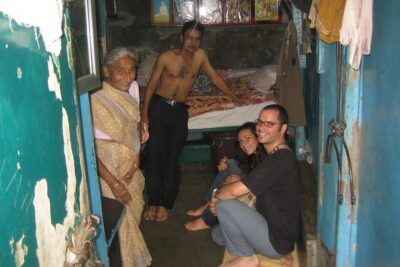
Dharavi slum tour in Mumbai by Female tour guides of the slum
Read our review →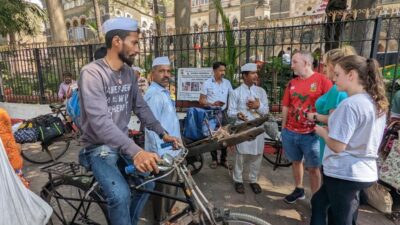
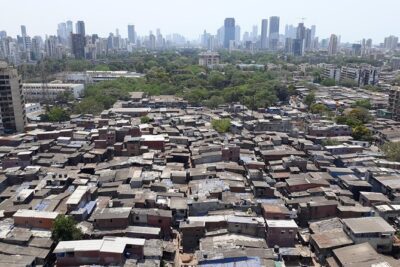

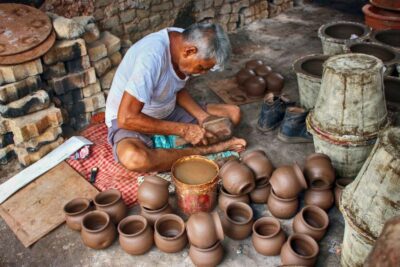
Dharavi Slum Slumdog Millionaire Tour with a Local
Read our review →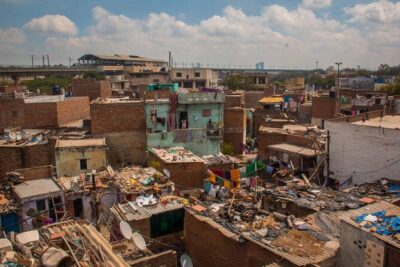
Dhobi Ghat Laundry and Dharavi Slum Tour with Local
Read our review →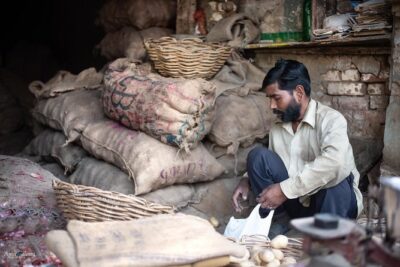
Browse the lists this tour appears in