
Reviewed · WALKING TOURS
In the Footsteps of the Raj – Dalhousie Square Walk
Colonial Kolkata, mapped on foot. This Dalhousie Square walk threads through the British-built civic core of Calcutta, linking grand institutions with the harsher realities of colonial rule outside England. You’ll get a story-led route through landmarks that still shape how the city looks and works today.
What I love most is the guide storytelling. The English is strong, and the narratives are set up to make the places click fast, including the day to day feel of colonial power. I also like that you start with a useful city map as a gift, so this walk becomes a springboard for exploring the rest of Kolkata on your own.
One consideration: this tour is weather dependent, so you should plan for a realistic morning outdoors. It also starts at 8:00 am, which is great for cooler temps and quieter streets, but it does mean an early start.
In This Review
- Key Highlights Worth Waking Up For
- Dalhousie Square to BBD Bagh: what this “Raj” walk is really about
- Price and time: value for a morning focused route
- Meeting point at The LaLiT Great Eastern Kolkata: how to plan your arrival
- Stop by stop: what you’ll see and why each place matters
- BBD Bagh: the British civic dream in stone
- General Post Office: why mail mattered to an empire
- Another BBD Bagh moment: tank myths and suitor shopping
- St. John’s Church: Anglican roots and the feel of colonial grounds
- Writers’ Building: administration plus a smart tea break
- The guides: what excellent English-led storytelling looks like in practice
- The gift map: why it’s more than a souvenir
- Who this walk suits best
- What to expect on the ground: pace, group size, and practical comfort
- Final verdict: should you book the In the Footsteps of the Raj walk?
- FAQ
- How long is the Dalhousie Square Raj walk?
- What is the price per person?
- Where do I start and where does the tour end?
- Is there a mobile ticket?
- Are any admissions included in the price?
- How large is the group?
- When do I need to book for best availability?
- Are there any conditions that could affect the tour running?
Key Highlights Worth Waking Up For
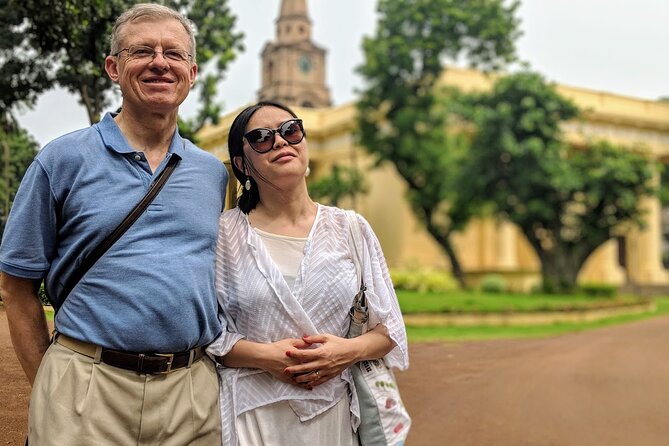
- A compact 2 to 3 hour route focused on Dalhousie Square and the surrounding colonial landmarks
- Small group size, up to 20 people, which helps the guide keep things interactive
- Excellent English-led history, with clear explanations of how British institutions took root in Calcutta
- Stops with a mix of open access and included entries, so you are not constantly guessing what costs extra
- Tea and toast behind Writers’ Building at a popular kona dukaan stop
- A gift map of Calcutta to help you keep moving after the walk
Dalhousie Square to BBD Bagh: what this “Raj” walk is really about
This isn’t a generic sightseeing shuffle. The whole point is to connect street level buildings with the systems the British built, argued over, and controlled in the city they wanted to elevate to a major imperial hub. You’ll move through the parts of central Kolkata that feel European in planning, but carry distinctly colonial logic underneath.
I like that the tour doesn’t treat the era as just architecture. The tone is framed around the harsh realities of occupation, which changes how you read the facades. Instead of “pretty colonial buildings,” you end up asking practical questions like: who ran this, who benefited, and what power looked like on a map.
And because you’re walking in a tight radius, you get a kind of visual rhythm. The city starts to make sense. Even if you know some history already, the route is designed to help you see how it all fits together in real space.
More Walking Tours in Kolkata
- Raj Heritage Walk
★ 5.0 · 93 reviews - Confluence of Cultures – Bow Barracks to Burra Bazar Walk
★ 5.0 · 57 reviews - British Raj Heritage walk in Kolkata with guide
★ 5.0 · 54 reviews
Price and time: value for a morning focused route
At $34.02 per person for a 2 to 3 hour walk, the value here is mostly about what the guide packs into that time. You are not just ticking off five stops. You’re learning how each one functioned in the colonial project, and you’re getting a map you can keep using.
This also isn’t the kind of long day tour that eats your whole schedule. A 2 to 3 hour morning block is workable for jet lag, and it leaves you options after, whether that is lunch plans, museums, or simply wandering without feeling lost.
Group size matters for value too. With a maximum of 20 travelers, you are less likely to feel like you are watching from the back row. Short pauses for context can actually happen.
Meeting point at The LaLiT Great Eastern Kolkata: how to plan your arrival
The walk starts near Dalhousie Square at The LaLiT Great Eastern Kolkata, right by Old Court House St, Chowringhee North. Ending back at the meeting point means you do not have to figure out transport from a distant neighborhood after the tour.
You’ll also be near public transportation, which helps if you want to build the rest of your day around whatever transit you’re using in central Kolkata. And since the tour uses a mobile ticket, you can keep things simple with your phone rather than hunting for paper.
A small practical tip: if you are coming from outside the center, give yourself extra buffer. Central Kolkata morning traffic can be unpredictable, and being early makes the walk more relaxed.
Stop by stop: what you’ll see and why each place matters
A few more Kolkata days to compare
- Hello Calcutta Walk Tour
★ 5.0 · 34 reviews - Kolkata: Guided Heritage Walking Tour
★ 4.6 · 23 reviews - Guided Kolkata Sightseeing Trip by Car, Walk & Sunset Cruise Excursion Trip
★ 5.0 · 13 reviews - Walk the Kolkata Wetlands: Green Eye Candy
★ 5.0 · 10 reviews
BBD Bagh: the British civic dream in stone
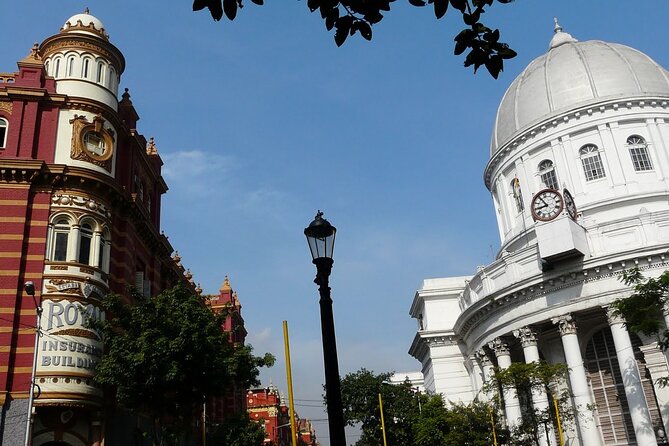
Your first major landmark area is BBD Bagh. This is where the British tried to build a “second city of the Empire,” and it is also where the walk’s logic becomes clear: the layout and the institutions weren’t accidental. They were planned to project authority and permanence.
Even if you have walked through this area on your own, the guided framing changes what you notice. You start looking at how space and power reinforce each other, rather than treating the buildings as standalone sights. The tour’s timing at this stop is about 30 minutes, so you will get key context without it dragging.
General Post Office: why mail mattered to an empire
Next comes the General Post Office, described as headquarters for the postal department across the eastern hemisphere. That detail matters because communication was infrastructure, and infrastructure was power.
In places like this, you can often see how the British built administrative efficiency into daily life. You’ll get explanations that connect the building to how messages moved, how control was exercised, and how the city’s role in the wider region was supported.
This stop also runs about 30 minutes, which is helpful if you want steady pace and not a marathon.
Another BBD Bagh moment: tank myths and suitor shopping
The route loops back through BBD Bagh again for another 30 minute segment. This time it is about an old tank tied to British use and a story about women walking around with parasols looking for suitors.
This is where the tour can feel more human and less bureaucratic. The point is not to treat history as only policy documents. Instead, you get a sense of how daily life, social rituals, and colonial presence overlapped in the same spaces.
If you like stories that make places feel less distant, this segment is a good one. If you dislike anecdote, stick with it anyway, because it helps your brain attach the architecture to real human behavior.
St. John’s Church: Anglican roots and the feel of colonial grounds
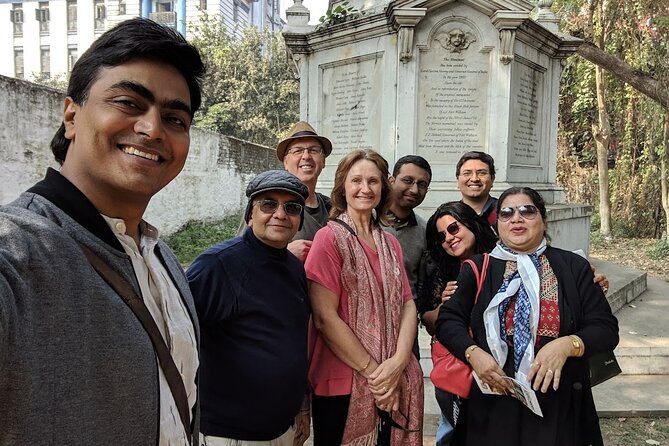
Then you reach St. John’s Church, an old Anglican cathedral situated on British ground. This is the 1 hour stop, and it is included in the ticket.
Religious sites like this can be tricky to interpret on a walk. A guide helps you read symbolism alongside everyday use, and it gives you context on why Anglican presence mattered in a city being reshaped to serve an empire. You will likely notice how the building’s location supports that message of authority and order.
Plan your posture here. You may want to pause for photos, but also leave room to listen. The extra time helps because this isn’t just exterior framing.
Writers’ Building: administration plus a smart tea break
The final big stop is Writers’ Building, described as headquarters connected to the East India Trading Company. This is another 30 minute segment and it includes admission.
The interesting part is what happens right after the explanation: you go for tea and toast behind Writers’ Building at a popular kona dukaan. That matters more than it sounds. It turns the walk from purely informational into an experience with your senses involved, and it also gives you a chance to reset before heading back.
It is a smart value add too. Tea and toast in a central area can add up if you are buying it separately.
The guides: what excellent English-led storytelling looks like in practice
The tour emphasizes that the explorers have excellent English language skills, and that shows up in how the experience is paced. You are not given a speech. You are given context that you can carry while walking past buildings.
The names you might hear in guide credits and guide stories include Ramanuj Ghosh, Ifte, Tuhina, Vedant, and Ram. Each of them stands out in different ways, but the common thread is clear: strong command of English, confident delivery, and a passion for explaining why these places were built the way they were.
That passion is not just for show. It affects how you ask questions, how the guide answers, and how smoothly the group stays together. In short, this is history told in a way you can actually use.
The gift map: why it’s more than a souvenir
You get a Calcutta map as a gift, with lots of information built from years of city experience. I like this because it changes the day from one timed activity into an ongoing exploration plan.
Maps like this help you spot connections quickly. After the walk, you can use the landmarks you just learned about as anchors. Then you can wander outward without turning the whole day into guesswork.
If you are the kind of traveler who likes walking to feel how a city works, the map is a big deal. It gives you direction, and it reduces the chance you end up zigzagging randomly just to find your next stop.
Who this walk suits best
This is a great match if you want your first dose of central Kolkata to feel structured. It is also ideal if you like history that stays grounded in buildings and street layout.
You’ll likely enjoy it if you:
- care about colonial administration and how it reshaped cities
- prefer walking tours over museum-only days
- want English-led explanations that do not require prior knowledge
If you only want “pretty photos” and quick stops, this might feel heavier than you expect. The tour framing includes harsh realities of colonial occupation, so it is meant to be thoughtful, not just light entertainment.
What to expect on the ground: pace, group size, and practical comfort
The walk is listed as about 2 to 3 hours, with individual stop times that add up to a focused route. That structure helps because you can count on regular resets, rather than one long speech followed by photos.
With a max of 20 travelers, you should be able to hear the guide reasonably well, especially at stop points where everyone naturally clusters.
Also, the tour runs with a start time of 8:00 am. That is usually a better time for walking in central Kolkata. It is not guaranteed to be cool every day, but morning light and calmer streets can make a big difference in how enjoyable the walk feels.
Final verdict: should you book the In the Footsteps of the Raj walk?
Book it if you want a smart, guided orientation to Dalhousie Square and the surrounding colonial civic core. The mix of architecture, administration stories, and the tea break behind Writers’ Building makes the tour feel like more than a checklist.
I’d skip it or rethink your timing if you are not comfortable with outdoor walking in the morning or if you want a purely upbeat, non-critical take on the colonial era. This walk leans into the uncomfortable side of occupation, because that is part of understanding the places.
If you want to get your bearings fast and understand why Kolkata’s center looks the way it does, this is a strong pick.
FAQ
How long is the Dalhousie Square Raj walk?
It runs about 2 to 3 hours.
What is the price per person?
The price is $34.02 per person.
Where do I start and where does the tour end?
The tour starts at The LaLiT Great Eastern Kolkata in the Dalhousie Square area, and it ends back at the meeting point.
Is there a mobile ticket?
Yes, the tour uses a mobile ticket.
Are any admissions included in the price?
Some stops are free, while others include admission. St. John’s Church and Writers’ Building have admission included.
How large is the group?
The tour has a maximum of 20 travelers.
When do I need to book for best availability?
On average, it is booked 5 days in advance.
Are there any conditions that could affect the tour running?
The experience requires good weather, and it may be canceled due to poor weather. It can also be canceled if a minimum number of travelers is not met.
Recently added around Kolkata
- Traditional Bengali Cooking Class in Kolkata in a Local Home★ 5.0 · 8 reviews
- Walk the Kolkata Wetlands: Green Eye Candy★ 5.0 · 10 reviews
- Kolkata 3-Hour Tour of Kumortuli – The Goddess Beckons★ 5.0 · 26 reviews
- Kolkata – A Sea of Faces and A Thousand Places (local guide)★ 5.0 · 52 reviews
- Explore Kolkata- Private Tour with Lunch★ 5.0 · 87 reviews
- Day trip from Kolkata to Bishnupur for Terracotta Temples and Silk★ 5.0 · 14 reviews
- Guided Kolkata Sightseeing Trip by Car, Walk & Sunset Cruise Excursion Trip★ 5.0 · 13 reviews
- Taj Mahal and Agra Day-Trip from Kolkata with Both side Commercial Flights★ 5.0 · 15 reviews
Walking Tours, compared.
The Great Indian Food Tour: Old Delhi Food and Heritage Walk
Read our review →

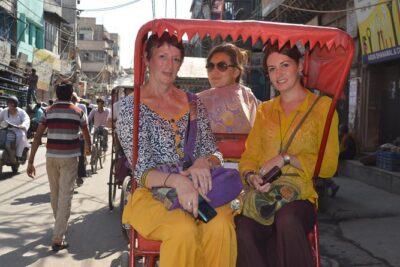
Old Delhi Food, Heritage&Cultural Walk with Rickshaw ride to Masterji Kee Haveli
Read our review →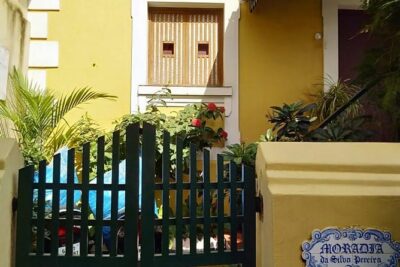
Fontainhas Heritage Walk At Latin Quarters of Goa
Read our review →Browse the lists this tour appears in