
Reviewed · DHARAVI SLUM TOURS
Dhobi Ghat (Open Air Laundry) with Dharavi Slum Guided Tour
Laundry starts with hands, not machines. The Mahalaxmi Dhobi Ghat is an open-air laundromat that still runs like it did decades ago, and it pairs perfectly with a guided Dharavi walk that shows how small industries power a whole neighborhood. I love seeing the dhobis work in the open, because the process is visual, fast-moving, and real. I also love the human side of the tour, especially with Rakesh as the guide, who mapped out the meeting point clearly and kept explanations in plain English as we went. One thing to think about: this is an outdoor-heavy experience, so you’ll want good weather since the first stop is literally open air.
The Dharavi portion is the other half of the story, and the guide makes it make sense. You’ll see plastic recycling from sorting through to finished pellets, plus glimpses of leather work, pottery, embroidered garment production, and other small-scale industries crammed into tight spaces. Rakesh is a Dharavi resident and he’s known in the area, which helps you move from scene to scene without feeling like you’re just chasing photos. The only drawback I’d flag is that Dharavi is busy and dense, so if you dislike walking in close quarters or prefer quiet sightseeing, you may find parts of it mentally intense.
In This Review
- Key highlights worth your attention
- Entering Mahalaxmi Dhobi Ghat, where the work never pauses
- What you should notice at Dhobi Ghat
- The dhobis behind the laundry line, and why this stop hits differently
- A practical reality check
- Dharavi on foot: why a guided walk matters here
- Where the walk takes you (and what to watch for)
- The three Dharavi stops that make it click
- 1) Recycling area, from scrap to plastic pellets
- 2) The rooftop visit, tin hutments and human scale
- 3) Community centre, where daily life gathers
- Photo opportunities, but with real context
- Price and value: does $30 make sense for two working areas?
- Timing, meeting point, and how to plan your day
- Who should book Dhobi Ghat plus Dharavi?
- Should you book this tour?
- FAQ
- What are the main stops on this tour?
- How long does the tour take?
- Is pickup and drop-off included?
- Is there a guide, and what language do they speak?
- Are admission tickets included?
- Is transportation included?
- What about food and drinks?
- What time does the tour start?
- Is the tour weather dependent?
- Is it only for my group?
Key highlights worth your attention
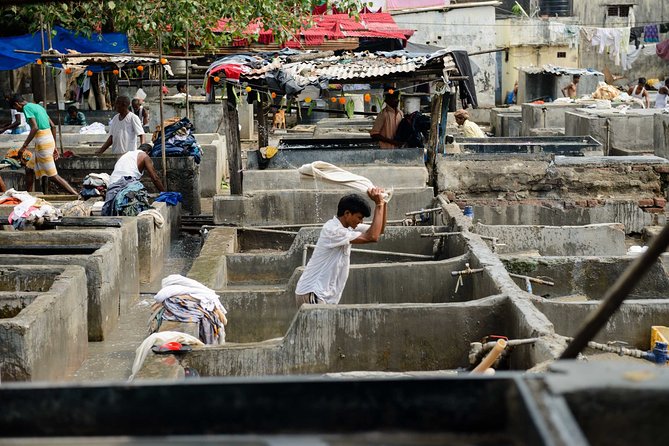
- Dhobi Ghat, built in 1890, is one of the few surviving traditional commercial laundries still operating in the open.
- Dhobis work for hotels and hospitals, so the laundry isn’t just for residents, it’s part of Mumbai’s daily service economy.
- Rooftop tin hutments view gives you a stark sense of how closely people live and build up.
- Plastic recycling process, from sorting to finished pellets, is the clearest “how it works” stop.
- Rakesh’s guiding style, including slower, simpler English and real local familiarity, makes the tour easier to follow.
- Refreshments are included between the two areas, which matters on a 5 to 6 hour day.
Entering Mahalaxmi Dhobi Ghat, where the work never pauses
This tour starts in Mumbai at the open-air laundromat known as Mahalaxmi Dhobi Ghat. The site is about 138 years old, and the laundry was constructed in 1890, which explains why it feels more like a working neighborhood than a museum. You’re not watching a reenactment. You’re watching a system.
What I like right away is the clarity of the setting. Dhobi Ghat is built for outdoor labor, so you can see the washing and drying rhythm without needing special equipment. The washers, called dhobis, work in the open to clean and dry clothes and linens used by hotels and hospitals.
If you care about craft, logistics, or simply how cities function, this part clicks fast. The laundry process is tactile and continuous, and it helps you understand that a lot of “invisible work” behind travel is powered by real people with real routines.
A few more Dharavi Slum tours around Mumbai:
- Dharavi slum tour in Mumbai by Female tour guides of the slum
★ 5.0 · 1,976 reviews - Mumbai: Dharavi Slum, DhobiGhat, and Dabbawallas Tour
★ 4.9 · 689 reviews - Dharavi Slum Tour
★ 5.0 · 625 reviews
What you should notice at Dhobi Ghat
Even if you know the concept, the scale and workflow make it feel new. The word dhobi ghat is used across India for places with many washers, but Mahalaxmi Dhobi Ghat has a reputation as one of the last traditional commercial setups still operating the old way.
As you walk the area with your guide, you’ll likely pay attention to:
- How clothes are handled in stages rather than in a single machine step
- How drying depends on open conditions
- How the labor is organized around steady demand from major customers
You’ll also get the best value if you keep your expectations grounded. This is not a polished attraction. It’s an active workplace, and respectful attention matters more than trying to “consume” it like scenery.
The dhobis behind the laundry line, and why this stop hits differently
The tour gives you time for the first stop, about 1 hour at Dhobi Ghat. That’s enough to see several stages of work and to ask questions without feeling rushed into the next location.
In the Dhobi Ghat setting, it’s easy to miss one key point: this is commercial laundry, meaning it supports hotels and hospitals. That context changes your perspective. You’re seeing serious volume and a professional workflow, not casual laundering.
I also think this stop works well for photography, but not in a cheesy way. The best photos come from watching patterns. Think of hands at work, water used in practical ways, and clothes laid out to dry. The “story” appears in small details, and Rakesh helps you notice them.
A recurring theme from real experiences on this tour is respect for the workers. When you see how hard they work in the open, you naturally slow down. It also helps that the guide’s tone stays practical, not theatrical.
A practical reality check
Because it’s open air, you should be prepared for sun, heat, or wind depending on the day. The experience is weather dependent, and that’s not just a policy note. It affects comfort and visibility, especially during drying and outdoor movement.
Compare these Ganga Aarti and Boat rides in Mumbai:
- Mumbai: Dhobi Ghat Laundry and Dharavi Slum Tour with Local
★ 5.0 · 469 reviews - Mumbai: Dharavi Slum and Dhobi Ghat Laundry Tour
★ 5.0 · 317 reviews - Private Combo Tours Sightseeing + Dharavi Slum + Dhobi Ghat & Dabbawalas
★ 5.0 · 245 reviews - Dabbawala, Dhobi Ghat & Dharavi slum Tour with Local Train Ride
★ 5.0 · 102 reviews
Dharavi on foot: why a guided walk matters here
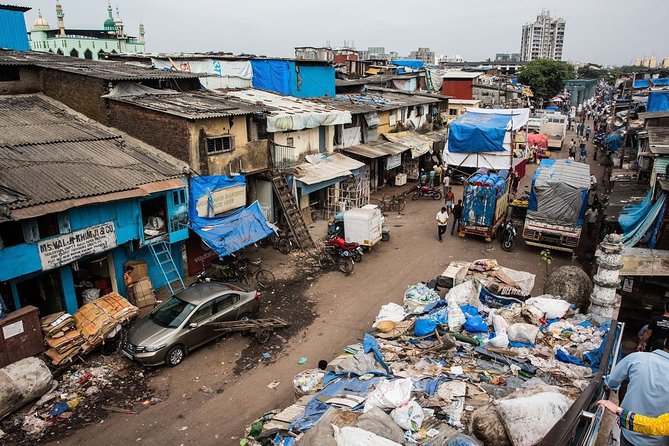
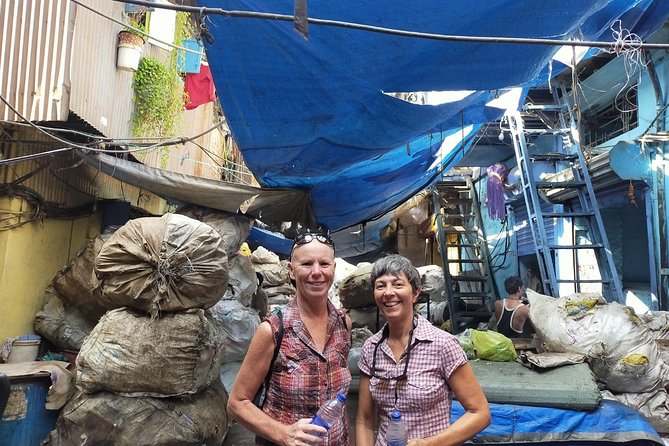
After the laundry, you head to Dharavi, about a 2 hour guided walking tour. Dharavi is often described as Asia’s largest slum area, but that label can flatten what you’ll actually see. The tour focuses on the entrepreneurship and small industry that drive daily life in extremely tight spaces.
Rakesh is the kind of guide who helps you connect the dots. With a resident perspective, you’re not only hearing facts, you’re getting explanations that fit what you’re seeing around you.
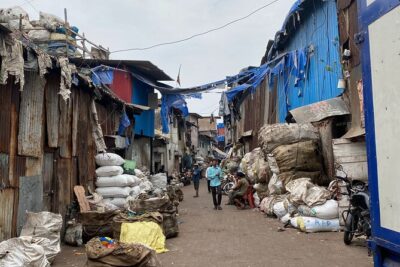
This is also where the tour becomes more than sightseeing. You’ll notice how many different trades share the same streets and how people innovate to make space for production, sales, and community life.
Where the walk takes you (and what to watch for)
The Dharavi segment includes both commercial and residential areas. You’ll pass by and discuss:
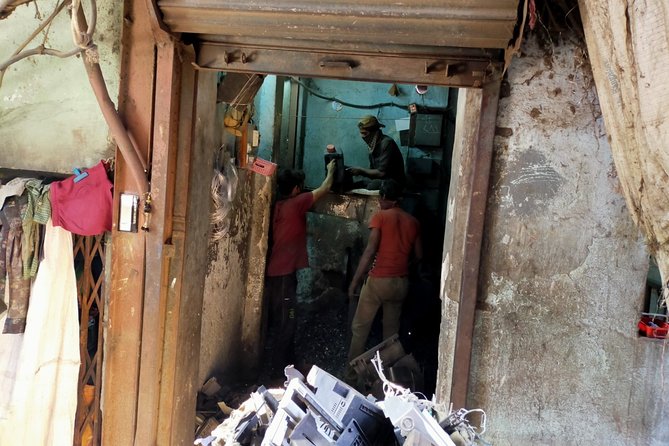
- Plastic recycling, including the process from sorting to finished plastic pellets
- Leather industries producing export-quality goods
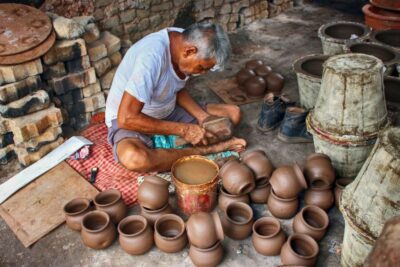
- Pottery and other small manufacturing
- Embroidered garment production
- Soap making, bakery, and colour dye work
- Small alleyways, plus community buildings like schools and hospitals
- Homes and everyday spaces where work and life overlap
One very specific detail the tour highlights is the way different communities interact, including Muslim people making a shrine for Hindus. It’s the kind of moment that stops you from thinking of Dharavi as a single story. It’s multiple lives braided together.
The three Dharavi stops that make it click
The walk is built around specific themes, so you’re not just moving down a street and hoping it adds up. Here are the parts that tend to make the biggest impression.
1) Recycling area, from scrap to plastic pellets
This is one of the strongest stops in the Dharavi experience. The guide shows the recycling flow, including sorting and then the transformation into finished plastic pellets. Seeing the steps matters, because it shows that recycling is not one single action. It’s a chain.
This is also where the “extreme entrepreneurship” framing becomes tangible. People turn incoming materials into outputs that can be used again, and the process is designed to fit available space and tools.
2) The rooftop visit, tin hutments and human scale
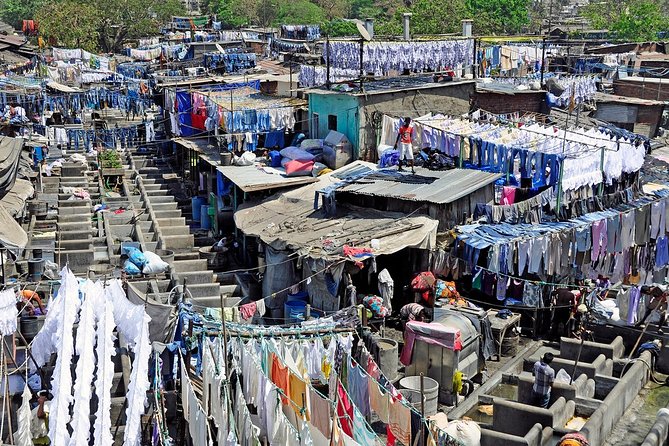
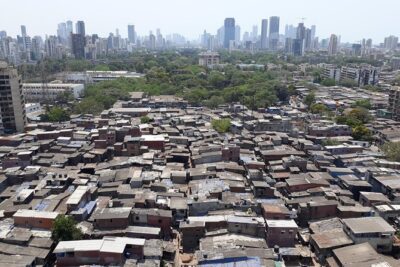
You’ll also get a rooftop visit. The tour frames it as a look over the tin hutments that stretch across as far as you can see.
This stop is powerful because it changes your sense of scale. On the street, everything feels close and compressed. From the rooftop, you see how layered and continuous the housing and structures can be. It’s one of those views that stays in your head because it’s so different from the usual travel picture.
3) Community centre, where daily life gathers
The tour includes a community centre stop. The idea here is to connect the work you see in manufacturing areas with the social spaces that keep a community running.
Even if you don’t know local systems in advance, you’ll come away with a better sense of how people organize support, education, and shared needs in close quarters.
Photo opportunities, but with real context
This tour can be very photo-friendly. You’ll have plenty of moments where the scenes are visually distinct, from clothes drying at Dhobi Ghat to the production atmosphere in Dharavi.
But the value is not just images. Rakesh’s approach helps you frame what you photograph. In practice, that means you’ll be more likely to take pictures that explain the story rather than pictures that just look like “places.”
A recurring positive point from real experiences is that Rakesh is pleasant and informative, and he adjusted to visitors’ English levels by using simpler words and speaking more slowly. That matters. If you can follow the explanations clearly, the tour feels less like you’re observing from the outside.
Price and value: does $30 make sense for two working areas?
At $30 per person, this tour can look like a bargain until you look at what’s included. You’re not just paying for a guide and a walk. Your package includes:
- Local English speaking guide
- Pickup and drop
- Air-conditioned vehicle
- Mineral water
- Toll tax and parking fees
- Private transportation
- Admission ticket included for both stops
Then there’s the big practical win: this format strings together two very different parts of Mumbai in one half-day style outing, with refreshment provided between sections so you don’t arrive exhausted.
Meals are not included, so you’ll want to plan around that. But for a guided tour that covers a lot of ground and includes transport plus tickets, the price is fairly sensible.
There’s also a scheduling reality. The listing tends to be booked around 41 days in advance on average. That’s a sign demand exists. If this is high on your must-do list, it’s worth locking it in early.
Timing, meeting point, and how to plan your day
The tour starts at 10:00 am. It ends back at the meeting point, and the typical duration is 5 to 6 hours.
Your start point is at Third Wave Coffee, Tip Road, Unit no. 58, Ground, Ram Mahal, Senapati Bapat Marg, Marinagar Colony, Station, Mahim, Mumbai, Maharashtra 400016.
Here’s how I’d think about your day if you’re booking:
- Choose clothing that works for open-air time at Dhobi Ghat.
- Keep your camera ready, but also plan to pause for listening. The guide’s explanations are a big part of why this doesn’t feel like random sightseeing.
- Don’t schedule another major obligation immediately after. You’ll likely want buffer time once you’re back at the meeting point.
And yes, good weather matters. Since the first stop is open air, the experience requires decent conditions. If it’s canceled due to poor weather, you’ll be offered a different date or a full refund.
Who should book Dhobi Ghat plus Dharavi?
This tour is a strong fit if you like travel that focuses on everyday systems and honest work. It’s especially good for:
- People who enjoy industrial city scenes, not just landmarks
- Travelers who want a guided look at plastic recycling and other small manufacturing
- Anyone interested in how Mumbai’s economy functions at street level
- Visitors who want a clear, English-accessible guide experience with an adaptable communicator like Rakesh
It may not be the right match if you want a relaxed, quiet experience with minimal walking or low-energy crowds. Dharavi is dense and active, and you’ll be walking with a group as you pass through working and residential areas.
Should you book this tour?
I think you should book this Dhobi Ghat and Dharavi combination if your idea of a great day is learning how a city runs through real jobs and real communities. The strongest reasons are the practical focus, the working nature of both stops, and the fact that Rakesh’s guiding style helps you follow along clearly, even if your English is not perfect.
If you’re nervous about outdoor conditions, remember it’s weather dependent. Pick a day with decent forecast and you’ll be set. And if your main goal is luxury sightseeing or a “pretty” itinerary only, this probably won’t match. If your goal is understanding Mumbai by watching people at work and in community spaces, it’s a smart use of your time.
FAQ
What are the main stops on this tour?
You visit Mahalaxmi Dhobi Ghat (an open-air laundry) and then go on a guided walking tour in Dharavi.
How long does the tour take?
The duration is about 5 to 6 hours total, with about 1 hour at Dhobi Ghat and 2 hours in Dharavi.
Is pickup and drop-off included?
Yes. Pickup & Drop are included, and the activity ends back at the meeting point.
Is there a guide, and what language do they speak?
The tour includes a local English speaking guide.
Are admission tickets included?
Yes. Admission Ticket Included is listed for both Dhobi Ghat and Dharavi.
Is transportation included?
Yes. The package includes private transportation in an air-conditioned vehicle, plus toll tax and parking fees.
What about food and drinks?
The tour includes mineral water and provides refreshment between the tour. Meals are not included.
What time does the tour start?
The start time is 10:00 am.
Is the tour weather dependent?
Yes. The experience requires good weather. If it is canceled due to poor weather, you will be offered a different date or a full refund.
Is it only for my group?
Yes. This is listed as a private tour/activity, meaning only your group participates.
Recently added around Mumbai
- Mumbai Spice Markets and Bazaars Tour with Guide and Transport★ 5.0 · 42 reviews
- Customize private tour with pickup★ 5.0 · 95 reviews
- Private Guided Bandra Half Day City Tour in AC Vehicle★ 5.0 · 72 reviews
- Mumbai 800 Year Worli Village: Talking Goddess, Old Fort & more★ 5.0 · 94 reviews
- Mumbai by Night Guided Tour★ 5.0 · 6 reviews
- Gufran’s Slum Home Tour in the Mumbai Slums★ 5.0 · 19 reviews
- Private Walking Tour in Dharavi Slums★ 5.0 · 7 reviews
- Twilight in Mumbai: Discover the City by Night with Food Options★ 5.0 · 24 reviews
Dharavi Slum Tours, compared.
Dharavi slum tour in Mumbai by Female tour guides of the slum
Read our review →
Dharavi Slum Slumdog Millionaire Tour with a Local
Read our review →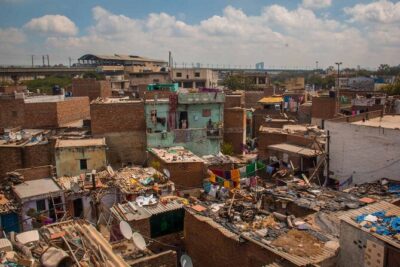
Dhobi Ghat Laundry and Dharavi Slum Tour with Local
Read our review →
Browse the lists this tour appears in