
Reviewed · DHARAVI SLUM TOURS
Dharavi Slum Tour & Mumbai Sightseeing
In Mumbai, the surprises come fast. This Dharavi plus city-sights day hits two things I really like: walking through everyday work at Dharavi, and then switching gears to big, recognizable landmarks like Gateway of India with a top local guide. The one thing to consider is that Dharavi is intense, you do a lot of close-range walking, and the tour has a no-shorts rule.
I also appreciated the way the day is paced. You get a guided feel for the sights, plus time to pause for photos without the day turning into a sprint. Guides I saw credited by name include Dev, Dhermesh, Siddhi, Anthony, and Sunny, with drivers like Mukesh and Manjo mentioned in good detail, so you can expect the best part is how smoothly someone helps you read the city.
If you’re sensitive to crowds, smells, and the reality of poverty, this may not feel like a casual sightseeing stroll.
In This Review
- Key highlights worth marking on your map
- A day in Mumbai that flips scales, from slum work to imperial monuments
- Getting picked up in Friends Colony and settling into a 6-hour plan
- Gateway of India and Marine Drive: the shoreline intro you will actually remember
- Chhatrapati Shivaji Maharaj Terminus and the British-built stops that shape the city
- Mani Bhavan: a pause from spectacle and a closer look at Gandhi’s Mumbai
- Dhobi Ghat, the open-air laundry, where you see routines instead of tourist props
- Hanging Gardens, Banganga tank, and Kamala Nehru Park with Old Woman’s Shoe views
- The real centerpiece: entering Dharavi and seeing work across lanes
- How the guide quality makes or breaks this day
- Price and value: is $70 for 6 hours worth it?
- Who should book this Dharavi and Mumbai sightseeing day?
- Should you book it?
- FAQ
- How long is the Dharavi Slum Tour and Mumbai Sightseeing experience?
- What is the price per person?
- Where do you get picked up?
- Is lunch included in the tour price?
- What is included with the tour?
- Is the tour private or shared?
- What language is the guide?
- Are there any clothing restrictions?
- What is the latest time I can cancel for a full refund?
Key highlights worth marking on your map
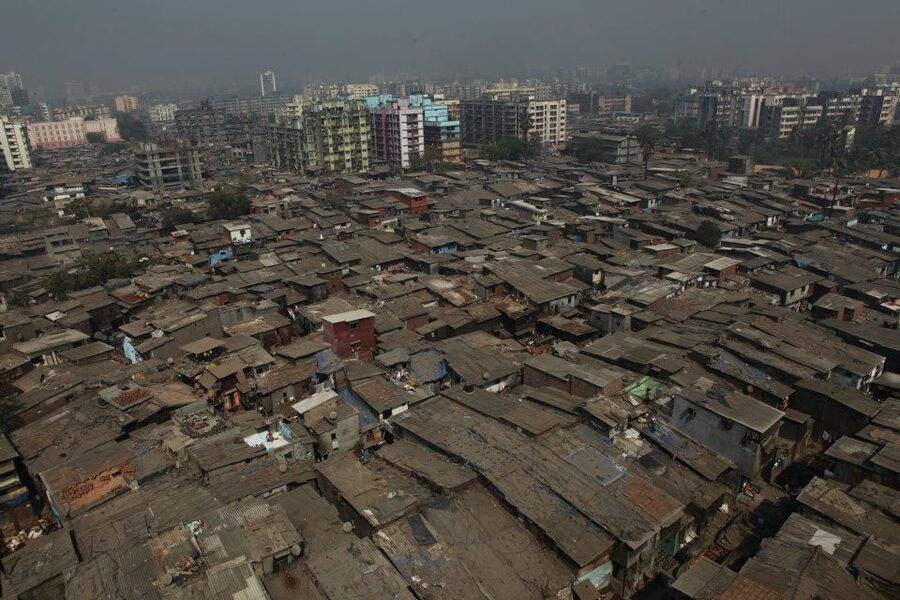
- Dharavi street-level context: a walk that focuses on how people work, recycle, cook, and trade
- Gateway of India + Taj area: photo time and a real sense of what that shoreline monument means
- Dhobi Ghat open-air laundry: seeing Mumbai’s daily cycle of washing up close
- UNESCO CSMT photo stop: Chhatrapati Shivaji Maharaj Terminus with clear viewing time
- Mani Bhavan and Gandhi’s Mumbai: a quieter, reflective pause inside the day’s intensity
- Kamala Nehru Park skyline views: including Old Woman’s Shoe views and a coastal-feeling break
A day in Mumbai that flips scales, from slum work to imperial monuments

What makes this tour work is the contrast. You start in a classic photo-heavy zone near the water, then you move through neighborhoods where daily life is the main event, and you end up back in the “what to see in Mumbai” category with a bundle of recognizable landmarks. It is not just “check places off.” It feels like learning the city in layers.
I like that the day is structured around walking and small stops, not one long lecture. At Dharavi, you’re shown lanes, by-lanes, and specific clusters of work. Elsewhere, you get short guided chunks so you can still enjoy the street scene around you.
Your main tradeoff: the Dharavi portion is the emotionally heavy part, and the smells, sounds, and close proximity are part of the experience. If you want Mumbai only as postcard views, you may find this day too real.
A few more Dharavi Slum tours around Mumbai:
- Dharavi slum tour in Mumbai by Female tour guides of the slum
★ 5.0 · 1,976 reviews - Mumbai: Dharavi Slum, DhobiGhat, and Dabbawallas Tour
★ 4.9 · 689 reviews - Dharavi Slum Tour
★ 5.0 · 625 reviews
Getting picked up in Friends Colony and settling into a 6-hour plan
Pickup is part of the value here. You meet your guide in your hotel lobby in Mumbai, and the tour uses an air-conditioned car. The whole experience runs about 6 hours, with set stops and defined photo and walk times, including a longer stretch in Dharavi.
That matters because Mumbai traffic can turn a half-day into a half-day plus stress. With the car and route already mapped out, you can spend your energy on seeing, not on figuring out transit.
One small but practical note from the tour rules: shorts are not allowed. If you’re packing for Mumbai heat, plan lightweight long pants instead. It will make the day easier, especially once you’re walking through tighter lanes.
Gateway of India and Marine Drive: the shoreline intro you will actually remember
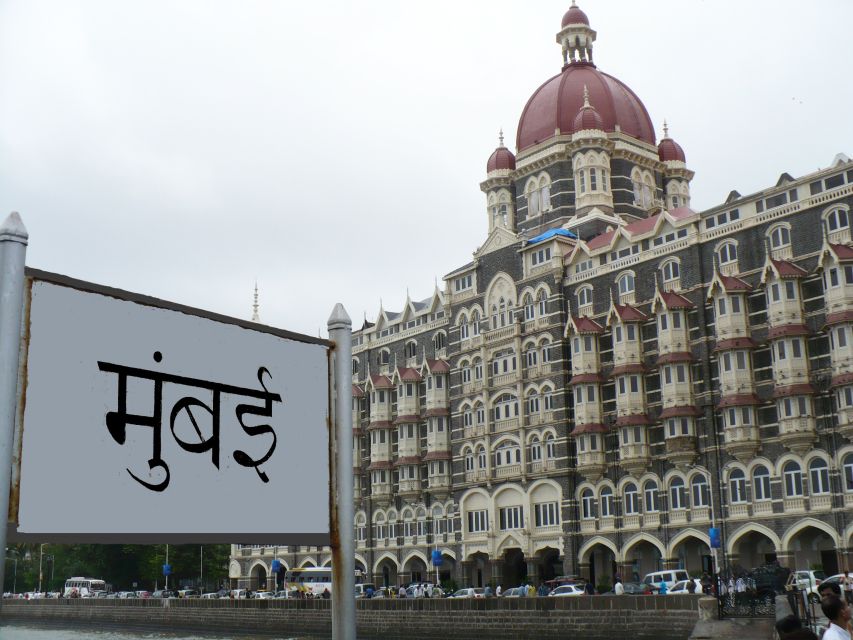
You’ll start near the Gateway of India, built to welcome King George V and Queen Mary into India. This is one of those landmarks where a guided explanation changes how you see it. A quick history and context gives you something to hold onto while you’re taking photos and looking out over the waterfront.
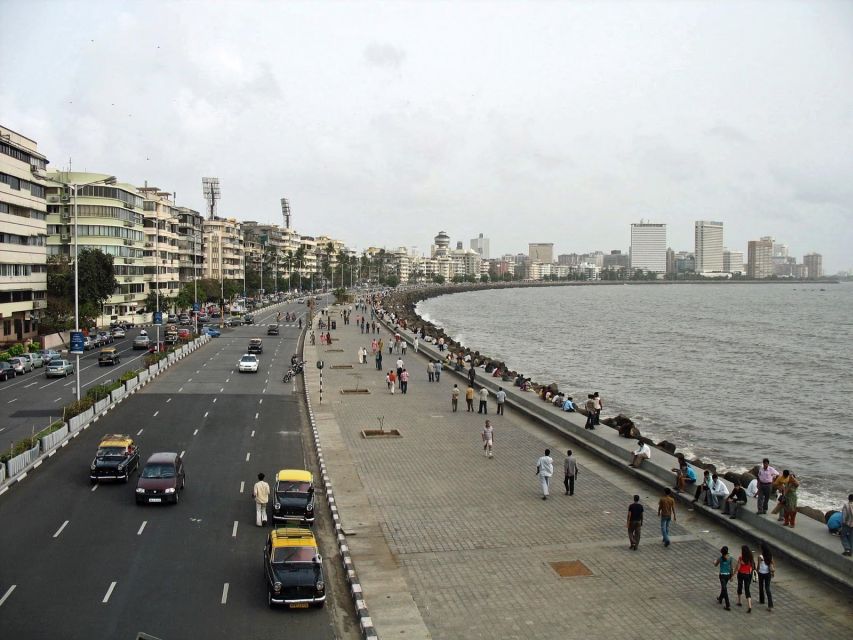
Right after that, you shift to Marine Drive, known as Queen’s Necklace. The tour includes a photo stop plus a short walk. This is a good pairing because the Gateway gives you the grand, formal waterfront image, and Marine Drive gives you the evening-promenade vibe that makes Mumbai feel like Mumbai.
What to watch for here is the way the car route passes British-era architecture and civic landmarks. Even in short segments, you get names like Prince of Wales Museum, Maharashtra Police Headquarters, Flora Fountain, Hutatma Chowk, and the Telegraph Office area, plus the broader Kala Ghoda zone. The best part is that your guide ties names to what you can see from the street.
Chhatrapati Shivaji Maharaj Terminus and the British-built stops that shape the city
Next up is Chhatrapati Shivaji Maharaj Terminus (CSMT), a UNESCO World Heritage site. You get a photo stop and guided time, which is important because this station is more than transportation. The architecture reads like a statement, and the guide helps you notice details rather than just standing in front of a big building.
After CSMT, the day continues through major landmarks in the British heritage and civic category, including Mumbai University (a British heritage building built in 1857), Rajabai Clock Towers (often called the Big Ben of India), and Bombay High Court. There’s also time to pass by or stop for views linked to the Oval Cricket Ground, which matters because cricket is not a side note here, it is part of how people feel connected to the city.
The value of these stops is simple: if it is your first time in Mumbai, these are the places you would normally struggle to sequence in one day. This tour keeps them connected in a logical route, so you get both the landmarks and the street context around them.
A few more Mumbai days to compare
- Mumbai: Full-Day Sightseeing Tour of Mumbai
★ 4.9 · 1,822 reviews - Private Mumbai Sightseeing Tour (Traveller’s Choice Award Winner)
★ 5.0 · 1,565 reviews - Elephanta Caves & Island Guided Private Tour
★ 5.0 · 1,327 reviews - Group Guided Walking Tour in Fort and Colaba
★ 5.0 · 1,073 reviews
Mani Bhavan: a pause from spectacle and a closer look at Gandhi’s Mumbai
Then you head to Mani Bhavan, Mahatma Gandhi’s residence in Mumbai. The tour includes a photo stop, guided tour, and time walking.
Why I like this stop in the middle of a mixed day: it gives your brain a breather. After the intensity of Dharavi is coming later, Mani Bhavan is like a mental reset. You move from urban scale and architecture into a place associated with personal history and a quieter kind of attention.
It also rounds out the “Mumbai is more than Bollywood” story. You still get to see the city’s famous public faces, but you end the emotional arc feeling grounded, not rushed.
Dhobi Ghat, the open-air laundry, where you see routines instead of tourist props

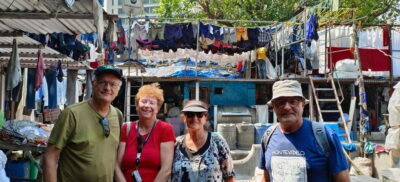
One of the most memorable parts of the day is Dhobi Ghat, Asia’s largest open-air laundry. The tour gives you a photo stop and guided viewing time.
If you’re expecting a museum-style exhibit, adjust your mindset. This is working life. You’re watching routines unfold in an open-air environment. Clothes are washed, and you can see the labor and systems behind a daily need.
Practical tip: bring water and wear comfortable shoes, because the area is active and you will likely be standing, walking short distances, and moving with your guide.
Also, you might get wet, especially in rainy season, because this is an open-air operation. It is not a reason not to go, it is a reason to plan for it.
Hanging Gardens, Banganga tank, and Kamala Nehru Park with Old Woman’s Shoe views
After Dhobi Ghat, the tour moves toward scenic and cultural stops: Banganga tank and a Jain temple, followed by Kamala Nehru Park.
Kamala Nehru Park is famous for its city views and the Old Woman’s Shoe viewpoint. Even if you don’t care about specific landmarks, the park gives you a “look out and breathe” break. After busy streets and working areas, a viewpoint helps you reset your perspective.
The day also includes Hanging Gardens Mumbai, built on top of water tanks near the Tower of Silence, a Parsi burial place. Even if you only get a short guided look and a walk, the setting helps you understand how Mumbai layers religion, community spaces, and infrastructure in close proximity.
This part of the tour is a nice counterweight to Dharavi’s closeness. You’re still in the city, but you’re not inside the tight lane network.
The real centerpiece: entering Dharavi and seeing work across lanes
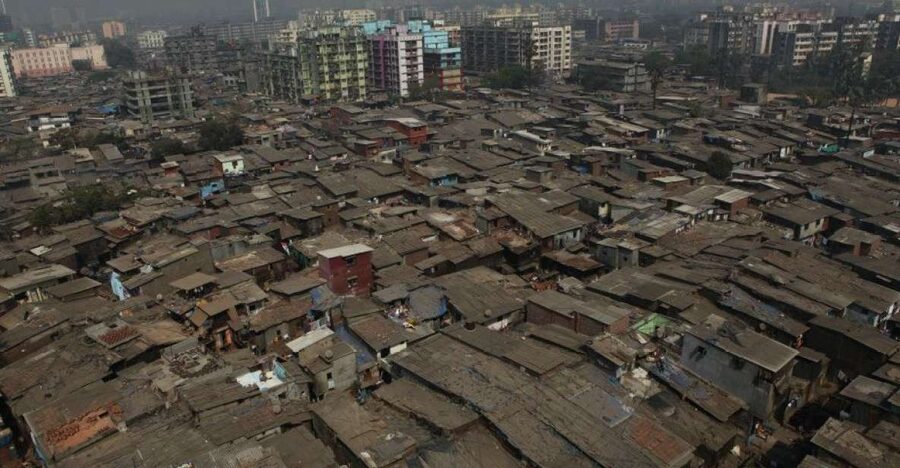
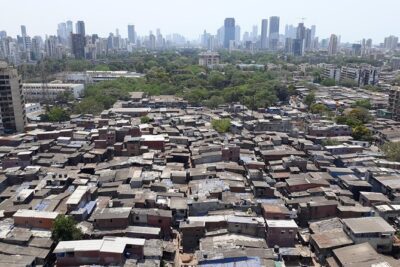
The heart of this experience is Dharavi, with about 110 minutes in the area. The tour is led through narrow alleys and by-lanes, and you’re guided toward working zones that show how Dharavi functions like a city within a city.
You’ll start by passing through areas tied to recycling, including a plastic and metal recycling yard. Then the walk moves through small commerce and production spaces where you may notice strong smells from local bakeries and sweet shops. Soap and cosmetic making units can have a very noticeable scent too, and it’s part of what makes Dharavi feel like an honest place, not a staged set.
You may also see dime-sized cyber cafes, tailor shops, and other small-scale industries that produce goods and services quickly. The exact details depend on the route your guide takes that day, but the core pattern stays the same: work happens right alongside living.
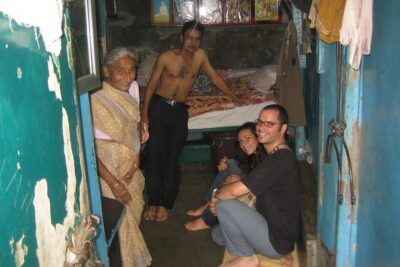
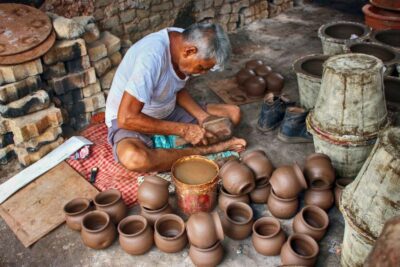
The tour also reaches Kumbharwada, described as a key face of Dharavi’s housing clusters. Kumbharwada is where the tour leans into community and daily routines, not just visual impressions. The focus is on people living close together, sharing space, and keeping momentum in a dense environment.
What you will feel, if you pay attention, is how community spirit shows up in practical ways. You’ll likely notice how people move through the same tight lanes, how informal storefront life fills gaps in the street, and how your guide translates what you see into understandable context.
One consideration: this is not a safe-feeling “just look and move on” environment. It is real and active. Listen to your guide, keep a steady pace, and accept that parts of the day can feel overwhelming. Bring patience, and you’ll get a far better experience.
How the guide quality makes or breaks this day
This kind of tour lives or dies on the guide. The best signs in the experience are how people explain what you’re seeing and how they manage the pace around sensitive spaces.
In the past, named guides credited for excellence include Aardi and Mukesh as a helpful host combo, plus Dev, Dhermesh, Siddhi, Anthony, and Sunny. The consistent theme across those mentions is clear communication and the ability to answer questions without rushing you.
You can also judge value by what the day does not do. One strong advantage is that the tour is presented as a straightforward, no-hard-sell kind of day, with no pushy commission pressure. For many first-time Mumbai visitors, that alone is worth paying attention to.
Price and value: is $70 for 6 hours worth it?
At $70 per person for about 6 hours, this tour sits in the “solid value” zone for Mumbai. Here’s why I think it can be worth it:
- You’re getting transport, with an air-conditioned car and a route that ties together far-flung sights without you doing logistics.
- You have an English-speaking guide for the entire experience, which matters most once you hit Dharavi and need context.
- Major costs tied to city movement are included, like toll, parking, and tax, so there are fewer surprises.
- Lunch is not included, but that is normal for a short half-day style plan, and it gives you flexibility to eat when and where you want.
The drawback on value is also simple: for a solo traveler, the per-person price can feel higher than group pricing. If you’re traveling alone, you are paying for the full day’s guide and vehicle. If that price still feels right for you, the guide-led combination of Dharavi and the big landmark arc is where the money goes.
Who should book this Dharavi and Mumbai sightseeing day?
This is best for you if:
- You want a first-timer-friendly Mumbai overview, but with a real slice of how people live and work in Dharavi.
- You like guided context, not just photos.
- You’re okay with a more serious atmosphere during the Dharavi portion.
It might not be your match if:
- You want a light, purely scenic day with minimal walking.
- You strongly prefer attractions that feel controlled and predictable.
A good fit also includes people who enjoy asking questions. The day is built for listening and learning on the move.
Should you book it?
Yes, if your goal is to see Mumbai as a real working city, not a theme park. This day pairs major landmarks like Gateway of India, CSMT, and Mani Bhavan with Dhobi Ghat and the neighborhood reality of Dharavi. That mix is exactly what makes it memorable.
Book it when you can commit to the full experience, especially the Dharavi walk. Wear long pants, bring water, and come with curiosity rather than a checklist mindset. If you do that, you’ll leave with a Mumbai story that feels specific, not generic.
FAQ
How long is the Dharavi Slum Tour and Mumbai Sightseeing experience?
The total duration is 6 hours.
What is the price per person?
The price is listed as $70 per person.
Where do you get picked up?
Your guide meets you in your hotel lobby in Mumbai. The provided pickup location in the activity details is Friends Colony.
Is lunch included in the tour price?
No, lunch is not included.
What is included with the tour?
Included items are an air-conditioned car, an English-speaking guide, toll, parking and tax, and there are said to be no hidden costs.
Is the tour private or shared?
It is listed as a private group.
What language is the guide?
The guide language is English.
Are there any clothing restrictions?
Shorts are not allowed.
What is the latest time I can cancel for a full refund?
You can cancel up to 24 hours in advance for a full refund.
Recently added around Mumbai
- Dhobi Ghat Tour★ 4.3 · 8 reviews
- Dharavi Slum Tour★ 5.0 · 10 reviews
- Discover Mumbai’s street & beach with Vegetarian food tour★ 4.8 · 46 reviews
- Mumbai: Dharavi Slum 2-Hour Walking Tour★ 4.9 · 13 reviews
- Mumbai: Dharavi Slum Walking Tour with Local Slum Dweller★ 4.9 · 44 reviews
- Mumbai: Dharavi Slum Walking Tour with Options★ 4.9 · 61 reviews
- Mumbai: Dharavi Tour Including Car Transfer★ 5.0 · 9 reviews
- Dharavi: Daily Life inside Asia’s Largest Slum walking tour★ 5.0 · 9 reviews
Dharavi Slum Tours, compared.
Dharavi slum tour in Mumbai by Female tour guides of the slum
Read our review →

Dharavi Slum Slumdog Millionaire Tour with a Local
Read our review →
Dhobi Ghat Laundry and Dharavi Slum Tour with Local
Read our review →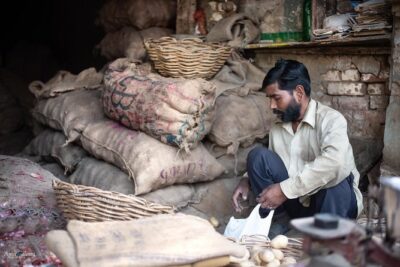
Browse the lists this tour appears in