
Reviewed · DHARAVI SLUM TOURS
Dharavi Slum Tour
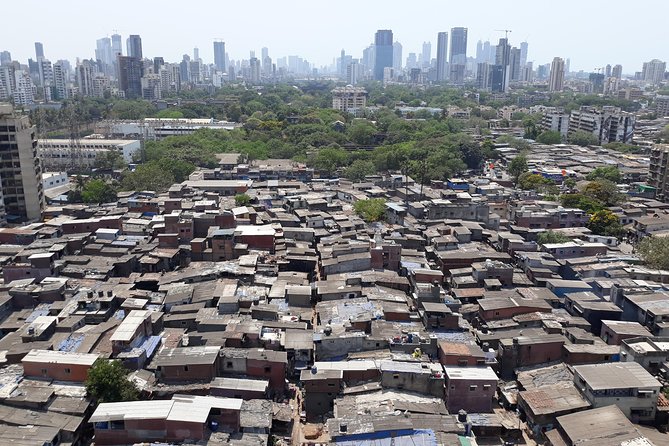
A place people misunderstand gets real context fast. This Dharavi slum tour in Mumbai focuses on the everyday work and small industries that keep the community running, with English-language local guides explaining what you see in plain terms. I like the clear emphasis on practical industry details, like how plastic is processed and how products reach wider markets. I also like that the tour is built around walking, so you get a grounded sense of scale instead of just looking from a distance.
One possible drawback to plan for: the route is on foot through tight lanes, so you’ll want comfortable shoes and patience if you’re not used to busy, crowded streets.
In This Review
- Key things to know before you go
- Why Dharavi is more about work than what you expect
- The 2-hour walk through Dharavi, plus longer options
- Mahim Railway Station to the 13th compound recycling yards
- Beyond plastic: the small industries you’ll hear about
- Learning fast through a guide, with names you may hear
- Where the tour ends: Third Wave Coffee and Dhobi Ghat
- Price and value: what $8 covers in a Mumbai context
- Practical expectations: what to bring and what to avoid
- Who should book this tour, and who should pass
- Should you book the Dharavi Slum Tour with Linda Tour Mumbai?
- FAQ
- How long is the Dharavi Slum Tour?
- Where does the tour start?
- Are pick up and drop off included?
- What is included in the tour price?
- Are meals included?
- Are drinks included?
- What language will the guide speak?
- What should I bring and wear?
- What is not allowed during the tour?
- How does cancellation work?
Key things to know before you go
- Low cost, structured visit: Price is listed at about $8 per person, with a guided walk and entry fees included.
- Starts at Mahim Railway Station: Your tour begins there and moves into the recycling-focused areas.
- Thirteenth compound recycling yard: You’ll see the plastic and metal work that powers Dharavi’s economy.
- Tour is about work, not spectacle: The point is to challenge stereotypes by showing trades like leather, ceramics, and embroidery.
- Guides you can ask anything: Reviews highlight guides such as Ruqaiyya and Neha for clear explanations and fast answers.
- Drop-offs at Dhobi Ghat and Third Wave Coffee: You’ll end with convenient spots for coffee and sightseeing nearby.
Why Dharavi is more about work than what you expect
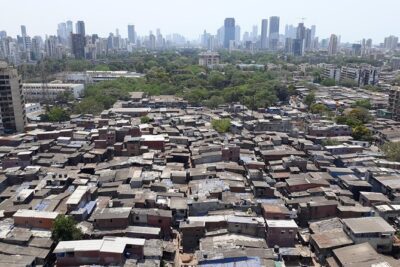
Dharavi has a reputation that usually comes from headlines, not from daily routines. This tour flips that script. Instead of treating the area as a single story of need, it frames Dharavi as a working community, where people build livelihoods through crafts, recycling, and small-scale production.
The numbers shared on the tour are big and worth sitting with: Dharavi is described as one of Asia’s largest slums, supporting more than 20 million people and an estimated annual economic output of about $1 billion. That doesn’t mean everything is easy or comfortable. It does mean you’ll see real industry at street level, and you’ll understand why people here organize work the way they do.
I like that the tour keeps the tone human and grounded. You’re not asked to treat anyone as a prop. You’re guided to look at how the system functions, including the recycling trade that helps turn waste into saleable items.
A few more Dharavi Slum tours around Mumbai:
- Dharavi slum tour in Mumbai by Female tour guides of the slum
★ 5.0 · 1,976 reviews - Mumbai: Dharavi Slum, DhobiGhat, and Dabbawallas Tour
★ 4.9 · 689 reviews - Dharavi Slum Tour
★ 5.0 · 625 reviews
The 2-hour walk through Dharavi, plus longer options
Your tour is described as a walk-based experience, with a walk time around 2 hours, and the full duration listed as 2 to 7 hours depending on the option you choose. That matters because Dharavi is not a place where you can rush and still understand what you’re seeing. A shorter option can give you the core route and industries. A longer option gives you more time to ask questions and absorb what your guide points out.
The tour also starts in a practical location. It begins at Mahim Railway Station, which is helpful because you can plan your arrival without guessing where the activity starts. It also makes the day feel connected to normal Mumbai life, not like you’re dropped into an isolated set.
Pickup is optional, and the meeting point can vary by option. If you’re using pickup, plan to wait in the hotel lobby about 10 minutes before your scheduled start time. If you’re joining independently, treat the meeting point details as part of your plan, not an afterthought.
Mahim Railway Station to the 13th compound recycling yards
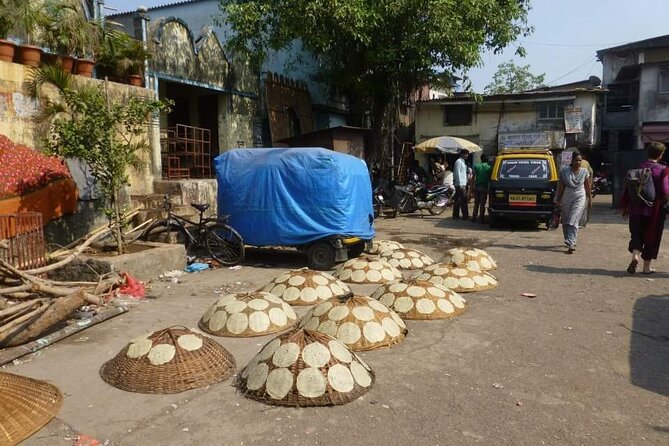
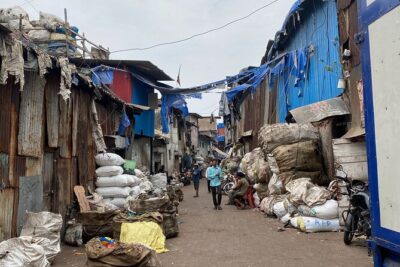
From Mahim Railway Station, the tour leads you into the recycling-focused areas, including the Plastic and Metal Recycling yard of the thirteenth compound. This is the moment many people start paying closer attention.
You’re not just told that recycling is important. You’re directed toward the steps involved in turning materials into usable products. The tour description includes scenes such as melting and molding plastic toys, and creating buttons for well-known brands, with an example given of Barbie Dolls in India. Even if you don’t recognize the exact product line at first glance, the process shows you how raw inputs become finished goods.
A key value here is context. In many places, recycling is treated as a behind-the-scenes service. In Dharavi, it’s described as an active trade with people who make decisions about materials, quality, and production. Watching the flow of work helps you understand why the community’s economic output is tied to this industry.
One small consideration: sights in this kind of yard can be active and close. Keep your pace sensible, follow your guide, and remember this is a workplace, not a museum.
Beyond plastic: the small industries you’ll hear about
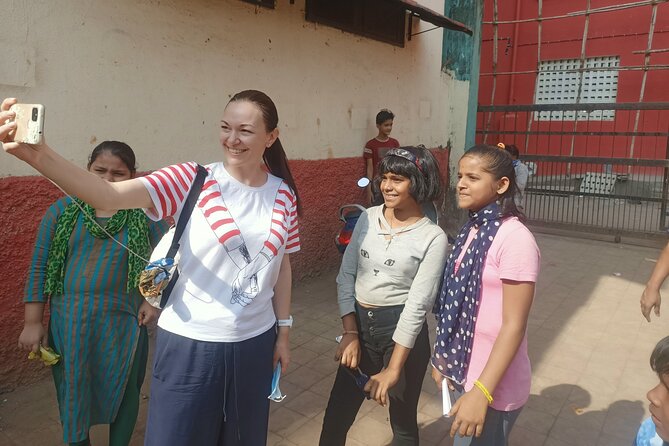
Dharavi is presented as a city within a city, where people from different walks of life coexist and work. The tour highlights that Dharavi supports a mix of industries, not just one.
You’ll hear about small-scale production that can include:
- plastic recycling
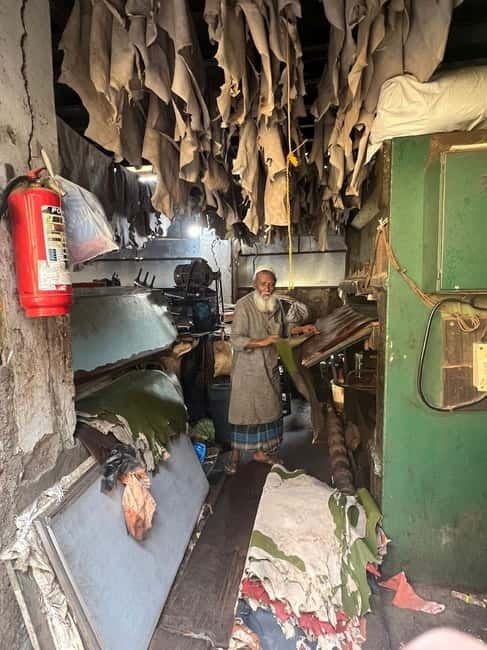
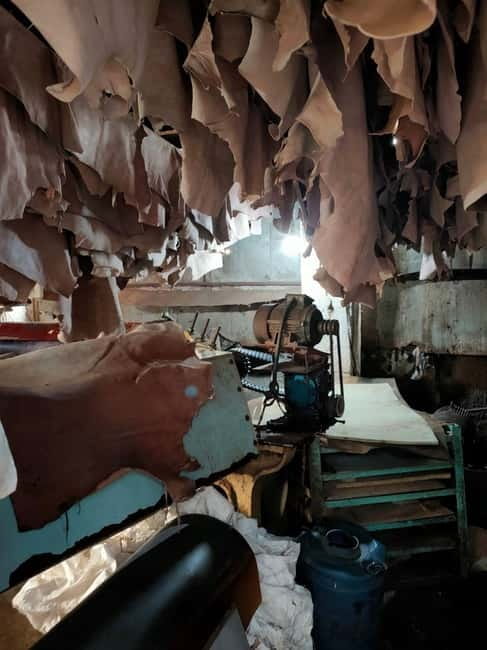
- high-quality leather goods
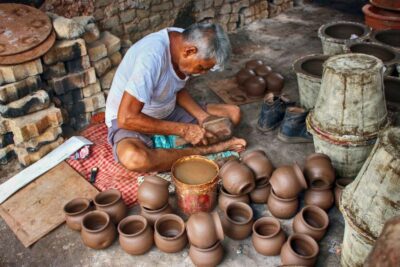
- ceramics
- embroidered garments
- other compact-space manufacturing
What I like about this approach is that it changes the mental picture from one of poverty to one of production. Even when conditions are difficult, people still solve problems like space constraints. Compact work areas force efficiency, and your guide’s job is to help you connect what you see to why it’s built this way.
The tour also mentions that many products reach both domestic and international markets. That point is useful for understanding how far the value chain extends, and why residents take pride in output and craftsmanship. You’re not only watching labor. You’re seeing how local skills plug into wider demand.
A few more Mumbai days to compare
- Mumbai: Full-Day Sightseeing Tour of Mumbai
★ 4.9 · 1,822 reviews - Private Mumbai Sightseeing Tour (Traveller’s Choice Award Winner)
★ 5.0 · 1,565 reviews - Elephanta Caves & Island Guided Private Tour
★ 5.0 · 1,327 reviews - Group Guided Walking Tour in Fort and Colaba
★ 5.0 · 1,073 reviews
Learning fast through a guide, with names you may hear
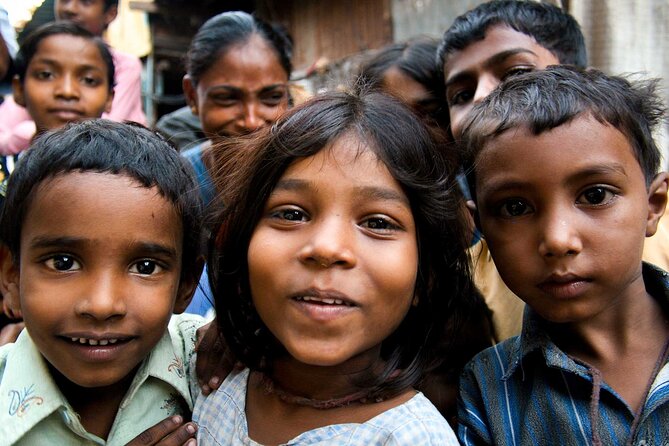
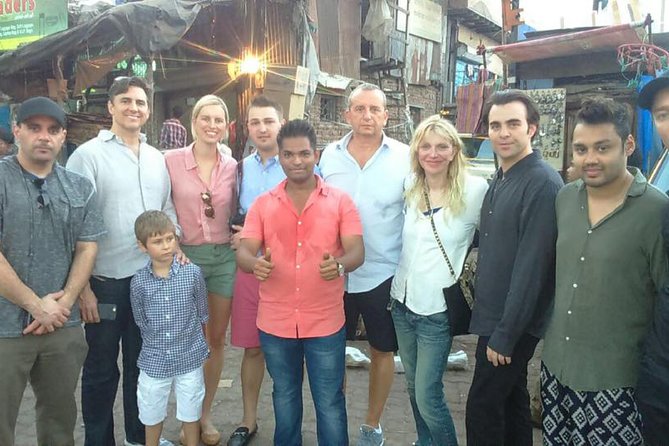
The success of this tour often comes down to the guide, and the reviews underline that. Names mentioned include Ruqaiyya and Neha, with multiple guests praising clarity, responsiveness, and the guide’s personal understanding of Dharavi.
Ruqaiyya stands out in the feedback for giving explanations with clarity and charm, plus a strong sense of passion. Neha is described as helpful and supportive, showing more of the daily life side of Dharavi rather than only stopping at visible production points. In short, the guides are not just directing foot traffic. They’re turning a hard-to-comprehend place into a set of connected stories you can actually follow.
Because the tour is offered in English, Hindi, and Marathi, you can also choose a language option that helps questions land smoothly. If you want to ask about work, daily routines, or how products move from here to stores, having a guide who can answer in a way you understand makes the tour feel worth it.
Where the tour ends: Third Wave Coffee and Dhobi Ghat
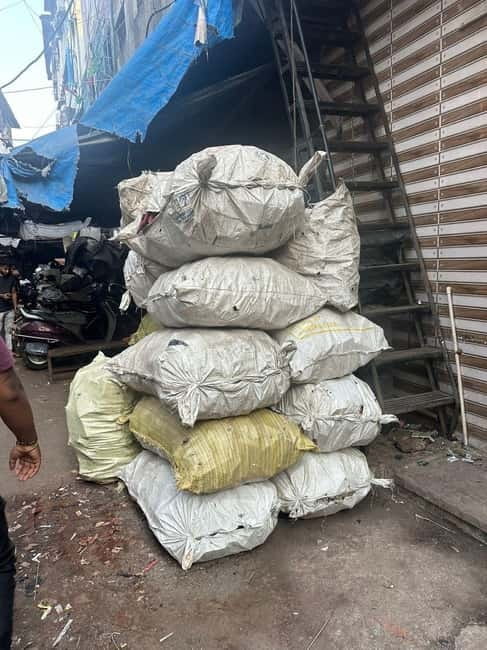
The itinerary includes drop-offs at three locations, including Third Wave Coffee, Mumbai, and Dhobi Ghat. That end-of-tour structure can be practical in two ways.
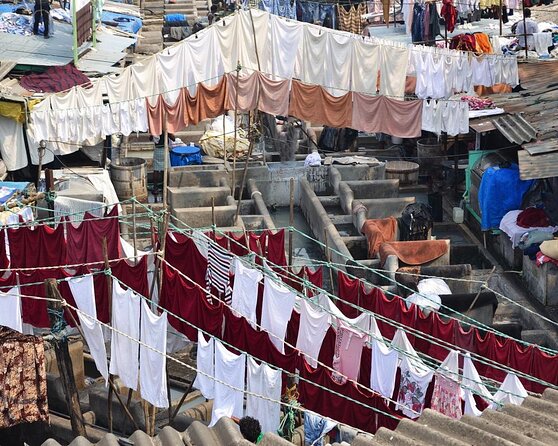
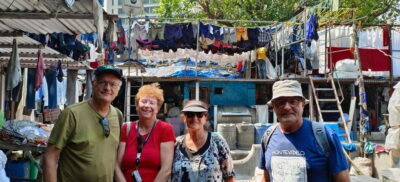
First, it helps you plan your next hour. Third Wave Coffee is a straightforward option if you want a safe-feeling, sit-down pause after walking and looking through busy areas. Second, Dhobi Ghat gives you an easy continuation point if you want to keep observing Mumbai’s working life.
Keep in mind: the tour includes bottled water, but meals and other drinks are not listed as included. If you’re hungry later, you’ll want to plan that gap. The drop-offs can make it easier to find food and refreshments afterward, but you’re still responsible for meals.
Price and value: what $8 covers in a Mumbai context
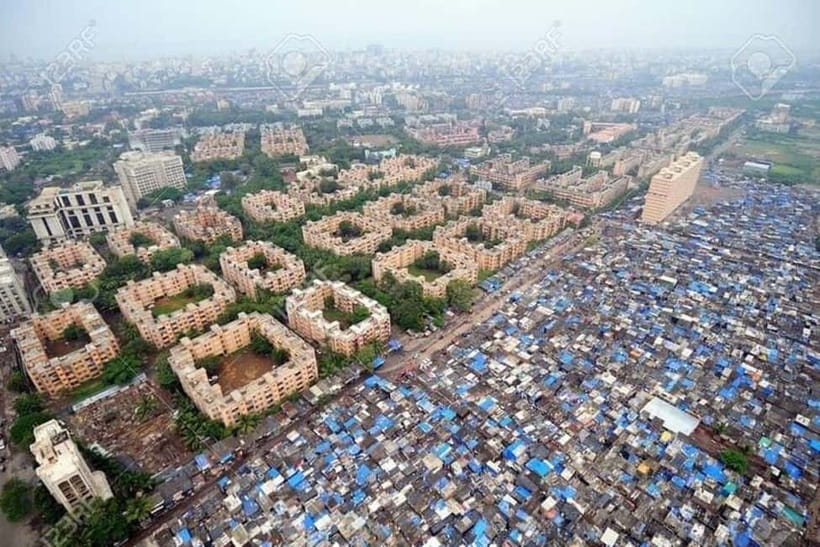
At about $8 per person, this is priced as a budget-friendly tour. The key question is what that money buys you beyond the headline.
Based on the inclusions, your cost is tied to real services:
- entry fees for included stops
- an English local guide
- hotel or port pickup and drop-off (when your option includes it)
- bottled water
- an air-conditioned vehicle
- private transportation
That package matters because Dharavi is not a place you’d want to navigate as an outsider without help. Even if you can find your way on a map, a guide helps you understand what you’re seeing and why it matters economically and socially.
The value also comes from time management. You’re spending your hours on foot inside the core area, not wasting time in transit. And because the tour is described as a walk of about 2 hours, you should be able to fit it into a day without surrendering your entire schedule.
Practical expectations: what to bring and what to avoid
To keep the tour comfortable, bring comfortable shoes. The description is simple, but that advice is important. You’ll be walking, and you’ll want grip and support.
There are also clear rules:
- no alcohol
- no drugs
- no nudity
These restrictions are the kind of basic respect guidelines that help the visit stay appropriate and safe for everyone. If you’re traveling with friends, remind each person to follow them so your tour stays smooth.
One more practical point: your meeting point and time can change based on the selected option. Treat the confirmation details as part of your day plan. If pickup is optional, waiting about 10 minutes before the scheduled time in the hotel lobby helps the driver and guide keep things on track.
Who should book this tour, and who should pass
This Dharavi experience is a good fit if you:
- want to understand Mumbai through real work and production
- like guided explanations where you can ask questions
- enjoy street-level viewing with a respectful tone
- want an affordable tour with guides offered in English, Hindi, or Marathi
It may not be ideal if:
- you struggle with walking in dense areas for extended periods
- you want a quiet, low-activity sightseeing day
- you prefer a tour where meals are included, because meals and drinks are not listed as included
The tour’s theme is also about challenging stereotypes. If you expect a quick photo-stop with little context, you might find it less satisfying. If you expect a guided look at how trades function, you’ll get what you came for.
Should you book the Dharavi Slum Tour with Linda Tour Mumbai?
If you’re visiting Mumbai and you want one experience that explains the city’s economy at street level, this is a solid choice. The price is low, and the inclusions suggest you’re paying for a guided route, a local guide, entry fees, and transport, not just for someone to walk beside you.
I’d book it if your goal is to see Dharavi as people describe it through work, recycling, and small industries, with guides like Ruqaiyya or Neha able to explain what you’re looking at. I’d also book it if you like practical tours with clear start and end points, such as Mahim Railway Station at the beginning and options like Dhobi Ghat and Third Wave Coffee at the finish.
If you’re sensitive to crowds and want a super relaxed pace, pick a time window that lets you feel patient, and wear shoes built for walking. With that, you’ll get a more thoughtful view of Mumbai than you’ll get from a simple postcard version of Dharavi.
FAQ
How long is the Dharavi Slum Tour?
The duration is listed as 2 to 7 hours, depending on the option you book.
Where does the tour start?
The tour begins at Mahim Railway Station. The exact meeting point details can vary depending on the option booked.
Are pick up and drop off included?
Pickup optional is listed, and hotel or port pickup and drop-off are included when your selected option includes it.
What is included in the tour price?
Included items are entry fees for included stops, an English local guide, bottled water, an air-conditioned vehicle, and private transportation.
Are meals included?
No. Meals are not included.
Are drinks included?
No. Drinks are not included.
What language will the guide speak?
The tour offers a live guide in English, Hindi, and Marathi.
What should I bring and wear?
Bring comfortable shoes.
What is not allowed during the tour?
Alcohol and drugs are not allowed, and nudity is not allowed.
How does cancellation work?
Free cancellation is available up to 24 hours in advance for a full refund.
Recently added around Mumbai
- Dhobi Ghat Tour★ 4.3 · 8 reviews
- Discover Mumbai’s street & beach with Vegetarian food tour★ 4.8 · 46 reviews
- Mumbai: Dharavi Slum 2-Hour Walking Tour★ 4.9 · 13 reviews
- Mumbai: Dharavi Slum Walking Tour with Local Slum Dweller★ 4.9 · 44 reviews
- Mumbai: Dharavi Slum Walking Tour with Options★ 4.9 · 61 reviews
- Mumbai: Dharavi Tour Including Car Transfer★ 5.0 · 9 reviews
- Dharavi Slum Tour & Mumbai Sightseeing★ 5.0 · 10 reviews
- Dharavi: Daily Life inside Asia’s Largest Slum walking tour★ 5.0 · 9 reviews
Dharavi Slum Tours, compared.
Dharavi slum tour in Mumbai by Female tour guides of the slum
Read our review →
Dharavi Slum Slumdog Millionaire Tour with a Local
Read our review →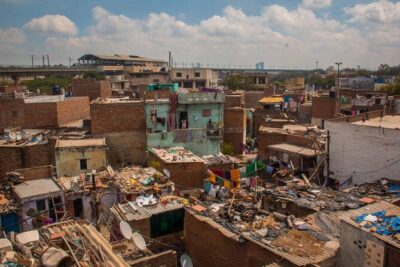
Dhobi Ghat Laundry and Dharavi Slum Tour with Local
Read our review →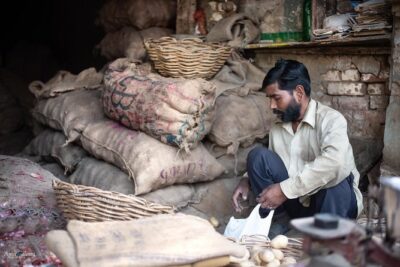
Browse the lists this tour appears in