
Reviewed · DHARAVI SLUM TOURS
Dharavi: Daily Life inside Asia’s Largest Slum walking tour
Dharavi changes how you see cities. I like this tour because it shows real day-to-day work, from plastic recycling to family businesses, and it also gives you the people side with stories from residents. The one drawback to plan around is the narrow, uneven lanes, so it is not a fit if you have mobility limits or breathing issues.
You meet outside Third Wave Coffee and match up with an English-speaking local guide. Small groups help you ask questions, and the pace stays walkable for a tight neighborhood where directions are not straightforward.
Expect industrial workshops, residential lanes, Dhobi Ghat hand laundry, and a quieter stop in Kumbharwada (Khumbharwada), the potters colony. Photography is allowed, but you must ask permission before photographing people, because this is education and respect first, not a photo safari.
In This Review
- Key things to know before you go
- Third Wave Coffee to Dharavi lanes, first impressions
- The industrial district: recycling, making, and turning waste into value
- Dhobi Ghat: open-air laundry and hand work you can watch
- The residential lanes: daily life, pride, and tough realities
- Kumbharwada potters: a quieter craft corner inside Dharavi
- How the guides keep it safe, clear, and human
- Practical tips for a comfortable 2-hour walk
- Price and value: why $7 can be a smart deal
- Who should book this Dharavi walking tour
- Should you book this Dharavi walking tour?
- FAQ
- How long is the Dharavi walking tour?
- Where is the meeting point, and where does it end?
- What is included in the $7 price?
- What will I see during the walk?
- Is photography allowed?
- What should I bring?
- Is the tour suitable for wheelchair users or people with mobility issues?
- Can I cancel for a full refund?
Key things to know before you go
- Start at Third Wave Coffee: the tour begins there and ends back at the same meeting point area.
- You see the informal economy up close: plastic recycling, metal work, leather goods, snacks, pottery, soaps, and textiles.
- Dhobi Ghat is part of the route: Mumbai’s open-air laundry, where clothes are washed by hand.
- Residential life is discussed with empathy: sanitation, education, healthcare, and housing come up as daily realities.
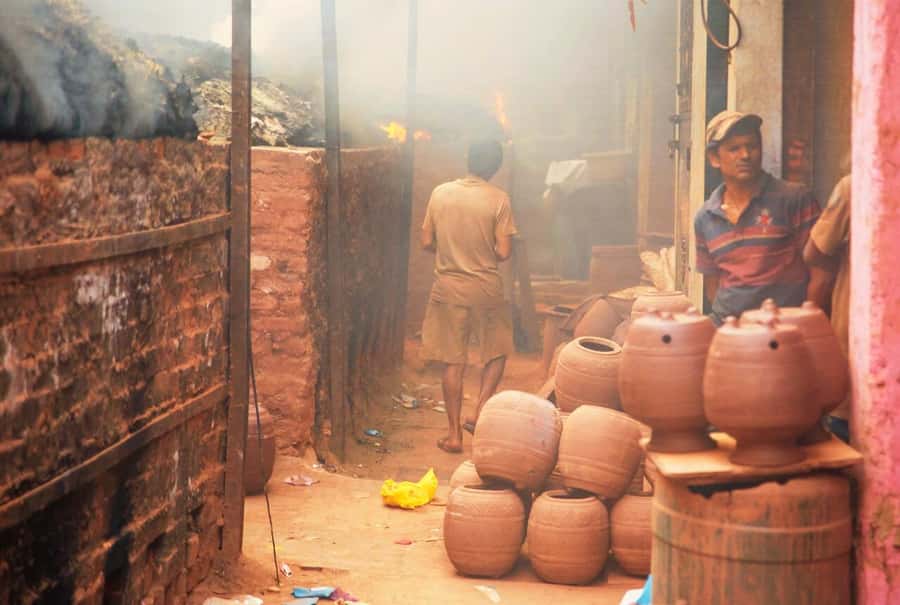
- Kumbharwada is the craft pause: potters from Gujarat keep kilns and clay traditions going in Dharavi.
Third Wave Coffee to Dharavi lanes, first impressions
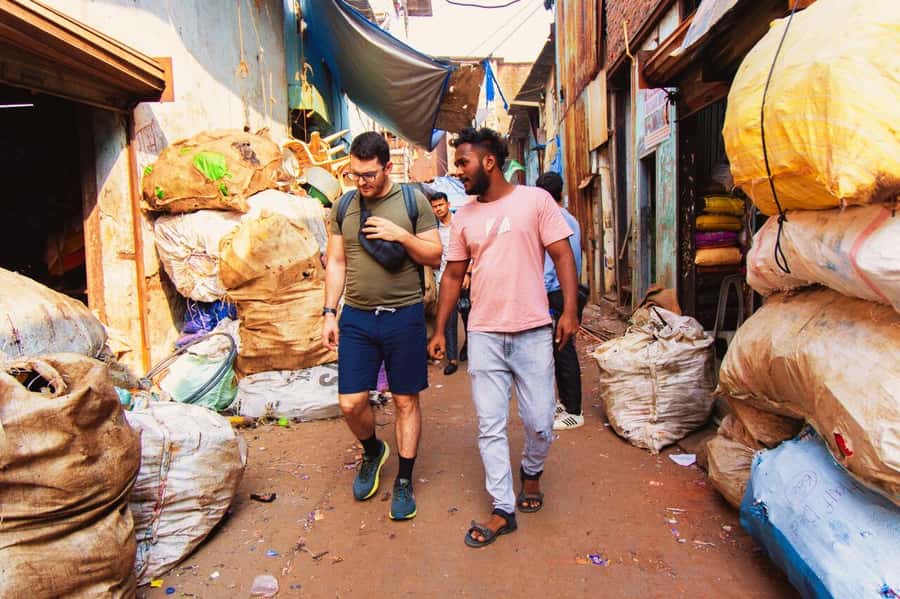
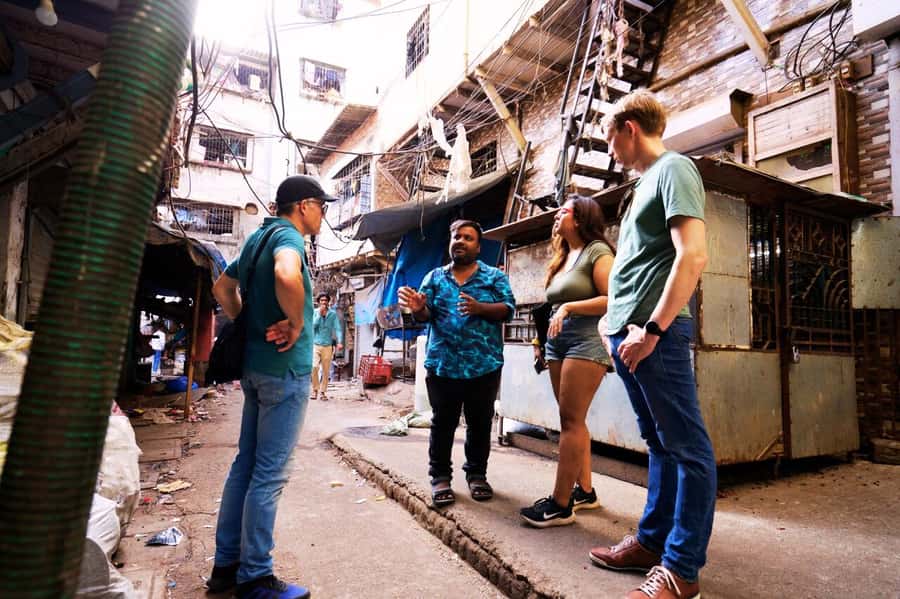
This walk has a simple rhythm. You show up outside Third Wave Coffee, meet your guide, get the brief, then you start moving. The total time is about 2 hours, and the group stays small, which matters in Dharavi where streets can funnel you fast.
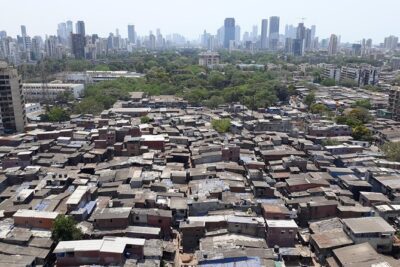
What I like is how the tour begins with context, not shock value. You are walking through one of the most densely populated and misunderstood parts of the world, so your guide frames what you are about to see. The point is to understand how Dharavi works, how people solve problems with limited space and resources, and how community helps people stay afloat.
You also get a practical head start for comfort. Closed-toe shoes are strongly recommended because the route includes narrow, uneven lanes. You will want a scarf as part of your day-to-day comfort and to help you dress respectfully. If you are sensitive to heat or sun, plan for the outdoor exposure and bring water, sunscreen, and a hat if you need it.
The overall tone is respectful. Your guide encourages you to listen, ask, and observe with care, especially around private homes and family-run workspaces.
More Walking Tours in Mumbai
- Group Guided Walking Tour in Fort and Colaba
★ 5.0 · 1,073 reviews - Private Guided Walking Tour in Fort & Colaba
★ 5.0 · 895 reviews - Private Guided Walking Tour in Bandra Queen of Suburbs
★ 5.0 · 383 reviews
The industrial district: recycling, making, and turning waste into value
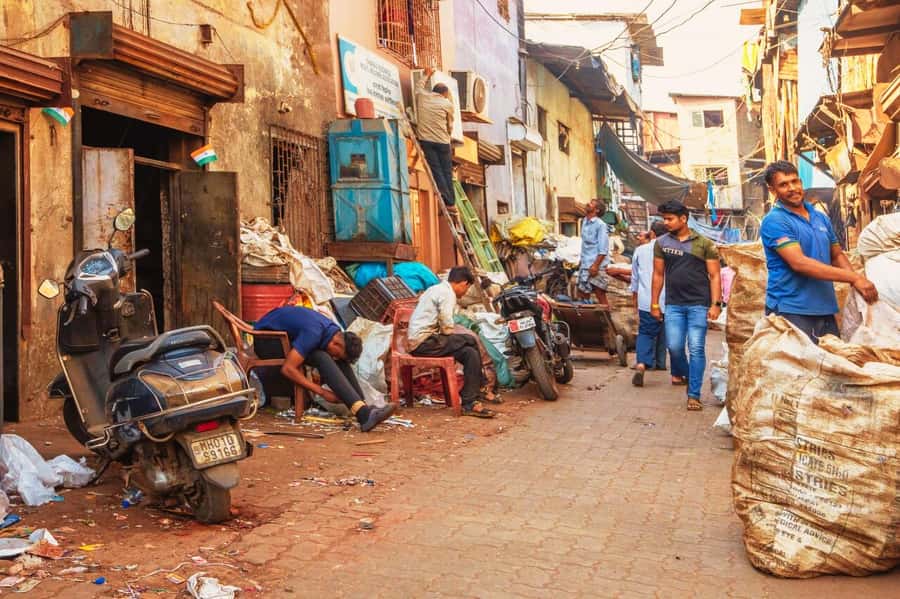
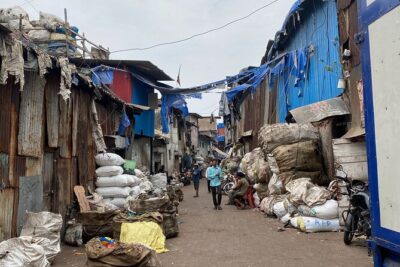
Once you arrive in Dharavi’s industrial zone, the first surprise is the energy. This area is not quiet. It hums with hands-on production, and you can see how business happens in tight spaces.
You will likely pass workstations where people recycle plastic and metal, and where waste becomes input for everyday goods. You might see leather goods being made, snacks being baked, and a range of small craft and manufacturing activities like pottery, soaps, and textiles. Many of these businesses are family-run and have operated for generations, which helps you understand why this economy is not just about survival, it is also about skill and continuity.
A key idea your guide explains is Dharavi’s role in Mumbai’s informal economy. Even with limited space, the industries here generate major turnover each year. The important point for you is to connect the dots between what seems like chaos from outside and what is really an organized chain of work, reuse, and local supply.
Look closely at the theme of reuse. When something has served one purpose, it is often repurposed instead of discarded. The tour makes that visible, and it changes how you think about trash, materials, and labor once you see the system at street level.
Dhobi Ghat: open-air laundry and hand work you can watch
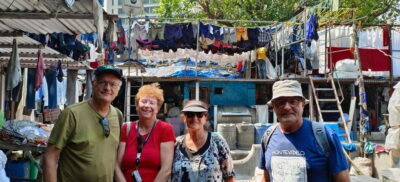
One of the most memorable stops is Dhobi Ghat, Mumbai’s open-air laundry area. This is where washerfolk clean clothes by hand, and the whole place operates on routine and repetition.
This is not a museum stop. It is a working area, and you get a front-row view of how laundry is done without machines doing all the heavy lifting. You might notice the physical process, the pace, and the way clothing moves through the workflow. If you are someone who likes to learn by watching how work is actually done, this stop delivers.
Since it is an active environment, your best move is to stay aware of where people are working and to follow your guide’s cues. You can photograph if you ask permission first, but the more you focus on understanding the process, the more you will get out of the stop. This is the kind of place where questions like how long things take or how schedules work help you connect the dots between daily chores and livelihoods.
Also, keep expectations realistic. Dhobi Ghat is working life, so it can be sensory. Come with curiosity, not with the mindset of wanting tidy, postcard conditions.
The residential lanes: daily life, pride, and tough realities
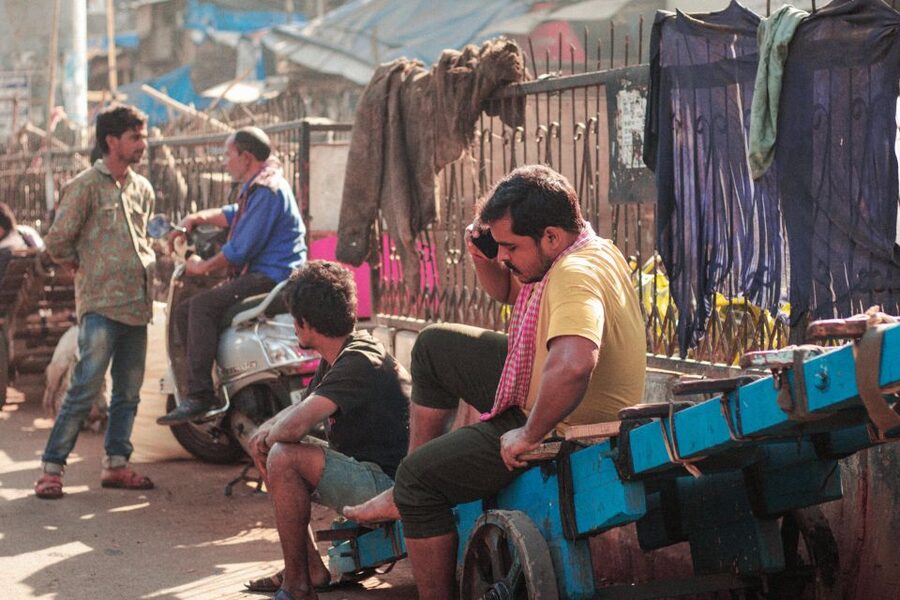
After the work stops, the tour moves into the residential area, and the mood shifts. You enter a network of narrow lanes, small homes, and everyday scenes that do not feel staged.
This is where Dharavi becomes more personal. You may see kids playing cricket in tight alleyways, women chatting from doorway to doorway, and food being prepared and shared. Your guide shares local perspectives and personal stories, which is what helps you understand what you are seeing as life, not as a spectacle.
The tour also talks about challenges that come with this kind of density. You will learn about issues related to sanitation, education, healthcare, and housing. It is handled with empathy, not doom. That balance matters. If the tour only focused on problems, it would flatten people into victims. If it only showed success, it would ignore the real constraints. The approach here aims for both.
At the same time, the tour makes room for pride. People talk about their neighborhoods and identity, and you get the sense that community is a real support system. That is one of the tour’s most useful takeaways for you: you see resilience as something practical and shared, not as a slogan.
For your comfort and respect, remember two things. Stay on the route your guide sets, and do not photograph people without asking. Modest dress is part of showing respect in residential areas, especially when you are a visitor passing through.
A few more Dharavi Slum tours around Mumbai:
- Dharavi slum tour in Mumbai by Female tour guides of the slum
★ 5.0 · 1,976 reviews - Mumbai: Dharavi Slum, DhobiGhat, and Dabbawallas Tour
★ 4.9 · 689 reviews - Dharavi Slum Tour
★ 5.0 · 625 reviews - Dharavi Slum tour in Mumbai by local resident
★ 5.0 · 572 reviews
Kumbharwada potters: a quieter craft corner inside Dharavi
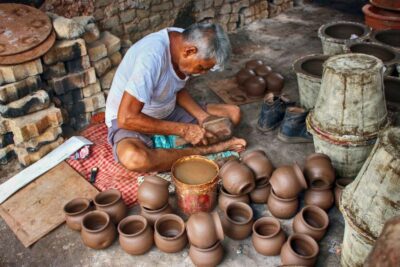
The final neighborhood stop is Kumbharwada (sometimes written Khumbharwada), the potters colony. Compared with the industrial bustle, this section feels calmer and more reflective.
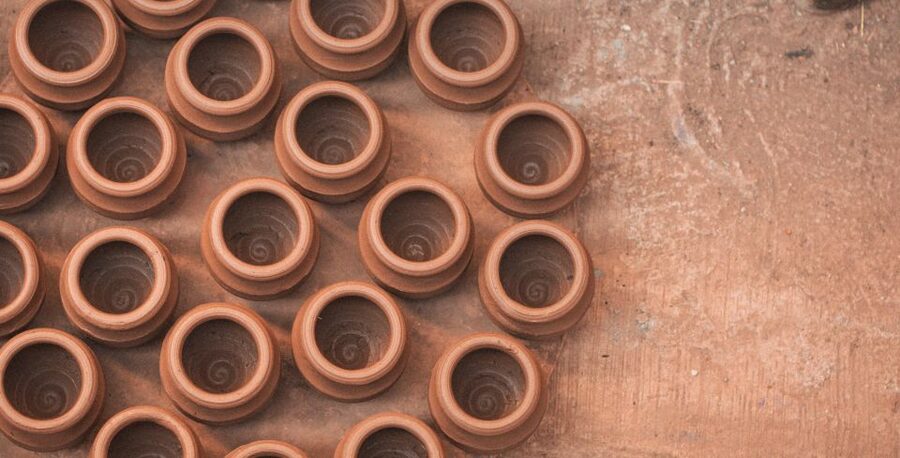
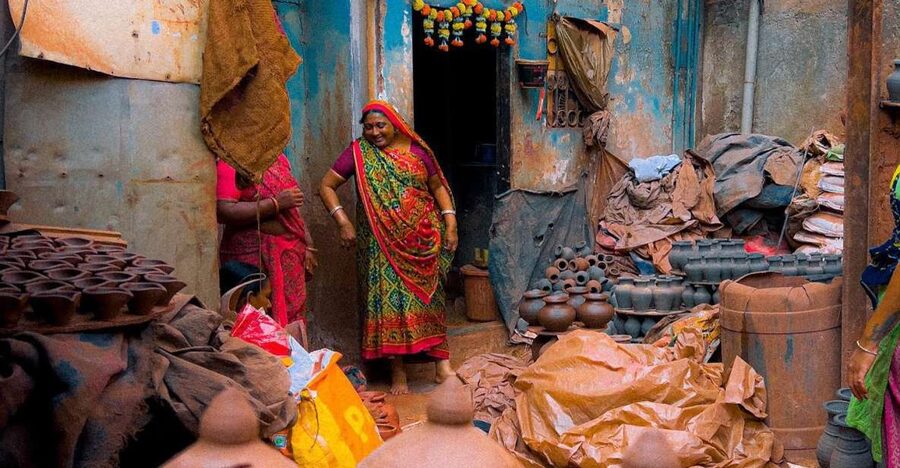
This is where tradition shows up in a very physical way. You walk through rows of kilns, see stacks of freshly molded pots drying in the sun, and watch artisans shaping clay with practiced hands. The guide connects this craft to roots in Gujarat, explaining that the potters here originally came from that region and have continued the work across generations.
For you, this stop is valuable because it gives Dharavi another layer. Many people only picture one thing when they hear the word slum, but the reality is that craft, specialization, and heritage are present too. Kumbharwada helps you see that continuity inside change.
It also gives you a mental reset. After factory-like areas and residential lanes, you end with a craft that has a slower rhythm. Even if you do not know anything about pottery, the sight of kilns and drying pots makes the work easy to understand, and your guide can bring you the why behind it.
How the guides keep it safe, clear, and human
A big reason this tour gets high marks is guide quality. You are not just getting a route. You are getting explanation, translation of local context, and real attention to how you move through tight spaces.
I like that guides are described as taking safety seriously, especially around street crossings. One guide named Bala is praised for making sure visitors felt safe while walking through Dharavi and for being very clear in English. Another guide, Abhishek, is highlighted for good communication, strong organization, and keeping the experience safe. Ravi and Segidi are also named for excellent guiding and for living in the area, which helps you feel grounded in local perspective rather than a script.
These are small details, but they matter. In a neighborhood where streets can be uneven and traffic and pedestrians mix closely, a guide who communicates well reduces confusion. It also helps you ask questions without interrupting the flow of the workspaces you are passing.
The best part, though, is the tone. The tour is meant to connect with real stories of daily life. It is not a checklist of sights. Your guide’s job is to help you look and listen with empathy, and to keep the experience respectful for residents.
Practical tips for a comfortable 2-hour walk
Even if you are adventurous, Dharavi is still a walking experience, and the conditions are real. Here’s how I’d set yourself up for a smooth time.
Wear comfortable clothes and closed-toe shoes with good grip. The lanes are narrow and uneven. Bring a scarf for comfort and modesty. Since the route includes outdoor elements, plan for the weather with water, sunscreen, and a hat if you need it.
Photography is allowed, but you must ask permission before photographing people. That rule is not just polite. It also helps keep the relationship between you and residents respectful, especially in home areas where people do not expect strangers with cameras.
If you have any of these limitations, take the accessibility warnings seriously. The tour is not suitable for mobility impairments, wheelchair users, people with respiratory issues, or visually impaired people. The route is not described as easy terrain, and the experience depends on walking close to daily activity.
For most people, the 2 hours feels like a good length. It is long enough to see industrial work, residential life, and two distinct neighborhood stops, without turning into a full day marathon.
Price and value: why $7 can be a smart deal
The price is listed at $7 per person, and it includes an English-speaking guide plus packaged water if you need it. On paper, that is low. In reality, it reflects a trade-off: you are paying for access to local knowledge and for guided walking time, not for a vehicle, formal museum-style entry, or a polished sightseeing route.
For you, the value comes from three things.
First, you get guided interpretation. Dharavi is dense and easy to misunderstand from the outside. A guide helps you connect what you see to how the informal economy functions.
Second, you get multiple settings in one route. You see industrial workshops, residential daily routines, Dhobi Ghat laundry, and Kumbharwada potters. That mix is hard to replicate on your own safely and respectfully, especially in an area you might not know how to navigate.
Third, you get small-group attention. The tour is kept small for an intimate atmosphere. That makes it easier to ask questions, learn names of processes and neighborhoods, and get help with directions in tight areas.
If you are watching your budget, this is a rare option that still feels human-scale. If you are looking for flashy highlights and distant views, you might feel bored. But if you want real daily life and you can handle walking through uneven lanes, the value is strong.
Who should book this Dharavi walking tour
Book it if you want the day-to-day reality behind Mumbai’s headlines. This is a good fit for you if you enjoy small businesses, recycling systems, hand work, and learning directly from locals.
You will also enjoy it if you like tours where the focus is not on pretending everything is perfect. The tour discusses sanitation, education, healthcare, and housing while also showing pride, identity, and community support. That balance gives you something useful to think about after the walk.
Skip it if you need step-free routes, if you have respiratory issues, or if you rely on accessibility features that are not part of this walk. Also, if you want a classic sightseeing circuit, this is more about learning how people live and work than about viewing major landmarks.
Should you book this Dharavi walking tour?
Yes, if your goal is to understand Dharavi through daily work, residential life, Dhobi Ghat hand laundry, and the potters of Kumbharwada. It is a short 2-hour experience with an English-speaking guide, and for the price it offers real access to how this neighborhood functions.
No, if you cannot handle walking narrow, uneven lanes or you have health limits that make outdoor, dense environments harder. And if you are hoping for a polished, photo-driven itinerary, adjust your mindset. This tour works best when you come to listen and learn, and when you treat photography and conversation as part of the respect.
FAQ
How long is the Dharavi walking tour?
The tour is 2 hours long.
Where is the meeting point, and where does it end?
You start outside Third Wave Coffee, and the tour ends back at the meeting point.
What is included in the $7 price?
The price covers an English-speaking guide and packaged water if needed.
What will I see during the walk?
You will see activity in Dharavi’s industrial area, including plastic recycling, small businesses, and other trades. The route also includes residential areas, Dhobi Ghat open-air laundry, and Kumbharwada potters’ colony.
Is photography allowed?
Photography is allowed, but you should ask permission before photographing people.
What should I bring?
Wear comfortable clothes and closed-toe shoes. Bring a scarf, and consider water, sunscreen, and a hat for the outdoor elements.
Is the tour suitable for wheelchair users or people with mobility issues?
No. The tour is not suitable for wheelchair users or people with mobility impairments.
Can I cancel for a full refund?
Yes. You can cancel up to 24 hours in advance for a full refund.
Recently added around Mumbai
- Dhobi Ghat Tour★ 4.3 · 8 reviews
- Dharavi Slum Tour★ 5.0 · 10 reviews
- Discover Mumbai’s street & beach with Vegetarian food tour★ 4.8 · 46 reviews
- Mumbai: Dharavi Slum 2-Hour Walking Tour★ 4.9 · 13 reviews
- Mumbai: Dharavi Slum Walking Tour with Local Slum Dweller★ 4.9 · 44 reviews
- Dharavi Slum Tour & Mumbai Sightseeing★ 5.0 · 10 reviews
- Mumbai: Dharavi Slum Walking Tour with Options★ 4.9 · 61 reviews
- Mumbai: Dharavi Tour Including Car Transfer★ 5.0 · 9 reviews
Dharavi Slum Tours, compared.
Dharavi slum tour in Mumbai by Female tour guides of the slum
Read our review →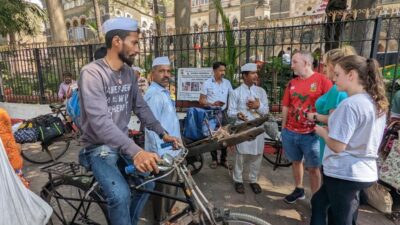
Dharavi Slum Slumdog Millionaire Tour with a Local
Read our review →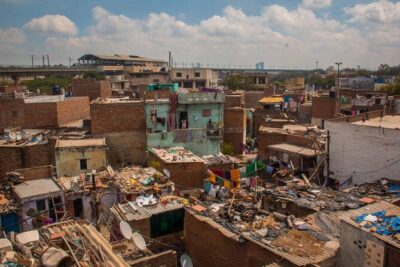
Dhobi Ghat Laundry and Dharavi Slum Tour with Local
Read our review →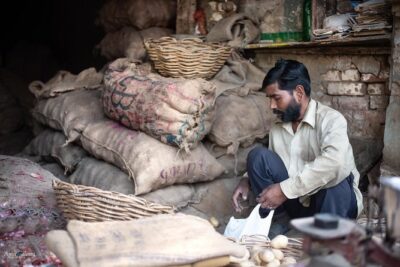
Browse the lists this tour appears in