
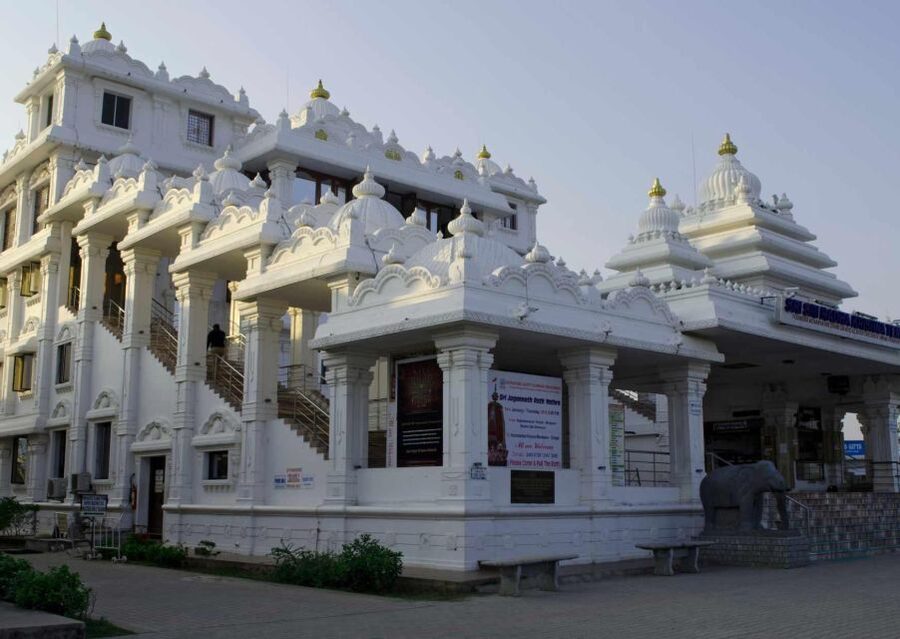
Reviewed · WALKING TOURS
Chennai Walk of Divinity (2 Hours Guided Walking Tour)
Temples teach you to slow down. This Chennai Walk of Divinity is a tight, 2-hour route through three Hindu places of worship, built around stories that connect faith with daily life. I especially like how the walk includes hidden lanes and conversation, not just quick temple photos.
What I like most is the guide role. You get a trained, English and Hindi speaking storyteller who can point out details most people miss, plus practical local tips that can save you money while you explore Chennai.
One thing to consider: reviews are mixed on guide consistency. If you want deep, structured meaning every minute, you might want to go in with flexibility, and be ready to ask questions if the story flow feels lighter than expected.
In This Review
- Key highlights worth your attention
- A 2-hour Chennai walk that turns streets into meaning
- Marundeeswarar Temple and Aushadeeswarar, Shiva of Medicines
- Pamban Swami Temple, when religious scholarship becomes devotion
- Ashtalakshmi Temple and the everyday power of Lakshmi
- Hidden lanes, local tips, and how you actually experience Chennai
- Price, value, and what is missing from the $18
- Who should book this Divinity Walk in Chennai?
- Booking notes from real-world guide variability
- Should you book Chennai Walk of Divinity?
- FAQ
- How long is the Chennai Walk of Divinity tour?
- What temples are included in the guided walk?
- What is the theme or focus of the tour?
- Is hotel pickup and drop included?
- What languages does the guide speak?
- Are water bottles included?
- What should I bring for the tour?
- Is there free cancellation?
- Is reserve now and pay later available?
Key highlights worth your attention

- Marundeeswarar Temple as Aushadeeswarar, Shiva of Medicines, tied to curative worship for people with diseases
- Pamban Swami Temple, which puts a Hindu religious scholar (Pamban Swamigal) at the center of devotion
- Ashtalakshmi Temple, focused on Lakshmi and what prosperity means in religious life
- Hidden lanes and side spaces, so the walk feels more local than sightseeing-only
- English and Hindi guidance, with strong value when your guide is great at answering questions
- A compact 2-hour format, ideal for a first day in Chennai or a focused evening plan
A 2-hour Chennai walk that turns streets into meaning

A normal walk tour shows you what is outside, temples included. This one tries something different. It frames the experience as an inward journey, where you connect spirituality, religion, and even the way people think through everyday logic and faith.
That theme matters because it changes how you should pay attention. If you walk in expecting a strict lecture, you may feel underwhelmed. If you show up ready to listen, look closely, and accept that some ideas are meant to be felt as much as explained, the tour lands better.
You also get a real guide element, not just a route. The best part is how guides can translate what you are seeing, from architecture to the reason a temple exists in the community. I like that the tour is designed around storytelling and conversation, because temples are not museum objects. They are living spaces where people still go for comfort, advice, and devotion.
Still, two practical thoughts. First, it is only 2 hours, so expect short stops and walking between them. Second, since guide experiences vary, your outcome can depend on who you get and how much you engage with questions.
More Walking Tours in Chennai
- Gods of Mylapore walking tour- tourism ministry approved company
★ 5.0 · 267 reviews - Georgetown heritage walking tour in Chennai about the founding of Chennai
★ 5.0 · 144 reviews - Chennai Walking Tour ( 2 hours guided tour)
★ 3.8 · 85 reviews
Marundeeswarar Temple and Aushadeeswarar, Shiva of Medicines
Marundeeswarar Temple is the standout anchor on this walk, and for a good reason. It is dedicated to Shiva, specifically as Aushadeeswarar, which is tied to the idea of medicines. In temple life, that name is not decorative. It is part of why people come for curative worship, including for those dealing with diseases.
You will also see Dravidian architecture, which gives the temple its strong, grounded look. Dravidian design often feels layered and purposeful, and even if you do not know every term, you can usually feel the order. The guide can help you read that order instead of treating it like plain stonework.
Here is what I think makes this stop valuable for your understanding of Chennai. Many visitors view temples as strictly religious sites. This temple invites you to see a different role, where worship connects with healing and care. People come with concerns, then use ritual, prayer, and community belief to deal with uncertainty.
A good guide should also help you notice what the “medicine” idea means in practice. You might not get a step-by-step medical explanation, and you should not expect a science lesson. But you can learn how the temple’s identity shapes the way worshippers approach it, and how that shapes the experience for everyone nearby.
Drawback to watch for: if your guide spends too little time on meaning, this stop can turn into a quick photo stop. When it is done well, it becomes the tour’s theme-setting moment, the place where the inward journey makes sense.
Pamban Swami Temple, when religious scholarship becomes devotion

Next up is Pamban Swami Temple, dedicated to Pamban Swamigal, a Hindu religious scholar. This is a refreshing change from the usual temple-tour pattern of focusing only on gods and rituals. Here, a person becomes a bridge between learning and devotion.
That matters because it expands what you might assume about spirituality. You are not only looking at icons and architecture. You are also encountering the idea that teachers, scholars, and interpreters can be central to religious life. In many traditions, study is not separate from worship. It is part of it.
In a tour like this, the guide can make the stop click by linking the temple’s purpose to the scholar’s influence. Since the tour is built around storytelling and conversation, you can ask the kinds of questions that interest you most, like how devotion changes when you honor a teacher as well as a deity.
One reason this stop works well on a short 2-hour walk: it breaks up the emotional tone. Shiva’s medicine theme is one flavor. A scholar-focused temple is another. It helps you avoid sensory overload and gives your brain a new framework to hold what you are seeing.
Possible drawback: if the guide does not connect this scholar angle clearly, you may feel like you are only catching fragments. If your goal is specifically “connect the dots” from spirituality to how people think, press for a clearer explanation here. Ask what role the scholar plays in worship at this temple, and why the dedication matters.
Ashtalakshmi Temple and the everyday power of Lakshmi
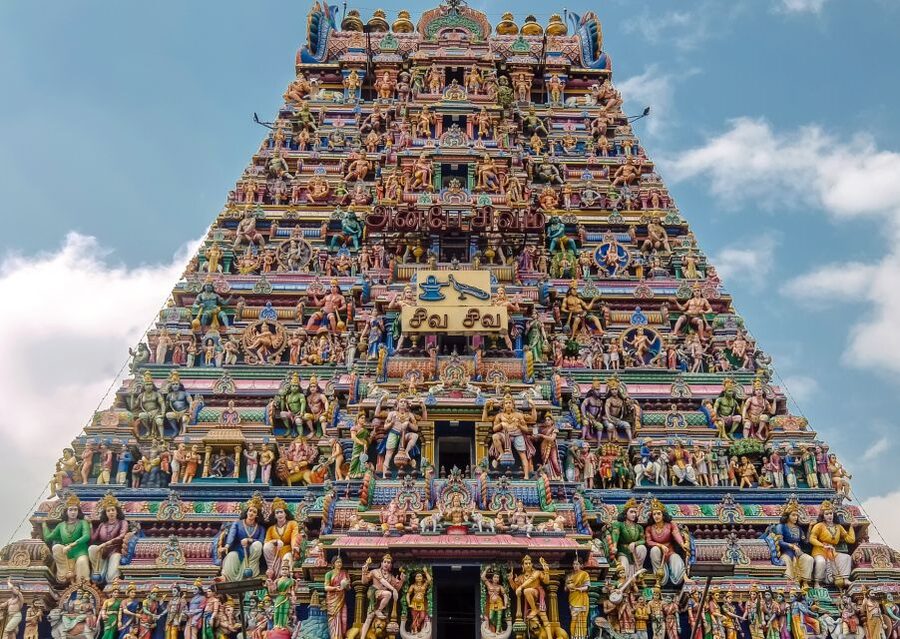
The third focus is Ashtalakshmi Temple, dedicated to goddess Lakshmi. Lakshmi is widely associated with prosperity and well-being, but what I like about visiting her through a dedicated temple is that prosperity stops being a vague concept. It becomes something you can see honored in place, ritual presence, and community attention.
Since this walk is described as connecting spirituality, religion, and science, Lakshmi also gives you something to reflect on. You can think about “wealth” in the broad sense: resources, stability, and peace of mind. Even if the tour does not get philosophical in a formal way, the setting encourages that type of reflection.
This stop also pairs nicely with the earlier one. Shiva as Aushadeeswarar frames healing and care. Pamban Swami frames learning and devotion. Lakshmi frames stability and flourishing. In a short time, you get a three-part mental map of what people seek from religious life.
What to keep in mind: Ashtalakshmi Temple is still a temple you are visiting, so you should treat it with the same respect you would in any active place of worship. If your guide emphasizes the “inward journey” angle, you may notice how people behave when they pray, pause, or move through the space. That behavior is part of what you are learning.
A practical consideration: as with all short walks, you will likely not have long, unhurried time in every space. If you want maximum time in Ashtalakshmi, consider going for an afternoon or evening slot, since one praised experience highlighted that a later timeslot worked particularly well.
A few more Chennai days to compare
- Private Bazaar Trail Walking Tour in George Town
★ 5.0 · 66 reviews - Chennai: Mylapore Walk for an immersive cultural experience
★ 5.0 · 16 reviews - Chennai: George Town Origins Guided Walking Tour
★ 4.8 · 12 reviews - Auroville Guided Walking Tour
★ 3.2 · 9 reviews
Hidden lanes, local tips, and how you actually experience Chennai
The tour is not only temples. It includes access to hidden lanes and places, which is where walking tours can earn their keep. Those side routes are how you see the city’s texture: how people move, what life looks like near sacred spaces, and how neighborhoods shape the experience.
You also get great local tips and recommendations to save money and explore the best of the city. That is underrated value. A good guide can save you from wasting time and money on the wrong options, and can help you plan your next steps with confidence.
One of the strongest pieces of praise in the feedback centers on guide support with small real-world things. For example, one guide, Kavin, was praised for helping with local negotiations for items like water, juice, and flowers. That is not glamorous, but it is practical. If you are new to Chennai temple areas, it helps to have someone guide you through everyday interactions politely and efficiently.
You may also get help with getting around afterward. In one praised experience, Kavin helped arrange an auto and even checked that the person arrived safely. That is exactly the kind of “small care” detail that makes a guided walk feel like local help, not just a service transaction.
On the flip side, not every guide situation is perfect. There are also reports of guides being late or providing too little information. My advice is simple: be present, be ready to ask, and if anything feels off early on, say something immediately rather than waiting.
Price, value, and what is missing from the $18
The price is $18 per person for a 2-hour guided walking tour. For three temple stops plus guided storytelling, that is fair value, especially if your guide is strong at explaining what you are seeing and keeping the group moving.
The included elements are what justify the cost. You get:
- A trained storyteller/guide speaking English and Hindi
- Local tips and recommendations for saving money
- Access to hidden lanes and places
- Conversations and stories that connect the sites
What is not included is also important:
- Hotel pickup and drop are not part of the deal
- Water bottle is not included
So pack like a walker. Bring comfortable shoes, and plan to buy water nearby. The tour is short, but walking in temple areas can add up fast.
Also, keep your expectations aligned with the format. Two hours is not enough for deep study across three temples. If you want a long, academically paced tour, this may feel short on structure. If you want a story-led orientation to the spiritual logic behind these places, it can be a great fit.
Who should book this Divinity Walk in Chennai?
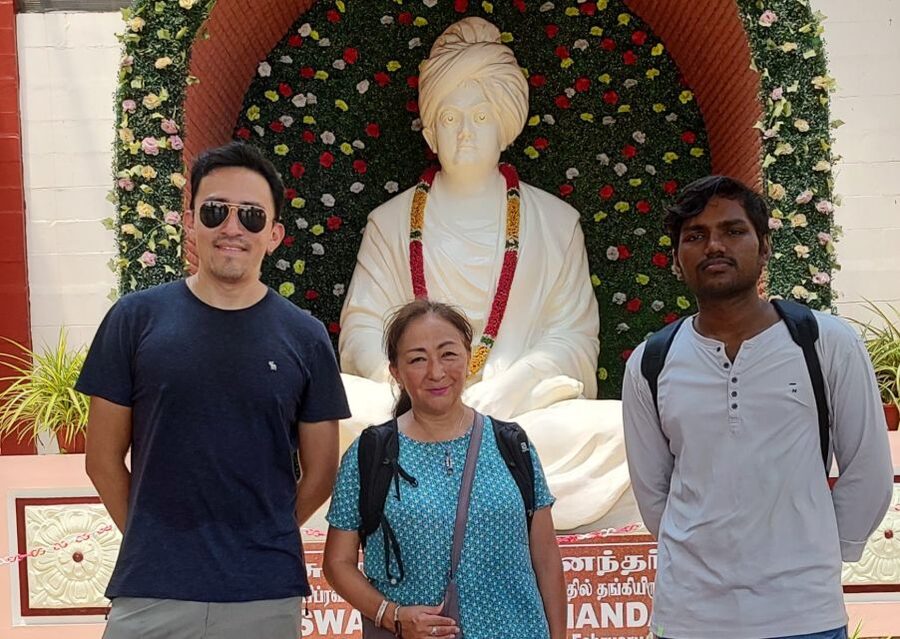
Book this tour if you want a focused first taste of Chennai temple culture that goes beyond surface facts. It is especially good if you like walking, asking questions, and learning how religious spaces connect with the way people live.
I would also recommend it if you enjoy a theme-driven approach. The tour’s “journey inward” framing, with the idea of connecting spirituality, religion, and science, works best for curious minds that can handle big concepts without needing everything to be reduced to a single explanation.
You may find it less satisfying if your top priority is a strict, lecture-style breakdown of religion. Some experiences suggest that the tour did not fully meet expectations for connecting the dots in a deeper way. If that is you, bring a few questions of your own. Ask your guide how the “medicine” theme at Marundeeswarar relates to the broader spiritual mindset of the other stops.
Finally, consider your timing. One strongly praised experience recommended the afternoon or evening slot. If you have that option, it can be a smart choice for a smoother, less rushed feel.
Booking notes from real-world guide variability
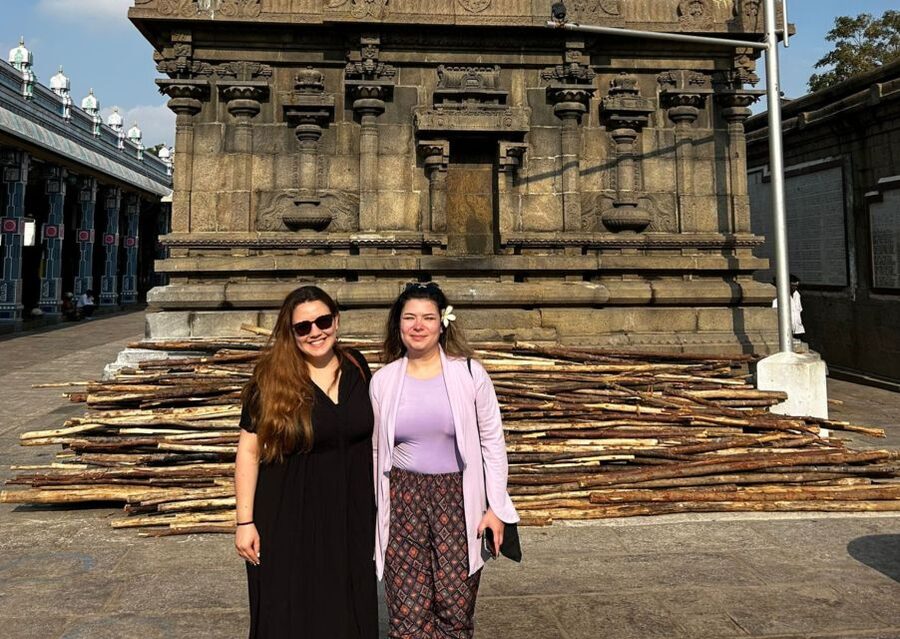
Because the experience depends heavily on the guide, this is worth saying out loud. Some guides are reported as very considerate, patient, and good at answering questions. Others have had issues like not showing up, being late, or delivering less information than the description suggests.
That does not mean you should avoid the tour. It means you should travel like an adult and stay alert. Confirm your plan the day of the tour if you can, arrive with enough buffer time, and keep an eye on the start point so you are not chasing details mid-walk.
If you are the type who needs a strong structure to feel satisfied, pick your timeslot carefully, ask questions early, and use the guide’s language strength in English or Hindi to steer the conversation.
Should you book Chennai Walk of Divinity?
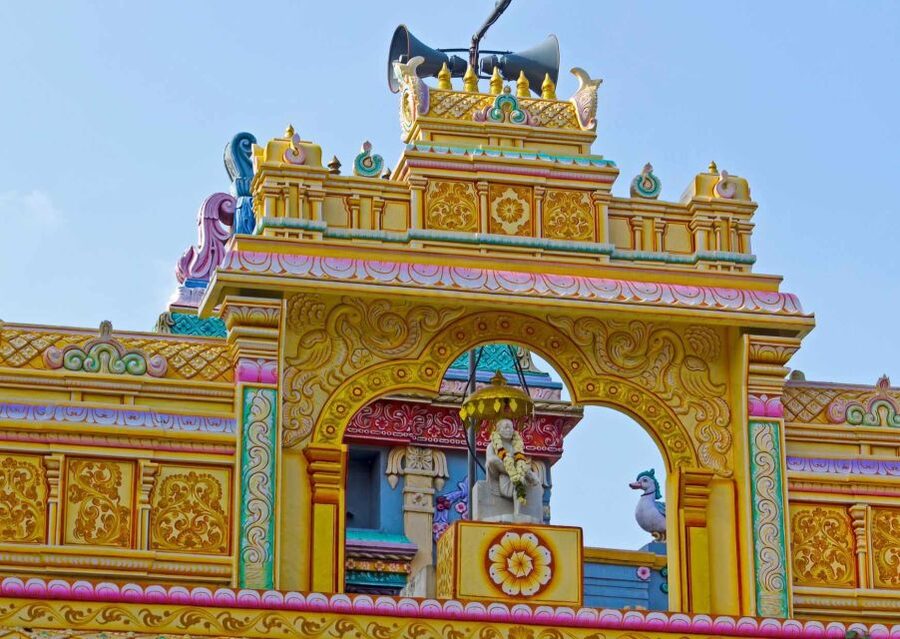
Yes, if you want a short, story-led walk connecting Shiva as Aushadeeswarar, Pamban Swamigal’s scholar devotion, and Lakshmi at Ashtalakshmi Temple, with plenty of chance to talk and look closely at hidden lanes. The $18 price makes sense when your guide is strong, and the best versions of this tour sound like helpful, respectful local guidance.
Maybe hold back if you need guaranteed depth every minute, or if you know you will be upset by start-time hiccups. With mixed reviews about guide punctuality and info levels, this is not the kind of tour to treat like an automatic, flawless script.
FAQ
How long is the Chennai Walk of Divinity tour?
It lasts 2 hours.
What temples are included in the guided walk?
The walk highlights three sites: Marundeeswarar Temple, Pamban Swami Temple, and Ashtalakshmi Temple.
What is the theme or focus of the tour?
The experience is designed around an inward journey, connecting spirituality, religion, and science in a way that goes beyond standard logic.
Is hotel pickup and drop included?
No, hotel pickup and drop are not included.
What languages does the guide speak?
The live guide speaks English and Hindi.
Are water bottles included?
No, water bottles are not included.
What should I bring for the tour?
Wear comfortable shoes.
Is there free cancellation?
Yes. You can cancel up to 24 hours in advance for a full refund.
Is reserve now and pay later available?
Yes. You can reserve now and pay later, meaning you pay nothing today.
Recently added around Chennai
- Chennai: Mylapore Walk for an immersive cultural experience★ 5.0 · 16 reviews
- Chennai: George Town Origins Guided Walking Tour★ 4.8 · 12 reviews
- Auroville Guided Walking Tour★ 3.2 · 9 reviews
- Auroville: Nature Trail Forest Cycling Adventure★ 5.0 · 18 reviews
- Food Trail Through Sowcarpet Market: A Taste of Chennai★ 5.0 · 38 reviews
- Private Bazaar Trail Walking Tour in George Town★ 5.0 · 66 reviews
- Delicious Food Trail: Explore Sowcarpet Market’s Culinary Delight★ 5.0 · 18 reviews
- Shopping and Bazaar trail in Chennai★ 5.0 · 23 reviews
Walking Tours, compared.

The Great Indian Food Tour: Old Delhi Food and Heritage Walk
Read our review →




Old Delhi Food, Heritage&Cultural Walk with Rickshaw ride to Masterji Kee Haveli
Read our review →
Fontainhas Heritage Walk At Latin Quarters of Goa
Read our review →Browse the lists this tour appears in