
Reviewed · COOKING CLASSES
Authentic Bengali Cooking Class in a Local Kolkata Home
A Kolkata kitchen can teach you more than any guidebook. This private Bengali cooking class with Zinnia turns ingredients like panch phoran and mustard oil into real, teachable skills. I love that it stays private and home-style, with cooking plus sitting down to eat. I also like the clear, hands-on structure, from rolling luchi to making chutney and a mustardy gravy.
One thing to plan for: there is no hotel pickup, so you’ll need your own way to reach the meeting point in Kolkata. The kitchen is a typical home kitchen, so it is cozy, close work, and not a big showroom with lots of space to stand around.
In This Review
- Key things to notice before you go
- Entering Zinnia’s Kolkata home and what the class format really gives you
- Spice lesson first: panch phoran and why mustard oil matters
- Rolling and frying luchi: the hands-on Bengali bread skill
- Shorshe chingri and chutney making: the flavors you’ll remember
- The Bengali table: what you eat, and why it feels different
- Drinks with your meal: tea, coffee, water, and local beer
- Vegetarian options and seasonal menu changes, without losing the point
- Price and value: what $66 gets you in real terms
- Logistics you should not ignore: your transport to the meeting point
- Who this Bengali cooking class is perfect for
- Should you book Zinnia’s Kolkata Bengali home class?
- FAQ
- How long is the cooking class experience?
- Where does the experience take place?
- What is the price per person?
- Is the class private?
- What can I cook during the class?
- Do I get to eat what I cook?
- Is there a vegetarian option?
- Are drinks included?
- Is hotel pickup included?
- What is the cancellation policy?
Key things to notice before you go
- Panch phoran, explained the practical way: you see what’s in the blend, then understand where it fits in Bengali cooking.
- Mustard oil and mustard paste, not mystery food science: you get the reason behind the flavor and how it’s made.
- Hands-on luchi frying: you learn to roll out the dough and fry the puffy flatbread.
- Shorshe chingri, mustard gravy style: you cook prawns with the signature mustard sauce approach used in Eastern India.
- Tomato and dates chutney from scratch: sweet, tangy, and balanced, you make it instead of buying it.
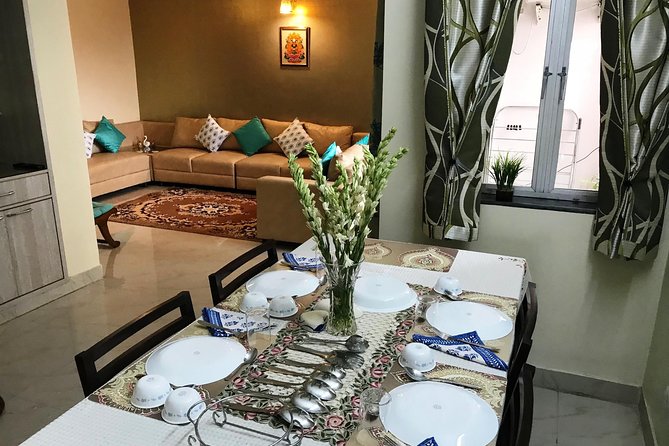
- Eat together at a real family table: your meal ends with dessert like paayesh rice pudding.
Entering Zinnia’s Kolkata home and what the class format really gives you
This experience is built around a private cooking class in a local Kolkata home. You cook with your host, Zinnia, in her small kitchen, then you share the meal with her family when they are at home. In other words, you are not just watching recipes. You’re learning how a household cooks on a normal day, including the small rhythms that make the food taste right.
If you’ve taken cooking classes before that feel like a demo with light participation, you’ll probably appreciate the pacing here. Expect about 2 to 3 hours total, with about 1 hour hands-on in the kitchen. The rest of the time naturally shifts to eating and chatting, which is where you get the most context about the dishes.
Because it is private, you can tailor your focus. Vegetarian meals are available if you request them at booking. That matters if you want to learn the Bengali classics in a way you can actually cook again at home.
One more practical point: you choose a morning or afternoon class slot. That helps a lot in Kolkata, where it is easy to feel rushed if your activities pile up. I’d pick the slot that matches your energy level, because you will be rolling, frying, and cooking in close quarters.
More Cooking classes in Kolkata:
- Pink City Cooking Class
★ 5.0 · 452 reviews - Five Course Cooking Class & Meal
★ 5.0 · 250 reviews - Veg and Non veg : Private Cooking Class in Delhi home (7 meal)
★ 5.0 · 226 reviews
Spice lesson first: panch phoran and why mustard oil matters
The class starts with spices, and that’s a smart move. Before you touch dough or a pan, Zinnia introduces how Bengali cooking thinks about flavor. You’ll meet panch phoran, a spice blend commonly used in Eastern India, with cumin, brown mustard, fenugreek, nigella, and fennel. The point is not just to memorize the names. It’s to understand why this blend shows up in the kinds of dishes you’ll cook.
Then comes one of the signature Bengali cues: mustard oil. You’ll hear why it is used and how it changes the cooking flavor profile. You also see mustard seeds ground into a paste, which is key for the mustard sauces that appear in the menu, especially in preparations like shorshe chingri.
This part is valuable for two reasons. First, it gives you a mental map for the rest of the class. Second, when you cook later, you’ll know what you are trying to recreate, not just which ingredients went into which step. A lot of cooking lessons skip this context, then wonder why the results feel off at home.
Rolling and frying luchi: the hands-on Bengali bread skill
After the spice intro, you shift to dough and the pan. You’ll learn to roll out the dough and fry luchi, the deep-fried puffy flatbread that anchors a lot of Bengali meals.
This is one of those skills that sounds simple until you try it. The dough handling and the frying technique matter for that right puff and texture. Even if you’ve made bread before, frying dough is its own set of details, and a private host makes it easier to correct quickly in the moment.
If you are the type of traveler who learns best by doing, this is a great fit. You are working directly alongside your host, not waiting for someone else to plate a finished dish. And because the kitchen is small, you get closer attention than you’d usually get in a large-group class.
Shorshe chingri and chutney making: the flavors you’ll remember
Next up, you cook dishes that feel very Bengali. One of the big standouts is shorshe chingri, prawns in mustard gravy. This is where the earlier lesson pays off. The mustard paste and mustard-forward flavor show up in the sauce, and you can taste the idea of mustard as something more than heat. It’s aroma, sharpness, and depth all at once.
You’ll also make tomato and dates chutney from scratch. This combination is a big part of why Bengali meals taste layered. Tomato brings tang and brightness, dates bring sweetness and body, and the final balance matters. When you learn it in the same session as the mains, you understand how it’s meant to work on your plate.
The class structure is designed to keep things connected. You’re not jumping randomly between recipes. You’re building a coherent menu where the bread, chutney, and mustardy dishes all belong together. That is the kind of learning that sticks, even if you forget every exact measurement.
Menus can vary depending on season, but the core skills stay aligned. You can expect Bengali classics like dal, chutney, mutton curry, and dishes that match the seasonal availability.
A few more Kolkata days to compare
- Cultural Confluence of Kolkata – Culture Kaleidoscope Tour
★ 5.0 · 701 reviews - Kolkata Heritage Tram Tour
★ 4.0 · 395 reviews - Bengali Nights Kolkata Food Tour with 13+ Tastings
★ 5.0 · 325 reviews - Magic Hour Tour
★ 5.0 · 241 reviews
The Bengali table: what you eat, and why it feels different
After cooking, you sit down with Zinnia and her family at their dining table when they are at home. This is one of the most meaningful parts of the experience, because it shifts the whole activity from cooking to lived-in food culture.
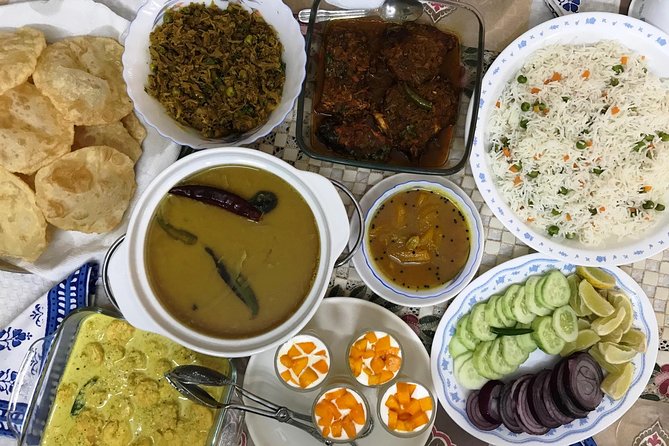
Your meal might include items such as shorshe maach (fish cooked in mustard sauce) or kosha maangsho (mutton curry). You could also see sides like aaloo posto (potatoes with poppy seeds) and begun bhaaja (fried eggplant/aubergine), along with cholar dal (lentils). These are the kinds of dishes that show up in everyday Bengali meals, not only on special occasions.
You’ll eat with rice or flat bread, and the tomato and dates chutney you made will be on the table too. That matters more than it sounds. Homemade chutney right next to warm bread and curry is a very different taste experience than tasting it later at home.
And then, it ends the way Bengali homes often end meals, with dessert. You’ll finish with paayesh, rice pudding, which is a favorite for occasions in Bengali households.
Drinks with your meal: tea, coffee, water, and local beer
Along with the food, the meal comes with drinks. You can expect tea, coffee, water, and beer, and the alcohol portion is listed as about 1 to 2 glasses of local beer. This makes the meal feel complete, like you’re actually sharing hospitality, not just consuming a service.
This is also why it’s nice that the experience is hosted in a home setting. You’re not waiting for bar menus or negotiating the dinner vibe. The drinks are part of the rhythm of eating together.
If you’d rather skip alcohol, the best move is to mention it when you book. The experience info stresses that dietary restrictions and preferences should be advised in advance, and that helps the host plan your meal and drinks accordingly.
Vegetarian options and seasonal menu changes, without losing the point
You can request a vegetarian option when booking, and Zinnia can offer vegetarian meals on request. One of the practical benefits here is that the host can adapt what you cook to match what you want to learn. If you are vegetarian, this is far better than simply swapping one dish after the cooking starts.
Menus may vary depending on the season, so don’t lock your expectations to one exact lineup. But the class still teaches the same core Bengali themes: spices like panch phoran, mustard-forward flavors, and the bread and chutney pieces that build a full meal.
For value, that flexibility is actually a plus. It means you’re eating what makes sense for the time of year, rather than a fixed script that might feel slightly disconnected from what’s freshest.
Price and value: what $66 gets you in real terms
At $66 per person, this is priced for a private home experience, not a mass-catered event. What you’re really paying for is access: Zinnia’s kitchen, her time, and her teaching style, plus a home-cooked meal and dessert.
You also get the parts that many cooking classes skip. You’re not just making one dish and leaving. You’re learning spices and techniques, frying luchi, cooking a mustardy prawn gravy, making chutney, then eating a Bengali meal with likely multiple courses. The class includes local alcohol (a small amount of local beer), and all taxes and handling charges are covered in the price.
One practical value point: this is booked on average about 14 days in advance, so if you have a tight schedule, you’ll want to plan early rather than hoping for last-minute openings.
Logistics you should not ignore: your transport to the meeting point
There is no hotel pickup and drop-off, so your main task is getting to the meeting point in Kolkata District, West Bengal. Since the exact location is not described in the basic info, I recommend you treat the meeting instructions as your anchor. Confirm the specifics when you receive them, and plan extra time for local travel.
This is one of those experiences where being late is extra awkward. In a home kitchen, timing matters for frying and cooking steps, and you don’t want to rush your way into someone else’s meal.
Also, plan to eat after cooking. The full experience runs 2 to 3 hours. Don’t stack it right before another long activity where you’ll have to check out immediately.
Who this Bengali cooking class is perfect for
This fits best if you want more than recipes. You’ll probably enjoy it if you like food that feels personal and you want to understand the “why” behind flavors like mustard oil and panch phoran.
It’s also a strong match for people who value cultural context. You cook, then you sit down and share a Bengali meal. That turns a cooking class into a window on daily life in Kolkata, not just a culinary workshop.
Families are welcome in spirit too, because the experience includes time with Zinnia and her family when they are at home. You’ll likely appreciate the warmth and conversation part, since the format is designed around eating together.
If you’re traveling with dietary restrictions, this is a particularly good type of booking to make early. The host can accommodate vegetarian cooking if you request it at booking, and you should share allergies and preferences in advance so the menu can be planned.
Should you book Zinnia’s Kolkata Bengali home class?
Yes, if you want a private cooking experience that teaches real Bengali techniques and then lets you eat them in a home setting. The mix of spice learning, hands-on cooking, and dessert like paayesh is a full package, not a quick taste-and-go activity.
I’d book it sooner rather than later because the average booking lead time is about 14 days. And because there is no pickup, make sure your transport plan is solid for the morning or afternoon slot you choose.
Skip it only if you strongly prefer large, structured cooking studios with lots of space and no home setting. Also, if you cannot manage your own way to a Kolkata meeting point, this may turn into stress instead of a relaxing food moment.
If you like learning flavors you can recreate, this is the kind of class that gives you a shortcut: understanding panch phoran, mustard oil, and how a Bengali plate comes together.
FAQ
How long is the cooking class experience?
The experience is listed as about 2 to 3 hours total. It includes roughly 1 hour of hands-on cooking.
Where does the experience take place?
It takes place in Kolkata, India. The meeting point is in Kolkata (Calcutta), Kolkata District, West Bengal.
What is the price per person?
The price is $66.00 per person.
Is the class private?
Yes. It is a private tour or activity, and only your group participates.
What can I cook during the class?
You will learn to roll out dough and fry luchi, and prepare dishes such as shorshe chingri (prawns in mustard gravy) and tomato and dates chutney from scratch. The full menu can include Bengali classics, and it may vary by season.
Do I get to eat what I cook?
Yes. You share a home cooked Bengali meal after the cooking, including dishes such as lentils and rice or flat bread, and it ends with paayesh rice pudding.
Is there a vegetarian option?
Yes. A vegetarian option is available, and you should advise the provider at booking if you need it.
Are drinks included?
Yes. The meal includes tea, coffee, water, and local alcohol. Local beer is included (listed as about 1 to 2 glasses).
Is hotel pickup included?
No. Hotel pickup and drop-off are not included.
What is the cancellation policy?
Free cancellation is available. You can cancel up to 24 hours in advance of the experience start time for a full refund. Canceling less than 24 hours before does not receive a refund.
Recently added around Kolkata
- Kolkata’s English History – European Calcutta Tour★ 5.0 · 19 reviews
- Calcutta walk★ 5.0 · 9 reviews
- Chasing The Sun Experience Kolkata’s Culture★ 5.0 · 7 reviews
- Calcutta Contrast Tour★ 5.0 · 46 reviews
- Day trip from Kolkata for a Slice of Europe★ 4.5 · 13 reviews
- One Day Guided Kolkata Local Sightseeing Trip by Cab★ 5.0 · 8 reviews
- Kolkata: Spiritual World of Kolkata Sightseeing Tour★ 4.8 · 7 reviews
- Kolkata Midtown Madness- A Street Food & Nightlife Tour★ 4.9 · 49 reviews
Cooking Classes, compared.
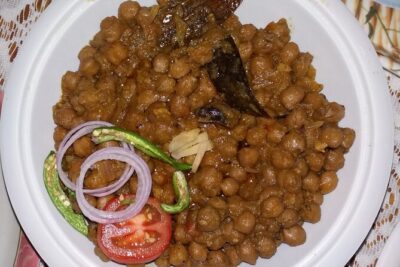
Veg and Non veg : Private Cooking Class in Delhi home (7 meal)
Read our review →
Indian Cooking Class in an Authentic Local Home – Learn 6 Dishes
Read our review →
Jaipur Market Tour & Vegetarian Rajasthani Home Cooking Class
Read our review →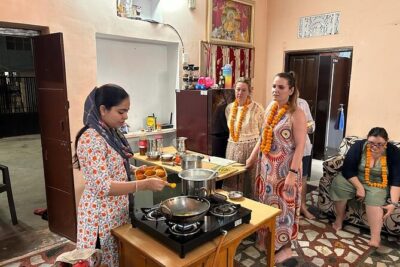
Cooking Class in Jaipur – Family Experience with Meal & Transport
Read our review →
Interactive Cooking Class with a Local Family in Jaipur
Read our review →Browse the lists this tour appears in