
Reviewed · HISTORICAL TOURS
Agra Heritage & Cultural Walk
Agra starts making sense on this walk. I love how the guide connects Mughal-era landmarks to real local street life, and I really enjoy the food tasting that keeps the pace human. The only drawback to plan for is that some key stops have entrance fees that are not included.
I also like that this runs in a practical evening window, 5-7 pm in summer or 4-6 pm in winter. For $89 per person, you get hotel pickup within Agra, a knowledgeable guide, rickshaw rides for the jumpy parts, and about 3 hours of private-group time.
In This Review
- Key Highlights You Will Feel Immediately
- Why This Evening Agra Walk Works (5-7 pm in summer, 4-6 pm in winter)
- Price and Logistics: What $89 Includes, and What to Budget For
- Agra Fort Railway Station Start: Red and White Mughal Flavor Up Close
- Shahi Jama Masjid: Mughal Royal Power in a Dedicated Mosque
- Chimmanlal Poori Wale: An Old-Family Stop You Can Smell From a Block Away
- Betel Leaf and Paan Culture: The Auction Detail You Might Not Expect
- Mankameshwar Mandir: Shiva Worship, Silver Metal on the Shivlinga, Daily Light
- Radha Mohan Temple and the Musician’s Balcony (Ornate Carving Included)
- Rawatpara Spice Market: 400 Years of Fort-Linked Trading
- Lohar Gali and Bangles: Where the Walking Part Hits Its Peak
- Gyarah Sidi and the Humayun Observatory Remains
- Ending at Taj View Point: Your Photo Vantage Without the Guesswork
- Tips to Get the Most From This Walk (Especially If You Hate Time Wasted)
- Should You Book Agra Heritage and Cultural Walk?
- FAQ
- How long is the Agra Heritage and Cultural Walk?
- What time does the tour start?
- Is pickup included?
- If I am staying outside the city hotels, do I still get pickup?
- Are monument entrance fees included?
- Does the tour include food?
- Do I get to ride a rickshaw?
- What tickets do I receive?
- Can I cancel for a full refund?
- Is this a private tour?
Key Highlights You Will Feel Immediately

- Electric rickshaw transitions that get you from landmark to landmark without wasting energy
- Street food stops, including a long-running puri shop and a classic paan stop
- Temple and mosque variety in one route, from Shiva worship to Mughal royal architecture
- Markets with purpose, like a centuries-old spice market tied to fort provisioning
- Taj Mahal photo timing from a dedicated Taj view point to end the evening on a high note
Why This Evening Agra Walk Works (5-7 pm in summer, 4-6 pm in winter)
This is set up for the late-day light, with summer hours at 5-7 pm and winter at 4-6 pm. That timing matters because Agra is much easier to enjoy when you are not forcing a big monument day in the hottest part of the day.
The route also feels smart for first-timers. You are not just circling one famous site. Instead, you get a stitched-together view of how Mughal power, religion, and everyday trade all share the same city streets. It is a nice way to get your bearings fast, and then later you can decide what you want to revisit on your own.
If you love short stops and quick explanations, this format fits. If you want long, slow museum-style time, you might find the pace a bit tight, especially once the walking part ramps up near the end.
More Walking Tours in Agra
- Agra Walking Tour
★ 5.0 · 109 reviews - Agra: Street Food Walking Tour, Spice Market, & Tuk-tuk Ride
★ 4.9 · 102 reviews - Flavours of Agra Food walk
★ 5.0 · 25 reviews
Price and Logistics: What $89 Includes, and What to Budget For
At $89 per person for about 3 hours, the value is in the coordination. You are paying for a guide throughout, scheduled transport, and a set of stops that cover multiple sides of Agra in one block of time.
What is included:
- Pickup and drop from Agra city hotels only
- A guide throughout
- Rickshaw ride
- 2 mineral water bottles (500 ml) per person
- Food tasting
- All applicable taxes
What is not included:
- Accommodation
- Tips and gratuities
- Entrance fees of monuments (if any)
A practical way to think about it: plan on paying small entrance fees for a few stops. The itinerary clearly flags where admission is not included, so you will not be surprised when the guide moves the group to the ticketed places.
Also note this is a private tour/activity, meaning only your group participates. That usually helps the guide manage timing and keep your questions from getting swallowed by a large crowd.
Agra Fort Railway Station Start: Red and White Mughal Flavor Up Close
The first stop is Agra Fort Railway Station, and it sets the tone in a good way. You are not starting in a postcard spot. You are starting in a working, recognizable place, with a distinctive red and white façade, plus intricate arches and domes that reflect Mughal influence.
It is also called out as one of India’s first electrified railway stations and one of the busiest. That matters because it frames Agra as a lived-in city, not just a monument park.
Admission here is free, and that is a quiet win. You get an easy start, a quick context moment, and then you move on to religious and market stops without spending your whole budget on tickets before the fun food begins.
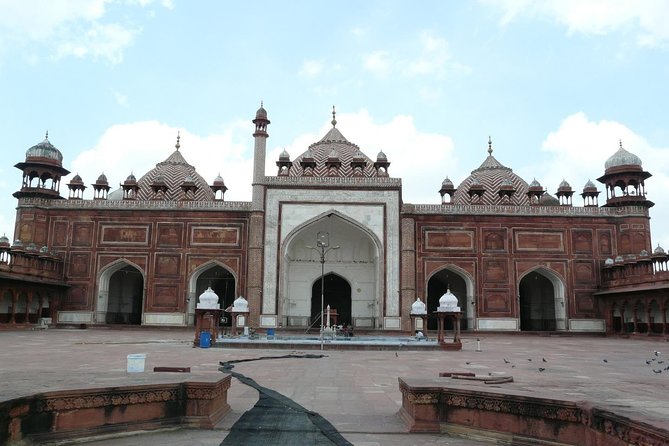
Shahi Jama Masjid: Mughal Royal Power in a Dedicated Mosque
Next, you head to Shahi Jama Masjid in old Agra bazaar, with the tour using an electric rickshaw to make the hop easy. This mosque was built by Mughal emperor Shah Jahan and dedicated to his daughter Jahanara Begum, and the dedication story is the kind of detail that makes the architecture feel personal instead of just impressive.
The tour keeps the stop short, about 20 minutes, so you are not going to do a deep slow walk around every corner. Still, even that quick visit helps you understand how Mughal authority used religious spaces as both devotion and public statement.
Admission is not included for this stop, so factor that into your spending. When you book, I suggest you mentally separate the tour cost from ticket costs and keep a little cash ready.
A few more Agra days to compare
- Agra: Sadar Bazar Food Market Night Walking Tour by Tuk-Tuk
★ 4.9 · 25 reviews - Agra: Street Food and Walk Tour with Spice Market by Tuk-Tuk
★ 5.0 · 18 reviews - Agra Full-day Tour Taj Mahal, Agra Fort & Secret Walking Tour with Private Car
★ 5.0 · 17 reviews - Agra City Cultural Walk
★ 5.0 · 10 reviews
Chimmanlal Poori Wale: An Old-Family Stop You Can Smell From a Block Away
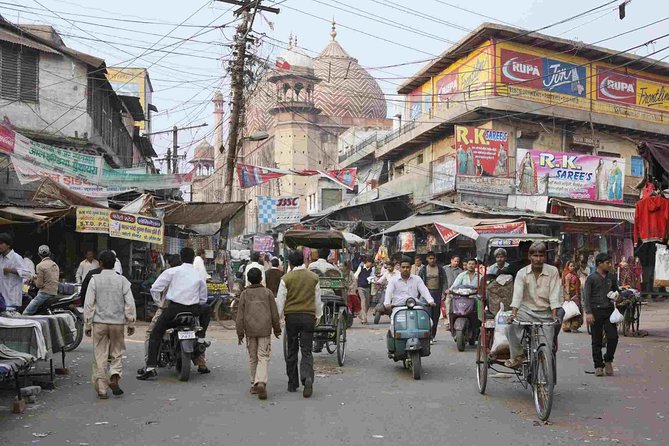
If you like food stops that feel like history, you will enjoy this one. Chimmanlal Poori Wale is described as an iconic shop around 180 years old, run by the sixth generation of the same family.
This is the kind of place that works because it sits in the flow of people leaving the station. The shop is known as a favorite spot for travelers coming out of Agra Fort railway station, so it is less staged and more everyday-life accurate.
The stop time is about 20 minutes, and admission is free. That means you can keep things simple: taste, take a breath, and be ready for the next cultural stop. If you are the type who worries you will miss something, this is a good one because the food culture is the highlight, not the paperwork.
Betel Leaf and Paan Culture: The Auction Detail You Might Not Expect
The tour then introduces a betel leaf shop and moves into paan culture. You get to see the preparation of paan, which combines betel leaf with areca nut, and it is described as being chewed for stimulating and psychoactive effects.
One especially interesting detail is the mention of a paan leave auction since the time of the Mughals. That auction reference matters because it connects food habits to trade patterns, not just taste.
Admission is free at this stop. Still, I treat it like a paid experience in spirit: it is worth going in curious and paying attention to the sales and preparation process. This is the kind of moment where you get a small cultural key, and later you’ll spot paan references around the city with much better context.
Mankameshwar Mandir: Shiva Worship, Silver Metal on the Shivlinga, Daily Light
At Shri Mankameshwar Mandir, the focus is on Shiva. The shivlinga is described as being covered by silver metal, and the temple is said to be founded by Lord Shiva himself. The stop also notes 21 akhand jyoti are lit every day.
That last detail is the practical one for you. It means the site has an ongoing routine of light and prayer, not just a one-time show. Even on a short visit, it gives you a sense of continuity and devotion.
Admission is not included here. Because this is a religious site, I suggest showing up mentally ready to be respectful and low-key in your attention. Short stops work best when you follow the guide’s pacing and let the space set the tone.
Radha Mohan Temple and the Musician’s Balcony (Ornate Carving Included)
The route continues to another temple stop, Radha Mohan temple, known for an ornately carved musician’s balcony. The tour highlights that it was built by Mohan lal in 1880.
This is a good change of pace after the Shiva stop. Instead of only focusing on devotion, you start noticing craft. Carving and balcony design tell you how communities valued artistry and performance, not just worship.
Admission is free here. So if you are trying to keep your ticket costs down, this stop is one to appreciate. It also fits the tour’s overall rhythm: short, focused visits that keep you moving but still leave you with real details to remember.
Rawatpara Spice Market: 400 Years of Fort-Linked Trading
Then you hit Rawatpara spice market, described as a 400-year-old spice market set up by the Mughal emperors to cater to the spice needs of the fort.
This is one of those stops where you start connecting the dots between power and daily life. Spices were not an optional luxury. They were part of how food, preservation, and trading networks functioned. Seeing the market in that historical light makes it easier to appreciate what you are smelling and sampling.
Admission is free at this stop, and it has that practical value of giving you real sensory input. Even if you do not buy anything, you get a snapshot of how spice commerce shapes a neighborhood.
Lohar Gali and Bangles: Where the Walking Part Hits Its Peak
After the spice market, the tour moves to Lohar Gali, a street with vendors selling all kinds of goods. It is specifically noted as being most famous for selling bangles.
This is where the route’s walking time ends. After this stop, the group heads back to the parking lot in electric rickshaws.
If you are shopping-minded, this is likely the place you will be tempted. If you just want to look, treat it as a watch-and-learn moment. Bangles are a strong visual story in Indian markets, and the density of styles tells you how personal accessories connect to culture and celebration.
Since admission is listed as free here, it is a low-risk stop. It also tends to feel like the city’s “everyday shopping” side, which is exactly what makes the earlier mosque and temple stops feel grounded.
Gyarah Sidi and the Humayun Observatory Remains
From the parking area, the tour uses cars to head to Gyarah Sidi (eleven steps). This spot is described as the remains of the astrological observatory of the Mughal emperor Humayun.
This is a clever inclusion because it gives you a non-obvious side of Mughal history. Astrology and astronomy were not only intellectual interests. They were tied to how rulers understood time and planning, so it helps widen your view beyond monuments and rulers’ love stories.
Admission is not included for this stop. The visit is still brief, so focus on the big picture: this is a physical trace of scientific thinking under the Mughal worldview.
Ending at Taj View Point: Your Photo Vantage Without the Guesswork
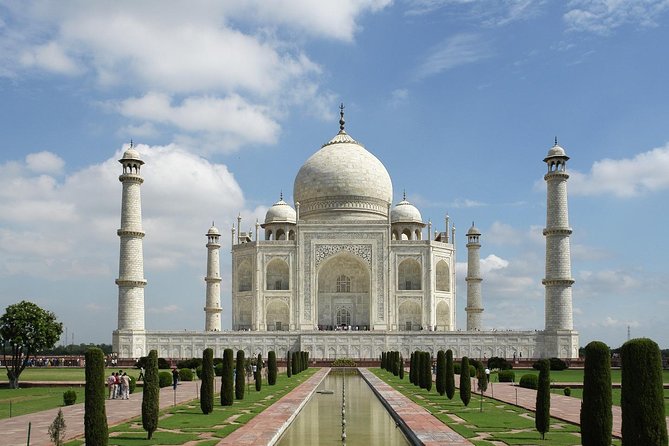
The tour ends at Taj view point, described as one of the best vantage points in the city for photographing the Taj Mahal.
This matters because it removes some uncertainty. Instead of trying to find the best angle on your own late in the day, you get a guided finish point. Use the time to take your photos, then decide if you want to go back later for a longer visit.
If your priority is Taj Mahal and only Taj Mahal, this ending helps you feel satisfied. If you want the deeper Taj experience, you can still plan that separately, because this tour is built around a broader cultural route.
Tips to Get the Most From This Walk (Especially If You Hate Time Wasted)
Here are a few things I would do if I booked this again.
First, come hungry for the food. The itinerary includes a long-running puri shop and paan culture, and the food tasting is included. You do not want to be standing there thinking about lunch back at your hotel.
Second, be clear with your guide about time. Some parts are free and some parts have admissions not included, so the schedule can tilt based on how long you linger in markets. If your goal is history and monuments, say so early and keep your browsing focused.
Third, expect transport changes during the evening. You will use electric rickshaws for certain segments, then switch to cars for the move to Gyarah Sidi. That is normal. If anyone in your group has mobility concerns, talk to the guide about pace and breaks before you start.
Finally, pay attention to the vehicle you ride in. I have seen enough trip feedback to know that transport quality can vary, even when the tour content is solid. Before you settle in, check the basics: cleanliness and comfort. If something feels off, speak up right away.
On the positive side, strong guide commentary is a standout part of this tour experience. Feedback has pointed to guides delivering clear history introductions and organized pacing, including names like Rajinder Dhar, Lalit, Anuj, and Rui Da showing up in past experiences. You cannot guarantee a specific guide, but the effort around history explanations is a big part of why this walk works.
Should You Book Agra Heritage and Cultural Walk?
Book it if:
- You want an Agra orientation in about 3 hours, with a mix of Mughal sites, temples, and markets
- You like street food moments that are tied to the local rhythm
- You prefer an evening schedule (5-7 pm summer, 4-6 pm winter) over a long midday day
- You want a private-group style where the guide can manage your questions
Skip it or choose another option if:
- You only care about Taj Mahal and do not want any market and food focus
- You do not want to pay any monument entrance fees, since several stops flag admissions not included
- Your group needs long, slow time at each site, because the route is intentionally tight
My take: this is a smart value pick for first-time Agra visitors who want context, not just photos. You leave with stories tied to places, not just a checklist of stops.
FAQ
How long is the Agra Heritage and Cultural Walk?
The tour runs for about 3 hours.
What time does the tour start?
In summer it runs from 5-7 pm, and in winter it runs from 4-6 pm.
Is pickup included?
Yes, pickup and drop are included for Agra city hotels only.
If I am staying outside the city hotels, do I still get pickup?
Pickup from outside Agra city hotels, including airport or railway station, has an additional charge payable directly.
Are monument entrance fees included?
Entrance fees are not included for monuments, if any.
Does the tour include food?
Yes, there is food tasting included.
Do I get to ride a rickshaw?
Yes, rickshaw ride is included, and electric rickshaw is used for parts of the route.
What tickets do I receive?
A mobile ticket is provided.
Can I cancel for a full refund?
Yes, you can cancel up to 24 hours in advance for a full refund.
Is this a private tour?
Yes. It is private, and only your group participates.
More Historical Tours in Agra
- From Agra: Agra Heritage Walking Tour
★ 5.0 · 9 reviews - Delhi/Agra: Taj Mahal Mughal & Heritage in Mulitple Ways
★ 5.0 · 8 reviews - Fontainhas Heritage Walk by Make It Happen
★ 5.0 · 2,834 reviews - The Great Indian Food Tour: Old Delhi Food and Heritage Walk
★ 5.0 · 1,698 reviews
Recently added around Agra
- Taj Mahal Half Day Tour by Tuk Tuk★ 5.0 · 16 reviews
- Day Trip Delhi to Agra by Express Train in 90 Min★ 5.0 · 43 reviews
- 3-Hour Unimaginable Beauty of Taj Private Guided Tour★ 5.0 · 13 reviews
- Taj Mahal Virtual Tour with Local Guide(Online Experience )★ 5.0 · 24 reviews
- Private Tour Guide For Taj Mahal And Agra Fort★ 5.0 · 17 reviews
- Taj Mahal by Tuk Tuk : A Local-Style Adventure★ 5.0 · 39 reviews
- Taj Mahal and Agra Full Day Private Tour From Agra★ 5.0 · 8 reviews
- Taj mahal Private Tour with Entry Ticket and Guide★ 5.0 · 42 reviews
Historical Tours, compared.

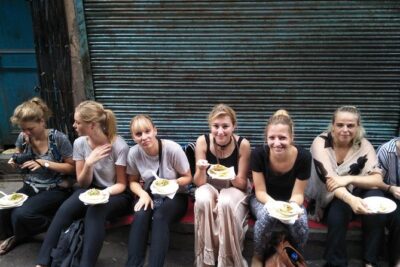
The Great Indian Food Tour: Old Delhi Food and Heritage Walk
Read our review →
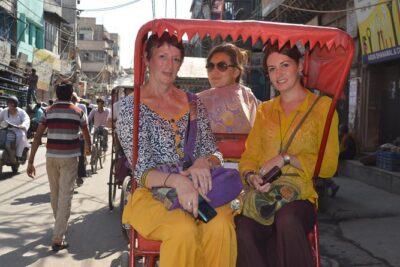
Old Delhi Food, Heritage&Cultural Walk with Rickshaw ride to Masterji Kee Haveli
Read our review →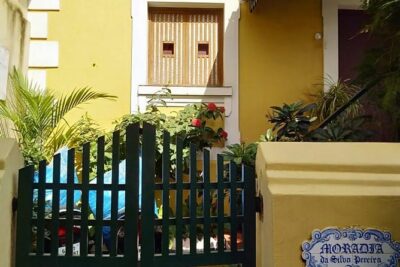
Fontainhas Heritage Walk At Latin Quarters of Goa
Read our review →
Blue City Heritage Private Walking Tour With Pickup and Drop-Off
Read our review →
Private Heritage Walking Tour in Jaisalmer Fort and Old Bazaar
Read our review →Browse the lists this tour appears in