
Reviewed · HIKING & TREKKING
5 Days Kedarkantha Trek
Cold nights, big views, and real effort. The best part for me is how organized the trek feels, from Dehradun to Sankri transport to camp staff and food. I also like that you do get serious altitude support gear, including an oximeter and portable oxygen cylinder. The one thing to plan for is the cold and the fact that this trek is often described as beginner friendly, but the elevation and terrain still make it genuinely challenging.
If you’re chasing snow, pine forests, and that first moment when the summit view hits, Kedarkantha delivers. You’ll move through Sankri, Juda Ka Talab, the Kedarkantha base camp, and then on to the summit, with overnight camping built into the route. The trek is run by Himalaya Shelter, and the whole package is priced at $120 per person, which stands out because it includes transport, meals, and camping equipment.
In This Review
- Key things I’d watch before you go
- Quick Trip Snapshot: 5 Days Kedarkantha Trek
- Entering Kedarkantha From Dehradun, Not From Nowhere
- Day 1 Drive To Sankri With Stops That Actually Matter
- Juda Ka Talab Day 2: Pine Forest Climb and a Lake That Freezes
- Kedarkantha Base Camp on Day 3: The Meadow, the Hike Up, the Colder Reality
- Day 4 Summit Push: Stones, a Trishul, and a 360-Degree View
- Tents, Meals, and Cold-Night Comfort That Actually Helps
- Guides Like Aarya, Rocky, Sonu, and Megha, and Why That Matters
- Altitude and Safety Gear: Small Items, Big Peace of Mind
- Price and Value at $120: What You’re Getting for the Money
- Who This Trek Suits Best, and Who Should Think Twice
- Practical Packing for a Winter Snow Trek (Based on What’s Included)
- Notes on Customization and Group Experience
- Should You Book This 5 Days Kedarkantha Trek?
- FAQ
- Where do I meet for the Kedarkantha trek?
- What is the duration of the trek?
- Is transport included from Dehradun to Sankri?
- What kind of camping stays are included?
- What meals are included during the trek?
- Is medical or altitude-related safety gear included?
- Are forest entry charges included?
- Is mule support for personal luggage included?
- Do I need accommodation on the last day?
- Can I get a full refund if I cancel?
Key things I’d watch before you go
This is a winter trek, with freezing nights and possible snowfall at Juda Ka Talab. You’ll also be hiking uphill for multiple days, at elevations from about 1,920 m up to 3,429 m and higher near the summit, so good walking fitness matters.
Quick Trip Snapshot: 5 Days Kedarkantha Trek
- Where it starts and ends: Prince Chowk, Dehradun, Uttarakhand, India
- Duration: 5 days (approx.)
- Max group size: up to 25 travelers
- Trek style: guided, camping with planned meals and support staff
- Operator: Himalaya Shelter
- Price: $120 per person
- Big highlights: Juda Ka Talab winter camping, Kedarkantha base camp views, summit 360-degree panorama
More Hiking Trips in Rishikesh
- Har Ki dun Trek by Himalaya Shelter
★ 5.0 · 102 reviews - Top Tibba Trek – Mussoorie
★ 5.0 · 61 reviews - Chopta Trek
★ 5.0 · 52 reviews
Entering Kedarkantha From Dehradun, Not From Nowhere
This route is built for people who do not want to do the logistics-heavy parts alone. You meet in Dehradun at Prince Chowk, then you’re moved to Sankri with stops along the way, so your first day is more travel plus sightseeing than pure trekking.
The itinerary also keeps you in a supported flow. You are not just dropped off with a map and told good luck. There’s a guide, a cook, and support staff, plus camping gear like tents, sleeping bags, mattresses, and even crampons.
Day 1 Drive To Sankri With Stops That Actually Matter
Day 1 is the long transfer from Dehradun to Sankri, about 12 hours, starting with a scenic road trip via Mussoorie. You also visit Kempty Falls, and you pass through the Yamuna valley area, with a breakfast stop overlooking the river.
After crossing Mori, the drive leans into mountain geography fast. You’ll see lush forests along the Tons River, a known spot for rafting and kayaking, and you pass near Netwar, described as a gateway to the Govind Wildlife Sanctuary. You arrive in Sankri by early evening at an altitude of about 1,920 meters, which is a smart setup for the trek to begin the next morning.
What I like about this first day: it gives you motion and views without pretending it’s a light start. What to consider: it’s still a long day in the car, so if you’re prone to travel fatigue, plan to sleep early tonight.
Juda Ka Talab Day 2: Pine Forest Climb and a Lake That Freezes
Day 2 is a short trek by distance but not by effort. You hike about 4 km, typically taking 2 to 3 hours, from Sankri toward Juda Ka Talab.
The path is described as lively, with village life along the way. You cross a village, Saud, then the route leads you onto the trail that climbs toward Kedarkantha. As you get higher, the walk changes character. The trail goes into pine and maple forest, and the density helps keep things cooler because sunlight struggles to reach the ground.
Then comes the reason Juda Ka Talab gets remembered. You camp beside the lake, and in winter it freezes hard. Snowfall can be significant during winter months, so you’re not just sleeping outdoors, you’re preparing for a proper alpine winter night at about 2,774 meters.
Why this stop feels valuable: it’s the first real shift into “snow trek” mode. You get that mix of forest calm, physical climbing, and then the awe of waking to winter conditions.
A few more Rishikesh days to compare
- Sunrise Day Hike in Rishikesh
★ 5.0 · 8 reviews - Mountain Hiking in Munnar (half day) By Munnar Info
★ 5.0 · 390 reviews - Half day trekking (munnar valley Trekking & Tours )
★ 5.0 · 310 reviews - Full day in hiking in Munnar (By Munnar Info)
★ 5.0 · 176 reviews
Kedarkantha Base Camp on Day 3: The Meadow, the Hike Up, the Colder Reality
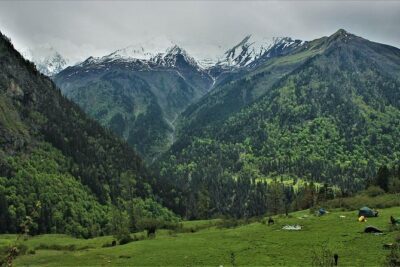
Day 3 pushes you deeper into the forest and onto terrain that feels more open. After Juda Ka Talab, the trail continues into dense pine forests and eventually reaches a meadow dotted with shepherd huts. Then you climb again to reach Kedarkantha base camp.
This is described as a 3 km trail, usually around 2 to 3 hours for that section. The base camp itself sits at 3,429 meters and is cold, even colder than the summit is described to be, because it lacks insulation.
One detail that matters if you care about photos and views: from base camp, you can see famous peaks of Uttarakhand in a stretch. That’s the kind of visibility you want before summit morning, because it helps you read the terrain and understand what you’re working toward.
What I like about the base camp night: you get time to adjust to cold before the summit push. What to consider: base camp can feel more exposed and colder than you expect, so treat warmth like it’s part of your gear plan, not an afterthought.
Day 4 Summit Push: Stones, a Trishul, and a 360-Degree View
Day 4 is the summit day, and the ascent is described as not long from base camp. The key thing is the view once you get there.
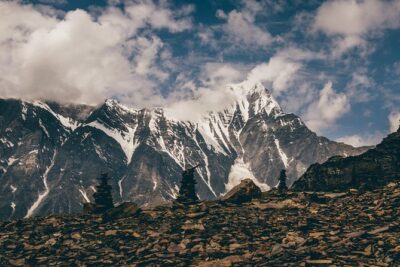
On reaching the Kedarkantha summit, there’s a marker made of an arrangement of stones with a Trishul pointing to the sky. From the top, you get an astonishing 360-degree view of Uttarakhand peaks, plus the Chaainsheel Pass and Kailash ranges of Himachal. You can also see the Har Ki Dun valley below.
There’s also a cultural layer to the mountain’s name. Kedarkantha is said to mean the throat of Lord Shiva, with Kedar referring to Shiva and Kantha meaning throat. The legend connects the story to Kedarnath, with Lord Shiva in disguise as a cow hiding from the Pandava.
After the summit, you head back to Juda Ka Talab for another overnight camp. That back-and-forth rhythm is part of what makes this trek work for a five-day schedule: you concentrate effort into the summit day, then return to your established campsite.
A practical note: even if the summit trek is short in distance, you should still respect it as a cold-weather effort. Your legs will feel it, and your breathing will change at altitude.
Tents, Meals, and Cold-Night Comfort That Actually Helps
This is where Himalaya Shelter’s setup comes through. Your included gear covers the stuff that usually turns a winter trek into misery if it’s missing.
You get kitchen tents, common tents, and toilet tents with portable toilet seats. You also get sleeping bags and mattresses, plus camping stools and tables. There are also crampons listed in the gear package, which tells you the operator is preparing for snow traction rather than pretending winter is optional.
Food is included in a clear way: 4 breakfasts, 3 lunches, and 4 dinners. The itinerary also includes lunch and dinner counts that match the five-day flow, with an included dinner set that keeps you fueled during the hardest hiking segments.
From the feedback pattern I’ve seen around this trek, people repeatedly call out the food quality and the fact that tents are cozy. One theme is warmth during extreme cold, including mentions of warm water even in very low temperatures, and praise for staff support with comfort at night.
What to consider: tent comfort is good when you follow the rules, like keeping your sleeping system dry and dressing in layers. If you under-pack for cold, no camp kitchen can fix that.
Guides Like Aarya, Rocky, Sonu, and Megha, and Why That Matters
A trekking guide is not a nice-to-have on a winter route. The difference is safety decisions, pacing, and morale when you’re tired and cold.
In the feedback you shared, several guide names come up often: Aarya, Arjun, Rocky, Kamesh, Sonu bhai, and Megha. The common thread is caring attention, support during the climb, and professionalism that helps groups finish safely.
You’ll also notice the support structure includes a professional cook and support staff, so you’re not relying on luck for meals and camp operations. The trip also includes mule support for carrying the camping equipment mentioned above, which matters because it reduces what you personally drag uphill.
Why this matters to you: on a snow trek, the goal is steadiness. A good guide keeps you moving at the right pace, watches the group, and manages the cold. People explicitly credit leaders with pushing them up to the summit and making sure everyone reaches safely.
Altitude and Safety Gear: Small Items, Big Peace of Mind
The inclusions list a first-aid kit with an oximeter and portable oxygen cylinder. That may not sound exciting, but it’s the kind of practical detail that changes how you feel about the trip.
You’re traveling from 1,920 meters up into the 2,700+ meter range at Juda Ka Talab, then to base camp at 3,429 meters. At those heights, you can feel fatigue and breathing changes, even if you’re fit.
This isn’t a guarantee against altitude problems, but it is a sign the operator is prepared to respond quickly if someone needs help. If you’re the kind of person who gets anxious when you can’t control variables, this kind of included medical gear is a real benefit.
Price and Value at $120: What You’re Getting for the Money
Let’s talk value in plain terms. For $120 per person, you’re not just paying for a route. You’re getting:
- Transport from Dehradun to Sankri and return to Dehradun on the last day
- A guide plus cook and support staff
- Camping and toilet tents, sleeping bags, mattresses, and core camp setup
- Meals across the trek: breakfasts, lunches, dinners
- First-aid equipment with oximeter and portable oxygen cylinder
- Forest entry charges for Indian nationals (listed in inclusions)
- Mule support for carrying the camping equipment
In other words, the price covers a lot of the parts that usually cost extra in independent travel: getting to the trailhead, carrying camp kit, and keeping food organized.
Where the value is less perfect: the last day accommodation is not included. That part you handle yourself, with hotels mentioned as ranging roughly from ₹1600 to ₹3000 per room.
Who This Trek Suits Best, and Who Should Think Twice
This trek asks for moderate physical fitness. That’s a realistic label for most people who can walk daily and handle uphill segments, but it’s not a couch-to-summit miracle.
I’d say this is a great fit if you:
- Want a snowy mountain experience in a fixed 5-day plan
- Like camping, and you can handle freezing nights
- Prefer guided support rather than DIY route planning
- Care about summit views and want a route that sets up the ascent well
You should think twice if you:
- Have medical constraints or strong sensitivity to altitude
- Hate cold camping and don’t want to dress for it properly
- Expect a fully easy walk because the summit day is still a big deal physically
Also keep in mind the trek uses winter terrain, and the gear list includes crampons, which is a clue this is not a summer stroll.
Practical Packing for a Winter Snow Trek (Based on What’s Included)
Even with included gear, you still need to pack right, or you’ll feel it at night and on the summit morning.
Here’s what you should prepare for, based on the winter temperatures and crampon-ready snow trekking:
- Warm layers you can regulate while hiking, plus a dry insulated layer for camp
- Cold-weather gloves and head warmth
- Footwear suitable for snow conditions (and expect crampons to be used by the route setup)
- Water planning, because cold makes hydration harder
- A plan to keep your sleeping system dry
One more practical detail from your inclusions: there’s an option mentioned about mule support for personal luggage, but that costs extra, INR 500 per bag per day. So if you travel light, you’ll likely avoid that added cost.
Notes on Customization and Group Experience
This trek can be customized for groups, as long as there are at least 6 people. The max group size is listed as 25 travelers, which usually helps keep things manageable on a narrow trail in winter.
If you’re traveling solo or in a small group, you should expect to join others in the same group. The operator also lists that the tour has a mobile ticket, and you’ll get confirmation at booking time.
Should You Book This 5 Days Kedarkantha Trek?
Yes, if you want a winter snow trek with real organization. This package is strongest for people who want guides, camp setup, meals, and transport handled, and who are excited for cold nights in pine forests and a proper summit panorama.
I’d skip it, or at least research it further, if you hate camping or you’re not ready for serious winter walking. Even with support, the altitude and terrain are the main story here.
If you book, go in with the right mindset: this is a guided climb, not a casual hike. Dress for cold, respect the pace, and focus on steady effort from Juda Ka Talab through base camp to the summit marker stones with the Trishul.
FAQ
Where do I meet for the Kedarkantha trek?
You meet at Prince Chowk, Dehradun, Uttarakhand 248001, India. The activity ends back at the meeting point.
What is the duration of the trek?
The trek is listed as 5 days (approx.).
Is transport included from Dehradun to Sankri?
Yes. Transport is included from Dehradun to Sankri on Day 1, and return transport to Dehradun on the last day.
What kind of camping stays are included?
You get guesthouse stay for 1 night on the first day on a triple-sharing basis. You also get alpine tent stays for 3 nights on a twin-sharing basis.
What meals are included during the trek?
Dinner (4), lunch (3), and breakfast (4) are included.
Is medical or altitude-related safety gear included?
Yes. The first-aid kit includes an oximeter and a portable oxygen cylinder.
Are forest entry charges included?
Trekking fee and forest entry charges for Indian nationals are included.
Is mule support for personal luggage included?
Mule support is included for camping equipment. Personal luggage mule support is not included, and if you need it, it costs INR 500 per bag per day.
Do I need accommodation on the last day?
Accommodation on the last day is not included. You can choose hotels, with a range mentioned from ₹1600 to ₹3000 per room.
Can I get a full refund if I cancel?
You can cancel up to 6 days in advance for a full refund. For a full refund, you must cancel at least 6 full days before the experience start time.
Recently added around Rishikesh
- Haridwar Guided Sightseeing Tour with Ganga Aarti By Private Car★ 5.0 · 13 reviews
- Haridwar Tanga Tour: Visit -Temples, Ashrams, Ghats & Ganga Aarti★ 5.0 · 18 reviews
- Guided Haridwar Walk with Ghats & Evening Ganga Aarti★ 5.0 · 17 reviews
- Sunrise Day Hike in Rishikesh★ 5.0 · 8 reviews
- Rishikesh Walking Tour (2 Hours Guided Walking Tour)★ 3.4 · 9 reviews
- Rishikesh Spiritual Evening Tour with Sacred Ganga Aarti★ 4.2 · 20 reviews
- Rishikesh: Full-Day Sightseeing Tour with Ganga Aarti★ 4.7 · 15 reviews
- Rishikesh: Ganges River Rafting Adventure★ 5.0 · 11 reviews
Hiking & Trekking, compared.
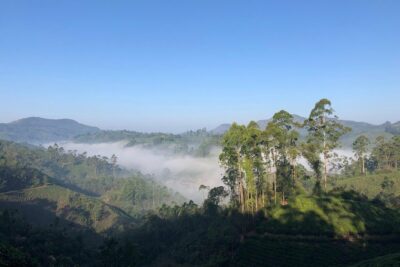
Mountain Hiking in Munnar (half day) By Munnar Info
Read our review →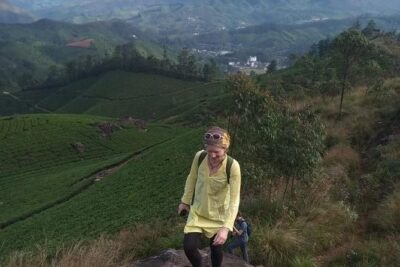
Half day trekking (munnar valley Trekking & Tours )
Read our review →
Browse the lists this tour appears in