
Reviewed · HERITAGE WALKS
Why Pune? : A Heritage Walk through Old Pune
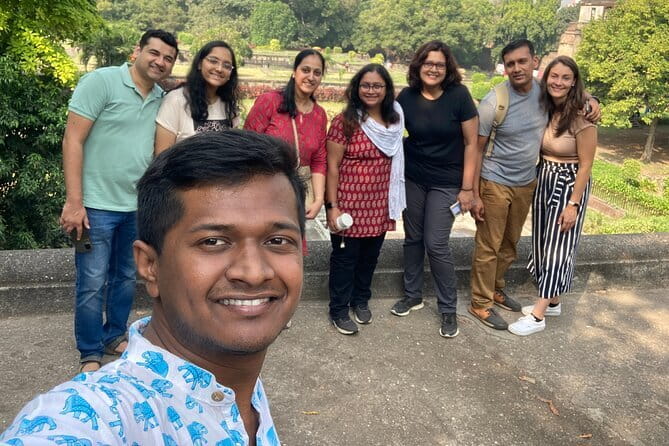
Old Pune is full of clues, if you know where to look. This heritage walk links power, faith, and reform through the city center, with a local guide, Dhruva Kalita, who has led over 300 heritage walks. You’ll cover about 2.2 km and hit 9 key landmarks, plus a few quick side streets that make the whole story feel human.
I especially like the mix of politics and religion packed into a walking route. And I really enjoy the way Dhruva shares the city, with clear English, lively explanations, and details you would miss if you wandered on your own. The snacks also help keep the pace comfortable for a 2 hours 30 minutes to 3 hours 20 minutes outing.
One drawback to plan for: Shaniwar Wada entry is not included. You’ll want to budget time and money for that ticket, or decide in advance whether you’ll treat the stop as an outside-and-context visit.
In This Review
- Why this Old Pune heritage walk makes sense
- Key highlights you should not miss
- Meeting Dhruva Kalita, pace, and what the tour is really like
- Price and value: what $16.84 buys you, and what it doesn’t
- Stop 1: Shaniwar Wada and the Peshwa power setup
- Stop 2: Lal Mahal Chitra, Shivaji’s residence memory
- Stop 3: Kasba Peth Ganpati Temple and a 400-year-old anchor
- Stop 4: Nana Wada, statesmanship, and changing old-city demographics
- Stop 5: Shrimant Bhausaheb Rangari Ganpati and Pune’s freedom-movement link
- Stop 6: Bhide Wada and Prashant Phule’s reformer legacy
- Passing the iconic Ganesh temple and one of India’s richest temples
- Stop 7: Tulshibaug Shri Ram Temple and market-life context
- Stop 8: Mahatma Jyotiba Phule Mandai, colonial-era trade to today
- What’s included, what to bring, and how to get the most out of it
- Who this tour is best for
- Should you book this heritage walk through Old Pune?
- FAQ
- How long is the Why Pune? A Heritage Walk through Old Pune tour?
- Where does the tour start and end?
- What is the price per person?
- Is Shaniwar Wada admission included?
- What’s included in the tour?
- How large is the group?
- Can I cancel for a full refund?
Why this Old Pune heritage walk makes sense
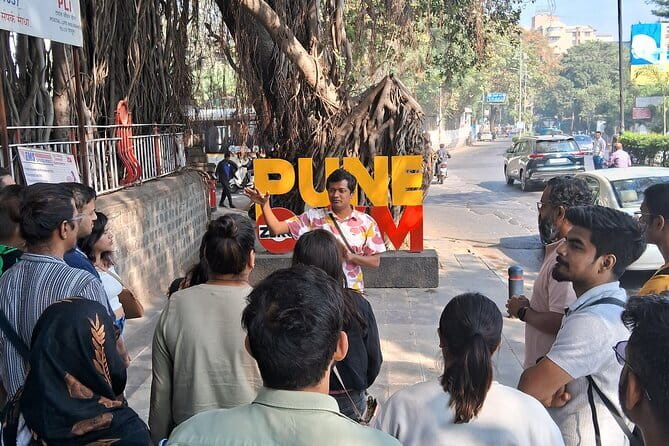
Pune grew fast, but it did not grow from nowhere. On this walk, you can see the logic of how different eras left their signatures: palace authority at Shaniwar Wada, royal memory around Lal Mahal Chitra, and then religious and civic life around the temples and old markets. The route ends at Mahatma Jyotiba Phule Mandai, which is a perfect closing note because trade and daily life are where history becomes practical.
At the center of it all is the guide. Dhruva Kalita’s strength is not just naming places, it’s connecting why they mattered. The result is a walk that feels less like a checklist and more like a timeline you can actually see while your feet do the work.
Key highlights you should not miss
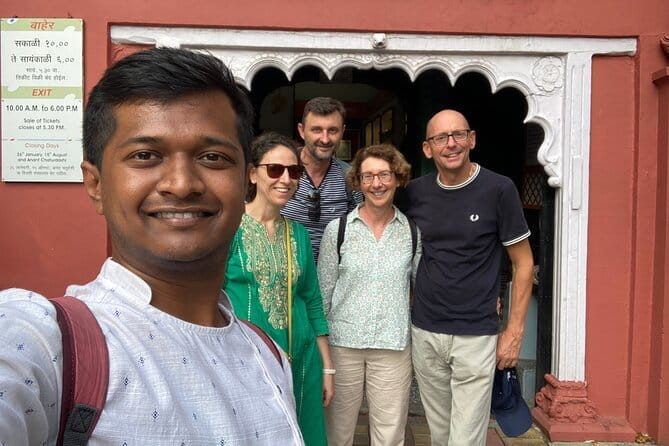
- Dhruva Kalita’s storytelling comes through in clear English and thoughtful, place-by-place explanations.
- 9 landmarks in about 2.2 km means you get momentum without spending all day in transit.
- Shaniwar Wada starts the context with Peshwa-era background before you move into older religious sites.
- Ganpati and reform figures appear repeatedly, so you see Pune’s spiritual and social currents side by side.
- Tulshibaug market area adds everyday city texture to the heritage stops.
- Snacks included, which is a small thing that makes a long walk feel easier.
More Heritage walks in Pune:
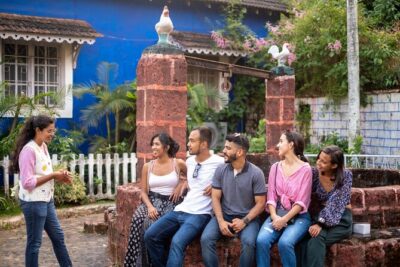
- Fontainhas Heritage Walk by Make It Happen
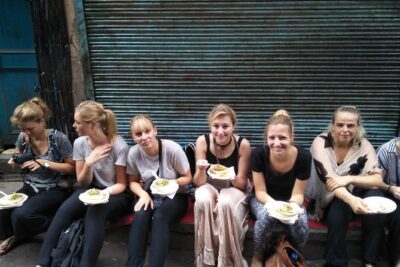
★ 5.0 · 2,834 reviews - The Great Indian Food Tour: Old Delhi Food and Heritage Walk
★ 5.0 · 1,698 reviews - Old Goa Heritage Walk by Make It Happen
★ 5.0 · 797 reviews
Meeting Dhruva Kalita, pace, and what the tour is really like
You’ll meet at Shaniwar Wada (480, Shaniwar Peth, Pune). The tour runs for roughly 2 hours 30 minutes to 3 hours 20 minutes, and the group size is capped at 15 people, which helps keep it conversational rather than rushed.
This is a walking experience through the dense city center. So expect tight lanes, frequent turns, and stops that are short but focused. You’re not doing a long museum-style session at each spot. Instead, you get a guided “what to notice” briefing, a quick look, and then you move on to the next layer of the city.
You’ll receive a mobile ticket, so it’s easy to show up without printing. And since the meeting point and end point are in well-known central areas, you can likely reach them using public transport. If you’re the type who likes to ask questions, this group size helps.
Price and value: what $16.84 buys you, and what it doesn’t
At $16.84 per person, this is a strong value for a guided route with included snacks and a guide who clearly invests time in explaining details. You’re paying mainly for interpretation: how to read buildings, temples, and civic spaces as historical evidence.
What you should budget for is not trivial. Shaniwarwada tickets are not included, so if you want to go inside, factor that cost. Meals are also not included, but snacks are. If you know you’ll get hungry, plan a light meal before you start, or be ready to grab food after you finish around Mahatma Jyotiba Phule Mandai.
Also remember the structure. It’s not private transportation. So bring a bit of flexibility with your walking time and your shoes.
Stop 1: Shaniwar Wada and the Peshwa power setup

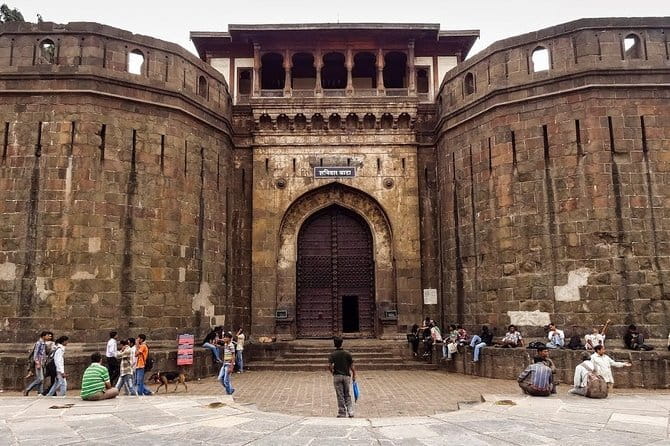
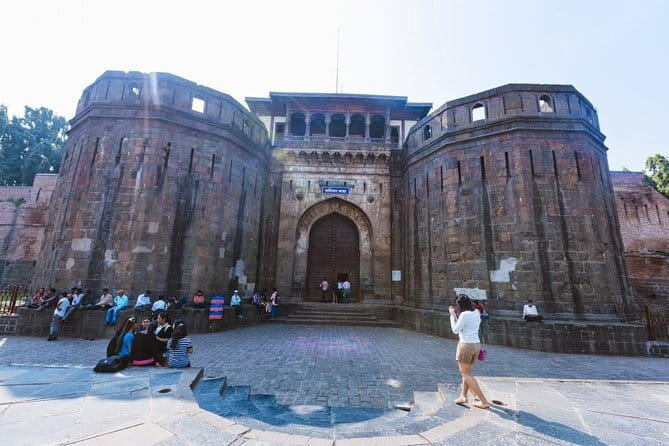
Your walk begins at Shaniwar Wada, once a residence of the Peshwas. This first stop works because it gives you a baseline. Before you see temples and neighborhood landmarks, you understand the political center of gravity and why elite authority mattered for the city’s shape.
The important practical note is the one place where the tour’s “included” stops are different. You’ll cover key locations inside the palace for context, but the admission ticket is not included. If you don’t want to spend extra money, you can still get something from the start, but the full experience depends on whether you can enter.
What to do during this stop: pay attention to how the guide frames Pune’s older power structure. That framing will make the later stops about reform, trade, and popular religion feel much more connected.
A few more Pune days to compare
- Pune Walking Tour with a Punekar
★ 4.5 · 76 reviews - Pune: Old City & Camp Cultural Walking Tour with Local Snack
★ 4.9 · 65 reviews - Immersive walking tour in Pune for cultural immersion with guide
★ 5.0 · 35 reviews - Pune Food & Snack Tasting Walking Tour
★ 4.5 · 9 reviews
Stop 2: Lal Mahal Chitra, Shivaji’s residence memory
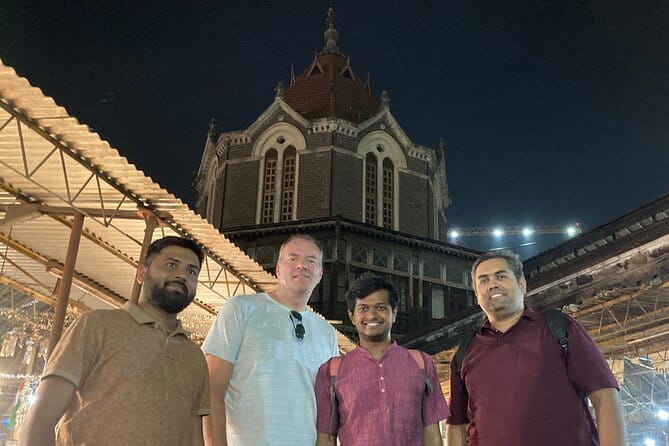
Next comes Lal Mahal Chitra, described as a former residence of Chhatrapati Shivaji Maharaj. This is a quick stop (about 10 minutes), but it’s placed early enough to remind you that Pune’s story is not only about palace politics, it’s also tied to the memory of royal leadership.
Even though your time here is short, the stop matters because it shifts your focus toward the political landscape around when the area was still forming as something more than a village.
Stop 3: Kasba Peth Ganpati Temple and a 400-year-old anchor
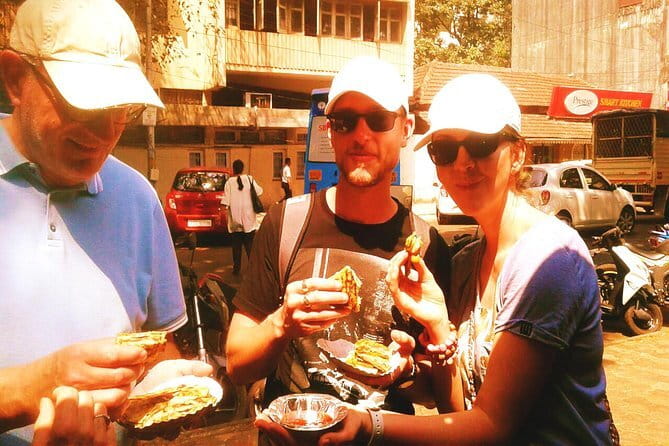
Then you hit Kasba Peth Ganpati Temple, a roughly 400-year-old temple. This is one of the best moments on the walk for getting a true neighborhood feel, because it moves you from “big power” into lived devotion.
You’ll get a local vibe and a sense of where the city’s origins connect to religious identity. This stop also helps you understand why Ganpati temples are not just pretty buildings in Pune. They’re community markers. Even in a short visit, the message is clear: religion here is part of the city’s social structure.
Stop 4: Nana Wada, statesmanship, and changing old-city demographics
At Nana Wada, you’ll hear stories about the house of a former statesman. The value of this stop is the way it points toward change over time. The guide connects how Pune’s population and neighborhood character shifted, which is a big part of what makes a city feel like it’s evolving rather than freezing in the past.
This is also a good stop for people who like politics but hate reading long essays. You get political context in a setting that makes it visual.
Stop 5: Shrimant Bhausaheb Rangari Ganpati and Pune’s freedom-movement link
Shrimant Bhausaheb Rangari Ganpati is tied to the house of a former revolutionary. You’ll see a beautifully maintained house and hear stories about Pune’s contribution to India’s freedom movement.
This stop adds emotional weight to the route. Up to this point, you’ve been hearing about authority, neighborhood life, and religious anchors. Now the guide shifts the focus toward people who pushed for change, and it helps you understand why reform and activism appear again later on the walk.
This is a longer stop than some others (about 20 minutes), which means you should bring your attention level here. It’s one of the places where you get the most “story per minute.”
Stop 6: Bhide Wada and Prashant Phule’s reformer legacy
Bhide Wada is the stop centered on a former reformer, with Prashant Phule named in the description. This is where the walk starts to feel like a social history, not only a monument tour.
You’ll get an appreciation for Pune’s political, social, educational, and reformist aspects. If you like the idea that cities are shaped by classrooms, publications, and civic action as much as by palaces, this is a very satisfying stop.
Passing the iconic Ganesh temple and one of India’s richest temples
Between the written stops, the route includes a pass through Pune’s iconic Ganesh temple and one of India’s richest temples. Even if you do not go deep inside at that exact moment, the guide’s framing helps you see why such sites become power centers in their own right.
For me, this kind of “pass-by context” is useful because it mirrors how you would experience Pune in real life. You’re walking, you catch sight, you notice, and then the guide gives you the meaning behind what you’re seeing.
Stop 7: Tulshibaug Shri Ram Temple and market-life context
Tulshibaug Shri Ram temple is the next named stop, with time for a close look at a quaint temple and some architecture-related history. After that, the route passes through the Tulshibaug market area, which brings the walk back to daily life.
This section is valuable because heritage stops without context can feel frozen. Here you see how the city’s older religious and civic identity continues to sit next to commerce and everyday movement.
Quick tip: when you’re in market lanes, keep your phone secured and your eyes up. It’s easy to get focused on photos and then miss the guide’s key point.
Stop 8: Mahatma Jyotiba Phule Mandai, colonial-era trade to today
The final stop is Mahatma Jyotiba Phule Mandai, described as a colonial-era vegetable market. This closing location is smart because it anchors the whole walk in trade, food, and daily routine.
It also acts as a natural finish line. From the Mandai, you can connect the dots between Pune’s past, present, and future through something everyone understands: what people buy, sell, and rely on.
Your tour ends at the Mahatma Phule vegetable market at Shanipar Chowk, around Gayakwad Path in Shukrawar Peth. The route end point is about 2 km from the start.
What’s included, what to bring, and how to get the most out of it
Included: snacks, plus the convenience of a mobile ticket. Not included: Shaniwarwada tickets, meals, and private transportation.
To make your life easier:
- Wear comfortable shoes. This is a 2.2 km walk through a dense city center.
- Bring water. Snacks help, but hydration still matters.
- If Shaniwar Wada entry matters to you, decide in advance so you are not surprised mid-walk.
- Go in with a curiosity mindset. The guide’s strongest moments happen when you ask follow-up questions about how the city changed.
If you care about history but also like seeing living culture, you’ll like this balance. The walk covers political structures, reform movements, religious places, and market spaces, all in one line you can actually follow on foot.
Who this tour is best for
This works especially well if:
- You want Old Pune context fast, without doing multiple separate museum tickets.
- You like stories that connect religion, politics, and civic change.
- You want a small group walk with a guide who can explain clearly in English and share extra details when you’re curious.
It may be less ideal if you hate walking through busy lanes, or if you strongly prefer long indoor time at fewer sites. This experience is about momentum and meaning, not a slow, sit-down pace.
Should you book this heritage walk through Old Pune?
If your goal is to understand Pune beyond Instagram-level sights, I’d book it. The guide, Dhruva Kalita, brings strong energy, clear English, and a habit of noticing architectural and street details that most people walk past. At $16.84, with snacks included and a short-group size, the value is hard to beat.
Just plan around the one big variable: Shaniwar Wada tickets. If you’re willing to handle that, you’ll get a coherent story arc from Peshwa authority to civic trade, with plenty of Ganpati and reform history in between.
FAQ
How long is the Why Pune? A Heritage Walk through Old Pune tour?
It runs about 2 hours 30 minutes to 3 hours 20 minutes.
Where does the tour start and end?
It starts at Shaniwar Wada (480, Shaniwar Peth, Pune) and ends at Mahatma Jyotiba Phule Mandai near Shanipar Chowk in Shukrawar Peth, around 2 km from the start.
What is the price per person?
The price is $16.84 per person.
Is Shaniwar Wada admission included?
No. Shaniwarwada tickets are not included, and admission ticket is listed as not included for the Shaniwar Wada stop.
What’s included in the tour?
Snacks are included, and you’ll receive a mobile ticket.
How large is the group?
The tour has a maximum of 15 travelers.
Can I cancel for a full refund?
Yes, there is free cancellation. You can cancel up to 24 hours in advance for a full refund, but cancellations made less than 24 hours before the start time are not refunded.
More Historical Tours in Pune
- Old Delhi Food, Heritage&Cultural Walk with Rickshaw ride to Masterji Kee Haveli
★ 5.0 · 742 reviews - Fontainhas Heritage Walk At Latin Quarters of Goa
★ 5.0 · 531 reviews - Blue City Heritage Private Walking Tour With Pickup and Drop-Off
★ 5.0 · 441 reviews - Kolkata Heritage Tram Tour
★ 4.0 · 395 reviews
Recently added around Pune
- The Complete Pune Experience: A Full-Day Tour (AC Car Tour)★ 5.0 · 7 reviews
- Sinhagad Fort Trip (Guided Half Day Sightseeing Tour)★ 5.0 · 29 reviews
- Pune to Lonavala Monsoon Drive in Private Vehicle★ 4.5 · 20 reviews
- Pune Food & Snack Tasting Walking Tour★ 4.5 · 9 reviews
- Pune Half Day Guided Tour in a Private Car★ 4.5 · 9 reviews
- Immersive culture tour of Pune by private car with guide and local lunch★ 5.0 · 38 reviews
- Skip the Line: Meher Retreat Day Picnic Ticket, Near Pune★ 3.5 · 57 reviews
- Day Trip to Mahabaleshwar-Panchgani (Guided Fullday Sightseeing Tour from Pune)★ 4.5 · 7 reviews
Heritage Walks, compared.
The Great Indian Food Tour: Old Delhi Food and Heritage Walk
Read our review →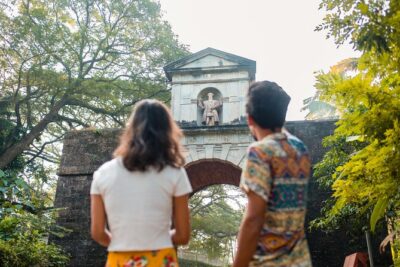
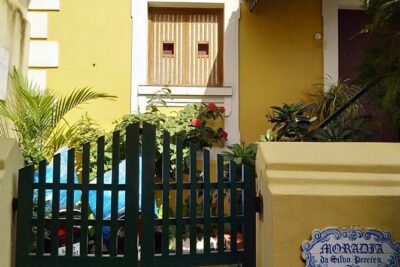
Fontainhas Heritage Walk At Latin Quarters of Goa
Read our review →
Private Heritage Walking Tour in Jaisalmer Fort and Old Bazaar
Read our review →
Panaji: Heritage Walk through Goa’s Latin Quarter
Read our review →

Browse the lists this tour appears in