

Reviewed · DARJEELING TOURS
Tea Pluckers’ Day
Tea Pluckers’ Day turns Darjeeling’s tea culture into a real morning. You’ll ride out early, then spend a chunk of the day learning how tea leaves go from bush to cup, with a tea tasting and proper meals along the way. I also like that the plan is flexible enough to work in different estate settings depending on availability, including heritage gardens like Ging. One thing to consider: you’re tied to good weather, and if you book on a Sunday, tea pickers may be resting, so plucking can look a bit quieter.
The core idea is simple. You start with breakfast, get guided through an estate, watch tea being processed at a factory, and then refuel with lunch and unlimited tea. You also get private transportation from your hotel area, plus admission-type fees and taxes are handled.
Guides are a big part of the experience, and names like Sunny and Amit come up for clear, friendly explanations. They tend to focus on what you can actually see, from planting to plucking to how a factory run works. If you want a hands-on tea day without fuss, this is the kind of plan that fits.
In This Review
- Key highlights you will actually feel
- 8:30 am Pickup, Then a Real Tea Estate Day in 5 to 6 Hours
- Where You Go Matters: Heritage Ging and the Smaller-Name Estates
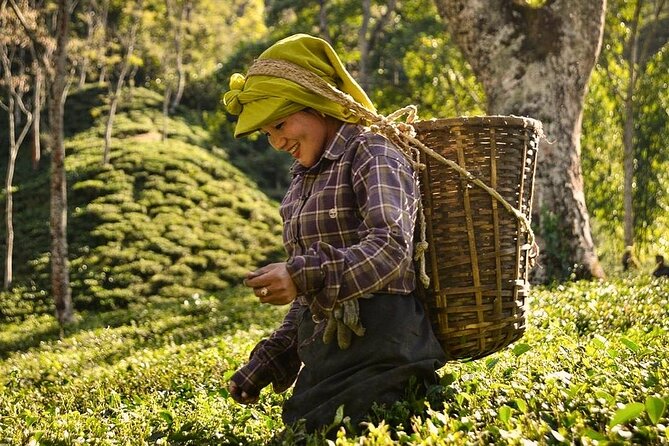
- Tea Plucking Focus: Walk the Estate and See the Work Up Close
- Factory Visit, Tea Processing, and What You Should Look For
- Breakfast, Lunch, and the Tea Tasting Moment
- Price and Value: What $85.11 Buys You in the Darjeeling Hills
- Comfort, Weather, and Timing That Really Affects Your Experience
- Who This Tour Suits Best, and Who Should Think Twice
- Should You Book Tea Pluckers’ Day?
- FAQ
- What time does the Tea Pluckers’ Day tour start?
- How long does the experience last?
- Does the tour include pickup from my hotel?
- What meals and tea are included?
- Which tea gardens will I visit?
- Is this a private tour?
- What happens if the weather is bad?
Key highlights you will actually feel
- 8:30 am start with pickup: You waste less time and get more tea time.
- One big estate day: The itinerary is built around a full morning-to-late-afternoon flow, not a quick photo stop.
- Factory time plus a walk: You can connect the dots between how leaves are grown and how they are processed.
- Meals that match the theme: Packed breakfast, then lunch with unlimited teas and bottled water.
- Multiple Darjeeling estates to choose from: Ging, Rangaroong, Poobong, Soom, Mim, Chamong, Tumsong, Ringtong, Phubsering, Tukvar, Makaibari, plus Turzum and Sungma factory options.
- Guides who explain as you go: Expect practical talk on tea growing and local customs, not just names and dates.
8:30 am Pickup, Then a Real Tea Estate Day in 5 to 6 Hours
This is a half-day length experience, roughly 5 to 6 hours, timed to start at 8:30 am. That early start matters in Darjeeling because tea estates and views are nicer when the day is fresh, and the schedule lines up with how estates operate.
You’ll be collected from your hotel area and taken by private transportation into the hills. Once you’re out there, the rhythm is consistent: tea garden viewing, a guided walk, some light hiking where it fits the setting, then tea processing at a factory, followed by tasting and a meal. The tour is described as a breakfast-to-evening tea style day, but in practice your time is compressed into the 5 to 6 hour window, so you get the highlights without burning a whole day in transit.
If you’re hoping for a long, slow, countryside stroll, you might wish for more hours. But if your goal is a focused, high-value tea day, the time box is part of the appeal.
A few more Darjeeling days to compare
- 4Nights 5Days Sikkim Package
★ 4.5 · 114 reviews - Singalila Trek from Darjeeling
★ 5.0 · 79 reviews - Darjeeling Tonglu Day Trek
★ 5.0 · 62 reviews
Where You Go Matters: Heritage Ging and the Smaller-Name Estates
A key detail: which estate you visit can change based on real-time availability. So rather than promising one fixed garden for everyone, the operator lines up partner tea estates and picks what works best that day.
Here are the estate options you might be assigned, and what to watch for in each case:
Ging Tea Estate (established 1864)
Ging is one of Darjeeling’s major heritage estates, and it’s the name you will recognize fastest. You can expect a more historic feel to the visit, and the walking route often includes stops around the estate before the factory area.
Rangaroong Tea Garden
Rangaroong is described as less explored and less loudly promoted than some names. If you like quiet places and more room to think while you walk, this type of estate setup tends to feel calmer.
Poobong (Poobong Tea Room as an add-on)
Poobong is known for spreading across the hills below the Sukhia Pokhri range. If the day includes the Poobong Tea Room, you get a natural place to slow down and settle into the tea mood after the walks.
Soom Tea Garden
Soom’s appeal is its serenity and the way the environment is framed by cherry blossoms, tall pine, and rhododendron trees. If you like the idea of a walk that feels like it belongs to the season, this is the one people gravitate toward.
Mim Tea Estate (AYCL), tied to Andrew and Yule Company Ltd.
Mim belongs to the centuries-old Scottish-established Andrew and Yule Company Ltd., which gives it a specific heritage thread. This option tends to work well if you care about tea as a system, not just a scenic backdrop.
Chamong Tea Estate Garden
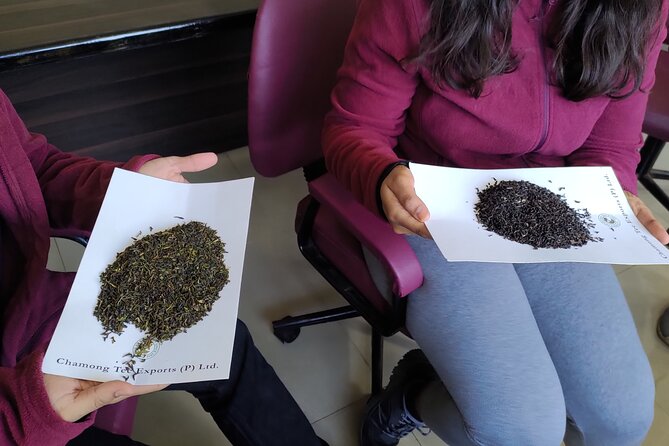
Chamong is described as producing unique organic tea qualities. That makes the tasting part feel more connected, because you’re not just sampling generic Darjeeling style tea, you’re trying teas that a specific garden is known for.
Tumsong Tea Retreat
Tumsong is presented as a heritage-focused tea experience. If you like the idea of blending tea education with an atmosphere that feels tied to place, this is the kind of stop that can make the day feel more memorable.
Ringtong Tea Garden, known for quality plucking
If you want the pickers’ work to be the star, a garden known for quality plucking can make the tea-pluck story easier to grasp. You’re more likely to focus on how plucking decisions affect what ends up in the factory.
Phubsering Tea Garden (among the oldest estates)
This is another option built for that long-run sense of tradition. Older estates often give you a better feel for how tea has been worked in this region over time.
Tukvar Tea Garden, with a chance to hike down to a river
Tukvar can include an option to hike down to the river, following the tea experience. If your legs can handle a bit more walking, this is a good place to get that movement instead of staying purely on paths.
Makaibari Tea Garden (one of the oldest organic estates)
Makaibari is known for its organic reputation and is described as combining nature, history, and heritage. The tasting can feel more grounded when the estate itself has a clear identity.
Turzum and Sungma Tea Factory (boutique range)
If your day includes the factory portion with Turzum and Sungma, you’re in for a look at processing and the flavor direction that comes from that boutique approach. This matters because tea tasting without seeing processing can feel a little abstract.
The practical takeaway: you’re not locked into one specific estate. So if you have strong preferences, you can still pick your day, but think of it as a tea region experience where the estate selection adapts.
Tea Plucking Focus: Walk the Estate and See the Work Up Close
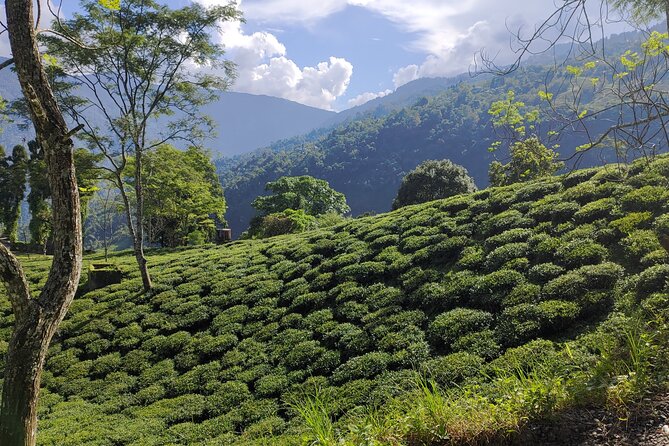
A lot of tea tours give you pictures. This one is designed around the work itself. The plan includes a tea garden tour and a walk through the estate, and depending on the garden, you should get chances to see tea plants, the plucking process, and how gardeners manage growth.
You’ll also have some gentle hiking time described as a forest hike or a walk through the estate, plus walking sticks available if you need them. That’s a real plus in Darjeeling, because stone steps and steep slopes can add up quickly.
Here’s how to get more out of the walking portion:
- Ask your guide what parts of the plant matter most at plucking time, not just how plucking happens.
- Watch for how the plants are shaped and maintained, since that affects what workers can pick efficiently.
- If you’re sensitive to heights or steep angles, tell your guide early. The tour is private, so pacing is more workable.
One small caution: the tour also mentions that Sunday can be a day of rest for tea pickers. If your schedule includes a Sunday, you may see less plucking action. You’ll still get the estate and factory education, but the hands-on feeling could be lighter.
Factory Visit, Tea Processing, and What You Should Look For
The day’s education gets sharper once you reach the tea factory. The tour includes tea factory visits, and one of the highlighted factory options is Turzum and Sungma, described as running a boutique range of Darjeeling teas.
Even if you do not catch every single step of processing in action, you can still learn a lot by focusing on:
- How fresh leaf input connects to the final tea style
- How workers handle stages in the process
- How the factory explains quality in practical terms
A good guide makes this part click. In past experiences tied to this tour style, guides like Sunny have been praised for flexibility and for explaining customs alongside the tea workflow. That matters because Darjeeling tea is not just manufacturing. It’s agriculture, labor, and local life working together.
Also, build in a bit of patience. Factories have active rhythms and working space. If you want photos, ask first and keep your time short and respectful so you do not slow down the process.
Another way to spend a day in India:
- Singalila Ridge Trek from Darjeeling – 6 Days
★ 5.0 · 56 reviews - Sikkim Darjeeling – North East India 7 Nights 8 Days Tour
★ 4.5 · 56 reviews - Colonial Heritage Walking Tour in Darjeeling
★ 5.0 · 55 reviews - Day_Trippers (Darjeeling Full Day Tour).
★ 5.0 · 54 reviews
Breakfast, Lunch, and the Tea Tasting Moment
Food on tea days can be either an afterthought or a key part of the story. Here it’s the former.
You start with a packed breakfast that includes fresh fruits and organic Darjeeling tea. That sets the tone, because you’re tasting what you’re learning about before you even get to the hills.
Lunch is included and described as: unlimited teas, bottled water, and lunch. In plain terms, that means you can try more than one tea without constantly reaching for your wallet.
Then comes the elaborate tea tasting. This is where you translate the morning. Tea tasting works best when you already understand what you saw on the plant side and what you saw at the factory.
A smart way to approach tastings:
- Take notes on aroma and aftertaste, not just strength.
- If you see plucking styles or leaf grades explained, connect them to what you’re drinking.
- Compare one lighter tea to one darker or stronger option and notice how your palate shifts.
If you’re the kind of person who usually skips tastings, this tour can still work. The tasting is built into the day, so you are not stuck wondering what to do once you arrive.
Price and Value: What $85.11 Buys You in the Darjeeling Hills
At $85.11 per person, this is not a “grab a bus and fend for yourself” experience. But it also isn’t trying to be a luxury day out.
The value comes from what’s included:
- Private transportation
- Tea garden and tea estate visit
- Tea factory visit (when the day’s plan includes it)
- Tea tasting
- Lunch with unlimited teas plus bottled water
- Walking sticks if required
- All fees and taxes
So your money is buying convenience and coverage, not just a guide’s time. In Darjeeling, transport and entry fees can quietly add up, especially when you’re trying to get out to estates beyond the immediate town.
The best reason to pay this rather than DIY is the structure. You get a guided day that moves in a logical order: plant work, processing, tasting, then food. You’re not trying to coordinate which estate is open, whether the factory tour is running, or how to time your meal.
Comfort, Weather, and Timing That Really Affects Your Experience
This tour depends on good weather. That’s not small talk. In Darjeeling, rain and fog can change what you can safely walk and how clear the estate views are.
The good news is the itinerary is built to handle different estate environments. Also, this tour’s style has shown flexibility even in monsoon conditions, with guides described as attentive and supportive.
What to pack (practical and simple):
- Light layers, because mornings can feel cooler than midday
- Rain protection if your forecast looks questionable
- Closed shoes with grip for steep paths
- If you need it, use the walking sticks option during the walk
The other timing note: the day starts at 8:30 am. If you’re staying outside the pickup area, factor in extra time so you’re not sprinting to the meeting point. The tour includes pickup, but it still runs on schedule.
Who This Tour Suits Best, and Who Should Think Twice
This fits you if:
- You like tea, but you also want the “how it’s made” part
- You prefer guided, step-by-step learning over reading signs
- You want a focused tour with meals handled
- You’d rather do one solid estate visit than chase multiple small stops
It might not fit you as well if:
- You want a full day (most of this is packed into 5 to 6 hours)
- You hate stairs and slopes, even with walking sticks
- Your schedule allows only one possible day and weather is uncertain, because the experience can be rescheduled if conditions are poor
Because it’s a private tour, it works nicely for couples, small groups, and people who want a more personal pace. It is also listed as suitable for most travelers, with walking sticks available if needed.
Should You Book Tea Pluckers’ Day?
If you want a Darjeeling tea day that feels practical and hands-on, I think this is a strong choice. The biggest reasons to book are the combination of private transport, an estate walk, a factory visit, and an actual tasting plus a satisfying meal with unlimited teas.
My advice for making the decision:
- Book when your weather window looks decent.
- If your date is Sunday, be ready for less plucking action, but still expect the estate and tea learning.
- If you care about organic tea and specific estate identities, this tour gives you a chance to experience that through the tasting, because the estate selection can include gardens known for organic qualities and quality plucking.
FAQ
What time does the Tea Pluckers’ Day tour start?
The tour start time is 8:30 am.
How long does the experience last?
It runs about 5 to 6 hours.
Does the tour include pickup from my hotel?
Yes. Pickup is offered, and the tour starts in the morning from your hotel.
What meals and tea are included?
You get a packed breakfast with fresh fruits and organic Darjeeling tea. Lunch is included with unlimited teas and bottled water.
Which tea gardens will I visit?
Which tea garden or tea estate you visit can depend on real-time availability. Options listed include Ging, Rangaroong, Poobong, Soom, Mim, Chamong, Tumsong, Ringtong, Phubsering, Tukvar, Makaibari, along with Turzum and Sungma for a tea factory visit.
Is this a private tour?
Yes. It is private, and only your group participates.
What happens if the weather is bad?
The experience requires good weather. If it’s canceled due to poor weather, you’ll be offered a different date or a full refund.
Recently added around Darjeeling
- Colonial Heritage Walking Tour in Darjeeling★ 5.0 · 55 reviews
- Private Calcutta Tour With Guide and Authentic Bengali lunch★ 5.0 · 26 reviews
- Trip to Tiger Hill Darjeeling★ 4.5 · 10 reviews
- Day_Trippers (Darjeeling Full Day Tour).★ 5.0 · 54 reviews
- Singalila Ridge Trek from Darjeeling – 6 Days★ 5.0 · 56 reviews
- North Sikkim Green Lake Trekking★ 5.0 · 10 reviews
- Explore North East India – Darjeeling Sikkim Road Trip★ 4.5 · 37 reviews
- Darjeeling Cultural & Nature Walking Guided Tour★ 4.9 · 7 reviews
Darjeeling Tours, compared.


Sikkim Darjeeling – North East India 7 Nights 8 Days Tour
Read our review →


Explore North East India – Darjeeling Sikkim Road Trip
Read our review →Browse the lists this tour appears in