
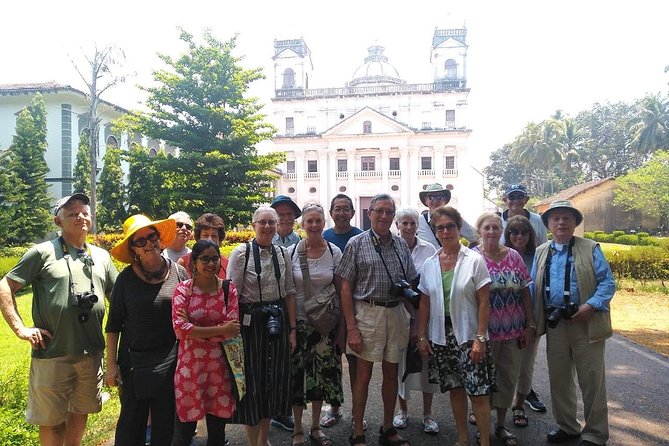
Reviewed · HERITAGE WALKS
Panjim Heritage Walk for a cultural immersion in Goa
Go slow, learn fast in Panaji. This Panjim Heritage Walk gives you a guided, story-based look at Goa’s capital, from Portuguese-era lanes to hilltop worship sites, all in about three hours. I love how the pace feels human in a small group, and I love that snacks plus coffee or tea keep you going between stops.
One thing to consider is that there’s no pick up and drop, and the experience requires good weather. You’ll meet near the Municipal Garden area, so plan to get there on your own and bring comfortable walking shoes.
In This Review
- Key Points at a Glance
- Why Panaji’s Portuguese Streets Work So Well on Foot
- Starting Point at Garcia de Orta, Near the Municipal Garden
- Fontainhas Latin Quarter: Portuguese Residences and How Power Lived
- Sao Tome Old Quarter Square: Tobacco Trade to Customs and Mint
- Maruti Temple: A Quiet, Important Faith Stop for Hanuman
- Church of Our Lady of the Immaculate Conception: Sailors, 1541, and Bollywood Fame
- Included Snacks, Coffee, and Entrance Charges: The Comfort Factor
- Price and Value: Is $30 Worth It?
- Small Group Size and Your Guide’s Pace
- Practical Tips for a Smooth Panjim Heritage Walk
- Should You Book the Panjim Heritage Walk in Panaji?
- FAQ
- How long is the Panjim Heritage Walk?
- What does the $30 price include?
- How big is the group?
- Where do I meet, and does the tour end nearby?
- Are there entry fees for the sights?
- What if the weather is poor?
Key Points at a Glance
- Small group, personal attention: Maximum of 10 people, so your guide can actually answer your questions.
- Snacks plus coffee or tea included: You’ll stay comfortable through the 3-hour walk.
- No entry fees for the sights: Entrance charges are handled, and you don’t need to pay at each stop.
- Portuguese Goa through specific neighborhoods: Fontainhas and Sao Tome Old Quarter give you context that’s easy to remember.
- Faith landmarks and local iconography: Maruti Temple and the Church of Our Lady of the Immaculate Conception anchor the route.
Why Panaji’s Portuguese Streets Work So Well on Foot
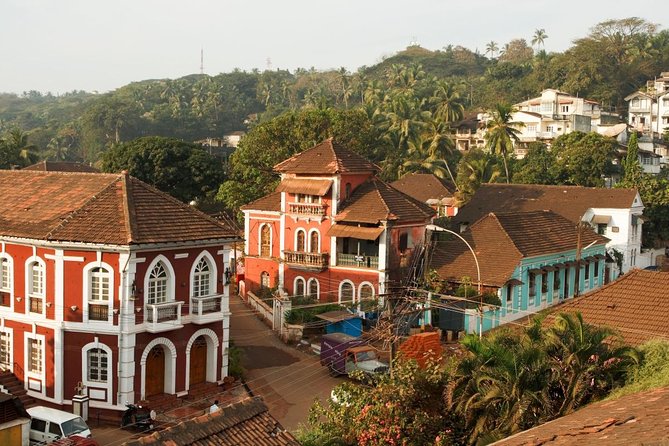
If you want Goa, not just Goa-on-a-postcard, Panaji is a smart place to start. This walk focuses on a part of the city shaped by Portuguese influence, but it does it in a practical way: you move block by block and learn what you’re seeing as you go.
What I like about this format is that it’s not museum-only or viewpoint-only. You’re out in the neighborhoods that built the capital’s identity, and you get the connections explained for you. That makes the walk feel useful, even if you have only a half day.
You also get a professional guide and a small group. That matters more than people expect. When you’re with up to 10 others, you spend less time waiting for the slowest person to catch up, and more time listening to the details that would be lost in a big group.
More Heritage Walks in Goa
- Fontainhas Heritage Walk by Make It Happen
★ 5.0 · 2,834 reviews - Old Goa Heritage Walk by Make It Happen
★ 5.0 · 797 reviews - Fontainhas Heritage Walk At Latin Quarters of Goa
★ 5.0 · 531 reviews
Starting Point at Garcia de Orta, Near the Municipal Garden
Your walk starts back at the same meeting point, near the Municipal Garden in Panaji, at Garcia de Orta (Garcia de OrtaFRXH+Q44, Near Municipal Garden, Panaji, Goa 403001). It’s close enough to public transportation that you should be able to reach it without a car.
Because there’s no pick up and drop, you’ll want to build a little time buffer for getting there. This is especially important on travel days when you might be juggling an airport arrival or ferry timing.
The tour is about three hours, so think of it like a focused walking lesson rather than a slow stroll. Wear shoes you trust on uneven sidewalks, and if you’re sensitive to sun or humidity, plan to bring a light layer for the shade.
Fontainhas Latin Quarter: Portuguese Residences and How Power Lived
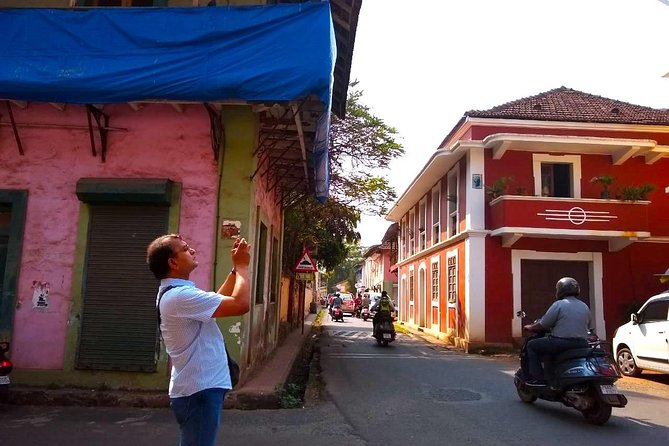
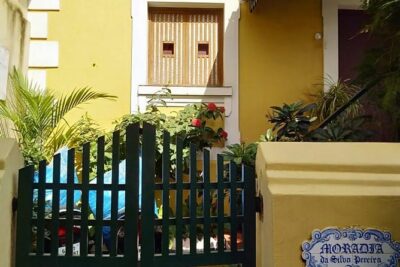
Fontainhas is where many people first “get” Portuguese Goa. This neighborhood began as residential quarters designed for Portuguese bureaucrats and servants, and it was one of the earlier settlements in Panaji. Instead of treating that as a dry timeline, the walk sets you up to see it as a living layout shaped by people who managed the city day to day.
This stop is about 30 minutes and doesn’t require an admission ticket. That’s a big deal here. When a tour includes sights you can actually enter or explore without fees piling up, you feel like the value is real, not just theoretical.
What you’ll take away from Fontainhas is the idea that colonial influence was not only churches and forts. It was also housing, streets, daily routines, and the way a capital city organized social roles. If you like understanding how places worked, not just what they look like, this is one of the strongest segments.
Sao Tome Old Quarter Square: Tobacco Trade to Customs and Mint
Next is Sao Tome Old Quarter, where the story shifts from Portuguese residential life to trade and government functions. The walk leads you to a square connected to tobacco trading over the river, which is a wonderfully specific clue that tells you the economy powered the city’s growth.
This stop runs about 30 minutes, and again there’s no admission requirement for the visit. You’re getting context, not rushing ticket lines. For a heritage walk, that keeps the energy on the learning part.
The square later served as a police headquarters and a customs and mint area. Those roles matter because they show you what kind of place Panaji was trying to be: a controlled trading hub and a city with official reach.
One practical note: when you hear multiple official roles in one location, it can feel like a lot of facts at once. The good news is that the guide’s job is to help you connect the dots. If you want to remember it, ask one follow-up question in plain language, like how the river and trade shaped the neighborhood.
More History Tours in Goa
- Panaji: Heritage Walk through Goa’s Latin Quarter
★ 4.8 · 291 reviews - The Cultural And Historical Walking Tour in Margao
★ 5.0 · 280 reviews - Heritage Houses of Goa-Chandor by Soul Travelling
★ 5.0 · 199 reviews - Private Aguada Jail Heritage Walk Tour
★ 5.0 · 102 reviews
Maruti Temple: A Quiet, Important Faith Stop for Hanuman
Then you head to Maruti Temple, dedicated to Lord Hanuman, the monkey god. This stop is shorter, about 15 minutes, but it has real weight because it anchors the walk in local religious life, not only Portuguese-era architecture.
The duration matters. You’re not forced into an all-day religious circuit. Instead, you get a focused moment to understand what devotion looks like here and how Hanuman fits into everyday culture.
This is also a good time to slow down and reset your attention. When a heritage route includes both civic history and active worship, the contrast helps. You start to feel the city’s continuity, not just its colonial chapters.
If you plan to take photos, do it thoughtfully. Temples are working spaces. Keep your movements low-key, and follow any guidance from the surroundings or your guide.
Church of Our Lady of the Immaculate Conception: Sailors, 1541, and Bollywood Fame
The Church of Our Lady of the Immaculate Conception is a classic Panaji landmark and a visual shortcut to Goa’s global image. The walk explains that the church was constructed on a hill for sailors in 1541 after demolishing a temple.
That backstory gives you a way to interpret the site. It’s not only a church you pass by. It’s a monument linked to maritime life and the decisions that came with changing power and faith.
This stop is about 30 minutes with free admission. The fact that it’s included without entry fees means you can focus on what you’re hearing rather than budgeting for ticket add-ons.
You’ll also learn why the church is often used to represent Goa in Bollywood films. Even if you’ve never visited a film set, you probably recognize the type of image this creates: a hilltop church silhouette that signals Goa instantly.
This is one of those stops where a guide can make the difference between seeing a building and understanding why people remember it. Listen for the details about its origins, because that’s what turns a photo spot into a story you can retell.
Included Snacks, Coffee, and Entrance Charges: The Comfort Factor
This walk is designed to keep you comfortable, which is rare for a short heritage tour. Snacks are provided, and coffee or tea is included. That matters because a 3-hour walking route is easier when your energy doesn’t crash mid-way.
Entrance charges are also included, and the route features stops where no entry fees are required. In practice, this means you’re less likely to hit that annoying moment of paying at the last second, or realizing you need cash or a separate ticket at one of the landmarks.
It’s also a smart pairing with the timing. You have four stops total, ranging from 15 to 30 minutes each. You’re not stuck at one location for ages, but you also aren’t rushed from one place to another without context. Snacks help you stay present during the narration instead of mentally counting down until the next break.
Price and Value: Is $30 Worth It?
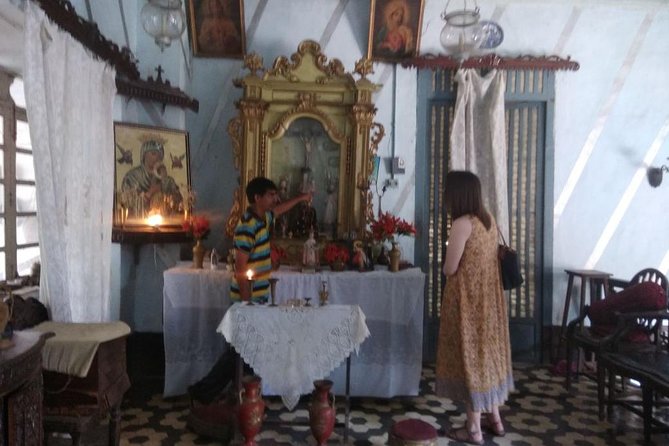
At $30 per person for roughly three hours, the value really depends on what you want from the time. If you’re the type who likes to wander and figure things out alone, this might feel like too much structure. But if you want your walking time to pay off with context, it’s a solid deal.
Here’s what you’re getting for the money:
- A professional guide
- Snacks plus coffee or tea
- Entrance charges covered
- No entry fees at the sights on the route
- A small group with personal attention
- A mobile ticket (so you’re not juggling paper)
The strongest value is the guide plus the specific focus. Portuguese influence in Panaji can be confusing if you only see it as “old European stuff.” This walk turns it into a storyline tied to neighborhoods, trade, official roles, and religious landmarks. That kind of context is hard to replicate on your own quickly, especially in a city you don’t know yet.
Also, small-group size is part of the price you’re paying for. Maximum 10 people means you’re not lost in a crowd, and that changes how much you actually absorb.
Small Group Size and Your Guide’s Pace
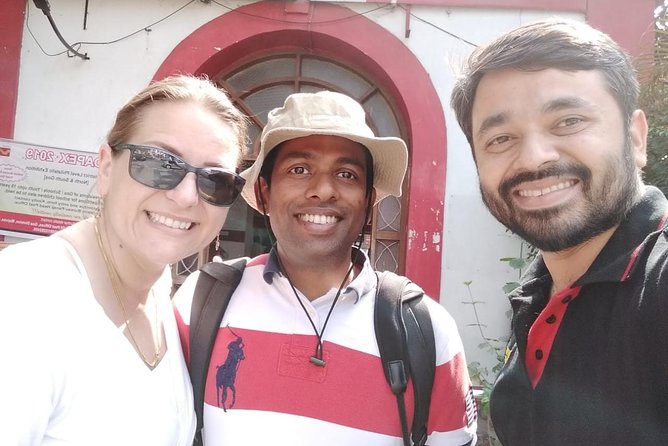
A tour with up to 10 people is one of the best ways to learn when you like details. The guide can adjust if your group has questions, and you spend less time feeling like you’re chasing a moving line.
The walk also has a steady rhythm: start in Fontainhas, connect it to the Sao Tome square and its trading and administrative past, then move into two key faith landmarks. That flow helps you remember what you learned because each stop adds a new layer.
One more practical plus: the tour is designed to feel personal. If you’re the sort who always asks why a place is famous, this is the right setup. You’re walking and listening, not sitting through a lecture.
Practical Tips for a Smooth Panjim Heritage Walk
A few small things will make your experience smoother.
First, plan your arrival. You meet at Garcia de Orta near the Municipal Garden, and the tour ends back at the meeting point. There’s no pick up and drop, and the start is near public transportation, so build time to reach it.
Second, be ready for the weather. The experience requires good weather, so if you’re traveling in a rainy or uncertain window, keep your schedule flexible.
Third, take the included fuel seriously. Snacks and coffee or tea are part of the design. Even if you think you’re not hungry, it’s worth timing them so you don’t feel drained by the second or third stop.
Finally, bring a phone or camera you’re comfortable using. A walking heritage route is the kind where a quick photo can help you remember the story later, especially for recognizable landmarks like the hilltop church.
Should You Book the Panjim Heritage Walk in Panaji?
I’d book this if you want a structured introduction to Panaji that still feels local. It’s ideal for first-time visitors who want Portuguese-influenced neighborhoods explained in plain terms, and it also works if you’ve been to Goa before and want a deeper look at the capital city beyond beaches.
You might skip it if you dislike walking or you’re only interested in a single type of sight, like beaches or major museums. This is very much a city-walk tour with a mix of civic history and worship landmarks.
If you like guides who connect streets to stories and you value small-group attention, the $30 price feels fair. The route is short enough to fit into a travel plan, but focused enough that you’ll leave with a clear sense of how Panaji became what it is today.
FAQ
How long is the Panjim Heritage Walk?
The walk lasts about 3 hours.
What does the $30 price include?
It includes a professional guide, coffee or tea, entrance charges, and snacks during the walk.
How big is the group?
The tour has a maximum of 10 travelers.
Where do I meet, and does the tour end nearby?
You meet at Garcia de OrtaFRXH+Q44, near Municipal Garden, Panaji. The tour ends back at the meeting point.
Are there entry fees for the sights?
No entry fees are required for the stops on this walk.
What if the weather is poor?
The experience requires good weather. If it is canceled due to poor weather, you’ll be offered a different date or a full refund.
More Historical Tours in Goa
- Chandor Heritage Trail by Make It Happen
★ 5.0 · 79 reviews - CULTURAL & HISTORIC DAY TOUR ATTRACTIONS – Churches, Temples & Spice Plantation
★ 4.5 · 53 reviews - Old Goa Heritage & Culture E-Bike Tour
★ 4.5 · 46 reviews - Candolim: Heritage Walk of Fort Aguada Port and Jail Complex
★ 4.9 · 25 reviews
More Walking Tours in Goa
- Food And Drink Walking Tour In Panjim
★ 5.0 · 286 reviews - Old Goa: Walking Tour of Heritage Churches
★ 4.9 · 81 reviews - Panaji: Heritage Walking Tour in Fontainhas Latin Quarter
★ 4.9 · 31 reviews - Fontainhas Heritage Walk With Guide Mario
★ 5.0 · 29 reviews
Recently added around Goa
- Private 2-Day Tour to Taj Mahal, Agra from Goa with Both side Commercial Flights★ 5.0 · 7 reviews
- 3-Day Private Taj Mahal, Agra and Delhi Tour from Goa or Mumbai★ 5.0 · 26 reviews
- Private Fort Aguada Port and Jail Complex Night Walk★ 4.5 · 13 reviews
- Heritage walk in Old Goa to relive the golden age of Velha Goa★ 5.0 · 9 reviews
- Old Goa Churches, Temples & Spice Plantation With “Goan” Lunch★ 4.5 · 34 reviews
- Highlights of South Goa with Spice Plantation Tour (Guided Fullday Tour by Car)★ 5.0 · 6 reviews
- Traditional Indian Cooking Class in Goa, Anjuna [vegetarian]★ 4.5 · 39 reviews
- Margao City Food Trail by Make It Happen★ 5.0 · 16 reviews
Heritage Walks, compared.

The Great Indian Food Tour: Old Delhi Food and Heritage Walk
Read our review →
Fontainhas Heritage Walk At Latin Quarters of Goa
Read our review →
Private Heritage Walking Tour in Jaisalmer Fort and Old Bazaar
Read our review →
Panaji: Heritage Walk through Goa’s Latin Quarter
Read our review →

Browse the lists this tour appears in