
Reviewed · HISTORICAL TOURS
CULTURAL & HISTORIC DAY TOUR ATTRACTIONS – Churches, Temples & Spice Plantation
Goa changes by the block, and this tour catches that. You get Portuguese-era streets, iconic churches, Hindu temple culture, plus a hands-on spice plantation visit, all in one guided day. It is a smart way to understand how Panjim and Old Goa connect, from the 17th century to today, without wasting time.
I especially love the way this itinerary keeps the pace light, with short walks at each site and a comfortable group size capped at 15. I also like the food payoff: a stop at the tropical spice plantation with freshly prepared food and herbal tea makes the day feel complete, not rushed.
One possible drawback: if you are expecting a fully private vibe, double-check the vehicle setup. Most days run well, but a small number of issues have popped up around vehicle expectations and timing, so it is worth confirming what you are booked for.
In This Review
- Key highlights to look for
- Why this 6 to 8 hour Goa loop makes sense
- Panjim Heritage Walk plus Fontainhas: colorful Portuguese streets, minus the confusion
- Old Goa and the Basilica of Bom Jesus area: where Portuguese power left fingerprints
- Mangeshi Temple at Priol: Hindu worship as a living part of Goa
- Tropical Spice Plantation: lunch, herbal tea, and what to expect from the walk
- Group size, pickup, and timing: how to make the day feel easy
- Price and value: what $100 buys you in real terms
- Guide quality matters here, and you have good evidence
- What you will likely like most (and who it suits best)
- Quick checklist before you go
- Should you book this tour?
- FAQ
- How long is the Churches, Temples & Spice Plantation day tour?
- How much does the tour cost?
- What is included during the spice plantation stop?
- Are there entrance fees for the city and temple stops?
- What group size should I expect?
- What happens if weather is bad or a minimum number of travelers is not met?
Key highlights to look for
- Five sites in one loop across both “Old Goa” and the working city of Panjim
- Portuguese-influenced Latin Quarter (Fontainhas) with colorful streets and architecture
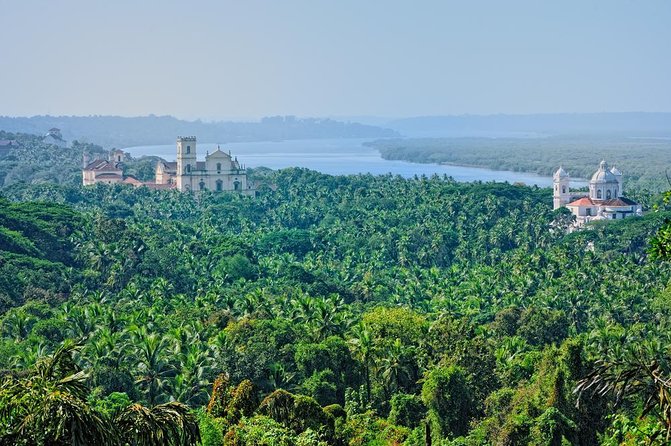
- Old Goa monuments around the Basilica of Bom Jesus area
- Mangeshi Temple in Priol for real Hindu worship and village context
- Spice plantation visit with lunch and herbal tea, not just a photo stop
- Max 15 travelers for a more conversational day than a huge bus tour
Why this 6 to 8 hour Goa loop makes sense
If you have limited time in Goa, this is the kind of day that saves you from doing too much guesswork. A single 6 to 8 hour outing connects the dots between Panjim’s Portuguese-era character and the religious sites of Old Goa. Then it adds something practical and sensory at the spice plantation, where you can see, smell, and taste what you usually only read about.
The structure also helps. The day is built around clusters: start in Panjim, walk the Latin Quarter, head to Old Goa, then shift to temple country, and finish with spices and lunch. That flow matters in Goa because traffic and distances can turn a “simple plan” into a long day.
More History Tours in Goa
- Fontainhas Heritage Walk by Make It Happen
★ 5.0 · 2,834 reviews - Old Goa Heritage Walk by Make It Happen
★ 5.0 · 797 reviews - Fontainhas Heritage Walk At Latin Quarters of Goa
★ 5.0 · 531 reviews
Panjim Heritage Walk plus Fontainhas: colorful Portuguese streets, minus the confusion
Your day starts with Panjim Heritage Walk, in and around Panaji, Goa’s state capital on the Mandovi River. This is the part of the trip where you get your bearings fast. You will see cobblestone streets, and the architecture has that unmistakable Portuguese influence, with colorful villas and buildings that make the city feel like a living museum.
Then you step into Fontainhas, the old Latin Quarter. This is where the narrow lanes do the heavy lifting. The buildings are close together, so you get a better sense of how the neighborhood used to function, not just how it looks in photos. Fontainhas is also a great place to watch daily life: people moving between homes, shops, and small corners of the city.
What I like here is the simplicity. Stops 1 and 2 are about walking and orientation, not endurance. Admission is free at these points, which is a nice bonus value, and you are not burning your limited energy fighting crowds at one mega-attraction.
A small consideration: Fontainhas is a real neighborhood. Keep your pace respectful and avoid blocking footpaths when you pause for photos.
Old Goa and the Basilica of Bom Jesus area: where Portuguese power left fingerprints
Old Goa, also called Velha Goa, is a different world from Panjim. This is Portuguese India territory, and the monuments show it. The big anchor on this stop is the Basilica of Bom Jesus area, one of the best-known historic Catholic sites in Goa.
When you arrive, you will feel the contrast right away. Old Goa sits beside the Mandovi River, but the atmosphere is calmer, more monumental, and focused on religious architecture rather than city life. And because this tour bundles Old Goa with other stops, you are not left wondering why Portuguese Catholic culture mattered here in the first place.
This stop also helps your understanding of Goa’s fusion culture. You are seeing the Catholic chapter clearly, then you will later balance it with Hindu worship at Mangeshi Temple, and a village-style plantation visit. That back-and-forth gives the day its logic.
Admission is free for this part as well, so it is a high-value history stop that does not add extra costs.
Mangeshi Temple at Priol: Hindu worship as a living part of Goa
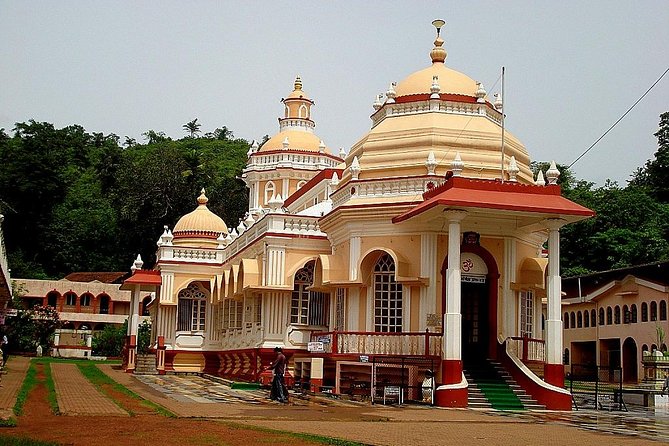
After Old Goa, the day turns to Shri Mangesh Temple in Mangeshi Village in Priol. This is one of the larger and frequently visited temples in Goa, and it is a great counterpoint to the Portuguese Catholic sites you just saw.
The key benefit of putting Mangeshi Temple on the same day is that it makes Goa’s cultural story feel less like a list. Instead, you experience two religious traditions in one route, with the guide able to connect how these communities coexisted and shaped daily life over centuries.
Practically, the stop is about an hour. That is enough time to understand what you are looking at and observe worship without turning the day into a long, tiring wait. Again, admission is listed as free for this stop, which keeps the tour’s overall value strong.
If you plan to visit temples in Goa, dress modestly and be ready for local routines. Even when you are just there to learn and look around, respectful behavior goes a long way.
More Tea and Spice Plantation tours in Goa:
- Goa: Dudhsagar Waterfall, Jeep Safari and Spice Plantation
★ 3.4 · 43 reviews - Munnar Tea Trail Tour with Factory Experience ( By Munnar Info)
★ 5.0 · 458 reviews - Munnar Tea valley Tour ( By Munnar Info)
★ 5.0 · 83 reviews - Munnar Tea Plantation Walk with Sunset View (By Munnar Info)
★ 4.5 · 72 reviews
Tropical Spice Plantation: lunch, herbal tea, and what to expect from the walk
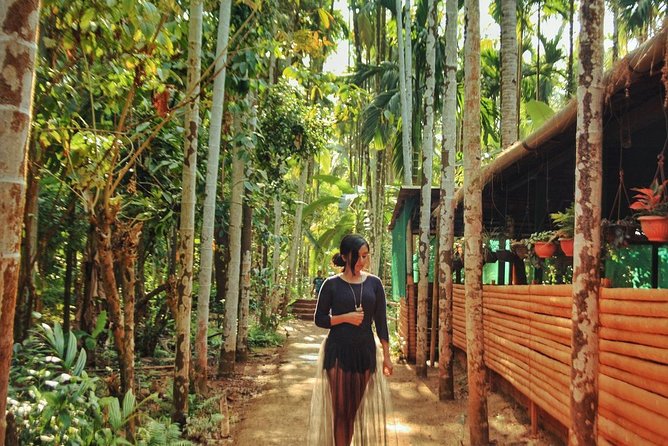
The spice plantation stop is where the tour shifts from architecture and religion to something hands-on and sensory. The experience is built around a tropical spice plantation visit, and you get freshly prepared food plus herbal tea.
You should expect two things here:
1) A guided explanation of spices and what grows where
2) A local lunch that ties into the whole theme of the plantation
Some people find the plantation component a bit shorter than they hoped, with more time spent eating and shopping than on an extended walking tour. That said, even when the plantation tour feels brief, you still come away with the “so this is what it looks like” effect. Cashews, pepper, cinnamon, and other spices are the kind of details you often forget until you see the plant form for yourself.
There is also a practical side to this stop. Lunch breaks up the day at a good time, and it helps keep the energy steady for the earlier walking portions. Plus, because this is included (admission is marked included), you are not paying extra after the fact.
If you have a sensitive stomach, use your judgment with the meal. Goa food can be delicious and still not agree with everyone. The safest approach is to pace yourself, try what you feel comfortable with, and keep water nearby.
Group size, pickup, and timing: how to make the day feel easy
This tour runs with a maximum of 15 travelers, which is a big deal. Small groups are easier for guides to manage, and the walking stops stay relaxed instead of chaotic. Pickup is offered, which helps if you are staying in North Goa or working from a central meeting point.
Timing is the biggest practical variable on any Goa day trip. One reason is simple: traffic. If you are touring from a cruise or need to be back for a departure, I recommend you treat “on time” as “leave early.” Some schedules work smoothly, while others get squeezed by road conditions.
My tip: when you confirm pickup, ask for a clear return time window. That way, you can plan your day around the tour rather than hoping the day goes perfectly.
Price and value: what $100 buys you in real terms
At $100 per person, this is not a budget walking tour. But it also is not just a couple of photo stops. You are paying for:
- Five distinct cultural and historic stops (Panjim, Fontainhas, Old Goa, a major temple site, and a spice plantation)
- Guided context across Catholic and Hindu sites, plus Portuguese-influenced architecture
- Lunch and herbal tea at the spice plantation
- Pickup offered, plus group handling for a small group size
The value gets even better because multiple admissions are listed as free for the city, heritage, Old Goa, and temple stops. That means more of your money goes toward the guide, transport, and the included plantation meal rather than entry fees.
If your time in Goa is short, this is one of the ways to “spend once and cover a lot.” If you are staying longer, you might still enjoy this as a foundation day, then return later for deeper solo exploring.
Guide quality matters here, and you have good evidence
This tour is only as good as the person doing the explaining, and the feedback pattern points to a strong emphasis on guide engagement. Names that show up again and again include Joaquim and Jonas, plus other guides like Sachin, Anthony, Cesar, Stanley, Xavier, and Adnelo Ferrao.
What these guides tend to do well is keep the day from turning into a checklist. You want a guide who can connect Portuguese-era streets to how Goa lives today, and then bridge to Hindu temple culture and how spices shaped local life. When a guide can answer questions clearly and keep the pacing comfortable, the experience clicks.
So here is what I suggest for you: pick a tour date and then do one small thing before you go. On pickup, introduce yourself and ask one question about what you should look for at the first stop. If the guide responds with specific details and a calm plan for the day, you are in good hands.
What you will likely like most (and who it suits best)
This tour fits best if you want a guided “taste” of Goa across religion, architecture, and everyday sensory culture. You will likely enjoy it if:
- You want the quick history map of Panjim and Old Goa
- You want to see both churches and temples in the same day
- You care about understanding culture, not just taking pictures
- You want lunch included and a guided plantation visit
It is also friendly for people who do not want a long slog. With hour-long stops and short walking segments, it is built for a relaxed day. And since many sites have free admission, you are not constantly paying or queuing for tickets.
If you are the type who wants deep museum time at one place, you might feel you are moving too fast. In that case, consider pairing this with a slower follow-up day in the neighborhood you like most, such as Fontainhas.
Quick checklist before you go
- Wear comfortable shoes for cobblestone and short walks
- Bring a light layer for morning or late afternoon breeze
- Have water ready, especially if you are sensitive to heat
- If you have dietary needs, eat light before the lunch and let the meal be the meal
- If you are connecting to a cruise or flight, confirm return timing early
Should you book this tour?
Yes, if you want a smart first day in Goa. This route is designed to cover the main story beats: Portuguese-influenced Panjim and Fontainhas, Portuguese India monuments at Old Goa, Hindu worship at Mangeshi Temple, then the spice plantation with lunch and herbal tea.
Book it if you like learning through seeing, and you want a guided day that stays manageable in length. Skip it or adjust expectations if you are trying to optimize for one theme only, like deep temple study or a long plantation hike. This is a balanced sampler, and it works best when you treat it like that.
FAQ
How long is the Churches, Temples & Spice Plantation day tour?
It runs about 6 to 8 hours.
How much does the tour cost?
The price is $100.00 per person.
What is included during the spice plantation stop?
The Tropical Spice Plantation stop includes a visit plus freshly prepared food and herbal tea.
Are there entrance fees for the city and temple stops?
Stops 1 through 4 list admission as free. The Tropical Spice Plantation stop lists admission as included.
What group size should I expect?
This experience has a maximum of 15 travelers.
What happens if weather is bad or a minimum number of travelers is not met?
The tour requires good weather. If it is canceled due to poor weather, you will be offered a different date or a full refund. If it is canceled because the minimum number of travelers is not met, you will be offered a different date or a full refund.
More Historical Tours in Goa
- Panaji: Heritage Walk through Goa’s Latin Quarter
★ 4.8 · 291 reviews - The Cultural And Historical Walking Tour in Margao
★ 5.0 · 280 reviews - Heritage Houses of Goa-Chandor by Soul Travelling
★ 5.0 · 199 reviews - Private Aguada Jail Heritage Walk Tour
★ 5.0 · 102 reviews
Recently added around Goa
- Old Goa Heritage & Culture E-Bike Tour★ 4.5 · 46 reviews
- 4-Day Private Golden Triangle Tour: Delhi, Agra, and Jaipur★ 5.0 · 7 reviews
- Private Aguada Jail Heritage Walk Tour★ 5.0 · 102 reviews
- Aguada Hill Cycling Tour from Nerul★ 4.5 · 13 reviews
- Day Trip to Mollem National Park Including Dudhsagar Falls and Jeep Safari from Goa★ 4.5 · 12 reviews
- From Goa – Overnight Taj Mahal Agra Private Tour by Return Flights★ 5.0 · 12 reviews
- Panjim: Guided Walk Tour of Portuguese-Influenced Goa★ 4.6 · 26 reviews
- Panaji: Sunset Boat Party with Bollywood DJ and Dance Shows★ 3.6 · 7 reviews
Historical Tours, compared.
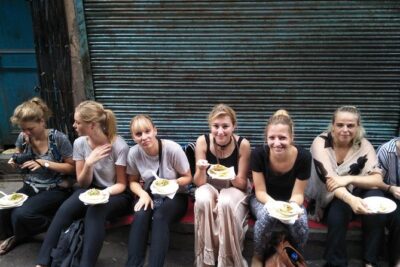
The Great Indian Food Tour: Old Delhi Food and Heritage Walk
Read our review →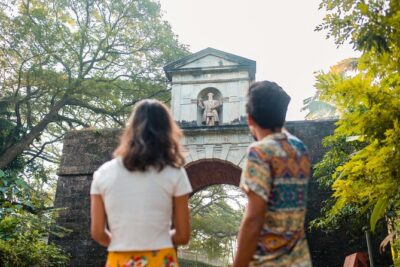

Old Delhi Food, Heritage&Cultural Walk with Rickshaw ride to Masterji Kee Haveli
Read our review →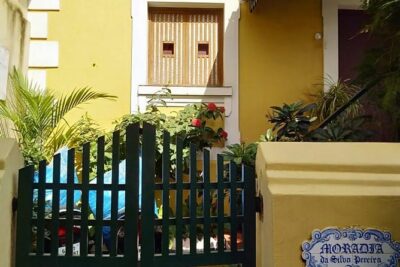
Fontainhas Heritage Walk At Latin Quarters of Goa
Read our review →
Blue City Heritage Private Walking Tour With Pickup and Drop-Off
Read our review →
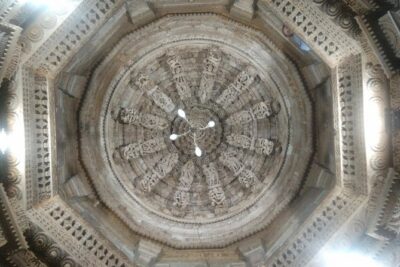
Private Heritage Walking Tour in Jaisalmer Fort and Old Bazaar
Read our review →Browse the lists this tour appears in