
Reviewed · WALKING TOURS
Panjim: Guided Walk Tour of Portuguese-Influenced Goa
Panjim can feel like a time machine when you walk. This 2-hour Portuguese-influenced Goa walk pairs Fontainhas Latin Quarter color with clear, human stories about the Indo-Portuguese era. I really liked the way the guide uses infotainment so the history stays interesting, even if you are not a museum person.
The second thing I liked was the hands-on route, you are moving through real streets, not just looking from a distance, with stops like the white Immaculate Conception Church and the viewpoint over Panjim. One thing to consider is the climb around Altinho Hill, so bring comfortable shoes and be ready for uphill steps.
In This Review
- Key Things You’ll Notice on This Panjim Walk
- Starting at Panjim Church, Then Warming Up with Real Street Life
- Altinho Hill and the Archbishop’s Palace Area: Where the City Starts Climbing
- Old High Court and Colonial-Era Buildings: History You Can Walk Past
- A Quick Art Gallery Stop, Then the Route Gets More Social
- Fontainhas Latin Quarter: The Color Part That Makes You Forget the Time
- Chief Minister’s Residence Exteriors: A Look at Power Without the Boredom
- Maruti Temple, Altinho: Ending with a Quiet View Over Panjim
- How the Guide Changes the Experience (Joaquim’s Storytelling Touch)
- Price and Value: What You Get for About $14
- What to Bring, What to Expect, and Who This Tour Fits Best
- Should You Book This Panjim Portuguese Walk?
Key Things You’ll Notice on This Panjim Walk
- Portuguese-era clues in everyday buildings, not just big monuments
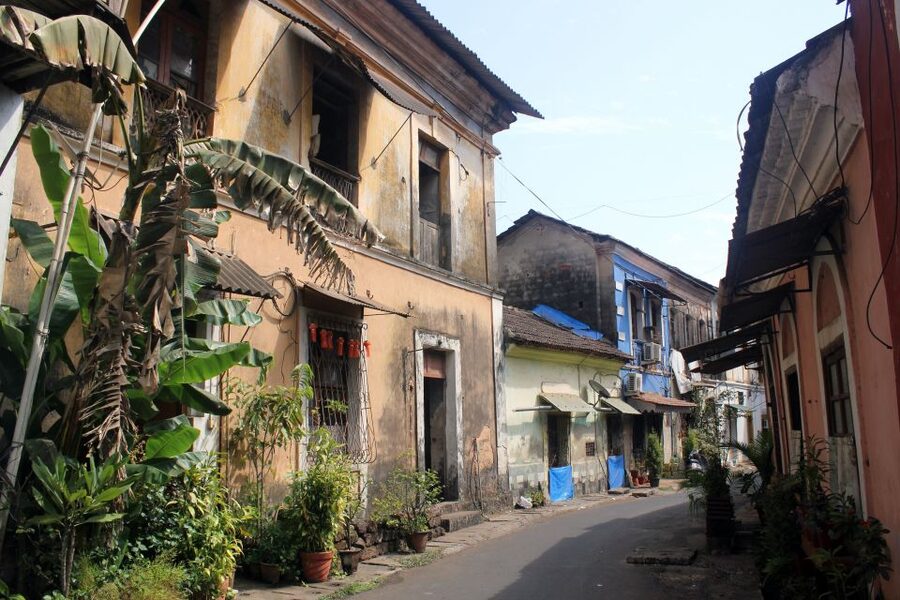
- Fontainhas Latin Quarter lanes and cafés, great for photos and people-watching
- Indo-Portuguese heritage homes and city landmarks you can actually point at and understand
- A slower pace with stops that explain what you are seeing, so it feels like a guided conversation
- Smart local tips from your guide, including money-saving ideas for exploring on your own
- A short café stop with food tasting, a nice break in the middle of the walk
Starting at Panjim Church, Then Warming Up with Real Street Life
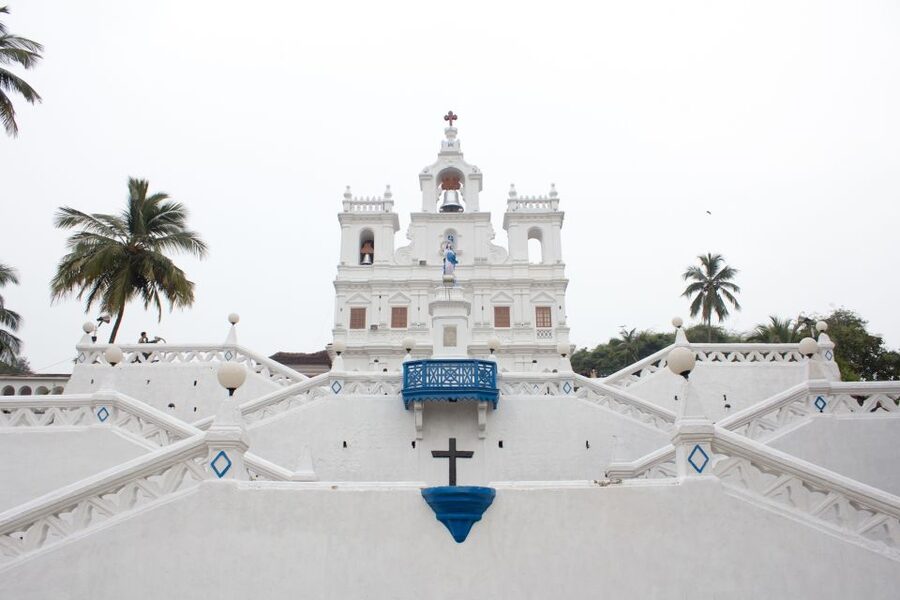
Meet your guide at the staircase of Panjim Church, at 165, Avenida Teófilo Braga, and plan to arrive about 10 minutes early. This is a good start point because the church sets the tone fast. You get the religious landmark first, then you move into the mixed cultural streets that shaped old Goa.
From there, you begin with a short walk that helps everyone settle in before the route starts building toward the more interesting heritage pockets. If you are coming in straight from a busy day, this start helps you get your bearings fast.
One practical note: wear comfortable shoes. Even though it is only 2 hours, you are on foot the whole time, and the route includes uphill sections later.
More Walking Tours in Goa
- Fontainhas Heritage Walk by Make It Happen
★ 5.0 · 2,834 reviews - Old Goa Heritage Walk by Make It Happen
★ 5.0 · 797 reviews - Fontainhas Heritage Walk At Latin Quarters of Goa
★ 5.0 · 531 reviews
Altinho Hill and the Archbishop’s Palace Area: Where the City Starts Climbing
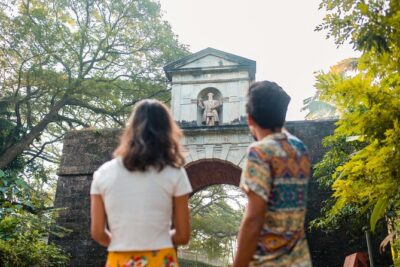
After the early streets, you head toward Altinho Hill, a stepped area that pushes you upward. The payoff is that the view and the change in streets makes the Portuguese-era story feel more grounded. You are not just hearing about influence, you are watching how geography shaped where people built and lived.
On this segment, you walk uphill toward the Archbishop’s Palace area. The architecture and the way the streets rise give you that “okay, this was meant to be seen” feeling. It also helps explain why many heritage structures in Panjim are tied to power, religion, and public life.
If you are traveling with someone who gets tired on stairs, this is where I would slow your expectations. You can still enjoy the tour, but treat this portion like the physical highlight, not a quick stroll.
Old High Court and Colonial-Era Buildings: History You Can Walk Past
Next comes a stop in the old high court area, with one of India’s oldest high courts and colonial-era buildings nearby. This is the kind of heritage you often miss because it does not look like a typical tourist attraction. But on this walk, the guide helps you connect the architecture to what institutions did during the Portuguese and colonial periods.
I love this part because it turns “old building” into “specific function.” You start noticing details that you would otherwise gloss over, like how facades, entrances, and street layout suggest how authority and administration were organized.
One small drawback: if you prefer your history purely visual, some of the explanation may be slightly more verbal than you expect. A good head space helps, and it is worth it.
A Quick Art Gallery Stop, Then the Route Gets More Social
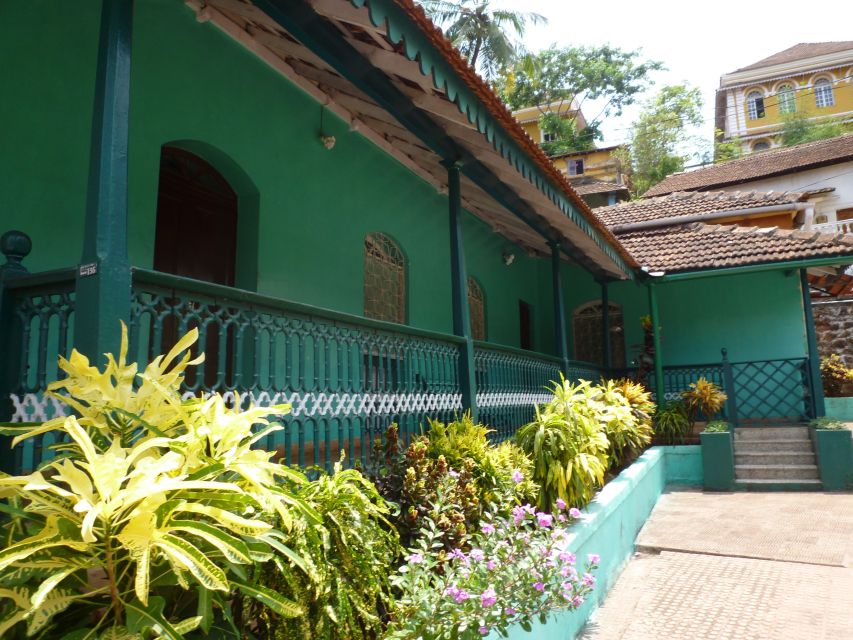
There is a modest art gallery stop on the way. It is not a long detour, but it adds a fresh angle. Instead of only focusing on churches and official buildings, you also see local and European-influenced artwork that reflects how cultural contact played out beyond architecture.
Then you transition from “heritage objects” into the lived-in neighborhoods. This is where you start feeling like you are walking with someone who knows the city rhythm, not just reading dates off a sign.
A few more Goa days to compare
- Panaji: Heritage Walk through Goa’s Latin Quarter
★ 4.8 · 291 reviews - Food And Drink Walking Tour In Panjim
★ 5.0 · 286 reviews - The Cultural And Historical Walking Tour in Margao
★ 5.0 · 280 reviews - Private Aguada Jail Heritage Walk Tour
★ 5.0 · 102 reviews
Fontainhas Latin Quarter: The Color Part That Makes You Forget the Time
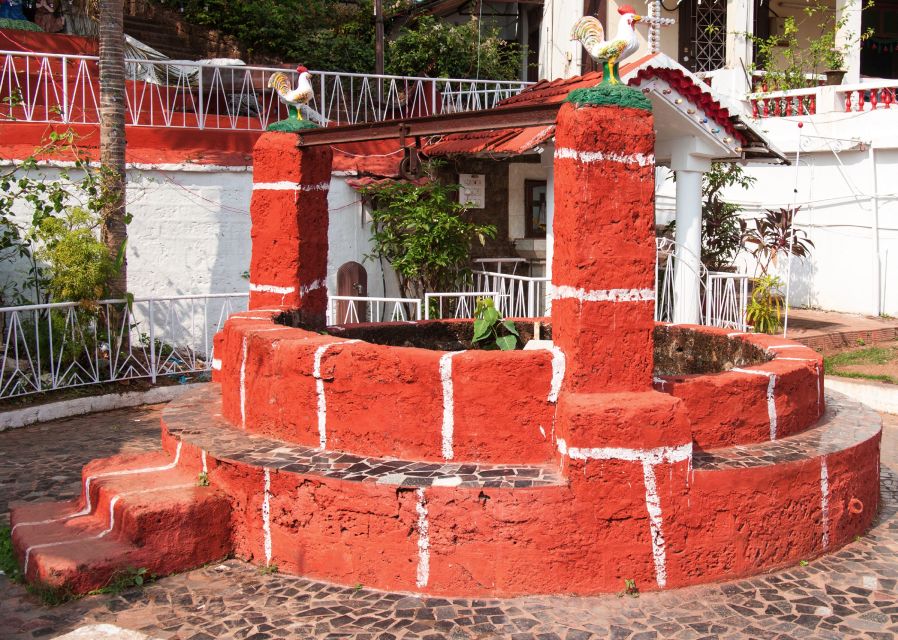
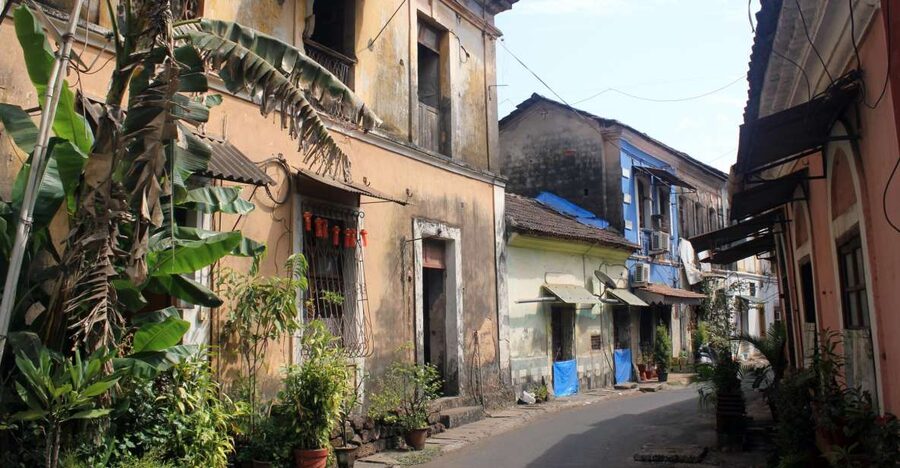
Fontainhas is the headline moment, and you do not just pass through it like a hallway. You spend focused time here exploring colorful houses, cafés, and the heritage lanes that make this area feel like a living postcard.
This is the stop where the tour really earns its reputation. The lanes are narrow, the buildings have character, and the small details add up. You’ll find yourself pausing often, not because the guide is forcing it, but because the street scenes are naturally “look closer” places.
If you like photos, this is where you will take the most. But even if you do not, you still get something valuable: you get to see how ordinary daily life fits around historic structures. Old Goa is not only about monuments, it is also about people walking to cafés and sharing streets.
Chief Minister’s Residence Exteriors: A Look at Power Without the Boredom
Later, you pass by the official Chief Minister’s residence, at least on the exterior. This stop is less about entering and more about understanding how official presence sits in the city fabric.
I liked this because it shows you another layer of Panjim. You are not only tracking Portuguese-era heritage, you are also seeing how government and modern authority share space with older structures and neighborhood life.
It is also a nice “breather” stop. After the excitement of Fontainhas lanes, this gives you a different kind of perspective.
Maruti Temple, Altinho: Ending with a Quiet View Over Panjim
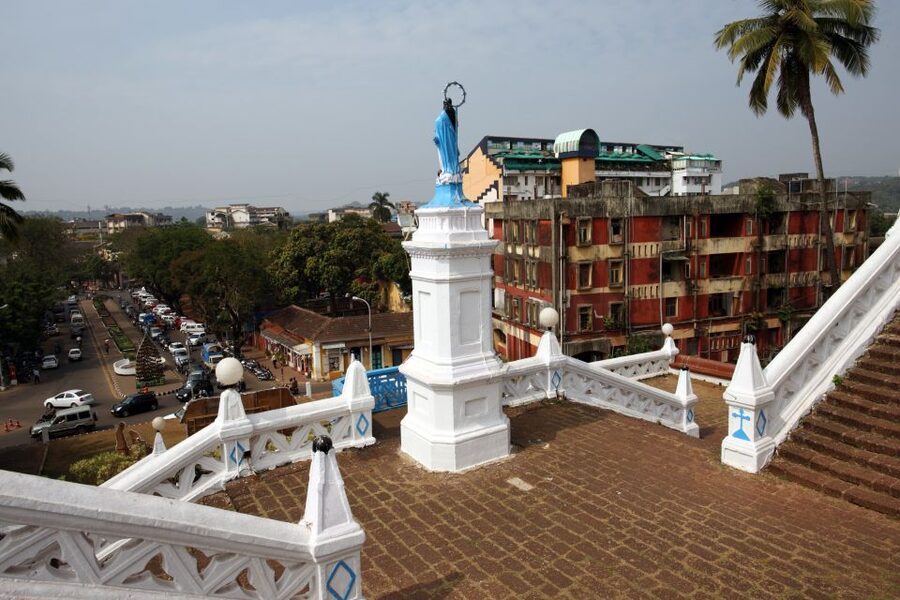
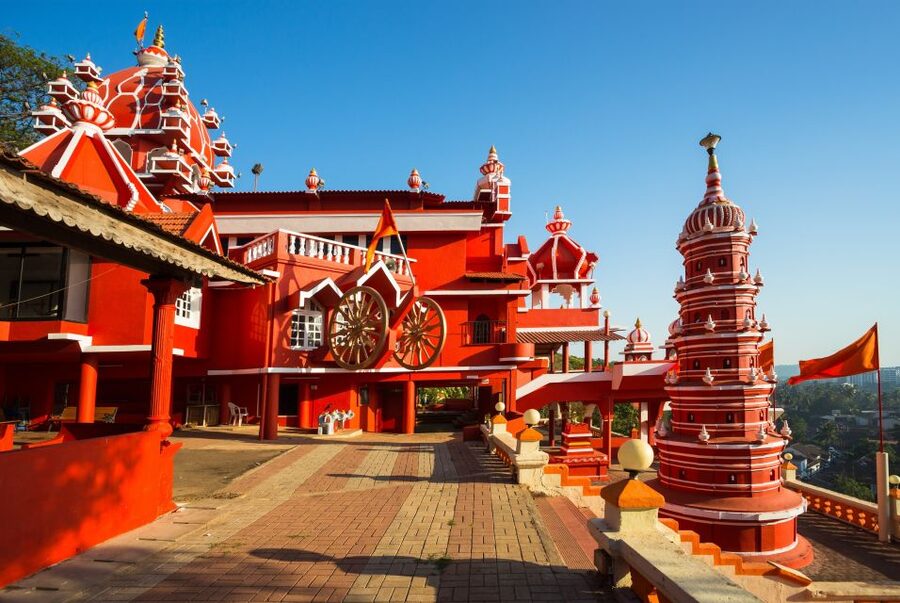
The walk finishes at Maruti Temple in Altinho. After time among colonial and Portuguese-influenced buildings, ending with a Hindu temple changes the tone in a good way. It brings the story back to the broader Goan cultural mix.
The final stretch includes the temple setting and the sense of calm that comes with looking down over Panjim. There is also a viewpoint moment earlier in the tour, which helps you connect all the stops in your mind: church, hill, historic buildings, colorful neighborhoods, and then the city view.
If you are the type who likes your tours to end with a payoff photo or a calm moment, this ending works well.
How the Guide Changes the Experience (Joaquim’s Storytelling Touch)
The biggest differentiator here is the guide. You get a highly trained, friendly storyteller who can speak English and Hindi, and the style is built to keep you engaged. I particularly appreciate the way guides like Joaquim bring in context that feels practical, not textbook.
In the guide’s approach, Portuguese influence is not only about buildings. It becomes a way to understand European history alongside local culture, and it makes the city feel connected instead of random.
One thing to note from feedback: if you have trouble hearing, pick a spot where you are close to the guide during explanation moments. Some guides speak a bit quietly, and being near them makes everything smoother.
Price and Value: What You Get for About $14
At around $14 per person for a 2-hour guided walk, this is strong value if you want more than a casual stroll. You are paying for three things that add up: a guided route through heritage neighborhoods, access to hidden lanes and heritage points, and local recommendations that can save you money after the tour.
You also get that short “break” moment with a food tasting at a local café. You are not buying a full meal here, but it is a useful way to keep energy up without turning the tour into a food tour.
What you should mentally budget separately is water and any drinks, since those are not included. And you will provide your own transportation to and from the meeting point, because there is no hotel pickup.
What to Bring, What to Expect, and Who This Tour Fits Best
Bring comfortable shoes and comfortable clothes. The route includes uphill sections at Altinho Hill, and the walking is the main activity. Also, share an active WhatsApp number for coordination, which makes meeting up easier.
You’ll mostly be standing and walking through city blocks and looking closely at architecture and street scenes. It is not a “sit in air conditioning and watch a show” kind of tour. If you like walking, good stories, and seeing heritage up close, you’ll enjoy it.
This tour fits best if you:
- want a quick but meaningful heritage route in Panjim
- like Portuguese-influenced architecture and Indo-Portuguese culture
- enjoy guides who tell stories with energy, not just dates
- prefer exploring on foot rather than hopping by car
Should You Book This Panjim Portuguese Walk?
If your ideal Goa day is half heritage and half street atmosphere, I would book this. The route hits the big emotional beats, Panjim Church, uphill Altinho, classic colonial-era sights, and then Fontainhas Latin Quarter, where the color and local life do most of the work for you.
Skip it only if stairs are a real problem for you, because Altinho Hill includes uphill sections. Also skip if you are not in the mood for guided explanation. This tour is designed around a storyteller, so it works best when you are ready to listen while you walk.
If you do book, plan to take your time at Fontainhas. That is where the tour turns from information into memories you will actually remember.
Recently added around Goa
- CULTURAL & HISTORIC DAY TOUR ATTRACTIONS – Churches, Temples & Spice Plantation★ 4.5 · 53 reviews
- Old Goa Heritage & Culture E-Bike Tour★ 4.5 · 46 reviews
- Private Aguada Jail Heritage Walk Tour★ 5.0 · 102 reviews
- Aguada Hill Cycling Tour from Nerul★ 4.5 · 13 reviews
- 4-Day Private Golden Triangle Tour: Delhi, Agra, and Jaipur★ 5.0 · 7 reviews
- Day Trip to Mollem National Park Including Dudhsagar Falls and Jeep Safari from Goa★ 4.5 · 12 reviews
- From Goa – Overnight Taj Mahal Agra Private Tour by Return Flights★ 5.0 · 12 reviews
- Panaji: Sunset Boat Party with Bollywood DJ and Dance Shows★ 3.6 · 7 reviews
Walking Tours, compared.

The Great Indian Food Tour: Old Delhi Food and Heritage Walk
Read our review →



Old Delhi Food, Heritage&Cultural Walk with Rickshaw ride to Masterji Kee Haveli
Read our review →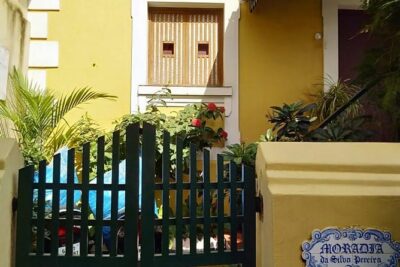
Fontainhas Heritage Walk At Latin Quarters of Goa
Read our review →Browse the lists this tour appears in