
Reviewed · HERITAGE WALKS
Old Goa: Saga Of Saints, Spices & Sovereigns | Heritage Walk
Old Goa changes when you hear it explained. This 2-hour heritage walk brings saints, spices, and sovereigns to life through on-site storytelling, with expert local guides.
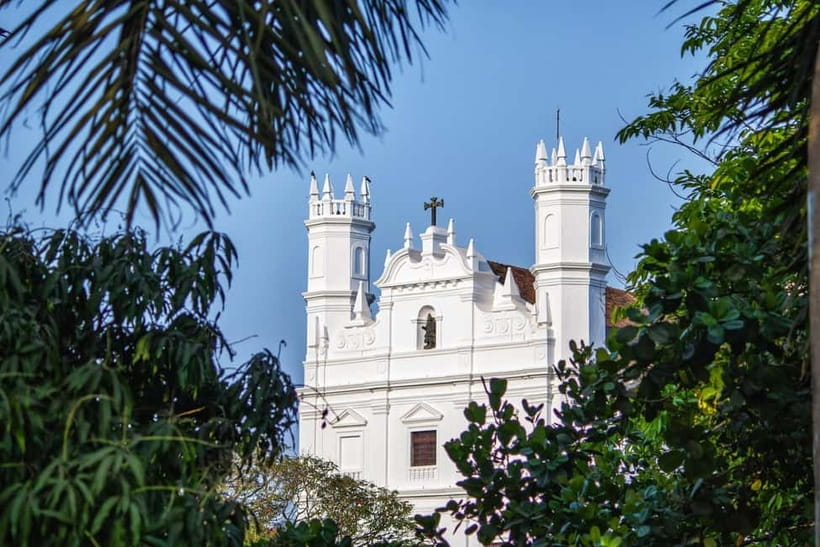
What I like most is the way the tour uses Old Goa’s churches and convents as a living classroom, then slows down just enough for you to really see the details.
You’ll move between iconic religious buildings and quieter monastic remnants, including the Rosary Church and the Augustinian ruins. One thing to consider: there’s a strict dress code at religious sites, plus the price doesn’t include transport to and from the meeting point.
The finish is practical and pleasant, a refreshing local drink to reset after the walking. Guides also tend to build in calmer pauses in shadier spots so listening stays comfortable, not exhausting.
In This Review
- Key highlights worth marking on your map
- Old Goa’s story, paced for real walking (2 hours that make sense)
- Meeting at Santa Monica Convent: get oriented fast
- Portuguese churches and convents, with the sacred art actually explained
- Rosary Church and the monastic stories you would miss otherwise
- Augustinian monastery ruins: when power and faith leave traces
- Oldest nunnery of Asia, convent life, and why it matters
- Trade routes, spices, and missionary expeditions: the big story behind the stones
- The guide makes it work: careful English, strong storytelling, clear answers
- Price and value: $9 buys entry plus the meaning
- Practical tips: dress code, what to bring, and what to plan around
- Who should book this Old Goa Heritage Walk
- Should you book it?
- FAQ
- How long is the Old Goa heritage walk?
- Where do we meet for the tour?
- What does the $9 per person price include?
- Do I need to arrange transportation to and from Old Goa?
- What should I bring?
- Is there a dress code?
- Is there free cancellation?
Key highlights worth marking on your map
- Santa Monica Convent start: A clear meeting point at Old Goa, before you step into the older layers of Portuguese influence.
- Rosary Church stops: You get stories tied to sacred places, not just quick photo moments.
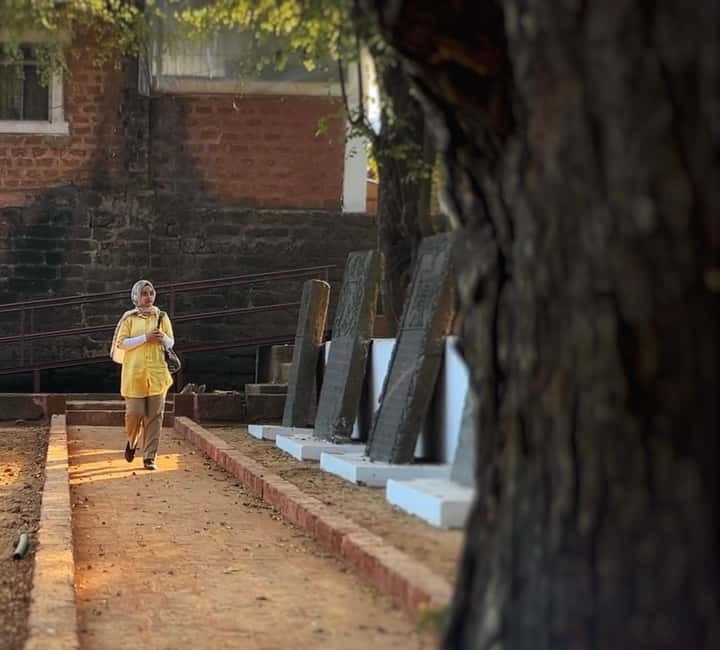
- Augustinian monastery ruins: Learn how belief, power, and daily life left traces in stone and overgrowth.
- Indo-Portuguese craftsmanship: You’ll be coached on how to read sacred art and architectural styles.
- Spices, ships, and missionary expeditions: You connect Goa’s trade routes to the arrival and spread of religion.
- Local drink finale: A simple but satisfying end after two focused hours.
Old Goa’s story, paced for real walking (2 hours that make sense)
At $9 per person for a 2-hour walk, this is the kind of activity you do when you want meaning, not just movement. The time matters because Old Goa’s monuments can feel overwhelming if you’re wandering alone, especially when you land in places with heavy symbolism. Here, you get a guided thread that ties churches, ruins, and monastic sites together.
The small duration is also a plus for families and first-time visitors. You can fit it alongside beach time or dinner without planning a full day around paperwork, crowds, and backtracking.
More Heritage Walks in Goa
- Fontainhas Heritage Walk by Make It Happen
★ 5.0 · 2,834 reviews - Old Goa Heritage Walk by Make It Happen
★ 5.0 · 797 reviews - Fontainhas Heritage Walk At Latin Quarters of Goa
★ 5.0 · 531 reviews
Meeting at Santa Monica Convent: get oriented fast
Your day starts at the entrance or parking area in front of the main entrance to Santa Monica Convent in Old Goa. If you’ve ever shown up to a sightseeing tour and spent 20 minutes hunting for a group, you’ll appreciate how direct this is.
From the start, the tour’s tone is practical: you’re not only looking at stone and arches, you’re learning how to connect what you see with what happened here. That’s where many heritage walks fail, because they list places instead of explaining why those places mattered.
Portuguese churches and convents, with the sacred art actually explained
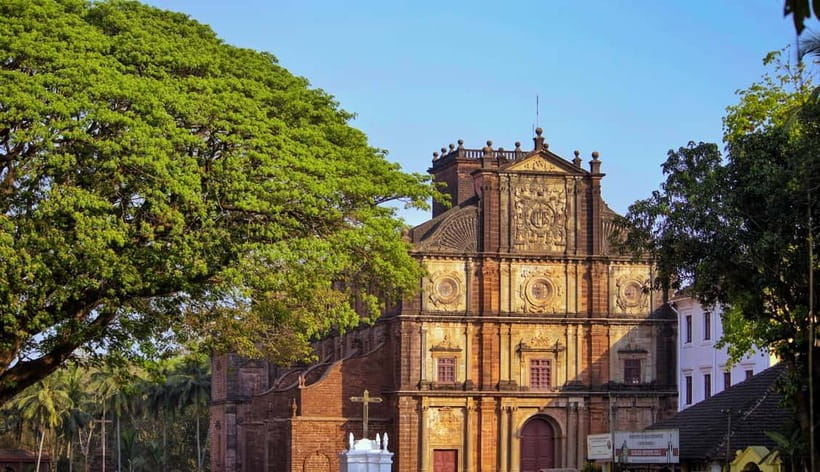
Old Goa’s best monuments often share the same problem for independent visitors: you can admire them, but the meaning stays fuzzy. This tour helps you read what’s in front of you, especially the sacred art and the Indo-Portuguese look you’ll see across religious buildings.
You can expect stops at grand churches and convent sites around Old Goa, plus the ruined parts of the story. The guide helps you interpret the architecture and the symbolism tied to religious belief, including how the Portuguese era changed the built environment.
A big strength here is that the guide doesn’t treat faith as a museum object. The storytelling links religious life to politics and social realities of the time, which makes the monuments feel less like background scenery.
Rosary Church and the monastic stories you would miss otherwise
One of the most interesting parts is getting specific about lesser-known sites. You’ll visit places like the Rosary Church, where the point is not only to see the building, but to hear the layers attached to it.
This walk leans into forgotten corners of monastic life, including hidden or quieter religious spaces that you might otherwise overlook while chasing the most famous facades. You’ll also hear local lore and beliefs connected to these sites, which gives you a sense of what the buildings meant to the people who lived with them daily.
If you enjoy stories that connect art, religion, and everyday life, this is a highlight. You’ll often feel the tour turning from sightseeing into interpretation, the moment you understand why a detail is there.
More History Tours in Goa
- Panaji: Heritage Walk through Goa’s Latin Quarter
★ 4.8 · 291 reviews - The Cultural And Historical Walking Tour in Margao
★ 5.0 · 280 reviews - Heritage Houses of Goa-Chandor by Soul Travelling
★ 5.0 · 199 reviews - Candolim: Heritage Walk of Fort Aguada Port and Jail Complex
★ 4.9 · 25 reviews
Augustinian monastery ruins: when power and faith leave traces
Old Goa contains dramatic evidence of how quickly a city can change. The walk includes the ruins of the Augustinian monastery, and you’ll hear how those remains fit into the broader Portuguese missionary period.
Ruins are tricky for guides. They can easily become a list of dates or a quick stop for photos. Here, the focus is on what the ruins communicate: the way sacred life was organized, the kinds of religious influence that took root, and how the past can still shape the present.
One review point that helps you understand the tone: you’ll hear the arc from early Portuguese church building in the early 16th century to the later abandonment of Old Goa in the early 19th century. That timeline helps the ruins feel less random and more like chapter endings.
Oldest nunnery of Asia, convent life, and why it matters
You’ll also learn about the oldest nunnery of Asia through the convent sites on the route. Even if you have a general sense of colonial Goa, this kind of detail changes how you see the architecture.
Convent buildings weren’t only religious spaces. They were social institutions, places with schedules, rules, education, and identity. When you hear about that context, the walls and courtyards start to read like records of lived experience instead of just old structures.
If you care about the human side of history, this angle is one of the reasons the tour earns such strong marks. The guide keeps pulling the focus back to people, not just empires.
Trade routes, spices, and missionary expeditions: the big story behind the stones
Goa’s churches are never only about churches. This tour connects the religious layer to the economic and political layers, including how spices and shipping shaped the city’s importance.
You’ll hear how colonial history connects to trade routes and missionary expeditions, so the Portuguese presence feels like a system rather than a random change of architecture. That matters, because it answers the common question you probably have while walking around: why would such monumental buildings appear here?
The tour also uses medieval maps as part of the storytelling. Even if maps aren’t shown in detail throughout, you’ll get the sense of how people of the time saw the geography and the routes. That’s a smart touch, because Goa’s identity was global long before modern tourism.
The guide makes it work: careful English, strong storytelling, clear answers
The best part of this experience is the guide. Multiple bookings highlight the same pattern: deep local knowledge delivered in clear English, with careful pacing that keeps you engaged without turning into a lecture.
Guides you may encounter include Amreen, who comes up again and again for being a local historian, and at least one booking mentions Gaurish as well. Across these guides, the common thread is the way they connect architecture to story and story to meaning.
I also like the way these guides handle questions. You’re not left guessing, and you’re not shut down if you want more detail. That makes the walk feel like an exchange, not a one-way explanation.
Another practical win: one review specifically noted the guide choosing shadier spots to sit while listening. That’s not “extra,” it’s part of good guiding. When the sun is strong, it helps you stay present and actually hear what you came for.
Price and value: $9 buys entry plus the meaning
Let’s talk value honestly. At $9 per person for a 2-hour walk, the biggest value is that the tour includes entry to the churches that are part of the walk and wraps it into expert storytelling.
You’re also getting:
- explanations of sacred art and architectural styles
- lesser-known historical facts and local lores
- a concluding refreshment drink
So you are paying for interpretation, not only access. If you were doing Old Goa on your own, you’d still need to figure out what to see and how to understand it. This gives you a guided framework without the usual big-tour overhead.
The only cost-side caution is that you still need to handle transport to and from the meeting point on your own.
Practical tips: dress code, what to bring, and what to plan around
Because this is built around active religious sites, the dress code matters. Clothing not allowed includes shorts, short skirts, sleeveless shirts, ripped clothing, and see-through clothes. Even if Goa feels relaxed, the churches are not a free-for-all.
Bring:
- comfortable shoes
- a hat
- sunscreen
- water
That list is simple, but it’s exactly what helps you enjoy the tour instead of bracing for heat. Also, the walk is 2 hours, which is enough time to need real footing and hydration, even if it’s not a strenuous hike.
One more note you should take seriously: the information provided says the tour is not suitable for people with mobility impairments and people with heart problems. At the same time, it also lists wheelchair accessibility. If you are managing mobility needs, it’s worth checking with the operator directly so you don’t assume the details match your situation.
Who should book this Old Goa Heritage Walk
Book it if you want Old Goa to feel understandable fast. This fits especially well for:
- first-timers who want the big picture, saints to Portuguese era changes
- people who care about architecture and want sacred art decoded in plain language
- history-minded travelers who like trade and religion tied together
- anyone who prefers guided storytelling over wandering with a phone and guesses
Skip it, or at least think twice, if:
- you need a very low-walking experience
- you can’t follow the clothing rules at religious sites
- you have heart-related limitations and want an ultra-calm activity (the info provided flags this)
Should you book it?
I think this is a strong choice if your goal is to leave Old Goa with a clearer story. The price is low for what’s included, and the guide-led focus on sacred art, monastic sites, and colonial-era context is the difference between seeing buildings and understanding them.
If you enjoy meaningful walking tours where you come away with names, timelines, and reasons, you’ll likely feel satisfied after the two hours. Just show up ready for the sun, follow the dress code, and plan your own way to the Santa Monica Convent meeting point.
FAQ
How long is the Old Goa heritage walk?
It lasts 2 hours.
Where do we meet for the tour?
You meet at the entrance or parking area in front of the main entrance to Santa Monica Convent at Old Goa.
What does the $9 per person price include?
It includes entry to churches part of the curated walk, immersive storytelling by an expert local, lesser-known historical facts, local lores and beliefs, decoding of sacred art and architectural styles, and a refreshment drink at the end.
Do I need to arrange transportation to and from Old Goa?
Transport to and from the meeting point is not included, so you will need to arrange your own way.
What should I bring?
Bring comfortable shoes, a hat, sunscreen, and water.
Is there a dress code?
Yes. Shorts, short skirts, sleeveless shirts, ripped clothing, and see-through clothing are not allowed.
Is there free cancellation?
Yes. Free cancellation is available up to 24 hours in advance for a full refund.
More Historical Tours in Goa
- The Great Indian Food Tour: Old Delhi Food and Heritage Walk
★ 5.0 · 1,698 reviews - Old Delhi Food, Heritage&Cultural Walk with Rickshaw ride to Masterji Kee Haveli
★ 5.0 · 742 reviews - Blue City Heritage Private Walking Tour With Pickup and Drop-Off
★ 5.0 · 441 reviews - Kolkata Heritage Tram Tour
★ 4.0 · 395 reviews
More Walking Tours in Goa
- Food And Drink Walking Tour In Panjim
★ 5.0 · 286 reviews
Recently added around Goa
- Panaji: Dinner Cruise in Goa with Hotel Transfer and 2 Beers★ 4.1 · 13 reviews
- North Goa: Sightseeing Tour Sharing Coach★ 3.0 · 17 reviews
- Goa: Triple Deck Family Dinner Cruise and Performances★ 3.4 · 11 reviews
- Goa Shore excursions : All inclusive Small Group tour★ 3.7 · 27 reviews
- Goa Street Food Crawl: Authentic Food Tasting Experience★ 3.7 · 29 reviews
- Goa: Dinner Cruise Party with Hotel Transfer Option★ 3.2 · 15 reviews
- Goa: Old Goa and Divar Island E-Bike Tour with Snacks★ 4.7 · 25 reviews
- Goa Shore Excursions: Highlights of Goa★ 4.9 · 29 reviews
Heritage Walks, compared.


The Great Indian Food Tour: Old Delhi Food and Heritage Walk
Read our review →

Fontainhas Heritage Walk At Latin Quarters of Goa
Read our review →
Private Heritage Walking Tour in Jaisalmer Fort and Old Bazaar
Read our review →
Panaji: Heritage Walk through Goa’s Latin Quarter
Read our review →

Browse the lists this tour appears in