

Reviewed · HERITAGE WALKS
Mumbai heritage walk- Story of Gothic and Art Deco buildings
Mumbai buildings tell a story, if you listen. This walk turns the Gothic and Art Deco streets around Fort into a clear narrative of how the city grew into a major trading hub, one facade at a time. I like that you get context, not just photos, plus a guide who keeps the pace friendly for questions.
I also really like the small group format, capped at 15 people, which makes it feel personal instead of rushed. With Pankaj leading, the stories tend to stick, and snacks are built into the experience. One thing to keep in mind, though: many stops are mainly exterior looks, so it is more visual architecture time than full museum time.
In This Review
- Key highlights you should care about
- Reading Mumbai’s architecture like a map
- Price and what you get for $35
- Route basics: where you start, where you finish
- Stop 1: Chhatrapati Shivaji Maharaj Terminus (CST), Victorian Gothic with Indian themes
- Stop 2: Eros Cinema, Art Deco that looks like a wedding cake
- Stop 3: Empress Court, Art Deco living as status
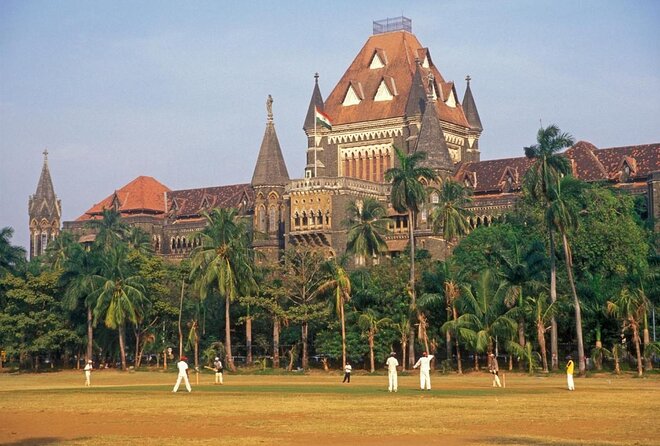
- Stop 4: Bombay High Court, Gothic drama with Justice and Mercy on top
- Stop 5: Rajabai Clock Tower, Mumbai’s own version of Big Ben
- Stop 6: David Sassoon Library and Reading Room, Gothic built for learning
- Stop 7: Elphinstone College, Gothic education with famous alumni
- Stop 8: Prince of Wales Museum building, finishing with a heritage anchor
- Small group touring: why 15 people changes the feel
- Weather and comfort notes before you book
- Who should book this heritage walk?
- Should you book this Mumbai Gothic and Art Deco walk?
- FAQ
- How long is the Mumbai heritage walk?
- What does the tour cost?
- How large is the group?
- Is a mobile ticket used?
- Are snacks included?
- Which stops include admission tickets?
- What are the main landmarks on the route?
- Where does the tour start and end?
- Can I cancel for a full refund?
Key highlights you should care about
- UNESCO-listed Chhatrapati Shivaji Maharaj Terminus (CST), including entry, and worth your attention for the Victorian Gothic Revival details
- Art Deco by design, from the tiered look of Eros Cinema to the status symbolism of Empress Court
- Big, readable landmarks, like the Bombay High Court statues of Justice and Mercy and Rajabai’s “Big Ben” style clock
- David Sassoon Library viewing from the lobby, if entry is limited, you still get the main impact
- A tight 3-hour route ending at the Prince of Wales Museum building, so you can pair it with other Fort sights
Reading Mumbai’s architecture like a map
Mumbai’s Fort area can feel like a blur if you are just walking and snapping pics. This heritage walk helps you slow down and “read” buildings the way architects intended. You start to notice patterns, materials, and symbolism, and then the city’s development stops being abstract.
The best part is that Gothic and Art Deco do not get treated like random styles. You see why these designs showed up in Mumbai, and how they fit a city built around trade, ambition, and global connections. Even if you are not an architecture nerd, you will come away with a sharper eye.
And because the group is limited to 15, the guide can answer follow-up questions instead of herding everyone past the curb like a conveyor belt.
More Heritage Walks in Mumbai
- Best South Mumbai Heritage Walk
★ 5.0 · 122 reviews - Heritage Walk: Recommended by Gigi Hadid as a must-do in Mumbai
★ 5.0 · 122 reviews - Mumbai: South Mumbai Heritage Walking Guided Tour
★ 4.5 · 69 reviews
Price and what you get for $35
At $35 per person for about 3 hours, this is solid value if you care about stories and structure. You are paying for a guided route through major landmarks plus little extras that keep the walk enjoyable, including snacks during the tour.
The big value point is that the route includes admission to CST, and the stop at the Chhatrapati Shivaji Maharaj Vastu Sangrahalaya is part of the ending experience. At the same time, many other sites are viewed from outside or from permitted spaces, so the cost is kept reasonable.
If you want maximum interior time at every building, you might feel the limits, since several stops do not include admission. If you want to understand the city quickly and effectively, it is a good deal.
Route basics: where you start, where you finish
The walk begins at Chhatrapati Shivaji Maharaj Terminus area in Fort and ends at the Chhatrapati Shivaji Maharaj Vastu Sangrahalaya (the Prince of Wales Museum building) on Mahatma Gandhi Road, Lion Gate.
It is near public transportation, which matters in a city where travel time can change fast. Also, the format is designed for a smooth walking loop, so you do not have to build your own route across different pockets of Fort.
Aim for comfortable shoes. It is a walking heritage tour, and the time adds up across several stops.
Stop 1: Chhatrapati Shivaji Maharaj Terminus (CST), Victorian Gothic with Indian themes
CST is the anchor stop, and it is easy to see why. It is UNESCO-listed and often described as one of the strongest examples of Victorian Gothic Revival architecture in India. More importantly, it is not just “Gothic for Gothic’s sake.”
What makes CST special in this tour context is the way the Gothic design language is blended with themes drawn from Indian traditions. As you look at the structure, you get a sense of Mumbai’s outward gaze, while still seeing local identity baked into the details.
Because CST admission is included here, you can spend time inside rather than only photographing the exterior. That is a real value boost compared to many architecture walks that never go beyond the curb.
Practical tip: take your time with the building first, then let the guide’s explanation shape what you notice. The stories make the details easier to see.
More History Tours in Mumbai
- Hill-station & Heritage: Lonavala & Karla Caves Tour from Mumbai
★ 5.0 · 60 reviews - South Mumbai: Cultural Heritage Walking Tour
★ 4.8 · 45 reviews - Kanheri Caves Heritage Tour
★ 5.0 · 45 reviews - Mumbai Private Cultural Tour with Lunch and Transport
★ 5.0 · 44 reviews
Stop 2: Eros Cinema, Art Deco that looks like a wedding cake

Next up is Eros Cinema, viewed from outside. It is an Art Deco cinema hall with a distinctive, tiered rise that feels playful and theatrical. The facade is often compared to a wedding cake, with layers and a semi-circular tower on top.
Art Deco can look “smooth” and generic if you have only seen it in Western cities. Here, it reads as confidence and showmanship. A cinema building is not just a venue. In the early 20th century, it was also a statement about modern life and status.
Drawback to expect: you are looking from the outside, so if you want to sit inside and watch something, this stop will not scratch that itch. Still, the exterior design alone gives you a strong sense of the style.
Stop 3: Empress Court, Art Deco living as status
From Eros Cinema, you walk to Empress Court, another Art Deco building. This stop is also mainly an exterior look, but it is designed to make you think beyond the shape of the facade.
The tour frames these apartments as a symbol of wealth and social standing. That is the key lesson here. Art Deco is not only about geometry. It is also about how people wanted to be seen.
When you look at a residential building through that lens, you notice details differently. You start asking, who lived here, and what did the design communicate to everyone on the street?
Stop 4: Bombay High Court, Gothic drama with Justice and Mercy on top
Next is the Bombay High Court principal bench, again viewed from outside. This building is described as a splendid specimen of Gothic architecture, and the tour encourages you to look up.
A standout detail is the presence of statues of Justice and Mercy on the top of the building. It is the kind of visual reminder that turns architecture into a moral message. In other words, you are not only looking at style. You are seeing the institution trying to project fairness and restraint.
If you like architecture with symbolism, this is a good pause point. If you dislike “looking up” on street-level tours, you might still find it worth it, because it is hard to miss once you know what to search for.
Stop 5: Rajabai Clock Tower, Mumbai’s own version of Big Ben
Time for Rajabai Clock Tower, often compared to Big Ben for its clock presence. This stop includes a story about how the clock was financed, tied to a human reason rather than pure engineering.
The key narrative here is that the financing supported the patron’s visually challenged mother, so she could hear the chimes and keep fasts punctually. It is a surprisingly personal detail that makes the tower feel less like a monument and more like a family story written in stone and timekeeping.
Expect a photo moment here, but also pay attention to the meaning. That is what turns the clock from a skyline detail into a real piece of social history.
Stop 6: David Sassoon Library and Reading Room, Gothic built for learning
Then you reach David Sassoon Library and Reading Room, a Gothic structure linked to David Sassoon, a Jewish banker. The tour is clear about access: you see it from the lobby because only members are allowed inside.
Even without full interior time, the lobby viewing still gives you the main architectural impact. Gothic reading rooms tend to have a certain seriousness, and you can feel that in the structure’s presence.
This stop is also a reminder that Gothic architecture in Mumbai was not only about power buildings like courts. It also shaped spaces for study and knowledge, which helps balance what you saw earlier.
If you are hoping for quiet, long library-style wandering, this is not the stop for that. It is short and purposeful. You get the impression and move on with understanding.
Stop 7: Elphinstone College, Gothic education with famous alumni
At Elphinstone College, you get a quick look at another striking Gothic building. The tour connects it with notable alumni, including Bal Gangadhar Tilak, Dr BR Ambedkar, and Jamshedji Tata.
That alumni list adds weight to the architecture. When you see a learning institution’s building style and then connect it to people who shaped India, the facades feel less like decoration and more like an environment that helped shape careers.
The stop is brief, so be ready to skim the details and focus on the overall structure. This is a “snap to attention” moment, not a slow museum-style viewing.
Stop 8: Prince of Wales Museum building, finishing with a heritage anchor
The tour ends at Chhatrapati Shivaji Maharaj Vastu Sangrahalaya, sometimes called the Prince of Wales Museum. The building itself is described as heritage, and it has a past use connected to a military hospital for children’s welfare exhibitions.
Even with a short final stop, this ending matters because it pulls you back to a bigger theme. Gothic and Art Deco helped define the city’s identity, but heritage institutions helped preserve and present what the city became.
If you still have energy after the walk, this is a great spot to continue exploring on your own. The area around Lion Gate and the museum setting is built for lingering, and you are already positioned at the finish line.
Small group touring: why 15 people changes the feel
A group size of 15 might not sound huge, but it changes how the guide works. In practice, it means you can ask questions mid-walk, not only at the end. It also means the route flows without constant regrouping.
For you, that typically means better pacing and more chances to actually look at details instead of rushing to the next corner.
I also like that snacks are provided. Street-level walking tours can become a low-grade headache if you are hungry. The snack break keeps energy steady so you can focus on the architecture.
Weather and comfort notes before you book
This experience requires good weather, and if it is canceled due to poor weather you should be offered a different date or a full refund. That is worth factoring into your planning if you are visiting during a rain-prone season.
In Mumbai, heat and sun can also be a factor even on “good weather” days. Bring water, wear sunscreen, and plan for some open-air time as you move between stops.
Who should book this heritage walk?
This walk is a great fit if you:
- Love architecture and want a guided way to notice details
- Enjoy history connected to real buildings, not just timelines
- Want a focused Fort route in about 3 hours
- Prefer a small group size that supports questions
It is also a smart choice if you only have a short window in Mumbai and want your bearings fast in the Fort area through landmarks that you can later recognize on your own.
If you are mainly looking for hands-on museum time or you expect every stop to be fully interior, adjust your expectations. Many stops are exterior views or limited access spaces, with CST entry being the major included interior component.
Should you book this Mumbai Gothic and Art Deco walk?
Yes, I would book it if you want a fast, structured way to understand Mumbai’s architectural swing from Victorian Gothic Revival to Art Deco, and you like hearing the stories behind the facades.
It is especially good value because it includes CST admission, runs about 3 hours, keeps the group small at 15, and provides snacks. The route also ends at the Prince of Wales Museum building, which gives you a satisfying close.
Before you go, just decide what kind of experience you want. If your goal is to learn how Mumbai’s growth shows up in buildings, this tour delivers. If your goal is lengthy indoor access at every stop, you might want to pair this with separate museum plans afterward.
FAQ
How long is the Mumbai heritage walk?
It lasts about 3 hours.
What does the tour cost?
The price is $35.00 per person.
How large is the group?
The tour has a maximum of 15 travelers.
Is a mobile ticket used?
Yes, the tour uses a mobile ticket.
Are snacks included?
Yes, snacks are provided during the walk.
Which stops include admission tickets?
Chhatrapati Shivaji Maharaj Terminus (CST) includes an admission ticket. Other listed stops note admission tickets are not included.
What are the main landmarks on the route?
You will cover Chhatrapati Shivaji Maharaj Terminus, Eros Cinema, Empress Court, the Bombay High Court principal bench, Rajabai Clock Tower, David Sassoon Library and Reading Room, Elphinstone College, and the Chhatrapati Shivaji Maharaj Vastu Sangrahalaya building.
Where does the tour start and end?
It starts at Chhatrapati Shivaji Maharaj Terminus area in Fort and ends at Chhatrapati Shivaji Maharaj Vastu Sangrahalaya, 159-161 Mahatma Gandhi Road, Lion Gate, Fort.
Can I cancel for a full refund?
Yes. You can cancel up to 24 hours in advance for a full refund. If you cancel less than 24 hours before the start time, the amount paid is not refunded. The tour also requires good weather, and if it is canceled due to poor weather, you will be offered a different date or a full refund.
More Historical Tours in Mumbai
- Private Mumbai Jewish Heritage Tour: Baghdadi & Bene Israel
★ 5.0 · 36 reviews - Private Elephanta Caves UNESCO World Heritage Site Tour
★ 5.0 · 34 reviews - Jewish Heritage and Mumbai Highlights Private Full-Day Tour
★ 5.0 · 32 reviews - Bombay Fort Heritage Walking Tour
★ 5.0 · 27 reviews
More Walking Tours in Mumbai
- Group Guided Walking Tour in Fort and Colaba
★ 5.0 · 1,073 reviews - Private Guided Walking Tour in Fort & Colaba
★ 5.0 · 895 reviews - Private Guided Walking Tour in Bandra Queen of Suburbs
★ 5.0 · 383 reviews - Private Guided Spiritual Walk in Banganga Hindu Temples
★ 5.0 · 271 reviews
Recently added around Mumbai
- Mumbai Spice Markets and Bazaars Tour with Guide and Transport★ 5.0 · 42 reviews
- Customize private tour with pickup★ 5.0 · 95 reviews
- Private Guided Bandra Half Day City Tour in AC Vehicle★ 5.0 · 72 reviews
- Mumbai 800 Year Worli Village: Talking Goddess, Old Fort & more★ 5.0 · 94 reviews
- Mumbai by Night Guided Tour★ 5.0 · 6 reviews
- Gufran’s Slum Home Tour in the Mumbai Slums★ 5.0 · 19 reviews
- Private Walking Tour in Dharavi Slums★ 5.0 · 7 reviews
- Twilight in Mumbai: Discover the City by Night with Food Options★ 5.0 · 24 reviews
Heritage Walks, compared.

The Great Indian Food Tour: Old Delhi Food and Heritage Walk
Read our review →
Fontainhas Heritage Walk At Latin Quarters of Goa
Read our review →
Private Heritage Walking Tour in Jaisalmer Fort and Old Bazaar
Read our review →
Panaji: Heritage Walk through Goa’s Latin Quarter
Read our review →

Browse the lists this tour appears in