
Reviewed · HISTORICAL TOURS
Jaipur Walking Tour- Explore Old Heritage City With Private Guide
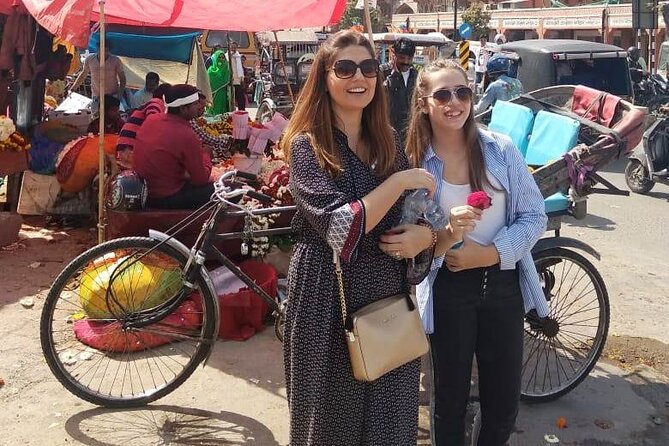
Markets and temples, no taxi required. This private Jaipur walking tour threads together old-world faith spots and real working streets, so you see how locals shop, snack, and craft daily life. I like the private English-speaking guide because you can ask questions and actually connect the dots across markets and monuments.
I also like the food-and-craft rhythm of the route, with a stop at a famous sweets shop plus chances to try local drinks like lassi and tea from stall counters. One thing to plan for: most stops are free, but any entry you choose for Hawa Mahal and Swargasuli Tower, plus street food, is extra.
In This Review
- Key Highlights You Will Feel on This Walk
- Why a Private Walking Tour Works Best in Old Jaipur
- The Starting Point: Kalki Temple to Set the Tone
- Hawa Mahal Viewing: A Quick Icon, Without the Time Sink
- Purohit Ji Ka Katla and Wedding Costume Shopping Street
- Gopal Ji Ka Rasta: Where Mawa Shows Up in Sweets
- Swargasuli Tower Victory Tower View: A Photo Moment With Purpose
- Choti Chopad: Old Temple Corners Plus Silver, Flowers, and Spices
- Bhagat Mishthan Bhandar: Tasting Local Sweets Without Guesswork
- Maniharo Ka Rasta and Tripolia Bazaar Area: Regal Charm in a Shopping Lane
- Thatheron Ki Rasta: The Sound and Skill of Utensil Makers
- Sai Baba Mandir: A Quiet Religious Pause
- Golcha Cinema Finish: Old Hall, Optional Ticketed Inside Visit
- What’s Included, What’s Not, and How to Budget
- Best Time to Go, and Why Sundays Feel Different
- Practical Comfort Tips Before You Set Out
- Should You Book This Jaipur Walking Tour?
- FAQ
- How long is the Jaipur walking tour?
- Is hotel pickup included?
- What does the tour price include?
- Are entry tickets included for all stops?
- What time should I start the tour in Jaipur?
- Is Sunday a good day to take this tour?
Key Highlights You Will Feel on This Walk
- A private guide who keeps the story moving turn by turn through Jaipur’s older lanes
- Temple and monument views with a logical route that avoids long backtracking
- Working craft streets where metal, sweets, and textiles shape the local economy
- Sweets stop at Bhagat Mishthan Bhandar for tasting locally made favorites
- Optional monument entry help (your guide can assist if you want to go inside)
- A classic ending at Golcha Cinema if you want to add a ticketed movie-hall visit
Why a Private Walking Tour Works Best in Old Jaipur

Jaipur’s old city is not laid out for quick photo stops. It’s tight, layered, and full of trade. A walking format makes sense because you can slow down and notice the details that get missed when you just ride past.
This tour runs about 3 to 4 hours, and it is private, so it is tailored to your group. You’ll start around 11:00 AM to 4:00 PM (depending on the day you book), which lines up well with when many shops and markets actually open in the old city. That timing matters, because starting too early can mean closed doors and a lot of empty storefronts.
The guide also helps you move with purpose. Instead of wandering around hungry and confused, you follow a route where each stop explains what you are seeing, from temples to sweet shops to craft lanes.
More History Tours in Jaipur
- Heritage Walk & Street Food Tasting in Jaipur
★ 5.0 · 158 reviews - Private Full-Day Sightseeing Tour of Jaipur’s Heritage by Car
★ 5.0 · 110 reviews - Jaipur Heritage Walk with Rickshaw Ride
★ 5.0 · 105 reviews
The Starting Point: Kalki Temple to Set the Tone
The walk begins at Kalki Temple, and it’s a quick introduction stop. There’s no pressure to linger. It’s more like a reset button, helping you shift from the modern city pace into the religious and cultural flow that dominates the older districts.
Even if you do not consider yourself a temple person, this first stop helps you understand the theme of the day: Jaipur is not only monuments for visitors, it is living streets where belief and commerce sit close together.
Hawa Mahal Viewing: A Quick Icon, Without the Time Sink
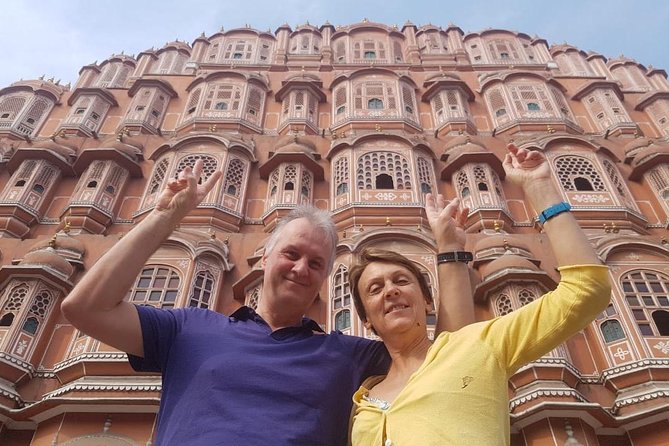
Next you head to Hawa Mahal, the Palace of Wind. You get the chance to appreciate why it became such a symbol for Rajasthan, and why it has inspired so many artists and writers over time.
Here’s the practical part. Most of what you’ll do on this tour keeps things efficient, and for Hawa Mahal specifically, the default is a view from outside. If you want to go inside, your guide can help you skip the line to buy tickets. Just note that entry closes about an hour before sunset, so you do not want to drift through the early part of the walk.
Purohit Ji Ka Katla and Wedding Costume Shopping Street
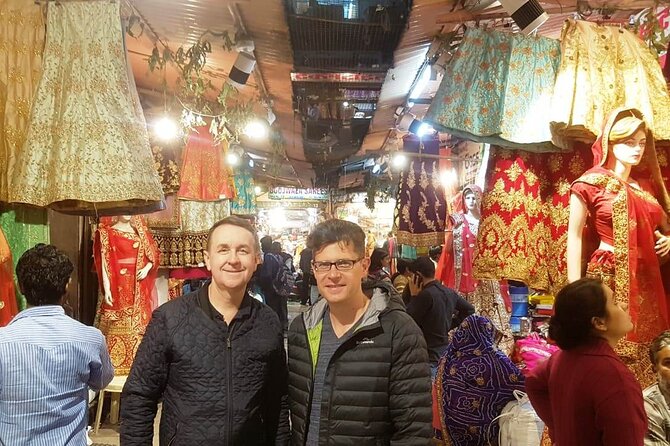
One of the more fun stops is Jai Mata Di Paridhan, connected with Purohit Ji Ka Katla. This is the part of the route that feels like real shopping, not a museum-like display.
You’ll see fabrics, dresses, and sherwanis geared toward weddings and big celebrations. It’s especially interesting if you love clothing details or you want to understand local style beyond what you see in glossy tourist photos. Even if you do not buy anything, looking at the colors and material choices is a lesson in how Jaipur dressing codes work for special events.
There’s also a small consideration here: market entry can feel like it has narrow, uneven access points. The tour is rated for moderate physical fitness, so wear shoes that handle irregular ground.
More Walking Tours in Jaipur
- Jaipur Bazaar & Food Walking Tour
★ 5.0 · 281 reviews - Magical Walk of Jaipur
★ 5.0 · 121 reviews - Cultural Walk and Food Tasting In Jaipur
★ 5.0 · 118 reviews - Jaipur Heritage Evening Walk – The Twilight Magic of Pink City
★ 5.0 · 93 reviews
Gopal Ji Ka Rasta: Where Mawa Shows Up in Sweets
At Gopal Ji Ka Rasta, the focus is on a food ingredient that powers many Indian sweets: mawa, also known as khoya or khoa. It’s made from dried, evaporated milk solids and is a base you’ll hear about repeatedly once you start noticing sweets in Jaipur.
This stop is valuable because it links the street-level shops to the ingredients behind the flavors. Instead of tasting something and guessing, you learn what makes it possible.
If you have a sweet tooth, you’ll like how this connects forward to the later sweets stop. If you do not, it still gives you cultural context for why certain streets and sellers thrive.
Swargasuli Tower Victory Tower View: A Photo Moment With Purpose
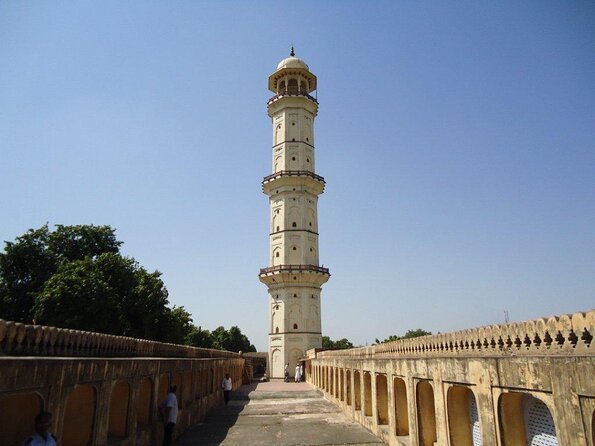
Then comes Swargasuli Tower, an iconic minaret also called the Victory Tower. On this tour you typically get a scenic roadside vantage point. That means less time queued up and more time keeping your legs fresh for the later market streets.
As with Hawa Mahal, inside entry is optional. If you decide to do it, your guide can help with tickets and line-skipping assistance. Again, keep in mind the closing time about an hour before sunset.
This stop is short on paper, but it gives you a strong visual payoff. Towers like this help you read Jaipur’s skyline in your head, even after the tour is done.
Choti Chopad: Old Temple Corners Plus Silver, Flowers, and Spices
Choti Chopad is one of the stops where the tour’s market theme really clicks. You get the chance to see an ancient temple area, plus shops dealing in silver items. It also connects to flower market and spice market streets.
This is the point in the walk where you should slow down. Smell is doing half the work here, and your eyes will start catching the little ways merchants organize their displays. Spices and flowers are not just decorative. They are part of daily buying, cooking, and rituals.
For many people, this stop becomes the one they remember later, because it’s not only visual. It’s sensory. And because it is broken into categories, it stays understandable even in busy lanes.
Bhagat Mishthan Bhandar: Tasting Local Sweets Without Guesswork
At Bhagat Mishthan Bhandar, the tour focuses on one thing: taste. This is the famed sweets shop where you can sample some of the best locally made sweets.
I like this kind of stop because it cuts through the internet noise. You’re not choosing randomly from a menu board. The tour structure helps you get a smart, local tasting moment during your walk time.
Just remember that the tasting here is planned as part of the experience, but any extra street food or lunches are separate costs. If you know you want a heavier food day, bring extra spending money.
Maniharo Ka Rasta and Tripolia Bazaar Area: Regal Charm in a Shopping Lane
Maniharo ka Rasta sits at the end of Tripolia Bazaar. The street still feels tied to older patterns of trade and community life, with a regal vibe that comes from the long-term identity of the area.
This part is interesting even if you do not shop. You get to watch how commerce flows in a long street format. It also helps you understand how different trades cluster, so you can later find your way around Jaipur with fewer mistakes.
If you love photos, this is one of those lanes where street details do the work for you. Look for doorway styles, signage, and the way people move between shops.
Thatheron Ki Rasta: The Sound and Skill of Utensil Makers
Next is Thatheron ka rasta, also described as Thatheron ki Gali. The key detail here is the metal craft tradition. You’ll notice the “rhythmic clangs and clinks” that come with skilled utensil makers.
This is not just a scenic stop. It’s a way to understand why Jaipur has such strong metalwork and why certain districts developed around specific skills. Even if you have never bought a utensil in your life, the craft street gives you a clearer picture of how a city earns its reputation.
If you are the type who likes hands-on stories, this is a great one. If you dislike noise, just be ready for the soundscape as you pass through.
Sai Baba Mandir: A Quiet Religious Pause
The tour then takes you to Sai Baba Mandir, described as the oldest Sai Baba temple in Jaipur City.
This stop offers a different pace from markets. It’s a break where you can reset, take a breath, and regroup before heading into the final stretch. Religious stops can feel more meaningful when you’ve already been through trade streets because you see how daily life includes both commerce and worship.
It’s also a good moment for photos where you can capture architecture and atmosphere without feeling like you are in a sales pitch.
Golcha Cinema Finish: Old Hall, Optional Ticketed Inside Visit
The walking tour ends at Golcha Cinema, one of Jaipur’s oldest cinema halls. If you want to go inside, the tour notes that your guide can help with tickets, and an entry ticket applies.
This is a smart ending because it gives you options. If you are enjoying the old-city vibe, you can tack on the cinema experience. If you’d rather head back to your hotel and shower, you are done without feeling like the tour dragged on.
What’s Included, What’s Not, and How to Budget
The price is $20.17 per person, and for that you get a lot of practical value:
- An English-speaking private local guide
- Bottled water and tea or coffee
- GST included
- Infants and children up to 17 years free
- A mobile ticket
- Pickup is optional, but not included in the base rate (extra charge)
Most stops have free entry by default, including the temples and market lanes on the route. The two big exceptions are Hawa Mahal and Swargasuli Tower, where optional entry may require tickets. Also, street food charge and lunch are not included, so you’ll want some cash or card for snacks if you plan to try the stalls.
My take on value: at this price, the tour’s real win is the guide. A self-guided walk can be chaotic in the old city. With an organized route, plus a tasting at a known sweets shop and built-in tea breaks, you feel like you used your time well.
Best Time to Go, and Why Sundays Feel Different
The tour runs daily, but timing changes the experience. Many markets open around 10:30 AM to 11:00 AM, which is why the recommended start is later on after 11:00 AM. The tour window is 11:00 AM to 4:00 PM, and you can start anytime in that range.
One tip matters a lot if you’re planning around the calendar: Sundays in the old city are less eventful. Many local shops have limited hours or may stay closed. If your schedule allows it, pick a weekday for the fullest market feel.
Practical Comfort Tips Before You Set Out
This is a walking tour, and the tour data calls for moderate physical fitness. That’s your reminder to wear comfortable shoes and plan for real street conditions in older Jaipur.
Also, it’s worth packing a few basics:
- Comfortable, breathable clothing for warm weather
- Sunscreen or a hat if you start mid-day
- A small amount of cash for extras like street snacks
And if you want photos, keep in mind that two monuments have optional entry, and both have closing times about an hour before sunset.
Finally, this tour requires good weather, so have a flexible mindset if rain changes plans.
Should You Book This Jaipur Walking Tour?
Book it if you want:
- A private, English-speaking guide guiding you through working markets
- A route that mixes temples with craft streets and food stops
- A short half-day plan that ends with an optional cinema visit
Skip it or think twice if:
- You are only interested in major-ticket monument interiors and want long time inside
- You are sensitive to narrow market lanes and prefer wide, easy walking
- Your budget cannot handle optional extras like Hawa Mahal or Swargasuli Tower entry, plus paid street snacks
If you like your travel days grounded in daily life, this one is a strong choice. It’s not a long, exhausting marathon, and it gives you enough variety to understand Jaipur beyond the postcard corners.
FAQ
How long is the Jaipur walking tour?
The tour lasts about 3 to 4 hours.
Is hotel pickup included?
No. Pickup and drop off from your hotel are available for an additional charge.
What does the tour price include?
It includes an English-speaking private local guide, bottled water plus tea or coffee, GST, and free entry for infants and children up to 17 years.
Are entry tickets included for all stops?
Most places are free to visit. Hawa Mahal and Swargasuli Tower are the main stops where optional entry may require tickets, and the guide can help with skipping the line to buy tickets.
What time should I start the tour in Jaipur?
Many old-city shops open around 10:30 AM or 11:00 AM, and the best recommended start is after 11:00 AM, up to about 5:00 PM.
Is Sunday a good day to take this tour?
Sundays are typically less eventful in the old city, with some shops and markets having limited hours or closing, so a weekday is usually better if your schedule allows.
More Historical Tours in Jaipur
- Nahargarh Water Walk – Guided 2-Hour Heritage Tour in Jaipur
★ 5.0 · 89 reviews - Jaipur Heritage Walking Tour – Local life, Havelis and Temples
★ 5.0 · 72 reviews - Jaipur@Twilight Guided Heritage City walk tour with Food Tasting
★ 5.0 · 67 reviews - Unlock Hidden Amber! – Guided 2-Hour Heritage Tour in Jaipur
★ 5.0 · 62 reviews
Recently added around Jaipur
- golden triangle tour with ranthambore by Car★ 5.0 · 7 reviews
- Jaipur Private Tour 2 Days with Car & Guide★ 5.0 · 13 reviews
- Wheel Pottery Workshop★ 4.5 · 19 reviews
- Jaipur Full-Day Guided Tour by Car★ 5.0 · 14 reviews
- Walking Tour of Pink City (World Heritage Site) with Local Guide★ 5.0 · 7 reviews
- Yoga in Jaipur with Amit (Yogi on Travel)★ 5.0 · 17 reviews
- Vintage Walk Amer★ 5.0 · 11 reviews
- Uncover Hidden Treasures of Rural Life on a Village Tour★ 5.0 · 34 reviews
Historical Tours, compared.
The Great Indian Food Tour: Old Delhi Food and Heritage Walk
Read our review →
Old Delhi Food, Heritage&Cultural Walk with Rickshaw ride to Masterji Kee Haveli
Read our review →
Fontainhas Heritage Walk At Latin Quarters of Goa
Read our review →
Blue City Heritage Private Walking Tour With Pickup and Drop-Off
Read our review →
Private Heritage Walking Tour in Jaisalmer Fort and Old Bazaar
Read our review →Browse the lists this tour appears in