
Reviewed · WALKING TOURS
Guided Walk through Bengaluru’s Ejipura Slums
Ejipura teaches fast. This respectful walk through Bengaluru’s Ejipura slums is built around real programs run by Swabhimaan, with stops at the school center and clinic. I like how the route stays personal in a group of up to 6, and you get context for what you’re seeing instead of quick stop-and-stare photos. The only real downside is that it can feel emotionally heavy, and it works best in good weather since it’s a walking tour.
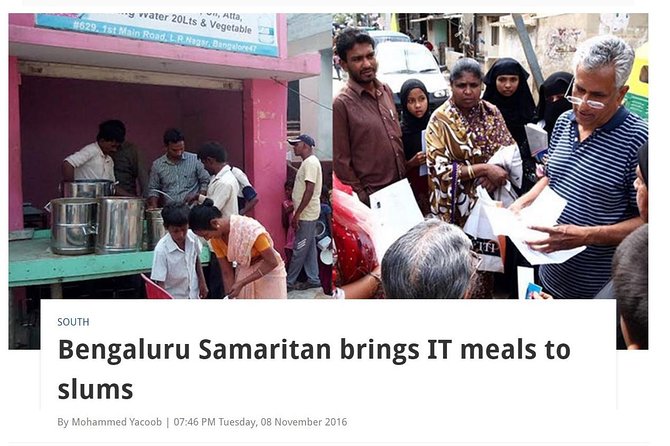
Bengaluru Lights runs this as a hands-on guided experience, with proceeds returned to the community. Guides like Ashif and Dia share how local systems actually work, then you step into the Swabhimaan spaces where people are trying to improve daily life through education and health support.
In This Review
- Key things to know about the Ejipura walk
- Ejipura and Swabhimaan, why this walk feels different
- Before you go: timing, group size, and what to bring
- Getting to the start point at Regional Passport Office
- Stop 1 in Ejipura: seeing the neighborhood with real context
- Swabhimaan Community Center: tuition, after-school programs, and teachers you meet
- Swabhimaan Clinic: affordable healthcare and medicines for Rs. 10
- The guides you’ll remember: Ashif and Dia, and the founder Venkatraman
- What you learn beyond the walk: resourcefulness and self-help
- Price and value: what $30.34 really buys
- Who should book this Bengaluru walking experience
- Should you book the Bengaluru Lights Ejipura walk?
- FAQ
- How long is the Ejipura slums guided walk?
- What is the group size limit?
- What does the tour cost?
- Where does the tour start and end?
- What time does the tour begin?
- Will I get a ticket on my phone?
- What are the main stops during the walk?
- Should I bring anything?
- Is the tour affected by weather?
- What is the cancellation policy?
Key things to know about the Ejipura walk
- Max group size of 6 means more time for your questions, not a rushed lecture.
- Swabhimaan community center visits bring you face-to-face with tuition and after-school support for kids in the neighborhood.
- Swabhimaan clinic stop focuses on affordable care, including medicines for an all-inclusive Rs. 10 visit.
- Guides connected to the work, including Ashif and Dia, can explain Ejipura from lived familiarity.
- Bring a water bottle you can refill along the way, since you’ll be walking for about 1.5 to 2 hours.
Ejipura and Swabhimaan, why this walk feels different
This is not a sightseeing loop. It’s a guided walk designed to help you understand how a city neighborhood forms when infrastructure lags, development moves unevenly, and families arrive from elsewhere looking for opportunity.
I like that the experience is grounded in Swabhimaan’s daily work. You’re not just passing by houses and shops. You’re meeting the people involved, seeing programs for children, and hearing how the community centers and clinic keep operating even with limited resources.
It also avoids the common problem of slum tours that can feel voyeuristic. The emphasis here is on enterprise, perseverance, and practical help, which keeps the tone respectful even when the setting is difficult.
More Walking Tours in Bangalore
- Bengaluru Pete City Market Half-Day Walking Tour
★ 5.0 · 163 reviews - Bangalore: Palace, Temples, Fort & Markets Walking Tour
★ 4.9 · 97 reviews - Street Food walking tour in Bangalore with a food evangelist
★ 5.0 · 83 reviews
Before you go: timing, group size, and what to bring
The tour starts at 9:00 am, and it ends back at the meeting point. Total time is about 1 hour 30 minutes to 2 hours, and that timing matters because you’ll have enough structure to visit key places without dragging on.
Group size caps at 6 people. That small group number is a big part of the value, because you can ask real questions and get answers tailored to your curiosity, whether you care more about education, healthcare, or neighborhood life.
Bring a water bottle and plan to refill it along the way. Also, this experience requires good weather, so if conditions are poor, you’ll be offered another date or a full refund.
For the ticket, you’ll use a mobile ticket. Confirmation comes within 48 hours of booking, subject to availability.
Getting to the start point at Regional Passport Office
You’ll meet at the Regional Passport Office on 80 Feet Rd in Koramangala, Bengaluru (WJW9+9MJ). The tour ends back at that same meeting point, which makes the logistics simple once you’re there.
It’s noted as near public transportation, which is helpful in Bengaluru where traffic and distances can change your plans quickly. If you’re staying in Koramangala or anywhere nearby, this start point is generally manageable for a morning outing.
Stop 1 in Ejipura: seeing the neighborhood with real context
Ejipura is described as one of Bengaluru’s largest slum areas, and the walk begins with the reality of what that means: poor infrastructure, unchecked development, and the pressures of large-scale urban migration. You’ll see poverty around you, and it doesn’t get watered down.
What makes this part useful is that your guide frames what you’re noticing. You’ll learn how these factors play out day-to-day, and you’ll also hear about the other side of the story: the ways people create stability, keep businesses running, and solve problems with limited means.
Your guide is intimately familiar with Ejipura, and they’re the ones steering you through what might otherwise feel like a confusing tangle of streets and buildings. Several guides mentioned in feedback, like Ashif and Dia, are praised for walking with purpose and explaining clearly, including social structures and practical construction realities.
A few more Bangalore days to compare
- Old Bangalore Historical Walk thro Palace, Temples, Fort & Market
★ 5.0 · 60 reviews - See Bangalore through my eyes (Cultural / Historical / Walking Tour)
★ 5.0 · 60 reviews - Bangalore: Walking Tour of Fort, Palaces, and Market
★ 5.0 · 58 reviews - Old Bangalore town Pettah walk
★ 5.0 · 49 reviews
Swabhimaan Community Center: tuition, after-school programs, and teachers you meet
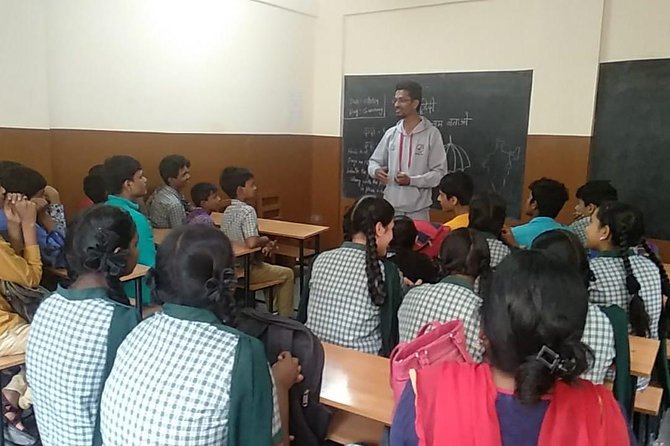
This stop is one of the emotional anchors of the tour. At the Swabhimaan community center, children of different ages from the neighborhood come for curricular tuition and after-school programs.
What you can expect here is direct interaction. You meet teachers and volunteers, and the program’s goal becomes clear: improving student performance and giving kids consistent support. In feedback, a highlight is talking with school children in different classes, where conversations can range from school life to big-picture topics like countries and education.
For me, the value is in the way this visit reframes what a slum walk can be. Instead of treating the area as only deprivation, you see organized learning and caring adults showing up regularly.
Practical note: if you’re the type who gets nervous around kids, don’t be. The tone here feels structured and community-based. Still, remember you’re visiting a working program, so keep questions kind and keep your attention on listening.
Swabhimaan Clinic: affordable healthcare and medicines for Rs. 10
After the community center, you head to the Swabhimaan Clinic. The focus is healthcare that’s priced accessibly, including medicines distributed through an all-inclusive price of Rs. 10 per visit (about 12 cents).
The stop matters because it’s easy to talk about poverty from a distance, and hard to understand what people do when health issues hit. Here, the clinic is presented as a concrete support system that includes doctor consultations and medicine distribution.
In visits like this, I think it’s important to notice the difference between charity and ongoing service. This clinic is described as part of a longer-running effort, and that shows up in the way the stop fits into the rest of the tour, not as a one-time photo opportunity.
The guides you’ll remember: Ashif and Dia, and the founder Venkatraman
A standout in the experience is the quality of guiding. People specifically mention Ashif and Dia for being friendly, generous with explanation, and tuned into what the group wants to focus on. You’ll be able to ask about topics like social structure and practical aspects of building and living in a slum.
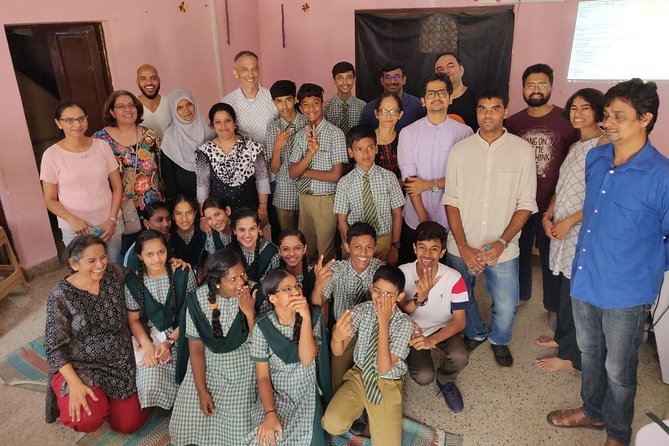
In at least one described experience, the group is greeted by the founder Venkatraman connected to Swabhimaan. That kind of welcome can change the tone from outsider watching to real dialogue, because it signals the organization’s ownership of what you’re seeing.
Also, one repeated theme is that guides are volunteers themselves. That matters because it often changes how questions are answered. You don’t get scripted facts. You get everyday explanations from people tied to the work.
What you learn beyond the walk: resourcefulness and self-help
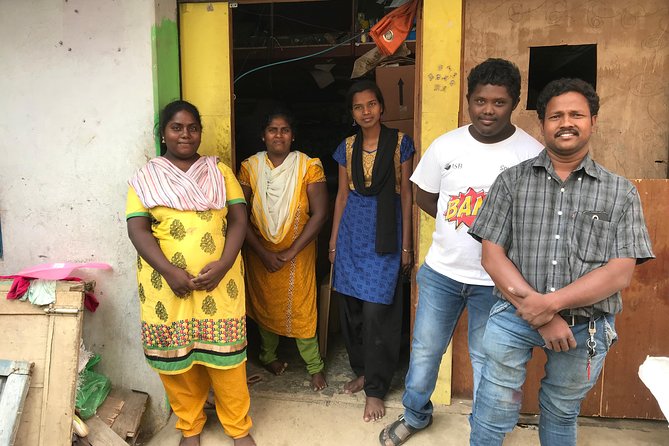
The tour’s message is straightforward: you’ll learn about ingenuity and resourcefulness in India’s slums, plus how perseverance shows up in daily life.
You’ll hear how people build systems around limitations. That can include education pathways through the community center and health support through the clinic. It can also include small local enterprise that keeps going even when infrastructure and development lag behind.
One feedback detail that stuck with me is the idea of help to self-help, mentioned through the organization’s spirit. The point is that support here is meant to strengthen people’s ability to move forward, not just temporarily relieve hardship.
That’s why the tour can feel powerful without feeling like pity. You end up with a clearer sense of agency, not only need.
Price and value: what $30.34 really buys
At about $30.34 per person, this isn’t priced like a budget city walk, but it also isn’t priced like an all-day private tour. The value comes from how the experience is structured.
You’re paying for:
- A small group size (max 6) that keeps questions and explanations personal
- Guided access to Swabhimaan’s community center and clinic
- A focus on context, not just movement through a neighborhood
- The statement that proceeds are returned to the community
When I’m deciding if a tour like this is worth it, I look for two things: access and authenticity. Here, the access is meaningful because it’s tied to specific programs run by Swabhimaan. The authenticity comes from guides like Ashif and Dia who are connected to the work, plus the way the stops center on education and healthcare rather than spectacle.
Who should book this Bengaluru walking experience
I think this tour is best for you if:
- You want to understand Bengaluru through real neighborhood life, not only monuments and cafes.
- You like small-group experiences where you can ask questions.
- You care about education and healthcare efforts and want to see how they work on the ground.
- You’re open to an emotionally real day, even when the setting is difficult.
It may feel less ideal if you want a light, casual walk focused only on stories and photos. This tour is designed to be respectful and humane, but it’s still about poverty and the systems around it.
For solo visitors, the experience is described as safe-feeling, largely due to the guides and the structured flow of the visit. If you prefer having company and direction, the small-group format can be reassuring.
Should you book the Bengaluru Lights Ejipura walk?
If you’re choosing between doing one extra experience in Bengaluru or skipping, I’d lean toward booking this one. It’s short, organized, and anchored in specific Swabhimaan programs, which makes the visit more than a quick look.
Book it if you want a respectful, guided window into Ejipura with stops that show education and clinic support in action. Skip it only if you’re not ready for an emotionally serious setting or if weather conditions are poor, since the tour depends on good weather for comfortable walking.
If you do go, bring a water bottle, wear comfortable clothes for a morning out, and come ready to listen. This is the kind of tour where the point is not to judge, not to pity, but to understand how people keep going and how community support can make a real difference.
FAQ
How long is the Ejipura slums guided walk?
The tour lasts about 1 hour 30 minutes to 2 hours.
What is the group size limit?
This experience has a maximum of 6 travelers.
What does the tour cost?
The price is $30.34 per person.
Where does the tour start and end?
It starts at the Regional Passport Office, 80 Feet Rd, Koramangala 8th Block (WJW9+9MJ) and ends back at the meeting point.
What time does the tour begin?
The start time is 9:00 am.
Will I get a ticket on my phone?
Yes, this tour uses a mobile ticket.
What are the main stops during the walk?
You’ll visit Ejipura and then stop at Swabhimaan’s community center (including tuition and after-school programs) and Swabhimaan’s clinic (doctor consultations and medicines with an all-inclusive Rs. 10 visit).
Should I bring anything?
Bring a water bottle so you can refill along the way.
Is the tour affected by weather?
Yes, this experience requires good weather. If it’s canceled due to poor weather, you’ll be offered a different date or a full refund.
What is the cancellation policy?
You can cancel for a full refund up to 24 hours in advance. If you cancel less than 24 hours before the experience starts, the amount paid will not be refunded.
Recently added around Bangalore
- Traditional Gowda Cooking Class and Meal in a Bangalore Home★ 5.0 · 31 reviews
- Old Bangalore town Pettah walk★ 5.0 · 49 reviews
- Malleswaram heritage walk, an immersive walking tour in Bangalore★ 5.0 · 20 reviews
- Treasures of Mysuru – day tour★ 5.0 · 27 reviews
- Day trip from Bangalore to Mysore, Somnathapura & Srirangapatna★ 4.5 · 7 reviews
- Private Shravanabelagola tour as a day trip from Bangalore★ 5.0 · 9 reviews
- Filter Kaapi: A food walk by tourism ministry approved company★ 5.0 · 26 reviews
- Old neighbourhood Walk – Half-Day Tour★ 5.0 · 13 reviews
Walking Tours, compared.
The Great Indian Food Tour: Old Delhi Food and Heritage Walk
Read our review →

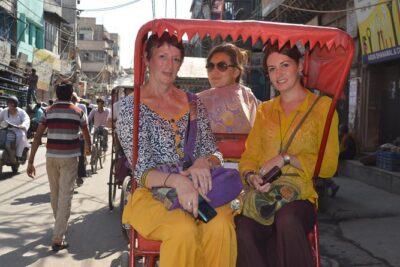
Old Delhi Food, Heritage&Cultural Walk with Rickshaw ride to Masterji Kee Haveli
Read our review →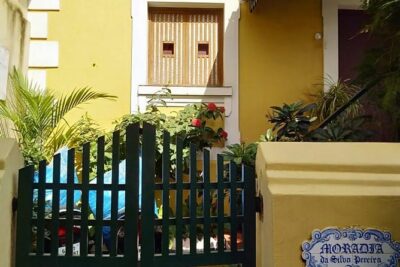
Fontainhas Heritage Walk At Latin Quarters of Goa
Read our review →Browse the lists this tour appears in