
Reviewed · DHARAMSALA TOURS
Explore Dharamshala’s monasteries for Tibetan spirituality
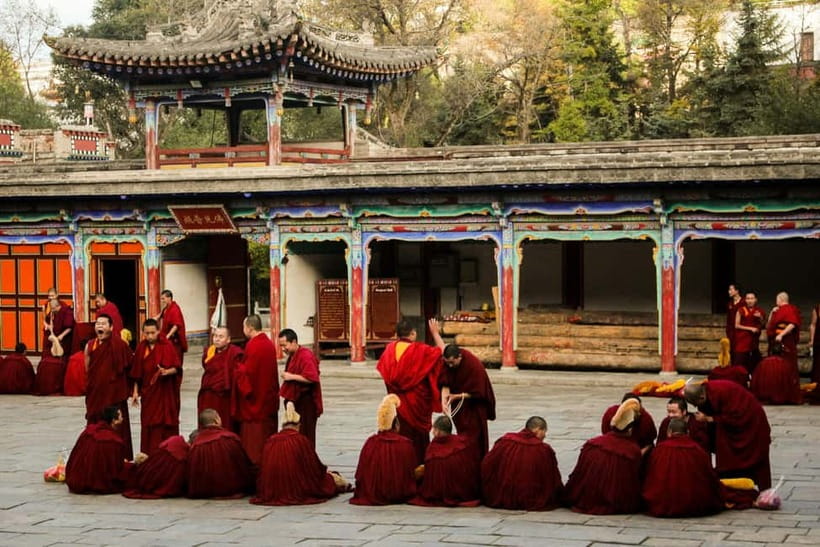
Six hours, six sacred stops. This Dharamshala monasteries tour links major Tibetan Buddhist sites around McLeod Ganj and Dharamshala, with an English speaking guide who helps you make sense of what you’re seeing. You start at Namgyal Monastery, the Dalai Lama’s seat for spiritual practice, then you move through traditions that range from daily monastic life to the Nechung Oracle.
I especially like the way the itinerary spreads out the spirituality. You’re not only looking at temples from the outside, you get cultural context on Buddhist practice as you visit. One tradeoff: it is packed for a half-day, so some stops feel brief, and you will likely want to budget extra for meals and any monument fees.
You also get a day that feels calm, not chaotic. When Onkar is your guide, the explanations are patient, and he answers questions without rushing you, while the driver keeps things smooth and careful. The main thing to consider is that you’re covering multiple locations in one session, so you’ll get the big picture fast, but you will not linger for long at every site.
In This Review
- Key Highlights
- Why Tibetan Monasteries in Dharamshala Feel Different
- Your English Guide Makes the Difference
- Stop 1 to Stop 3: Namgyal, Nechung, and Dip Tse Chok Ling
- Norbulingka Institute: Where Tibetan Culture Looks Practical
- Gyuto Monastery and the Feel of Tantric Practice
- The Nunnery Finale: Meditation and Contemplative Lifestyle
- Price and Value: Is $54 Worth It?
- Logistics That Affect Your Comfort
- Who This Tour Is Best For
- Should You Book This Dharamshala Monasteries Tour?
- FAQ
- How long is the Dharamshala monasteries tour?
- What is the price per person?
- What language is the tour guide?
- Is this tour private or shared?
- Will I be picked up and dropped off from my hotel?
- Which monasteries or religious sites are included?
- Are meals included in the price?
- Are monument fees included?
- What is included in the tour package?
- What is the cancellation policy?
Key Highlights
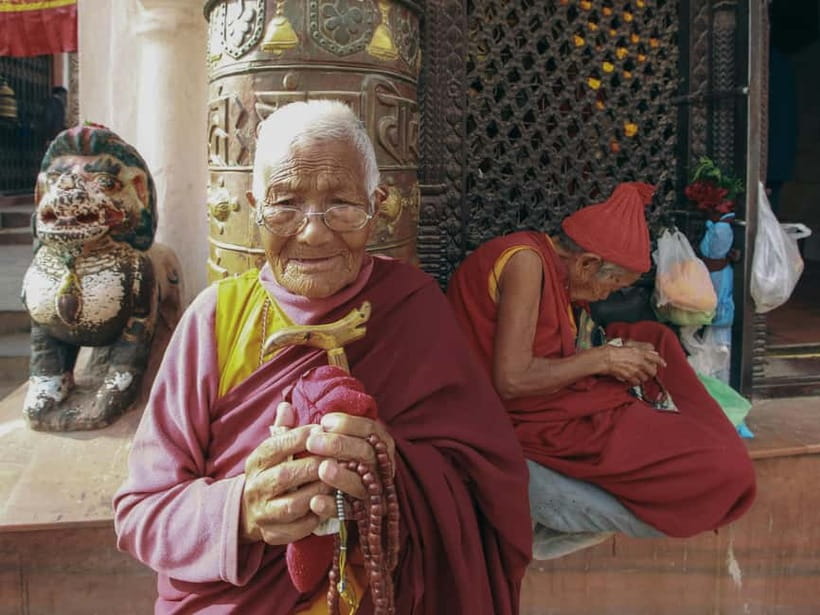
- Namgyal Monastery first, grounding the day in Tibetan spiritual tradition linked with the Dalai Lama
- Nechung Monastery for the story of the Nechung Oracle and its long standing role
- Norbulingka Institute to balance worship with arts and crafts, plus gardens to slow your pace
- Gyuto Monastery for a firsthand look at the tone of tantric rituals and daily teachings
- Thosamling Nunnery or Dolmaling Nunnery as a quiet ending, with meditation time built in
Why Tibetan Monasteries in Dharamshala Feel Different
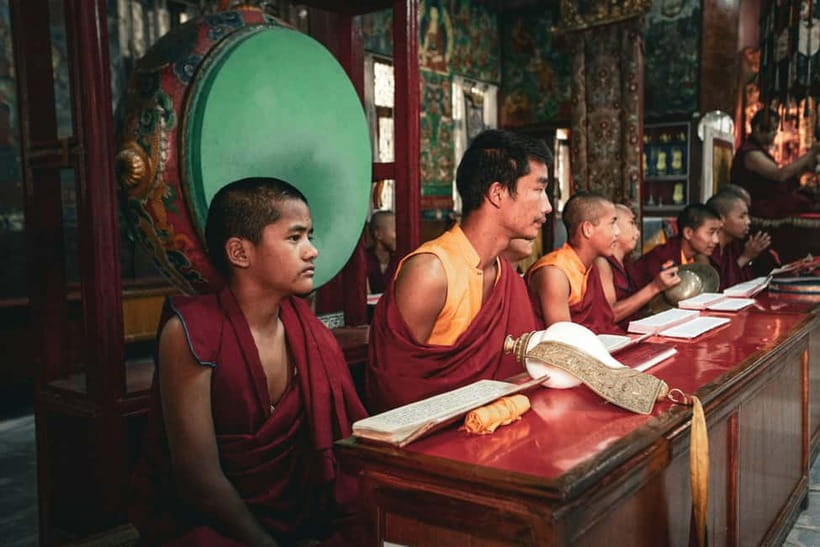
Dharamshala has a special spiritual rhythm. In one compact tour window, you see how Tibetan Buddhism is not just a set of buildings, it is a way of living, studying, and practicing. The value of this tour is how it stitches together multiple monastic styles, so your understanding doesn’t flatten into one generic temple visit.
I like that the day starts with Namgyal Monastery, which sets the tone right away. Namgyal is described as the Dalai Lama’s personal monastery, so you walk in with clear context. Then the tour widens your perspective: you move from prayer halls and Tibetan art to places tied to specific practices, like the Nechung Oracle and tantric teaching at Gyuto.
If you are trying to learn quickly without feeling lost, this format works. The guide helps you connect names and symbols to real practice, and the pace is short enough that you stay fresh. Just remember, it is still a tour with multiple stops, so your attention will be tested if you dislike busy schedules.
A few more Dharamsala days to compare
- Hiking Day Tour to Triund from Dharamshala
★ 5.0 · 75 reviews - Private 6 hrs Mcleodganj & Dharamshala City Tour
★ 5.0 · 65 reviews - Triund Trek with Manu Adventures India
★ 5.0 · 39 reviews
Your English Guide Makes the Difference
This tour runs with a local English speaking professional guide. That matters more than people think, because monasteries can feel visually similar at first glance. With the guide, you learn what to look for and why it matters, from cultural background to what different sites are known for.
The experience also has a human feel. In particular, when Onkar is the guide, you get an approach that is patient and question friendly. You can ask what you want, and you do not feel like you are being herded along. That is a big deal on a spirituality day, because real understanding often comes from the follow up questions.
For getting around, the driving support is part of the comfort. Mr. Abhishek, for example, is described as timely and careful with directions. When a driver is confident, you spend less mental energy worrying about logistics and more on noticing your surroundings.
Stop 1 to Stop 3: Namgyal, Nechung, and Dip Tse Chok Ling
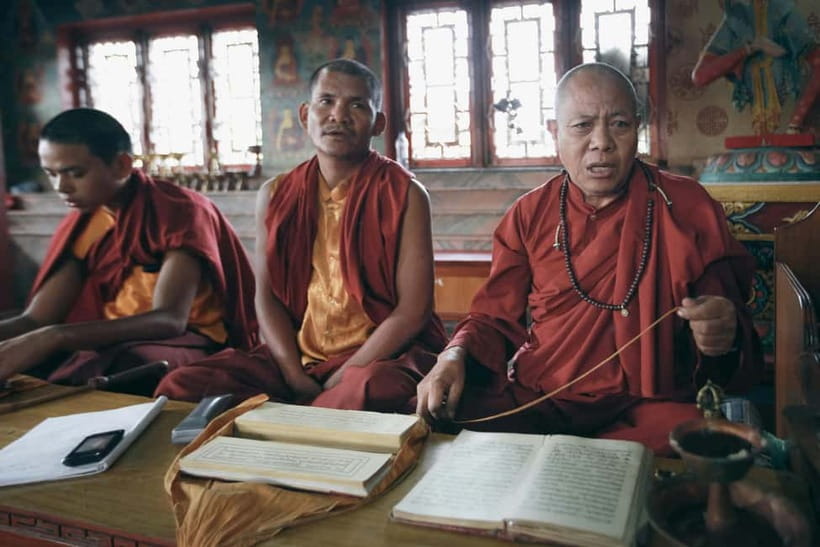
The tour’s early sequence is built for focus. You begin at Namgyal Monastery, the Dalai Lama’s spiritual seat. The highlight here is the atmosphere: tranquil halls and colorful Tibetan art that set a calm mood from the start. Even if you are not an art expert, the guide’s context helps you see these displays as part of lived practice rather than decoration.
Next comes Nechung Monastery, known for the Nechung Oracle. Nechung’s mystique can sound abstract until someone explains the tradition and its role in Tibetan religious life. The tour description emphasizes ancient traditions and the oracle connection, so you get a sense of why this monastery stands out.
After that, Dip Tse Chok Ling Monastery shifts the tone again. This stop is described as a serene retreat in nature, with a peaceful ambiance. If you like a quieter moment in the itinerary, this is the kind of place where that balance helps. You also get the chance to experience meditation in the flow of the day, which makes the earlier temple stops feel less like a checklist.
Potential drawback for this first stretch: these are intense spiritual categories, and you will move fast. If you prefer slow travel, treat the guide’s explanations as your anchor, then let the rest of the visit be simple observation.
Norbulingka Institute: Where Tibetan Culture Looks Practical
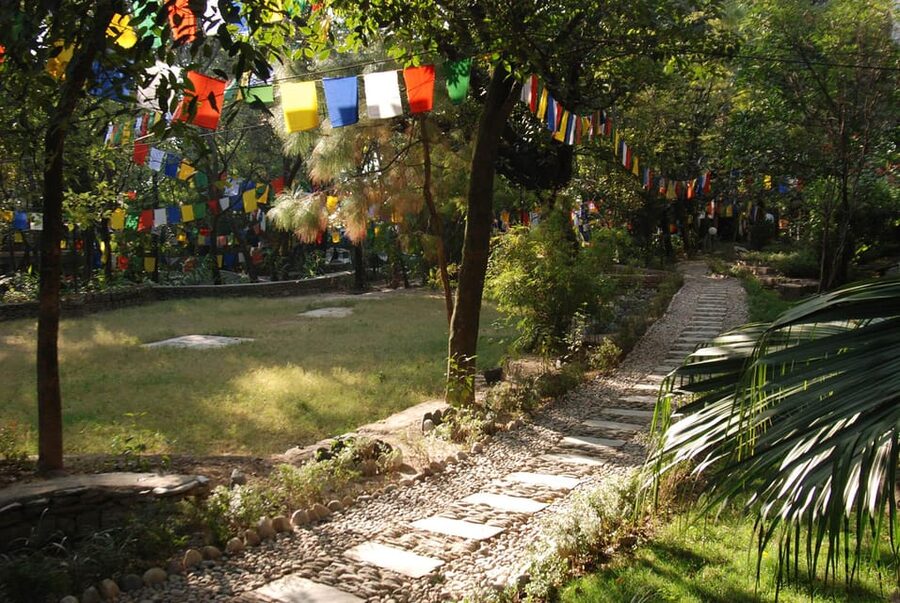
Not every monastery stop is only about worship. Norbulingka Institute adds something useful, Tibetan culture as a craft and a living tradition. The tour highlights lush gardens and artisans preserving traditional arts and crafts. That matters because it connects spirituality to daily skills, not just rituals.
When you visit Norbulingka, you get a break from the strict religious rhythm. Even if your main interest is monasteries, the cultural workshop side can make your overall understanding stick. You start to see how these communities keep traditions going through education and practical work.
I like that this stop is a cultural counterweight. After sites tied to specific spiritual roles, an institute with gardens and artisans helps you reset your mind. It is also a good moment to slow down your pace a bit and let the day breathe.
Another way to spend a day in India:
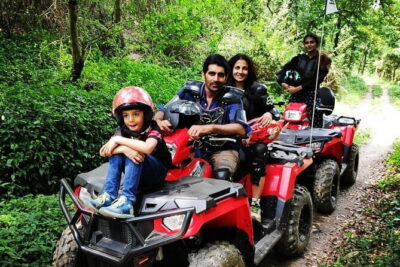
- Adventure Activity ATV RIDE 2.25 Kms RZR 570
★ 5.0 · 33 reviews - Triund Trek
★ 4.5 · 27 reviews - Historical Tour including Unesco Kangra fort & Rock cut temple from Dharamshala
★ 5.0 · 27 reviews - ATV QUAD BIke Riding 3 Kms Sportsman 570
★ 5.0 · 26 reviews
Gyuto Monastery and the Feel of Tantric Practice
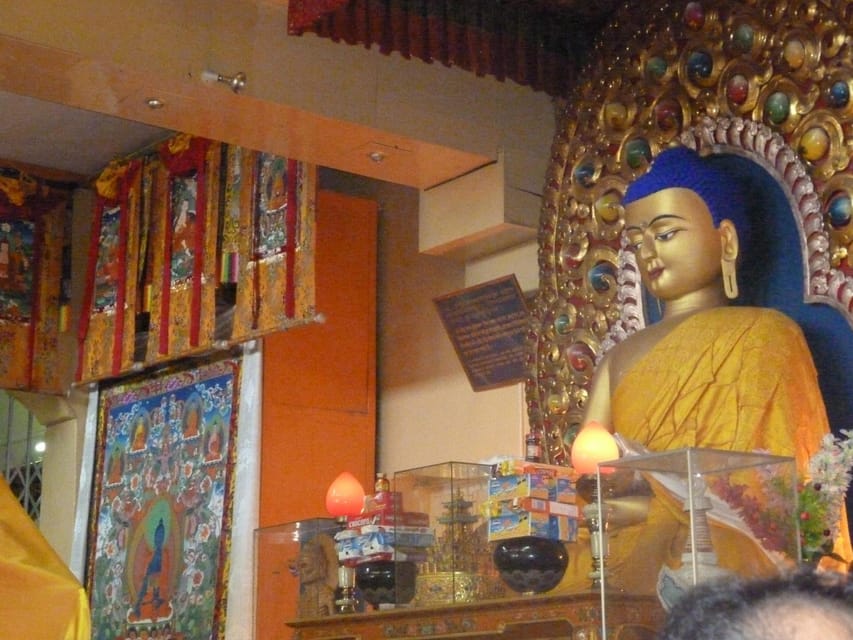
Then you head to Gyuto Monastery, one of the most distinctive stops on this route. Gyuto is known for tantric rituals and teachings, and the tour specifically notes that you will observe monks in their daily practices. Even if you cannot fully grasp every part of tantric practice on a first visit, you still benefit from seeing the seriousness and structure behind it.
This is where the guide’s explanations really pay off. Without context, tantric settings can feel like they belong to a different universe. With the guide, you can understand the purpose behind what you’re seeing: teaching, ritual, and spiritual discipline.
You should also consider what type of visitor you are. If you like learning through observation, this stop can be fascinating. If you prefer a gentle, purely devotional tone, you might find the tantric emphasis more intense than the quieter monasteries. Either way, it is one of the best opportunities on the tour for a real variety of Tibetan Buddhist life.
The Nunnery Finale: Meditation and Contemplative Lifestyle
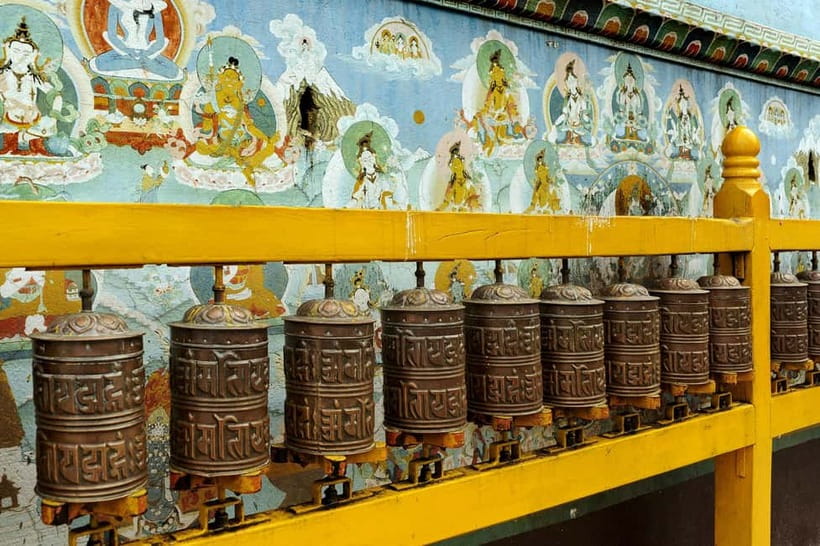
The last part of the tour is designed to calm you down. You end at a Tibetan nunnery, listed as Thosamling Nunnery in the tour description, and as Dolmaling Nunnery in the schedule. Both are presented as tranquil sanctuaries for Tibetan nuns, with meditation sessions and insights into contemplative life.
This ending is valuable because it changes the perspective. Earlier in the tour, you are often meeting monastic traditions where male monastic life is centered. Ending at a nunnery gives you a chance to see practice through the lens of women’s spiritual roles and a lifestyle shaped around contemplation.
The meditation component is also a strong reason to book this tour instead of building your own random monastery route. You get guided entry into the quiet part of the day, not just sightseeing.
Price and Value: Is $54 Worth It?
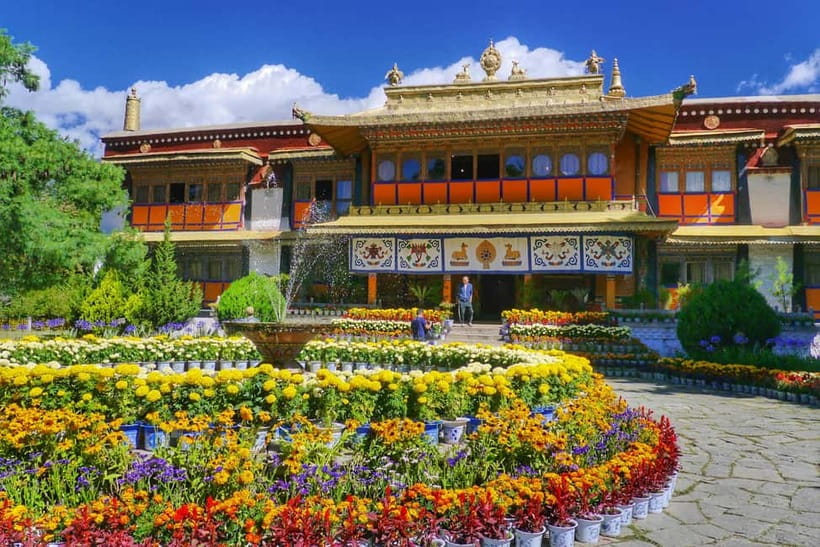
At $54 per person for a 6-hour guided experience, this tour can be good value if your goal is breadth with context. You are paying for a local English speaking guide plus transportation from your hotel and back, plus a water bottle. The tour also claims to cover the prominent monasteries of McLeod Ganj and Dharamshala, which is the practical challenge you would otherwise solve yourself with multiple rides and timing.
Here is where the math matters. Meals are not included, and monument fees are not included. So your total day cost depends on how long you plan to snack and whether any entrances require separate payment. If you treat this as a half-day cultural education with added temple fees possible, the base price starts to look fair.
For me, the best value angle is the guiding. On a monastery day, the information you receive changes your experience. If you are happy to learn and ask questions, paying for the guide is what turns multiple sites into one coherent story.
Logistics That Affect Your Comfort
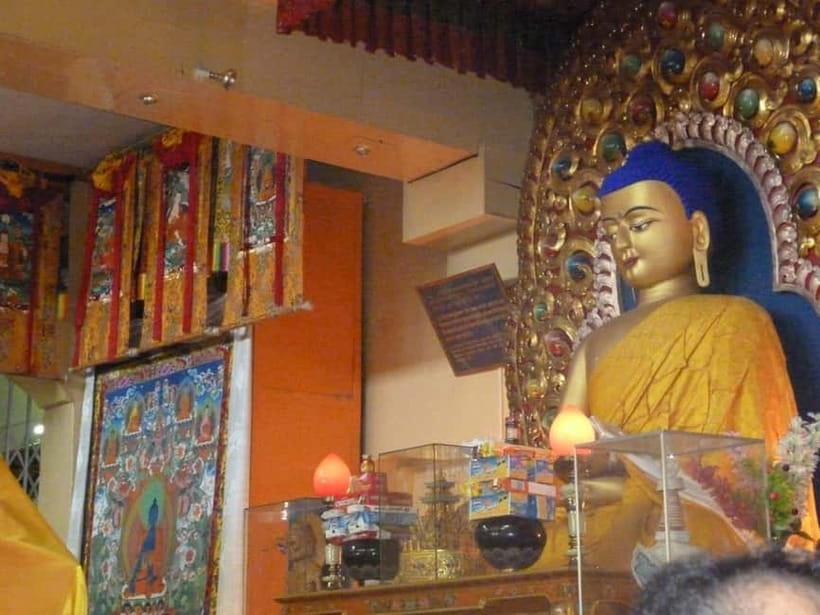
This is a private group tour. That typically means you get a more flexible interaction with your guide, and you are not sharing the talking space with a huge crowd. It also makes the questions you ask feel less awkward, especially when the topic is spiritual practice and cultural meaning.
Pickup and drop-off are from your hotel. That is simple and important in Dharamshala, where hopping between sites on your own can turn into a time sink. You finish with a driver drop back at your hotel, which keeps the evening plan easy.
One more practical note: the tour includes sightseeing and walking, and the schedule packs multiple religious sites. If you get tired easily, plan to keep your energy up with snacks and water outside the provided bottle. You will also want to be mentally ready for short visits at some places, because the route is designed to cover several major stops.
Who This Tour Is Best For
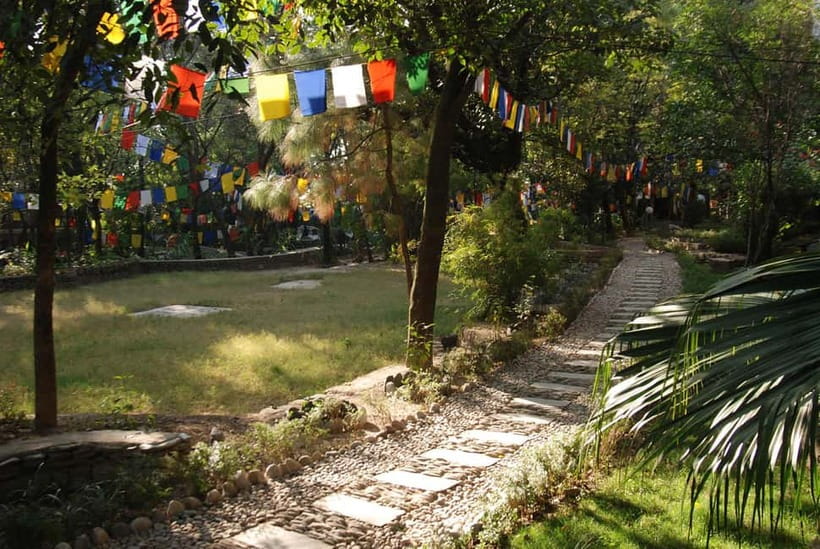
This tour is ideal if you want a structured way to understand Tibetan spirituality in the Dharamshala and McLeod Ganj area. If you like monasteries but do not want to spend your vacation juggling directions, a local guide with a planned route is the easy win.
I also think it suits you if you enjoy contrasts. You go from Namgyal’s Dalai Lama associated seat to Nechung Oracle tradition, then to an institute tied to arts and gardens, and finally to Gyuto’s tantric teachings and a nunnery meditation finish. That variety keeps the day from feeling repetitive.
If you only want one monastery and a slow, quiet afternoon, this might feel too full. But if you are the type who learns best by moving site to site, this tour is a strong match.
Should You Book This Dharamshala Monasteries Tour?
Book it if your priority is a guided route through multiple major Tibetan Buddhist sites in one half-day, with English explanations that make the visits easier to understand. The standout advantage is the way the guide supports questions and connects each monastery to its known traditions, from Nechung Oracle to Gyuto’s tantric teachings.
Skip it if you hate time pressure or you prefer long stays in fewer places. Also, treat it as a tour where meal costs and possible monument fees are extra, not included. If that works for you, this half-day format is a smart way to get value and context fast.
FAQ
How long is the Dharamshala monasteries tour?
The duration is 6 hours.
What is the price per person?
The price is listed as $54 per person.
What language is the tour guide?
The tour includes a live English tour guide.
Is this tour private or shared?
It is a private group.
Will I be picked up and dropped off from my hotel?
Yes. The tour includes pickup and drop-off from your hotel.
Which monasteries or religious sites are included?
The tour description lists Namgyal Monastery, Nechung Monastery, Dip Tse Chok Ling Monastery, Norbulingka Institute, Gyuto Monastery, and a nunnery stop such as Thosamling Nunnery. The schedule also references Dalai Lama temple or office, Kalachakra temple, and Dolmaling Nunnery.
Are meals included in the price?
No, meal is not included.
Are monument fees included?
No, monument fees are not included.
What is included in the tour package?
Included items are pick up and drop off from hotel only, a local English speaking professional guide, water bottle, coverage of prominent monasteries of Dharamshala and McLeod Ganj, and all taxes.
What is the cancellation policy?
Free cancellation is available up to 24 hours in advance for a full refund.
Recently added around Dharamsala
- hilloferry – a guided cycling tour★ 5.0 · 20 reviews
- Guided 6 hrs Dharamshala’s Tibetan monasteries & Nunnery tour★ 4.5 · 7 reviews
- Indrahar Pass Trek★ 5.0 · 16 reviews
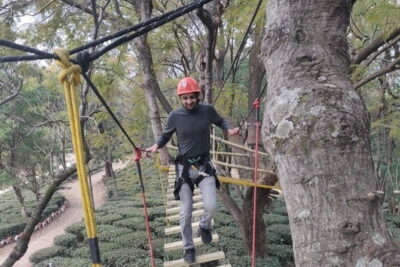
- Tea Top Adventure Activities★ 5.0 · 21 reviews
- Triund Trek★ 4.5 · 27 reviews
- Triund Trek & Snow Line Trek★ 4.5 · 9 reviews
- ATV QUAD BIke Riding 3 Kms Sportsman 570★ 5.0 · 26 reviews
- Kareri Lake Trek & Indrahar Pass Trek★ 5.0 · 9 reviews
Dharamsala Tours, compared.
Private 6 hrs Mcleodganj & Dharamshala City Tour
Read our review →
Historical Tour including Unesco Kangra fort & Rock cut temple from Dharamshala
Read our review →
Browse the lists this tour appears in