
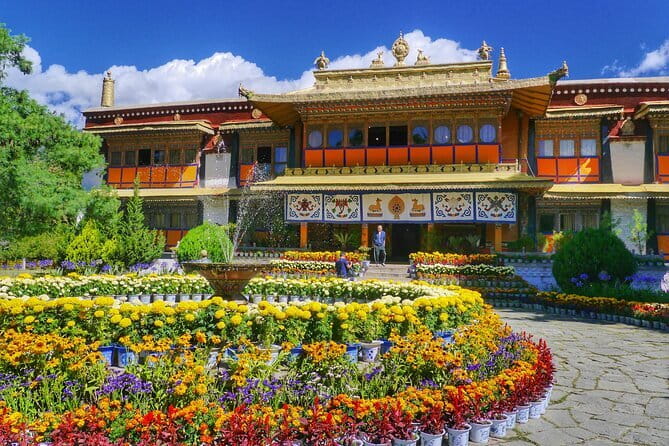
Reviewed · DHARAMSALA TOURS
Guided 6 hrs Dharamshala’s Tibetan monasteries & Nunnery tour
Monasteries, meditation, and Tibetan culture in one day. This guided 6-hour Dharamsala circuit strings together important Tibetan sites, from Namgyal Monastery to Thosamling Nunnery, so you understand what you’re seeing as the day unfolds. You get an English-speaking guide, plus hotel pickup and drop-off, which matters in hill-country areas where timing can get tricky.
I especially like two things: the tight monastery route (you hit several major stops without wasting hours in transit), and the guide’s clear, practical context, including what makes the Nechung Oracle connection so significant. It turns what could be just sightseeing into a better understanding of Tibetan spiritual life.
One drawback to plan for: monument fees and Norbulingka Institute entrance cost extra, and lunch is not included, so you’ll want to budget cash and keep your day flexible.
In This Review
- Key highlights at a glance
- The Dharamsala monastery circuit, what 6 hours really feels like
- Namgyal Monastery: the Dalai Lama personal monastery, and what to look for
- Nechung Monastery and the Nechung Oracle connection
- Tse Chok Ling Monastery: a nature-side retreat and quieter meditation tone
- Norbulingka Institute: gardens, artisans, and a culture stop beyond prayer halls
- Gyuto Monastery: tantric rituals, monks at work, and respectful viewing
- Thosamling Nunnery: ending with meditation and monastic life
- Price and value: what $68 covers, and what costs extra
- Logistics that make or break a half-day tour
- Should you book the Dharamsala Tibetan monasteries and nunnery tour?
- FAQ
- What is the duration of the guided tour?
- Does the tour include hotel pickup and drop-off?
- Is a guide included, and what language do they speak?
- Is lunch included in the tour price?
- Do I need to pay entrance fees at stops?
- Is there a ticket included, or do I need to print anything?
- How large is the group?
- Is water included?
- What is the cancellation policy?
Key highlights at a glance
- Hotel pickup and drop-off so you can focus on the monasteries, not logistics
- Six major stops across Dharamshala and McLeodganj in about 6 hours
- English-speaking guide to explain the spiritual setting and cultural details
- Thosamling Nunnery meditation session for a calmer, reflective ending
- Norbulingka Institute entrance fee applies (Rs 200 per person, not included)
- Small group size with a maximum of 10 travelers
The Dharamsala monastery circuit, what 6 hours really feels like
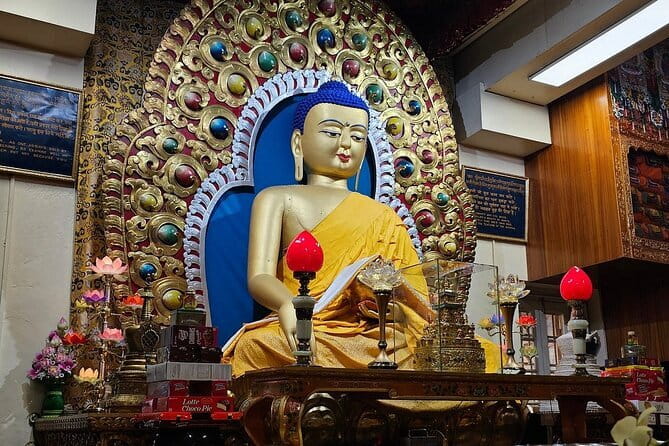
This is a focused half-day tour built around a simple idea: show you the Tibetan monastic world through a logical sequence of stops. You’ll start at Namgyal Monastery, then move through Nechung Monastery and Tse Chok Ling Monastery, and later visit Norbulingka Institute, Gyuto Monastery, and finally Thosamling Nunnery.
In practice, that means your day has two rhythms. The first is sightseeing and observation, where you’ll look at Tibetan art, prayer spaces, and daily monastic life. The second rhythm is more about tone, especially once you reach Gyuto’s tantric setting and Thosamling’s meditation-focused atmosphere. The day can feel both structured and calm, since you’re not scattering across the region.
Because the group is limited (up to 10 travelers), you’re less likely to feel rushed by crowd chaos, and it’s easier for your guide to answer questions as you go. You’ll also have a water bottle included, which is handy during travel days when you’re mostly on the move.
A few more Dharamsala days to compare
- Hiking Day Tour to Triund from Dharamshala
★ 5.0 · 75 reviews - Private 6 hrs Mcleodganj & Dharamshala City Tour
★ 5.0 · 65 reviews - Triund Trek with Manu Adventures India
★ 5.0 · 39 reviews
Namgyal Monastery: the Dalai Lama personal monastery, and what to look for
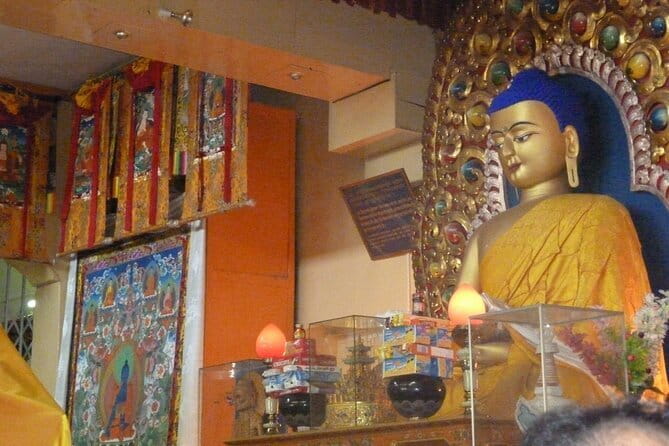
Namgyal Monastery is the spiritual home of the Dalai Lama, and that alone gives your first stop extra weight. You’ll walk into a space that feels dedicated to practice and reflection, and your guide will help you connect the setting to what you’re seeing.
What I like about starting here is that it sets expectations. Instead of jumping straight into ornate rituals, you begin with a calmer baseline. You’ll have time to explore the tranquil halls and notice Tibetan art along the way, which helps you appreciate the rest of the day without needing prior knowledge.
Practical tip: start your visit with a slower pace than you think you need. The monastery experience is about attention, not speed. Give yourself a few extra minutes to look around, then let your guide’s explanations land.
Nechung Monastery and the Nechung Oracle connection
Next up is Nechung Monastery, known for ancient Tibetan traditions and for housing the Nechung Oracle. Even if you’re not familiar with the terms, your guide should help you understand why this connection matters in Tibetan spiritual life.
This stop tends to be the “meaning” moment in the day. You can see the monastic environment, but the story behind it is what makes the visit stick. It’s one of those places where your guide’s job is crucial, because you’re seeing religious tradition in action and hearing the context that gives it purpose.
Consideration: this is a spiritually focused site. Keep your tone respectful and your pace steady. If you tend to talk loudly in churches or temples, dial it down here. You’ll get more out of the visit.
Tse Chok Ling Monastery: a nature-side retreat and quieter meditation tone
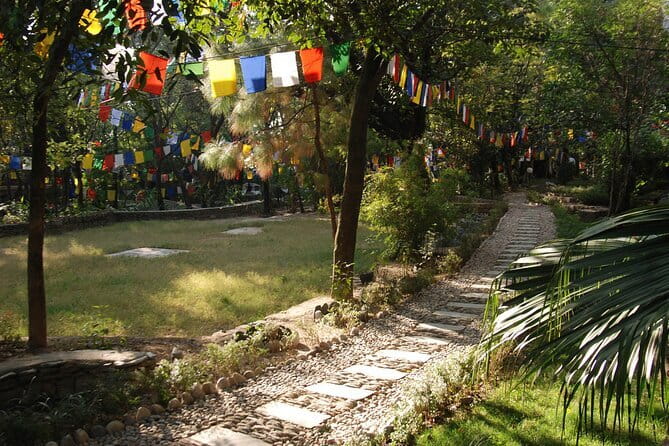
Tse Chok Ling Monastery is described as a serene retreat tucked in nature. That makes it a useful middle stop, because it can slow the day down after the more structured monastic themes of the earlier sites.
At this point, you’ll likely notice a shift in the energy of the tour. Instead of feeling like you’re checking boxes, you get a sense of why retreats exist at all: space for quiet, patience, and contemplation. Your guide will help you experience it as more than a pretty pause, so you leave with the sense that Tibetan retreat life has its own rhythm.
Practical tip: bring a layer if the weather feels changeable. Even when the day is only half-day length, hill areas can shift, and comfort helps you stay present.
Another way to spend a day in India:
- Adventure Activity ATV RIDE 2.25 Kms RZR 570
★ 5.0 · 33 reviews - Triund Trek
★ 4.5 · 27 reviews - Historical Tour including Unesco Kangra fort & Rock cut temple from Dharamshala
★ 5.0 · 27 reviews - ATV QUAD BIke Riding 3 Kms Sportsman 570
★ 5.0 · 26 reviews
Norbulingka Institute: gardens, artisans, and a culture stop beyond prayer halls
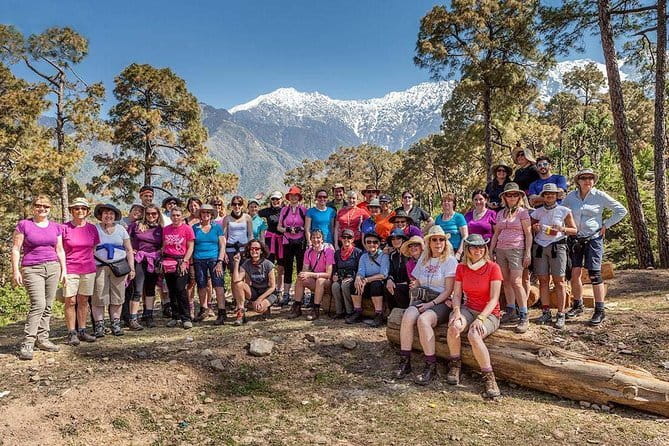
Norbulingka Institute adds a different flavor to the tour. This is where you’ll explore Tibetan culture in a more everyday way, in lush gardens and through the work of artisans preserving traditional arts and crafts.
I like this stop because it broadens the story. Monasteries show spirituality. Norbulingka shows continuity, skills, and the kind of cultural effort that helps traditions survive over time. You’re still in a Tibetan cultural setting, but it’s less about rituals and more about art and craft as living heritage.
One important detail for your budget: the Norbulingka Institute entrance fee is Rs 200 per person, and it is not included in the tour price. Bring cash for this portion so you do not lose time or stress when you arrive.
Gyuto Monastery: tantric rituals, monks at work, and respectful viewing
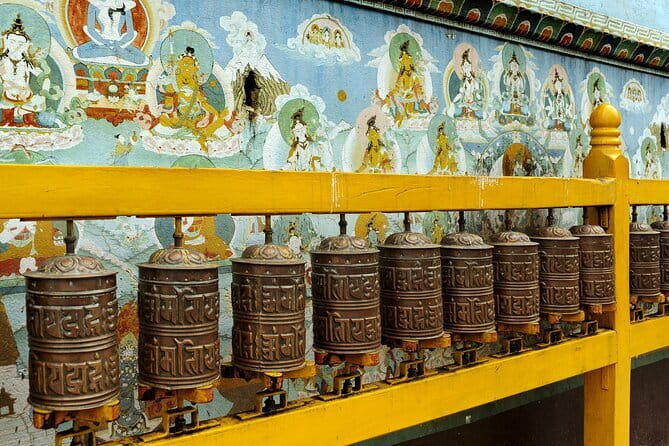
Gyuto Monastery is known for tantric rituals and teachings. In a tour like this, it’s the stop where you’ll likely feel the strongest shift toward “ritual intensity,” at least in terms of what you witness and how your guide frames it.
You’ll observe monks in their daily practices and take in the seriousness of the setting. The value here is not just watching. It’s seeing how these traditions are practiced, not just talked about. Your guide’s role becomes especially important because tantric religious settings can be easy to misunderstand if you only treat them like a spectacle.
Practical advice: stay respectful, keep your movements controlled, and listen to your guide’s guidance on what areas you can approach and how to observe. You’ll learn more when you are calm and attentive.
Thosamling Nunnery: ending with meditation and monastic life
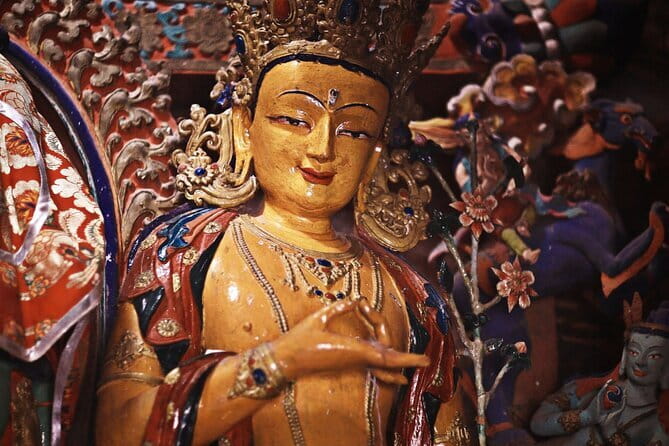
You finish at Thosamling Nunnery, a peaceful retreat for Tibetan nuns. This is where the day often turns more reflective, because the visit ends with a meditation session.
What makes this a strong closing stop is that it gives you an alternative to the typical “see and leave” tourism pattern. You get a chance to slow down and experience meditation in a way that matches the nuns’ contemplative lifestyle. It’s not just a tour stop, it’s a change in pace.
I also like that the tour ends this way because the day has already covered spiritual sites across different themes. By the time you reach Thosamling, you’re better prepared to understand why quiet practice is a central part of the monastic world.
Tip: after meditation, take a few minutes before you head out. Let the experience settle, then ask your guide any questions while you still have their attention.
Price and value: what $68 covers, and what costs extra
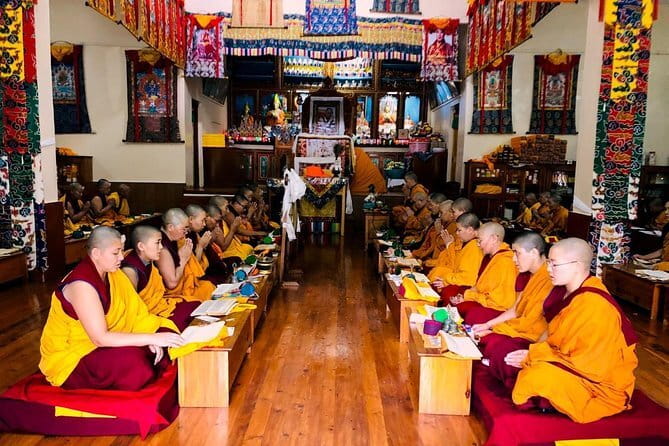
At $68 per person, this tour can be good value if you want guided access to multiple prominent monasteries without handling separate tickets, timing, and coordination yourself. The price includes pickup and drop-off from your hotel, a local English-speaking professional guide, a water bottle, and all taxes.
That bundle matters. Hotel pickup removes a big chunk of friction, especially in areas where you might otherwise wait for a taxi and lose time. The guide also reduces guesswork, since monasteries are not always self-explanatory, and your experience depends on interpretation.
Two common extras to budget for:
- Monument fees (not included)
- Norbulingka Institute entrance fee: Rs 200 per person (not included)
- Lunch (not included)
If you hate paying surprises at the counter, plan ahead by setting aside extra cash for fees and arranging your own lunch. Also, you might want to eat before the day begins if you’re trying to avoid a long break.
Small-group format can be part of the value too. With a maximum of 10 travelers, you tend to get more conversational guidance, rather than a rushed lecture for a big crowd.
Logistics that make or break a half-day tour
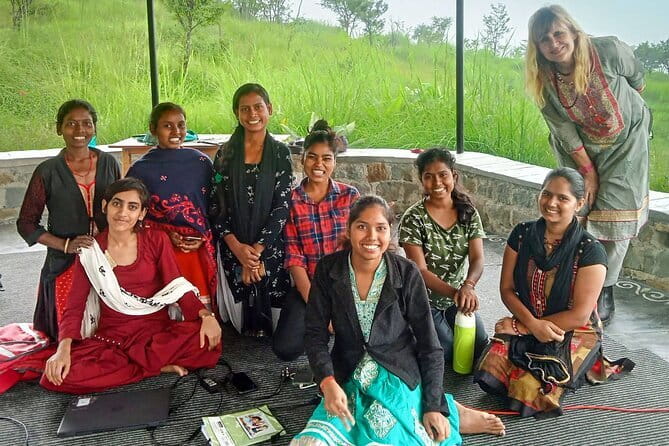
This tour runs about 6 hours and includes a mobile ticket, which is convenient if you want to keep paper to a minimum. Confirmation is provided at booking, which helps you feel set.
The group is limited to 10 travelers, which is a practical advantage in monastery areas where you do not want to be stuck in a tight crowd for every photo. A smaller group also helps your guide manage transitions between stops with less chaos.
One thing I appreciate from the way this day is described is that it stays honest about scope. You’re covering prominent monasteries across Dharamshala and McLeodganj, not trying to cram in unrelated attractions. That focus usually makes half-day tours feel smoother.
If you want the day to feel easier:
- Wear comfortable shoes for the walking between sites
- Bring cash for the Norbulingka fee and any monument fees
- Have a simple plan for lunch since it is not included
- Keep a respectful, low-volume attitude inside religious spaces
Also, in at least one case the guide experience really stood out, with a guide named Omkar described as patient and detail-oriented. That kind of thoughtful guidance is exactly what you want on a spiritual and cultural route, because it turns unfamiliar sights into understandable experiences.
Should you book the Dharamsala Tibetan monasteries and nunnery tour?
Book it if you want a guided, structured way to see major Tibetan monastic and cultural stops in a single half-day, especially if you appreciate context. I’d also recommend it if you do not want to piece together transport, timing, and explanations on your own.
Skip it or think twice if you dislike tours that require extra spending on the day, since Norbulingka’s entrance fee and other monument fees are not included, and lunch is also on you. Also, if you are looking for a long, slow day with minimal transitions, this is still a tight 6-hour circuit.
FAQ
What is the duration of the guided tour?
The tour lasts about 6 hours.
Does the tour include hotel pickup and drop-off?
Yes. Pickup and drop-off from your hotel are included, and the driver drops you back at your hotel at the end.
Is a guide included, and what language do they speak?
Yes. A local English-speaking professional guide is included.
Is lunch included in the tour price?
No. Lunch is not included.
Do I need to pay entrance fees at stops?
Yes. Monument fees are not included. The Norbulingka Institute entrance fee is Rs 200 per person and is also not included.
Is there a ticket included, or do I need to print anything?
A mobile ticket is included.
How large is the group?
The tour has a maximum of 10 travelers.
Is water included?
Yes. A water bottle is included.
What is the cancellation policy?
This experience is non-refundable and cannot be changed for any reason. If you cancel or request changes, the amount you paid will not be refunded.
Recently added around Dharamsala
- hilloferry – a guided cycling tour★ 5.0 · 20 reviews
- Indrahar Pass Trek★ 5.0 · 16 reviews
- Tea Top Adventure Activities★ 5.0 · 21 reviews
- Triund Trek★ 4.5 · 27 reviews
- Triund Trek & Snow Line Trek★ 4.5 · 9 reviews
- Kareri Lake Trek & Indrahar Pass Trek★ 5.0 · 9 reviews
- ATV QUAD BIke Riding 3 Kms Sportsman 570★ 5.0 · 26 reviews
- Laka Glacier Trek with Manu Adventures India★ 5.0 · 15 reviews
Dharamsala Tours, compared.
Private 6 hrs Mcleodganj & Dharamshala City Tour
Read our review →
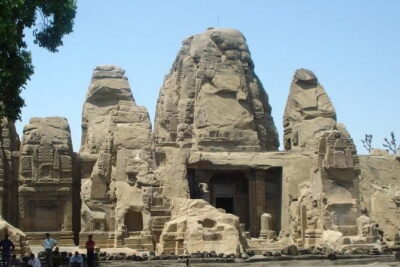
Historical Tour including Unesco Kangra fort & Rock cut temple from Dharamshala
Read our review →
Browse the lists this tour appears in