
Reviewed · FATEHPUR SIKRI TOURS
Book Official Tour Guide for Fatehpur Sikri.
Fatehpur Sikri feels like a royal city frozen in time. This 2-hour, local Govt-approved guided visit focuses on the Mughal capital Akbar shifted from Agra, and it walks you through the key monuments in a way that’s easy to follow on the ground, not just from a screen.
What I like most is the skip-the-line entry approach, so you spend less time queuing and more time looking. I also like that you get a live guide who explains the Indo-Islamic architecture as you move from complex to complex, including the stop at Seikh Saleem Chisti’s renowned tomb.
The main thing to consider: entrance tickets are not included, so you’ll want to budget for those separately, and you’ll need to carry an ID or passport to avoid delays.
In This Review
- Quick Hit Points (What Makes This Tour Work)
- Why Fatehpur Sikri Feels Like a Royal City Frozen in Time
- Agra Gate Meet-Up and the Advantage of Skip-the-Line
- The Red Sandstone City Akbar Shifted From Agra
- Panch Mahal: The Palace With a View Into Power
- Dewan E Aam and Dewan E Khas: Where Rulers Were Seen
- Rang Mahal and Harem Sara: Court Life and Everyday Reality
- The Mosque Complex and Qawwali-Style Sufi Music
- Buland Darwaza: The Gateway That Does the Talking
- Seikh Saleem Chisti’s Tomb: A Quiet Center in a Monument World
- Price and Value: $17 for a Private Group Up to Five
- Languages, Real-Time Explanations, and What That Does for You
- What to Bring So the Tour Runs Smoothly
- Who This Tour Best Suits
- Should You Book This Official Tour Guide?
- FAQ
- How long is the Fatehpur Sikri tour?
- Is skip-the-line entry included?
- Are entrance tickets included?
- Where do we meet the tour guide?
- What languages are available for the live guide?
- Is this a private group tour?
- What group size is it priced for?
- Do I need to bring an ID or passport?
- Is the tour wheelchair accessible and what is the cancellation policy?
Quick Hit Points (What Makes This Tour Work)
- Skip-the-line via a separate entrance, so your 2 hours stays focused on sights
- Govt-approved local guide for Fatehpur Sikri, backed by Ministry of Tourism approval
- Live English, Italian, Spanish, French guide for a guided experience you can actually understand
- Key monuments in one route, from Buland Darwaza to the mosque complex and Seikh Saleem Chisti’s tomb
- Qawwali-style sufi music tied to the visit, not just facts on paper
- Private group setup priced for up to five, a good value if you’re traveling with friends
Why Fatehpur Sikri Feels Like a Royal City Frozen in Time
Fatehpur Sikri has that rare effect where the buildings look too important to be silent. The place was built as a seat of power under Emperor Akbar, with major structures made from red sandstone. Then, just like that, it became a deserted capital. Walking through it with a guide helps you connect the dots between the layout and the story, instead of treating each monument like a photo spot.
You’ll also notice something practical: the site is big enough that doing it alone can turn into “guess-and-check.” A guided walk keeps you from wandering, and it speeds up your understanding of what you’re seeing, especially around the palace areas and the religious buildings.
Fatehpur Sikri tours readers book most in Agra:
- Private Transfer Agra to Jaipur with Fatehpur Sikri
★ 5.0 · 135 reviews - Private Transfer From Agra To Jaipur with Fatehpur Sikri
★ 5.0 · 117 reviews - Agra: Guided Tour of Taj Mahal, Agra Fort and Fatehpur Sikri
★ 4.7 · 81 reviews
Agra Gate Meet-Up and the Advantage of Skip-the-Line
You meet your guide at the Agra gate, where you’re welcomed and then led into the visit. That start matters. When you’re standing at the perimeter of a historic site, it’s easy to lose time figuring out entrances and pathways. Here, the plan is built around moving you through efficiently.
The standout advantage is skip-the-line entry using a separate entrance. Even if the lines are shorter than expected, this matters because your tour time is fixed at 2 hours. With a guide, that time turns into monument-by-monument context, not wasted minutes.
If your schedule is tight between Agra and Jaipur-style routes, this kind of structured entry can make the difference between a rushed glance and a proper circuit.
The Red Sandstone City Akbar Shifted From Agra
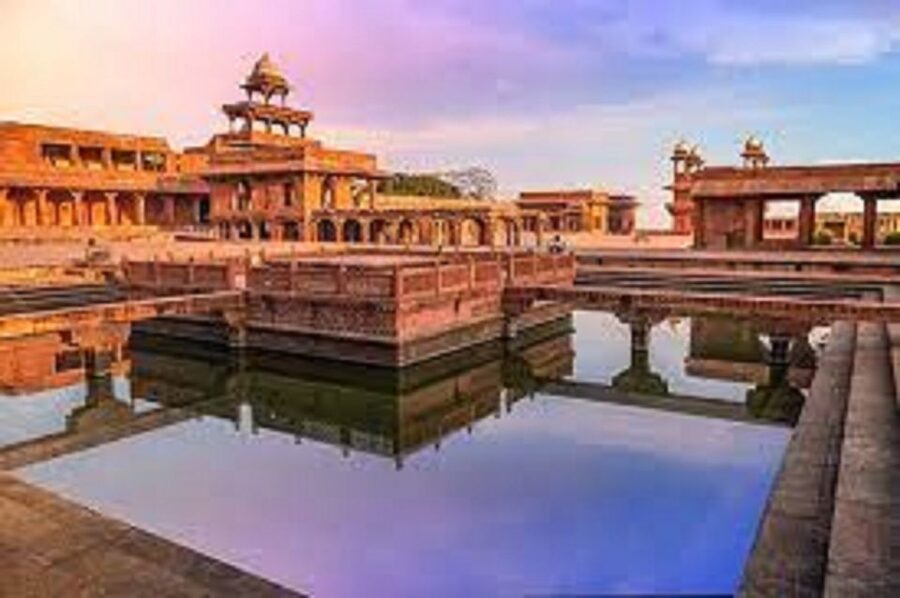
One theme ties the entire tour together: Akbar shifted his attention from Agra to Fatehpur Sikri, and you can feel that shift in the design. You’ll learn how the site functioned as a royal capital and how the buildings reflect a blend of influences, particularly the Indo-Islamic style you’ll keep running into throughout the complex.
As you move, watch for patterns in the architecture the guide points out. For example, many Mughal-era structures were built to show authority and order through geometry and scale, while religious areas followed a different logic, usually more centered around devotion and symbolism. When a guide narrates that contrast while you’re still standing in front of the walls, it clicks fast.
Also, the desertion factor helps your photos too. Because the city isn’t crowded like a living market, you get clearer views of key features like gateways and domes. It’s easier to trace the building forms without people blocking your sightlines all the time.
Panch Mahal: The Palace With a View Into Power
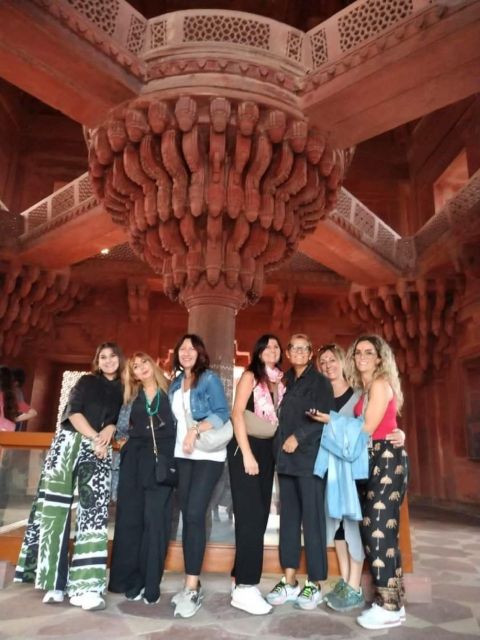
One of your major stops is Panch Mahal, a palace structure tied to court life. The name itself hints at the number five, and you’ll learn how the stepped design creates a rhythm as you move upward.
Why this matters for you: palace complexes can feel like random rooms if you don’t have a guide translating what each area was for. Here, Panch Mahal is treated as part of the bigger story of how the royal household would have used the space. It’s not just a climb for photos, it’s a layout that supports a certain way of seeing the world.
Possible drawback: in a shorter 2-hour tour, you may not have time for a slow, linger-and-stare approach at every single surface. If you love architectural details, keep your eyes open and let the guide direct your attention to the most meaningful features first.
A few more Agra days to compare
- From Delhi: Taj Mahal Sunrise, Baby Taj & Agra Fort Day Tour
★ 4.9 · 2,020 reviews - Agra: Skip-the-Line Taj Mahal & Agra Fort Private Tour
★ 4.9 · 1,546 reviews - Agra: Taj Mahal Express Entry Tickets
★ 4.8 · 684 reviews - Agra: Taj Mahal and Mausoleum Guided Tour with Skip-the-Line
★ 4.8 · 631 reviews
Dewan E Aam and Dewan E Khas: Where Rulers Were Seen
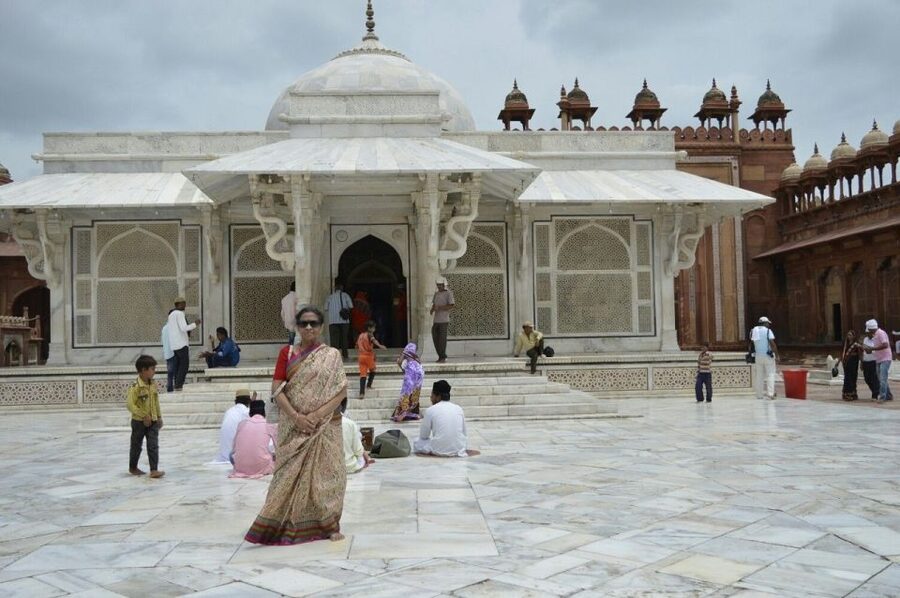
Next comes the heart of governance energy. You’ll visit Dewan E Aam and Dewan E Khas, which translate into public and private audience spaces.
Here’s the practical value: these buildings help you understand how rulers projected power in two modes. Public audiences are one thing. Elite access and private affairs are another. When you’re shown the differences between the spaces while standing inside or near them, you stop thinking of them as labels and start seeing the logic of the Mughal court.
If you’re a fan of “how power works” rather than just “what looks pretty,” these two stops usually become the moments you remember most. They’re the buildings that explain the human system behind the architecture.
Rang Mahal and Harem Sara: Court Life and Everyday Reality
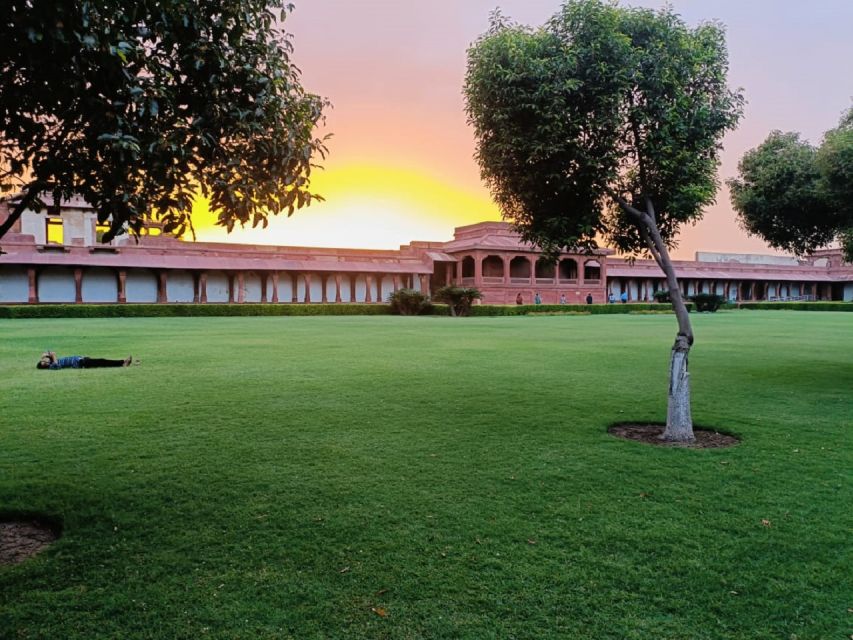
Then you move into the residential and pleasure-oriented areas, including Rang Mahal and Harem sara.
This is where the tour becomes less about official ceremonies and more about daily court life. Rang Mahal is associated with entertainment and decorated spaces, while the harem area relates to the household side of the royal setup. With a guide, you get an interpretation of what those spaces likely meant within Akbar’s court culture.
One smart way to experience this section: don’t just look for beauty. Look for how the design supports function. How rooms connect. How the space shapes movement. How architecture can separate public presence from private use. Even in a short guided visit, these clues help you “read” the buildings.
The Mosque Complex and Qawwali-Style Sufi Music
Religious architecture is a big deal at Fatehpur Sikri, and you’ll visit the Mosque area as part of your circuit. You’ll also spend time at the famous renowned tomb of Sufi Seikh Saleem Chisti.
The tour includes something you don’t get on typical monument-only walks. You’ll enjoy the white mosque setting alongside classical sufi Indian song known as Qawwali. Even if you’re not a die-hard music fan, it adds a sense of atmosphere. It turns the experience from visual to emotional, and it gives meaning to why these places were built the way they were.
A quick consideration: if your personal style is strictly museum-quiet, this music element might feel like a change in pace. For many people, though, it’s exactly what makes the visit memorable, because it connects the tomb and mosque spaces to the spirit of devotion tied to Sufi tradition.
Buland Darwaza: The Gateway That Does the Talking
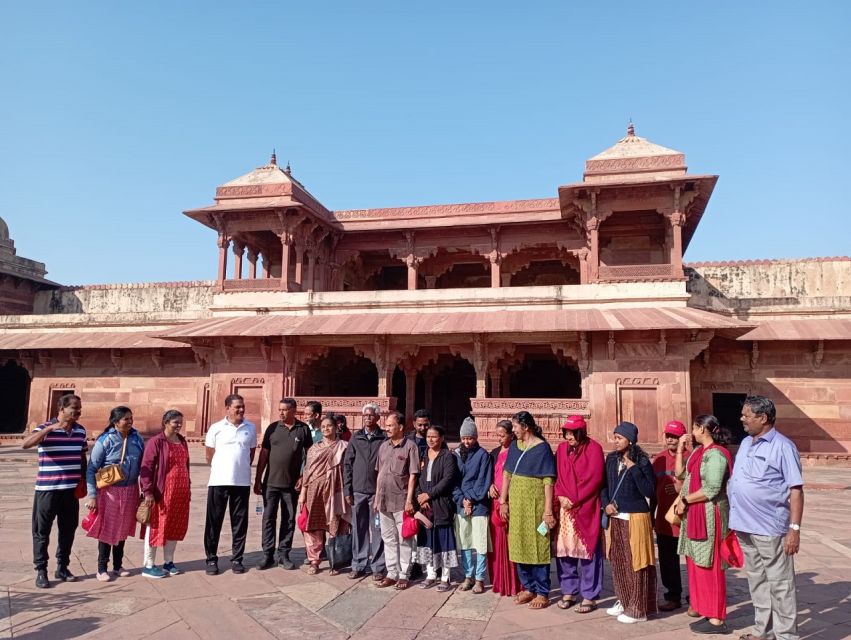
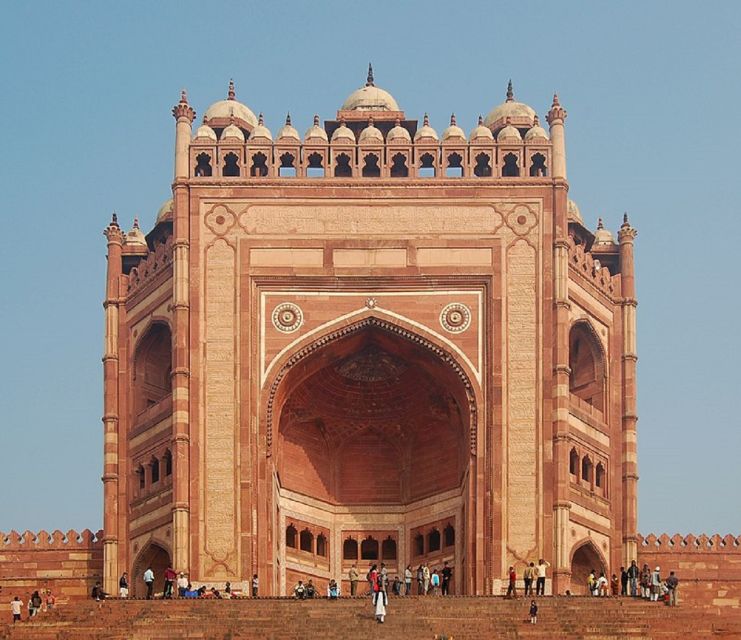
No Fatehpur Sikri visit feels complete without Buland Derwaza, the famous grand gateway. This is one of those stops where the size alone can overwhelm you, until you learn what to look for.
Your guide will explain it as part of the religious and royal statement architecture Akbar wanted people to understand. Gateways in Mughal design often function like transitions, physical and symbolic. Buland Darwaza is built to make you slow down, look up, and recognize importance.
Practical tip: since the tour is only 2 hours, bring your attention here. If you rush, you’ll miss the gateway’s scale cues. If you pause, you’ll start noticing details that change how you view the rest of the complex.
Seikh Saleem Chisti’s Tomb: A Quiet Center in a Monument World
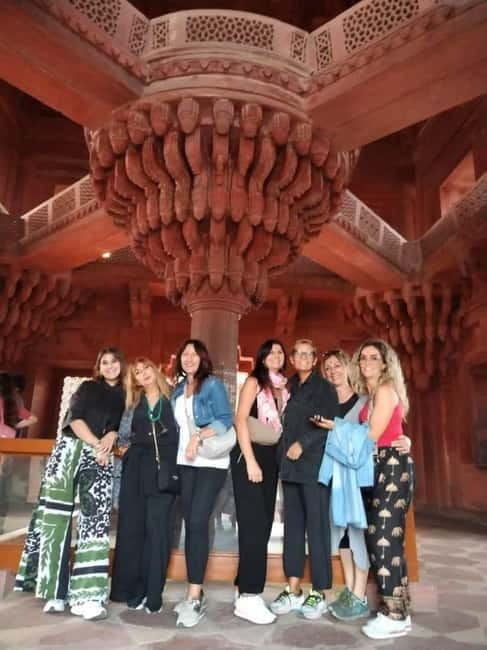
The stop at the tomb of Sufi Seikh Saleem Chisti is often the spiritual anchor of the route. The guide connects the site to Indo-Islamic architecture and the Sufi tradition linked to Saleem Chisti, which helps you understand why this tomb is so central to the area.
The value for you is simple: it prevents the visit from turning into only palace rooms and big gates. It gives your brain a place to reset and a reason to slow down. You’ll likely find it easier to remember the visit as a story rather than as a list of buildings.
Price and Value: $17 for a Private Group Up to Five
At about $17 per group up to 5, this tour can be good value, especially if you’re traveling as a small unit. The cost makes sense because you’re paying for a live, Govt-approved local guide for a fixed 2-hour window, with skip-the-line entry built in.
One thing to factor in: entrance tickets are not included. So the real comparison price should be your total with tickets added. Still, if you’re splitting the guide cost among friends or family, this setup can land cheaper than paying separate guided rates for each person.
I also like the private-group format. It means the guide can adjust pace when you need a moment to take photos or when questions pop up. In a short visit, control of pace is a big part of comfort.
Languages, Real-Time Explanations, and What That Does for You
Your guide can work in English, Italian, Spanish, and French. That matters more than it sounds. Fatehpur Sikri is full of terms that can confuse you fast, especially with palace areas and audience halls. When you can follow the explanation in your language, the architecture becomes readable.
I’ve seen this kind of guiding done well by names like Mr Imam and Tony/Toni, with the kind of energy that turns a confusing monument layout into something you can track. You’ll also appreciate the patient, practical tone that keeps the story clear, even if your day started with travel delays.
What to Bring So the Tour Runs Smoothly
The most specific “know before you go” item is to carry your ID or passport. That’s not the kind of thing you want to scramble for at the gate.
Beyond that, keep it normal:
- Wear comfortable shoes for uneven historic ground.
- Bring water if you’re going at warmer times.
- Keep your camera ready, but pause and let the guide point out what you should notice.
Who This Tour Best Suits
This is a strong fit if you want:
- A short, high-focus visit of Fatehpur Sikri in 2 hours
- A Govt-approved local guide who explains Indo-Islamic architecture as you walk
- A private group experience with skip-the-line entry
- The combo of monuments plus atmosphere, including Qawwali during the visit
You might also enjoy it if you’re not trying to become an architecture expert. The guide’s job here is to make sense of the main areas you’ll otherwise overlook.
Should You Book This Official Tour Guide?
I’d book it if you value efficiency and clarity. Skip-the-line entry helps protect your time, the guide is local and officially approved, and the route hits the big meaningful stops like Panch Mahal, Dewan E Aam, Dewan E Khas, Rang Mahal, the mosque complex, Buland Derwaza, and the tomb of Seikh Saleem Chisti.
Pass if you already know Fatehpur Sikri extremely well and prefer unguided wandering. Also, if you hate music elements altogether, note that Qawwali-style sufi singing is part of the experience, not optional on the spot.
If you’re on a tight itinerary and want your Fatehpur Sikri time to feel intentional, this guide-based, private-group format is a solid choice.
FAQ
How long is the Fatehpur Sikri tour?
The tour lasts 2 hours. You can check availability for starting times.
Is skip-the-line entry included?
Yes. You’ll get skip-the-line entry through a separate entrance.
Are entrance tickets included?
No. Entrance tickets are not included.
Where do we meet the tour guide?
You’ll be welcomed at Agra gate.
What languages are available for the live guide?
The guide is available in English, Italian, Spanish, and French.
Is this a private group tour?
Yes. It is described as a private group.
What group size is it priced for?
The price is listed per group up to 5 people.
Do I need to bring an ID or passport?
Yes. Please carry your IDs or passport.
Is the tour wheelchair accessible and what is the cancellation policy?
The tour is wheelchair accessible. It also offers free cancellation up to 24 hours in advance for a full refund, and it has a reserve now and pay later option.
Recently added around Agra
- Book Govt. Approved Tour Guide For Taj Mahal & Fort★ 4.9 · 18 reviews
- Agra: Taj Mahal Guided Tour with Tuk-Tuk★ 5.0 · 8 reviews
- Agra: Taj Mahal Sunrise Tour with Walk Inside the Mausoleum★ 4.9 · 7 reviews
- Agra: Taj Mahal Skip-The-Line, Agra Fort & Baby Taj Tour★ 4.8 · 86 reviews
- Agra: Taj Mahal Skip-the-Line Guided Tour by Car★ 5.0 · 13 reviews
- Agra: Taj Mahal and Mausoleum Tour with Skip-the-Line Entry★ 5.0 · 10 reviews
- Agra: Skip-the-Line Taj Mahal Guided Tour with Multi Options★ 5.0 · 25 reviews
- Agra: Taj Mahal, Agra Fort & Fatehpur Sikri Guided Tour★ 4.7 · 13 reviews
Fatehpur Sikri Tours, compared.

Private Transfer Agra to Jaipur with Fatehpur Sikri
Read our review →
Private Transfer From Agra To Jaipur with Fatehpur Sikri
Read our review →
Guided Tour of Taj Mahal, Agra Fort and Fatehpur Sikri
Read our review →
Private Transfer From Jaipur to Agra including Fatehpur Sikri
Read our review →
Private Transfer Agra To Jaipur Via Fatehpur Sikri & Chand Baori, Step Well
Read our review →
Agra To Jaipur Drop Via Fatehpur Sikri & Chand Baori, Step Well
Read our review →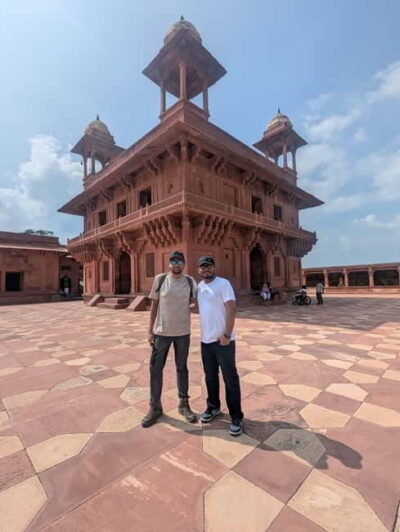
Taj Mahal, Agra Fort & Fatehpur Sikri Guided Tour
Read our review →Browse the lists this tour appears in