
Reviewed · HISTORICAL TOURS
Bangalore Heritage and Cultural Walking Tour
Bangalore clicks into focus in two hours. This walking tour strings together major landmarks and quieter lanes, with a storyteller guiding you through Bangalore heritage in a way that is easy to follow. I especially liked the English and Hindi guide style that keeps the walk moving with stories, not lectures. One possible drawback: as a group walk, it is best if you are comfortable walking for about 2 hours and standing to listen at stops.
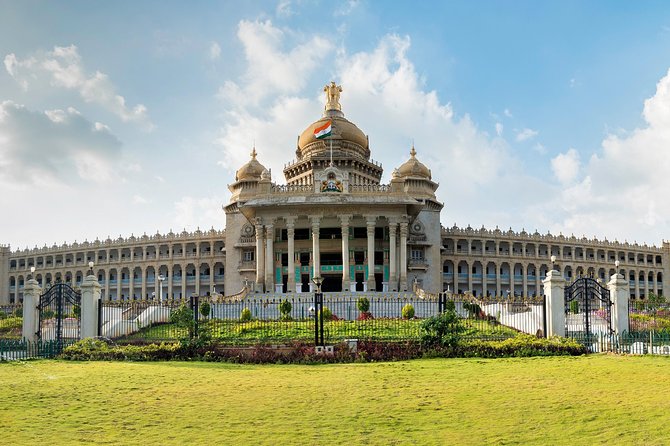
The second thing I really liked is the contrast. You go from museum and art stops to old-market streets and centuries-old places, then you hop into areas with modern buildings and big civic sights like Vidhana Soudha. You should note the overall feedback score is mixed enough that you will want to double-check meeting time and stay reachable on the day of your tour.
In This Review
- Key things to know before you go
- Getting oriented fast with a heritage walking route
- Price and value, with a reality check
- Your guide and the infotainment style
- Venkatappa Art Gallery and archaeology museum stop
- Visvesvaraya Industrial and Technological Museum moment
- UB City, modern towers, and a quick city-scale reset
- St. Mark’s Cathedral and Mahatma Gandhi Park
- Old market lanes, heritage buildings, and centuries-old temples
- Cubbon Park, the stadium area, and Minsk Square
- Attara Kacheri and the High Court of Karnataka area
- Vidhana Soudha, the Gandhi statue, and the Press Club sights
- What to bring for a comfortable 2-hour walk
- Should you book? My take on who this tour is for
- FAQ
- FAQ
- How long is the Bangalore Heritage and Cultural Walking Tour?
- How much does the tour cost?
- What languages does the guide speak?
- How many people are in the group?
- What is included in the tour price?
- Is hotel pickup or drop included?
- Is water provided during the tour?
- What is the cancellation and refund policy?
Key things to know before you go
- Small group size (up to 15 people), which helps the guide answer questions without rushing
- English and Hindi guided commentary, plus local tips to save money and plan your next moves
- Old town plus modern contrast, including UB City and major civic buildings
- A stop-and-story approach, with plenty of conversation, fun facts, and city context
- Hidden lanes and less-obvious spots, including lanes you might not find easily on your own
Getting oriented fast with a heritage walking route
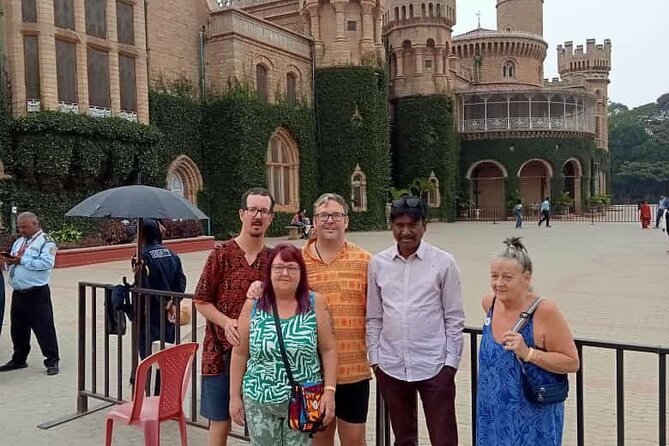
If you land in Bangalore with limited time, a walking tour is one of the best ways to get your bearings. This one is built around the idea that you should understand the city’s “why” before you worry about the “what.” In practice, that means you are not just ticking off landmarks. You are learning how the city is layered: older lanes and places sit alongside newer buildings, and the guide uses stories to connect the dots.
The route also makes sense because it is compact. You keep moving through the center area and you return to the meeting point at the end. That loop is useful if you have dinner plans, a museum you want to revisit, or you simply do not want to spend half your day figuring out transport.
This is also a good format if you are the type who likes to ask questions. You get a storyteller-guide, and the tour is described as conversation-friendly, not one-way speaking. With a maximum of 15 travelers, it is easier to stay engaged and not feel like you are part of a crowd doing a synchronized side-step.
More History Tours in Bangalore
- Experience Bangalore – City Tour, Authentic Food & market (Food/Culture/History)
★ 5.0 · 156 reviews - World heritage Somnathpur sculptures and Talakadu temple mystery
★ 5.0 · 79 reviews - 2 days Private tour of Hampi world heritage site from Bangalore by car
★ 5.0 · 75 reviews
Price and value, with a reality check
At $12.46 per person for about 2 hours, the value is mostly about what is included. You are paying for guided context, city tips, and access to quieter lanes and spots that are not always top-of-search.
What you should not assume is that every stop is a formal museum visit with guaranteed entry. The stops include places like Venkatappa Art Gallery and the Visvesvaraya Industrial and Technological Museum, but the tour description focuses on the guided experience and what you learn as you’re there. So think of it as a guided introduction that helps you decide what to revisit on your own.
Also, water is not included. That is a small thing, but in Bangalore heat it matters. I would plan to bring your own bottle even if you do not usually carry one.
Your guide and the infotainment style
This tour is sold on “infotainment,” and I think the pitch is practical. It signals that the guide is aiming to keep the story line flowing, even if history is not your main interest. That matters because walking tours can get slow fast when you are standing around listening to facts no one explains.
The guides here are listed as speaking English and Hindi, and that is a big deal for a city where you may hear languages you do not speak. It helps you follow the stories in real time, and it makes it easier to ask follow-up questions when you want clarity.
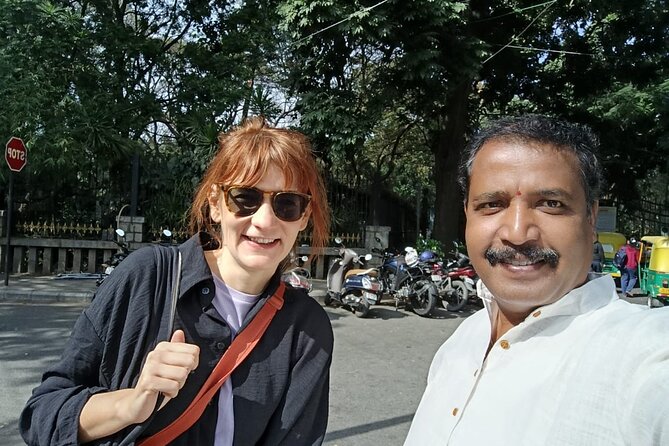
That said, I will be honest. The overall rating is 3.7 based on 21 reviews, and a few reports point to serious service issues such as a guide not showing up. I would treat this like a normal “watch your ride” situation: arrive early, stay reachable by phone, and don’t assume the tour will magically appear if something goes wrong. One guide name that showed up in feedback is Yashas (also spelled Yashis in one note), and at least one review praised the guide’s British-legacy storytelling while another criticized guide engagement. So, the outcome seems to depend on the day and the specific guide.
Venkatappa Art Gallery and archaeology museum stop
You start with Venkatappa Art Gallery and the Department of Archaeology and Museums area. This is a smart first move. Art and museums naturally set the tone for how you should look at the city. Instead of only street-level impressions, you get a first hint that Bangalore’s identity is also documented and preserved.
As a visitor, you also get a chance to spot what kind of things you want to follow up on later. If you like the museum world angle, you’ll know quickly. If you prefer street-level stories, you still benefit because the guide can connect later stops to broader themes.
A possible drawback here is timing. Museum-adjacent stops can vary in how much you can actually see or how long you can stand comfortably, depending on the day. If you are the kind of traveler who hates waiting, pay attention to the guide’s pace. On a short 2-hour tour, the guide has to keep every segment efficient.
More Walking Tours in Bangalore
- Bengaluru Pete City Market Half-Day Walking Tour
★ 5.0 · 163 reviews - Bangalore: Palace, Temples, Fort & Markets Walking Tour
★ 4.9 · 97 reviews - Street Food walking tour in Bangalore with a food evangelist
★ 5.0 · 83 reviews - Old Bangalore Historical Walk thro Palace, Temples, Fort & Market
★ 5.0 · 60 reviews
Visvesvaraya Industrial and Technological Museum moment
Next you move to the Visvesvaraya Industrial and Technological Museum. Even if you do not go deep into exhibits, the point of the stop is to broaden your sense of what Bangalore means beyond old streets. Industrial and tech themes are part of the city’s modern identity, and this tour uses that contrast to avoid the common mistake of treating heritage as only “old.”
I like this segment because it helps you understand why certain civic and educational vibes are important in Bangalore. You can stand there and listen without committing to a full museum visit. Then, later, if you decide you want more, you know which direction to explore.
If you are short on time, this stop gives you a “preview.” If you are hoping for a full museum experience with long indoor time, you might find the tour format too quick. That is not a flaw, it is just a mismatch in expectations.
UB City, modern towers, and a quick city-scale reset
From the more heritage-leaning areas, you pass through UB City and its modern buildings, including a stop near the tower and aquarium. This segment is doing something important: it prevents the tour from becoming only nostalgia.
UB City is different in feel. Instead of the older street rhythm, you get a sense of Bangalore’s present-day skyline. On a walking tour, it is a good mental reset. You get to compare styles, scale, and how public life shifts when you move from heritage blocks to big commercial spaces.
The practical value is that it helps you map the city in your head. When you later ride a cab or use public transport, you can recognize where you are. And because the tour keeps moving, you do not spend your whole time in one mood.
One consideration: if you are hoping for “hidden lanes only,” this part may feel less secret. But that contrast is exactly why the route is enjoyable for many people.
St. Mark’s Cathedral and Mahatma Gandhi Park
Then you move into St. Mark’s Cathedral and Mahatma Gandhi Park. This is where the tour’s storytelling about the city’s British legacy becomes especially relevant, since at least one praised review specifically highlighted British legacy context.
Cathedral stops are useful on a walking tour because they often give you clear visual anchors. You can look, orient, and then let the guide explain the broader connections. And Gandhi Park gives you a place to pause in a more open, reflective setting, which matters when you have already been walking.
A drawback to keep in mind is that religious sites can have rules about where you can stand and what you can photograph. The tour data does not list specifics, so just be ready to follow whatever on-site guidelines you see.
Old market lanes, heritage buildings, and centuries-old temples
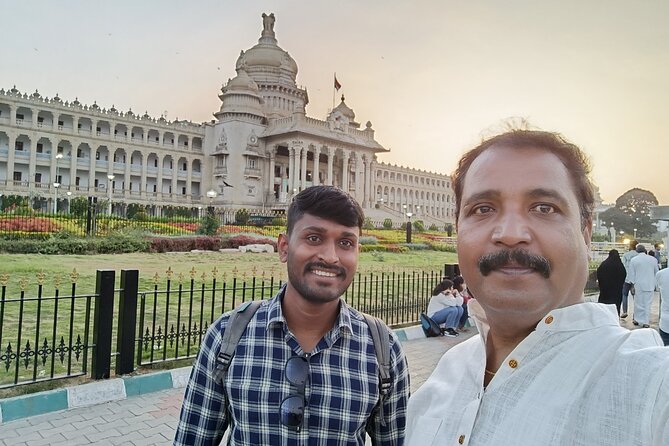
After the cathedral and park, the tour shifts into the street fabric of the city. You pass through the old market, museum and heritage buildings, plus centuries-old temples.
This is the kind of segment that most people enjoy most. Street-level storytelling is where a walking tour earns its keep. The guide can point out patterns, explain why certain areas feel the way they do, and guide you into lanes you might never notice if you were just scanning on a map.
I also like that the itinerary describes “hidden yet prominent lanes.” That is the best promise a guide can make, because it means you’re not only seeing big-name places. You are also seeing the side streets that shape how neighborhoods feel.
The one caution is simple: markets and older lanes can get crowded or uneven. Wear comfortable shoes. Keep your phone secure. And expect that your experience will depend on what is happening that day.
Cubbon Park, the stadium area, and Minsk Square
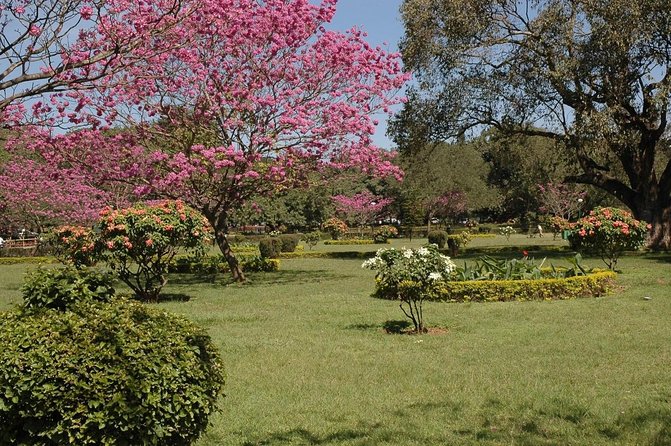
Next comes Cubbon Park, plus the M Chinnaswamy Stadium and Minsk Square area. This section is a nice change of pace. After tighter lanes and heritage buildings, a park and open civic spaces can make the walk feel less intense and more breathable.
Cubbon Park is also practical for orientation. If you come back later for a self-guided walk, you have already placed it in your mental map. Adding Minsk Square and the stadium nearby helps you understand how public space clusters around major landmarks.
If you are the type who likes photos, this is a good window for them. But even if you skip photos, it is still a strong “where you are in the city” moment. You see the city’s geometry and civic rhythm rather than only street corners.
Attara Kacheri and the High Court of Karnataka area
The walk then brings you to the High Court of Karnataka, also known as Attara Kacheri. This is a big civic stop, and it shifts the tour from cultural landmarks into governance and public institutions.
I find places like this valuable because they explain how the city is organized. Even if you are not studying law or architecture, understanding the role of civic buildings helps you feel less like you are only sightseeing. You start to grasp what makes certain areas function as centers of authority and public life.
A practical note: civic buildings can have security rules and limited access to certain spots. The tour data doesn’t specify how the group enters or how close you get, so expect that you will likely be viewing from public areas and listening to the guide on the sidewalk or at designated viewpoints.
Vidhana Soudha, the Gandhi statue, and the Press Club sights
Finally, you reach Vidhana Soudha and nearby points like the Mahatma Gandhi Statue and the Press Club area. This segment is about scale and symbolism. It is also where the tour naturally finishes with a “big picture” feeling, tying together heritage, public life, and the personalities that shape how Bangalore presents itself.
This is a strong closing arc because you end at the kinds of sights you can easily recognize later in your trip. Even if you only spend a few minutes here as part of the group walk, you will know exactly where you are when you spot it again.
Again, civic and public buildings can have restrictions. If you are traveling with someone who wants lots of time inside, this is not that kind of tour. The strength here is guided street context, not long indoor exploration.
What to bring for a comfortable 2-hour walk
Because this tour does not include hotel pickup and does not provide water, you are setting yourself up for comfort by planning ahead.
Here is what I would pack for the walk:
- Comfortable walking shoes, since you are on your feet for about 2 hours
- A water bottle, since water is not listed as included
- Your phone ready for a mobile ticket
- A light layer, since weather can change quickly
One more practical tip: the meeting point is near public transportation, so you can plan to arrive early and use transit rather than relying on a long ride. When you are walking, a few extra minutes of buffer helps. It also helps if you run into delays.
Should you book? My take on who this tour is for
Book this tour if you want to get oriented quickly, see a mix of old town and modern Bangalore, and enjoy a guide who tells stories with lots of conversations. The price is low enough that it feels like a smart way to learn the city without overcommitting your schedule.
Also, it is a good choice if you like an itinerary that helps you decide what to revisit later. After a guided walk like this, you usually know which museum stop or park you want to spend extra time on.
Skip it or be extra cautious if you cannot handle service hiccups. The overall rating is decent but not flawless, and there are reports of a guide not arriving and other planning disappointments. If you book, show up early and keep your phone charged.
FAQ
FAQ
How long is the Bangalore Heritage and Cultural Walking Tour?
It runs for about 2 hours.
How much does the tour cost?
The price is $12.46 per person.
What languages does the guide speak?
The guide speaks English and Hindi.
How many people are in the group?
The tour has a maximum of 15 travelers.
What is included in the tour price?
Included items are a trained friendly storyteller/guide who speaks English and Hindi, local tips and recommendations to save money and explore the city, access to hidden lanes and places, and conversations and interesting stories.
Is hotel pickup or drop included?
No, hotel pickup and drop are not included.
Is water provided during the tour?
No, a water bottle is not included.
What is the cancellation and refund policy?
You can cancel for free up to 24 hours in advance for a full refund. If you cancel less than 24 hours before the start time, the amount paid is not refunded.
More Historical Tours in Bangalore
- See Bangalore through my eyes (Cultural / Historical / Walking Tour)
★ 5.0 · 60 reviews - Bangalore Heritage Walk – Private Walking tour
★ 5.0 · 47 reviews - Discover Bangalore with Me (A Private Historical Walk Tour)
★ 5.0 · 24 reviews - World heritage site of Belur & Halebid with temple sculptures
★ 5.0 · 24 reviews
Recently added around Bangalore
- Traditional Gowda Cooking Class and Meal in a Bangalore Home★ 5.0 · 31 reviews
- Old Bangalore town Pettah walk★ 5.0 · 49 reviews
- Malleswaram heritage walk, an immersive walking tour in Bangalore★ 5.0 · 20 reviews
- Treasures of Mysuru – day tour★ 5.0 · 27 reviews
- Guided Walk through Bengaluru’s Ejipura Slums★ 5.0 · 24 reviews
- Day trip from Bangalore to Mysore, Somnathapura & Srirangapatna★ 4.5 · 7 reviews
- Private Shravanabelagola tour as a day trip from Bangalore★ 5.0 · 9 reviews
- Filter Kaapi: A food walk by tourism ministry approved company★ 5.0 · 26 reviews
Historical Tours, compared.
The Great Indian Food Tour: Old Delhi Food and Heritage Walk
Read our review →
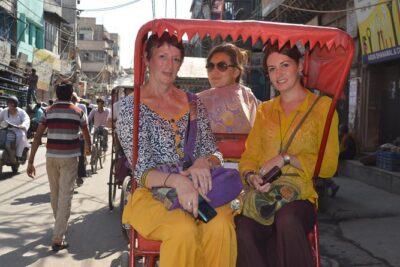
Old Delhi Food, Heritage&Cultural Walk with Rickshaw ride to Masterji Kee Haveli
Read our review →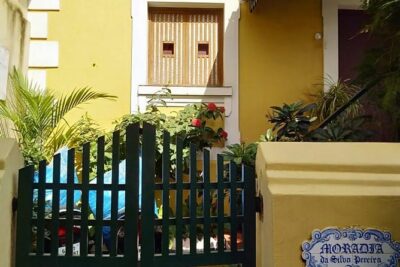
Fontainhas Heritage Walk At Latin Quarters of Goa
Read our review →
Blue City Heritage Private Walking Tour With Pickup and Drop-Off
Read our review →
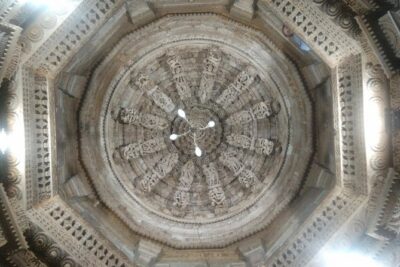
Private Heritage Walking Tour in Jaisalmer Fort and Old Bazaar
Read our review →Browse the lists this tour appears in