
Reviewed · STREET FOOD TOURS
Story of Spices- A Food Tour of Agra
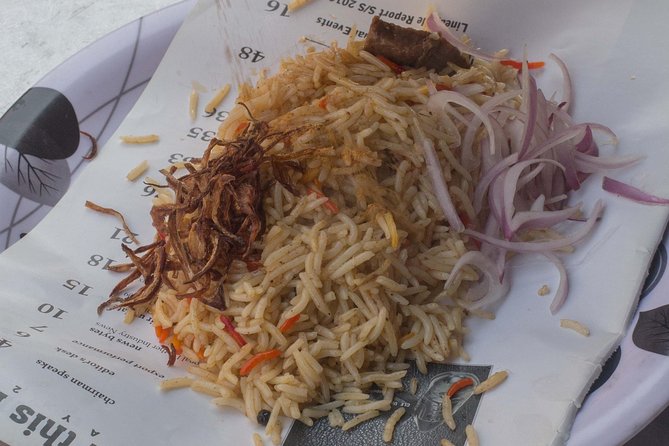
Agra smells like dinner and stories. This spice-focused food tour threads through Old Agra lanes and landmark old shops, where the flavors you taste are tied to the way people cooked, traded, and adapted over generations. I love how the stop list mixes Braj and Mughlai food with spice history, and I love that it includes a Satvik taste so you can see how recipes change when onion, ginger, and garlic are left out.
One thing to consider: you walk through narrow lanes and markets, and the tour asks for moderate physical fitness. It also runs in the late afternoon, so if the weather turns, your plan may shift since the experience needs good weather.
In This Review
- Key things to look forward to
- Why this Agra food tour is about spices, not just snacks
- The 4:00 pm start, walking pace, and where you begin
- Rawatpada-style spice shops and the Satvik lesson
- The 16th-century market stop, snacks, and acculturation
- Three generation-old soda shops and why the drinks matter
- Live flute performance at a 17th-century pathway
- Mughlai-style non-veg at Pakiza Meat Shop and Akbar’s kitchen
- Lassi finish and how to read Agra’s flavor map
- Who this tour fits best in Agra
- Price and value: is $41.70 reasonable for a 3-hour spice walk?
- Practical tips to get the most out of the experience
- Should you book Story of Spices in Agra?
- FAQ
- How long is the Story of Spices food tour in Agra?
- What time does the tour start?
- Where does the tour begin?
- Is the tour private or shared?
- Is the ticket digital?
- What food and drinks are included?
- Does the tour include non-vegetarian food?
- Is there any live entertainment?
- What fitness level do I need?
- What if the weather is bad?
Key things to look forward to
- Satvik tasting without onion, ginger, and garlic, plus a clear explanation of what that changes in flavor
- More than 170-year-old food joints for Braj-style bites and spice-led cooking stories
- A 16th-century market snack stop tied to spice use, plus pakoda and falafel samples
- Three generation-old soda shops, with refreshing drinks that keep the spice story going
- Live flute performance at a 17th-century pathway, paired with Mughal-era culinary context
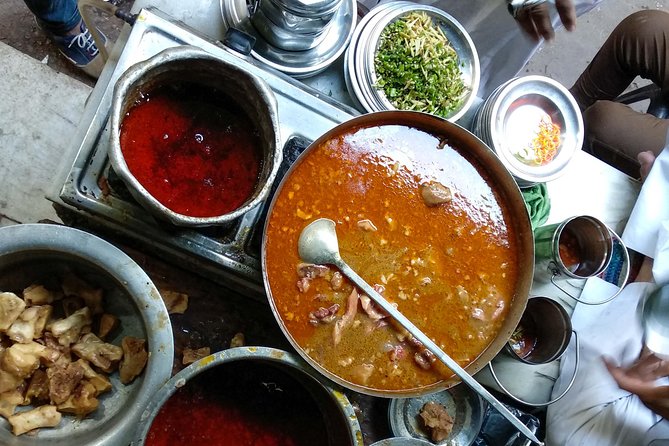
- Mughlai food at a local meat shop, including famed mutton stew style flavors like those at Pakiza Meat Shop
Why this Agra food tour is about spices, not just snacks
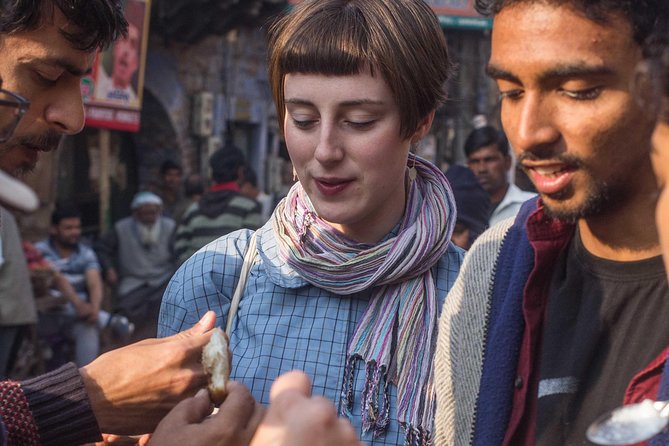
Food tours in Agra can drift into a generic loop of tastings and photos. This one is built around spices as the main character, so every bite comes with a reason, a comparison, or a bit of cooking logic that makes the flavors click.
You start with the feeling of the city itself: the air carries cardamom, chili, and toasted notes while you pass traditional shops and street stalls. Then the guide connects it to food culture, including how communities influenced what people cook and eat today.
I especially like that the Braj focus is real, not a label. Braj cuisine has a distinct style, and you get to taste it alongside Mughlai-style dishes so you can compare spice approaches in your own mouth.
More Food Tours in Agra
- Agra: Street Food Walking Tour, Spice Market, & Tuk-tuk Ride
★ 4.9 · 102 reviews - Flavours of Agra Food walk
★ 5.0 · 25 reviews - Agra: Sadar Bazar Food Market Night Walking Tour by Tuk-Tuk
★ 4.9 · 25 reviews
The 4:00 pm start, walking pace, and where you begin
The tour meets around Subash Bazar, Kinari Bazar, Hing ki Mandi, and Mantola in Agra, Uttar Pradesh, and it starts at 4:00 pm. It ends back at the meeting point, which keeps the route simple and helps you plan the rest of your evening.
You are moving on foot for about 3 hours (approx.), and the activity asks for moderate physical fitness. That matters because some lanes can be tight and crowded, and the experience is designed for you to walk through the old-market fabric of Agra.
The ticket is mobile, and it is a private tour, meaning it is just your group. If you like a more focused pace than a big group tour, this setup is a practical win.
Rawatpada-style spice shops and the Satvik lesson
Early on, the tour leans into Agra’s old trading and spice culture. You get a chance to walk by century-old spice shops at Rawatpada, where the smells are the first explanation, and the spices feel like tools, not seasoning magic.
Then you move into the Satvik angle. You taste Satvik food, described as without onion, ginger, and garlic, and you also hear a brief guide-level explanation of the recipe approach and what it changes.
Why this is smart: onion, garlic, and ginger give a certain kind of depth and sharpness to many Indian dishes. When they are removed, cooks lean harder on other aromatics and spice layering, and you can actually taste that shift. If you have ever wondered how vegetarian or religious styles reshape flavor, this is a good place to notice it.
The 16th-century market stop, snacks, and acculturation
One of the most interesting segments is the visit to the oldest snack food shop in a 16th-century market. The focus stays on spices and local cuisine, but you also get the broader picture of how food cultures overlap over time.
You walk a 16th-century shopping street that was once part of the silk route, which gives the tour an honest historical backbone. Trade routes matter for spices because spices were not just local ingredients, they were connections.
At this point, you taste pakoda/falafel and indigenous sweets from a generation-old shop. The guide also talks about acculturation among communities, and how those mixing influences show up in what people eat now.
A practical note: pakoda and similar fried snacks can be heavy if you eat fast. I’d slow down and take a sip of whatever is offered, since the tour continues with more tastes and stories.
More Street Food Tours in Agra
- Agra: Street Food Tour with Spice Market on Tuk-Tuk Ride
★ 4.7 · 23 reviews - Agra: Street Food and Walk Tour with Spice Market by Tuk-Tuk
★ 5.0 · 18 reviews - Agra : Best Evening Street Food & Local Bazar Tour in Agra.
★ 4.5 · 10 reviews - Agra Evening Food Walk & Market Tour with Private Local Guide
★ 5.0 · 6 reviews
Three generation-old soda shops and why the drinks matter
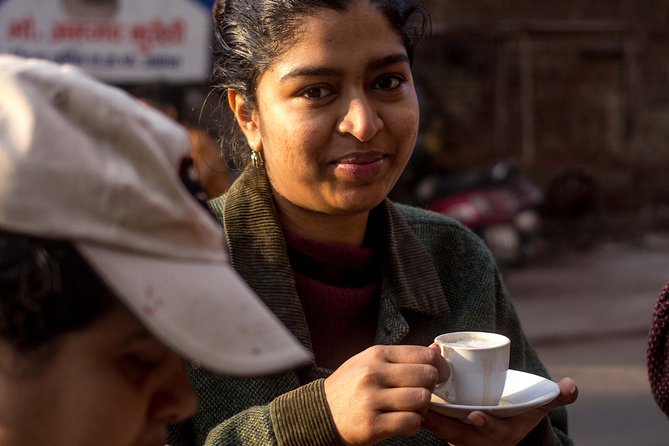
Not every spice tour includes drinks as part of the story, but this one does. You visit three generation-old soda shops and taste refreshing drinks that keep the theme going.
This is where you start to appreciate the difference between spices in savory food versus spices used to balance sweetness, cooling, and digestive comfort. Drinks can be less about heat and more about aroma, acidity, or seed-and-spice character.
It also gives you a break from market heat and walking. Even if you are not a soda person at home, these regional drinks are often built for the local palate and the local weather.
Live flute performance at a 17th-century pathway
Midway through, you pause for a live flute performance at a 17th-century pathway. It sounds like a detour, but it actually fits the tour’s thesis: culinary art and performance culture grew together during the Mughal era.
The guide uses this moment to talk about how the Mughal period supported refined food culture, not just big feasts. If you like history that feels attached to daily life, this stop tends to land well.
It is also a nice reset for the senses. After spice smells and street-food textures, a live musical moment helps your brain stop multitasking, so the next food story lands better.
Mughlai-style non-veg at Pakiza Meat Shop and Akbar’s kitchen
Then the tour shifts into Mughlai non-vegetarian territory, and this is where the dining stops feel like a real contrast to the Satvik and Braj segment.
You try authentic Mughlai-style food at a local meat shop, with context tied to Akbar’s kitchen Ministry and the importance of feast culture in Mughal tradition. You also hear about how Mughal culinary systems shaped what ended up becoming iconic in North Indian food.
One highlight referenced in the tour description is the mutton stew at Pakiza Meat Shop. If you like slow-cooked, spice-forward comfort food, this is the kind of dish that makes the earlier spice talk feel concrete.
What to expect in terms of taste: Mughlai flavors often balance warmth with richness, and the spice aroma tends to show up in layers rather than just heat. If you prefer milder food, you can still enjoy the spices, but you might want to take smaller bites here.
Lassi finish and how to read Agra’s flavor map
The tour ends with freshly made Lassi and one more wrap-up story of spices. Lassi is a classic palate cleanser, and it is especially useful after spicy street food and richer meat dishes.
This is also when the tour’s biggest lesson becomes obvious: spices are not only ingredients, they are a communication system between time periods. Braj cooking, market snack traditions, and Mughal feast culture all show up in what you taste, and you can feel how each style treats spice differently.
If you are eating across cultures, you can use this finish to compare impressions. Ask yourself what you noticed most, the aroma up front, the heat after the swallow, or the way sweetness or dairy smoothed things out.
Who this tour fits best in Agra
I think this tour is a strong choice if you are traveling for food reasons, not just sights. It works especially well if you enjoy old shops, quiet street details, and guides who connect snacks to cooking logic.
It is also a good match for couples or small groups because it is private. You can ask questions without feeling rushed, and the pace can suit your appetite for stories versus eating.
If you have strict dietary limits, the tour may still work, but you should plan carefully. You do get Satvik food without onion, ginger, and garlic, but the experience also includes Mughlai non-veg with a meat shop stop.
Price and value: is $41.70 reasonable for a 3-hour spice walk?
At $41.70 per person for about 3 hours, the value comes from two places. First, you get multiple food moments that go beyond a single snack, including Braj tastings, sweets, drinks, and a final lassi.
Second, the price includes guided context, with clear themes like Satvik rules, spice use in local cuisine, and Mughal-era feast culture. That story element matters because it changes how you interpret the food you are tasting.
For visitors who want the most flavor per minute, the pacing is tight but not frantic. You also have the advantage of starting at 4:00 pm, which is often a workable time to catch old markets with fewer midday heat pressures.
Practical tips to get the most out of the experience
Wear shoes you can trust on uneven street surfaces, because market lanes can be rough underfoot. Since the tour is around 2-3 sentences per stop worth of walking, comfortable footwear is not optional.
Bring a light layer if you get chilly later in the evening, since the tour ends back near the start after the food and flute moment. If you are sensitive to strong food smells, note that spice shops and street snacks are part of the main design, not a side effect.
If you want to pace yourself, take smaller bites at fried snack stops, then let lassi reset your palate near the end. It makes the final Mughlai-meat and dessert-adjacent sweetness feel more enjoyable.
Should you book Story of Spices in Agra?
I’d book this tour if you want Agra beyond the big-ticket monuments, and you care about food culture as much as the architecture. The Satvik tastings, the spice shop stops, and the combination of Braj snacks plus Mughlai meat flavors are a smart mix that helps you understand what spices do in different cooking styles.
Skip it only if you hate walking through narrow market streets or if you are very uncertain about eating non-veg. Since you are tasting across multiple stops, you will get the most value by being open to the spice-forward rhythm.
Overall, this is a practical way to experience Agra with your senses turned on, guided by local storytelling that connects spice to history, food habits, and everyday life.
FAQ
How long is the Story of Spices food tour in Agra?
The tour runs for about 3 hours.
What time does the tour start?
It starts at 4:00 pm.
Where does the tour begin?
The meeting point is around Subash Bazar, Kinari Bazar, Hing ki Mandi, and Mantola in Agra, Uttar Pradesh 282003. It ends back at the meeting point.
Is the tour private or shared?
It is a private tour/activity, so only your group participates.
Is the ticket digital?
Yes, you receive a mobile ticket.
What food and drinks are included?
You can expect Braj food tastings, Satvik food (without onion, ginger, and garlic), snacks like pakoda/falafel and indigenous sweets, drinks from generation-old soda shops, and freshly made lassi.
Does the tour include non-vegetarian food?
Yes. The tour includes a local meat shop stop with Mughlai non-vegetarian flavors, including mutton stew style food.
Is there any live entertainment?
Yes. There is a live flute performance at a 17th-century pathway.
What fitness level do I need?
Moderate physical fitness is recommended since it involves walking through old city areas.
What if the weather is bad?
The experience requires good weather. If it is canceled due to poor weather, you will be offered a different date or a full refund.
More Food & Drink in Agra
- Agra: Indian Food Private Cooking Class
★ 4.6 · 21 reviews - Dine In Indian, home cooked food Agra Food tour My Magic Kitchen
★ 5.0 · 6 reviews - The Great Indian Food Tour: Old Delhi Food and Heritage Walk
★ 5.0 · 1,698 reviews - Old Delhi Food, Heritage&Cultural Walk with Rickshaw ride to Masterji Kee Haveli
★ 5.0 · 742 reviews
Recently added around Agra
- Taj Mahal Half Day Tour by Tuk Tuk★ 5.0 · 16 reviews
- Day Trip Delhi to Agra by Express Train in 90 Min★ 5.0 · 43 reviews
- 3-Hour Unimaginable Beauty of Taj Private Guided Tour★ 5.0 · 13 reviews
- Taj Mahal Virtual Tour with Local Guide(Online Experience )★ 5.0 · 24 reviews
- Private Tour Guide For Taj Mahal And Agra Fort★ 5.0 · 17 reviews
- Taj Mahal by Tuk Tuk : A Local-Style Adventure★ 5.0 · 39 reviews
- Taj Mahal and Agra Full Day Private Tour From Agra★ 5.0 · 8 reviews
- Taj mahal Private Tour with Entry Ticket and Guide★ 5.0 · 42 reviews
Street Food Tours, compared.
The Great Indian Food Tour: Old Delhi Food and Heritage Walk
Read our review →

Feni and Tapas – Food Trail with Tastings & Drinks by Make It Happen
Read our review →
Delhi Food Walk: Rickshaw Ride, Street Eats & Market Tour
Read our review →
Old Delhi Street Food Tour – Explore Spices in Chandni Chowk
Read our review →
Bengali Nights Kolkata Food Tour with 13+ Tastings
Read our review →
Chandni Chowk Delhi Food Tour with 15+ Tastings
Read our review →Browse the lists this tour appears in